
The Role of Ancient Indian Education in Fostering Innovation and Creativity

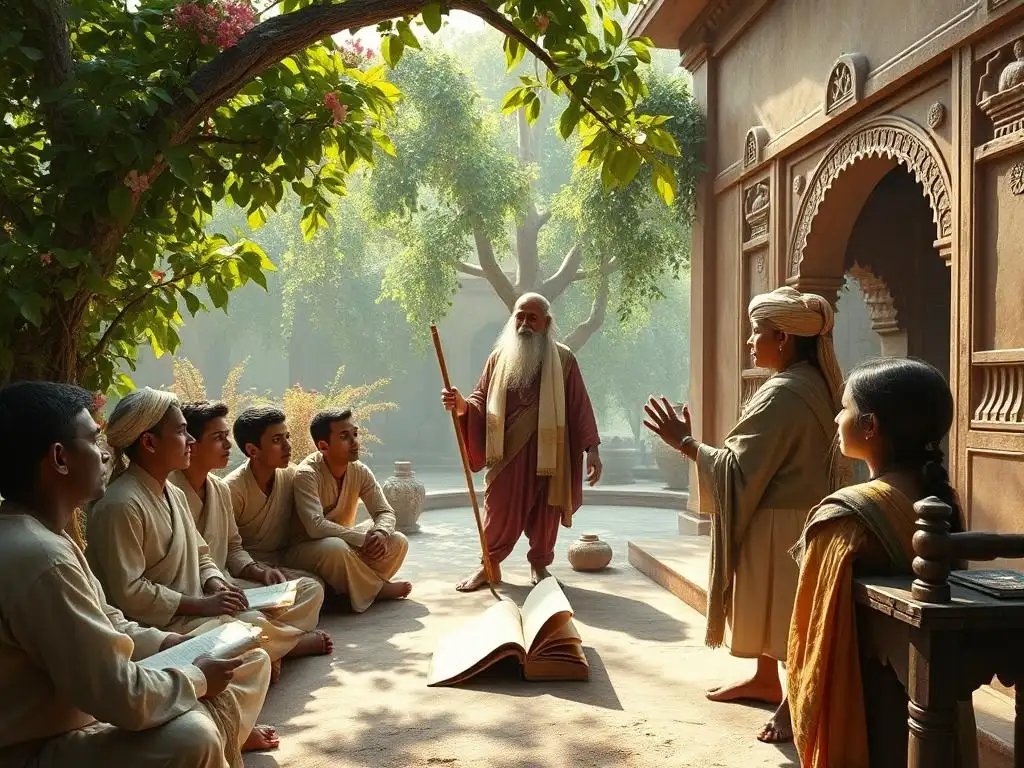
Welcome to Ancient India History, where we embark on a fascinating journey through the rich tapestry of ancient Indian civilizations. Delve into the intriguing world of the ancient Indian education system, a cornerstone that not only shaped minds but also fostered innovation and creativity across generations. As you explore our latest article, "The Role of Ancient Indian Education in Fostering Innovation and Creativity," prepare to uncover the profound impact of these educational traditions on society and beyond. Join us in unraveling the mysteries of a bygone era, and discover how these age-old practices continue to resonate in today’s world.

Introduction to the Ancient Indian Education System
The ancient Indian education system was not merely a means of imparting knowledge; it was a holistic approach that fostered innovation, creativity, and critical thinking. Rooted in the philosophies of various ancient texts and shaped by the diverse cultural milieu of the time, this system played a crucial role in nurturing intellectual growth.
From the meticulous urban planning of the Indus Valley Civilization to the profound philosophical inquiries of the Vedic period, education in ancient India was a cornerstone of societal advancement. This article explores the various facets of this education system, its historical context, and how it contributed significantly to fostering creativity and innovation among students.
Overview of Ancient Indian Education Practices
The ancient Indian education system was characterized by its unique methodologies and structures, which were diverse yet interconnected. It was primarily conducted through:
- Gurukuls: Traditional schools where students lived and learned under the guidance of a guru.
- Viharas and Mathas: Monastic institutions that provided a more formalized structure of learning.
- Oral Traditions: Knowledge was often transmitted orally, emphasizing memory and recitation.
These practices ensured that education was not confined to theoretical knowledge but also included practical skills and moral values, preparing students to contribute innovatively to society.
Importance of Creativity and Innovation in Ancient Indian Learning
The emphasis on creativity and innovation in ancient Indian education can be traced back to its philosophical underpinnings. The Natyashastra, for instance, not only dealt with performing arts but also encouraged creative expression in various forms. Moreover, subjects like mathematics, astronomy, and medicine saw significant advancements due to the innovative spirit fostered within educational institutions. The ancient education system encouraged students to question, explore, and think critically, laying the groundwork for future generations of thinkers and innovators.
Historical Context of Education in Ancient India
To fully appreciate the role of education in fostering creativity and innovation, it is essential to examine the historical context that shaped these practices.
Education in the Indus Valley Civilization
The Indus Valley Civilization (c. 3300–1300 BCE) is one of the earliest examples of urban planning and societal organization. Education during this period was likely practical, focusing on skills pertinent to daily life, such as agriculture, craftsmanship, and trade. Evidence suggests that the inhabitants had a system of weights and measures, indicating an understanding of mathematics and commerce, which would have required a form of educational instruction.
The Vedic Period and Its Contributions to Learning
The Vedic period (c. 1500–500 BCE) marked a significant evolution in the ancient Indian education system. With the introduction of the Vedas, education became more structured, focusing on philosophy, ethics, and spirituality. The teachings emphasized not only intellectual pursuits but also the development of character and leadership qualities. This period saw the emergence of subjects such as grammar, poetry, and logic, promoting a culture of inquiry and debate that would encourage innovative thinking.
The Role of Gurukuls in Student Development
Gurukuls were pivotal in shaping the educational landscape of ancient India. In these informal yet structured settings, students, often from diverse backgrounds, were immersed in a rich curriculum that included philosophy, arts, sciences, and languages. The guru-student relationship fostered a deep bond of learning and mentorship, encouraging students to explore their creativity and pursue knowledge beyond conventional boundaries. This system not only nurtured intellectual capabilities but also instilled values of discipline, respect, and social responsibility, contributing to the overall development of innovative thinkers who would shape the future of Indian civilization.
Philosophical Foundations of Ancient Indian Education
The philosophical underpinnings of ancient Indian education reveal a complex interplay between spirituality, morality, and knowledge. At its core, the ancient Indian education system was deeply influenced by the belief that education was not merely a means to acquire skills or knowledge but a path to self-realization and enlightenment. This holistic view of education was characterized by the integration of ethical and spiritual dimensions, reflecting the teachings of ancient texts such as the Vedas, Upanishads, and various philosophical schools, including Vedanta and Sankhya.
The Concept of "Vidya" and Its Importance
The term "Vidya" in ancient Indian education encompasses more than just the acquisition of knowledge; it signifies the pursuit of wisdom and understanding. Vidya is often associated with the transformative power of learning, aiming to cultivate not only intellectual capabilities but also moral character and social responsibility. This holistic approach emphasized that education should lead to the development of a well-rounded individual, capable of contributing positively to society.
The importance of Vidya can be seen in the various educational institutions established during ancient times, such as the "Gurukulas" and "Taksashila," where students were not only taught academic subjects but were also instilled with values that fostered ethical conduct and social harmony. The reverence for Vidya in ancient texts highlights its role as a means to achieve higher consciousness and societal progress.
Influence of Hindu Philosophy on Educational Practices
Hindu philosophy significantly shaped the educational practices of ancient India, with concepts such as Dharma (duty), Karma (action and consequence), and Moksha (liberation) playing pivotal roles. Education was viewed as a means to fulfill one's Dharma, guiding individuals towards their responsibilities in family and society. This philosophical framework encouraged students to engage in self-reflection and critical thinking, promoting an environment where questioning and dialogue were essential components of the learning process.
Moreover, the emphasis on holistic development and the cultivation of virtues like compassion and humility was an integral part of the educational ethos. These principles were not only taught in philosophical texts but also embodied in the daily practices and rituals of learning, allowing students to internalize these values throughout their educational journey.
Integration of Arts, Sciences, and Humanities in Education
The ancient Indian education system was distinguished by its comprehensive curriculum that seamlessly integrated various fields of knowledge, including arts, sciences, and humanities. Subjects such as mathematics, astronomy, architecture, music, dance, and literature were all part of the educational landscape. This interdisciplinary approach fostered innovation and creativity, as students were encouraged to explore connections between diverse areas of study.
The emphasis on the arts was particularly notable, with the belief that artistic expression was vital for personal development and societal enrichment. Ancient texts like the "Natyashastra" and "Sangita Ratnakara" exemplify the high regard for artistic disciplines, highlighting their significance in the educational framework. This integration not only nurtured creativity but also cultivated a sense of cultural identity and continuity, ensuring that knowledge was preserved and passed down through generations.
Curriculum and Pedagogical Approaches in Ancient Indian Education
The curriculum of ancient Indian education was designed to be flexible and adaptive, catering to the diverse needs of students from various backgrounds. The pedagogical approaches employed were centered around experiential learning, mentorship, and community involvement, reflecting the holistic nature of education during this period.
Subjects Taught in Ancient Indian Schools
Ancient Indian schools, particularly Gurukulas, offered a wide range of subjects that included language, mathematics, astronomy, philosophy, and the arts. Students received instruction in classical languages such as Sanskrit, which was essential for understanding religious and philosophical texts. Mathematics was taught through practical applications, including arithmetic, geometry, and astronomy, which were crucial for agriculture and navigation.
In addition to these subjects, vocational training was also emphasized, equipping students with skills necessary for various trades and crafts. This broad curriculum ensured that learners emerged as well-rounded individuals capable of contributing to multiple aspects of society.
The Role of Oral Tradition and Storytelling
Oral tradition played a vital role in the ancient Indian education system, with storytelling being a primary method of knowledge transmission. This approach not only made learning engaging but also allowed for the preservation of cultural heritage and values. Stories from epics like the Mahabharata and Ramayana were commonly used to impart moral lessons and philosophical insights, fostering a deep connection between learners and their cultural roots.
The oral nature of education encouraged active participation and critical dialogue among students, as they were often expected to discuss, interpret, and critique the stories shared. This dynamic interaction helped cultivate critical thinking and creativity, essential skills for personal and intellectual growth.
Experiential Learning and Practical Knowledge
Experiential learning was a cornerstone of the ancient Indian education system, with students actively engaging in hands-on experiences to reinforce their understanding of theoretical concepts. This method was evident in various practices, such as apprenticeships, where students learned trades by working alongside skilled artisans and professionals.
Fieldwork was also common, particularly in subjects like agriculture, where students gained practical knowledge about farming techniques and environmental stewardship. This emphasis on real-world applications not only enhanced learning but also prepared students to navigate the complexities of life beyond the classroom, fostering innovation and adaptability in their pursuits.
Innovation and Creativity in Ancient Indian Educational Systems
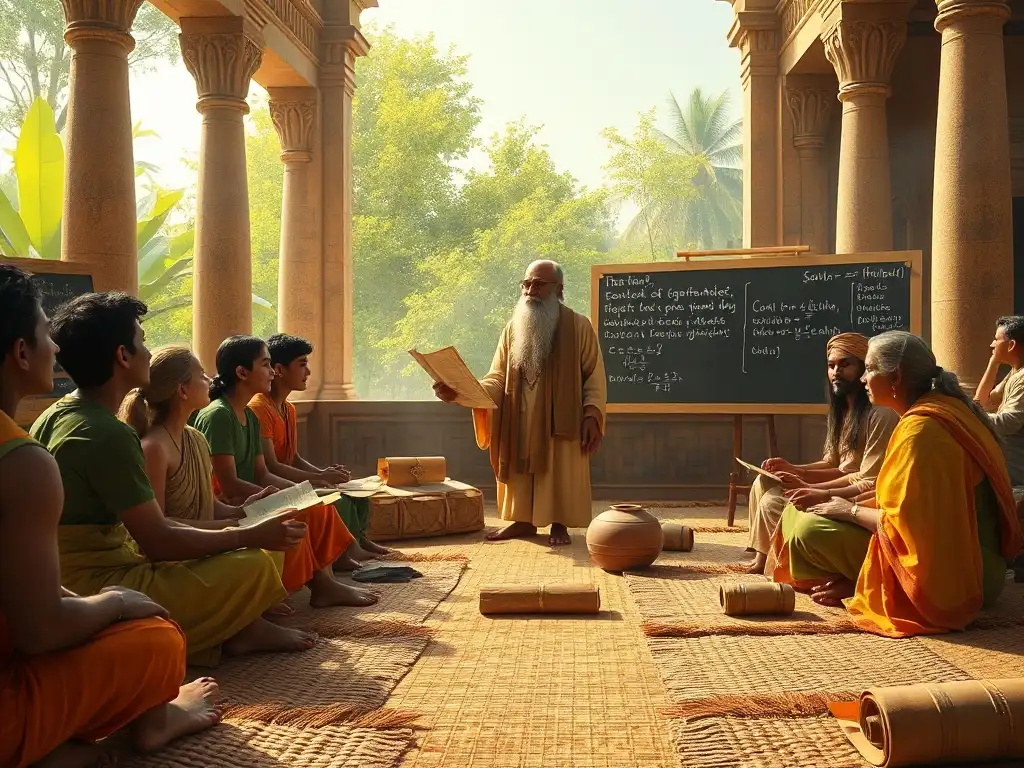
The ancient Indian education system was deeply embedded in its cultural and philosophical framework, fostering an environment where innovation and creativity thrived. Education was not merely a means to acquire knowledge but a holistic approach that emphasized critical thinking, problem-solving, and the exploration of ideas. The Gurukul system, where students lived with their teachers, encouraged a close mentor-student relationship that facilitated personalized learning and the exchange of creative ideas.
Curricula were often designed to be interdisciplinary, incorporating subjects such as philosophy, mathematics, astronomy, and the arts, which allowed students to draw connections across different fields. This interdisciplinary approach nurtured a mindset geared towards innovation, as students learned to apply concepts from one domain to solve challenges in another. Additionally, discussions and debates were integral to the learning process, prompting students to think critically and innovate.
Case Studies of Prominent Innovators in Ancient India
Several figures from ancient India exemplify the spirit of innovation and creativity fostered by the education system.
- Aryabhata: A renowned mathematician and astronomer, Aryabhata's work in the 5th century CE laid the foundation for modern mathematics. His innovative approach to the concept of zero and the decimal system revolutionized calculations and influenced mathematicians worldwide.
- Charaka: As a pioneer in the field of medicine, Charaka's contributions to Ayurveda were rooted in meticulous observation and experimentation. His text, the "Charaka Samhita," not only provided medical knowledge but also introduced innovative methodologies for diagnosis and treatment.
- Panini: The ancient grammarian Panini developed a sophisticated system of Sanskrit grammar in the 4th century BCE. His analytical approach to language demonstrated creativity in linguistic structure and laid the groundwork for modern linguistics.
These innovators illustrate how the ancient Indian education system nurtured creativity, enabling individuals to make groundbreaking contributions in their respective fields.
The Impact of Ancient Education on Scientific Discoveries
The ancient Indian education system significantly impacted scientific discoveries, laying the groundwork for advancements in various domains. The emphasis on observation and experimentation in institutions like Takshashila and Nalanda fostered a culture of inquiry that led to remarkable discoveries.
For instance, the field of astronomy saw significant contributions from ancient Indian scholars who developed sophisticated models to explain celestial phenomena. The concept of planetary motion and the calculation of eclipses were advanced by these scholars, indicating a high level of understanding and innovation.
Furthermore, the ancient education system's focus on mathematics and logic contributed to the development of algorithms and calculus long before similar concepts emerged in other parts of the world. The educational practices that encouraged exploration and analytical thinking were crucial in driving these scientific breakthroughs.
Contributions to Literature, Mathematics, and Arts
Ancient Indian education made remarkable contributions to literature, mathematics, and the arts, reflecting the rich tapestry of cultural and intellectual achievements.
- Literature: The Sanskrit language flourished under the ancient education system, giving rise to epic texts like the "Mahabharata" and "Ramayana." These works not only enriched Indian literature but also served as vehicles for moral and philosophical teachings.
- Mathematics: Ancient Indian mathematicians introduced concepts such as the number system, algebra, and geometry. The work of scholars like Brahmagupta and Bhaskara II advanced mathematical knowledge, influencing both Eastern and Western mathematical traditions.
- Arts: The arts were integral to education, with ancient Indians excelling in various forms of artistic expression, including sculpture, dance, and music. The educational emphasis on arts nurtured creativity, resulting in masterpieces that still resonate today.
The interconnectedness of these contributions highlights the holistic nature of the ancient Indian educational system and its role in fostering creativity across diverse fields.
Legacy of Ancient Indian Education in Modern Context
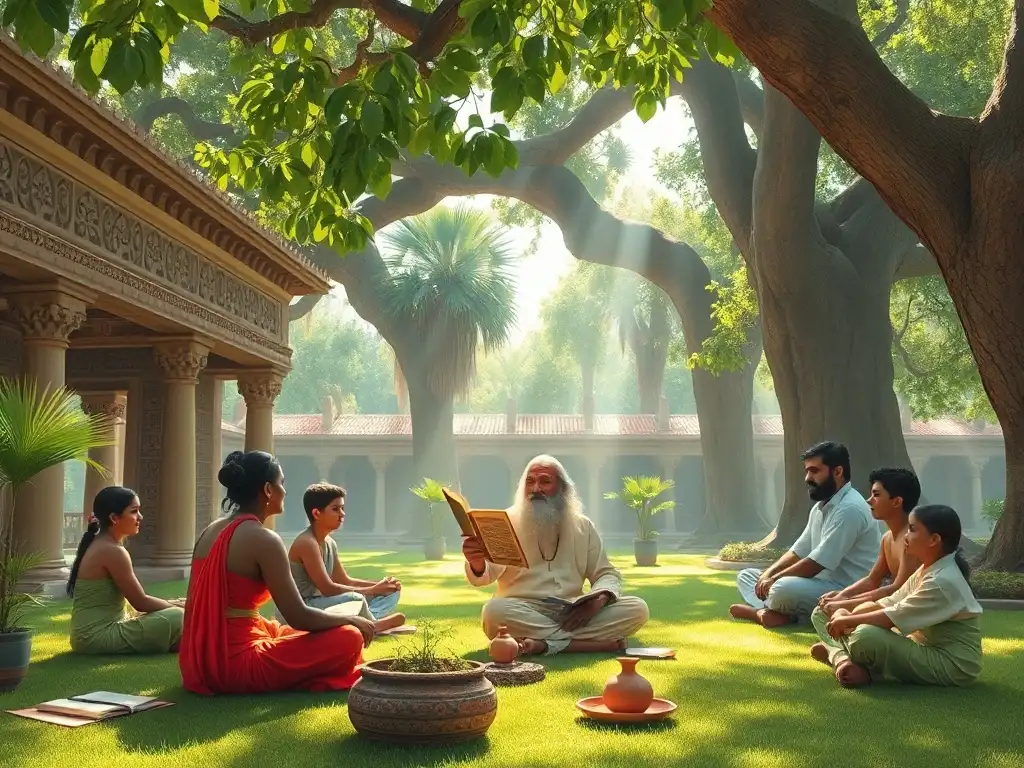
The legacy of the ancient Indian education system continues to influence contemporary education, emphasizing the importance of creativity, innovation, and critical thinking. Modern educational practices that incorporate collaborative learning, interdisciplinary approaches, and student-centered methodologies can trace their roots back to ancient traditions.
How Ancient Educational Practices Influence Contemporary Education
Many contemporary educational systems are beginning to recognize the value of the ancient Indian education model. The focus on experiential learning, mentorship, and the integration of arts and sciences mirrors the ancient practices that encouraged innovation. Schools and universities are increasingly adopting project-based learning, collaborative environments, and curricula that promote creativity, inspired by the holistic educational philosophies of ancient India.
The Importance of Creativity in Today's Educational Systems
In today's fast-paced and ever-evolving world, fostering creativity in educational systems is more crucial than ever. As industries become increasingly reliant on innovation, educational institutions must equip students with the skills to think creatively and solve complex problems. The ancient Indian education system serves as a timeless reminder that nurturing creativity is essential for producing thinkers and leaders capable of driving societal progress.
Lessons from Ancient Indian Education for Modern Innovators
Modern innovators can draw valuable lessons from the ancient Indian education system. Key takeaways include:
- Interdisciplinary Learning: Emphasizing connections between different fields can lead to innovative solutions and ideas.
- Mentorship: Building strong mentor-student relationships fosters an environment of trust and personalized learning.
- Encouraging Inquiry: Cultivating curiosity and a questioning mindset can inspire innovative thinking.
By integrating these principles into contemporary educational practices, modern innovators can create a fertile ground for creativity and advancement, echoing the rich legacy of ancient Indian education.
Conclusion
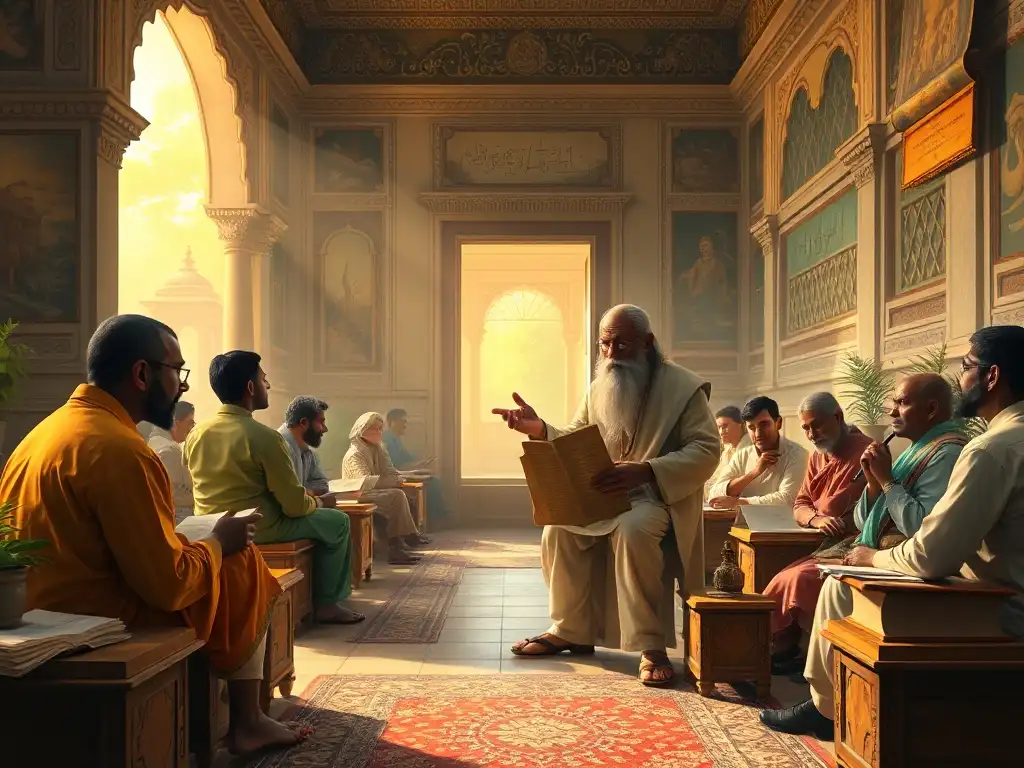
The ancient Indian education system was not merely a means of imparting knowledge; it was a comprehensive framework that fostered innovation and creativity through various methodologies and practices. By emphasizing critical thinking, experiential learning, and holistic development, this educational paradigm nurtured intellectual curiosity and encouraged scholars to explore diverse fields—from mathematics and astronomy to philosophy and arts. The rich tradition of Guru-Shishya relationships, combined with a focus on ethical and moral education, created an environment where students were inspired to think independently and innovatively.
Summary of Key Points on Ancient Indian Education and Innovation
- Guru-Shishya Tradition: The personal mentorship provided by gurus played a pivotal role in developing a deep understanding of subjects, encouraging students to engage critically with the material.
- Diverse Curriculum: The education system was inclusive of various disciplines, including sciences, arts, literature, and philosophy, allowing students to explore their interests and develop a well-rounded intellect.
- Experiential Learning: Emphasis on real-life applications of knowledge through discussions, debates, and practical experiments fostered creativity and problem-solving skills among students.
- Moral and Ethical Education: The integration of values within the curriculum helped shape responsible and innovative thinkers, who could contribute positively to society.
- Scholarly Contributions: Ancient Indian scholars made significant contributions to various fields, showcasing the effectiveness of the education system in promoting intellectual achievements.
The Continuing Relevance of Ancient Educational Principles in Today's World
The principles of ancient Indian education remain relevant in contemporary educational discourse. The focus on holistic development, critical thinking, and experiential learning resonates with modern educational theories that advocate for student-centered learning. As educational institutions worldwide seek to nurture creativity and innovation, revisiting ancient Indian methods can provide valuable insights.
- Holistic Education: Today's emphasis on mental well-being and emotional intelligence mirrors the ancient Indian perspective that education should cater to the overall development of an individual.
- Mentorship Models: The Guru-Shishya model can be adapted to current mentorship practices, fostering personalized learning experiences that cultivate innovation.
- Interdisciplinary Learning: The ancient curriculum's broad scope serves as a blueprint for modern interdisciplinary studies, encouraging students to connect diverse fields and think creatively.
- Values-Based Education: Incorporating ethical and moral education in modern curricula can empower students to use their knowledge responsibly, ensuring that innovation is guided by social responsibility.
In essence, the ancient Indian education system offers timeless lessons that can enrich today's educational frameworks, fostering a new generation of thinkers capable of addressing complex global challenges with creativity and innovation.
- Introduction to the Ancient Indian Education System
- Historical Context of Education in Ancient India
- Philosophical Foundations of Ancient Indian Education
- Curriculum and Pedagogical Approaches in Ancient Indian Education
- Innovation and Creativity in Ancient Indian Educational Systems
- Case Studies of Prominent Innovators in Ancient India
- The Impact of Ancient Education on Scientific Discoveries
- Contributions to Literature, Mathematics, and Arts
- Legacy of Ancient Indian Education in Modern Context
- How Ancient Educational Practices Influence Contemporary Education
- The Importance of Creativity in Today's Educational Systems
- Lessons from Ancient Indian Education for Modern Innovators
- Conclusion
- Summary of Key Points on Ancient Indian Education and Innovation
- The Continuing Relevance of Ancient Educational Principles in Today's World
Frequently Asked Questions
What was the ancient Indian education system like?
The ancient Indian education system was highly structured, focusing on subjects like philosophy, mathematics, and astronomy. It emphasized the development of critical thinking and creativity among students.
How did the Gurukul system function?
The Gurukul system involved students living with their guru (teacher) in a residential setting. Here, they received personalized instruction and were taught various subjects, fostering a deep mentor-student relationship.
What contributions did ancient Indian education make to innovation?
The ancient Indian education system encouraged innovative thinking by promoting exploration and experimentation. This led to significant advancements in fields like medicine, mathematics, and engineering.
How did ancient texts influence education in India?
Texts such as the Vedas, Upanishads, and Arthashastra provided a wealth of knowledge, shaping the curriculum. They emphasized not only academic subjects but also moral and ethical teachings, which were integral to the educational philosophy.
What role did education play in the Gupta Empire?
During the Gupta Empire, education flourished with the establishment of universities like Nalanda and Takshashila. These institutions became centers for scholarship, attracting students from various regions and fostering a spirit of intellectual exchange.
Final Reflection: Embracing the Wisdom of the Ancient Indian Education System
The ancient Indian education system serves as a profound reminder of how innovation and creativity can flourish in an environment that values holistic learning and critical thinking. In today's fast-paced world, where rote memorization often overshadows genuine understanding, revisiting the principles of this ancient system can inspire a transformative approach to education. The relevance of these teachings is not merely historical; they resonate deeply with our current quest for innovative solutions in a rapidly evolving society.
The impact of the ancient Indian education system extends far beyond its historical context; it continues to shape our cultural and social landscape by emphasizing the importance of inquiry, ethics, and interdisciplinary learning. The values instilled by this system encourage individuals to think outside the box and approach problems with creativity and compassion. Education is the most powerful weapon which you can use to change the world.
— Nelson Mandela. This quote encapsulates the essence of what the ancient Indian education system aimed to achieve: a transformative force that empowers individuals to enact meaningful change.
As we reflect on the lessons from this rich educational heritage, I invite you to consider how you can integrate these principles into your own life. How can you foster an environment of curiosity and creativity in your personal or professional pursuits? By embracing the wisdom of the ancient Indian education system, we can cultivate a future where innovation thrives, and creativity knows no bounds. Let us take these lessons to heart and strive to create spaces that nurture the next generation of thinkers, dreamers, and innovators.
Unleash Your Inner Innovator Today!
Thank you for diving into the fascinating world of ancient Indian education and its profound impact on innovation and creativity. You’ve uncovered key insights that can inspire your own journey toward creative thinking. Now, it’s time to take action and apply what you've learned!
Here are a few ways you can begin to channel the spirit of ancient learning:
- Embrace Lifelong Learning: Consider enrolling in a workshop or an online course that ignites your curiosity—whether it focuses on art, technology, or philosophy. Embrace new disciplines just as ancient scholars did!
- Join a Creative Community: Seek out a local group or an online platform where you can share ideas and collaborate on projects, creating an environment similar to the debates held by ancient scholars.
- Cultivate Reflective Practices: Dedicate time each day for reflection or journaling, much like the traditional learning methods of the past. This practice can help clarify your thoughts and spark new ideas.
How will you take the first step toward embracing innovation in your life? Share your thoughts and ideas in the comments below!