
The Forgotten Voices: Women in Ancient Indian Inscriptions

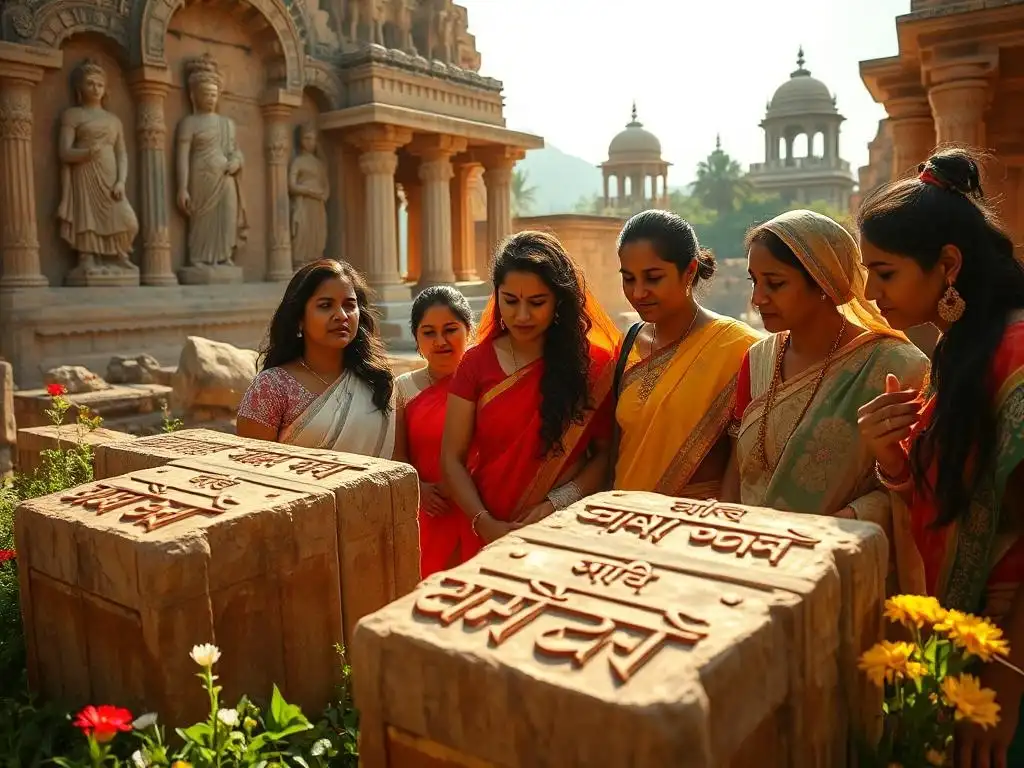
Welcome to Ancient India History, where we delve into the rich tapestry of civilizations that shaped the subcontinent. In our featured article, "The Forgotten Voices: Women in Ancient Indian Inscriptions," we uncover the remarkable yet often overlooked roles of women throughout history. From the profound insights found in ancient inscriptions to the cultural contributions that have long been overshadowed, this exploration promises to challenge your perceptions and deepen your understanding of India's past.
Are you ready to discover the stories of these remarkable women who have left their mark on history? Continue reading to unveil the hidden narratives that have shaped our world today!
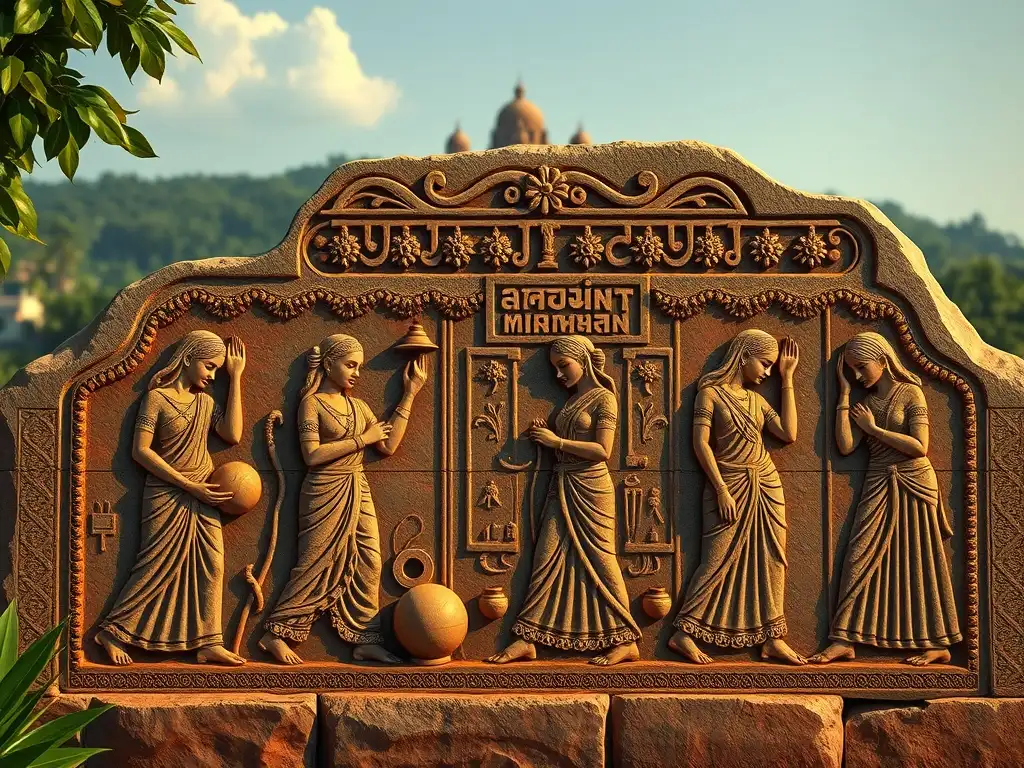
Introduction to Women in Ancient Indian History
The exploration of women's roles in ancient Indian history is a vital yet often overlooked aspect of the broader narrative of Indian civilization. While many historical accounts focus predominantly on the achievements of kings, scholars, and warriors, the contributions and experiences of women remain largely hidden in the shadows.
This article aims to illuminate these forgotten voices by examining ancient inscriptions that provide insights into women's lives, their social status, and their significant contributions throughout various periods of Indian history. By delving into these inscriptions, we can better appreciate the complexities of women's roles in ancient Indian society and recognize their impact on cultural and social developments.
Overview of Ancient Indian Civilizations
Ancient India was home to a tapestry of civilizations, each contributing uniquely to the rich cultural heritage of the region. From the sophisticated urban planning of the Indus Valley Civilization to the philosophical advancements of the Vedic period and the grandeur of the Maurya and Gupta Empires, these societies were marked by their diversity and dynamism.
- Indus Valley Civilization (c. 3300–1300 BCE): Known for its advanced urban planning, including drainage systems and standardized weights and measures.
- Vedic Period (c. 1500–500 BCE): Characterized by the composition of the Vedas, which laid the foundation for Hindu philosophy and societal structures.
- Maurya Empire (c. 322–185 BCE): Famous for leaders like Ashoka, who promoted the spread of Buddhism and ethical governance.
- Gupta Empire (c. 320–550 CE): Often referred to as the Golden Age of India, noted for significant advancements in science, mathematics, and art.
These civilizations, while diverse in their practices and beliefs, shared a common thread in the roles women played within their societies, often reflected in the inscriptions that have survived the test of time.
Importance of Inscriptions in Understanding History
Inscriptions serve as invaluable primary sources for historians, offering direct evidence of past societies, their norms, and values. They are often inscribed on durable materials such as stone, metal, or pottery, ensuring their preservation across centuries.
- Types of Inscriptions:
- Religious inscriptions detailing rituals and offerings
- Commemorative inscriptions honoring individuals or events
- Administrative records providing insights into governance
These inscriptions not only reveal the administrative and religious practices of the time but also hint at the societal roles of women, their recognition in public life, and their contributions to family and community. By analyzing these texts, researchers can piece together a more comprehensive picture of women's status in ancient Indian history.
The Role of Women in Ancient Indian Society
The role of women in ancient Indian society was multifaceted, encompassing various domains including family, religion, and even governance at times. Understanding their position requires a nuanced perspective that considers both the societal norms and the individual experiences reflected in historical records.
Social Status of Women in Ancient India
The social status of women in ancient India varied significantly across different regions and periods. While some inscriptions highlight women's roles as wives, mothers, and caretakers, others reveal instances of women in positions of authority and recognition.
- Marriage and Family: Women were often seen as the backbone of the family unit, responsible for household management and child-rearing.
- Education and Learning: Evidence suggests that women were educated in various fields, including literature and philosophy, particularly during the Vedic period.
- Legal Rights: Some inscriptions indicate that women could own property and had rights to inheritance, although these rights fluctuated over time.
Contributions of Women in Various Spheres
The contributions of women in ancient India were significant and varied across different spheres, including religion, arts, and governance.
- Religious Roles: Women often played crucial roles in religious practices, serving as priestesses or participating in rituals that shaped spiritual life.
- Art and Literature: Many ancient texts and inscriptions acknowledge the works of women poets and artists, showcasing their creativity and intellectual contributions.
- Political Influence: Certain inscriptions highlight women who acted as regents or advisors, influencing political decisions and governance.
The examination of ancient inscriptions sheds light on the vital roles women played throughout Indian history, revealing a rich tapestry of contributions that challenge the notion of their invisibility in historical narratives. By recognizing these voices, we can appreciate the complexity and depth of women's experiences in ancient Indian civilization.
Inscriptions Documenting Women’s Lives
In ancient India, inscriptions serve as a crucial source of historical data, revealing the lives, roles, and contributions of women within various civilizations. These inscriptions, etched in stone, metal, and other materials, often commemorate significant events, religious dedications, and social roles, providing insights into women's status in society. From the early Indus Valley civilization to the later Gupta Empire, women are not merely passive figures; instead, they actively engage in various aspects of life, including religion, governance, and the arts.
Many inscriptions highlight women's contributions as patrons of temples, supporters of arts, and custodians of family lineage. For instance, inscriptions often mention women who commissioned temples or were associated with particular deities, showcasing their importance in religious and cultural contexts. Moreover, these inscriptions reveal the familial ties and relationships that were significant to ancient Indian society, as women are frequently acknowledged in the context of their fathers, husbands, or sons.
Types of Inscriptions Featuring Women
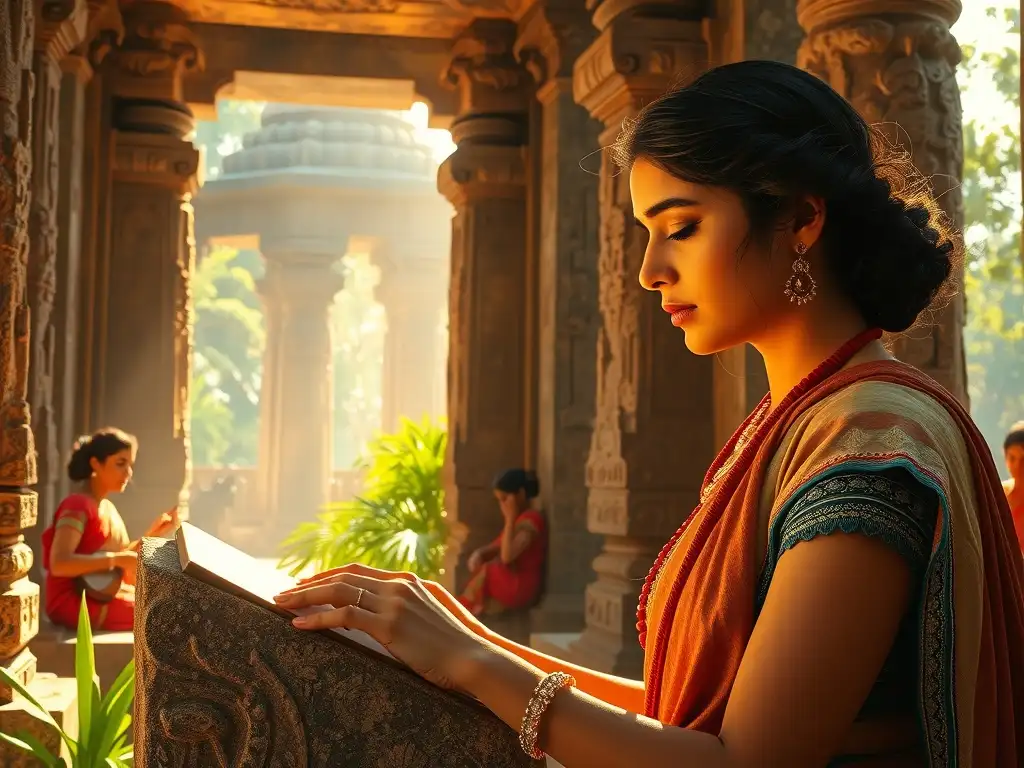
Women appear in various types of inscriptions across different periods and regions of ancient India. The most notable categories include:
- Religious Inscriptions: These often document women as devotees or patrons of temples, highlighting their spiritual roles. For example, inscriptions dedicated to goddesses frequently mention female worshippers or priests.
- Funerary Inscriptions: These inscriptions commemorate the deceased and often include details about women, illustrating their roles within families and society. They sometimes express the emotions of loss and reverence for women who played pivotal roles in family lineages.
- Royal Inscriptions: Some inscriptions from royal dynasties reference queens and noblewomen, emphasizing their influence in governance, diplomacy, and as political figures. These documents reveal the power dynamics and the political significance of women during various reigns.
- Donative Inscriptions: Often found in temples, these inscriptions can highlight women's contributions to religious and social causes, demonstrating their agency in philanthropy and community welfare.
Each type of inscription provides a unique perspective on women’s roles and statuses, contributing to a more nuanced understanding of gender dynamics in ancient Indian history.
Case Studies of Notable Inscriptions
Several notable inscriptions vividly illustrate the diverse roles and representations of women in ancient India. Here are a few significant examples:
- The Prayaga Prasasti: This inscription, dating back to the early 11th century, honors the achievements of the king and mentions his queen, showcasing her contributions to the kingdom's prosperity.
- The Junagadh Rock Edicts: These inscriptions from the time of Emperor Ashoka include references to women in the context of social welfare and moral teachings, highlighting their role in promoting ethical values within society.
- The Kanchi Copper Plates: These plates detail the land grants made by a king to his queen, emphasizing her status and influence within the royal lineage, as well as her role in governance.
These case studies not only highlight the historical presence of women but also underscore their multifaceted roles in society, reflecting a complex interplay of power, devotion, and identity.
Women’s Representation in Ancient Inscriptions
The representation of women in ancient inscriptions is a critical area of study, providing insights into societal norms and values. The language, themes, and context in which women are portrayed reveal much about their perceived roles and the dynamics of gender relations.
Analysis of Language and Terminology
The language used in inscriptions often reflects the societal attitudes towards women. Terms of reverence and respect are commonly used when addressing goddesses or noblewomen, suggesting an acknowledgment of their societal significance. For instance, titles such as "Rani" (queen) or "Devi" (goddess) are often employed, indicating a certain level of esteem associated with female figures.
Additionally, the absence of women’s names in many inscriptions can indicate societal norms that favored male lineage and visibility. However, where women are named, it often signifies their importance in religious and familial contexts. The duality of representation—both reverent and marginal—provides a complex portrait of women's status in ancient Indian society.
Gender Roles Reflected in Inscriptions
Ancient inscriptions also reflect the gender roles prevalent in society. Women are often depicted in domestic roles, emphasizing their responsibilities as wives and mothers. However, they are also portrayed as active participants in religious and political spheres, challenging the notion of women being solely confined to the private domain.
Some inscriptions illustrate women as landowners or patrons, indicating their economic agency. Others highlight their involvement in religious rituals, portraying them as vital to the spiritual life of the community. This dual representation underscores the complexity of gender roles in ancient India, where women could oscillate between being seen as caretakers and influential figures within society.
The study of women in ancient Indian inscriptions reveals not only their historical presence but also the evolving perceptions of gender roles throughout different periods. By examining these inscriptions, we can gain a deeper understanding of the societal constructs that shaped the lives of women in ancient India.
The Impact of Cultural Narratives on Women’s History
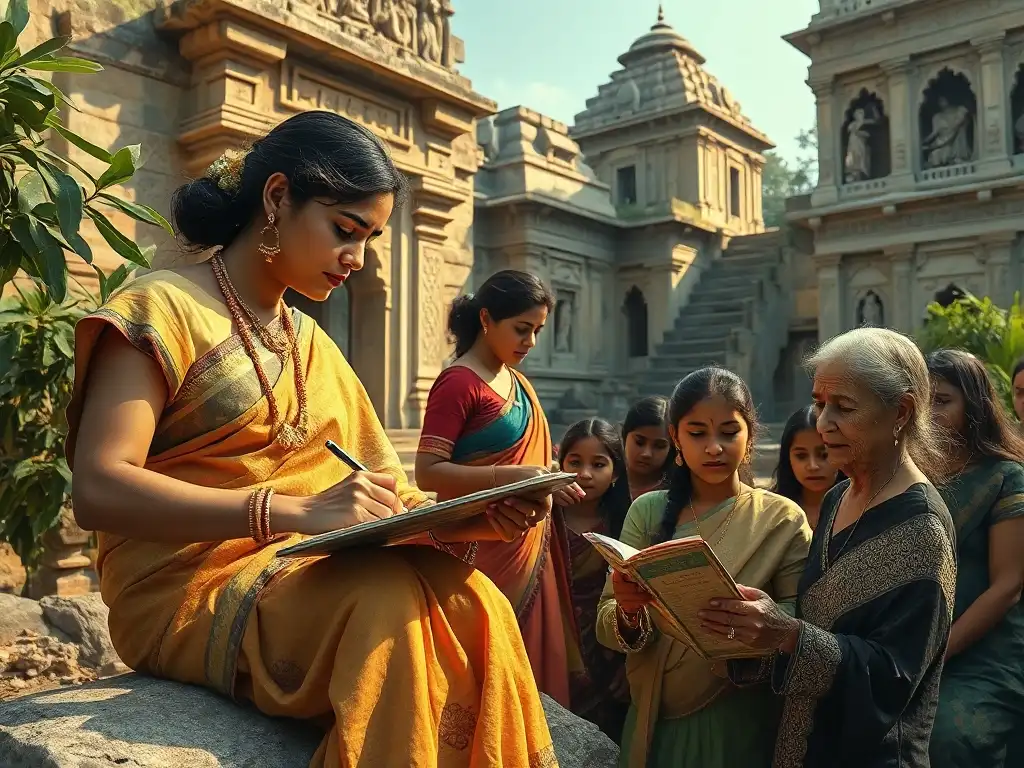
Cultural narratives play a pivotal role in shaping our understanding of historical figures and events. In the context of ancient Indian history, the portrayal of women in inscriptions reflects a complex interplay of societal values, norms, and expectations. Often, these inscriptions serve as both historical documentation and cultural commentary, influencing how women's roles are perceived over time. For instance, texts from the Vedic period depict women as scholars and participants in religious rites, contrasting sharply with later narratives that often confine them to domestic spheres.
These cultural narratives can create an illusion of homogeneity in women's experiences, disregarding the diversity of voices across different regions and periods. By examining inscriptions from various dynasties, scholars have begun to unravel the multi-dimensional roles women played, challenging the monolithic portrayals often found in historical texts. This nuanced understanding highlights the importance of recognizing women's agency and contributions throughout ancient Indian history, ultimately reshaping the broader narrative of the past.
Myths and Realities of Women in Ancient India
The myths surrounding women in ancient India often stem from interpretations of texts that have been handed down through generations. Common stereotypes suggest that women were primarily relegated to domestic roles, lacking agency and autonomy. However, a closer examination of ancient inscriptions and literary sources reveals a more complex reality.
For example, some inscriptions document women as landowners, patrons of the arts, and contributors to religious institutions. The narratives surrounding figures like Gargi and Maitreyi, who were respected philosophers and scholars, showcase the intellectual contributions of women. Additionally, evidence from the Mauryan and Gupta periods suggests that women could hold power in their own right, often influencing political decisions and governance.
The disparity between myth and reality highlights the necessity of critically analyzing historical sources to better understand the multifaceted roles women played in ancient Indian society. By doing so, historians can dispel myths and bring to light the significant contributions of women that have been overlooked.
Influence of Religion and Philosophy on Women’s Roles
Religion and philosophy have significantly influenced women's roles throughout ancient Indian history, manifesting in various ways across different traditions. Texts such as the Manusmriti outline specific duties and expectations for women, often emphasizing subservience and domesticity. However, these texts coexist with others that celebrate women's spiritual and intellectual capabilities.
For instance, the rise of Buddhism and Jainism introduced alternative perspectives on women's roles, offering them more autonomy in spiritual practices and community participation. Similarly, the Bhakti movement, which emerged in medieval India, empowered women to express their spirituality through poetry and song, often challenging patriarchal norms.
Philosophical discourses on gender and ethics also played a crucial role in shaping societal norms. The writings of figures like Adi Shankaracharya and Ramanuja discussed the spiritual equality of men and women, promoting a more inclusive understanding of gender roles. Overall, the interplay between religion and philosophy in ancient India provided both constraints and avenues for women's empowerment, reflecting a dynamic and evolving societal landscape.
Modern Interpretations and Significance
The significance of women in ancient Indian history has gained renewed attention in modern scholarship, as historians strive to reinterpret ancient texts and inscriptions with a critical lens. This shift is essential for understanding the broader implications of women’s roles in society and their contributions to cultural heritage. By analyzing inscriptions, scholars can uncover stories that challenge traditional narratives and highlight the diverse experiences of women.
Moreover, modern interpretations emphasize the need for inclusive historiography, recognizing the voices of marginalized groups, including women. This approach not only enriches the understanding of ancient Indian history but also underscores the importance of representation in historical narratives.
Archaeological Discoveries and their Implications
Recent archaeological discoveries have unveiled a wealth of information regarding women in ancient Indian societies. Excavations of sites like Harappa and Mohenjo-Daro have revealed artifacts that suggest women participated in various economic activities, from textile production to trade. Inscriptions from the Gupta period further document women's involvement in philanthropy and the arts, indicating their significant contributions to society.
The implications of these findings are profound, as they challenge the notion that women were passive participants in history. Instead, these discoveries support the assertion that women actively shaped their communities and left indelible marks on their cultures. By integrating archaeological evidence with textual analysis, historians can construct a more comprehensive understanding of women’s roles in ancient India.
How Contemporary Historians View Women in Ancient Indian History
Contemporary historians increasingly recognize the importance of re-evaluating women's roles in ancient Indian history through a multifaceted lens. This involves moving beyond traditional narratives that often marginalize women's contributions. Historians are now employing interdisciplinary approaches, incorporating insights from anthropology, sociology, and gender studies to create a more holistic picture.
This modern perspective encourages the exploration of women's agency, power dynamics, and everyday experiences, highlighting their significant yet often overlooked roles in shaping society. By emphasizing the need for diverse voices in historical research, contemporary historians strive to reconstruct a narrative that honors the complexities of women's lives in ancient India.
The evolving understanding of women in ancient Indian history reflects broader changes in historiography, emphasizing the importance of inclusivity and representation. As scholars continue to uncover and reinterpret ancient inscriptions, the forgotten voices of women are gradually being restored to their rightful place in the historical narrative.
Conclusion: Reviving the Forgotten Voices
The study of ancient Indian inscriptions has often overlooked the significant roles played by women throughout history. As we delve into these inscriptions, we begin to uncover a tapestry of women's voices that challenge the traditional narratives of a male-dominated past. Reviving these forgotten voices is crucial not only for historical accuracy but also for enriching our understanding of the social, cultural, and economic fabric of ancient Indian societies. By acknowledging women's contributions, we can foster a more inclusive historical discourse that honors the multifaceted identities and experiences of women in ancient India.
Restoring these voices requires a concerted effort from historians, archaeologists, and epigraphists to reinterpret existing inscriptions and seek out new finds. Academic collaboration across disciplines can lead to innovative methodologies that bring to light the often-subtle references to women. Additionally, public engagement, through exhibitions and educational programs, can help raise awareness and appreciation for the roles women played in shaping ancient India.
The Importance of Recognizing Women's Contributions
Recognizing women's contributions in ancient Indian history is essential for several reasons. Firstly, it promotes gender equality by challenging the patriarchal narratives that have long dominated historical accounts. By highlighting the achievements and agency of women, we not only validate their roles but also inspire future generations to acknowledge and celebrate women's contributions in all fields.
Moreover, women's participation in various aspects of society—be it in governance, religion, art, or commerce—provides a more nuanced understanding of ancient Indian culture. For example, inscriptions referencing queens and female patrons of the arts reveal their influence on politics and culture. This acknowledgment can lead to a deeper appreciation of the complexities within ancient societies, showcasing that women's voices were indeed integral to their communities.
Finally, recognizing women's contributions encourages the preservation of cultural heritage. When we highlight the roles women played, we advocate for the protection and study of inscriptions that may otherwise be neglected. This not only serves to honor the past but also ensures that diverse perspectives are included in the ongoing dialogue about history.
Future Directions in the Study of Women in Ancient Indian Inscriptions
The future of studying women in ancient Indian inscriptions holds exciting possibilities, demanding a multi-faceted approach. One promising direction involves the application of advanced technologies such as digital imaging and machine learning. These tools can aid in deciphering inscriptions that have been eroded over time or are difficult to access, potentially unveiling new information about women's roles in various contexts.
Another vital area for exploration is the interdisciplinary collaboration between historians, linguists, and feminist scholars. By integrating different perspectives and methodologies, researchers can develop richer interpretations of inscriptions that mention women. This collaboration can also extend to local communities, encouraging participatory approaches that respect and incorporate local knowledge and narratives.
Furthermore, expanding the geographical scope of research is crucial. While significant studies have focused on prominent regions like the Indus Valley and Gupta Empire, lesser-known sites may hold valuable inscriptions that provide insights into women's lives across different locales. Conducting fieldwork and engaging with local historians can yield fresh discoveries and broaden the historical narrative.
The study of women in ancient Indian inscriptions not only serves to amplify their voices but also enriches our understanding of ancient civilizations. By fostering a more inclusive approach to history, we pave the way for future generations to appreciate the diverse contributions of all individuals in shaping our past.
- Introduction to Women in Ancient Indian History
- The Role of Women in Ancient Indian Society
- Inscriptions Documenting Women’s Lives
- Types of Inscriptions Featuring Women
- Case Studies of Notable Inscriptions
- Women’s Representation in Ancient Inscriptions
- The Impact of Cultural Narratives on Women’s History
- Modern Interpretations and Significance
- Conclusion: Reviving the Forgotten Voices
- What role did women play in ancient Indian civilizations?
- How are women represented in ancient Indian inscriptions?
- What were the common professions of women in ancient India?
- Were there any prominent women leaders in ancient India?
- How have women’s contributions been overlooked in historical narratives?
Frequently Asked Questions
What role did women play in ancient Indian civilizations?
Women in ancient Indian civilizations held varied roles ranging from leaders and scholars to caregivers and artisans. Their contributions were vital in shaping the cultural and social fabric of society.
How are women represented in ancient Indian inscriptions?
Ancient Indian inscriptions often reveal the significant contributions of women, showcasing their roles in religion, literature, and governance. These inscriptions provide valuable insights into their status and influence.
What were the common professions of women in ancient India?
Women in ancient India engaged in diverse professions, including weaving, pottery, and agriculture. Some even held positions in administration and participated in trade, reflecting their economic importance.
Were there any prominent women leaders in ancient India?
Yes, several prominent women leaders emerged in ancient India, such as Rani Durgavati and Razia Sultana, who ruled with valor. Their stories highlight the political agency women had during those times.
How have women’s contributions been overlooked in historical narratives?
Historically, women’s contributions have often been marginalized or overlooked due to patriarchal perspectives. Recent scholarship aims to reclaim and highlight their importance in ancient Indian history.
Final Reflection: Reviving the Echoes of Women in Ancient Indian History
In exploring the forgotten voices of women in ancient Indian inscriptions, we uncover a rich tapestry of narratives that have long been overshadowed by dominant historical accounts. Today, as we strive for gender equality and recognition of women's contributions across all fields, it is crucial to acknowledge the roles these women played in shaping society.
Their stories are not just relics of the past; they resonate with our current quest for inclusivity and representation. The time has come to amplify these voices, for in doing so, we not only honor their legacy but also enrich our understanding of history itself.
The impact of recognizing women's contributions in ancient Indian history extends beyond mere acknowledgment; it challenges the cultural narratives that have marginalized female experiences for centuries. As we delve into these inscriptions, we find not only the names of queens and scholars but also the reflections of everyday women whose lives were intertwined with the fabric of society. This ongoing exploration invites us to reconsider our historical narratives and the way we document our past. History is not just what happened; it is also how we remember it.
This quote serves as a reminder that our collective memory shapes our identity, and by including women's voices, we create a more comprehensive and truthful account of history.
As we conclude this exploration, I invite you to reflect on the lessons learned from these ancient inscriptions and consider how they can inspire our actions today. Let us commit to unearthing and celebrating the contributions of women in all spheres of life, ensuring that their stories are no longer forgotten. By doing so, we not only honor the past but also pave the way for a future where every voice is heard and valued.
Embrace the call to action: seek out the stories of women in your own community, advocate for their recognition, and contribute to a narrative that celebrates diversity and inclusion. Together, we can ensure that the echoes of these forgotten voices resonate for generations to come.
Unveil the Legacy of Women in Ancient India!
Thank you for diving into the captivating world of ancient Indian inscriptions with us! You’ve uncovered the rich narratives that often go unheard, shedding light on the remarkable contributions of women throughout history. Now, it’s time to take action and ensure these voices continue to resonate!
Here’s how you can deepen your connection with this vital history:
- Explore local museums or exhibitions showcasing ancient inscriptions to see these stories come to life.
- Join a discussion group or online forum focused on women's roles in ancient civilizations to connect with like-minded enthusiasts.
- Share this article with friends and family to spark conversations about the importance of recognizing historical narratives that include women.
What resonated with you the most about the forgotten voices in ancient India, and how do you think we can ensure their legacies are honored today?