
Reading Between the Lines: The Subtext of Ancient Inscriptions

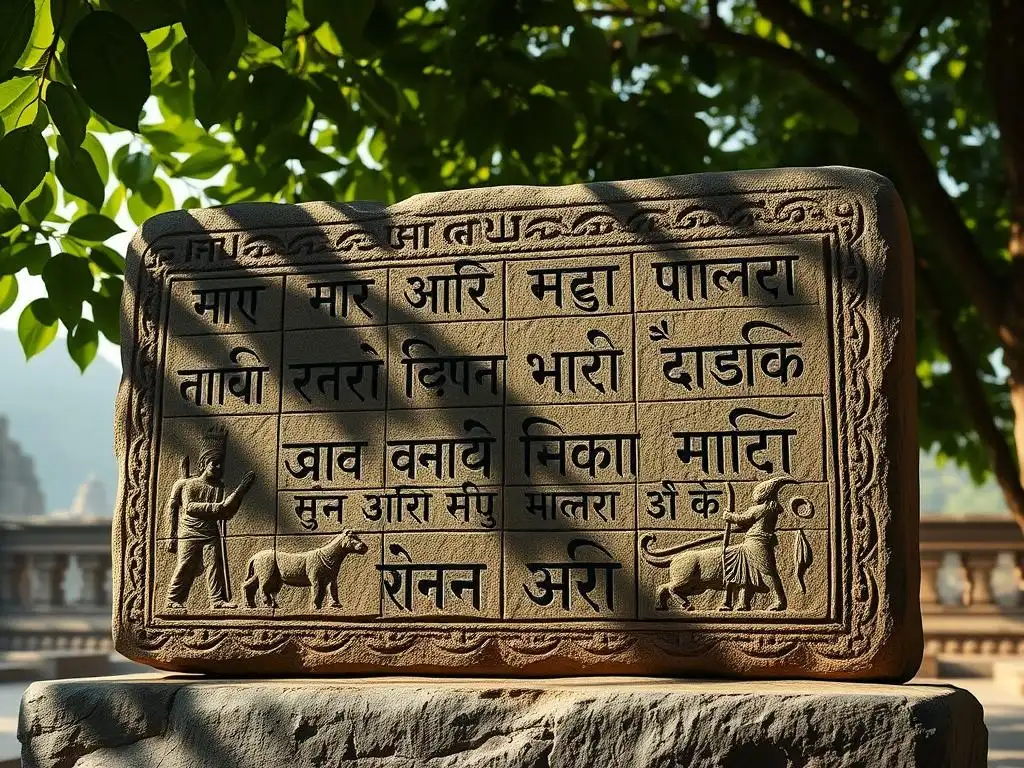
Welcome to Ancient India History, where we invite you to journey through the rich tapestry of India’s past. Here, we delve into the fascinating world of ancient Indian inscriptions analysis, uncovering the hidden messages and profound insights that lie beneath the surface of these remarkable artifacts. What secrets do these inscriptions hold?
As we explore the nuances and significance of their subtext, you'll discover how they illuminate the cultural and historical landscape of ancient Indian civilizations, from the enigmatic Indus Valley to the flourishing Gupta Empire. Prepare to be captivated and inspired as you read on and unravel the stories etched in time.
Introduction to Ancient Indian Inscriptions Analysis
The study of ancient Indian inscriptions offers a fascinating glimpse into the rich tapestry of history, culture, and social dynamics that characterized ancient Indian civilizations. These inscriptions, often etched in stone or metal, serve as invaluable primary sources that provide insights into the political, religious, and cultural contexts of the time.
By analyzing these texts, scholars can unearth the subtleties of ancient thought, societal norms, and even daily life, giving us a clearer understanding of how past civilizations functioned and evolved. This article delves into the significance of these inscriptions, the methodologies of analysis, and the broader implications of epigraphy in reconstructing ancient narratives.
Importance of Studying Ancient Inscriptions
Studying ancient inscriptions is crucial for several reasons:
- Historical Context: They offer direct evidence of historical events, rulers, and societal changes.
- Cultural Insights: Inscriptions reflect the beliefs, values, and practices of ancient societies, providing a window into their worldview.
- Linguistic Evolution: They contribute to our understanding of the development of languages and scripts over time.
- Artistic Expression: Many inscriptions are adorned with artistic elements, showcasing the aesthetic sensibilities of the time.
Inscriptions are not just historical artifacts; they are narratives waiting to be deciphered, containing layers of meaning that reveal the complexities of ancient Indian life.
Overview of Ancient Indian Civilizations and Their Inscriptions
Ancient India was home to several remarkable civilizations, each leaving behind a legacy of inscriptions that tell their unique stories. From the Indus Valley Civilization, with its enigmatic seals, to the grandeur of the Maurya and Gupta Empires, inscriptions played a pivotal role in documenting administrative decrees, religious edicts, and cultural achievements. Notable examples include:
- The Ashoka Edicts, which promote the principles of Dharma and moral governance.
- The Brahmi and Kharosthi scripts, which provide insights into early Indian writing systems.
These inscriptions not only highlight the achievements of these civilizations but also reflect the interconnectedness of culture and governance in ancient India.
Understanding the Basics of Inscriptions and Epigraphy
To fully appreciate the richness of ancient Indian inscriptions, it is essential to understand the foundational concepts of inscriptions and epigraphy.
Definition of Inscriptions in Ancient India
Inscriptions are defined as texts engraved or inscribed onto durable materials such as stone, metal, or pottery. In ancient India, these inscriptions served various purposes, including:
- Religious Commemorations: Many inscriptions were dedicated to gods or commemorated significant religious events.
- Royal Decrees: Kings often commissioned inscriptions to announce laws, victories, or territorial expansions.
- Personal Memorials: Some inscriptions were created to honor individuals or families, serving as historical records.
These texts are vital for reconstructing the narratives of ancient societies, offering a tangible link to their thoughts and practices.
Role of Epigraphy in Historical Research
Epigraphy is the study of inscriptions, encompassing the analysis of their content, context, and physical characteristics. Its role in historical research is multifaceted:
- Deciphering Texts: Epigraphists work to decode ancient scripts, often requiring expertise in linguistics and history.
- Contextual Analysis: Understanding the context in which an inscription was created can yield insights into the social and political climate of the time.
- Preservation Efforts: Epigraphy also involves preserving and documenting inscriptions, ensuring that these historical treasures are protected for future generations.
Through the lens of epigraphy, researchers can piece together the past, creating a more nuanced understanding of ancient Indian history and culture.
The Context of Ancient Indian Inscriptions
Ancient Indian inscriptions serve as a vital window into the socio-political, cultural, and religious landscapes of historical India. They provide us with insights into the lives of people, governance, and the evolution of languages and scripts over time. The inscriptions, often carved on stone, metal, or pottery, were primarily used for recording significant events, decrees, and religious texts. They reflect the values, beliefs, and practices of the societies that produced them.
Understanding the context in which these inscriptions were created is crucial for their analysis. Many inscriptions were commissioned by rulers or local leaders to commemorate victories, establish authority, or promote religious practices. Consequently, a comprehensive understanding of the historical background, including the political dynamics and cultural practices of the time, is essential for interpreting the meanings behind these texts accurately.
Additionally, the geographical locations of these inscriptions can provide clues about trade routes, cultural exchanges, and the spread of religions. For instance, inscriptions found along ancient trade routes often reveal interactions between diverse cultures and the dissemination of ideas.
Cultural Significance of Inscriptions in Ancient India
Inscriptions in ancient India were more than mere records; they were significant cultural artifacts that played a crucial role in shaping societal norms and values. They often served as tools for promoting religious beliefs, reinforcing social hierarchies, and preserving historical narratives.
Religious inscriptions, such as those found in temples, often contained hymns, prayers, and philosophical texts that were vital for the spiritual lives of individuals. These texts not only guided rituals but also encapsulated the philosophical thoughts of ancient sages. They contributed to the continuity of religious practices and the transmission of knowledge across generations.
Moreover, royal edicts and proclamations engraved on pillars or rocks were important for asserting power and legitimacy. Rulers used inscriptions to communicate directly with their subjects, often outlining laws, administrative policies, and moral guidelines. This practice not only reinforced the authority of the rulers but also fostered a sense of unity among the populace.
The cultural significance of inscriptions in ancient India is multifaceted, intertwining with the religious, political, and social fabric of the time. Their analysis provides invaluable insights into the identity and consciousness of ancient Indian civilizations.
Types of Inscriptions: From Religious Texts to Royal Edicts
Ancient Indian inscriptions can be broadly categorized based on their content and purpose. This categorization helps in understanding the diverse functions that inscriptions served in society.
- Religious Inscriptions: These include texts found in temples and caves, often dedicated to deities or containing religious teachings. They serve to document rituals, donations, and the patronage of religious institutions. Examples include the inscriptions from the Ajanta Caves and the rock-cut temples of Ellora.
- Royal Edicts: Issued by kings and emperors, these inscriptions often reflect political power and governance. They include proclamations regarding laws, military victories, and moral codes. Notable examples are the edicts of Ashoka, which promote Buddhist values and ethical governance.
- Commercial and Trade Inscriptions: These inscriptions often document transactions, trade agreements, and ownership of property. They provide insights into the economic activities of ancient societies and the importance of trade in the region.
- Funerary Inscriptions: Found on tombs and memorials, these inscriptions commemorate individuals and often include personal epitaphs, reflecting the cultural attitudes towards death and the afterlife.
By examining these various types of inscriptions, historians can gain a deeper understanding of the complexities of ancient Indian society and its cultural evolution.
Analyzing the Language and Script of Ancient Inscriptions
The language and script used in ancient Indian inscriptions are crucial for understanding their content and implications. Analysis of these elements can reveal much about the linguistic development, regional variations, and cultural exchanges of the time.
Common Scripts Used in Ancient Indian Inscriptions
Ancient Indian inscriptions were written in various scripts, each reflecting the linguistic diversity of the subcontinent. Some of the most notable scripts include:
- Brahmi Script: One of the oldest scripts used in India, Brahmi is the precursor to many modern scripts, including Devanagari. It was widely used during the Maurya period and is seen in numerous inscriptions, including those of Ashoka.
- Kharosthi Script: Used primarily in the northwestern regions of India, Kharosthi was written from right to left and is found in inscriptions that date back to the ancient Gandhara civilization.
- Tamil-Brahmi: This script is a variation of Brahmi, adapted for the Tamil language. It is significant for inscriptions found in Tamil Nadu and is crucial for understanding early Tamil history.
- Devanagari: Evolved from Brahmi, Devanagari is used for several Indian languages today. Inscriptions in this script reflect the linguistic richness of ancient India.
The study of these scripts not only aids in deciphering inscriptions but also sheds light on the historical development of languages and their interconnections.
Linguistic Features of Ancient Indian Inscriptions
The linguistic features of ancient Indian inscriptions reveal much about the evolution of language in the subcontinent. Here are some key aspects:
- Lexical Diversity: Ancient inscriptions often showcase a rich vocabulary, reflecting the influence of various languages and dialects. This diversity highlights the interactions between different cultural groups.
- Grammatical Structures: The analysis of grammatical structures in inscriptions can reveal the evolution of syntactic patterns in ancient Indian languages. For instance, the use of certain conjugations and declensions can indicate the linguistic developments during different periods.
- Idiomatic Expressions: Many inscriptions contain idiomatic expressions that provide insights into the colloquial language of the time. These expressions can help historians understand the cultural context and societal norms.
- Phonetic Variations: Variations in pronunciation and phonetics can be observed in inscriptions, reflecting regional dialects and the natural evolution of language over time.
By analyzing these linguistic features, researchers can draw connections between ancient languages and their modern descendants, thus enriching our understanding of India's linguistic heritage.
Deciphering the Subtext: What Lies Beneath the Surface
Ancient Indian inscriptions are not merely historical records; they are intricate texts laden with meanings that extend beyond their literal interpretations. The subtext of these inscriptions often reveals the socio-political, religious, and cultural nuances of the time they were created. To truly understand these inscriptions, one must delve deeper into the context in which they were inscribed, considering factors such as the audience, the purpose of the inscription, and the prevailing ideologies.
Inscriptions from various periods, whether they are stone carvings, copper plates, or temple engravings, provide a wealth of information. They often reflect the values, aspirations, and challenges faced by ancient societies. By analyzing the language, style, and symbolism used, researchers can uncover layers of meaning that help paint a fuller picture of ancient Indian life. This analytical approach not only enhances our understanding of the texts themselves but also enriches our appreciation of the civilizations that produced them.
The Art of Interpretation in Ancient Indian Inscriptions
The interpretation of ancient Indian inscriptions is both an art and a science. Scholars employ a multidisciplinary approach, integrating linguistics, history, archaeology, and cultural studies. The process begins with paleography, the study of ancient writing systems, which helps in dating and understanding the scripts used in inscriptions.
Once the script is deciphered, contextual analysis becomes crucial. This involves examining the historical backdrop, including political dynamics and cultural practices, to interpret the inscription's intent. For instance, inscriptions that commemorate royal achievements often reflect the prevailing notions of power and authority, while religious inscriptions might convey spiritual teachings or community values.
Moreover, understanding the audience for whom the inscription was intended is essential. Inscriptions often served to communicate messages to specific groups, including subjects, religious communities, or future generations. Therefore, recognizing the intended audience allows for a richer interpretation of the text and its implications.
Hidden Messages and Symbolism in Inscriptions
Ancient Indian inscriptions are replete with hidden messages and symbolic representations. These elements can range from metaphoric language to visual symbols that convey deeper meanings. For instance, the use of specific deities or motifs can signify the cultural or religious affiliations of the ruler or the community.
Symbolism often serves as a powerful tool for conveying complex ideas succinctly. A common example is the use of the lotus flower, which symbolizes purity and spiritual awakening in many inscriptions. Such symbols can also reflect the socio-political landscape, where they are utilized to legitimize authority or convey unity among diverse groups.
Additionally, some inscriptions contain allusions to contemporary events, myths, or historical figures that may not be explicitly stated. These references require a nuanced understanding of the historical context to be accurately interpreted. Thus, revealing the hidden layers within inscriptions requires a careful and informed approach, making the study of ancient Indian inscriptions a fascinating field of exploration.
Case Studies in Ancient Indian Inscriptions Analysis
Case studies provide tangible examples of how the analysis of ancient Indian inscriptions can yield insights into historical narratives and cultural practices. They illustrate the methodologies employed and the significance of the findings in understanding the broader context of ancient India.
Case Study 1: The Ashoka Edicts and Their Moral Philosophy
The Ashoka Edicts, inscribed by Emperor Ashoka during the 3rd century BCE, are a seminal example of ancient inscriptions that convey profound moral philosophy. These edicts, carved on rocks and pillars across the Indian subcontinent, emphasize principles such as dharma (moral law), non-violence, and compassion.
By analyzing the language and content of these inscriptions, scholars have uncovered Ashoka's vision of governance that prioritized ethical leadership over military conquest. The edicts also reflect Ashoka's efforts to promote social welfare and religious tolerance, indicating a significant shift in the use of inscriptions as instruments of moral and political authority.
This case study exemplifies how a detailed analysis of inscriptions can reveal the ideological underpinnings of a ruler's policies and the broader ethical discourse of the time.
Case Study 2: The Gupta Period Inscriptions and Political Legitimacy
The inscriptions from the Gupta period (c. 320-550 CE) provide critical insights into the political legitimacy and cultural achievements of this era. Gupta rulers, such as Chandragupta II and Samudragupta, utilized inscriptions to assert their authority and divine right to rule.
Inscriptions from this period often celebrated military victories, royal patronage of the arts, and religious devotion. For instance, the Allahabad Pillar inscription details Samudragupta's conquests and his role as a protector of the dharma.
Through the analysis of these inscriptions, scholars have discerned the ways in which Gupta rulers sought to establish their legitimacy and reinforce their status as champions of culture and religion. This case study illustrates the interplay between inscriptions, power, and identity in ancient Indian society, highlighting their role as vital historical documents that reflect the ambitions and achievements of the time.
Challenges in Ancient Indian Inscriptions Analysis
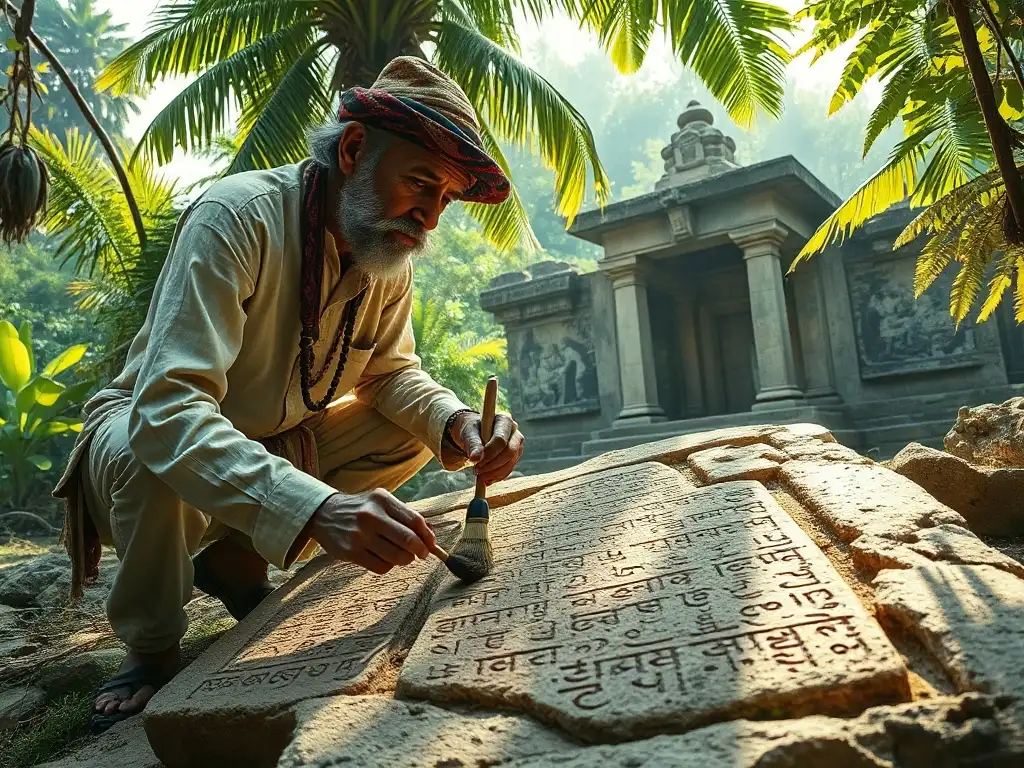
The analysis of ancient Indian inscriptions presents a variety of challenges that researchers must navigate to uncover the true significance of these historical texts. These challenges stem from both physical and conceptual barriers that can obscure the intended meanings and contexts of the inscriptions. Addressing these challenges is crucial for a more nuanced understanding of ancient Indian civilization and its contributions to history.
Issues of Preservation and Damage
One of the foremost challenges in ancient Indian inscriptions analysis is the preservation of the inscriptions themselves. Many inscriptions have been subjected to natural erosion, environmental factors, and human activities over the centuries, leading to significant damage. For example, inscriptions carved on stone can deteriorate due to weathering, while those on perishable materials like wood or metal may not have survived at all.
The extent of damage can vary widely, from slight fading of text to complete loss of key sections. This deterioration complicates the interpretation process, as missing words or phrases can lead to misinterpretations of overall meanings. Moreover, the locations of these inscriptions—often in remote or difficult-to-access sites—can hinder systematic study and preservation efforts.
To address these issues, modern technologies such as 3D scanning and digital imaging are increasingly being employed to document and restore these ancient texts. However, the reliance on technology also raises concerns about authenticity and the potential for misrepresentation of the original inscriptions.
Linguistic and Cultural Barriers in Interpretation
The linguistic diversity of ancient India poses another significant hurdle in the analysis of inscriptions. Many of these texts are inscribed in languages that have evolved dramatically over time, such as Sanskrit, Prakrit, and various regional dialects. Additionally, the use of scripts like Brahmi and Kharosthi can further complicate deciphering efforts, particularly when scholars encounter inscriptions that feature a mix of languages and scripts.
Cultural barriers also play a crucial role in understanding the context of these inscriptions. Ancient Indian societies were rich in their cultural practices and beliefs, which often influenced the content and purpose of inscriptions. Without a thorough understanding of the social, political, and religious contexts in which these inscriptions were created, analysts may struggle to extract accurate meanings from the texts.
Furthermore, the interpretative frameworks employed by modern scholars may not align with the worldviews of ancient societies, leading to potential biases in analysis. As a result, interdisciplinary approaches that incorporate history, linguistics, archaeology, and anthropology are essential for a comprehensive understanding of ancient Indian inscriptions.
The Impact of Ancient Inscriptions on Modern Understanding
The significance of ancient inscriptions extends far beyond their historical context; they have a profound impact on our modern understanding of culture, history, and identity. By studying these inscriptions, scholars can gain insights into the socio-political dynamics, religious practices, and everyday life of ancient Indian civilizations.
Contributions of Ancient Inscriptions to Indian History
Ancient inscriptions serve as vital primary sources that contribute enormously to the reconstruction of Indian history. They provide direct evidence of various historical events, such as royal edicts, land grants, and treaties, which help historians piece together timelines and understand governance structures of ancient states.
For instance, the Ashoka Edicts, inscribed by Emperor Ashoka during the 3rd century BCE, offer invaluable insights into the Mauryan Empire's policies, including its promotion of Buddhism and welfare measures. These inscriptions not only illuminate the political landscape of the time but also reflect the moral and ethical values upheld by the rulers.
In addition to political history, inscriptions shed light on economic activities, trade practices, and social hierarchies of ancient societies. Through these texts, researchers can explore the complexities of ancient Indian life, enhancing our comprehension of how these civilizations functioned and interacted with one another.
Influence of Inscriptions on Contemporary Culture and Identity
The legacy of ancient inscriptions continues to resonate in contemporary culture and identity in India. Many inscriptions are considered cultural artifacts that embody the historical narratives and values of diverse communities. They are often referenced in modern discourses on nationalism, heritage, and identity, linking contemporary society with its ancient roots.
Inscriptions have also inspired literature, art, and architecture, influencing modern expressions of cultural identity. For instance, the resurgence of interest in ancient scripts and languages has led to efforts in preserving and promoting traditional art forms and literature that draw inspiration from these texts.
Moreover, the analysis of ancient inscriptions fosters a sense of continuity between past and present, encouraging communities to engage with their history actively. This engagement can manifest in various ways, such as cultural festivals, educational programs, and public discussions that highlight the importance of ancient texts in shaping modern identities.
Ancient Indian inscriptions analysis is not merely an academic exercise; it plays a crucial role in understanding the trajectory of Indian history and its ongoing influence on contemporary cultural identity.
Conclusion: The Ongoing Journey of Ancient Indian Inscriptions Analysis
The analysis of ancient Indian inscriptions represents a dynamic field that continuously evolves as new discoveries and methodologies emerge. These inscriptions, which serve as critical primary sources, offer profound insights into the socio-political, religious, and cultural landscapes of ancient Indian civilizations. Each inscription is like a puzzle piece, and as scholars piece them together, they uncover narratives that challenge and enrich our understanding of the past.
While significant progress has been made in deciphering scripts and interpreting the content, there remains a wealth of inscriptions that have yet to be fully explored. The interplay of language, context, and archaeological evidence continues to present both challenges and opportunities. As researchers delve deeper, they not only illuminate the past but also contribute to a broader appreciation of ancient Indian heritage. The journey of inscription analysis is indeed ongoing, promising new revelations that could reshape historical narratives and enhance the understanding of ancient Indian societies.
Future Directions in the Study of Ancient Inscriptions
The future of ancient Indian inscriptions analysis looks promising, driven by advancements in technology and interdisciplinary collaboration. Some key directions include:
- Digital Epigraphy: The use of digital tools is revolutionizing the study of inscriptions. High-resolution imaging, 3D modeling, and software for image analysis enable scholars to decipher faded or damaged inscriptions that might have been previously inaccessible.
- Machine Learning and AI: Incorporating artificial intelligence to analyze patterns in ancient scripts can expedite the deciphering process and reveal connections between different inscriptions, potentially uncovering relationships that were not previously evident.
- Archaeological Integration: The integration of archaeological findings with inscription studies is crucial. Future research will likely focus more on contextualizing inscriptions within their physical environments, leading to a more nuanced understanding of their significance.
- Collaborative Projects: Increased collaboration between historians, archaeologists, linguists, and technologists will enhance the richness of the analysis. Interdisciplinary projects can foster innovative approaches to interpret inscriptions and their broader implications.
These future directions hold the potential to unlock even deeper insights into the intricacies of ancient Indian societies, paving the way for a more comprehensive understanding of their histories.
The Importance of Interdisciplinary Approaches in Inscriptions Research
Interdisciplinary approaches are essential in the study of ancient inscriptions, as they allow for a holistic examination of the artifacts. By engaging with multiple fields, researchers can draw on various methodologies and frameworks to enrich their analysis. Key benefits of this approach include:
- Enhanced Contextualization: Inscriptions do not exist in a vacuum. By involving historians, archaeologists, art historians, and linguists, scholars can better contextualize inscriptions within the broader cultural and historical frameworks of their time.
- Diverse Perspectives: Different disciplines bring unique viewpoints that can illuminate aspects of inscriptions that may otherwise remain overlooked. For instance, an archaeological perspective can shed light on the physical locations of inscriptions, while linguistic analysis can reveal nuances in language use.
- Collaborative Research: Interdisciplinary collaboration fosters dialogue among experts, which can lead to innovative solutions to complex problems in the field. For instance, combining historical linguistics with digital humanities can enhance the accuracy of deciphering techniques.
- Broader Implications: Understanding ancient inscriptions through interdisciplinary lenses can lead to broader implications regarding the social, political, and economic structures of ancient Indian civilizations, and can inform contemporary discussions on culture and identity.
Embracing interdisciplinary approaches is not merely beneficial but necessary for a comprehensive understanding of ancient Indian inscriptions, ensuring that the analysis is rich, nuanced, and reflective of the complexity of the civilizations they represent.
- Introduction to Ancient Indian Inscriptions Analysis
- Understanding the Basics of Inscriptions and Epigraphy
- The Context of Ancient Indian Inscriptions
- Analyzing the Language and Script of Ancient Inscriptions
- Deciphering the Subtext: What Lies Beneath the Surface
- Case Studies in Ancient Indian Inscriptions Analysis
- Challenges in Ancient Indian Inscriptions Analysis
- The Impact of Ancient Inscriptions on Modern Understanding
- Conclusion: The Ongoing Journey of Ancient Indian Inscriptions Analysis
Frequently Asked Questions
What are ancient Indian inscriptions?
Ancient Indian inscriptions are written records found on stone, metal, or other materials, that provide valuable insights into the culture, history, and administration of ancient civilizations.
Why are inscriptions important for historical analysis?
Inscriptions are crucial for historical analysis as they offer direct evidence of past events, societal norms, and linguistic evolution, helping historians understand the context of ancient Indian societies.
How are ancient Indian inscriptions analyzed?
Ancient Indian inscriptions analysis involves examining the language, script, and context of the inscriptions to decipher their meanings and understand the cultural and political landscape of the time.
What languages are found in ancient Indian inscriptions?
Ancient Indian inscriptions feature several languages, primarily Sanskrit, Prakrit, and regional languages, reflecting the linguistic diversity of ancient India and its cultural exchanges.
What significant contributions do inscriptions provide to our understanding of ancient India?
Inscriptions contribute to our understanding of ancient India by documenting royal decrees, religious practices, trade relations, and social structures, thus revealing the complexity of ancient Indian civilizations.
Final Reflection: Unveiling the Layers of Ancient Wisdom
The exploration of ancient Indian inscriptions reveals not only the historical narratives of our past but also the profound insights that resonate with contemporary society. In an age where we often overlook the subtleties of communication, understanding the subtext of these inscriptions invites us to engage with history in a more meaningful way. The lessons embedded within these ancient texts are not merely relics of a bygone era; they are vibrant threads that weave together the tapestry of human experience, urging us to listen closely to the whispers of our ancestors.
Culture is not static; it evolves, and the influence of ancient inscriptions continues to shape our social landscape. As we delve into the nuances of these texts, we uncover the values, beliefs, and aspirations of those who came before us. This ongoing dialogue with our past fosters a deeper appreciation for our heritage and encourages us to reflect on our own identities. The past is never dead. It's not even past.
— William Faulkner. This quote encapsulates the essence of our relationship with history, reminding us that the lessons of ancient inscriptions are as relevant today as they were centuries ago.
As you reflect on the insights gained from this analysis, I invite you to consider how the wisdom of the past can inform your present and future. Take a moment to ponder the stories that shape your own life and the unspoken messages that lie beneath the surface. By embracing the complexity of communication—both ancient and modern—you can cultivate a richer understanding of the world around you. Let the subtext of ancient inscriptions inspire you to seek deeper connections, challenge assumptions, and appreciate the intricate layers of meaning that define our shared human experience.
Unveil the Secrets of Ancient Inscriptions!
Thank you for diving deep into the world of ancient inscriptions with us! By exploring the subtext and context behind these intriguing artifacts, you've taken a significant step towards understanding the rich tapestry of history they represent. Now that you’ve gleaned valuable insights, let’s keep the momentum going.
Here’s how you can further your journey into the past:
- Join a local history group or online community to discuss your thoughts and discoveries about ancient civilizations. Sharing your knowledge can spark engaging conversations and lead to new insights!
- Visit a museum that features artifacts and inscriptions from ancient cultures. Take the time to read the descriptions in person and see how these pieces resonate with the insights you've gained.
- Create a blog or journal entry reflecting on what you’ve learned. Consider interpreting an inscription that fascinates you—this could be a great way to deepen your understanding!
What inscription or symbol from ancient cultures resonates with you the most, and what do you think it reveals about the society it originated from? Let’s discuss!