
The Role of Elders in Maintaining Caste Traditions in Ancient India

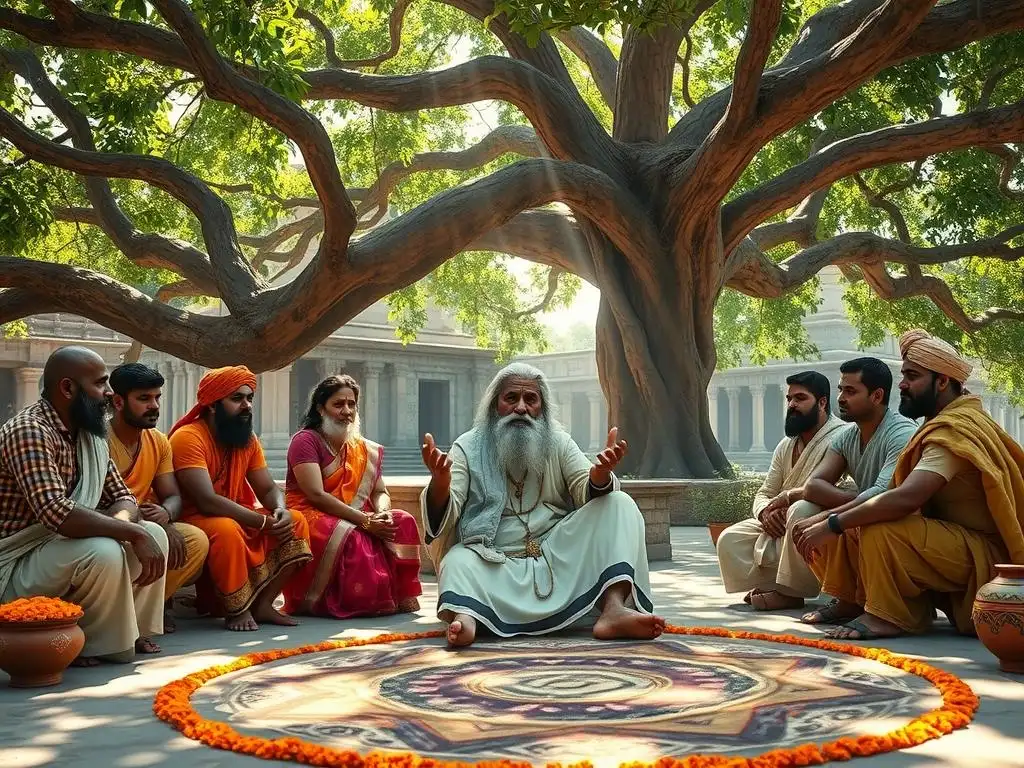
Welcome to Ancient India History, where we embark on a fascinating journey through the vast tapestry of time, exploring the rich and diverse history, culture, and contributions of ancient Indian civilizations. In our featured article, we delve into the intriguing role of elders in ancient India, uncovering how their wisdom and guidance were pivotal in maintaining caste traditions. What secrets and societal structures did they uphold?
Join us as we unveil the layers of daily life and society in a civilization that shaped the world, inviting you to reflect on the profound impact these figures had on the fabric of ancient Indian life. Let your curiosity lead the way!
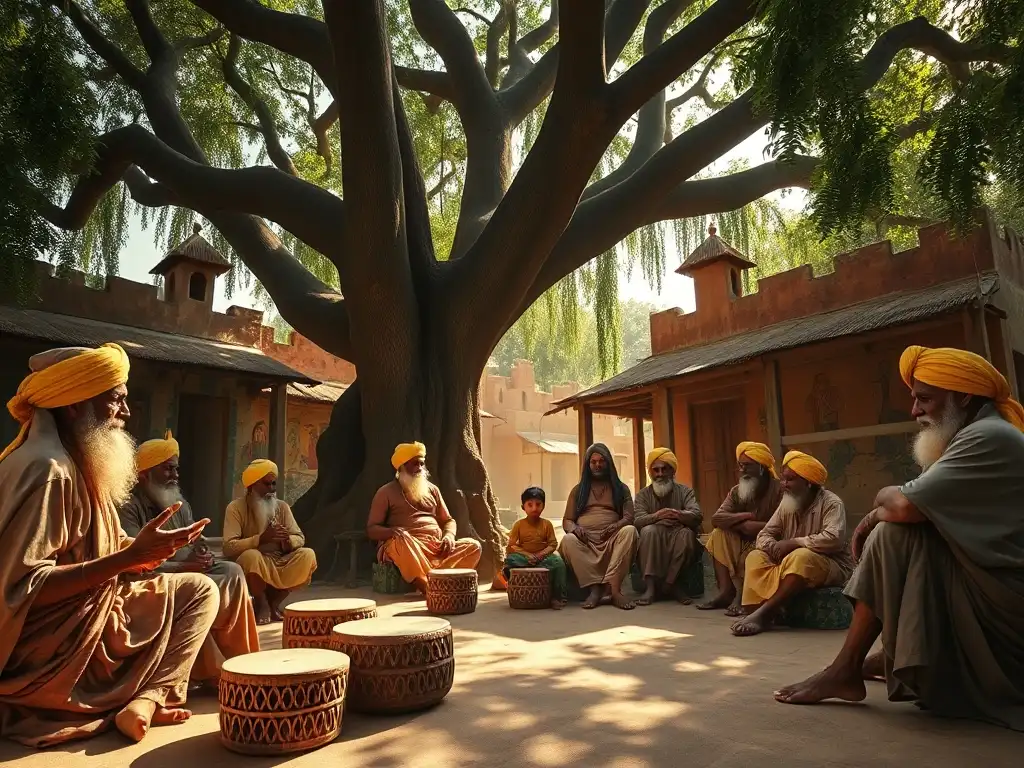
Introduction to Elders in Ancient Indian Society
In ancient India, the role of elders was fundamental to the preservation and perpetuation of social structures, particularly the caste system. Elders served as custodians of tradition and morality, wielding significant influence in their communities. Their wisdom and experience provided guidance not only in familial matters but also in the broader context of societal norms and values. This article delves into the specific functions of elders within the caste framework, exploring how their authority contributed to the maintenance and continuity of caste traditions in ancient Indian society.
Understanding Caste System in Ancient India
The caste system in ancient India was a complex social hierarchy that organized individuals into distinct groups based on their occupations, rituals, and social status. This system was not merely a classification of jobs; it was intricately linked to the cultural and religious ethos of the time, shaping daily life and community interactions.
Definition of Caste and Its Significance
Caste, or varna, can be defined as a social stratification system that categorized individuals into hierarchical groups. The significance of caste extended beyond mere social order; it was fundamental in defining one’s identity, duties, and rights within society. The four primary varnas were:
- Brahmins: The priestly class, responsible for religious rituals and education.
- Kshatriyas: The warrior and ruling class, tasked with protection and governance.
- Vaishyas: The merchant and agricultural class, engaged in trade and farming.
- Shudras: The labor class, serving the needs of the above three varnas.
Each caste had its own customs and practices, creating a rich tapestry of cultural diversity across regions.
Major Castes and Their Functions
The caste system was further divided into numerous sub-castes, or jatis, each with specific roles and responsibilities. Here are some examples of major castes and their functions:
- Brahmins:
- Conducting rituals and sacrifices
- Teaching and preserving sacred texts
- Kshatriyas:
- Govern the land and enforce laws
- Engage in warfare and protection of the realm
- Vaishyas:
- Conduct trade and manage agriculture
- Contribute to economic prosperity
- Shudras:
- Provide essential services and labor
- Support the upper three varnas in daily activities
Understanding the roles of these castes is crucial for comprehending how elders influenced and sustained these traditions, ensuring the social fabric of ancient India remained intact.
The Elders' Role in Preserving Caste Traditions
In ancient Indian society, elders held a pivotal role in the maintenance and preservation of caste traditions. Their influence was deeply embedded within the social fabric, ensuring the continuity of cultural norms and practices that defined various castes. These individuals not only acted as custodians of tradition but also as mediators who reinforced the hierarchical structure that characterized the caste system. Their authority was derived from a combination of age, wisdom, and experience, which granted them the respect necessary to guide younger generations in adhering to caste-specific customs and values.
Guardians of Cultural Heritage
Elders were seen as guardians of cultural heritage, responsible for passing down stories, customs, and rituals integral to their respective castes. This transmission of knowledge was crucial in a largely oral culture, where written records were scarce. They preserved the historical narratives of their caste, emphasizing the importance of lineage and ancestry, which played a vital role in establishing social identity.
The role of elders in safeguarding rituals cannot be understated. They often conducted ceremonies that were essential to caste identity, such as marriages, rites of passage, and festivals. Through these rituals, elders reinforced the values and beliefs that bound the community together, fostering a sense of unity and belonging among members of the same caste. Their participation ensured that these traditions were respected and adhered to, thereby maintaining the social order.
Role in Conflict Resolution and Social Cohesion
In addition to preserving cultural heritage, elders served as mediators in disputes within the community. Their wisdom and experience made them ideal figures for conflict resolution, as they could impartially assess situations and offer guidance based on established customs and norms. This role was crucial in maintaining social cohesion, as it helped prevent conflicts from escalating and ensured that harmony within the caste was preserved.
Elders often convened gatherings where community issues could be discussed openly. These assemblies not only provided a platform for addressing grievances but also reinforced the authority of elders as figures of guidance and wisdom. By resolving conflicts and promoting understanding, they contributed to a stable social environment where caste traditions could thrive.
Elders as Educators in Caste Values and Norms
The educational role of elders extended beyond mere preservation of customs; they actively taught younger generations about the values, norms, and expectations associated with their caste. This educational function was essential in ensuring that the principles of caste identity were not only understood but also internalized by the youth.
Teaching the Younger Generations
Elders employed various methods to impart knowledge to younger members of their caste. This included storytelling, where they recounted the achievements and historical significance of their lineage. Such narratives served to instill pride in their heritage and emphasized the importance of upholding caste traditions.
Moreover, elders often engaged in direct mentorship, guiding youth through practical applications of caste values in daily life. This hands-on approach helped to reinforce the significance of rituals, social conduct, and occupational practices unique to their caste. Through this educational process, elders ensured that the essence of their cultural identity was preserved across generations.
Rituals and Ceremonies Guided by Elders
Rituals and ceremonies played a crucial role in the education of younger generations, with elders at the helm. They were responsible for leading various rites of passage, such as initiation ceremonies, which marked the transition from childhood to adulthood. These events were rich in cultural symbolism and provided a framework for understanding one's responsibilities within the caste structure.
Elders also taught the significance of seasonal festivals and religious observances, which often served as communal gatherings reinforcing caste identity. By guiding these rituals, they not only educated the youth about their traditions but also fostered a sense of community and belonging. Such ceremonies provided opportunities for social interaction and the reinforcement of caste values, ensuring that these traditions remained vibrant and relevant in the lives of future generations.
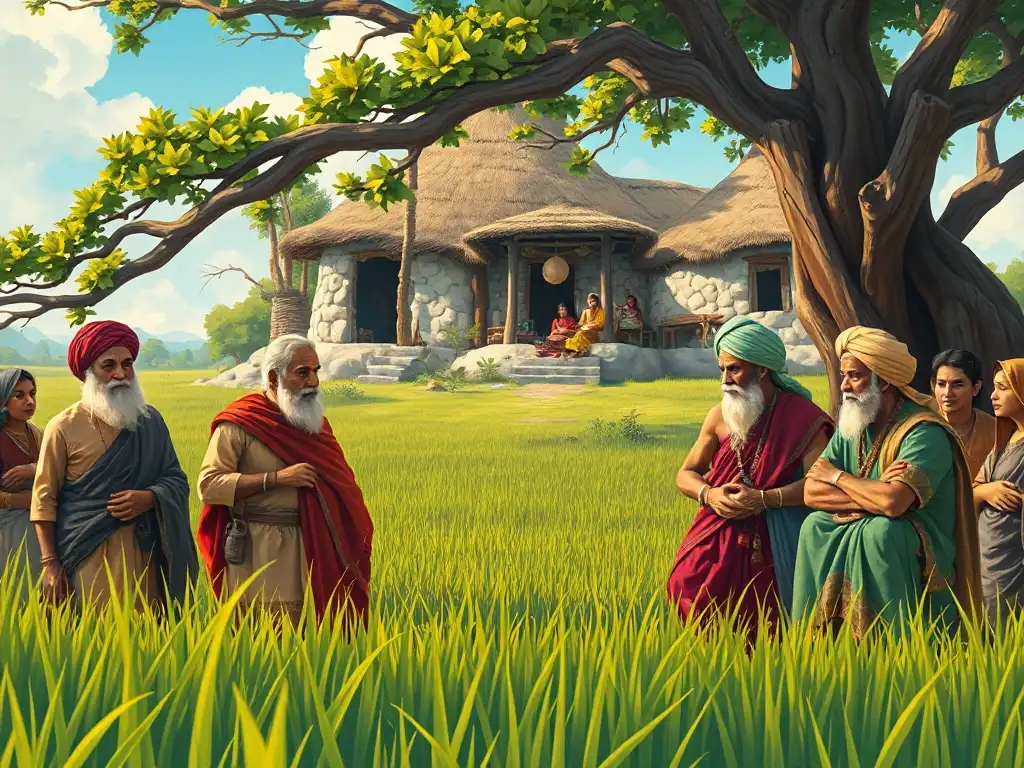
In ancient Indian society, elders held a pivotal role in shaping the social structure and identity of various communities. Their authority stemmed from a combination of age, wisdom, and adherence to traditional norms, making them key figures in preserving caste traditions. Elders acted as custodians of cultural practices, ensuring that the values and beliefs of their respective castes were maintained across generations. This responsibility not only reinforced social hierarchies but also contributed to the collective identity of the caste groups, as they were seen as the embodiment of ancestral knowledge and customs.
Elders facilitated the transmission of skills, rituals, and moral values, which were essential in defining the roles of individuals within their caste. Through storytelling, mentorship, and direct involvement in community activities, they instilled a sense of belonging and purpose among younger members. This dynamic relationship between elders and youth fostered a robust social fabric, solidifying the caste system's relevance in everyday life and reinforcing the significance of lineage and heritage. Over time, this impact on identity became deeply ingrained in the psyche of the community, influencing personal choices and societal expectations.
Shaping Individual and Collective Identity
Elders played a crucial role in shaping both individual and collective identity within ancient Indian castes. From childhood, individuals were indoctrinated into the values and norms of their caste, largely through the guidance of elder family members. This process involved not only the teaching of specific skills pertinent to the caste's occupation but also the instillation of a broader worldview that emphasized duty, honor, and respect for tradition.
On a collective level, elders served as the moral compass of the community, often mediating disputes and reinforcing adherence to caste norms. Their judgments were respected and often seen as definitive, thereby enhancing the social cohesion within the group. Rituals and ceremonies orchestrated by elders further reinforced a sense of unity, as they symbolized shared beliefs and collective identity. These gatherings not only celebrated caste-specific traditions but also provided a platform for elders to impart wisdom and reinforce communal bonds among members, ensuring that the collective identity remained vibrant and relevant.
Elders' Influence on Caste Mobility and Change
While elders were primarily seen as upholders of tradition, they also played a complex role in navigating caste mobility and change. In some cases, elders acted as gatekeepers, maintaining the status quo and resisting changes that threatened the established order. Their influence was significant in determining who could ascend or descend within the caste hierarchy. For instance, they often dictated the parameters for inter-caste marriages or professional transitions, thereby shaping the dynamics of caste mobility.
However, the wisdom of elders could also facilitate adaptation and change when necessary. In response to evolving social, economic, or political landscapes, some elders recognized the need for flexibility and encouraged a re-evaluation of rigid caste distinctions. They could advocate for the inclusion of emerging social classes or promote education and engagement with broader societal shifts. By striking a balance between preserving tradition and embracing change, elders contributed to the fluidity of the caste system, allowing for a degree of mobility that was sometimes essential for the survival and relevance of their communities.
Conclusion: The Lasting Legacy of Elders in Ancient Indian Caste Traditions
The influence of elders in ancient India extended far beyond mere adherence to tradition; they were instrumental in shaping the very fabric of society. Their role as custodians of culture, mentors, and mediators underscored the importance of generational knowledge in maintaining caste traditions. The legacy of elders is evident in the continuance of caste-based practices and the social structures that define many communities to this day.
As we explore the rich history of ancient India, it becomes clear that the elders' role was not only about preserving the past but also about navigating the complexities of social change. Their ability to adapt while maintaining core values ensured the resilience of caste traditions throughout the ages. This nuanced legacy highlights the intertwined nature of tradition and change, showcasing how the wisdom of elders helped to shape the identity and cohesion of ancient Indian society.
References and Further Reading
Understanding the role of elders in maintaining caste traditions in ancient India requires a comprehensive exploration of various historical texts, scholarly articles, and cultural studies. The following references and further reading materials provide valuable insights into the social structure and significance of elders in ancient Indian society.
-
Books:
-
"The Caste System in India: A Historical Perspective" by Susan Bayly
This book delves into the historical evolution of the caste system and discusses the pivotal role of elders in perpetuating caste norms and traditions.
-
"Indian Society: A Historical Perspective" by R. S. Sharma
Sharma’s work provides a thorough analysis of Indian society throughout different eras, highlighting the influence of elders in various social contexts.
-
"Social Structure in Ancient India" by A. L. Basham
This classic text examines the intricacies of social hierarchies in ancient India, including the roles played by elders within the caste system.
-
-
Scholarly Articles:
-
"The Role of Elders in Ancient Indian Society" - Journal of Historical Sociology
This article explores the multifaceted responsibilities of elders, including their impact on maintaining caste traditions and social cohesion.
-
"Caste, Ritual, and the Role of Elders" - South Asian Studies Review
This review discusses the interplay between caste rituals and the authoritative position of elders within communities.
-
-
Online Resources:
-
Ancient India: An Online Encyclopedia
A comprehensive online resource that offers articles and essays on various aspects of ancient Indian history, including caste systems and the roles of elders.
-
The Indian Council of Historical Research
This organization provides access to a wealth of research papers and publications relevant to ancient Indian history and social structures.
-
-
Documentary Films and Lectures:
-
"The Legacy of Caste in India" - Documentary Series
This documentary series provides visual insights into the caste system's implications in modern contexts while reflecting on its ancient roots.
-
Lectures by Historians on Ancient Indian Society
Various universities offer recorded lectures that discuss the complexities of ancient Indian society, including the roles of elders in preserving cultural traditions.
-
By engaging with these resources, readers can gain a deeper understanding of the significant contributions made by elders in maintaining caste traditions and their overall impact on ancient Indian society.
- Introduction to Elders in Ancient Indian Society
- Understanding Caste System in Ancient India
- The Elders' Role in Preserving Caste Traditions
- Elders as Educators in Caste Values and Norms
- The Impact of Elders on Social Structure and Identity
- Conclusion: The Lasting Legacy of Elders in Ancient Indian Caste Traditions
- References and Further Reading
- What was the significance of elders in ancient Indian society?
- How did elders influence family decisions in ancient India?
- What role did elders play in education during ancient times?
- How did the caste system affect the role of elders in ancient India?
- In what ways did elders contribute to the community in ancient India?
Frequently Asked Questions
What was the significance of elders in ancient Indian society?
Elders played a crucial role in maintaining caste traditions and social norms, ensuring the continuity of cultural practices across generations.
How did elders influence family decisions in ancient India?
Elders were often regarded as the final authority in family matters, guiding younger members through their wisdom and experience, thus preserving family values.
What role did elders play in education during ancient times?
Elders were instrumental in educating the youth, often serving as gurus or mentors who imparted knowledge about traditions, ethics, and skills relevant to their caste.
How did the caste system affect the role of elders in ancient India?
The caste system reinforced the authority of elders, as they were responsible for upholding caste rules and ensuring that younger generations adhered to established social hierarchies.
In what ways did elders contribute to the community in ancient India?
Elders acted as mediators in disputes and were often involved in community decision-making, playing a vital role in maintaining social cohesion and stability.
Final Reflection: The Enduring Legacy of Elders in Ancient India
The role of elders in ancient India was not merely a function of age but a cornerstone of societal stability and cultural continuity. In today's rapidly changing world, where traditions often clash with modernity, the wisdom and guidance of elders become increasingly vital. Their influence in shaping values, customs, and social norms resonates deeply, reminding us that the past is not just a relic but a living force that can guide our present and future.
Elders have always been the custodians of knowledge, weaving the fabric of community life through their teachings and practices. Their role in maintaining caste traditions was pivotal, ensuring that cultural identities were preserved and passed down through generations. As we navigate contemporary societal challenges, we can draw inspiration from their commitment to tradition. Tradition is not the worship of ashes, but the preservation of fire.
This quote encapsulates the essence of how elders have kept the flame of culture alive, igniting a sense of belonging and identity within communities.
As we reflect on the lessons from the past, let us recognize the importance of honoring our elders and their contributions to our cultural heritage. Take a moment to engage with the stories, wisdom, and traditions that have shaped your identity. By doing so, you not only pay homage to the elders of ancient India but also empower yourself to carry forward the legacy of cultural richness into the future. Embrace the opportunity to learn from those who came before you, and consider how you can play a role in preserving and nurturing the traditions that define us.
Embrace the Wisdom of the Past!
Thank you for taking the time to explore the vital role of elders in shaping and preserving traditions in ancient cultures. Your interest in this captivating topic not only enriches your understanding but also honors the legacy of a heritage that has profoundly influenced the modern world. Now is the time to put that knowledge into action!
Here’s how you can deepen your engagement with this intriguing subject:
- Start a discussion: Share your thoughts on how traditional values influence modern society in your community. Create a blog post or engage in conversations within cultural forums.
- Dive deeper: Explore the contributions of notable figures from the past by checking out recommended readings or documentaries. This could lead you to lesser-known narratives worth sharing!
- Connect with others: Join online groups focused on history and traditions to exchange insights and learn from fellow enthusiasts.
As you reflect on the insights shared, consider this: How can the traditions upheld by elders in ancient cultures inspire modern practices in today’s society? Your thoughts could spark meaningful conversations!