
The Impact of War on Family Structures in Ancient India

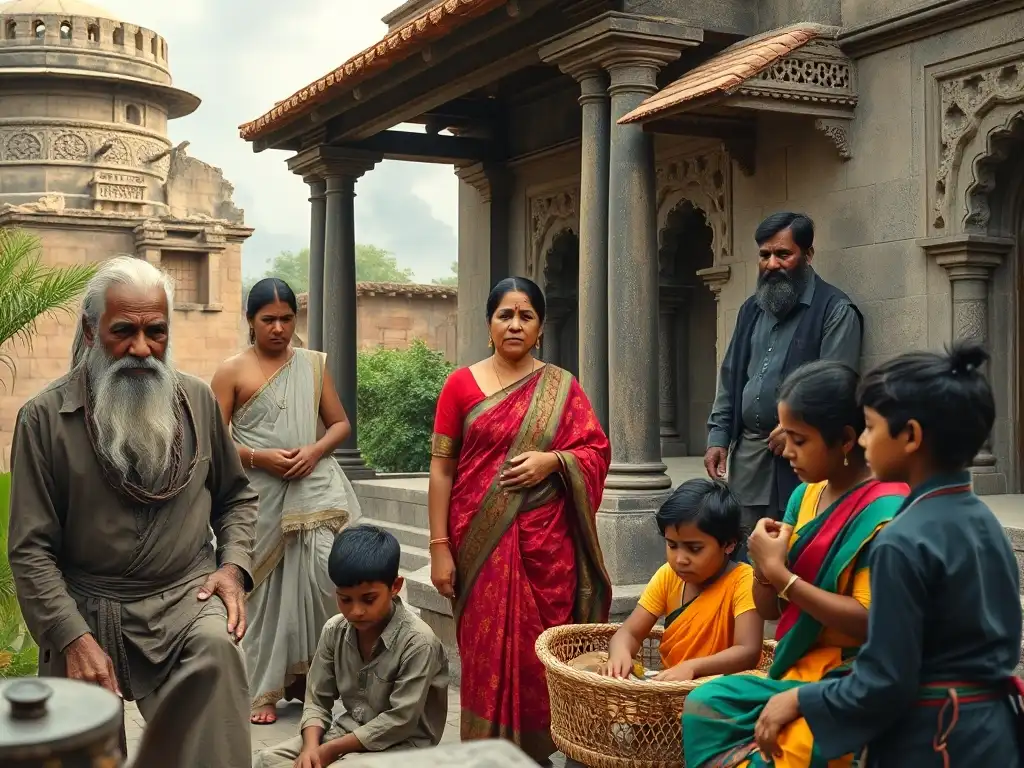
Welcome to Ancient India History, where we invite you to embark on a journey through the fascinating tapestry of one of the world's oldest civilizations. In our latest article, "The Impact of War on Family Structures in Ancient India," we delve into the intricate dynamics of ancient Indian family life, revealing how the tides of conflict shaped relationships and societal roles.
Have you ever wondered how wars influenced the very fabric of families during the Indus Valley and Gupta Empire eras? Join us as we uncover the rich narratives and profound insights that await you, sparking curiosity and a deeper appreciation for the resilient spirit of ancient Indian societies.
Introduction to Ancient Indian Family Structures
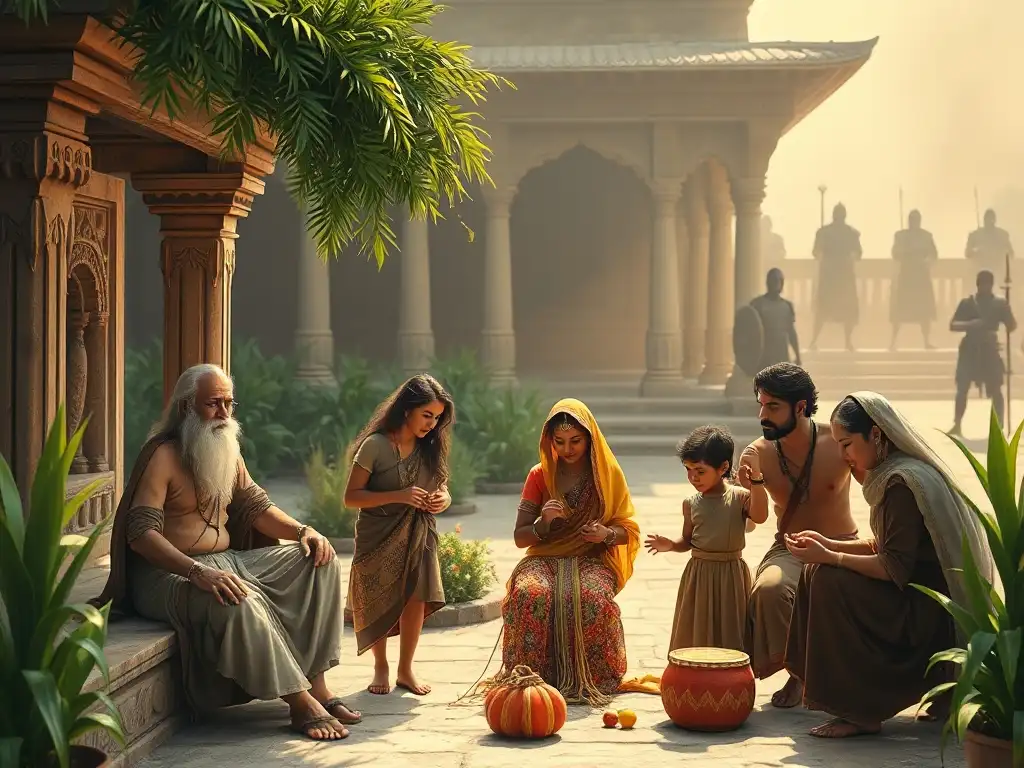
The family has always served as a fundamental unit of society, shaping the social, cultural, and economic fabric of communities throughout history. In Ancient India, family structures were intricate and deeply rooted in social norms, traditions, and religious beliefs. The complexities of these family dynamics were profoundly influenced by various factors, including the prevailing socio-political environment and the occurrence of wars. Understanding the impact of war on ancient Indian family structures reveals not only the resilience of families during crises but also highlights the transformative effects of conflict on societal norms and roles within the family unit.
This article delves into how warfare influenced family dynamics, the significance of families within ancient Indian society, and how specific historical events reshaped familial roles and responsibilities. By examining these elements, we can gain insights into the resilience and adaptability of ancient Indian families amidst the turbulence of war.
Overview of Family Dynamics in Ancient India
Family dynamics in ancient India were characterized by a variety of structures, predominantly including nuclear and extended families. The extended family often encompassed multiple generations living together, fostering a strong sense of kinship and support. Key features of ancient Indian family dynamics included:
- Patriarchal Structure: Most families were patriarchal, where the eldest male held authority and made significant decisions.
- Roles and Responsibilities: Each family member had defined roles, with men often engaged in agriculture, trade, and warfare, while women were primarily responsible for managing the household and raising children.
- Caste System Influence: The caste system played a critical role in determining family roles, marriage practices, and social interactions.
These dynamics were not static; they evolved in response to external pressures such as economic changes, cultural exchanges, and the impact of warfare.
Importance of Family in Indian Society
In ancient Indian society, the family was considered the cornerstone of social stability and continuity. Families were not just units of economic cooperation but also served as essential agents of cultural transmission and socialization. The importance of family can be highlighted through several aspects:
- Cultural Preservation: Families played a vital role in preserving traditions, rituals, and customs across generations.
- Social Identity: Family ties often dictated social identity, influencing one’s standing within the community.
- Support Systems: In times of hardship, families provided essential support, whether due to economic struggles or the aftermath of warfare.
The interconnectedness of familial relationships underscored their significance in sustaining societal values and norms.
Historical Context of War in Ancient India
Warfare in ancient India was a common occurrence, driven by territorial disputes, resources, and political ambitions. Understanding the historical context of war provides a backdrop for analyzing its effects on family structures.
Key Wars and Conflicts in Ancient Indian History
Several significant wars and conflicts have marked ancient Indian history, each leaving a lasting impact on its society and family structures. Notable examples include:
- The Mahabharata War: A legendary conflict that not only depicted the struggles of two families but also emphasized the moral dilemmas faced by individuals and the resultant familial disintegration.
- The Kalinga War: Fought by Emperor Ashoka, this war had profound consequences, leading to a shift in the emperor’s policy towards non-violence and familial compassion.
- The invasions by foreign powers: Such as the Greeks and later the Huns, which led to significant changes in societal structures and family roles as people adapted to new realities.
Each of these conflicts contributed to shifts in family dynamics, often resulting in changes in roles and responsibilities within households.
The Role of Warfare in Shaping Society
Warfare often acted as a catalyst for societal transformation in ancient India. The repercussions of war extended beyond the battlefield, influencing:
- Gender Roles: With men off to war, women often took on additional responsibilities, leading to shifts in gender dynamics within families.
- Migration and Displacement: Wars frequently resulted in the migration of populations, altering traditional family structures and necessitating new forms of social organization.
- Cultural Exchange: Conflicts often facilitated cultural interactions that could lead to the blending of familial customs and practices across different regions.
The interplay between war and family structures highlights the adaptability of ancient Indian societies in the face of adversity, revealing both the vulnerabilities and strengths of family systems throughout history.
Effects of War on Family Structures in Ancient India
War has historically had a profound impact on family structures across various civilizations, and ancient India is no exception. The intricacies of family life, marriage practices, and societal roles were often disrupted or transformed during periods of conflict. Wars led to significant shifts in demographics, with many men conscripted into military service, leaving families to adapt to the absence of primary breadwinners. This absence could result in economic instability, forcing families to rely on women and children to fill roles traditionally held by men. Consequently, the fabric of familial relationships and community support systems were stretched and reshaped.
In addition to economic implications, wars often altered inheritance practices and the social standing of women within families. With the death or incapacitation of male family members, women sometimes gained greater authority and responsibility, leading to a re-evaluation of gender roles. As such, the dynamics of familial power and decision-making processes were frequently reconfigured, reflecting both the immediate crises posed by warfare and the longer-term cultural shifts that followed. Understanding these changes provides insight into how ancient Indian family structures were resilient yet adaptable in the face of adversity.
Disruption of Traditional Family Roles
Traditional family roles in ancient India were largely patriarchal, with men serving as the primary providers and protectors of the household. However, during times of war, this structure was often disrupted. Men were frequently conscripted into armies, leading to a temporary or permanent absence from the family unit. This absence forced women to take on roles that were traditionally reserved for men, including managing finances, making decisions about land and property, and raising children.
In some cases, this shift resulted in women gaining a degree of autonomy that was previously uncommon. For instance, women became more involved in agricultural production and trade, contributing to the household’s economic stability. Such changes challenged the status quo and led to a reevaluation of women's roles in society, reflecting an adaptability that was essential for survival during turbulent times.
Changes in Marriage Practices During Times of War
War also influenced marriage practices in ancient India. With the loss of many men to conflict, the availability of potential husbands diminished, leading to shifts in customary marriage arrangements. Instances of polyandry, where a woman marries multiple men, became more prevalent in certain regions to ensure economic stability and security for women and their offspring.
Additionally, wartime conditions often necessitated quicker and more pragmatic marriage arrangements, with families prioritizing alliances that could provide protection or support. The concept of "swayamvara," where women chose their husbands from a group of suitors, may have evolved in response to the changing landscape of available partners. Such adaptations illustrate how the institution of marriage was not static but rather fluid, shaped by the exigencies of war and its aftermath.
Impact on Gender Roles and Responsibilities
The impact of war on gender roles in ancient India was profound. As men went off to fight, women often found themselves stepping into roles that required leadership and resilience. This shift was not merely a temporary adaptation; it laid the groundwork for a gradual transformation in societal views regarding gender. Women began to be seen as essential contributors to both the household and community, challenging the traditional notion of their roles as merely supportive.
The responsibilities women took on during wartime extended beyond domestic duties to include roles such as caretakers of the family’s legacy, managers of property, and negotiators during times of crisis. This redefinition of gender roles was significant, as it began to alter perceptions of women’s capabilities and their place within both family structures and society at large.
Case Studies of Specific Wars and Their Impact
The Mahabharata: Family Conflict and Warfare
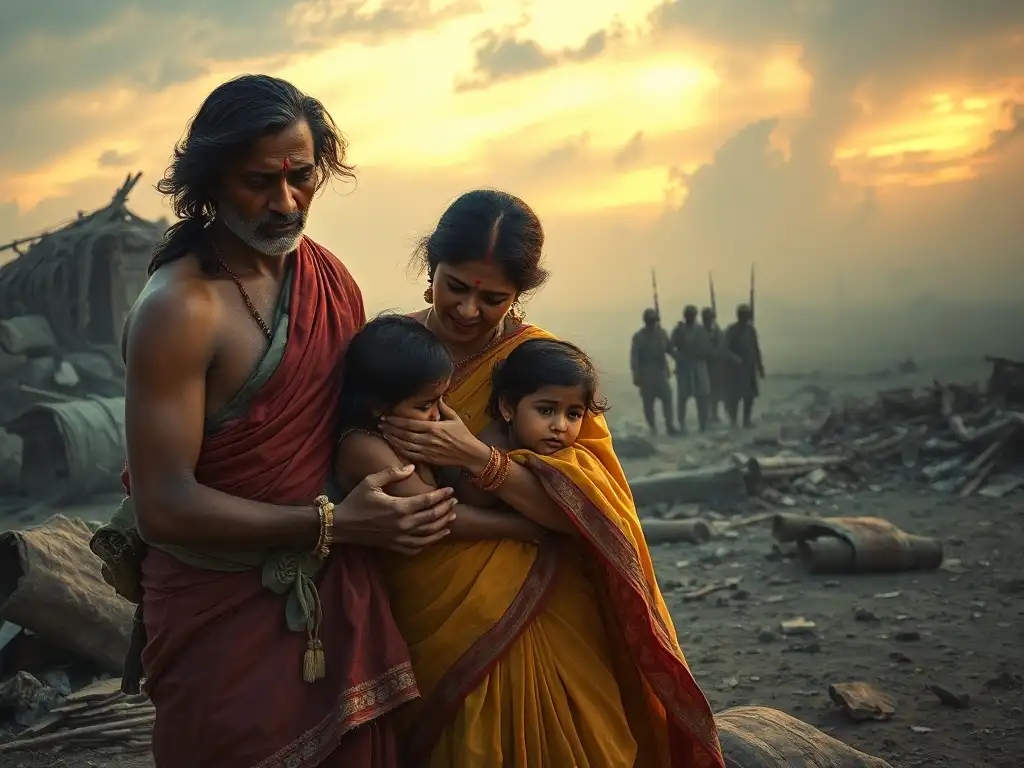
The Mahabharata, one of the most revered epics of ancient India, provides a profound exploration of how familial relationships can be torn apart by conflict. The epic’s narrative centers around the struggle for power between the Pandavas and Kauravas, showcasing how war leads to devastating consequences for families. The familial ties between the warring factions—brothers, cousins, and in-laws—highlight the tragedy of conflict that transcends mere territorial disputes.
The impact of this epic war extended beyond the battlefield, affecting marriages, inheritance, and alliances. The figures of Draupadi and Kunti illustrate how women navigated the complexities of loyalty and betrayal in familial relationships amidst warfare, ultimately reshaping their roles and responsibilities. The Mahabharata serves as a timeless reminder of the intricate ties between war and family, underscoring the psychological and social ramifications of conflict on family structures.
The Maurya Empire: Military Campaigns and Family Dynamics
During the Maurya Empire, military campaigns not only expanded territorial boundaries but also had a significant impact on family dynamics. The need for soldiers led to the recruitment of men from various social classes, which altered traditional family structures. The absence of men due to military service saw women increasingly managing household affairs and making critical decisions, thereby leading to a gradual shift in their societal roles.
Moreover, the Mauryan policies on marriage and inheritance were influenced by the necessity to consolidate power and establish alliances. Marriages often served political purposes, with families leveraging alliances to strengthen their positions. This strategic manipulation of family ties during wartime created new norms around marriage, ultimately reshaping the concept of family within the broader context of state and society.
The Gupta Empire: War and Its Influence on Family Structures
The Gupta Empire is often hailed as a golden age for ancient Indian culture, yet it was not without its conflicts. As the empire faced external threats and internal strife, the consequences for family structures were significant. Warfare led to demographic changes, with many families losing male members to battle, which necessitated a reorganization of family roles and responsibilities.
During this period, the resilience of women was particularly notable. As men were often away, women took on more active roles in economic activities and community leadership. This shift not only provided immediate solutions to family crises but also contributed to a long-term transformation in societal attitudes toward women’s capabilities. Consequently, the impact of war during the Gupta Empire served as a catalyst for change, influencing the evolution of family dynamics and gender roles that would resonate throughout subsequent generations in ancient India.
Long-Term Effects of War on Ancient Indian Family Structures
The impact of war on family structures in ancient India was profound and multifaceted, shaping not only the immediate dynamics but also the long-term evolution of kinship and family hierarchies. Wars often resulted in significant loss of life, altering the demographic landscape and affecting familial roles. As male members of families were frequently conscripted as soldiers or lost in battle, women began to assume roles that were traditionally male-dominated, leading to shifts in responsibilities and authority within households.
The aftermath of conflict also saw the emergence of new social norms and practices surrounding marriage and kinship. For instance, with the loss of male warriors, there was a rise in polyandry in some regions, where a woman might marry multiple brothers to ensure that the family lineage continued. This adaptation was a direct response to the challenges posed by war and the need for survival within a changing socio-economic environment.
Shifts in Kinship Patterns
War significantly influenced kinship patterns in ancient Indian societies. The traditional patrilineal system, where lineage and inheritance were traced through male descendants, faced challenges due to the loss of male members in conflicts. In certain communities, this led to a more egalitarian approach where women gained increased agency and influence within the family structure.
Moreover, the need for alliances became more prominent following wars. Families often sought to strengthen their social standing and security through strategic marriages, linking families across different regions and cultures. These alliances not only served to consolidate power but also to ensure mutual support in times of crisis. The result was a more intricate web of kinship that transcended traditional boundaries, reflecting a society adapting to the pressures of warfare.
Evolution of Family Hierarchies Post-War
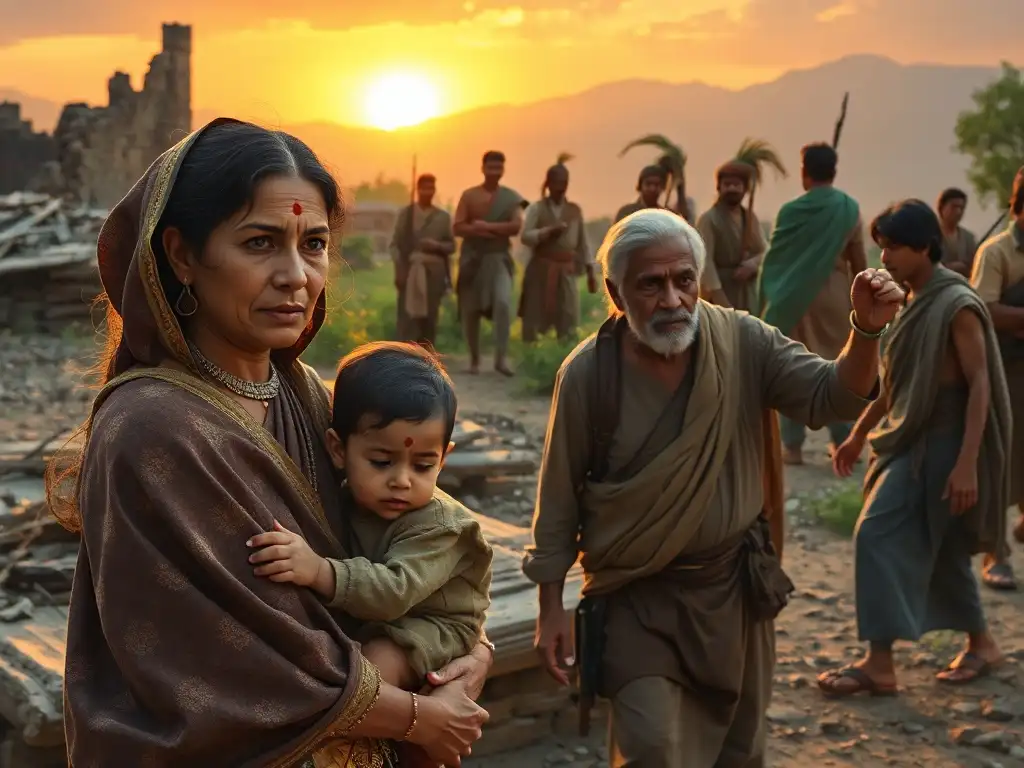
Post-war periods in ancient India saw a significant transformation in family hierarchies. With many men lost to battle, women frequently became the heads of households, taking on roles as providers and decision-makers. This shift was particularly evident in matrilineal societies where women already held significant power.
The reconfiguration of family hierarchies also led to the rise of elder women as custodians of social and cultural traditions, preserving the lineage and legacy of their families. As they assumed more authority, traditional patriarchal structures were challenged, leading to a more fluid understanding of power dynamics within families. This evolution laid the groundwork for future discussions on gender roles and family governance in Indian society.
The Legacy of War on Modern Indian Family Structures
The legacies of ancient conflicts continue to resonate in modern Indian family structures. Many contemporary Indian families still exhibit traces of the adaptive strategies developed during times of war. For instance, the practice of arranged marriages often reflects the historical necessity of forming alliances, a tradition rooted in the socio-political landscape shaped by ancient warfare.
Additionally, the impact of war on gender roles persists, as women today continue to navigate complex family dynamics that echo the shifts initiated by their ancestors. While many advancements have been made towards gender equality, the historical context of family structures in ancient India provides a foundation for understanding current societal challenges and progress.
Conclusion: The Lasting Impact of War on Ancient Indian Family Structures
The examination of war's influence on ancient Indian family structures reveals significant insights into the resilience and adaptability of societies confronted with conflict. The interplay between warfare and familial dynamics not only shaped the immediate responses of communities but also left lasting legacies that echo through time.
Summary of Key Findings
- Demographic Changes: Wars led to significant changes in family compositions, with a notable increase in female-led households due to male casualties.
- Kinship Adaptations: Shifts towards more flexible kinship patterns emerged, including practices such as polyandry and strategic marriages for alliance-building.
- Evolving Hierarchies: The rise of women in leadership roles within families challenged traditional patriarchal norms, altering family governance structures.
Reflections on the Relationship Between War and Family in Ancient India
The relationship between war and family in ancient India illustrates a complex interplay of survival, adaptation, and cultural evolution. While war brought about destruction, it also fostered innovation in social structures, allowing families to navigate the aftermath of conflict. Understanding these historical dynamics enriches our comprehension of modern family practices and the enduring influence of ancient traditions on contemporary Indian society.
- Introduction to Ancient Indian Family Structures
- Historical Context of War in Ancient India
- Effects of War on Family Structures in Ancient India
- Case Studies of Specific Wars and Their Impact
- Long-Term Effects of War on Ancient Indian Family Structures
- Shifts in Kinship Patterns
- Evolution of Family Hierarchies Post-War
- The Legacy of War on Modern Indian Family Structures
- Conclusion: The Lasting Impact of War on Ancient Indian Family Structures
- What were the common family structures in ancient India?
- How did warfare influence family roles in ancient India?
- What role did women play in ancient Indian family structures during times of war?
- Were there variations in family structures across different regions of ancient India?
- How did ancient Indian family structures compare to modern ones?
Frequently Asked Questions
What were the common family structures in ancient India?
In ancient India, family structures were predominantly patriarchal, with extended families often living together. This allowed for shared resources and responsibilities, fostering a strong sense of community.
How did warfare influence family roles in ancient India?
Warfare significantly altered family dynamics; men were often away at war, leading to women taking on increased responsibilities and roles traditionally held by men, thus reshaping family norms.
What role did women play in ancient Indian family structures during times of war?
During periods of conflict, women became crucial in managing household affairs and supporting the family’s economic stability, showcasing their resilience and adaptability in the face of adversity.
Were there variations in family structures across different regions of ancient India?
Yes, regional variations existed in family structures due to local customs, economic conditions, and cultural influences. These differences reflected the diversity of ancient Indian society.
How did ancient Indian family structures compare to modern ones?
While ancient Indian family structures emphasized extended kinship and collective living, modern structures are more nuclear, indicating a shift towards individualism and self-reliance over time.
Final Reflection: The Enduring Legacy of Ancient Indian Family Structures
The exploration of ancient Indian family structures reveals a profound connection between societal stability and the impact of war. In a world where conflicts have shaped civilizations, understanding how war influenced family dynamics in ancient India is crucial. The resilience and adaptability of these family structures in the face of adversity highlight a striking truth: the bonds of kinship often serve as a sanctuary amidst chaos.
The lessons learned from ancient Indian family structures continue to resonate in our modern social landscape. As we navigate the complexities of contemporary life, the influence of historical familial ties reminds us of the importance of community and support systems. The enduring nature of these relationships can be encapsulated in the words of Mahatma Gandhi: The best way to find yourself is to lose yourself in the service of others.
This sentiment underscores the idea that, despite the trials of war, the essence of family remains a source of strength and identity.
As we reflect on the lessons of the past, let us consider how we can apply these insights to our own lives. Take a moment to evaluate your family connections and the support networks you have cultivated. In a world that often feels fragmented, fostering strong relationships can be a powerful antidote to the challenges we face. Embrace the spirit of resilience that characterized ancient Indian families, and strive to create a legacy of love and unity that transcends time and conflict.
Transform Your Understanding of Ancient Family Dynamics!
Thank you for exploring the intricate connections between war and family structures in Ancient India. Your engagement with this topic sheds light on the resilience of families during tumultuous times. Now it’s time to take that knowledge further and deepen your understanding of this fascinating subject.
Here are a few actionable steps you can take right now:
- Dive deeper: Explore more about the daily lives of families during ancient conflicts by visiting our collection of articles and resources on the history of Ancient India.
- Share your insights: Discuss what you’ve learned! Start a conversation with friends or on social media, and share how the impact of war shapes familial relationships in contemporary society.
- Join our community: Subscribe to our newsletter to stay informed about new articles that highlight lesser-known historical narratives and their relevance in today's world.
What aspect of family life in Ancient India do you find most intriguing, and how do you think it informs our modern understanding of family resilience during crises?