
Vedic Astrology: The Cosmic Connection in Ancient Texts


Welcome to Ancient India History, where we embark on a journey through the rich tapestry of India’s past. In this exploration, we uncover the profound significance of Vedic astrology in ancient India, a fascinating subject that links the cosmos with the wisdom of our ancestors. Dive into our featured article, " Vedic Astrology: The Cosmic Connection in Ancient Texts," and discover how celestial patterns shaped the lives, beliefs, and practices of ancient civilizations.
Get ready to unravel the mysteries that lie within the stars and their enduring influence on Indian culture. Your adventure into the depths of epic literature and cosmic insights begins here!
- Introduction to Vedic Astrology in Ancient India
- Historical Context of Vedic Astrology
- Core Principles of Vedic Astrology
- The Role of Nakshatras in Vedic Astrology
- Understanding the Zodiac Signs in Ancient Indian Astrology
- The Significance of Planets and Their Influence in Vedic Astrology
- Vedic Astrology and Its Cultural Impact
- The Practice of Vedic Astrology in Ancient India
- Contemporary Relevance of Vedic Astrology
- Conclusion: The Enduring Legacy of Vedic Astrology in Ancient India
- Frequently Asked Questions
- Final Reflection: The Timeless Relevance of Vedic Astrology
- Unlock the Secrets of Your Cosmic Journey!
Introduction to Vedic Astrology in Ancient India
Vedic astrology, also known as Jyotish, is an ancient Indian system of astrology that has deep roots in the Vedic texts, which are some of the earliest sacred scriptures of Hinduism. This intricate science not only provides insights into the celestial influences on human life but also reflects the philosophical and spiritual aspects of ancient Indian thought. As we delve into the concept of Vedic astrology in ancient India, we will uncover its historical significance, its connection to the cosmos, and its profound impact on various facets of culture and society during that era.
The exploration of Vedic astrology offers a window into how ancient civilizations interpreted celestial events and their implications for personal and communal life. The texts surrounding Vedic astrology are filled with complex calculations, detailed charts, and a wealth of knowledge that continues to influence modern astrological practices. In this article, we will navigate through the foundational principles of Vedic astrology, its cultural significance, and its lasting legacy that resonates even today.
Understanding Vedic Astrology: An Overview
Vedic astrology is based on the belief that the positions and movements of celestial bodies—such as planets and stars—play a crucial role in shaping human lives and destinies. Originating from the Vedas, particularly the Samhitas and the Upanishads, Vedic astrology encompasses a sophisticated system of calculations and interpretations that have been refined over millennia.
- Key Components of Vedic Astrology:
- Zodiac Signs (Rashis): There are 12 zodiac signs in Vedic astrology, each associated with specific personality traits and destinies.
- Planets (Grahas): Nine planets are considered in Vedic astrology, each governing different aspects of life, such as wealth, health, and relationships.
- Houses (Bhavas): The astrological chart is divided into 12 houses, each representing different life areas, such as career, family, and spirituality.
- Nakshatras: These are lunar mansions that play a vital role in the analysis of an individual's chart, influencing behavior and life events.
The ancient sages meticulously documented these astrological principles, creating a comprehensive framework that integrates spirituality with the scientific observation of celestial phenomena. This blend of empirical observation and metaphysical insight forms the cornerstone of Vedic astrology, making it a unique and profound system.
The Cosmic Connection: How Vedic Astrology Influenced Culture
The influence of Vedic astrology in ancient India extends far beyond mere predictions; it played a pivotal role in shaping various aspects of culture, including religion, art, and social structures. The belief in cosmic connections fostered an understanding of the universe that was interwoven with everyday life.
- Cultural Implications:
- Rituals and Festivals: Many Vedic rituals and festivals are aligned with astrological events, emphasizing the belief that celestial alignments can influence auspicious timings for significant life events, such as weddings and religious ceremonies.
- Literature and Arts: Themes of astrology and the celestial realm are prevalent in ancient Indian literature and art, often depicted through stories and symbols that reflect the cosmic order.
- Social Hierarchies: Vedic astrology also influenced social structures, where astrological compatibility played a role in marriage arrangements and family alliances, reinforcing the significance of cosmic alignment in personal relationships.
Vedic astrology in ancient India served as a vital link between the cosmos and human existence, guiding not only individual choices but also collective cultural practices. Its profound insights into the universe continue to inspire and resonate within the modern context, reflecting a timeless quest for understanding our place within the cosmos.
Historical Context of Vedic Astrology
The Origins of Vedic Astrology in Ancient Texts
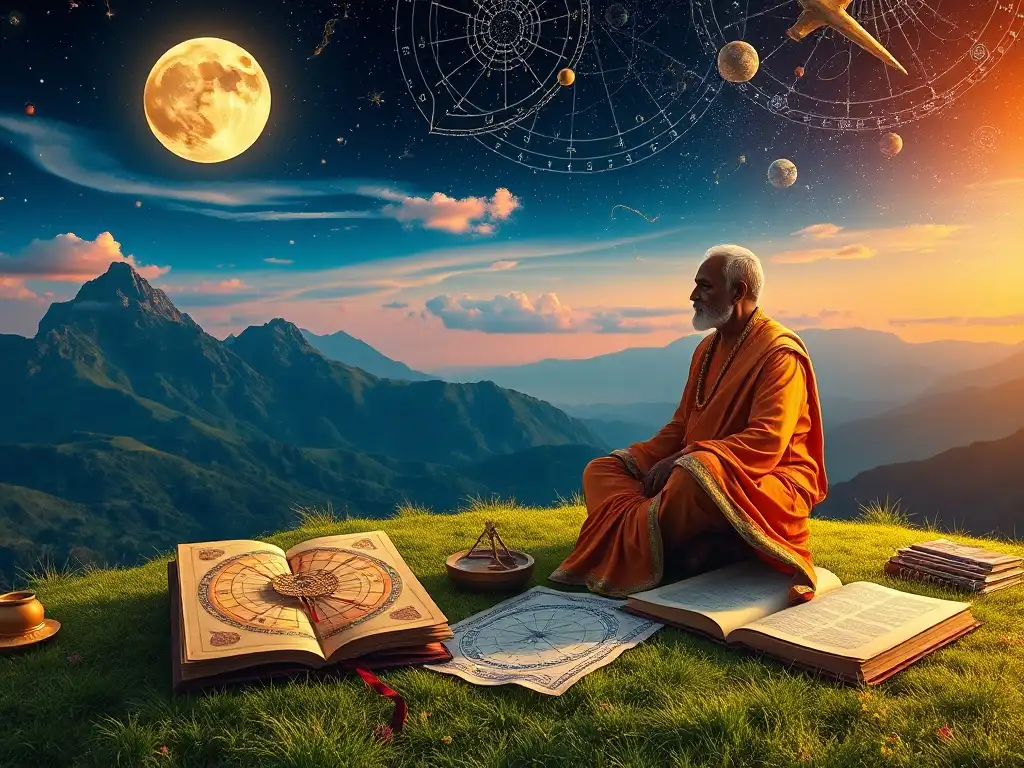
Vedic astrology, known as Jyotisha, has its roots deeply embedded in the ancient texts of India, particularly the Vedas. The earliest references to astrology can be traced back to the Rigveda, dated around 1500 BCE, where celestial phenomena were linked to earthly events and human behavior. The Yajurveda and Samaveda also contain astrological elements that highlight the importance of celestial bodies in rituals and agricultural practices.
The Brahmanas, texts that elaborate on the Vedic rituals, further enriched the foundations of astrology. These texts provided detailed instructions on how to perform rituals according to the positions of celestial bodies. By the time the Vedanga Jyotisha was composed (circa 600 BCE), astrology had started to emerge as a distinct discipline, combining observational astronomy with a spiritual framework.
The Siddhanta texts, which appeared later, signified a transition towards a more systematic approach to astronomy and astrology, establishing methods for calculating planetary positions and eclipses. Through these ancient texts, Vedic astrology began to develop a framework that would influence not only Indian culture but also extend its reach into the realms of medicine, philosophy, and spirituality.
Key Historical Figures in Vedic Astrology
Throughout ancient Indian history, several prominent figures contributed significantly to the development and evolution of Vedic astrology.
- Parasara Muni: Often regarded as the father of Vedic astrology, his seminal work, the Brihat Parashara Hora Shastra, is a comprehensive text that outlines various astrological principles and methodologies. His teachings laid the foundation for many subsequent astrological practices.
- Varahamihira: A polymath of the 6th century CE, Varahamihira authored the Brihat Samhita, which encompasses astrology, astronomy, and natural phenomena. His contributions to Vedic astrology include detailed descriptions of planetary influences and their effects on human affairs.
- Bhrigu: Another key figure, Bhrigu is credited with the Bhrigu Samhita, a classic astrological text that emphasizes predictive astrology. His work introduced the concept of birth charts and horoscopes, which are still integral to Vedic astrology today.
These figures not only advanced the techniques of Vedic astrology but also integrated it with philosophical and spiritual insights, positioning it as a vital component of ancient Indian knowledge systems.
Vedic Astrology and Its Relationship with Other Ancient Indian Sciences
Vedic astrology is intricately linked with several other ancient Indian sciences, creating a holistic understanding of the cosmos and its influence on life.
- Ayurveda: This ancient system of medicine is deeply interconnected with astrology. Practitioners often consider a patient's natal chart to determine the most effective treatments, as certain planetary positions can influence bodily health and well-being.
- Vastu Shastra: This ancient architectural science also borrows principles from Vedic astrology. The orientation and placement of structures are guided by astrological calculations to enhance harmony and prosperity.
- Philosophy and Spirituality: Vedic astrology is intertwined with the philosophical texts such as the Upanishads, which explore concepts of time, existence, and the self. This connection underscores the belief that cosmic events reflect deeper spiritual truths.
Vedic astrology in ancient India was not merely a method of predicting the future; it was a comprehensive system that encompassed various domains of knowledge, reflecting the intricate relationship between the cosmos and human experience. Its enduring legacy continues to resonate in contemporary practices and philosophies.
Core Principles of Vedic Astrology
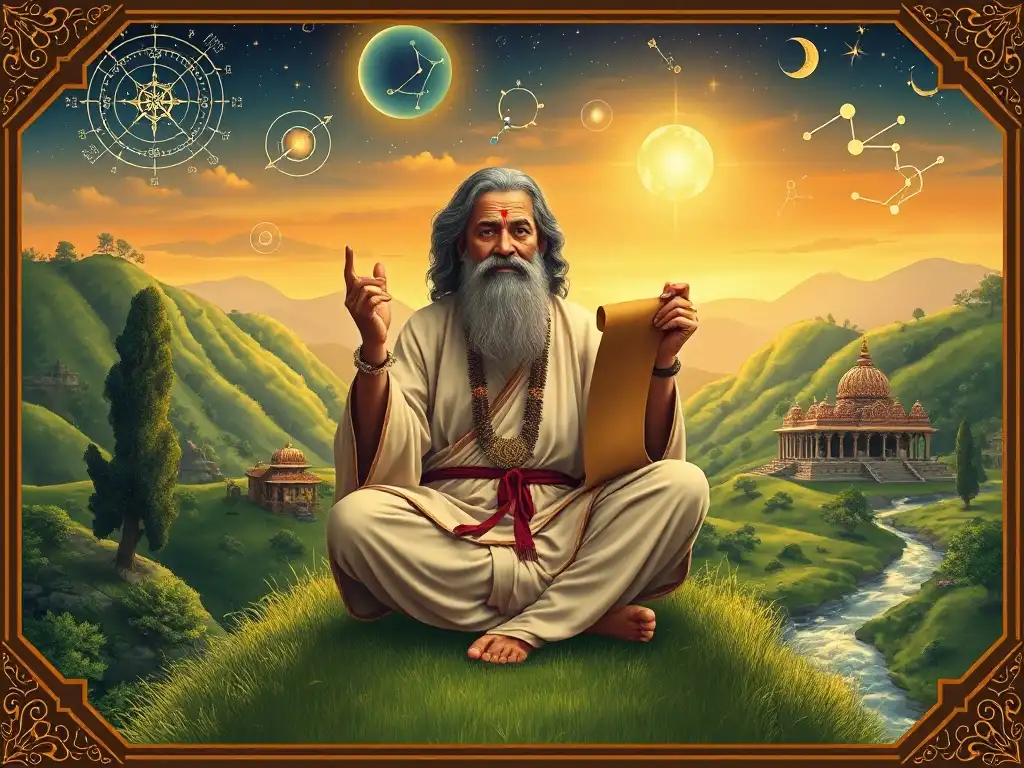
Vedic astrology, also known as Jyotisha, is a profound system of astrology that originated in ancient India, deeply rooted in the Vedas, the oldest sacred texts of Hinduism. This astrological practice emphasizes the connection between cosmic phenomena and life on Earth, asserting that celestial bodies influence human affairs, destinies, and natural events. The core principles of Vedic astrology revolve around the following elements:
- Karma: Vedic astrology is heavily based on the concept of karma, which posits that every action has consequences. The positions of celestial bodies at the time of one's birth are seen as a reflection of past karmic actions, influencing the current life experiences.
- Time and Cycles: Vedic astrology operates on the principle of cyclical time, where events are believed to manifest in cycles influenced by planetary movements. This creates a framework where both personal and collective experiences can be interpreted through astrological charts.
- The Sidereal Zodiac: Unlike Western astrology, which uses a tropical zodiac, Vedic astrology relies on a sidereal zodiac that accounts for the actual positions of constellations. This means that the zodiac signs can differ between the two systems, making Vedic astrology unique in its approach.
- Dasha System: A distinctive feature of Vedic astrology is the Dasha system, which outlines periods of influence governed by specific planets. This helps practitioners predict significant life events and changes based on the planet currently in focus.
- Houses: In Vedic astrology, a person's birth chart is divided into twelve houses, each representing different aspects of life, such as relationships, career, and spirituality. The placement of planets in these houses provides insights into an individual's life path and potential challenges.
The Role of Nakshatras in Vedic Astrology
Nakshatras, or lunar mansions, play a pivotal role in Vedic astrology, significantly influencing the interpretation of an individual's birth chart. There are 27 Nakshatras, each associated with a specific constellation, and they are divided into four quarters known as padas.
Key Aspects of Nakshatras:
- Emotional and Spiritual Influence: Each Nakshatra embodies distinct characteristics that influence emotional traits and spiritual inclinations. For instance, those born under Ashwini may exhibit qualities of speed and enthusiasm, while those under Rohini are often associated with beauty and creativity.
- Planetary Rulership: Each Nakshatra is governed by a specific planet, which adds another layer of interpretation. For example, Maghā is ruled by Ketu, indicating a connection to ancestral heritage and spiritual pursuits.
- Compatibility and Relationships: In Vedic astrology, Nakshatras are crucial for determining compatibility in relationships. The alignment of Nakshatras between partners can reveal potential harmony or discord.
- Timing of Events: The Nakshatras also play a significant role in timing auspicious events in life, such as weddings or business ventures. Astrologers often consult the Nakshatras to determine the most favorable times based on lunar positions.
Understanding the Zodiac Signs in Ancient Indian Astrology
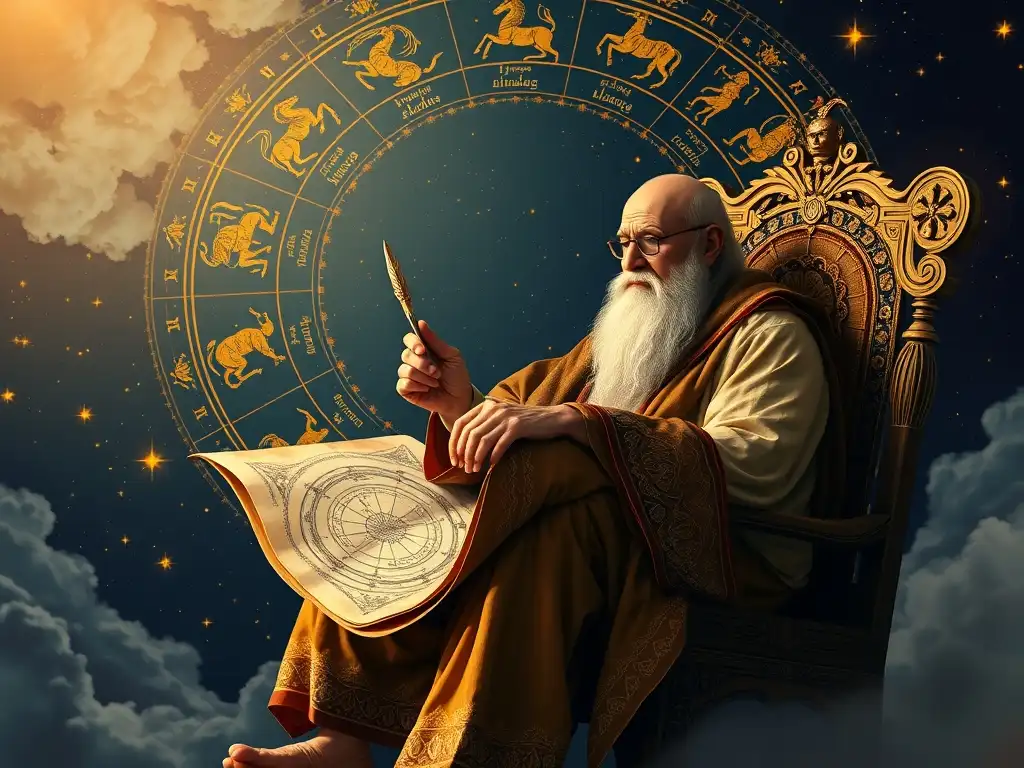
The zodiac signs in Vedic astrology, known as Rashis, form the foundation of the astrological framework. There are twelve Rashis, each corresponding to a segment of the sky and imbued with unique qualities and attributes.
Overview of the Zodiac Signs:
| Zodiac Sign (Rashi) | Symbol | Element | Key Traits |
|---|---|---|---|
| Aries (Mesh) | Ram | Fire | Courageous, energetic, impulsive |
| Taurus (Vrishabha) | Bull | Earth | Reliable, patient, sensual |
| Gemini (Mithuna) | Twins | Air | Adaptable, communicative, curious |
| Cancer (Karka) | Crab | Water | Emotional, nurturing, protective |
| Leo (Simha) | Lion | Fire | Confident, charismatic, leadership |
| Virgo (Kanya) | Maiden | Earth | Analytical, detail-oriented, practical |
| Libra (Tula) | Scales | Air | Harmonious, diplomatic, idealistic |
| Scorpio (Vrishchika) | Scorpion | Water | Intense, passionate, secretive |
| Sagittarius (Dhanu) | Archer | Fire | Optimistic, adventurous, philosophical |
| Capricorn (Makara) | Goat | Earth | Disciplined, ambitious, responsible |
| Aquarius (Kumbha) | Water Bearer | Air | Innovative, unconventional, humanitarian |
| Pisces (Meena) | Fish | Water | Compassionate, artistic, intuitive |
Significance of the Zodiac Signs:
- Personality and Behavior: Each Rashi attributes specific personality traits to individuals based on their birth sign. This influences their behavior, decision-making, and interactions with others.
- Life Path and Challenges: The zodiac signs also provide insights into one's life path, potential challenges, and areas of growth. For example, a person with a strong influence from Scorpio may experience profound transformations and emotional depth throughout their life.
- Transits and Influences: The movement of planets through different Rashis can affect individuals differently, leading to varying experiences based on their birth sign. Astrologers analyze these transits to provide forecasts and guidance.
The Significance of Planets and Their Influence in Vedic Astrology
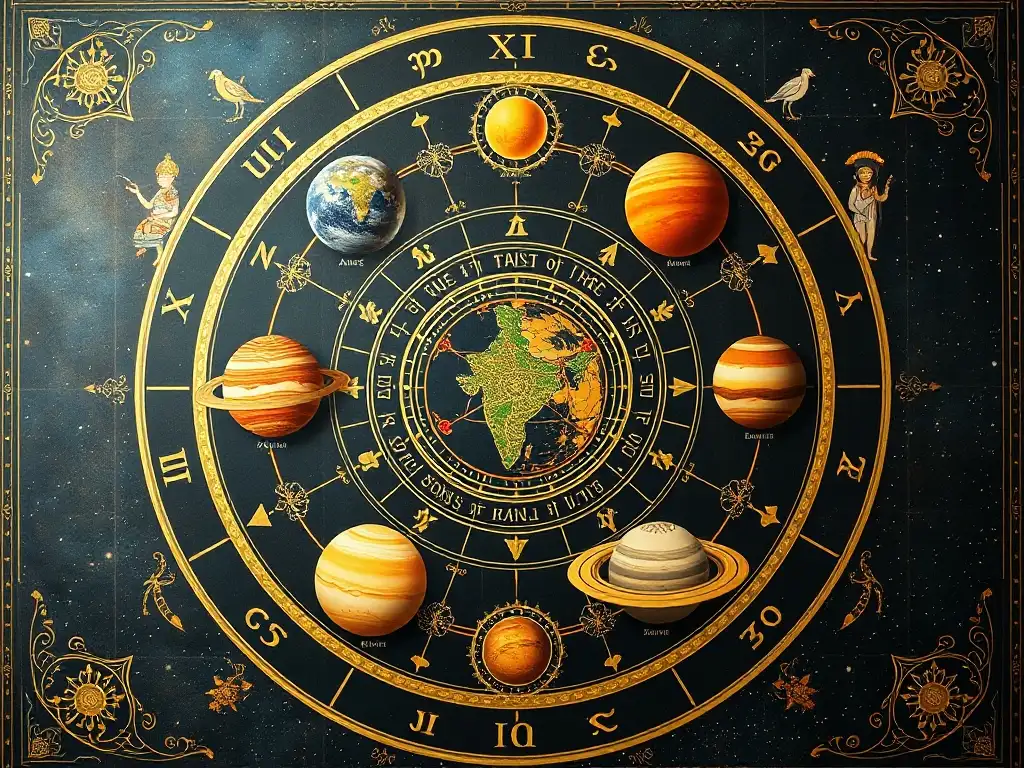
In Vedic astrology, planets are considered the primary agents that influence human life and events. Each planet has its own characteristics, energies, and significations, affecting various aspects of existence.
Overview of the Planets:
| Planet | Sanskrit Name | Significance | Governs |
|---|---|---|---|
| Sun | Surya | Soul, ego, vitality | Authority, leadership |
| Moon | Chandra | Mind, emotions, intuition | Relationships, nurturing |
| Mars | Mangala | Energy, aggression, assertiveness | Action, conflict |
| Mercury | Budha | Communication, intellect | Learning, commerce |
| Jupiter | Brihaspati | Expansion, wisdom, fortune | Prosperity, spirituality |
| Venus | Shukra | Love, beauty, harmony | Arts, relationships |
| Saturn | Shani | Discipline, responsibility, karma | Hardship, perseverance |
| Rahu | Rahu | Ambition, desire, illusion | Material pursuits |
| Ketu | Ketu | Spirituality, detachment | Liberation, enlightenment |
Planetary Influences:
- Individual Characteristics: Each planet's position in a natal chart influences an individual's characteristics and life experiences. For example, a strong Jupiter influence can signify abundance and benevolence, while a prominent Saturn may indicate challenges and hard lessons.
- Transits and Dasha: The movement of planets can trigger significant life events, which is analyzed through the Dasha system and planetary transits. For instance, during a Jupiter Dasha, individuals may experience growth, opportunities, and blessings.
- Remedies and Enhancements: Vedic astrology often prescribes remedies to mitigate negative planetary influences, such as wearing gemstones, performing rituals, or chanting mantras. This holistic approach aims to harmonize the individual's energies with cosmic forces.
Vedic astrology in ancient India is a multifaceted discipline that intertwines cosmic phenomena with human existence. By understanding its core principles, the role of Nakshatras, the significance of zodiac signs, and the influence of planets, one can gain profound insights into their life path and cosmic connections.
Vedic Astrology and Its Cultural Impact
Vedic astrology, known as Jyotisha, is a profound system of astrology that originated in ancient India, deeply intertwined with the Vedas—India's oldest sacred texts. The significance of Vedic astrology extends beyond mere predictions; it serves as a guiding framework that influenced various aspects of life in ancient Indian civilization. Its principles encompass not only the celestial bodies' movements but also their philosophical implications, shaping cultural norms, spiritual practices, and artistic expressions.
The concept of time in Vedic astrology is cyclical, reflecting the universe's rhythms, which contrasts sharply with the linear time conception prevalent in many Western cultures. This cyclical nature emphasizes the importance of seasons, festivals, and life stages, all of which are intricately linked to astrological insights. Moreover, the practice of Vedic astrology fostered a sense of community, as families would consult astrologers for auspicious timing regarding marriages, festivals, and other significant events.
Vedic Astrology's Influence on Ancient Indian Society
Vedic astrology played a pivotal role in shaping the socio-cultural landscape of ancient India. It provided a scientific framework for understanding the universe and humanity's place within it. This understanding influenced various societal structures, including governance, education, and health practices.
- Governance: Kings and rulers often employed astrologers to guide their decisions. Astrological charts were consulted before embarking on military campaigns or initiating state projects. The belief that celestial alignments could influence the success of endeavors made astrology an integral part of political strategy.
- Education: The study of Jyotisha was part of the traditional curriculum in ancient Indian educational institutions. Students would learn about celestial mechanics, the zodiac, and the effects of planetary positions on human affairs, fostering a deeper understanding of their universe.
- Health and Medicine: Ayurvedic practitioners also utilized Vedic astrology to diagnose ailments and recommend treatments, linking the timing of therapies to planetary influences. This holistic approach reinforced the belief in the interconnectedness of the cosmos and individual health.
The impact of Vedic astrology on societal norms can be seen in festivals and rituals, where celestial events dictated the timing and nature of celebrations. These practices helped preserve cultural traditions, ensuring continuity through generations.
The Role of Vedic Astrology in Spiritual Practices
In ancient India, the spiritual dimension of Vedic astrology was paramount. It was not merely a tool for divination but a pathway to understanding the divine will. The alignment of celestial bodies was seen as a reflection of cosmic order, influencing human existence.
- Rituals and Sacrifices: Astrological considerations guided the timing and execution of rituals and sacrifices. Specific planetary positions were believed to enhance the efficacy of these spiritual practices, ensuring favorable outcomes in both material and spiritual realms.
- Meditation and Enlightenment: Many spiritual seekers used Vedic astrology to determine auspicious times for meditation and introspection. Aligning personal energies with cosmic rhythms was thought to facilitate deeper spiritual experiences and enlightenment.
- Life Milestones: Key life events, such as births, marriages, and deaths, were often celebrated with astrological rituals. Parents would consult astrologers to select favorable names for their children based on their birth charts, believing that a name aligned with cosmic energies would influence their destiny positively.
The integration of Vedic astrology into spiritual practices created a comprehensive framework for understanding existence, encouraging individuals to live in harmony with the universe.
Vedic Astrology in Art and Literature: Reflections of the Cosmos
The influence of Vedic astrology is also evident in ancient Indian art and literature. Artists and poets drew inspiration from celestial themes, weaving astrological concepts into their works.
- Artistic Depictions: Temples and sculptures from ancient India often feature celestial motifs, representing planets, stars, and constellations. These artistic expressions served as visual representations of the cosmic order, reflecting the importance of astrology in daily life.
- Literary Works: Ancient texts, including the Mahabharata and Ramayana, contain numerous references to astrological principles. Characters often consult astrologers for guidance, and celestial events play crucial roles in the narratives, emphasizing the interconnectedness of fate and cosmic forces.
- Astrological Texts: Treatises such as the Brihat Parashara Hora Shastra and Jataka Parijata are foundational texts in Vedic astrology, detailing the principles and practices of Jyotisha. These texts not only serve as instructional guides but also reflect the philosophical underpinnings of ancient Indian thought.
Through art and literature, Vedic astrology is immortalized, serving as a testament to its cultural significance and enduring legacy. The cosmic connection embodied in these works continues to resonate in contemporary interpretations of astrology, illustrating the timeless nature of these ancient insights.
The Practice of Vedic Astrology in Ancient India
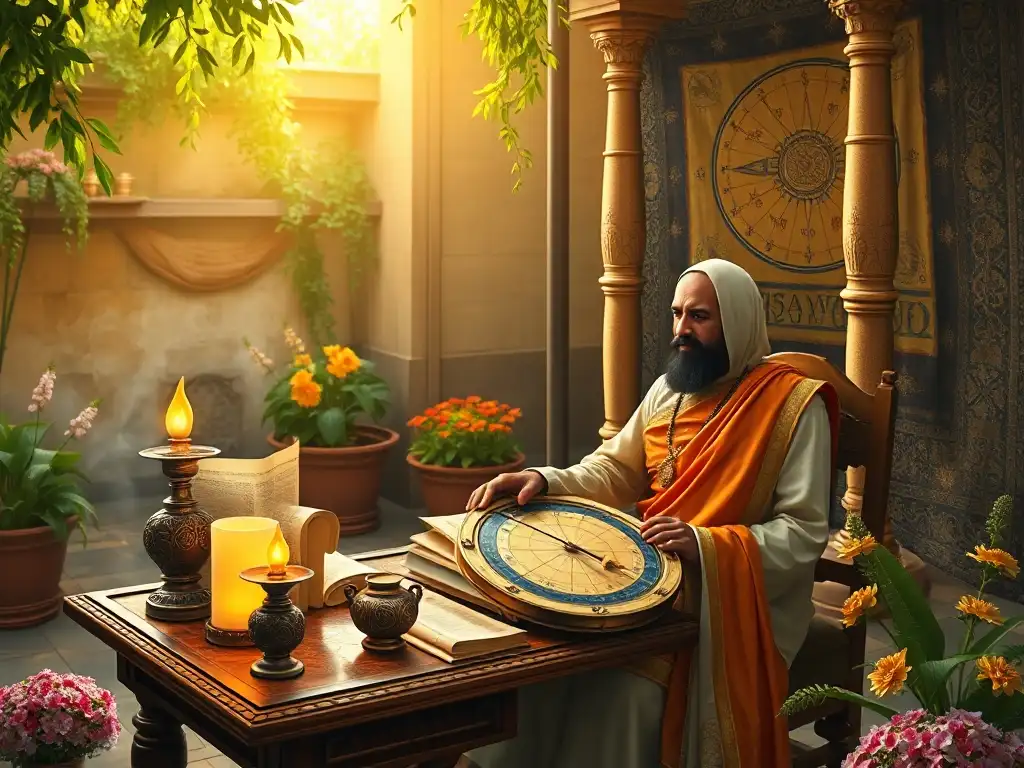
Vedic astrology, known as Jyotisha in ancient texts, is a profound system of astrology that emerged in ancient India, interwoven with the fabric of Vedic literature. It is not merely a predictive tool but a comprehensive framework that encompasses the study of celestial bodies, their movements, and their influence on human affairs. Rooted in the Vedas, particularly the Rigveda, Vedic astrology is deeply connected to the spiritual and philosophical ethos of ancient Indian civilization.
The practice of Vedic astrology in ancient India was not just about predicting future events; it played a significant role in decision-making processes, from choosing auspicious times for rituals (muhurtas) to determining the most favorable moments for significant life events such as marriages and initiations. This intricate system of cosmic understanding relied on meticulous calculations and interpretations, which were often performed by learned astrologers (Jyotishis) who held esteemed positions in society.
Methods of Calculation and Interpretation in Vedic Astrology
The methods of calculation in Vedic astrology are complex and multifaceted, relying heavily on the positions of celestial bodies at the time of an individual's birth. Here are some key components involved in this ancient practice:
- Zodiac Systems: Vedic astrology primarily uses the Sidereal Zodiac, which is distinct from the Tropical Zodiac used in Western astrology. The Sidereal Zodiac is based on the actual positions of constellations and accounts for the precession of the equinoxes.
- Lagna (Ascendant): The Lagna or Ascendant is crucial in Vedic astrology, representing the position of the zodiac sign rising on the eastern horizon at the time of birth. It serves as the starting point for constructing a birth chart (Janam Kundali).
- Planets and Their Aspects: Vedic astrology recognizes nine planets (Navagrahas) that influence human behavior and destiny. Each planet has specific characteristics and governs various aspects of life. The interactions between these planets, known as aspects (Drishti), are analyzed to interpret their effects on an individual’s life.
- Dasha System: The Dasha system is a unique predictive method in Vedic astrology that divides a person’s life into periods ruled by different planets. This system helps astrologers forecast the timing of significant events and transitions in a person's life.
- Nakshatras: The lunar mansions or Nakshatras play a pivotal role in Vedic astrology. There are 27 Nakshatras, each associated with specific qualities and influences. The position of the moon in these Nakshatras at the time of birth is essential for deeper insights into personality and fate.
These methods are not just mathematical calculations but are intertwined with ancient philosophies and spiritual beliefs, making Vedic astrology a holistic practice.
Rituals and Ceremonies Associated with Vedic Astrology
Rituals and ceremonies associated with Vedic astrology are integral to its practice, serving as a means to align cosmic energies with human endeavors. Some key rituals include:
- Homas and Yajnas: These fire rituals involve offerings made to deities, often performed during auspicious planetary alignments. They are believed to invoke blessings and mitigate adverse planetary influences.
- Graha Shanti: This is a specific ritual aimed at pacifying malefic planetary influences. It typically involves prayer, chanting of mantras, and making offerings to appease the planets.
- Navagraha Puja: A common ceremony that honors the nine planets, this puja involves specific rituals and offerings tailored to each planet, seeking their blessings for health, prosperity, and success.
- Naming Ceremony (Namkaran): The timing of a child's naming ceremony is often determined by astrological calculations, ensuring that the chosen name aligns with the child's cosmic influences.
- Marriage Ceremonies: In Vedic culture, marriages are often timed according to astrological compatibility (Kundali matching), ensuring harmonious energies between the couple.
These rituals reinforce the belief in the interconnectedness of celestial bodies and human life, emphasizing the importance of aligning one’s actions with cosmic rhythms.
Case Studies: Notable Predictions and Their Impacts in Ancient Times
Throughout ancient Indian history, Vedic astrology played a pivotal role in shaping events and decisions. Here are some notable case studies:
- The Coronation of Emperor Ashoka: It is said that the great Mauryan Emperor Ashoka consulted astrologers before his coronation to ensure that his reign would be auspicious. The timing was meticulously calculated, contributing to his successful and enlightened rule.
- The Battle of Kurukshetra: In the epic Mahabharata, Vedic astrology is depicted as influencing the strategies and outcomes of the great battle. Predictions made by sages regarding the planetary alignments had significant implications for the warriors' fates.
- Chanakya’s Political Strategies: The renowned strategist Chanakya employed Vedic astrology to predict the rise and fall of kingdoms. His astute calculations and interpretations guided him in political maneuvering, particularly in the establishment of the Mauryan Empire.
- Astrological Guidance for Agriculture: Ancient texts document instances where farmers relied on astrological predictions to determine the best times for planting and harvesting crops, aligning agricultural practices with celestial cycles to maximize yield.
These case studies illustrate the profound influence of Vedic astrology in ancient India, not only as a predictive tool but as a guiding force in the socio-political and cultural landscape of the time. The intertwining of celestial knowledge with practical decision-making showcases the holistic nature of Vedic astrology in shaping ancient Indian civilization.
Contemporary Relevance of Vedic Astrology

Vedic Astrology Today: Bridging Ancient Wisdom with Modern Practices
In the contemporary landscape, Vedic astrology in ancient India continues to resonate with individuals seeking guidance and insight into their lives. The principles derived from ancient texts, such as the Brihat Parashara Hora Shastra and the Jataka Parijata, serve as foundational elements that practitioners utilize today. With the rise of technology and the internet, access to Vedic astrology has become more widespread, allowing individuals from diverse backgrounds to engage with this ancient wisdom.
One of the most notable ways Vedic astrology has been integrated into modern life is through personalized astrological consultations. Many practitioners offer services that include:
- Birth Chart Analysis: Utilizing the individual's date, time, and place of birth to create a detailed natal chart, which reveals insights into personality and life path.
- Predictive Astrology: Providing forecasts based on the movement of planets and their impacts on various life aspects, such as career, relationships, and health.
- Remedial Measures: Suggesting specific rituals, gemstones, or practices to mitigate negative planetary influences and enhance positive energies.
Moreover, the resurgence of interest in holistic and alternative healing methods has further propelled the significance of Vedic astrology. Many yoga and wellness centers incorporate astrological readings into their offerings, emphasizing a comprehensive approach to personal well-being.
The Evolution of Vedic Astrology in Contemporary India
The evolution of Vedic astrology in contemporary India reflects a dynamic interplay between tradition and modernity. While the core principles remain rooted in ancient texts, the practice has adapted to the changing cultural and societal landscapes.
In recent decades, there has been a noticeable shift in the perception of Vedic astrology. Once viewed primarily as a mystical or esoteric practice, it is increasingly embraced as a valuable tool for self-discovery and personal development. Educational institutions and online platforms now offer courses and resources on Vedic astrology, attracting a new generation of enthusiasts and practitioners. Key trends include:
- Integration into Mainstream Culture: Vedic astrology has found its way into popular media, with television shows, films, and literature incorporating astrological themes, thus normalizing its practice.
- Global Reach: The global interest in spirituality and holistic practices has led to the spread of Vedic astrology beyond Indian borders. Today, practitioners from various countries study and apply Vedic principles, fostering cross-cultural exchanges and collaborations.
- Technological Advancements: The advent of mobile applications and software has revolutionized how individuals access astrological information. Users can now generate their birth charts and receive daily horoscopes with just a few taps on their devices.
The relevance of Vedic astrology in ancient India has transformed, yet its essence remains intact. By bridging ancient wisdom with modern practices, Vedic astrology continues to offer insights and guidance to those seeking a deeper understanding of their lives and the cosmos.
Conclusion: The Enduring Legacy of Vedic Astrology in Ancient India
Reflecting on the Cosmic Connections in Ancient Texts
Vedic astrology, known as Jyotish, is intricately woven into the tapestry of ancient Indian texts, particularly the Vedas, which offer profound insights into the cosmos and its influence on human life. The Rigveda, composed around 1500 BCE, contains references to celestial bodies and their movements, establishing a foundation for astrological interpretation. This ancient system was not merely a method of predicting the future; it was a holistic approach that aligned individuals with the cosmic order, emphasizing the belief that the stars and planets have a direct impact on life on Earth.
The Atharvaveda further enhances our understanding of Vedic astrology, incorporating elements of ritual and spirituality. It suggests that the positions of celestial bodies at the time of one's birth can influence personal characteristics and life paths, creating a framework for understanding one's dharma, or life purpose. This connection to the cosmos is a recurring theme in ancient Indian philosophy, illustrating a deep respect for the universe and its cycles.
In addition, the Brahmanas, which are prose texts that explain the rituals of the Vedas, also highlight the significance of astronomical observations in Vedic society. They document the methods used by ancient scholars to track celestial movements, showcasing the integration of science, spirituality, and astrology. This interconnectedness reflects a sophisticated understanding of time and its cyclical nature, which is essential in Vedic astrology.
The Future of Vedic Astrology and Its Cultural Significance
As we move forward into the modern era, the relevance of Vedic astrology in ancient India continues to resonate with many. Today, it serves not only as a tool for personal insight and guidance but also as a bridge connecting contemporary society with its ancient roots. The principles of Vedic astrology are being reevaluated and adapted, creating a resurgence of interest among scholars and practitioners alike.
The cultural significance of Vedic astrology is reflected in its integration into daily life in India. Festivals, rituals, and ceremonies often incorporate astrological considerations, highlighting its enduring role in shaping cultural practices. Furthermore, the increasing globalization has led to a broader fascination with Vedic astrology beyond India, as individuals worldwide seek wisdom from ancient traditions.
In academic settings, Vedic astrology is gaining recognition as a legitimate field of study, prompting further research and exploration into its historical contexts and applications. As scholars delve deeper into ancient texts, they uncover layers of meaning that contribute to our understanding of ancient Indian civilization's worldview.
Vedic astrology in ancient India is more than a system of astrology; it is a dynamic, living tradition that reflects humanity's quest for understanding the cosmos and its influences. As we honor this ancient legacy, we pave the way for future generations to explore and appreciate the profound connections between the cosmos, culture, and the human experience.
Frequently Asked Questions
What is Vedic astrology?
Vedic astrology, also known as Jyotish, is an ancient Indian system of astrology that interprets the positions of celestial bodies to gain insights into human affairs and natural phenomena.
How did Vedic astrology influence ancient Indian society?
Vedic astrology played a significant role in ancient Indian society by guiding decisions in areas such as agriculture, marriage, and rituals, shaping the cultural practices and daily lives of its people.
What are the main texts that discuss Vedic astrology?
Key texts discussing Vedic astrology include the Vedas, particularly the Atharva Veda, as well as later texts like the Brihat Parashara Hora Shastra, which provide foundational knowledge and techniques.
How is Vedic astrology different from Western astrology?
While both systems analyze celestial positions, Vedic astrology primarily uses the sidereal zodiac, focusing on the actual positions of stars, whereas Western astrology employs the tropical zodiac, which is based on the seasons.
What contributions did ancient Indian civilizations make to Vedic astrology?
Ancient Indian civilizations contributed significantly to Vedic astrology by developing intricate calculations, techniques for chart interpretation, and integrating astrology into various aspects of spiritual and everyday life.
Final Reflection: The Timeless Relevance of Vedic Astrology
Vedic astrology in ancient India serves as a profound reminder of our intrinsic connection to the cosmos, illustrating how celestial movements can influence our lives and destinies. In today’s fast-paced world, where technology often overshadows ancient wisdom, the teachings of Vedic astrology resonate more than ever, urging us to pause and reflect on our place within the universe. The enduring nature of these ancient texts invites us to explore the depths of our existence and the forces that shape it.
Cultural and social landscapes have been significantly influenced by Vedic astrology, as it continues to guide individuals in their personal and spiritual journeys. The wisdom embedded in these ancient texts fosters a sense of community and belonging, reminding us that we are part of a larger cosmic tapestry. As Carl Jung once said, “Your vision will become clear only when you can look into your own heart. Who looks outside, dreams; who looks inside, awakes.” This quote encapsulates the essence of Vedic astrology, encouraging us to turn inward and seek understanding through the stars.
As we move forward, I invite you to embrace the lessons of Vedic astrology in your own life. Reflect on the cosmic connections that influence your journey and consider how the wisdom of ancient India can guide your decisions and aspirations. Let this exploration inspire you to cultivate a deeper awareness of yourself and your relationship with the universe, fostering a sense of harmony and purpose in your everyday life.
Unlock the Secrets of Your Cosmic Journey!
Thank you for diving into the fascinating world of Vedic Astrology with us! We hope you gained valuable insights into the cosmic connections that shape our lives according to ancient texts. Now, it’s time to take these revelations further.
Here are some actions you can take to deepen your understanding and connection with Vedic Astrology:
- Explore Your Birth Chart: Discover the intricate details of your astrological profile by generating your personalized birth chart online and uncovering your unique cosmic influences.
- Join a Community: Connect with fellow enthusiasts by participating in forums or local groups that focus on Vedic Astrology. Sharing experiences can significantly enhance your understanding.
- Share Your Learnings: Spread the wisdom! Share this article with friends or on social media to spark conversations about the intriguing aspects of Vedic teachings.
As you embark on this cosmic journey, which aspects of your astrological insights are you most eager to explore further? Let's discuss!