
The Mystical Aspects of Vedic Literature: An Exploration of Spirituality


Welcome to Ancient India History, where we embark on a captivating journey through the rich and diverse tapestry of ancient Indian civilizations. From the enigmatic Indus Valley to the illustrious Gupta Empire, our exploration delves deep into the profound cultural heritage and remarkable contributions of this vibrant epoch. In our featured article, “The Mystical Aspects of Vedic Literature: An Exploration of Spirituality,” we unravel the spiritual insights embedded within Vedic literature that have shaped philosophical thought for millennia.
Are you ready to discover the secrets of ancient wisdom? Dive in and let your curiosity guide you through the mystical realms of spirituality that await!
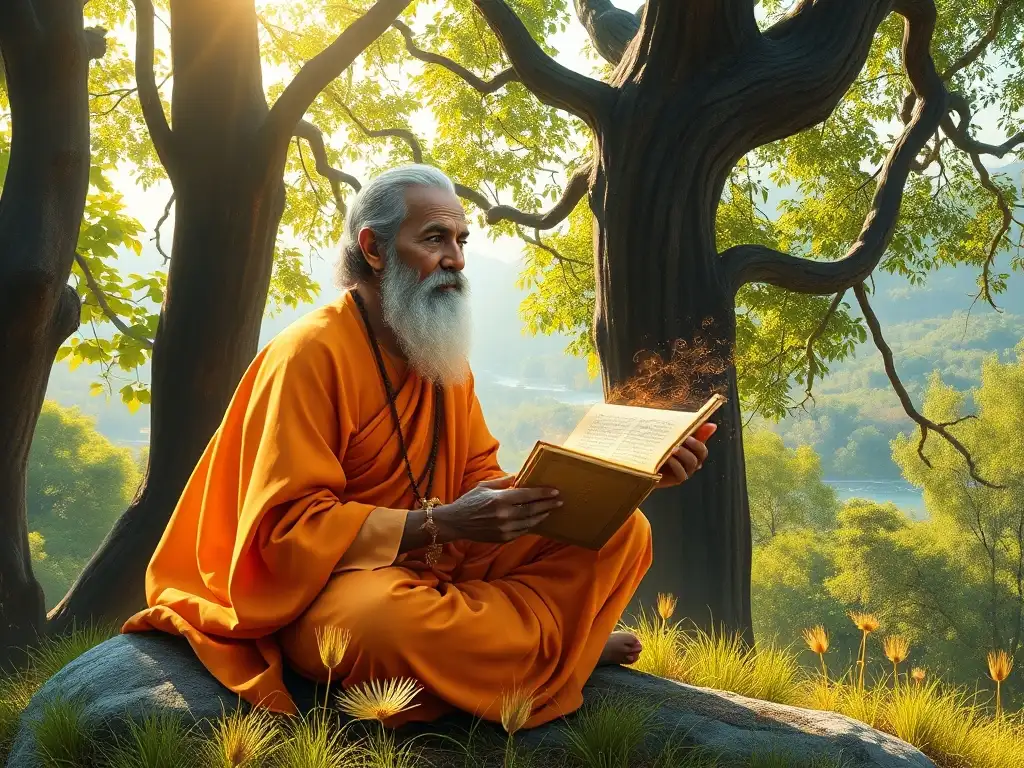
Introduction to Vedic Literature and Spirituality
Vedic literature, one of the cornerstones of ancient Indian civilization, weaves a complex tapestry of spirituality, philosophy, and cultural practices that have shaped the spiritual landscape of India for thousands of years. Composed between 1500 and 500 BCE, the Vedas—consisting of the Rigveda, Samaveda, Yajurveda, and Atharvaveda—are revered texts that not only encapsulate profound spiritual insights but also reflect the rich heritage of the societies that produced them. The exploration of Vedic literature spirituality insights reveals a multidimensional understanding of existence, consciousness, and the cosmos, offering pathways to divine realization and ethical living.
The spiritual teachings embedded within these texts serve as a guiding framework for seekers, scholars, and practitioners alike, emphasizing the quest for truth and the interconnectedness of all beings. In this article, we will delve into the mystical aspects of Vedic literature, examining its fundamental concepts and the importance of spirituality within these ancient texts.
Overview of Vedic Literature
Vedic literature is categorized primarily into two main groups: Shruti and Smriti. Shruti, meaning "that which is heard," refers to the Vedas themselves and their associated texts. These works are considered divinely revealed and are the foundation of Hindu philosophy, rituals, and spiritual practices. The Smriti texts, on the other hand, are remembered traditions, including epics like the Mahabharata and Ramayana, which build upon the foundational ideas presented in the Shruti texts.
The Vedas encompass a wide range of content, including hymns, rituals, and philosophical discourses. The mystical poetry of the Upanishads, which are part of the Vedic corpus, delves into deep existential questions and the nature of reality, serving as a bridge between ritualistic practices and philosophical inquiry.
Importance of Spirituality in Ancient Indian Texts
Spirituality in ancient Indian texts is not merely an abstract concept; it is a lived experience, deeply embedded in the daily lives and practices of individuals. The Vedas articulate a worldview where spirituality is intertwined with ethics, duty (dharma), and the pursuit of knowledge. This holistic approach fosters a deep respect for the cosmos and all living beings.
The role of spirituality in Vedic literature can be summarized as follows:
- Integration of Knowledge and Practice: Spirituality is not separated from daily life; rather, it enhances understanding and engagement with the world.
- Ethical Living: The principles of dharma guide individuals to live righteously, supporting the notion that spiritual advancement is linked to ethical behavior.
- Personal Transformation: The Vedic texts emphasize self-realization and the purification of the mind and soul as essential components of spiritual growth.
Key Concepts in Vedic Spirituality
The exploration of Vedic spirituality reveals several key concepts that are foundational to understanding its teachings. These concepts provide insights into the nature of existence, the self, and the pursuit of spiritual truth.
The Nature of Brahman in Vedic Texts
Brahman, the ultimate reality in Vedic philosophy, is described as the source of all creation, transcending the material world and yet immanent within it. The Vedas articulate Brahman as:
- Infinite and Eternal: Brahman is beyond time and space, existing outside of the limitations of the material universe.
- Unity of Existence: The realization of Brahman leads to the understanding that all beings are interconnected, emphasizing the oneness of existence.
- Transcendental and Immanent: While Brahman is beyond comprehension, it is also present in every aspect of creation, revealing the divine in the mundane.
Atman: The Individual Soul and Its Connection to the Universe
Atman, or the individual soul, is a central theme in Vedic literature, representing the essence of who we are. The relationship between Atman and Brahman is crucial, encompassing the following ideas:
- Identity of Atman and Brahman: The Vedas teach that Atman is not separate from Brahman; realizing this oneness is the ultimate goal of spiritual practice.
- Journey of Self-Discovery: Vedic spirituality encourages individuals to embark on an inner journey to uncover their true nature, leading to liberation (moksha).
- Interconnectedness: Understanding Atman fosters a sense of unity with all beings, promoting compassion and empathy in our interactions.
Dharma: The Path of Righteousness in Spiritual Practice
Dharma, the principle of cosmic order and duty, plays a vital role in Vedic spirituality. It encompasses ethical conduct, social responsibilities, and personal integrity. Key aspects include:
- Moral Framework: Dharma provides guidelines for righteous living, influencing personal choices and societal norms.
- Spiritual Discipline: Adhering to one's dharma is seen as essential for spiritual growth, aligning individual actions with universal truths.
- Service to Humanity: Engaging in dharma fosters a sense of service, encouraging individuals to contribute positively to society and the world at large.
As we continue to explore the mystical aspects of Vedic literature, we will uncover deeper insights into these concepts and their implications for spiritual practice today.
Mystical Insights Derived from Vedic Literature
The Vedic literature, composed between 1500 and 500 BCE, serves as a profound source of mystical insights that continue to resonate within spiritual practices today. Central to these texts are the concepts of Brahman (the ultimate reality) and Atman (the individual soul), which invite readers to explore the relationship between the self and the cosmos. Through various hymns and philosophical discourses, the Vedas articulate a vision of the universe that transcends the material and delves into the metaphysical.
One of the key mystical insights derived from the Vedic texts is the notion of Satyam (truth) as a pathway to enlightenment. The Vedas assert that understanding and aligning oneself with the truth of existence can lead to liberation ( moksha). This quest for truth fosters an appreciation for the interconnectedness of all beings, encouraging a harmonious existence.
Moreover, the concept of yajna (sacrifice) in Vedic literature symbolizes the transcendent nature of spiritual practices. It highlights the importance of selflessness and devotion, illustrating how rituals can serve as a bridge to the divine. These insights not only enrich personal spirituality but also lay the groundwork for communal practices that unite individuals in their pursuit of the sacred.
Meditation Practices in Vedic Traditions
Meditation in Vedic traditions is a disciplined practice aimed at achieving inner peace and spiritual awakening. The Vedic texts offer various techniques, including dhyana (meditative absorption) and upasana (devotional meditation), which facilitate a deeper connection with the divine. These practices focus on the breath, visualization, and mantra repetition, guiding practitioners towards the realization of Brahman.
The Upanishads, part of the Vedic corpus, emphasize the significance of silence and stillness in meditation. They teach that by quieting the mind and turning inward, individuals can access profound states of consciousness, ultimately recognizing their unity with the universe. This meditative approach allows for a transformative experience, fostering a sense of oneness that is at the heart of Vedic spirituality.
Additionally, meditation practices rooted in Vedic literature have influenced various contemporary spiritual paths, highlighting their timeless relevance. Modern practitioners often adapt these ancient techniques, integrating them into daily life to cultivate mindfulness and spiritual growth.
The Role of Rituals in Connecting with the Divine
Rituals play a pivotal role in Vedic spirituality, serving as vital instruments for connecting with the divine. The Vedas prescribe a myriad of rituals, or samskaras, designed to mark significant life events and facilitate communion with higher powers. These rituals encompass offerings ( homa), chants, and ceremonies, each imbued with symbolic meaning and intended to invoke divine blessings.
Through rituals, participants engage in an act of devotion that not only honors the divine but also reinforces community bonds. The collective nature of these practices fosters a shared spiritual journey, promoting a sense of belonging and collective consciousness. Moreover, rituals are seen as a way to express gratitude and reverence for the natural world, aligning human existence with the rhythms of the cosmos.
The Vedic perspective holds that the performance of rituals can lead to transformative experiences, where the practitioner transcends the mundane and enters a sacred space. This connection with the divine through ritual acts serves as a reminder of the spiritual dimensions of life, encouraging individuals to seek deeper meaning beyond material pursuits.
Symbolism and Allegory in Vedic Texts
Vedic literature is rich in symbolism and allegory, providing layers of meaning that invite contemplation and interpretation. The texts often employ metaphors to convey complex spiritual truths, allowing readers to engage with concepts that may be challenging to articulate directly. For instance, the symbolism of fire in Vedic literature represents purification, transformation, and the divine presence, reflecting the multifaceted nature of spiritual understanding.
Allegorical narratives found within the Vedic texts illustrate the journey of the soul towards enlightenment. Stories of gods, sages, and cosmic events serve as vehicles for imparting moral and spiritual lessons, guiding practitioners on their path. These narratives often highlight themes of sacrifice, devotion, and the quest for knowledge, resonating deeply with the human experience.
Furthermore, the use of symbolism extends to the structure of the Vedic texts themselves, where the arrangement of hymns and verses reveals deeper connections between various elements of spirituality. This intricate layering of meaning invites continuous exploration, making Vedic literature a timeless source of wisdom for seekers of truth.
The Influence of Vedic Literature on Spirituality
The influence of Vedic literature on spirituality is profound, shaping not only ancient Indian thought but also leaving an indelible mark on various philosophical schools and spiritual traditions worldwide. Its teachings have served as a foundation for numerous spiritual practices, fostering a rich tapestry of beliefs that celebrate the pursuit of knowledge, truth, and the divine.
Vedic Literature’s Impact on Later Philosophical Schools
The philosophical ideas articulated in Vedic literature significantly influenced later schools of thought, including Vedanta, Samkhya, and Yoga. These systems draw from Vedic concepts such as Brahman, Atman, and the nature of reality, weaving them into complex philosophical frameworks. For example, Vedanta explores the relationship between the individual self and the ultimate reality, emphasizing the importance of self-realization and liberation.
Moreover, the ethical and moral teachings found in Vedic texts have permeated various Indian philosophical traditions, promoting values such as compassion, non-violence, and truthfulness. These principles have shaped the spiritual landscape of India, guiding individuals in their quest for higher consciousness.
The enduring legacy of Vedic literature is evident in the way these philosophical schools continue to thrive, offering insights that resonate with seekers across cultures and time periods.
The Evolution of Spiritual Practices from Vedic Roots
Spiritual practices in India have evolved significantly from their Vedic roots, yet they remain deeply intertwined with the foundational teachings of the Vedas. Over the centuries, various movements and traditions have emerged, each adapting Vedic principles to address the changing needs and contexts of society.
For instance, the rise of Bhakti (devotion) movements in medieval India drew upon Vedic themes of worship and surrender to the divine. These movements emphasized personal devotion over ritualistic practices, making spirituality more accessible to the masses. This evolution reflects a dynamic interplay between tradition and innovation, as spiritual seekers continue to seek relevance in ancient teachings.
Additionally, contemporary spiritual practices, such as mindfulness and yoga, owe much to Vedic insights. The integration of meditation, ethical living, and spiritual inquiry into modern lifestyles illustrates the adaptability and timelessness of Vedic wisdom.
Vedic Teachings in Contemporary Spirituality
In today's world, Vedic teachings have found renewed interest among spiritual seekers and practitioners. The principles of self-inquiry, meditation, and ethical living resonate strongly within contemporary spiritual movements, bridging ancient wisdom with modern sensibilities.
Many contemporary spiritual leaders draw upon Vedic literature to articulate their teachings, emphasizing the importance of direct experience and personal transformation. This resurgence of interest highlights the relevance of Vedic spirituality in addressing contemporary challenges, such as stress, anxiety, and a sense of disconnection from the self and others.
Moreover, the global spread of yoga, rooted in Vedic philosophy, has introduced millions to the principles of mindfulness and holistic living. As individuals seek deeper spiritual insights, the teachings of the Vedas continue to inspire and guide, affirming their status as a cornerstone of spiritual exploration in the modern era.
Conclusion: The Enduring Legacy of Vedic Spirituality
The Vedic literature represents one of the cornerstones of ancient Indian civilization, offering profound insights into spirituality that continue to resonate through time. The texts, composed primarily in Sanskrit, encapsulate a worldview that emphasizes interconnectedness, the pursuit of knowledge, and the quest for ultimate truth. This enduring legacy is not merely historical; it serves as a guiding framework for spiritual seekers across the globe. The Vedas invite individuals to explore the nature of existence, the self, and the cosmos, fostering a deep sense of introspection and understanding.
Moreover, the mystical aspects of Vedic literature provide a holistic approach to spirituality, integrating philosophy, rituals, and ethical living. This multidimensional perspective encourages practitioners to cultivate virtues such as compassion, humility, and wisdom, which are relevant in today’s world. As we navigate the complexities of modern life, the teachings found within the Vedas offer timeless principles that can help us achieve inner peace and harmony.
Reflection on the Relevance of Vedic Insights Today
In an age characterized by rapid change and uncertainty, the insights offered by Vedic literature remain remarkably relevant. The emphasis on self-realization, mindfulness, and the pursuit of dharma resonates deeply with contemporary spiritual movements. The Vedas prompt us to reflect on our place in the universe and our relationship with others, fostering a sense of community and collective responsibility.
Furthermore, concepts such as meditation and yoga, which have their roots in Vedic texts, have gained global popularity as tools for enhancing mental and spiritual well-being. These practices encourage individuals to turn inward, promoting a deeper understanding of the self and facilitating personal transformation. The Vedic insistence on experiential knowledge over mere intellectual understanding encourages seekers to engage with their spirituality actively, making it applicable to various life situations.
Encouragement to Explore Vedic Literature for Spiritual Growth
Exploring Vedic literature can be a transformative journey for anyone seeking spiritual growth. The texts provide a plethora of insights, ranging from philosophical discourses to practical rituals that can enhance one’s spiritual practice. Engaging with the Vedas opens the door to a rich tapestry of knowledge that addresses the fundamental questions of existence and the nature of reality.
For those new to Vedic literature, starting with accessible translations and commentaries can illuminate the profound wisdom contained within these ancient texts. Participating in study groups, attending lectures, or practicing meditation can further deepen one’s understanding and appreciation of Vedic spirituality. As you delve into this mystical world, you may discover a renewed sense of purpose, clarity, and connection to the universal consciousness.
The journey through Vedic literature offers not just ancient wisdom but also a path towards contemporary spiritual fulfillment, encouraging us to embrace the teachings of the past as a foundation for future growth. 🌟
- Introduction to Vedic Literature and Spirituality
- Key Concepts in Vedic Spirituality
- Mystical Insights Derived from Vedic Literature
- The Influence of Vedic Literature on Spirituality
- Conclusion: The Enduring Legacy of Vedic Spirituality
- Reflection on the Relevance of Vedic Insights Today
- Encouragement to Explore Vedic Literature for Spiritual Growth
Frequently Asked Questions
What is Vedic literature?
Vedic literature is a body of ancient texts originating from India, primarily composed in Sanskrit. It includes the Vedas, Upanishads, and other texts that explore spirituality and philosophy.
How does Vedic literature contribute to understanding spirituality?
Vedic literature provides profound insights into spiritual concepts, such as the nature of the self, the universe, and the relationship between the two. These texts serve as a foundation for many spiritual practices in Hinduism.
What are the key themes in Vedic spirituality?
Key themes in Vedic spirituality include meditation, self-realization, and the pursuit of truth. They emphasize the importance of rituals, sacrifice, and the connection between the individual and the cosmic order.
How did the Vedic period influence later Indian philosophy?
The Vedic period laid the groundwork for later Indian philosophical schools, especially through its concepts of Dharma and Karma. These ideas are central to many philosophical discussions and spiritual teachings that followed.
Can anyone study Vedic literature?
Yes, anyone interested in spirituality, philosophy, or history can study Vedic literature. It offers valuable insights that can enhance one’s understanding of spiritual practices and the cultural heritage of ancient India.
Final Reflection: Embracing the Spiritual Insights of Vedic Literature
In an age where the quest for meaning and understanding is more relevant than ever, the mystical aspects of Vedic literature offer profound insights into spirituality that resonate deeply with our contemporary lives. As we navigate the complexities of modern existence, these ancient texts remind us of the timeless wisdom that can guide our spiritual journeys. The teachings embedded within Vedic literature not only illuminate the path to self-discovery but also encourage us to cultivate a deeper connection with the universe around us.
The influence of Vedic literature on our cultural and social landscape is undeniable. These texts serve as a bridge between the past and the present, inviting us to explore the depths of our consciousness and the nature of existence. The wisdom contained within them continues to inspire countless individuals seeking solace and enlightenment in a fast-paced world. The greatest discovery of my generation is that a human being can alter his life by altering his attitude.
This quote encapsulates the transformative power of Vedic spirituality, urging us to shift our perspectives and embrace the possibilities that lie within.
As we conclude this exploration of Vedic literature and its spiritual insights, I invite you to reflect on how these teachings can enrich your own life. Consider how the principles of mindfulness, interconnectedness, and self-awareness can be woven into your daily practices. By embracing the wisdom of the Vedas, you can embark on a journey of spiritual awakening that not only enhances your own life but also contributes to the collective consciousness of humanity. Let us carry these insights forward, fostering a deeper understanding of ourselves and the world around us.
Unveil the Mysteries of Vedic Literature Today!
Thank you for immersing yourself in the mystical world of Vedic literature! We've uncovered the profound spirituality embedded in these ancient texts, and now it's your turn to delve even deeper. Are you ready to explore further?
Here are a few inspiring steps to take:
- Dive into a Vedic text: Choose a verse or chapter that resonates with you, and spend some time reflecting on its meaning and relevance in your life.
- Join a local or online discussion group: Connect with fellow enthusiasts to share insights and deepen your understanding of Vedic teachings.
- Share your journey on social media: Post about your discoveries or ask questions to engage others in this fascinating subject.
What insights or personal transformations do you hope to gain from your journey into Vedic literature? Let’s start a dialogue!