
How Ancient Indian Festivals Promote Mental Wellbeing and Community Spirit

Welcome to Ancient India History, where we invite you to embark on a fascinating journey through the vibrant past of one of the world's oldest civilizations. In our latest exploration, we delve into the remarkable ways Ancient Indian festivals not only celebrated cultural heritage but also nurtured mental wellbeing and fostered a strong sense of community spirit. What secrets do these age-old traditions hold for our contemporary lives?
Join us as we uncover the profound connections between these festivals and the holistic health of society, and prepare to be inspired by the wisdom of the ancients. Dive deeper to discover how the echoes of the past continue to resonate in our lives today!
- Introduction to Ancient Indian Festivals and Their Impact on Mental Wellbeing
- The Connection Between Ancient Indian Festivals and Mental Wellbeing
- Key Ancient Indian Festivals Promoting Mental Wellbeing
- Community Spirit Fostered by Ancient Indian Festivals
- Rituals and Practices That Enhance Mental Wellbeing During Festivals
- Conclusion: The Lasting Legacy of Ancient Indian Festivals on Mental Wellbeing and Community Spirit
-
Frequently Asked Questions
- What is the significance of ancient Indian festivals in promoting mental wellbeing?
- How do these festivals contribute to community spirit?
- Can you name some prominent ancient Indian festivals that have influenced mental wellbeing?
- How do rituals and traditions during these festivals affect mental health?
- Are there any modern implications of ancient festivals on mental wellbeing today?
- Final Reflection: The Enduring Legacy of Ancient Indian Festivals on Mental Wellbeing
- Embrace Joy and Connection: Celebrate Wellbeing Through Ancient Festivals!
Introduction to Ancient Indian Festivals and Their Impact on Mental Wellbeing
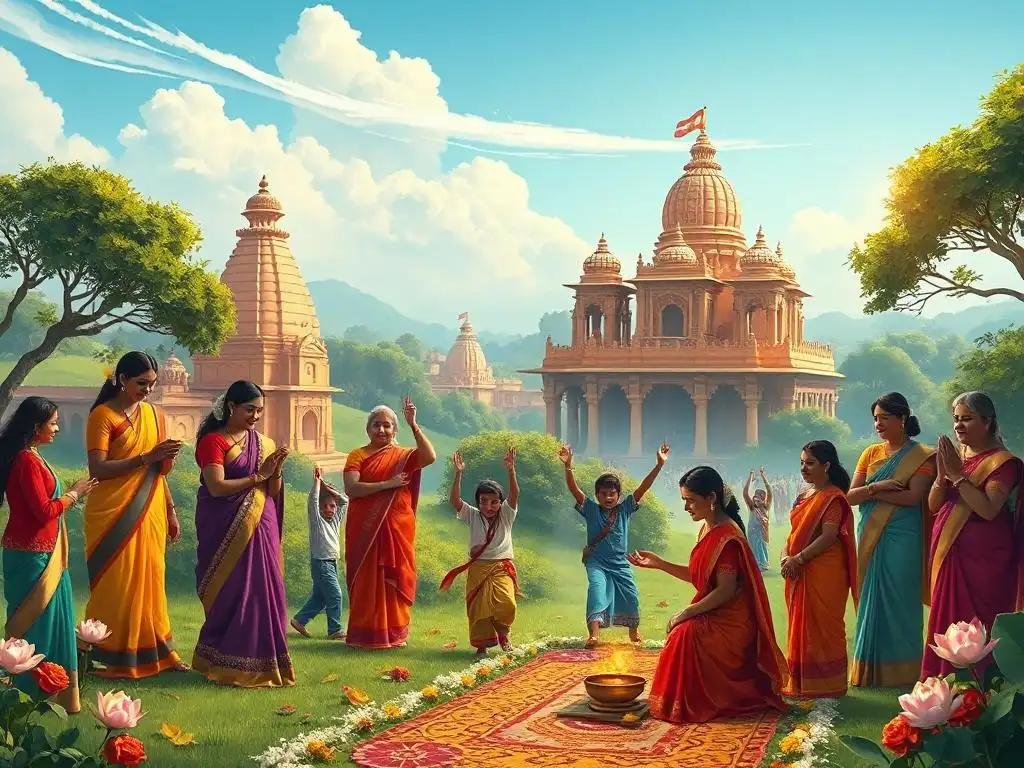
Ancient Indian festivals are not merely occasions for celebration; they are integral to the cultural fabric and social structure of Indian civilization. These vibrant festivities, which stretch back thousands of years, serve as a vital mechanism for fostering community spirit, strengthening social bonds, and promoting mental wellbeing among individuals. As we delve into the rich history of these festivals, it’s crucial to understand how they have been shaped by and, in turn, shape the societal values and mental health of the communities that celebrate them.
From the colorful revelry of Diwali to the spiritual introspection observed during Makar Sankranti, each festival offers unique insights into the ways ancient traditions contribute to mental wellness. This article will explore the multifaceted relationship between ancient Indian festivals, mental wellbeing, and community cohesion, providing a comprehensive overview of their significance and impact.
Understanding the Role of Festivals in Ancient Indian Culture
Festivals in ancient India served as more than just religious observances; they were pivotal social events that encapsulated the collective identity of communities. Each festival was rooted in mythology, seasonal changes, and agricultural cycles, creating a rhythm of life that brought people together.
- Cultural Significance: Festivals often commemorated historical events or celebrated deities, reinforcing cultural heritage and shared values. For instance, Navaratri, celebrated over nine nights, honors the goddess Durga and symbolizes the victory of good over evil.
- Community Engagement: These occasions fostered a sense of belonging and unity among participants. Rituals, music, dance, and communal meals encouraged collaboration and mutual support, essential components of social wellbeing.
- Emotional Release: Engaging in the colorful festivities allowed individuals to express emotions freely, breaking the monotony of daily life and providing a much-needed respite from stress.
Overview of Mental Wellbeing in Ancient Indian Society
Mental wellbeing in ancient Indian society was closely intertwined with spiritual beliefs and communal practices. The concepts of Dharma (duty), Karma (action), and Moksha (liberation) formed the philosophical foundation for understanding mental health.
- Spiritual Practices: Meditation, yoga, and rituals were integral to maintaining mental health. Festivals often included these practices, promoting mindfulness and inner peace.
- Social Cohesion: The communal aspect of festivals played a crucial role in alleviating feelings of isolation and anxiety. By participating in collective celebrations, individuals found support networks that were vital for emotional stability.
- Holistic Approach: Ancient Indian thought emphasized a holistic approach to wellbeing, recognizing the interconnectedness of mind, body, and environment. Festivals embodied this philosophy, creating spaces where individuals could reconnect with themselves and each other.
Ancient Indian festivals are a testament to the profound understanding of mental wellbeing and community spirit in historical contexts. By examining these celebrations, we gain valuable insights into the cultural practices that not only enriched the lives of individuals but also fostered resilience and harmony within society.
The Connection Between Ancient Indian Festivals and Mental Wellbeing
Ancient Indian festivals have long been recognized for their profound impact on mental wellbeing. These celebrations serve as vital avenues for individuals to reconnect with their cultural roots, foster relationships, and rejuvenate their emotional health. The interplay between cultural practices and mental health is particularly evident in the way these festivals are structured and celebrated, creating environments that promote joy, reflection, and community bonding.
How Celebrations Enhance Emotional Health
Festivals in ancient India, such as Diwali, Holi, and Navaratri, are steeped in rich traditions that offer more than just a break from routine; they provide essential emotional benefits. These celebrations typically involve:
- Rituals and Traditions: Engaging in rituals can foster a sense of purpose and belonging. For instance, the lighting of lamps during Diwali symbolizes the victory of light over darkness, instilling hope and positivity.
- Culinary Delights: Sharing traditional foods during festivals not only brings joy but also strengthens familial bonds and creates shared experiences. The act of cooking and sharing these meals can be therapeutic, often evoking nostalgia and comfort.
- Artistic Expression: Many festivals incorporate dance, music, and art, which are powerful mediums for emotional expression. Participating in these activities allows individuals to express their feelings, release stress, and immerse themselves in the joy of creativity.
- Reflection and Gratitude: Festivals often coincide with moments of reflection, where individuals contemplate their lives, express gratitude, and set intentions for the future. This practice can enhance emotional resilience and foster a positive outlook.
Overall, the structured joy and communal participation in ancient Indian festivals create a supportive framework that nurtures emotional health, allowing individuals to cope better with life's challenges.
The Psychological Benefits of Community Participation in Festivals
Community participation in ancient Indian festivals offers significant psychological benefits that contribute to enhanced mental wellbeing. The collective nature of these celebrations fosters a sense of belonging, which is crucial for mental health. Key psychological benefits include:
- Social Connections: Festivals bring together families, friends, and communities, reinforcing social ties. These connections can alleviate feelings of isolation and foster a sense of support, which is vital for maintaining mental health.
- Shared Experiences: Participating in festivals creates shared memories, strengthening communal bonds. Shared experiences can enhance feelings of unity and cooperation, which are essential in building a resilient community.
- Reduction of Stress and Anxiety: Engaging in festive activities can serve as a distraction from daily stressors. The excitement and joy associated with celebrations help reduce anxiety levels, providing a much-needed break from routine pressures.
- Cultural Identity and Pride: Festivals often celebrate cultural heritage and traditions, instilling a sense of pride and identity among participants. This connection to cultural roots can bolster self-esteem and contribute positively to mental wellbeing.
- Opportunities for Volunteering: Many festivals involve community service or volunteer opportunities, which can enhance feelings of purpose and fulfillment. Helping others during these celebrations can lead to increased happiness and satisfaction.
Ancient Indian festivals serve as powerful catalysts for mental wellbeing, promoting not only personal joy but also fostering community spirit. Through emotional engagement, social connections, and cultural pride, these celebrations play a vital role in enhancing mental health and creating cohesive communities.
Key Ancient Indian Festivals Promoting Mental Wellbeing
Diwali: The Festival of Lights and Its Impact on Joy and Positivity
Diwali, also known as the Festival of Lights, is one of the most significant festivals in ancient Indian culture, celebrated by millions across the globe. This vibrant festival symbolizes the victory of light over darkness and good over evil. Its impact on mental wellbeing is profound and multifaceted, fostering joy and positivity among communities.
Celebratory Atmosphere
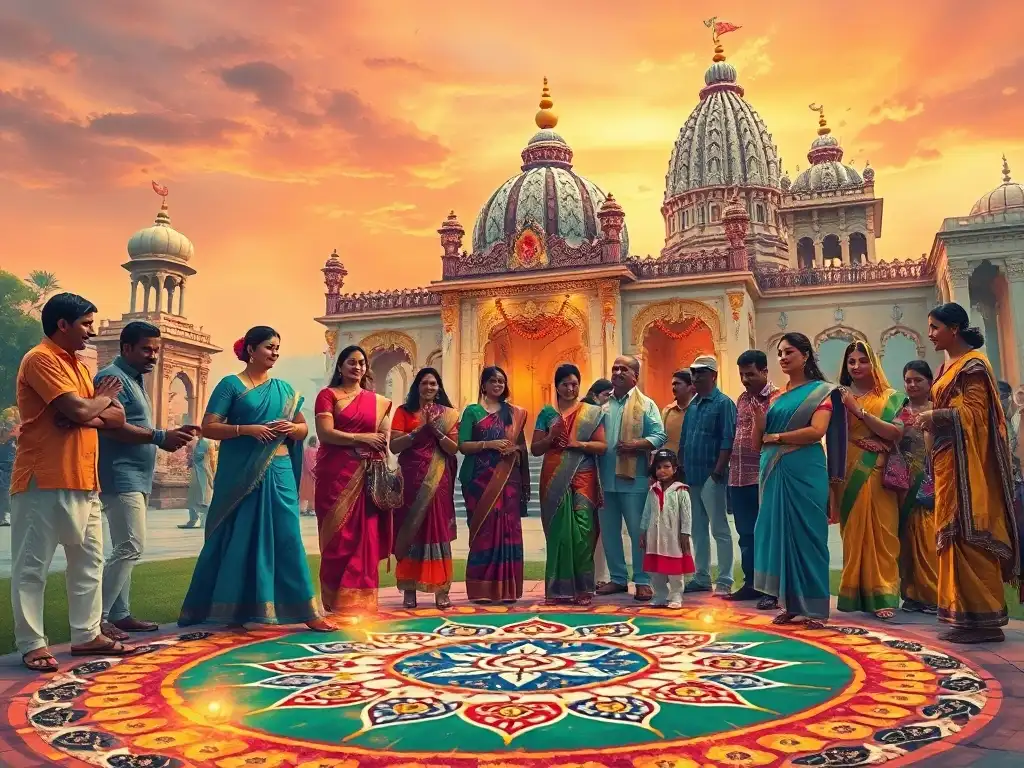
The preparations for Diwali begin weeks in advance, creating an atmosphere of excitement and anticipation. Homes are cleaned, decorated, and illuminated with oil lamps (diyas) and colorful rangoli designs. This transformation contributes to a sense of renewal and positivity, encouraging individuals to engage in acts of kindness and generosity.
- Community Gatherings: Families and friends come together to celebrate, enhancing social bonds.
- Acts of Charity: Many participate in giving to those in need, cultivating a sense of gratitude and interconnectedness.
Spiritual Practices
The spiritual aspects of Diwali, including prayers and rituals, play a crucial role in promoting mental wellbeing. People seek blessings from deities, particularly Goddess Lakshmi, the goddess of wealth and prosperity. Engaging in such practices can lead to feelings of hope and optimism.
The act of lighting lamps symbolizes illuminating one's mind and dispelling negativity.
Holi: The Celebration of Colors and Its Role in Stress Relief
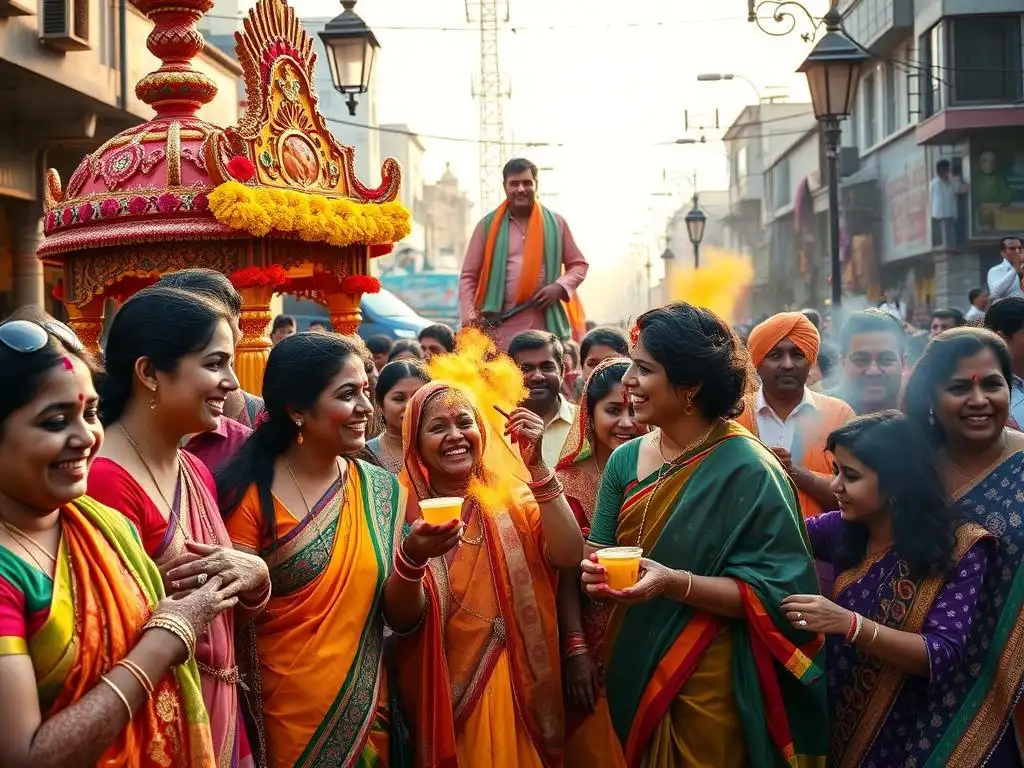
Holi, often referred to as the Festival of Colors, is celebrated with exuberance and joy, marking the arrival of spring. Its vibrant atmosphere and engaging activities make it a powerful festival for mental wellbeing and stress relief.
Expressive Freedom
Holi encourages individuals to express their emotions freely through colors, laughter, and dance. The act of throwing colored powders symbolizes the shedding of inhibitions and social barriers.
- Physical Activity: The festivities involve a lot of dancing and playing, which can boost endorphin levels and reduce stress.
- Community Participation: Holi fosters a spirit of togetherness, as people from diverse backgrounds come together in celebration.
Emotional Release
The festival provides an opportunity for emotional release, allowing participants to let go of past grievances. The playful nature of Holi enables forgiveness and strengthens interpersonal relationships, which are essential for mental health.
Through the act of applying color, individuals can symbolize the healing process of letting go.
Makar Sankranti: Harvest Festival and Its Connection to Gratitude and Happiness
Makar Sankranti marks the transition of the sun into the zodiac sign of Capricorn and is celebrated as a harvest festival. This festival holds significant importance in ancient Indian traditions, particularly in promoting gratitude and happiness.
Emphasis on Gratitude
Makar Sankranti is a time to express appreciation for the bountiful harvest and the hard work of farmers. Rituals often include preparing traditional dishes and sharing them with family and friends.
- Cultural Significance: The festival reinforces the importance of community support and gratitude towards nature.
- Mindful Reflection: Participating in rituals encourages individuals to reflect on their blessings, promoting a positive mindset.
Community Activities
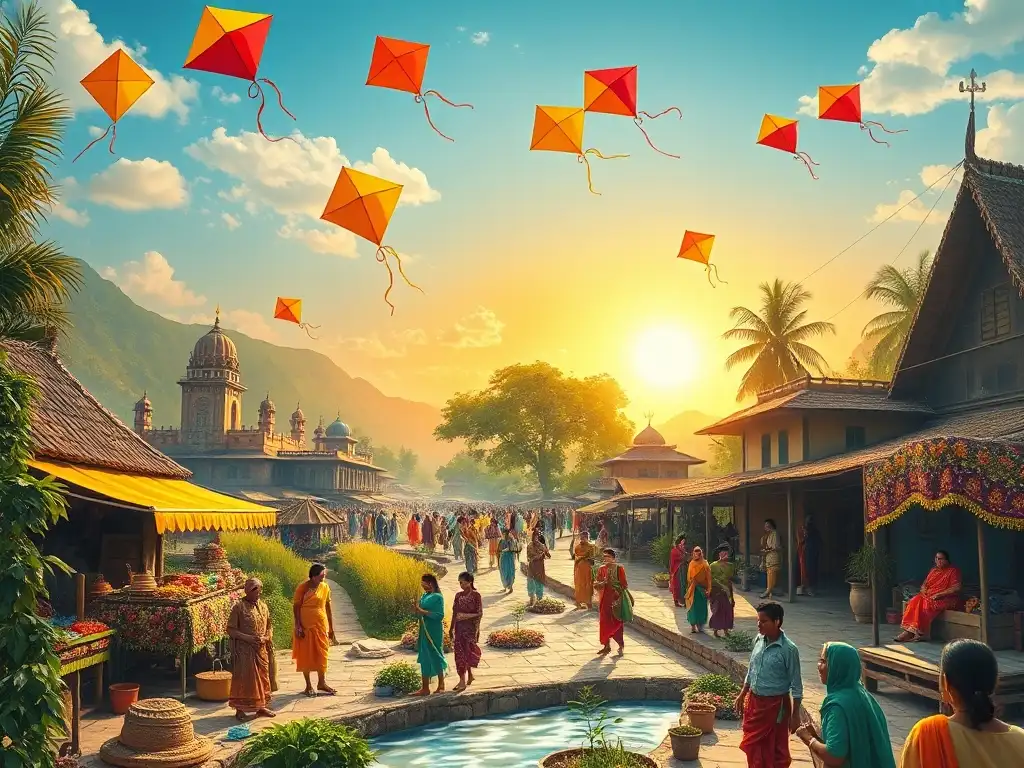
The festival is characterized by various communal activities, such as kite flying, which fosters a sense of unity and camaraderie among participants. People from different backgrounds gather to enjoy this festive occasion, strengthening social connections and promoting mental wellbeing.
Kite flying symbolizes rising above challenges and celebrating life's victories.
Ancient Indian festivals such as Diwali, Holi, and Makar Sankranti play a crucial role in promoting mental wellbeing through community engagement, emotional release, and a deep sense of gratitude. Each festival encapsulates unique practices that contribute to individual and collective happiness, making them significant cultural celebrations.
Navratri, a vibrant festival celebrated over nine nights, is dedicated to the worship of the Hindu goddess Durga. This festival not only signifies the triumph of good over evil but also serves as a powerful means of promoting mental wellbeing and fostering community spirit. The festivities, rich in cultural heritage, bring people together, allowing them to engage in various activities that enhance their emotional and psychological health.
During Navratri, communities organize Garba and Dandiya dance events, where individuals participate in traditional group dances. These dances are not just entertaining; they play a crucial role in building a sense of belonging and community. The rhythmic movements and collective participation release endorphins, which are known to improve mood and reduce stress. This communal experience fosters friendships and strengthens social bonds, essential components for mental wellbeing.
The festival also emphasizes empowerment, particularly for women. Many events during Navratri highlight female strength and resilience, showcasing the goddess's various forms. This focus on female empowerment resonates with participants, encouraging them to embrace their own strengths. Workshops, discussions, and performances centered on themes of empowerment and self-expression during this time can lead to increased self-esteem and confidence, positively impacting mental health.
Moreover, fasting and rituals associated with Navratri promote a sense of discipline and mindfulness. Participants often engage in prayer and meditation, which provide a mental break from the chaos of everyday life. These practices can enhance focus, reduce anxiety, and cultivate inner peace, contributing significantly to overall mental wellbeing.
In essence, Navratri is more than just a religious observance; it is a festival that nurtures community spirit and promotes mental wellbeing through shared experiences, empowerment, and mindfulness practices. The rich traditions and cultural significance of this festival continue to inspire generations, reinforcing the importance of collective celebration and individual growth within ancient Indian culture.
Community Spirit Fostered by Ancient Indian Festivals
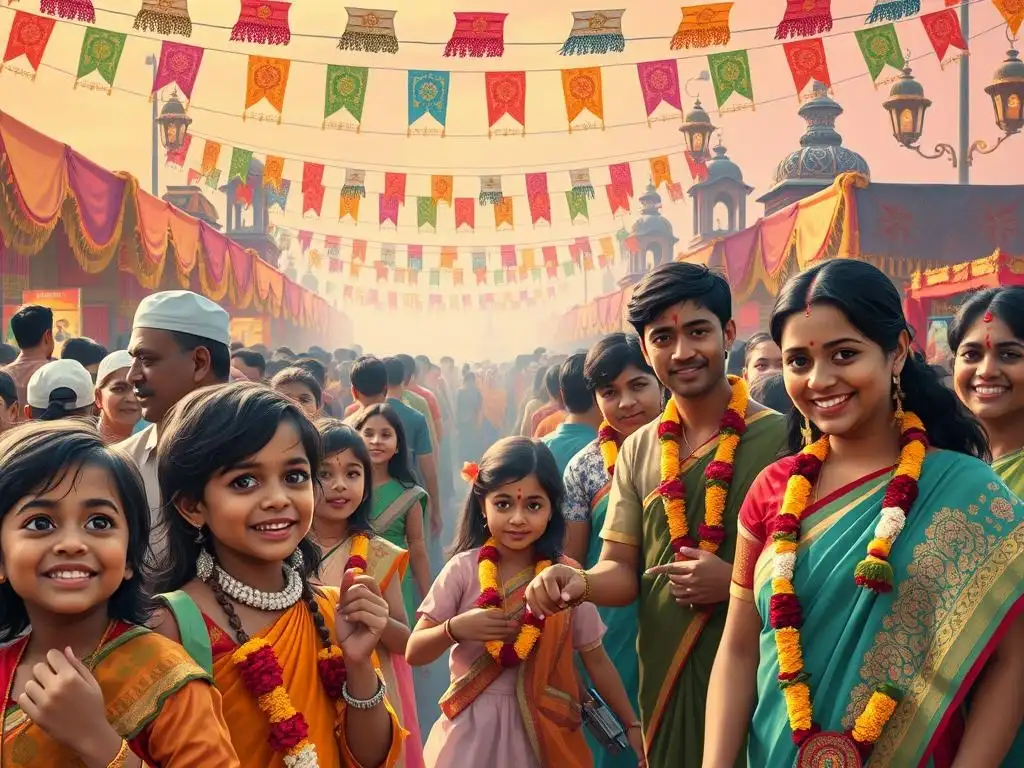
The Importance of Togetherness and Collective Celebrations
Ancient Indian festivals are deeply rooted in the social fabric of communities, playing a crucial role in fostering togetherness and collective celebrations. These festivals serve as a significant opportunity for individuals to come together, transcending social, economic, and cultural barriers. The communal aspect of these celebrations is vital for promoting mental wellbeing, as it enhances feelings of belonging and social support.
Throughout history, festivals such as Diwali, Holi, and Makar Sankranti have encouraged people to participate in communal activities, share meals, and engage in collective rituals. For instance, during Holi, the festival of colors, community members gather to throw colored powders at each other, symbolizing joy and unity. This shared experience not only creates joyous memories but also reinforces social bonds and promotes a sense of community identity.
Moreover, the collective celebrations during festivals promote mental health by reducing feelings of isolation and anxiety. Participating in large gatherings helps individuals connect with others, share experiences, and engage in meaningful interactions. Studies have shown that socializing in such contexts can lead to improved mood and reduced stress levels, highlighting the importance of community in fostering emotional resilience.
Rituals and Traditions that Strengthen Community Bonds
The rituals and traditions associated with ancient Indian festivals are specifically designed to strengthen community bonds. These practices often involve collaboration, teamwork, and mutual assistance, which are essential for building a strong social network.
- Collaborative Activities:
- Many festivals incorporate activities that require group participation, such as preparing traditional dishes, organizing processions, and decorating communal spaces. These collaborative efforts enhance cooperation among community members, fostering a sense of unity and shared purpose.
- Ritualistic Gatherings:
- Rituals such as pujas (prayer ceremonies) during festivals like Navaratri involve not only individual devotion but also collective worship. Families and neighbors come together to perform rituals, creating an atmosphere of shared spirituality and collective intention. This communal worship reinforces social ties while promoting individual and group mental wellbeing.
- Cultural Performances:
- Festivals often feature traditional performances, including dance, music, and drama, which serve as a platform for cultural expression. Engaging in or witnessing these performances allows individuals to celebrate their heritage together, thus strengthening community identity. The joy of participating in or enjoying these art forms contributes significantly to community spirit.
- Sharing of Resources:
- Festivals provide an occasion for the sharing of resources, whether it be food, gifts, or hospitality. For example, during Eid, it is customary to share meals with those in need, fostering a sense of compassion and gratitude within the community. This act of giving enhances social cohesion and promotes mental wellbeing by nurturing a culture of support and kindness.
The rituals and traditions surrounding ancient Indian festivals are pivotal in fostering community spirit. By encouraging collective celebrations and participation, these festivals not only enhance social bonds but also contribute positively to the mental wellbeing of individuals within the community. The interplay of culture, tradition, and communal engagement exemplifies how ancient Indian festivals serve as a vital tool for promoting a harmonious and supportive society.
Rituals and Practices That Enhance Mental Wellbeing During Festivals
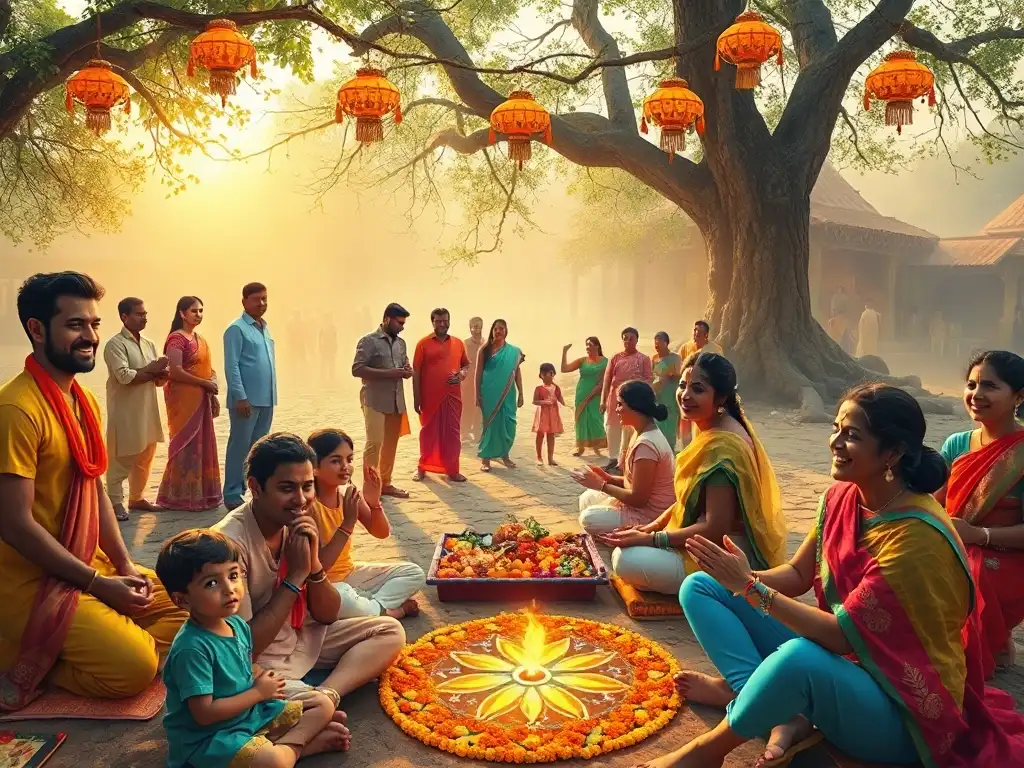
Ancient Indian festivals are not merely occasions for celebration; they serve as profound rituals that enhance mental wellbeing and foster community spirit. These festivals are deeply rooted in spiritual and cultural practices that encourage mindfulness, connection, and emotional release. By participating in various rituals, individuals experience a sense of belonging and purpose, contributing to their overall mental health. Below, we explore how specific practices during these festivals promote mental wellbeing.
Meditation and Spiritual Practices in Ancient Indian Festivals
One of the most significant aspects of ancient Indian festivals is the emphasis on meditation and spiritual practices. During festivals such as Diwali, Navratri, and Holi, participants engage in various forms of meditation that are designed to enhance inner peace and emotional stability.
- Guided Meditations: Often, community gatherings will include guided meditations that focus on themes of gratitude, love, and forgiveness. This collective participation allows individuals to release negative emotions and cultivate positive thoughts.
- Chanting and Mantras: Reciting mantras and sacred chants is a common practice during festivals. The repetitive nature of chanting helps to calm the mind and reduce anxiety, making it easier to attain a meditative state. For instance, during Navratri, devotees often chant "Jai Mata Di", invoking divine blessings that promote mental clarity.
- Ritual Offerings: Many festivals involve rituals that include offerings to deities. These practices often require mindfulness and focus, encouraging participants to reflect on their intentions and desires. This reflective practice can lead to greater self-awareness and emotional release.
The integration of these spiritual practices creates an environment conducive to mental healing and communal bonding, highlighting the importance of ancient Indian festivals in promoting mental wellbeing.
Importance of Music and Dance in Promoting Joy and Connection
Music and dance are central to the celebration of ancient Indian festivals, serving as powerful tools for emotional expression and community bonding. The rhythmic beats and melodic tunes foster a sense of joy and connection among participants.
- Cultural Dance Forms: Festivals often feature traditional dance forms such as Bharatnatyam, Kathak, and Garba. These dances not only provide physical exercise but also encourage creative expression, which is essential for mental health. Engaging in dance allows individuals to release pent-up emotions and enhances feelings of happiness.
- Community Singing: Group singing sessions during festivals amplify feelings of unity and joy. When participants sing together, they experience a sense of belonging that is crucial for mental wellbeing. Events like the singing of bhajans or folk songs during festivals create an uplifting atmosphere.
- Therapeutic Effects of Music: Research indicates that music has therapeutic effects on mental health. The melodies and rhythms associated with ancient Indian festivals stimulate the brain’s reward pathways, leading to the release of endorphins—chemicals that promote feelings of happiness.
The combination of music and dance during festivals serves not only as entertainment but also as a vital practice for enhancing mental wellbeing, emphasizing the communal spirit that ancient Indian festivals foster.
The rituals and practices associated with ancient Indian festivals significantly contribute to mental wellbeing. Through meditation, spiritual practices, music, and dance, these festivals create an environment that promotes joy, connection, and emotional healing, underscoring their importance in the cultural fabric of ancient India.
Conclusion: The Lasting Legacy of Ancient Indian Festivals on Mental Wellbeing and Community Spirit
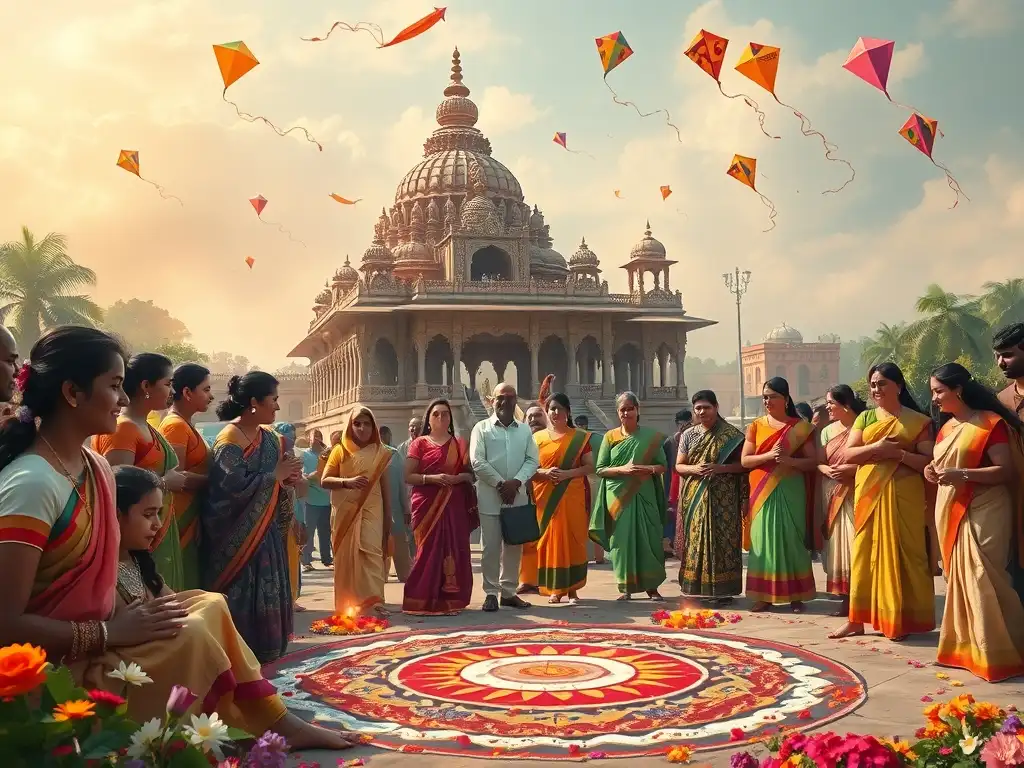
The celebration of ancient Indian festivals plays a pivotal role in fostering mental wellbeing and nurturing community spirit. These festivals, deeply rooted in cultural heritage, not only offer a glimpse into the rich tapestry of ancient Indian civilization but also provide significant benefits to mental health. The communal gatherings, rituals, and shared experiences associated with these festivals contribute to social cohesion, emotional support, and a sense of belonging, all of which are essential for enhancing mental wellbeing.
Reflections on Modern Relevance of Ancient Practices for Mental Health
In today's fast-paced world, the relevance of ancient Indian festivals is more pronounced than ever. The core principles embedded within these celebrations—such as unity, gratitude, and mindfulness—resonate with contemporary mental health practices.
- Sense of Community: Festivals like Diwali and Holi foster a sense of belonging among participants, encouraging social interactions that can alleviate feelings of loneliness and isolation. Studies show that social connections are crucial for mental health, and these festivals provide a structured opportunity for individuals to engage with their communities.
- Mindfulness and Reflection: Many ancient celebrations include rituals that promote mindfulness, such as lighting lamps during Diwali or participating in the water rituals of Makar Sankranti. Engaging in these practices can enhance self-awareness and reduce stress levels, in line with modern therapeutic techniques like mindfulness meditation.
- Cultural Identity and Pride: Celebrating ancient festivals helps individuals connect with their cultural roots, fostering a sense of identity and pride. This connection can be particularly beneficial for mental health, as it provides a stable foundation from which individuals can navigate the complexities of life.
Encouraging the Revival of Ancient Traditions for Contemporary Wellbeing
To harness the mental health benefits of ancient Indian festivals, there is a pressing need to encourage their revival in contemporary society. This can be achieved through various initiatives:
- Community Engagement: Local communities can organize events that celebrate ancient festivals, creating inclusive spaces for people of all ages to participate. This not only preserves traditions but also strengthens community bonds.
- Educational Programs: Schools and educational institutions can incorporate lessons about ancient festivals, their significance, and their benefits for mental wellbeing into their curricula. This not only educates the youth but also promotes appreciation for cultural heritage.
- Intergenerational Activities: Encouraging activities that involve both the young and the elderly can facilitate the transfer of knowledge about ancient traditions. Such interactions can enhance mutual understanding and strengthen emotional ties across generations.
- Wellbeing Workshops: Workshops that combine elements of traditional celebrations with modern mental health practices can provide participants with practical tools for improving their mental wellbeing. For instance, combining yoga and meditation with the teachings of ancient festivals can create a holistic approach to mental health.
The revival and celebration of ancient Indian festivals can significantly contribute to mental wellbeing and community spirit. By embracing these traditions, we not only honor our rich cultural heritage but also pave the way for a healthier, more connected society. The legacy of ancient Indian festivals, with their focus on community, mindfulness, and cultural pride, offers timeless wisdom that can greatly enhance our contemporary lives.
Frequently Asked Questions
What is the significance of ancient Indian festivals in promoting mental wellbeing?
Ancient Indian festivals play a crucial role in enhancing mental wellbeing by fostering community connections and providing opportunities for joyful celebrations that reduce stress.
How do these festivals contribute to community spirit?
These festivals bring people together, encouraging social interaction and strengthening community bonds, which are essential for overall mental health and support.
Can you name some prominent ancient Indian festivals that have influenced mental wellbeing?
Festivals like Diwali, Holi, and Navratri are celebrated widely and are known for enhancing joy, harmony, and a sense of belonging among participants.
How do rituals and traditions during these festivals affect mental health?
Participating in rituals and traditions during festivals creates a sense of routine and stability, which can alleviate feelings of anxiety and promote a positive mental state.
Are there any modern implications of ancient festivals on mental wellbeing today?
Yes, modern society can still benefit from celebrating ancient festivals, as they can promote mindfulness, gratitude, and a sense of community, which are vital for maintaining mental health.
Final Reflection: The Enduring Legacy of Ancient Indian Festivals on Mental Wellbeing
In an age where mental health is increasingly recognized as a cornerstone of overall wellbeing, the significance of ancient Indian festivals resonates more than ever. These vibrant celebrations not only foster a sense of community but also serve as vital touchpoints for emotional and psychological rejuvenation. The traditions and rituals embedded in these festivals remind us of the power of collective joy and the importance of nurturing our mental health through shared experiences.
Celebrating ancient Indian festivals is not merely a cultural practice; it is a profound way to connect with our roots and each other. These festivals have a unique ability to weave together the fabric of society, reinforcing bonds and creating a sense of belonging. As we navigate the complexities of modern life, the teachings of these age-old celebrations continue to inspire us. Festivals are the heartbeat of a community, reminding us that we are never alone in our struggles.
This ongoing influence highlights the need for communal gatherings that uplift our spirits and promote mental wellbeing.
As we reflect on the lessons imparted by these ancient traditions, I invite you to embrace the spirit of these festivals in your own life. Consider how you can integrate the values of community, joy, and mindfulness into your daily routine. Whether through participating in local celebrations or creating your own rituals, let the essence of ancient Indian festivals guide you toward a more connected and fulfilling existence. Together, we can cultivate a culture that prioritizes mental wellbeing and strengthens the bonds that unite us.
Embrace Joy and Connection: Celebrate Wellbeing Through Ancient Festivals!
Thank you for diving into the vibrant world of ancient Indian festivals with us! We hope you’ve uncovered the profound ways these celebrations not only enhance community spirit but also nurture mental well-being. Now, it's time to take that inspiration and turn it into action!
Here are some practical steps you can take to rejuvenate your spirit and strengthen your community ties:
- Participate in a Local Festival: Find an upcoming festival in your area that resonates with your interests. Immerse yourself in the traditions, music, and joy, and connect with your neighbors and fellow attendees.
- Host a Gathering: Organize a small celebration with friends or family centered around the themes of an ancient festival. Prepare traditional dishes, share stories, and create a sense of togetherness.
- Share the Wisdom: Spread the knowledge! Use social media to share insights about ancient festivals and their mental health benefits. Engage your followers in a discussion about ways to celebrate these traditions in our modern lives.
What steps will you take today to start embracing the joy and connection found in ancient Indian festivals? We would love to hear your thoughts in the comments below!