
The Evolution of Costumes and Makeup in Ancient Indian Performances

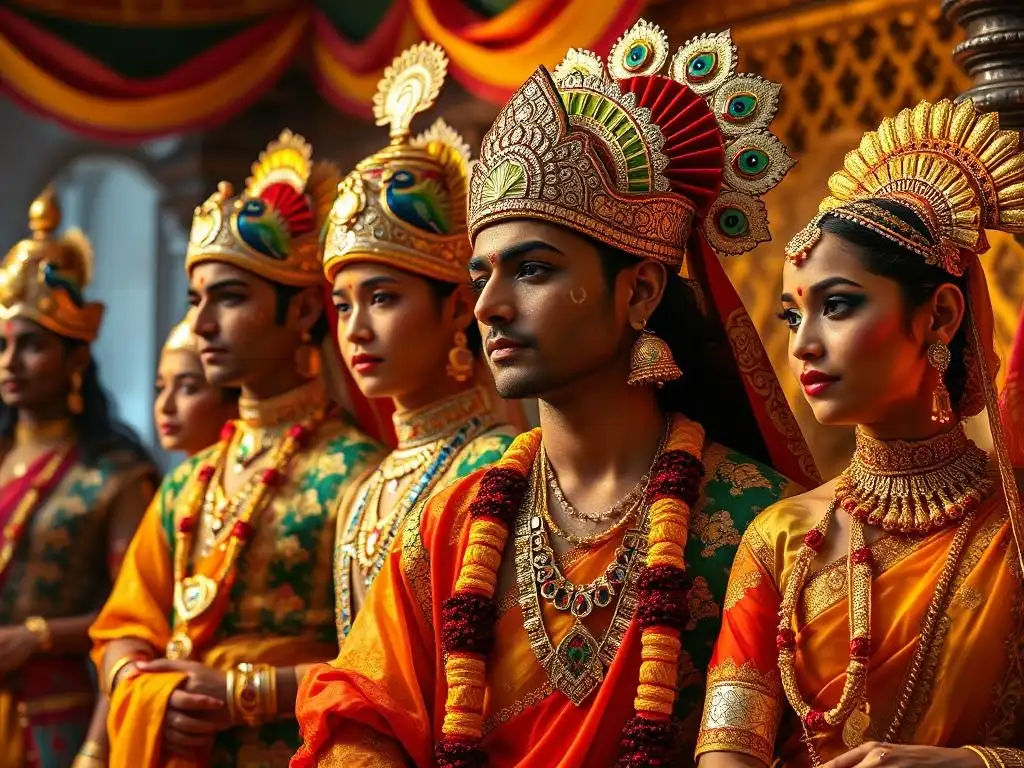
Welcome to Ancient India History, your gateway to the vibrant tapestry of India's past! Here, we delve into the rich and diverse history, culture, and contributions of ancient Indian civilizations, exploring everything from the majestic Indus Valley to the illustrious Gupta Empire. In our featured article, "The Evolution of Costumes and Makeup in Ancient Indian Performances," we invite you to uncover the fascinating world of Ancient Indian performance costumes.
How did these elaborate garments not only reflect the artistry of the time but also convey deeper cultural narratives? Join us on this captivating journey to discover the intricate connection between art and identity in ancient India, and let your curiosity lead you deeper into our treasure trove of knowledge!
Introduction to Ancient Indian Performance Costumes
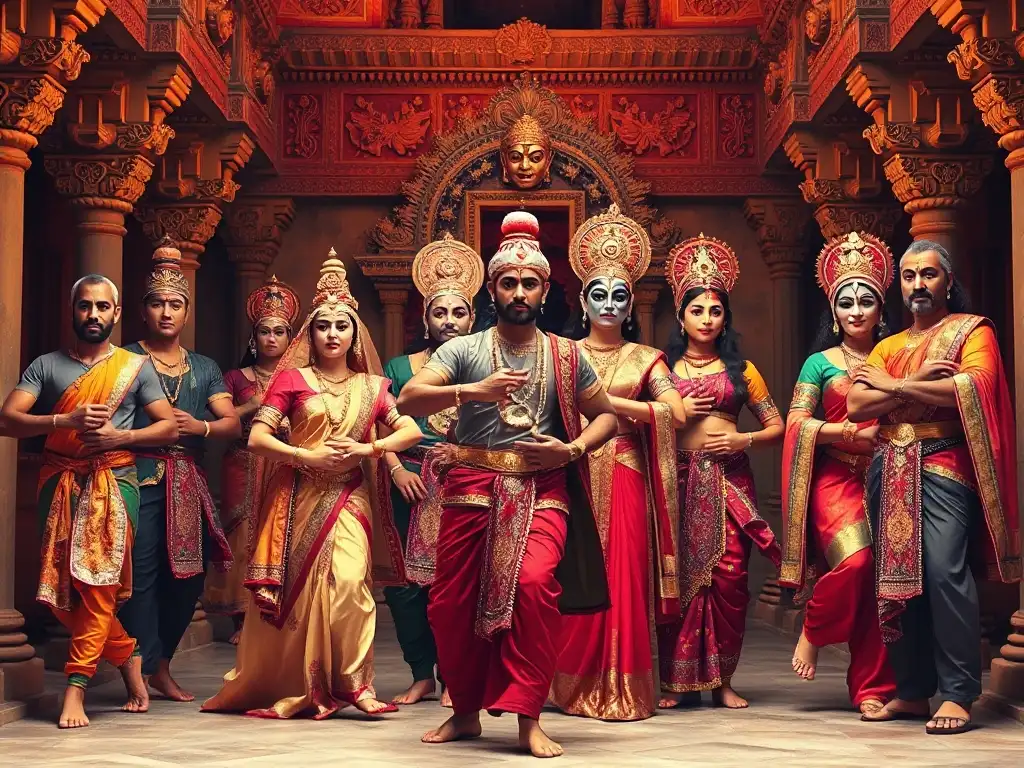
The vibrant tapestry of ancient Indian performance costumes reflects the rich cultural heritage and artistic expression of one of the world's oldest civilizations. From the grandiose attire of mythological characters to the intricate makeup that enhances theatrical storytelling, costumes and makeup played a crucial role in ancient Indian performances.
These elements not only served as visual spectacles but also conveyed deeper meanings, represented social hierarchy, and connected the audiences to the narratives unfolding on stage. In this exploration, we will delve into the historical evolution of these costumes, their significance in performances, and the cultural influences that shaped them throughout various eras, from the Indus Valley civilization to the Gupta Empire.
Overview of Ancient Indian Theater and Performance Arts
Ancient Indian theater and performance arts can be traced back to as early as 1500 BCE, with the emergence of narratives deeply rooted in religious and cultural traditions. The Natya Shastra, written by Bharata Muni, is one of the foundational texts that outlines the principles of drama, including the role of costumes and makeup.
- Key Forms of Performance:
- Natya (Drama): Encompasses various forms of storytelling through acting.
- Nritya (Dance): A blend of expressive movements and storytelling.
- Natyadharmi (Theatrical Performance): The dramatization of mythological and historical tales.
The traditional forms of theater often involved elaborate storytelling, where performers donned costumes that represented their characters and roles, creating a captivating visual experience for the audience.
Importance of Costumes and Makeup in Ancient Indian Performances
Costumes and makeup in ancient Indian performances were not merely decorative; they were essential to the essence of the narratives being portrayed. Here are several key aspects of their importance:
- Character Representation: Costumes helped signify a character's status, profession, and personality.
- Cultural Symbolism: Specific colors, patterns, and styles communicated cultural narratives and societal norms.
- Enhancing Performance: Makeup and costumes allowed performers to transform into their characters, thereby enhancing the overall impact of the performance.
- Audience Engagement: Visually striking costumes drew audiences into the world of the performance, elevating their emotional and aesthetic experience.
Historical Context of Costumes in Ancient India
Understanding the evolution of performance costumes in ancient India requires a look into the historical context that shaped these artistic expressions.
Evolution of Performance Arts from the Indus Valley to the Gupta Empire
The Indus Valley civilization (c. 3300–1300 BCE) laid the groundwork for artistic expression, with evidence of figurines and seals depicting dance and performance. As time progressed, the Vedic period (c. 1500–500 BCE) introduced more structured forms of performance, which subsequently evolved into classical theater during the Maurya (c. 322–185 BCE) and Gupta (c. 240–550 CE) periods.
- Key Developments:
- Influence of Religion: The rise of Hinduism and Buddhism led to performances that depicted religious epics and stories, necessitating more elaborate costumes.
- Regional Variations: Different regions developed unique styles and techniques, reflecting local culture and traditions.
Cultural Influences on Ancient Indian Costumes
The costumes in ancient Indian performances were significantly influenced by various cultural interactions and exchanges.
- Trade and Conquest: The Silk Road and other trade routes introduced new materials and styles that were assimilated into local costume designs.
- Religious Influences: Different religious practices and beliefs shaped the imagery, colors, and styles of costumes to align with spiritual narratives.
- Artistic Patronage: Royal patronage during different dynasties often led to innovations in costume design, as rulers commissioned elaborate performances to showcase their power and culture.
In this exploration of ancient Indian performance costumes, we will uncover the intricate layers of history, culture, and artistry that have contributed to this dynamic aspect of Indian heritage.
Key Elements of Ancient Indian Performance Costumes
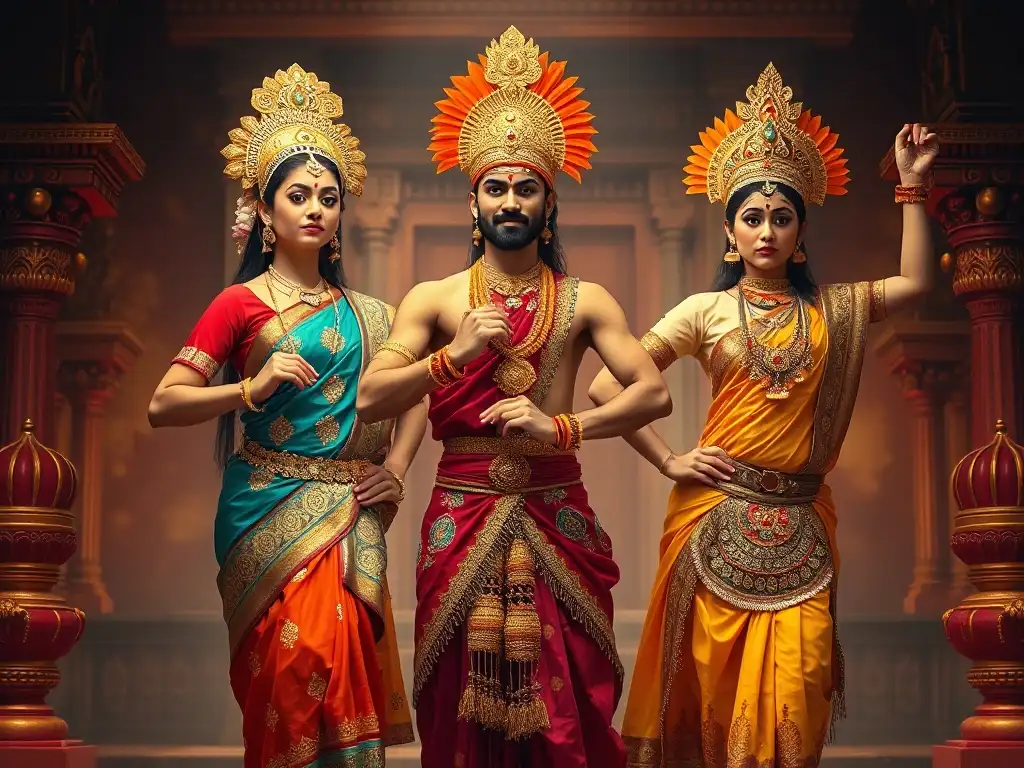
Ancient Indian performance costumes were not merely garments; they embodied the cultural, social, and spiritual dimensions of the narratives being portrayed. These costumes played a vital role in communicating the essence of characters and stories, often reflecting the values of the society from which they originated. Several key elements defined these costumes, including the choice of fabric, color symbolism, and intricate patterns that conveyed deeper meanings. Each aspect contributed to the overall aesthetic, enhancing the audience's experience and engagement with the performance.
Fabric and Materials Used in Costumes
The fabrics and materials used in ancient Indian performance costumes were diverse, often reflecting the region and period. Common materials included:
- Cotton: Widely used for its comfort and breathability, especially in warmer regions.
- Silk: Valued for its luxurious feel and vibrant colors, silk was often reserved for high-status characters.
- Wool and Linen: Utilized in cooler climates or for specific performance styles, adding texture and warmth.
Additionally, accessories made from materials like leather, metal, and beads enhanced the costumes, creating a more elaborate and striking appearance. The combination of these materials helped in crafting costumes that were not only visually appealing but also functional for the performers.
Color Symbolism in Ancient Indian Costumes
Color played a significant role in ancient Indian performance costumes, with each hue carrying specific meanings and associations. For instance:
- Red: Symbolized passion, love, and courage, often worn by heroine characters.
- Blue: Associated with divinity, frequently used for portrayals of gods like Krishna.
- Green: Represented nature and fertility, commonly seen in performances that celebrated life and harmony.
- White: Signified purity and peace, often donned during solemn performances.
These colors were deliberately chosen to evoke particular emotions and enhance the storytelling aspect of the performances, allowing the audience to connect more profoundly with the characters.
Patterns and Designs in Performance Attire
The patterns and designs of ancient Indian performance attire were intricate and meaningful. Common motifs included:
- Floral and Fauna: Representing beauty and the natural world, these designs enhanced the visual appeal of the costumes.
- Geometric Shapes: Often used in the draping of fabrics, these patterns added structure and intricacy to the attire.
- Religious Symbols: Emblems such as the lotus or swastika were incorporated to signify auspiciousness and divine connection.
These designs not only served an aesthetic purpose but also contributed to the thematic elements of the performances, reinforcing the narratives being conveyed.
Makeup Techniques in Ancient Indian Performances
Makeup in ancient Indian performances was an essential component, enhancing the portrayal of characters and adding depth to the storytelling. Different styles of makeup were used to signify various roles, from gods and goddesses to mythical creatures and common folk.
Traditional Makeup Materials and Their Significance
Makeup artists in ancient India utilized natural materials to create striking looks. Some of the most common materials included:
- Kohl (Kajal): Used to define the eyes, enhancing their expressiveness and depth.
- Herbal Powders: Colors derived from plants and minerals, such as turmeric for yellow and vermilion for red, were used to paint the face and body.
- Oils and Ghee: Applied to the skin to provide a glossy finish and to help the pigments adhere better.
These materials not only served cosmetic purposes but also held cultural significance, often believed to possess protective and auspicious properties.
Application of Makeup in Different Performance Styles
The application of makeup varied significantly across different performance styles in ancient India. For example:
- Kathakali: This classical dance-drama from Kerala involved elaborate face painting, with specific colors and designs indicating the character's nature (hero, villain, or divine figure).
- Bharatanatyam: In this traditional dance form, performers used less extensive makeup but emphasized eye makeup to convey emotions and expressions.
- Nautanki: In folk theatre, vibrant and exaggerated makeup was common, aimed at capturing the audience's attention and enhancing the dramatic effect.
These variations in makeup application underscored the uniqueness of each performance style while adhering to the overarching cultural themes.
Role of Makeup in Character Representation
Makeup played a crucial role in character representation within ancient Indian performances. It was not merely a cosmetic enhancement; it transformed the performer into the character, allowing for a more immersive experience. The significance of makeup included:
- Defining Character Traits: Specific colors and designs helped convey the character's personality and emotions. For instance, fierce warriors might wear bold, bright colors, while gentle characters might use softer tones.
- Establishing Hierarchy: Makeup could indicate social status, with more elaborate designs reserved for nobility or divine figures, while simpler styles were used for commoners.
- Enhancing Performance: The application of makeup allowed performers to embody their roles fully, facilitating a deeper connection with the audience and enhancing the storytelling experience.
Overall, makeup was an integral aspect of ancient Indian performance costumes, enriching the narratives and elevating the art form to new heights.
Regional Variations in Costumes and Makeup
The diversity of ancient Indian performance costumes reflects the country's rich cultural tapestry, with each region showcasing its unique styles and traditions. Regional variations in costumes and makeup can be traced back to local customs, historical influences, and climatic conditions, resulting in distinct aesthetics that characterize performances across India. The interplay of ethnicity, language, and geography has played a crucial role in shaping these costumes, making them integral to the art forms they represent.
From the vibrant, intricate designs of North Indian theatrical costumes to the graceful, flowing garments of South Indian classical dance, each style is a testament to the region's cultural heritage. The use of colors, fabrics, and adornments varies significantly, often symbolizing local beliefs, traditions, and even the specific narratives portrayed in performances. This regional specificity not only enhances the visual appeal of the performances but also serves to communicate the underlying themes and messages of the art forms.
North Indian Performance Styles and Their Costumes
In North India, traditional performance styles such as Kathak and Nautanki have distinct costume elements that reflect the region's cultural influences. Kathak, known for its intricate footwork and expressive gestures, features costumes that include long, flowing skirts (ghagras) paired with fitted blouses (cholis) and ornate dupattas. These costumes are often embroidered with elaborate patterns and adorned with sequins, enhancing the dancer's movements.
Nautanki, a popular folk theatre form, showcases vibrant costumes with bold colors and heavy embellishments. Male performers typically wear kurtas and dhotis while women don colorful sarees with intricate jewelry, which adds to the dramatic visual storytelling of the performances. The use of makeup in North Indian performances is equally significant, with performers often applying bold colors to accentuate their facial features, embodying characters from mythological tales and folklore.
South Indian Classical Dance and Costume Evolution
South Indian classical dance forms, such as Bharatanatyam and Kathakali, have evolved over centuries, leading to a rich repertoire of costumes that are both functional and symbolic. Bharatanatyam costumes are characterized by their elaborate silk sarees, which are pleated and arranged to facilitate intricate dance movements. The attire is complemented by traditional jewelry, often made of gold and studded with precious stones, which enhances the dancer's grace and elegance.
Kathakali, on the other hand, is renowned for its elaborate and colorful costumes that include large, painted face masks, elaborate headdresses, and intricate body paint. The costumes are carefully crafted to represent various characters from Hindu epics, emphasizing the dramatic nature of the performances. The evolution of these costumes has been influenced not only by artistic needs but also by the socio-cultural context of the time, making them a vital part of South Indian performance art.
East and West Indian Performance Traditions and Their Unique Costumes
The East and West Indian performance traditions also exhibit unique costume styles that reflect their cultural backgrounds. In the eastern states, forms like Odissi and Jatra emphasize flowing drapes and elaborate jewelry. Odissi costumes typically consist of a traditional saree styled in a unique manner, enhancing the dancer's movements and grace. The use of intricate jewelry, often made from silver or gold, plays a significant role in defining the overall aesthetic of the performance.
Conversely, Western Indian performance arts, such as Garba and Dandiya Raas, feature vibrant, colorful outfits that are lightweight and allow for ease of movement. The traditional attire includes chaniya cholis for women and kurta-pajamas for men, often embellished with mirror work and vibrant patterns. These costumes not only celebrate the festive nature of the performances but also connect the audience to the regional traditions and heritage.
The Role of Mythology and Religion in Costumes and Makeup
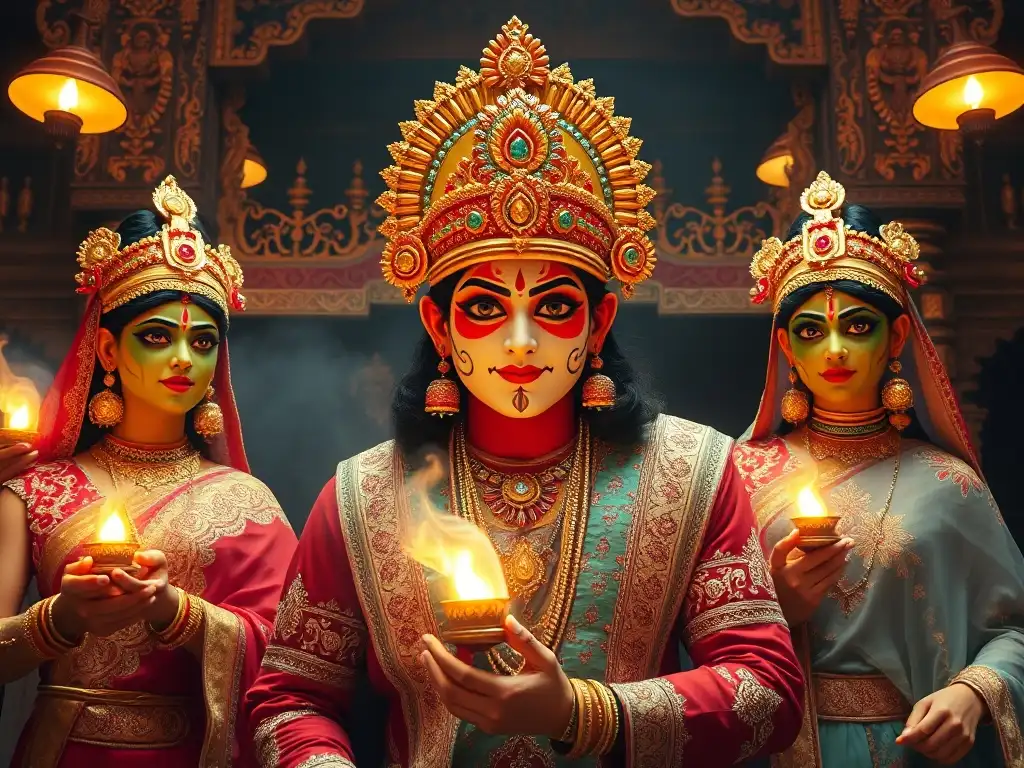
The interplay of mythology and religion has significantly influenced the costumes and makeup in ancient Indian performances. Many of these art forms derive their narratives from Hindu epics, folklore, and religious texts, which are vividly brought to life through the performers' attire and appearance. This cultural intertwining emphasizes the importance of visual representation in storytelling, making costumes and makeup essential elements of the performance.
Costumes often embody the essence of the characters portrayed, with specific colors and designs associated with different deities and mythological figures. The use of makeup is equally crucial, serving not only to enhance the physical appearance of the performers but also to signify their roles within the narrative framework. Thus, the integration of mythology and religion into costumes and makeup serves to deepen the audience's engagement with the performance.
Influence of Hindu Epics on Performance Costumes
Hindu epics such as the Ramayana and Mahabharata have profoundly influenced the design of performance costumes in ancient Indian art forms. The characters from these epics are often depicted in performances, with costumes designed to reflect their attributes and divine qualities. For instance, costumes for portraying Lord Rama typically feature blue hues, symbolizing divinity and valor, while those of Lord Krishna may include peacock feathers and vibrant colors to represent playfulness and charm.
The narratives drawn from these epics guide not only the visual aspects of the performances but also the emotional expressions conveyed through costumes. The detailed attention to the authenticity of the attire ensures that the cultural significance and historical context are honored, allowing the audience to connect with the performances on a deeper level.
Symbolic Representations in Makeup and Attire
Makeup and attire in ancient Indian performances are laden with symbolic representations that convey deeper meanings beyond mere aesthetics. The application of specific colors and patterns in makeup serves to represent various emotions, character traits, and even supernatural qualities. For instance, red may signify passion or aggression, while green often symbolizes divinity or nature.
Costumes are similarly imbued with symbolism; for example, the use of specific motifs and designs can reflect the cultural heritage and religious beliefs of the region. In many instances, the attire is designed to evoke certain responses from the audience, reinforcing the themes and messages of the performance. This symbolic representation not only enhances the visual storytelling but also deepens the audience’s understanding of the cultural narratives being portrayed.
Modern Interpretations of Ancient Indian Performance Costumes
The realm of ancient Indian performance costumes has witnessed a remarkable transformation in modern interpretations. These interpretations not only pay homage to the rich heritage of Indian theater but also adapt to contemporary artistic expressions. Modern choreographers and directors often draw inspiration from the vivid colors, intricate designs, and symbolic motifs of ancient costumes, weaving them into performances that resonate with today's audiences. This blending of traditional aesthetics with modern sensibilities creates a dynamic visual language that enhances storytelling through performance.
In recent years, costume designers have also started experimenting with materials and forms that were not traditionally used in ancient performances. This has led to innovative approaches that maintain the essence of ancient costumes while making them more accessible and relatable to contemporary viewers. The evolution of textiles, along with advancements in technology, enables designers to recreate ancient looks with a fresh perspective, appealing to a diverse audience.
Revival of Traditional Costumes in Contemporary Theatre
In the revival of traditional costumes, contemporary theater companies across India have embraced the significance of authenticity. Productions often feature garments that reflect the historical accuracy of ancient attire, drawing from archaeological findings and ancient texts. This revival is not merely about aesthetics; it serves as a cultural reclamation, reinforcing the identity and heritage of Indian performance arts.
The resurgence of interest in traditional costumes can be seen in various theatrical productions that incorporate classical dance forms such as Kathakali, Bharatanatyam, and Odissi. Each form has its unique costume styles that are meticulously researched and reproduced for performances. For instance, the elaborate costumes of Kathakali, with their vibrant colors and intricate makeup, are central to the storytelling, allowing audiences to connect deeply with the narratives being portrayed.
Blending Ancient Techniques with Modern Fashion
The intersection of ancient techniques and modern fashion is a fascinating aspect of contemporary costume design in Indian performances. Designers are increasingly incorporating traditional weaving, dyeing, and embellishment techniques into modern garments, creating a hybrid style that honors the past while appealing to contemporary aesthetics.
Fashion designers often collaborate with theater productions to create costumes that are both functional and artistic. For example, the use of natural dyes and hand-stitched embroidery not only enhances the visual appeal but also promotes sustainable practices. This collaboration fosters a dialogue between the ancient art of costume-making and the modern fashion industry, inspiring new trends that celebrate cultural heritage.
Conclusion
Summary of the Evolution of Costumes and Makeup in Ancient Indian Performances
The evolution of costumes and makeup in ancient Indian performances reflects a rich tapestry of cultural influences, religious themes, and artistic expressions. From the elaborate garments of the Indus Valley civilization to the intricate designs of the Gupta Empire, each era contributed significantly to the development of performance attire. The costumes were not merely decorative; they played a crucial role in character portrayal and storytelling, embodying the values and beliefs of the society.
As time progressed, various regional styles emerged, showcasing the diversity of India's artistic heritage. The integration of local materials, techniques, and motifs created a vibrant landscape of performance costumes that varied from one region to another. This evolution paved the way for the modern interpretations we see today, ensuring that the essence of ancient costume design continues to thrive.
The Lasting Legacy of Ancient Indian Performance Costumes in Today's Arts
The legacy of ancient Indian performance costumes is profoundly felt in today’s arts, shaping not only theatrical productions but also influencing dance, cinema, and fashion. The symbolic meanings embedded within these costumes continue to resonate, as they communicate stories and emotions that transcend time. Contemporary artists and performers draw upon this legacy to explore new narratives, ensuring that the cultural significance of ancient costumes remains relevant.
Moreover, the revival and reinterpretation of these costumes foster a greater appreciation for India's artistic heritage, encouraging new generations to engage with their cultural roots. As ancient techniques merge with modern approaches, the dialogue surrounding ancient Indian performance costumes becomes an ongoing celebration of creativity and identity, ensuring that this rich tradition endures in the modern cultural landscape.
- Introduction to Ancient Indian Performance Costumes
- Overview of Ancient Indian Theater and Performance Arts
- Importance of Costumes and Makeup in Ancient Indian Performances
- Historical Context of Costumes in Ancient India
- Key Elements of Ancient Indian Performance Costumes
- Makeup Techniques in Ancient Indian Performances
- Regional Variations in Costumes and Makeup
- The Role of Mythology and Religion in Costumes and Makeup
- Modern Interpretations of Ancient Indian Performance Costumes
- Conclusion
- What were the main influences on ancient Indian performance costumes?
- How did the Indus Valley civilization contribute to costume design?
- What role did the Gupta Empire play in the evolution of performance costumes?
- How did makeup complement ancient Indian performance costumes?
- Are there any specific materials commonly used in ancient Indian performance costumes?
Frequently Asked Questions
What were the main influences on ancient Indian performance costumes?
Ancient Indian performance costumes were influenced by cultural traditions, regional craftsmanship, and religious themes, reflecting the rich tapestry of India's diverse civilizations.
How did the Indus Valley civilization contribute to costume design?
The Indus Valley civilization showcased early forms of textiles and ornamentation, which laid the groundwork for future costuming practices in performance arts, emphasizing intricate designs and vibrant colors.
What role did the Gupta Empire play in the evolution of performance costumes?
During the Gupta Empire, there was a significant development in art and culture, leading to more elaborate and standardized performance costumes that highlighted the importance of theatrical expression in society.
How did makeup complement ancient Indian performance costumes?
Makeup in ancient Indian performances was used to enhance the character portrayal and emphasize emotions, often involving symbolic colors and designs that complemented the overall costume aesthetics.
Are there any specific materials commonly used in ancient Indian performance costumes?
Yes, ancient Indian performance costumes often utilized materials such as cotton, silk, and brocade, along with embellishments like jewels and embroidery, to create visually stunning and culturally significant attire.
Final Reflection: The Timeless Artistry of Ancient Indian Performance Costumes
The evolution of costumes and makeup in ancient Indian performances is not merely a historical recount; it is a vibrant tapestry that continues to influence contemporary artistic expressions. Today, as we witness a resurgence of interest in traditional art forms, the intricate designs and symbolic meanings behind ancient Indian performance costumes remind us of the rich cultural heritage that shapes our identity. This enduring legacy is a testament to the creativity and craftsmanship that have transcended generations, inviting us to explore the depths of our artistic roots.
The impact of these costumes extends beyond the stage, weaving itself into the fabric of our cultural and social landscape. As we engage with these performances, we are reminded of the stories they tell and the emotions they evoke. The costumes serve as a bridge between the past and present, allowing us to connect with our ancestors and their narratives. Art is the most beautiful of all lies.
This quote encapsulates the essence of performance art, where the beauty of costumes and makeup transforms reality into a captivating experience, enriching our understanding of history and culture.
As we reflect on the significance of ancient Indian performance costumes, let us embrace the lessons they impart about creativity, identity, and storytelling. I invite you to explore your own connection to these artistic traditions, whether through participation in performances, supporting local artists, or simply appreciating the beauty of cultural expressions. By doing so, we not only honor our heritage but also contribute to the ongoing evolution of art, ensuring that the stories of our past continue to inspire future generations.
Unveil the Rich Tapestry of Ancient Indian Performances!
Thank you for diving deep into the fascinating world of costumes and makeup in ancient Indian performances. We hope you discovered the vibrant stories behind these artistic expressions and their significance in cultural history. Now, it’s time to embrace your own creative journey inspired by the past!
Here are a few ways you can connect with this rich heritage:
- Explore traditional crafts: Visit a local artisan or workshop to learn about the creation of costumes and makeup used in performances. You might even consider trying your hand at crafting your own pieces!
- Attend a performance: Look for local theatre productions or cultural festivals that celebrate traditional Indian arts to experience these performances firsthand.
- Share your insights: Join online forums or social media groups dedicated to Indian history and arts. Share your newfound knowledge and connect with others who share your passion for this topic.
Before you go, consider this: How can you incorporate elements of ancient Indian costume and makeup into your own creative pursuits today? We’d love to hear your thoughts!