
The Temples of South India: A Testament to Dravidian Architectural Styles

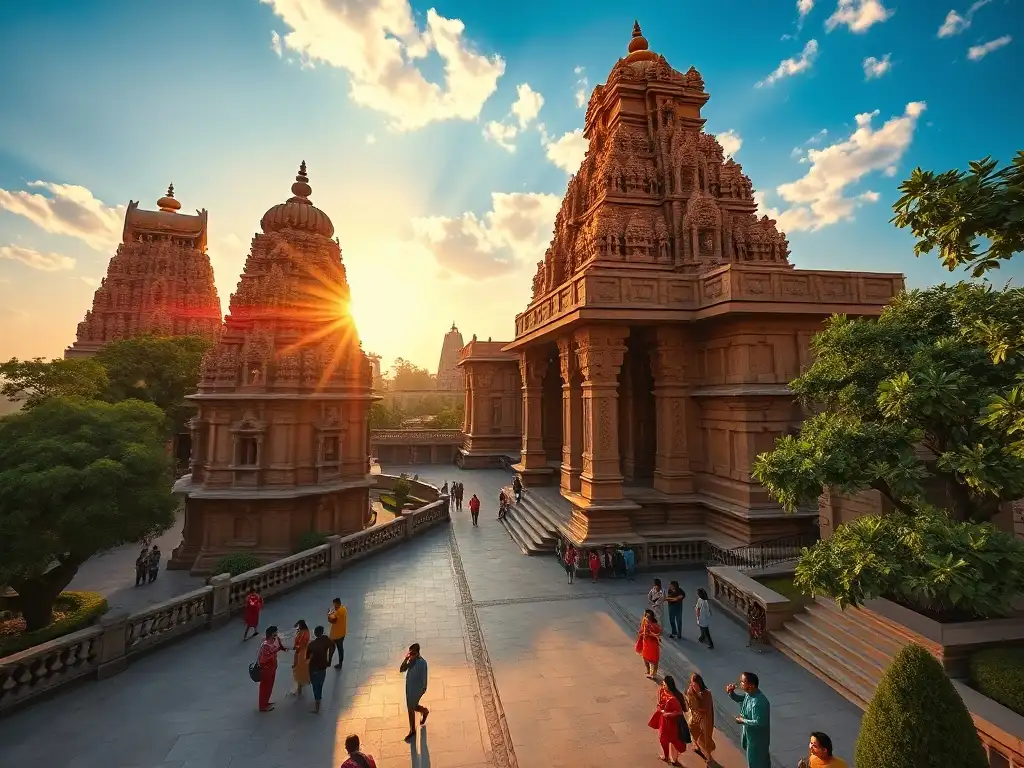
Welcome to Ancient India History, where we invite you to embark on an enthralling journey through the vibrant tapestry of India's past. Our featured article, "The Temples of South India: A Testament to Dravidian Architectural Styles," delves into the captivating history of Dravidian temple architecture, revealing the intricate artistry and profound cultural significance embedded in these magnificent structures. As you explore the depths of ancient Indian civilizations, prepare to uncover the stories and philosophies that shaped a rich heritage, inspiring you to dive deeper into the wonders of this extraordinary era. Your adventure into the past begins now!
The temples of South India stand as magnificent symbols of the Dravidian architectural styles that flourished over centuries. These structures are not merely places of worship; they are intricate masterpieces that reflect the rich cultural heritage, religious fervor, and artistic excellence of ancient Indian civilizations. From the early days of the Chola and Pandya dynasties to the grandeur of the Vijayanagara Empire, the evolution of Dravidian temple architecture reveals a unique blend of spirituality and artistry.
Dravidian architecture is characterized by its towering gopurams (gateway towers), intricate carvings, and vast courtyards, each element serving both aesthetic and functional purposes. The historical significance of these temples extends beyond their architectural brilliance; they serve as crucial sites for understanding the socio-political and cultural dynamics of their time. As we delve deeper into the Dravidian temple architecture history, we will explore the defining features, historical context, and lasting impact of these awe-inspiring structures that continue to captivate visitors and scholars alike.
Through this exploration, we aim to illuminate the architectural marvels that not only shaped the skyline of ancient South India but also influenced various aspects of art, philosophy, and society. Whether you are an enthusiast of architecture, history, or culture, the temples of South India offer a profound insight into the legacy of one of the world's oldest civilizations.
- Introduction to Dravidian Temple Architecture History
- Historical Background of Dravidian Temple Architecture
- Key Features of Dravidian Temple Architecture
- Prominent Dravidian Temples in South India
- The Cultural Significance of Dravidian Temples
- Preservation and Challenges of Dravidian Temple Architecture
- Conclusion: The Legacy of Dravidian Temple Architecture
- References
- Frequently Asked Questions
- Final Reflection: The Enduring Legacy of Dravidian Temple Architecture
- Unveil the Wonders of Dravidian Architecture Today!
Introduction to Dravidian Temple Architecture History
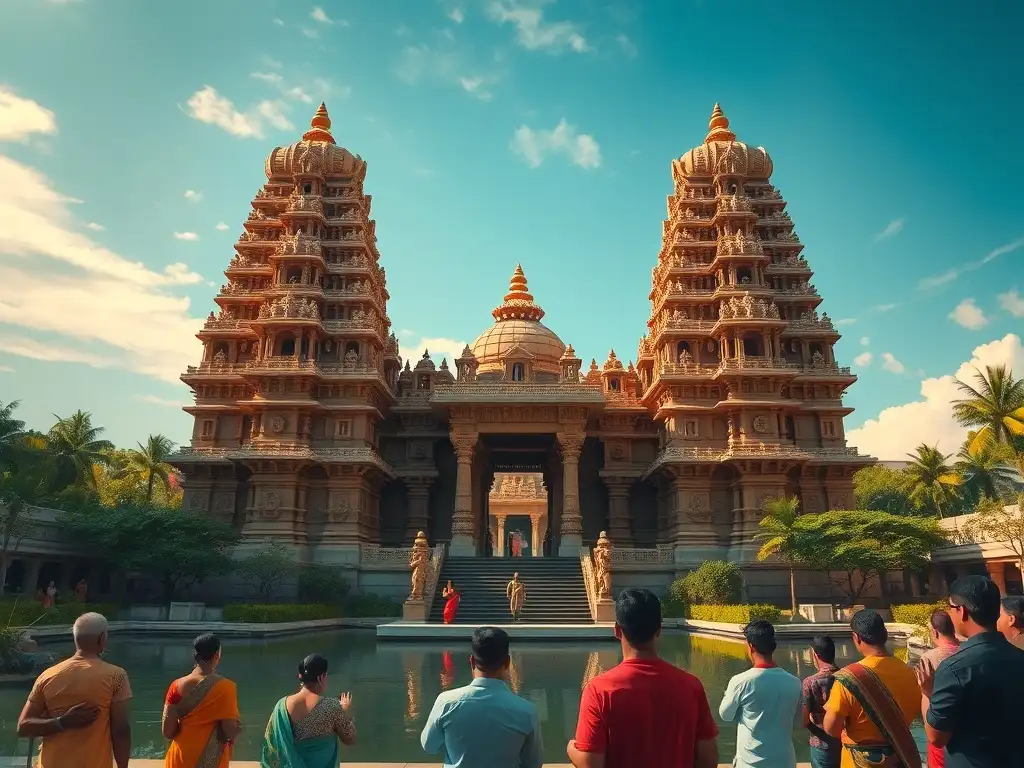
Dravidian temple architecture is a significant aspect of South India's cultural and historical landscape, characterized by its intricate designs, towering structures, and rich symbolism. This architectural style emerged primarily during the early medieval period, around the 7th century CE, and continued to evolve until the late medieval period. It reflects the socio-religious fabric of ancient Indian society and the importance of temples as centers of worship and community life.
Dravidian architecture is distinguished by several key features, including the shikhara (the towering spire), gopuram (ornate entrance towers), and elaborate carvings that often depict deities, mythological stories, and floral motifs. The temples are not only places of worship but also serve as repositories of art, culture, and history, showcasing the artistic prowess and spiritual beliefs of the Dravidian people.
Overview of Dravidian Architecture
Dravidian architecture can be divided into three main phases: the early, middle, and late phases, each characterized by unique stylistic elements and innovations.
- Early Phase (7th to 9th Century CE):
- This period saw the construction of rock-cut temples, such as the ones at Mahabalipuram and the Cave Temples of Badami.
- The temples typically featured simple layouts and monolithic structures, with rudimentary carvings that began to depict Hindu deities.
- Middle Phase (9th to 12th Century CE):
- The Chola dynasty played a pivotal role in the development of Dravidian architecture during this phase.
- Temples like the Brihadeeswarar Temple in Thanjavur exhibit grand gopurams, larger shikharas, and intricate sculptures.
- The architectural focus shifted towards horizontal expansion, with extensive courtyard layouts and beautifully carved pillars.
- Late Phase (12th to 17th Century CE):
- The Vijayanagara Empire further refined Dravidian temple architecture, introducing elaborate decorative elements and larger-than-life sculptures.
- Temples like the Virupaksha Temple in Hampi demonstrate the zenith of Dravidian design, where intricate stonework and expansive complexes became commonplace.
The evolution of Dravidian architecture is not merely a timeline of styles but also reflects the cultural and religious changes in South India over centuries. Each temple tells a story of devotion, artistry, and the historical context of its time.
Importance of Temples in South Indian Culture
Temples are the heart of South Indian culture, serving multiple roles beyond that of mere religious sites. They were vital centers for community life, education, and social gatherings. Here are some essential aspects of their significance:
- Spiritual Hub: Temples provided a space for worship and spiritual connection, allowing devotees to engage in rituals and festivals that are integral to Hindu practice.
- Cultural Repository: Many temples acted as custodians of art and culture, hosting classical music and dance performances. They became venues for cultural exchange, preserving traditions over generations.
- Economic Centers: Temples often stimulated local economies through fairs, festivals, and the patronage of artisans and craftsmen. Their intricate carvings and architectural features helped sustain local artisanship.
- Architectural Innovation: The construction and design of temples led to advancements in engineering and architectural techniques. This innovation continues to influence modern architecture in the region.
The temples of South India epitomize the rich tapestry of Dravidian architectural history. They encapsulate the artistic, spiritual, and cultural ethos of their time, ensuring that the legacy of ancient Indian civilizations is preserved and celebrated.
Historical Background of Dravidian Temple Architecture
Origin and Evolution of Dravidian Architectural Styles
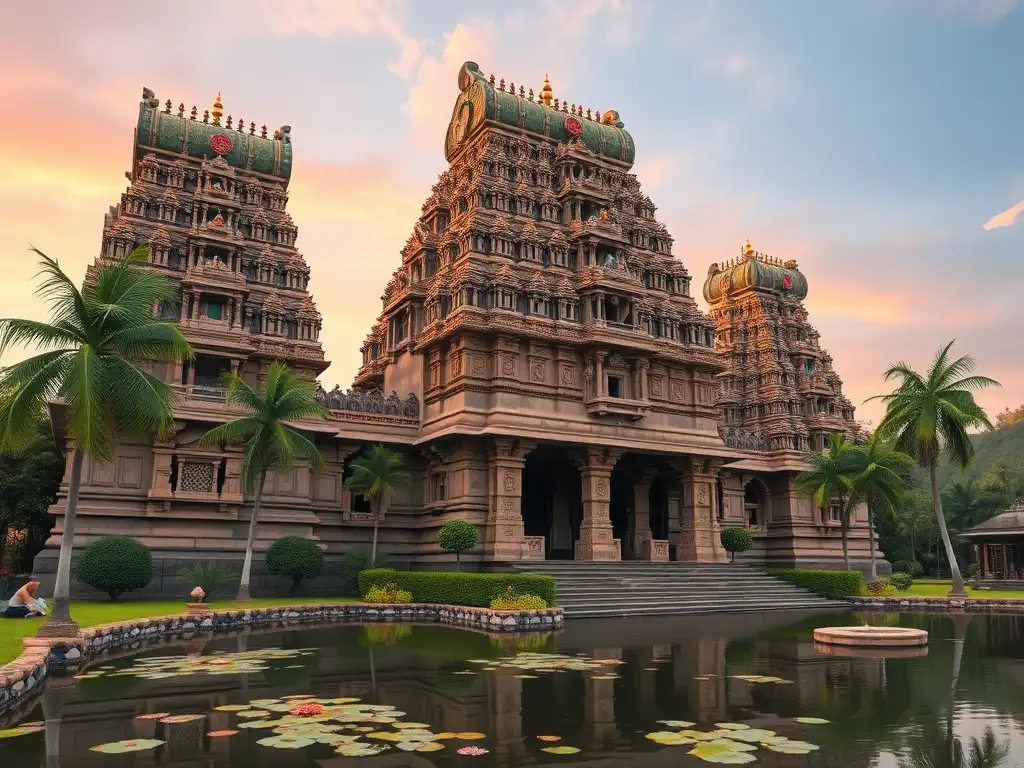
Dravidian temple architecture traces its origins back to the early medieval period in South India, approximately between the 7th and 9th centuries CE. This architectural style emerged from the rich cultural and artistic traditions of the region, particularly influenced by the Tamil culture. The foundational elements of Dravidian architecture can be seen in the early rock-cut temples, such as those at Mahabalipuram and the Elephanta Caves, where intricate carvings and sculptures were used to enhance the spiritual ambiance.
As the style evolved, a distinct set of features emerged that defined Dravidian temples:
- Vimana: The towering structure over the sanctum, often elaborately decorated.
- Gopuram: The monumental entrance gate, embellished with colorful sculptures and carvings.
- Mandapas: Pillared halls used for various purposes, including gatherings and rituals.
The use of granite and sandstone as primary building materials allowed for durability and intricate detailing, showcasing the craftsmanship of the era. With influences from local traditions and religious practices, Dravidian architecture began to reflect a unique identity that combined functionality and spirituality.
Key Historical Periods Influencing Dravidian Temples
Dravidian temple architecture flourished during several key historical periods, each contributing distinct features and innovations:
- Pallava Dynasty (c. 275-897 CE):
- The Pallavas were instrumental in the development of Dravidian style, particularly through their rock-cut temples. The Shore Temple at Mahabalipuram is a prime example, showcasing early Dravidian architectural elements.
- Chola Dynasty (c. 850-1279 CE):
- The Cholas further refined Dravidian architecture, introducing grander designs and elaborate iconography. The Brihadeeswarar Temple in Thanjavur, a UNESCO World Heritage Site, exemplifies the height of Chola architectural achievement with its massive vimana and intricate sculptures.
- Pandya Dynasty (c. 6th Century CE - 17th Century CE):
- The Pandya period saw the construction of temples that emphasized intricate carvings and extensive use of granite. The Meenakshi Amman Temple in Madurai is a significant example, known for its stunning gopurams and detailed narrative reliefs.
- Nayak Period (c. 16th-18th Century CE):
- The Nayaks contributed to the evolution of temple architecture with their unique approach to the gopuram, enhancing its height and complexity. They also introduced new forms of decorative art within temple precincts.
Influence of Religious Practices on Temple Design
Religious practices played a pivotal role in shaping the design and layout of Dravidian temples. Temples were not merely places of worship; they served as cultural and social hubs for their communities. The following factors illustrate this intricate relationship:
- Iconography and Deity Worship: The choice of deities and the associated iconography influenced temple layouts. For instance, temples dedicated to Shiva often featured a lingam in the sanctum, while those dedicated to Vishnu prominently displayed his avatars in sculptural form.
- Ritual Space: The design of the temple was meticulously planned to accommodate various rituals and festivals. Mandapas served as gathering spaces for devotees during important religious events, while the placement of sacred water bodies (like temple tanks) facilitated purifying rituals.
- Pilgrimage Routes: Many Dravidian temples were strategically located along ancient pilgrimage routes, which influenced their design to handle the influx of devotees. The architectural layout often included pathways and open spaces to facilitate large gatherings.
- Cultural Festivals: The architecture of temples often reflected the festivals celebrated within their premises. For instance, the grandeur of the Chithirai Festival at the Meenakshi Amman Temple is mirrored in the temple's design that accommodates massive gatherings.
In essence, Dravidian temple architecture is not just a reflection of artistic expression but a testament to the deeply intertwined nature of faith, culture, and community life in ancient South India.
Key Features of Dravidian Temple Architecture
Dravidian temple architecture is a remarkable testament to the ingenuity and artistic expression of ancient Indian civilizations, particularly in South India. This architectural style is characterized by its distinctive structural elements and decorative aspects that reflect the religious and cultural ethos of the time. The temples not only served as places of worship but also as centers of community life and artistic endeavor. Understanding the key features of Dravidian temple architecture helps to appreciate its significance in the broader history of Indian art and architecture.
Structural Elements of Dravidian Temples
The structural components of Dravidian temples are designed to enhance both functionality and aesthetics, creating a harmonious space for worship and contemplation. The following are fundamental elements that define the architecture of these temples:
Gopurams: The Monumental Entrance Towers
Gopurams are one of the most striking features of Dravidian temple architecture. These towering gateways serve as the main entrances to the temple complex and are often elaborately decorated with colorful sculptures and intricate designs.
- Height and Scale: Typically, gopurams are tall structures that can rise up to several stories, symbolizing the ascent towards the divine.
- Symbolism: The towering nature of the gopurams represents the connection between the earth and the heavens, inviting devotees to transcend the earthly realm.
- Artistic Features: The exterior is adorned with myriad sculptures depicting deities, mythological scenes, and floral motifs, showcasing the skill of sculptors from the period.
Mandapas: The Pillared Halls
Mandapas, or pillared halls, are another essential feature of Dravidian temples, serving various functions from assembly areas to spaces for rituals.
- Design Variability: Mandapas vary in size, with some being vast halls for public gatherings, while others may be smaller and more intimate.
- Support Structures: The pillars are often intricately carved, featuring detailed artwork that narrates stories from Hindu mythology.
- Functionality: These halls are primarily used for performances, festivals, and rituals, thereby enhancing the communal aspect of temple life.
Vimana: The Sanctum Sanctorum
The vimana is the most sacred part of the temple, housing the primary deity. This structure is not only a focal point for worship but also a masterpiece of architectural design.
- Architectural Form: The vimana typically has a pyramidal or curvilinear shape, symbolizing the mythical Mount Meru, considered the axis of the universe in Hindu cosmology.
- Height and Decoration: The height of the vimana varies, with ornate carvings and sculptures adorning its surface, often depicting various deities and celestial beings.
- Spiritual Significance: The sanctity of the vimana makes it the heart of the temple, where devotees come to offer prayers and seek blessings.
Decorative Aspects of Dravidian Temples
The decorative features of Dravidian temples are as significant as their structural elements, reflecting the artistic and spiritual values of the time.
Sculpture and Carvings
Sculpture and carvings are integral to the aesthetic appeal of Dravidian temples, showcasing the exceptional craftsmanship of the artisans.
- Narrative Art: The walls and pillars are often adorned with reliefs that tell stories from epics like the Ramayana and Mahabharata, illustrating moral and ethical lessons.
- Divine Representation: Numerous sculptures depict various deities and celestial figures, serving both decorative and devotional purposes.
- Cultural Reflection: The intricate designs not only enhance the beauty of the temple but also provide insight into the cultural and religious beliefs of ancient Indian society.
Iconography in Dravidian Temples
Iconography plays a crucial role in Dravidian temple architecture, with each figure and symbol carrying significant meaning.
- Deity Depictions: The choice of deities represented in the temple reflects the religious practices and devotion of the local community.
- Symbolic Motifs: Common motifs include the lotus, which represents purity, and the conch shell, symbolizing the sacred sound of creation.
- Cultural Significance: The iconography not only serves a religious function but also acts as a historical record of the socio-political and cultural context of the time.
The rich and intricate details of Dravidian temple architecture reveal a deep connection between art, spirituality, and community life in ancient India. The historical significance of these architectural marvels continues to be a subject of fascination and study, providing insights into the cultural heritage of the region.
Prominent Dravidian Temples in South India
Brihadeeswarar Temple, Thanjavur
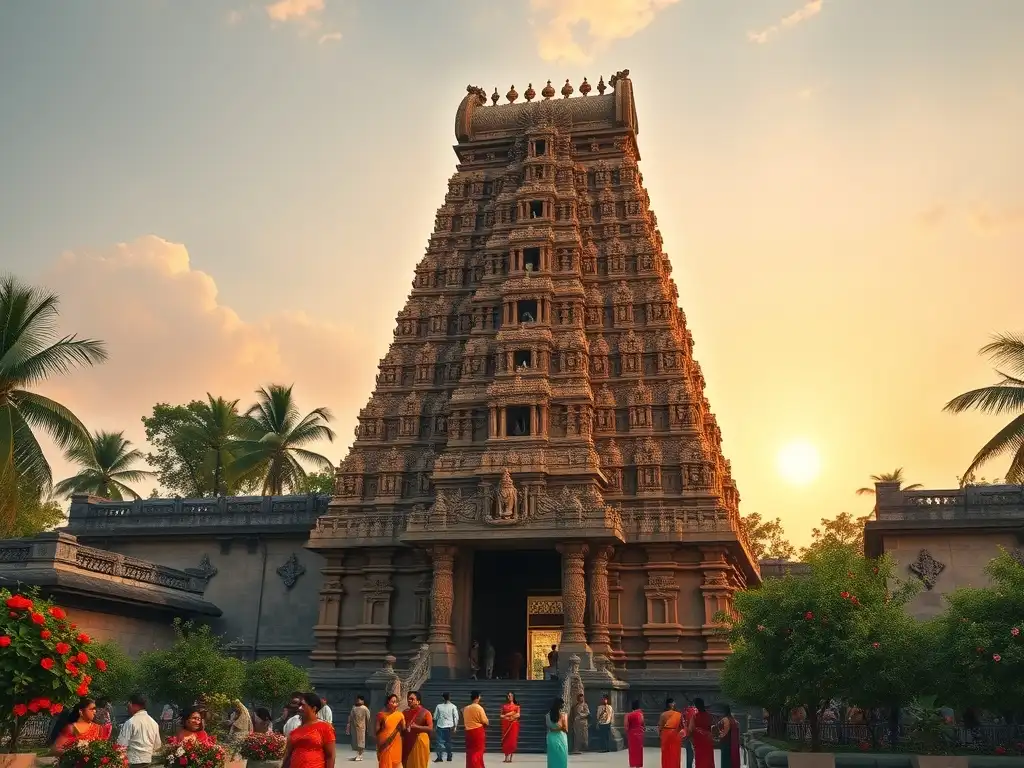
The Brihadeeswarar Temple, also known as the Peruvudaiyar Kovil, is one of the most remarkable examples of Dravidian architecture, constructed during the reign of the Chola dynasty in the early 11th century. This UNESCO World Heritage Site is renowned not just for its sheer size but also for its intricate artistry and architectural precision.
- Construction and Design: Built by Rajaraja Chola I, the temple stands as a testament to the zenith of Chola architecture. The main vimana (tower) rises to an impressive height of 66 meters (216 feet) and is topped with a massive granite dome, weighing approximately 80 tons. The architectural style is characterized by:
- A vast courtyard
- Elaborately carved pillars
- Intricate frescoes depicting various deities and mythological scenes
- Cultural Significance: The temple is dedicated to Lord Shiva and plays a pivotal role in Tamil culture. The annual festival, called Mahashivaratri, attracts thousands of devotees, highlighting the temple's enduring spiritual significance. Additionally, the temple complex contains various shrines, including those dedicated to Nataraja and other deities, showcasing the diversity of worship.
Meenakshi Temple, Madurai
The Meenakshi Temple in Madurai is another iconic representation of Dravidian temple architecture, reflecting the artistic and cultural achievements of the Nayak dynasty in the 17th century. This temple is dedicated to Goddess Meenakshi and her consort, Lord Sundareswarar.
- Architectural Features: The Meenakshi Temple is famous for its spectacular gopurams (gateway towers), which are adorned with thousands of colorful sculptures depicting various Hindu deities, animals, and mythological figures. Key characteristics include:
- 12 gopurams, the tallest rising to 51.9 meters (170 ft)
- The intricate carvings and vivid frescoes that narrate stories from Hindu mythology
- A golden lotus tank, enhancing the temple's serene ambiance
- Religious Importance: A key pilgrimage site, the temple hosts numerous festivals throughout the year, especially the Meenakshi Thirukalyanam (the divine marriage of Meenakshi and Sundareswarar), which draws large crowds. The temple's architecture and rituals reflect the deep spiritual connection and devotion of the Tamil people.
Kapaleeshwarar Temple, Chennai
Located in the bustling city of Chennai, the Kapaleeshwarar Temple is a quintessential example of Dravidian temple architecture, dedicated to Lord Shiva. Although originally constructed in the 7th century, the current structure dates back to the 16th century, showcasing the evolution of Dravidian architectural styles.
- Architectural Elements: The temple is distinguished by its ornate gopuram, richly decorated with colorful sculptures. Key elements include:
- A central shrine for Lord Kapaleeshwarar
- Intricate carvings on the pillars depicting various deities and mythological stories
- A beautifully maintained tank, known as the Kapaleeshwarar Tank, which adds to the temple's aesthetic appeal
- Cultural Role: This temple plays a vital role in the cultural and religious life of the local community. It is a center for worship and cultural activities, especially during festivals like Maha Shivaratri and Panguni Uthiram, when the temple sees a surge of devotees and celebratory events. The temple's architecture and vibrant atmosphere embody the rich heritage of South Indian spirituality and community life.
Other Notable Temples: Nataraja Temple, Chidambaram
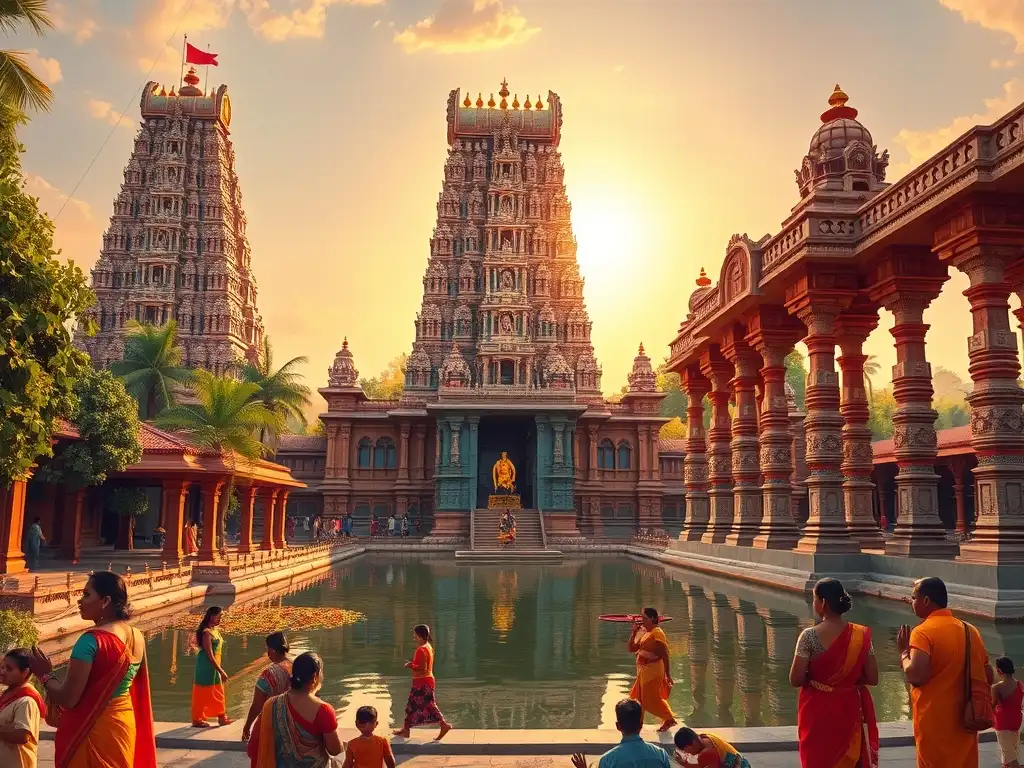
The Nataraja Temple in Chidambaram is a celebrated example of Dravidian architecture, renowned for its intricate carvings and rich cultural significance. Dedicated to Lord Shiva as Nataraja, the cosmic dancer, this temple embodies the essence of Tamil Nadu's spiritual heritage.
Architectural Features
The temple complex is characterized by its grand gopurams (gateway towers) adorned with vibrant sculptures depicting various deities and mythological scenes. The most striking feature is the Chidambara Rahasya, a mystical representation of Lord Shiva that is symbolized by a curtain drawn in the sanctum, allowing devotees to experience his presence in a unique way.
Historical Significance
Dating back to the 10th century, the temple has been a vital religious center for Shaivites and has attracted pilgrims for centuries. The temple's annual dance festival, which showcases classical dance forms, serves as a testament to the cultural legacy of the region. Moreover, the temple's inscriptions provide invaluable insights into the socio-political landscape of ancient South India.
Virupaksha Temple, Hampi
The Virupaksha Temple, located in the UNESCO World Heritage site of Hampi, is another remarkable example of Dravidian temple architecture. Dedicated to Lord Shiva, it is part of the larger group of temples in Hampi, which flourished during the Vijayanagara Empire.
Architectural Features
This temple boasts a majestic tower (shikhara) that soars to a height of 50 meters, intricately embellished with carvings that narrate various legends from Hindu mythology. The temple's courtyard is expansive, featuring a beautiful pillared hall that showcases exquisite stone craftsmanship. The Raya Gopuram, or the royal tower, is adorned with detailed sculptures that depict the grandeur of the Vijayanagara dynasty.
Historical Significance
The Virupaksha Temple has been a focal point of worship and cultural activities for centuries. Its historical significance is underscored by the fact that Hampi served as the capital of the Vijayanagara Empire in the 14th to 16th centuries. The temple not only reflects the architectural brilliance of the era but also stands as a symbol of the empire's religious devotion and artistic vibrancy. Today, it continues to attract tourists and devotees, maintaining its status as a living testament to the Dravidian architectural legacy.
The Cultural Significance of Dravidian Temples
The temples of South India, particularly those embodying Dravidian architectural styles, are not merely religious structures; they serve as pivotal cultural hubs that have shaped community life, traditions, and artistic expressions throughout history. These temples reflect the socio-religious dynamics of ancient Indian civilizations, particularly during the rule of the Chola, Pandya, and Pallava dynasties.
Temples as Centers of Community Life
Dravidian temples were designed with the community in mind, acting as more than places of worship. They served as social, educational, and cultural centers where people gathered for various activities. The layout of these temples often includes:
- Mandapas (pillared halls) where community meetings and discussions took place.
- Gopurams (gateway towers) that acted as landmarks, guiding people to the temple and symbolizing the entrance to a sacred space.
- Sacred water tanks for ritual purification, which also functioned as communal gathering areas.
These elements highlight the role of temples as facilitators of social interaction, fostering a sense of belonging among devotees. For instance, the Brihadeeswarar Temple in Thanjavur not only served as a place of worship but also hosted various festivals that attracted thousands, thereby reinforcing communal bonds.
Festivals and Rituals Associated with Dravidian Temples
The Dravidian temples are integral to numerous festivals and rituals that reflect the rich tapestry of South Indian culture. These celebrations often involve elaborate processions, music, dance, and theatrical performances, showcasing the vibrancy of local traditions. Key festivals include:
- Pongal: Celebrated in January, this harvest festival involves rituals performed in front of the temple, symbolizing gratitude to nature.
- Annual Brahmotsavam: A grand festival where deities are paraded in chariots, drawing crowds from surrounding regions, thus enhancing communal participation and identity.
Rituals associated with temple worship, such as puja (prayer) and abhishekam (ritual bathing of deities), are performed with great reverence, often involving intricate music and dance forms like Bharatanatyam. This not only enriches the spiritual experience but also promotes local art forms, ensuring their preservation and continuation.
Influence on Art and Literature
The architectural grandeur of Dravidian temples has left an indelible mark on South Indian art and literature. The intricate carvings, sculptures, and frescoes found in these temples are more than mere decorations; they tell stories from Hindu mythology, showcasing the skill and creativity of ancient artisans. Notable aspects include:
- Sculptural Narratives: Temples like the Meenakshi Temple in Madurai feature intricate sculptures that depict various deities and mythological tales, serving both religious and educational purposes.
- Literary Works: Temples have inspired countless poets and writers throughout history. The Tevaram, a collection of Tamil Shaiva hymns, highlights the spiritual significance of these temples and their impact on devotional literature.
Moreover, the architectural style of Dravidian temples has influenced the development of various art forms, including painting and dance, establishing a rich cultural heritage that continues to flourish today.
The cultural significance of Dravidian temples extends far beyond their architectural beauty. They are vital to understanding the social fabric, artistic expression, and spiritual life of ancient South Indian civilizations, making the study of Dravidian temple architecture history essential for appreciating the depth of India's rich heritage.
Preservation and Challenges of Dravidian Temple Architecture
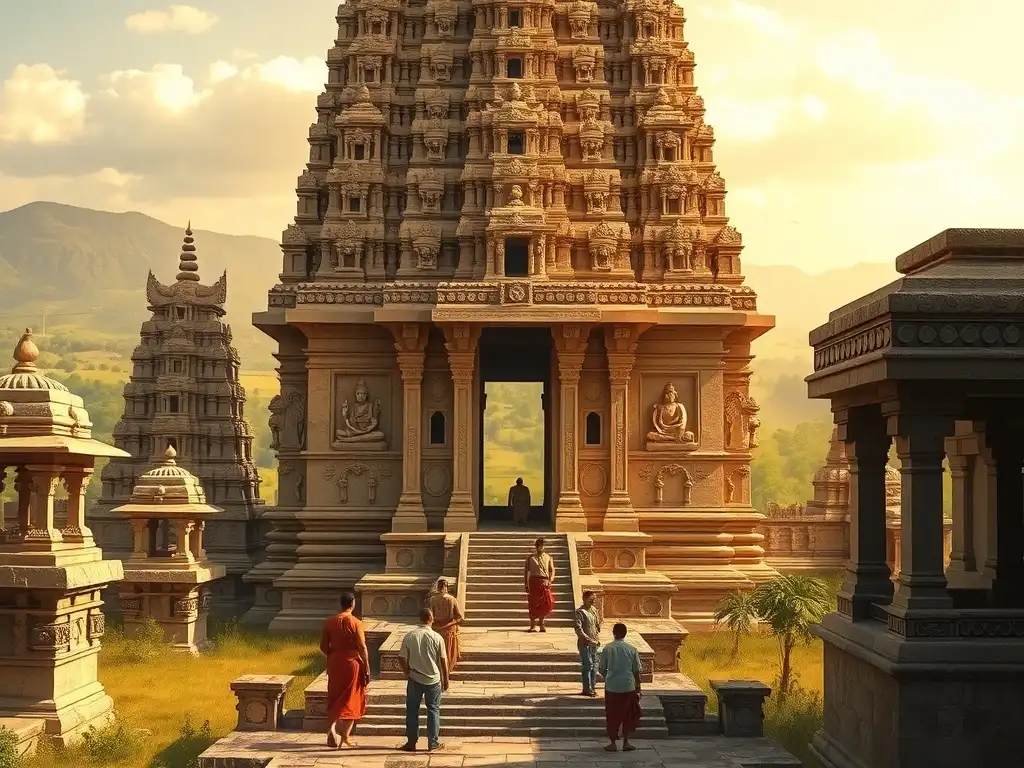
Conservation Efforts for Historical Temples
The conservation of Dravidian temple architecture is crucial for preserving the rich cultural heritage of South India. Various organizations, both governmental and non-governmental, have initiated efforts to restore and maintain these historical structures. Here are some key aspects of these conservation efforts:
- Government Initiatives: The Archaeological Survey of India (ASI) plays a pivotal role in the conservation of ancient temples. The ASI has undertaken numerous restoration projects, including:
- Documentation: Comprehensive surveys and documentation of temple architecture, inscriptions, and sculptures.
- Restoration Projects: Focused efforts on specific temples like the Brihadeeswarar Temple in Thanjavur, which underwent extensive restoration to preserve its original grandeur.
- Community Involvement: Local communities often participate in preservation efforts. Many temples have their own trusts that manage maintenance and restoration. Community involvement ensures that local knowledge and practices are integrated into conservation strategies.
- Educational Programs: Awareness campaigns and educational programs aim to highlight the importance of Dravidian temple architecture. Workshops and seminars are conducted to engage students, architects, and the general public in understanding conservation techniques.
- International Collaborations: Collaborations with international heritage organizations have brought in expertise and resources for conservation. Programs funded by UNESCO, for instance, focus on training local craftsmen in traditional techniques to ensure that restoration adheres to historical accuracy.
Modern Threats to Dravidian Architectural Heritage
Despite efforts to preserve Dravidian temple architecture, several modern threats pose significant challenges:
- Urbanization: Rapid urban development often encroaches upon historical sites. Many temples are at risk due to construction projects that disregard their cultural significance. The expansion of cities leads to:
- Infrastructure Development: Roads and buildings constructed near temples can disrupt their structural integrity and visual aesthetics.
- Pollution: Increased pollution from urban areas can cause deterioration of stone and carvings.
- Tourism Pressure: While tourism can benefit conservation efforts financially, excessive foot traffic can lead to wear and tear. Key issues include:
- Vandalism: Some visitors may engage in vandalism, either intentionally or unintentionally, damaging intricate sculptures and carvings.
- Littering: The influx of tourists can result in litter and waste, which not only affects the temple's environment but also its sanctity.
- Climate Change: Environmental factors such as rising temperatures and erratic rainfall patterns pose a threat to the structural integrity of these ancient temples. The implications include:
- Erosion: Increased rainfall can lead to erosion of stone materials, weakening the foundations of temples.
- Humidity: High humidity levels can damage stone carvings and lead to the growth of moss and fungi.
- Neglect and Mismanagement: In some cases, neglect and mismanagement by authorities can lead to the deterioration of temples. Issues include:
- Lack of Funding: Insufficient financial support for maintenance can hinder preservation efforts.
- Inadequate Policies: Weak policies regarding heritage conservation can result in the loss of historical significance.
By addressing these challenges through proactive measures, stakeholders can work toward preserving the legacy of Dravidian temple architecture for future generations.
Conclusion: The Legacy of Dravidian Temple Architecture
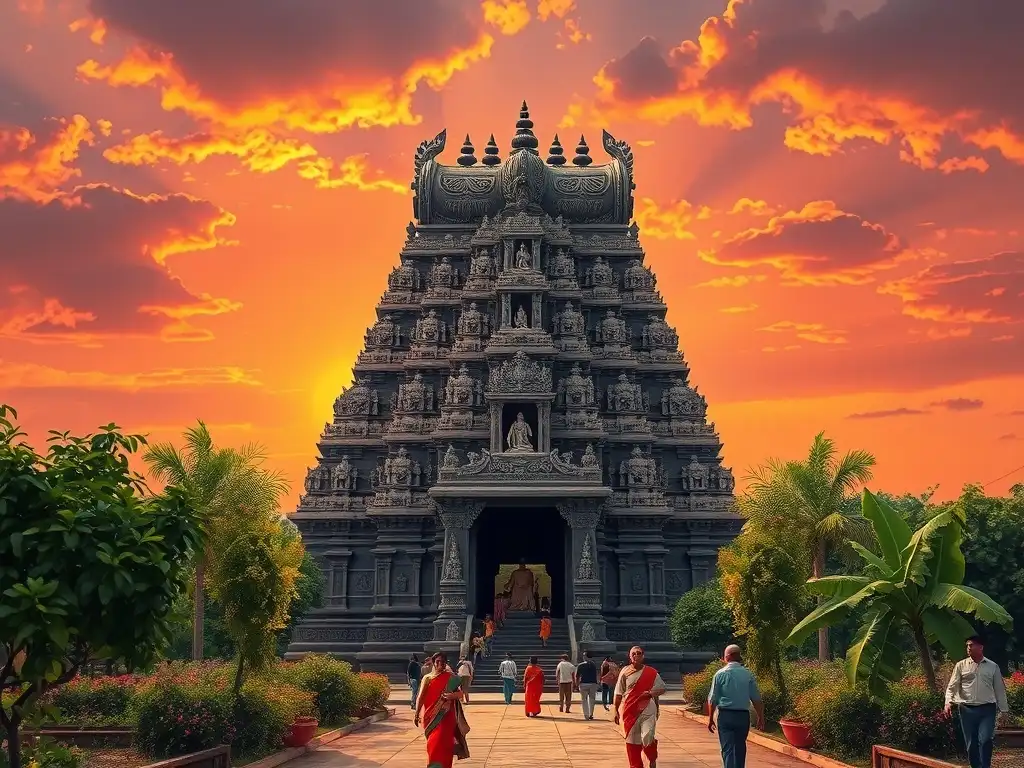
Dravidian temple architecture stands as a monumental testament to the artistic and cultural prowess of ancient Indian civilizations. With its distinctive style, which flourished predominantly in South India from the 7th century onwards, Dravidian architecture represents a blend of spirituality, artistry, and local craftsmanship. The intricate designs, towering gopurams (gateway towers), and vast courtyards not only served religious purposes but also acted as centers of community life.
The enduring legacy of Dravidian temple architecture is evident today in the continued reverence for these structures, which are not merely relics of the past but living embodiments of cultural identity. Temples like the Brihadeeswarar Temple in Thanjavur and the Meenakshi Temple in Madurai showcase the sophisticated engineering and artistic achievements, reflecting the socio-political dynamics of their times. Their preservation and the rituals performed within them continue to inspire not only devotion but also scholarly interest in understanding the broader implications of Dravidian temple architecture on society.
Reflection on the Impact of Dravidian Architecture on Modern India
The influence of Dravidian temple architecture extends far beyond its immediate historical context. Today, it plays a pivotal role in shaping the cultural landscape of modern India. The architectural principles derived from these ancient structures have influenced contemporary temple designs, preserving traditional aesthetics while accommodating modern requirements.
In addition to the architectural impact, Dravidian temples have become vital cultural hubs, fostering a sense of community and continuity. Festivals, rituals, and cultural events held at these temples draw thousands, reinforcing their significance as centers of social cohesion.
Moreover, the aesthetic and spiritual philosophies embedded in Dravidian architecture inform modern architectural practices, emphasizing harmony with nature, intricate detailing, and community spaces. This legacy is reflected in various aspects of modern Indian architecture, where designers strive to integrate traditional elements into contemporary frameworks, ensuring that the spirit of Dravidian temple architecture continues to resonate.
Future of Dravidian Temples and Their Cultural Relevance
The future of Dravidian temples hinges on their ability to adapt to changing societal dynamics while maintaining their historical integrity. As urbanization and modernization accelerate, efforts are being made to preserve these ancient structures, recognizing their cultural and historical significance. Restoration projects, educational programs, and community engagement initiatives are vital in ensuring that these temples remain relevant in contemporary society.
Furthermore, the role of technology in preservation cannot be underestimated. Digital documentation and virtual tours are emerging as innovative ways to celebrate and share the grandeur of Dravidian temples with a global audience. This not only enhances awareness but also promotes tourism, further embedding these temples in the cultural fabric of modern India.
Ultimately, the cultural relevance of Dravidian temples is likely to endure, as they continue to serve as a source of inspiration and identity for future generations. Their architectural brilliance and historical narratives provide an invaluable connection to India's rich heritage, fostering pride and appreciation among all who encounter them. As custodians of this legacy, it is imperative to ensure that the stories of these magnificent structures are preserved and celebrated for years to come.
References
In the study of Dravidian temple architecture history, numerous scholarly works and archaeological findings have provided invaluable insights into the evolution and significance of these architectural marvels. This section includes key references that are essential for a deeper understanding of the subject.
Suggested Readings on Dravidian Architecture History
-
"The Temples of South India: A Cultural History" by Dr. R. Nagaswamy
This comprehensive text delves into the cultural and historical contexts of South Indian temples, illustrating how Dravidian architecture evolved over centuries.
-
"Dravidian Architecture: A Historical Perspective" by S. Rajagopalan
Rajagopalan's work provides a detailed analysis of the architectural styles, materials, and techniques used in Dravidian temples from the early Chola to the late Vijayanagara periods.
-
"Sacred Architecture of the South: The Temples of Tamil Nadu" by E. K. S. Pillai
An exploration of the spiritual and artistic significance of Tamil Nadu temples, highlighting the unique features of Dravidian architecture.
-
"The Art and Architecture of India: Buddhist, Hindu, Jain" by Benjamin Rowland
This book discusses the broader context of Indian architecture, with specific focus on the Dravidian style and its contributions to the architectural landscape of India.
-
"Temple Architecture of the Tamil Country" by K. V. Raman
Raman’s research outlines the distinct characteristics of temple architecture in the Tamil region, emphasizing the historical development of Dravidian temples.
Important Archaeological Studies and Findings
-
Excavations at Mahabalipuram
Archaeological studies at Mahabalipuram have uncovered several rock-cut temples, which are key examples of early Dravidian architecture, dating back to the 7th century. These findings have provided insights into the artistic techniques and religious practices of the time.
-
The Brihadeeswarar Temple at Thanjavur
Excavations and studies around the Brihadeeswarar Temple, built during the reign of Rajaraja Chola I, have highlighted its architectural innovation and historical significance. The temple is renowned for its massive vimana (tower), intricate sculptures, and vast courtyard.
-
The Airavatesvara Temple at Darasuram
This temple, another Chola masterpiece, showcases the advancement of Dravidian architecture through its complex layout and exquisite stone carvings. Archaeological findings suggest its construction was completed in the 12th century, reflecting the zenith of Chola architectural achievements.
-
The Kakatiya Temples of Warangal
Studies of the Kakatiya dynasty's architectural contributions reveal a blend of Dravidian and local styles, particularly in the intricate detailing of stone carvings and the use of ornate pillars in temples like the Thousand Pillar Temple.
These references and archaeological studies not only underline the Dravidian temple architecture history but also emphasize the cultural and spiritual narratives embedded within these ancient structures.
Frequently Asked Questions
What is Dravidian temple architecture?
Dravidian temple architecture refers to the distinct architectural style developed in South India, characterized by towering gopurams, intricate carvings, and a focus on ritualistic spaces within temples.
How did Dravidian temple architecture evolve over time?
The evolution of Dravidian temple architecture reflects the cultural and religious influences of different dynasties, leading to the emergence of various regional styles that showcase both continuity and innovation.
What are some famous examples of Dravidian temples?
Notable examples include the Brihadeeswarar Temple in Thanjavur and the Meenakshi Temple in Madurai, both renowned for their magnificent sculptures and grand scale, representing the zenith of Dravidian architecture.
How does Dravidian temple architecture differ from other styles?
Dravidian architecture is distinct from Nagara and Vesara styles primarily in its structural elements, such as the shikhara (tower) and gopurams, which are typically more elaborate and are a hallmark of South Indian temples.
What role did religion play in the development of Dravidian temples?
Religion was a driving force behind the construction of Dravidian temples, as they served as centers of worship, community gathering, and were often built to honor deities, reflecting the deep spiritual beliefs of the time.
Final Reflection: The Enduring Legacy of Dravidian Temple Architecture
The intricate beauty and historical significance of Dravidian temple architecture continue to resonate in today's cultural landscape. As we explore the temples of South India, we uncover not just architectural marvels but also a profound connection to our heritage that shapes our identity. The artistry and engineering of these structures serve as a reminder of the ingenuity of our ancestors and their unwavering devotion, making them timeless symbols of spirituality and community.
The influence of Dravidian temple architecture extends far beyond mere aesthetics; it has woven itself into the fabric of our social and cultural identity. These temples are not just places of worship; they are vibrant centers of community life, festivals, and traditions that have persisted through centuries. As the renowned historian K. A. Nilakanta Sastri once stated, The Dravidian temples are not merely monuments of stone; they are living expressions of the faith and culture of the people.
This ongoing relevance highlights the importance of preserving and celebrating these architectural wonders as they continue to inspire generations.
As you reflect on the grandeur of these temples, consider how their history and artistry can influence your own life. Take a moment to appreciate the intricate details in your surroundings, whether in architecture, art, or community. Let the legacy of Dravidian temple architecture inspire you to explore your roots, engage with your culture, and contribute to the preservation of our shared heritage. Embrace the lessons of resilience, creativity, and devotion that these temples embody, and carry them forward into the future.
Unveil the Wonders of Dravidian Architecture Today!
Thank you for exploring the rich world of South India's temples with us! We hope you're inspired by the stunning craftsmanship and cultural heritage that exemplifies Dravidian architectural styles. Now, it's time to deepen your connection and take action!
- Visit a local temple or architectural site to appreciate the intricacy of Dravidian designs firsthand.
- Join an online community of architecture enthusiasts to share your discoveries and learn from others.
- Organize a photographic journey to capture the beauty of these temples, showcasing their unique features on social media.
What fascinating stories do you think the ancient architects would tell us about their masterpieces? We invite you to share your thoughts in the comments below!