
The Role of Technology in Shaping Ancient Indian Warfare

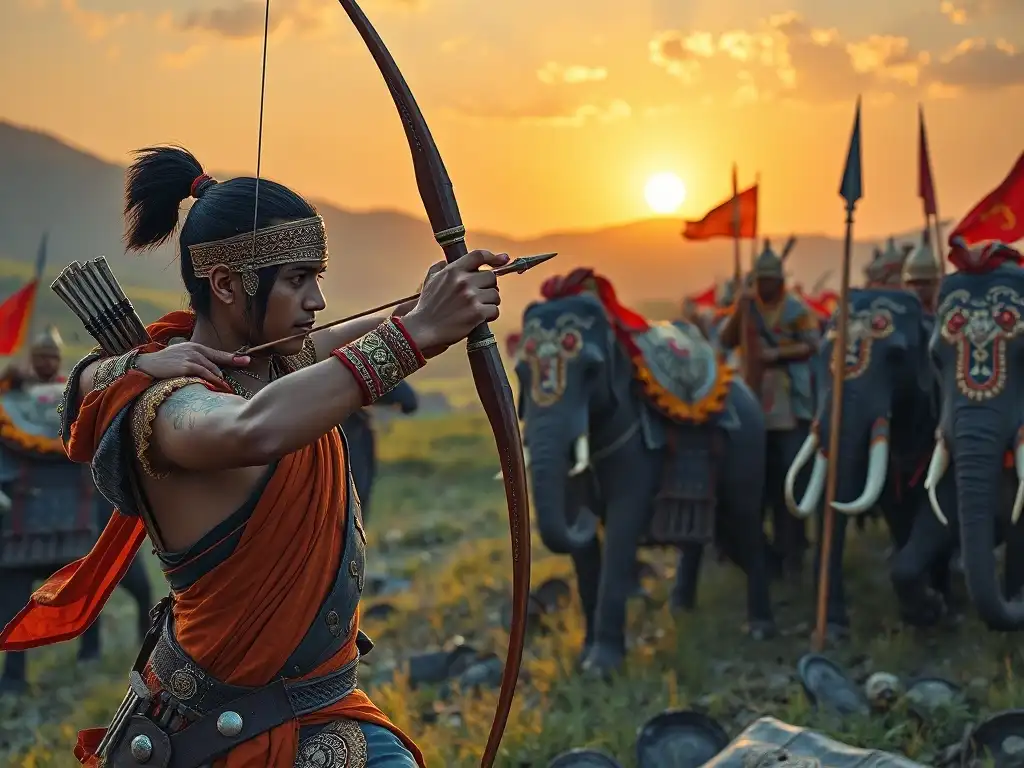
Welcome to Ancient India History, where we embark on a fascinating journey through the vibrant tapestry of India's past. Here, we delve into the rich and diverse history, culture, and contributions of ancient Indian civilizations, from the majestic Indus Valley to the illustrious Gupta Empire. In our featured article, "The Role of Technology in Shaping Ancient Indian Warfare," discover how innovative advancements transformed the landscape of ancient Indian warfare technology. Prepare to be captivated by the ingenuity and strategic brilliance that defined an era, and let your curiosity lead you deeper into the stories that shaped a civilization.
- Introduction to Ancient Indian Warfare Technology
- Historical Context of Ancient Indian Warfare
- Types of Ancient Indian Warfare Technology
- Innovations in Warfare Technology
- Cultural Influences on Warfare Technology
- Case Studies of Significant Battles
- The Decline of Ancient Indian Warfare Technology
- Conclusion
-
Frequently Asked Questions
- What were the primary technologies used in ancient Indian warfare?
- How did the geography of India influence warfare technology?
- What role did metallurgy play in ancient Indian warfare?
- How did ancient Indian warfare technology compare to that of other civilizations?
- Can you name significant battles that showcased ancient Indian warfare technology?
- Final Reflection: The Enduring Legacy of Ancient Indian Warfare Technology
- Unleash the Power of History: Dive Deeper Into Ancient Indian Warfare!
Introduction to Ancient Indian Warfare Technology
The evolution of warfare in ancient India is a fascinating narrative that intertwines innovative technology with the rich tapestry of its diverse civilizations. From the early conflicts of the Indus Valley civilization to the sophisticated military strategies of the Gupta Empire, ancient Indian warfare technology played a pivotal role in shaping the outcomes of battles and the fate of empires.
This article delves into the various technological advancements that influenced military tactics, weaponry, and fortifications, highlighting how these innovations not only impacted warfare but also contributed to the cultural and political landscape of ancient India. Understanding the significance of these technologies provides insight into the complexities of ancient Indian warfare and its lasting legacy on military history.
Overview of Warfare in Ancient India
Warfare in ancient India was characterized by a combination of strategic ingenuity and the utilization of advanced technology. The early records, such as the Vedas and epics like the Mahabharata and Ramayana, reveal a society that valued martial prowess and honor. Key elements of ancient Indian warfare included:
- Types of Armies: Ancient Indian armies were typically composed of infantry, cavalry, and war elephants. Each unit played a crucial role on the battlefield.
- Weapons and Armor: Warriors utilized a variety of weapons, such as bows and arrows, swords, spears, and shields. The development of metallurgy in India led to stronger and more effective weaponry.
- Tactics and Strategies: Military leaders employed various tactics, including ambush, siege warfare, and open-field battles. The strategic placement of troops was vital for success.
The significance of these aspects cannot be understated, as they laid the foundation for the military practices that would evolve over centuries.
Importance of Technology in Warfare
The role of technology in ancient Indian warfare was not merely about weaponry; it encompassed a range of innovations that transformed how battles were fought and won. Key areas where technology played an influential role include:
- Weaponry Development: The advancement in metallurgy led to the creation of superior weapons. Techniques such as forging and alloying resulted in stronger swords and arrows, enhancing combat effectiveness.
- Siege Engines and Fortifications: Innovations in engineering allowed for the construction of formidable fortifications and siege engines, which changed the dynamics of warfare. Cities like Mathura and Pataliputra were known for their strong defensive structures.
- Communication and Logistics: The use of signals, such as flags and drums, facilitated better coordination among troops, while advancements in logistics ensured the efficient supply of resources during campaigns.
The integration of technology in ancient Indian warfare not only revolutionized combat but also reflected the ingenuity and resourcefulness of its civilizations. As we explore these facets further, we gain a deeper appreciation for the complex interplay between technology and military history in ancient India.
Historical Context of Ancient Indian Warfare
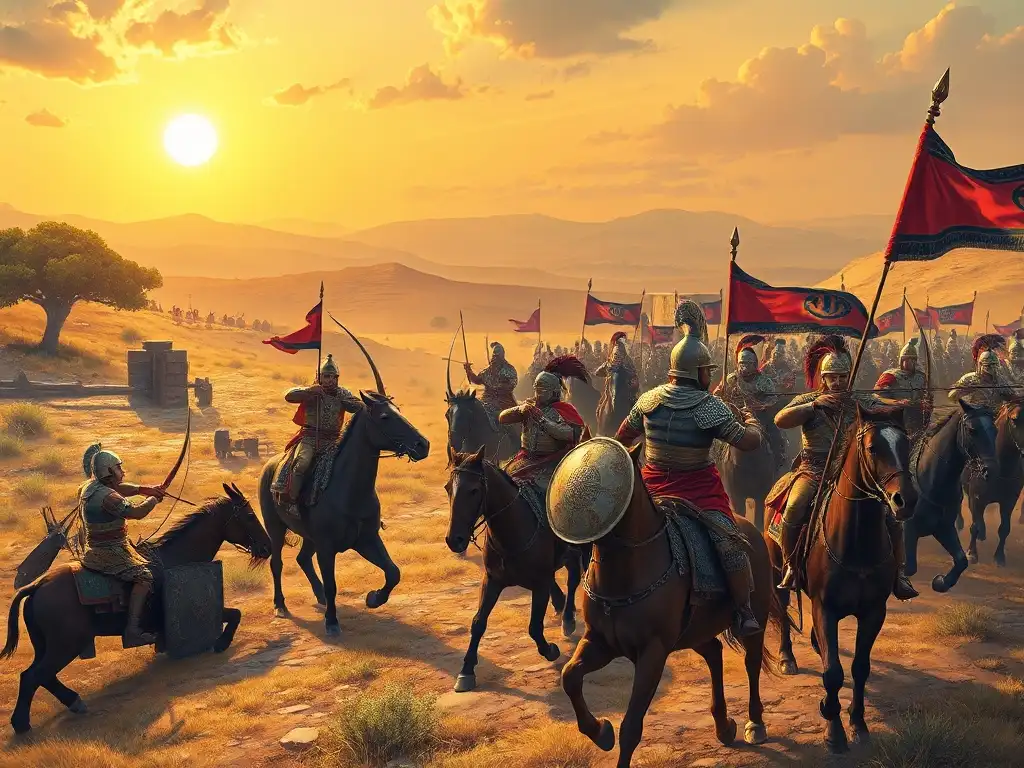
Ancient Indian warfare was shaped by a confluence of various factors including geography, culture, and technology. The diverse landscape of India, ranging from the formidable Himalayas in the north to the vast deserts in the west, provided unique challenges and opportunities for warfare. This geographical diversity influenced the tactics, strategies, and technologies employed by ancient Indian armies.
The Evolution of Warfare Techniques
The evolution of warfare techniques in ancient India can be categorized into several distinct phases, each marked by significant advancements in technology and strategy.
- Prehistoric Period: Early combatants relied on basic weapons such as stone tools and wooden clubs. The discovery of metallurgy introduced bronze and later iron weapons, enhancing the lethality and effectiveness of infantry.
- Indus Valley Civilization (c. 3300–1300 BCE): Evidence suggests that the inhabitants of the Indus Valley employed fortified cities and standardized weights, which may have facilitated organized warfare. The use of chariots, although not extensively documented, is believed to have emerged during this time.
- Vedic Period (c. 1500–500 BCE): The introduction of the bow and arrow became prominent, with archery evolving into a key military skill. The Mahabharata and Ramayana epics highlight the significance of chariots and cavalry in battles, reflecting a more sophisticated approach to warfare.
- Maurya Empire (c. 322–185 BCE): This period witnessed the rise of large-scale armies and the use of war elephants, which played a crucial role in battles. The Mauryan military technology included advanced siege techniques and fortifications, which were instrumental in expanding their empire.
- Gupta Empire (c. 240–550 CE): The Gupta period is often referred to as a golden age of ancient Indian warfare technology. Innovations such as the development of the kshatriya caste system led to professional soldiers, while advancements in metallurgy improved weapon quality. The use of crossbows and more sophisticated strategies during combat marked this era.
Major Battles and Their Technological Aspects
Several major battles throughout ancient Indian history exemplify the impact of technology on warfare. Here are a few notable examples:
- Battle of the Hydaspes (326 BCE):
- Context: Fought between Alexander the Great and King Porus, this battle showcased the effective use of war elephants by the Indian forces.
- Technological Aspects: The Indian army's use of war elephants created a psychological advantage and disrupted the formations of Alexander's troops.
- Battle of Kalinga (261 BCE):
- Context: Emperor Ashoka's brutal campaign against the Kalinga kingdom led to significant changes in his governance philosophy.
- Technological Aspects: The Mauryan army utilized advanced siege techniques, including the use of wooden towers and battering rams, to breach Kalinga's fortified cities.
- Battle of Gupta vs. Huna (c. 510 CE):
- Context: The Guptas faced invasions from the Huna tribes, leading to a series of conflicts.
- Technological Aspects: The Gupta forces employed superior metallurgy in weapons and armor, coupled with effective cavalry tactics, which ultimately led to their victory despite being outnumbered.
The trajectory of ancient Indian warfare technology reflects a dynamic interaction between innovation, strategy, and cultural influences. The advancements in technology not only shaped military outcomes but also influenced the broader socio-political landscape of ancient India. Understanding these elements provides valuable insights into the complexities of ancient Indian warfare.
Types of Ancient Indian Warfare Technology
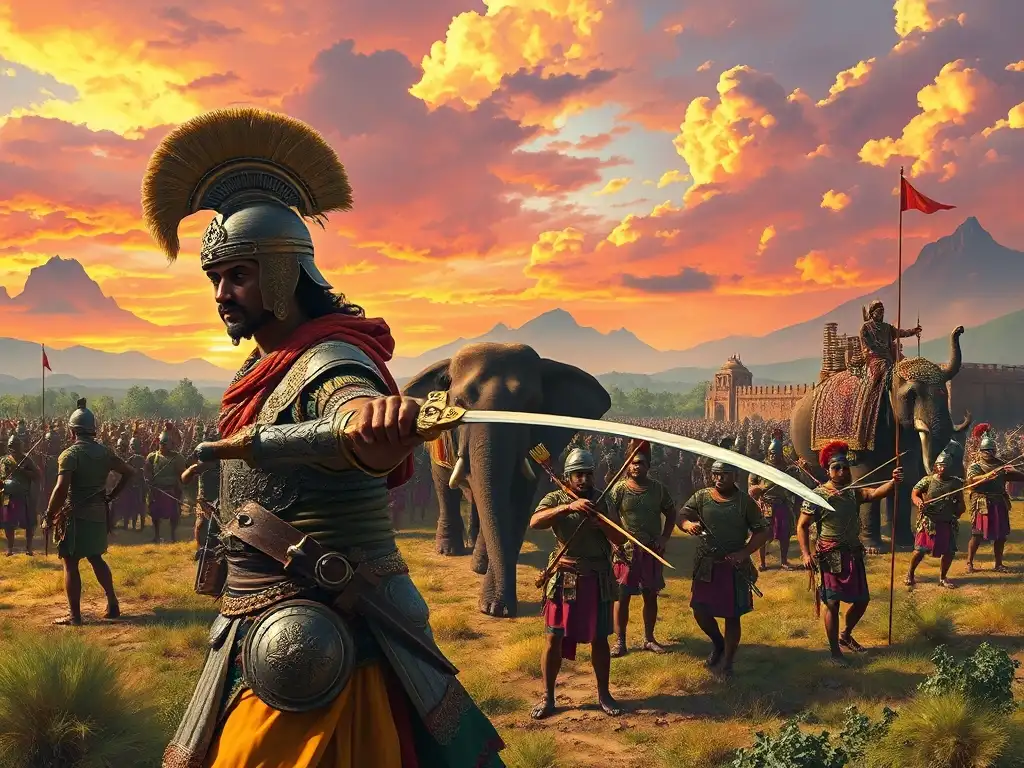
Ancient Indian warfare was marked by a variety of technologies that evolved over centuries, reflecting the region's rich cultural heritage and the strategic necessities of its various kingdoms. This technological evolution encompassed a range of weapons, defense mechanisms, and tactical innovations that played crucial roles in shaping the outcomes of battles and the dynamics of warfare. Below, we delve into the specific types of warfare technology that defined ancient Indian military practices.
Weapons Used in Ancient Indian Battles
Weapons formed the backbone of ancient Indian warfare technology, with craftsmanship and innovation driving their development. Two primary categories of weapons emerged: close combat weapons and projectile weapons.
Swords and Blades: The Khanda and Other Weapons
The Khanda was one of the most iconic swords in ancient Indian warfare, characterized by its broad, double-edged blade and distinctive hilt. It was not only a weapon but also a symbol of status and valor among warriors. The Khanda's design allowed for both slashing and thrusting, making it effective in close combat scenarios.
- Other Notable Swords:
- Talwar: A curved sword that was popular among cavalry.
- Dagger (Kris): Often used in hand-to-hand combat, featuring a wavy blade for effective thrusting.
Each of these weapons was crafted with materials such as steel, which was advanced for its time, and often adorned with intricate designs that reflected the warrior class's status and the cultural aesthetics of the period.
Projectile Weapons: Bows, Arrows, and Catapults
Projectile weaponry played a critical role in ancient Indian battles, allowing armies to engage enemies from a distance.
- Bows and Arrows:
- The longbow was a staple in ancient Indian warfare, known for its range and power. Archers were essential in battlefield formations, able to deliver rapid volleys of arrows that could disrupt enemy formations.
- Arrowheads were often made of iron or bronze, designed for maximum penetration and effectiveness.
- Catapults:
- Ancient Indians also utilized catapults (known as bālūka), which were employed to hurl large stones or incendiary devices. These machines allowed for siege warfare, where attackers could bombard fortifications from a distance.
The combination of these projectile weapons with the skills of archers and engineers demonstrated the sophistication of ancient Indian warfare technology.
Defense Mechanisms in Ancient Indian Warfare
Alongside offensive technologies, defensive strategies were equally vital in ancient Indian warfare. These included fortifications, armor, and shields that protected warriors and fortified cities.
Fortifications and City Defenses
Ancient Indian cities often featured complex defense systems, including:
- Walls and Moats: Thick stone walls, sometimes reinforced with mud and brick, surrounded many cities. Moats filled with water provided an additional layer of defense against attackers.
- Gates and Watchtowers: Strategically placed gates and watchtowers allowed for controlled access and surveillance of potential threats. Towers were often manned by archers and sentinels to provide early warning of enemy movements.
These fortifications not only served military purposes but also reflected the architectural ingenuity of ancient Indian civilizations, with cities like Pataliputra and Dholavira showcasing advanced urban planning and defense mechanisms.
Armor and Shields Used by Warriors
Warriors in ancient India donned various types of armor and shields to protect themselves in combat.
- Armor Types:
- Chainmail and Plate Armor: Crafted from interlinked metal rings or solid plates, these forms of armor provided substantial protection while allowing mobility.
- Leather Armor: Often used by foot soldiers, leather armor was lighter and more flexible, offering a balance between protection and agility.
- Shields:
- Typically made from wood or metal, shields came in various shapes and sizes. The kavacha, a circular shield, was commonly used, offering solid protection against slashing attacks.
The combination of these defensive technologies allowed ancient Indian warriors to withstand prolonged engagements and protected them from the increasingly sophisticated weaponry of their adversaries.
Ancient Indian warfare technology was multifaceted, encompassing a wide range of weapons and defensive measures that reflected the ingenuity and resourcefulness of its civilizations. The innovations in warfare technology not only impacted military outcomes but also influenced the social and cultural landscapes of ancient India.
Innovations in Warfare Technology
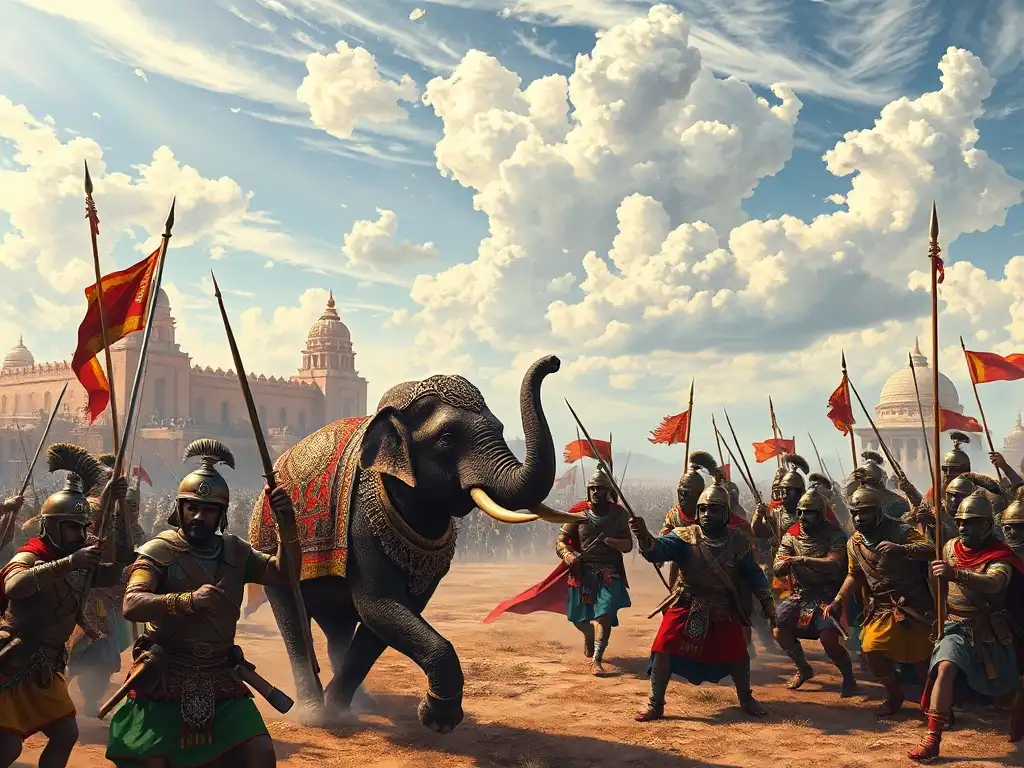
Ancient Indian warfare technology was characterized by a series of innovations that significantly altered the landscape of battle. From advanced weaponry to strategic formations, the technological advancements during various periods played a crucial role in enhancing military effectiveness. This section explores some of the key technological innovations that shaped the ancient Indian military.
The Role of Chariots in Ancient Indian Warfare
Chariots were a defining feature of ancient Indian warfare, particularly during the Vedic period and into the Mauryan Empire. These two-wheeled vehicles, typically drawn by horses, were not only a means of transport but also served as platforms for archers and spearmen during combat.
- Design and Construction
- Chariots were constructed with a focus on speed and maneuverability. They often featured lightweight materials such as wood and leather.
- The wheels were crafted with spokes, reducing weight while maintaining strength, allowing for rapid movement across diverse terrains.
- Tactical Advantages
- Chariots provided a height advantage, enabling warriors to shoot arrows effectively from an elevated position.
- They allowed for quick hit-and-run tactics, facilitating rapid retreats or advances, which were crucial in battles where formations could quickly become chaotic.
- Symbol of Status
- Beyond their practical use, chariots were also a symbol of wealth and power. Kings and noble warriors often showcased their chariots in battle, enhancing their prestige.
The Impact of Elephants in Combat Strategies
War elephants were another significant technological innovation in ancient Indian warfare. These massive creatures were not merely beasts of burden but were trained for combat, providing a unique advantage on the battlefield.
- Psychological Warfare
- The sight and sound of war elephants could instill fear in enemy troops, often leading to panic and disarray.
- Their sheer size made them formidable opponents, capable of trampling infantry and disrupting cavalry formations.
- Tactical Roles
- Elephants were used to charge enemy lines, break formations, and create openings for infantry and archers.
- They often carried armed warriors, who could launch attacks from a height, enhancing the effectiveness of the assault.
- Logistics and Support
- Elephants were also employed for logistical purposes, transporting supplies and equipment across difficult terrains, which was crucial during prolonged campaigns.
Naval technology in ancient India was pivotal for controlling trade routes and engaging in maritime warfare. The advancement of shipbuilding techniques allowed Indian civilizations to extend their military reach beyond land.
- Ship Design and Construction
- Ancient Indian ships were constructed using robust wood and featured multiple sails, enabling them to navigate through varied sea conditions.
- The use of oars alongside sails provided versatility in maneuvering, crucial during naval battles.
- Strategic Importance
- Control of coastal regions and trade routes was vital for economic stability and military strength. Navies were often deployed to protect merchant ships from pirates and rival states.
- Historical accounts suggest that rulers like Chandragupta Maurya and Ashoka maintained formidable naval fleets to assert dominance over the Indian Ocean.
- Engagements and Naval Tactics
- Naval battles involved tactics such as boarding enemy ships, using flaming arrows, and employing grappling hooks to secure enemy vessels.
- The ability to launch attacks from the sea allowed for surprise assaults on coastal cities, significantly influencing warfare strategies of the time.
Ancient Indian warfare technology encapsulated a range of innovations that not only enhanced military effectiveness but also influenced the broader socio-political landscape of the time. By understanding these technological advancements, we gain insight into the sophisticated military strategies employed by ancient Indian civilizations.
Cultural Influences on Warfare Technology
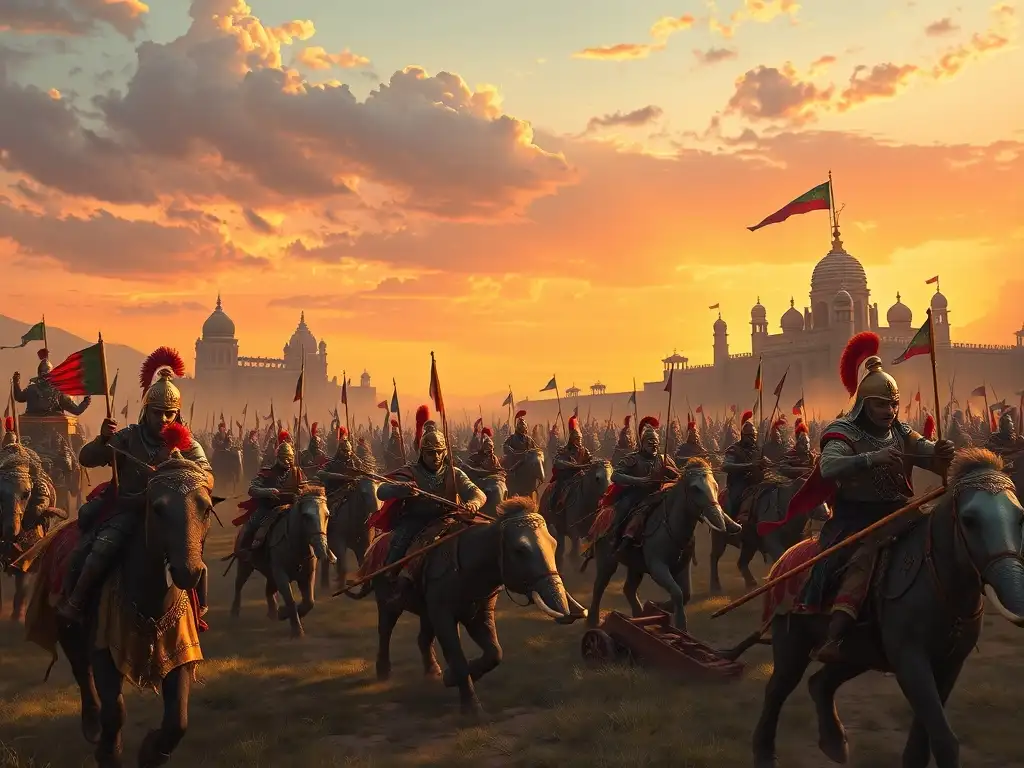
Ancient Indian warfare technology was significantly shaped by the cultural milieu, which included religion, philosophy, literature, and artistic expressions. These elements not only influenced the development of military tools and strategies but also dictated how warfare was perceived and executed across different periods in ancient India.
The Influence of Religion and Philosophy
Religion and philosophy played a crucial role in shaping the ideologies surrounding warfare in ancient India. The epic texts, particularly the Mahabharata and the Ramayana, are rich with references to the moral and ethical dimensions of battle.
- Dharma (Righteousness): The concept of Dharma dictated that warriors must fight for righteousness, which influenced the development of rules and conduct in warfare. This ethical framework led to the establishment of codes of warfare, ensuring that conflicts were fought with honor and integrity.
- Spiritual Warfare: The belief in divine sanctioning of battles is evident in texts like the Bhagavad Gita, where Lord Krishna imparts wisdom to Arjuna on the battlefield. Such philosophical teachings emphasized the idea that warfare could be a path to spiritual liberation, thus altering the motivations behind military actions.
These religious philosophies fostered a unique approach to warfare technology, where weapons and strategies were often imbued with symbolic significance, reflecting the spiritual beliefs of the time.
Literature and Texts on Warfare Strategies
Ancient Indian literature is replete with treatises on warfare that provide insights into the technological advancements of the time. Notable texts include:
- Arthashastra by Kautilya (Chanakya): This ancient Indian treatise outlines various aspects of statecraft, including military strategy. Kautilya emphasized the importance of espionage, fortifications, and the use of technology in warfare. The text also discusses the role of artillery and the importance of training and discipline in troops, showcasing a sophisticated understanding of military science.
- Mahabharata: Beyond its narrative, this epic is a treasure trove of strategic insights. The Bhagavad Gita, a part of the Mahabharata, articulates the importance of strategy, tactics, and the use of advanced weaponry, such as chariots and bows.
These texts not only document the technology used in warfare but also reflect the evolution of military thought, influencing subsequent generations of military leaders and strategists.
Art and Iconography Reflecting Warfare Technology
Art and iconography from ancient India provide a rich visual narrative of warfare technology and its cultural significance. The depiction of battles in sculptures, paintings, and reliefs serves as a historical record of the weapons and techniques used.
- Sculptural Reliefs: Temples and monuments often feature intricate carvings of battles, showcasing the armor, weapons, and war chariots of ancient warriors. For instance, the reliefs at the Sun Temple in Konark depict scenes of chariot warfare, illustrating the technological prowess of the time.
- Paintings and Manuscripts: Miniature paintings from the medieval period, influenced by earlier traditions, often depicted military campaigns with detailed representations of soldiers, weaponry, and battle formations. These artworks not only serve as historical documents but also highlight the cultural reverence for martial prowess and technology.
These artistic expressions reflect not only the technological aspects of warfare but also the societal values and narratives surrounding conflict, further enriching our understanding of ancient Indian warfare technology.
Case Studies of Significant Battles
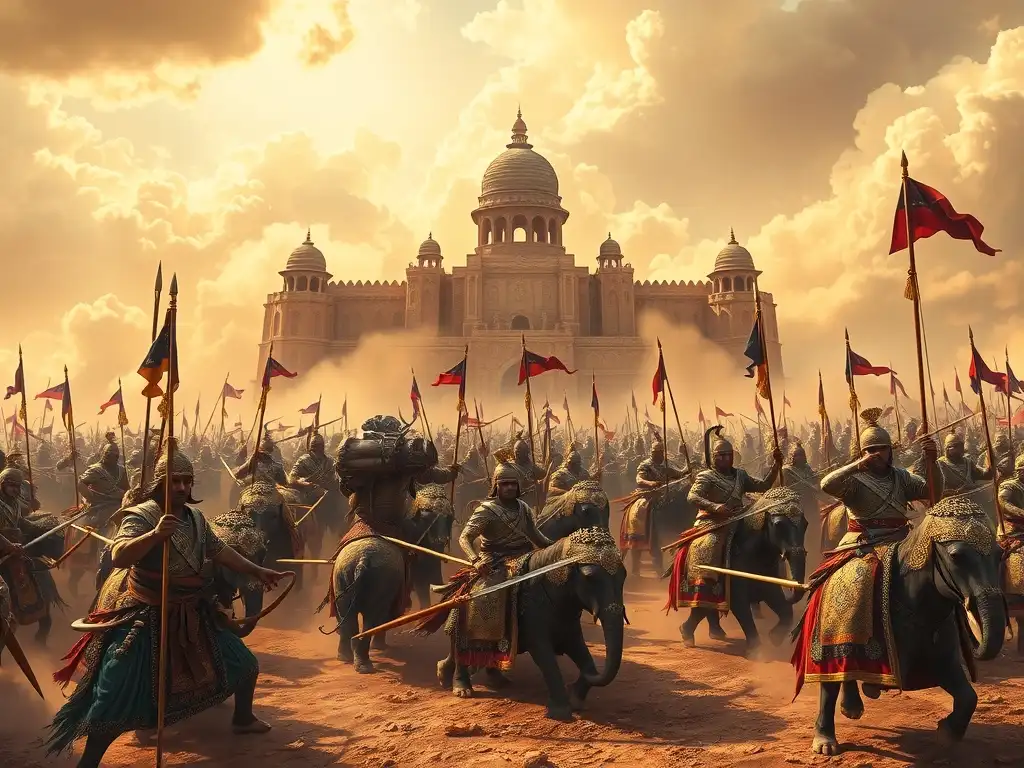
Exploring significant battles in ancient Indian history reveals how technology played a pivotal role in shaping warfare. From advanced weaponry to strategic innovations, these case studies highlight how ancient Indian warfare technology influenced outcomes and military tactics.
The Battle of Kurukshetra: Technological Insights
The Battle of Kurukshetra, as depicted in the Indian epic Mahabharata, is not only a tale of familial conflict but also a showcase of advanced warfare technology of its time. The battle, which involved two factions of a royal family, the Pandavas and the Kauravas, can be analyzed through various technological lenses:
-
Chariots and Horseback Warfare:
Chariots played a crucial role in the combat strategies employed during the battle. The use of fast-moving chariots allowed for quick maneuvers and surprise attacks. The warriors, known as Rathas, were skilled charioteers, and the technology behind these vehicles included:
- Lightweight construction for speed.
- Spoked wheels that enhanced mobility and reduced drag.
-
Archery and Long-range Weapons:
Archers were integral to the battle, with heroes like Arjuna showcasing exceptional skills. The bows used were sophisticated, often made from materials like bamboo and horn, allowing for a greater draw weight and range. Key features included:
- Composite bows that combined materials for strength and flexibility.
- Specialized arrows with unique tips, such as incendiary or armor-piercing designs.
-
Use of Elephants in Warfare:
War elephants were employed for both offensive and defensive strategies. These massive creatures instilled fear in the enemy and were used to charge through ranks. The technology behind their use involved:
- Armor plating for protection.
- Training methods that ensured control and effectiveness during battle.
Through analyzing these technological aspects, it becomes clear that the ancient Indian warfare technology significantly influenced the tactics and outcomes of the Battle of Kurukshetra. The integration of various elements, from mobility to ranged combat, illustrates the sophistication of military strategies in ancient India.
The Mauryan Empire's Military Innovations
The Mauryan Empire (322-185 BCE) is renowned not only for its political and cultural achievements but also for its remarkable advancements in military technology. Under the reign of Emperor Chandragupta Maurya and his grandson Ashoka, several innovations emerged that transformed ancient Indian warfare:
-
Standardized Weaponry:
The Mauryan military established a system for producing and distributing weapons, ensuring that soldiers were equipped with standardized tools. Innovations included:
- Iron swords and spears, which provided a stronger alternative to bronze weapons.
- Shields made from layered materials for enhanced protection against projectiles.
-
Fortifications and Siege Technology:
The construction of fortified cities was a hallmark of the Mauryan military strategy. Key features included:
- Moats and walls that provided defense against sieges.
- The development of siege engines, such as catapults and battering rams, which were instrumental in breaching enemy defenses.
-
Cavalry and War Elephants:
The Mauryan army placed significant emphasis on cavalry units and war elephants as critical components of their military force. Innovations included:
- Improved training techniques for cavalry to execute coordinated attacks.
- Specialized harnessing systems for war elephants, enhancing their effectiveness in battle scenarios.
-
Communication and Logistics:
The Mauryan Empire also excelled in military organization and logistics, which were vital for sustaining long campaigns. This involved:
- Signal systems, such as flags and drum beats, for relaying commands across the battlefield.
- An organized supply chain that ensured troops were well-fed and equipped.
The technological advancements during the Mauryan Empire reflect a sophisticated understanding of warfare, showcasing how ancient Indian warfare technology contributed to military dominance in the region. These innovations not only played a role in the empire's expansion but also influenced subsequent military practices in ancient India.
The Decline of Ancient Indian Warfare Technology
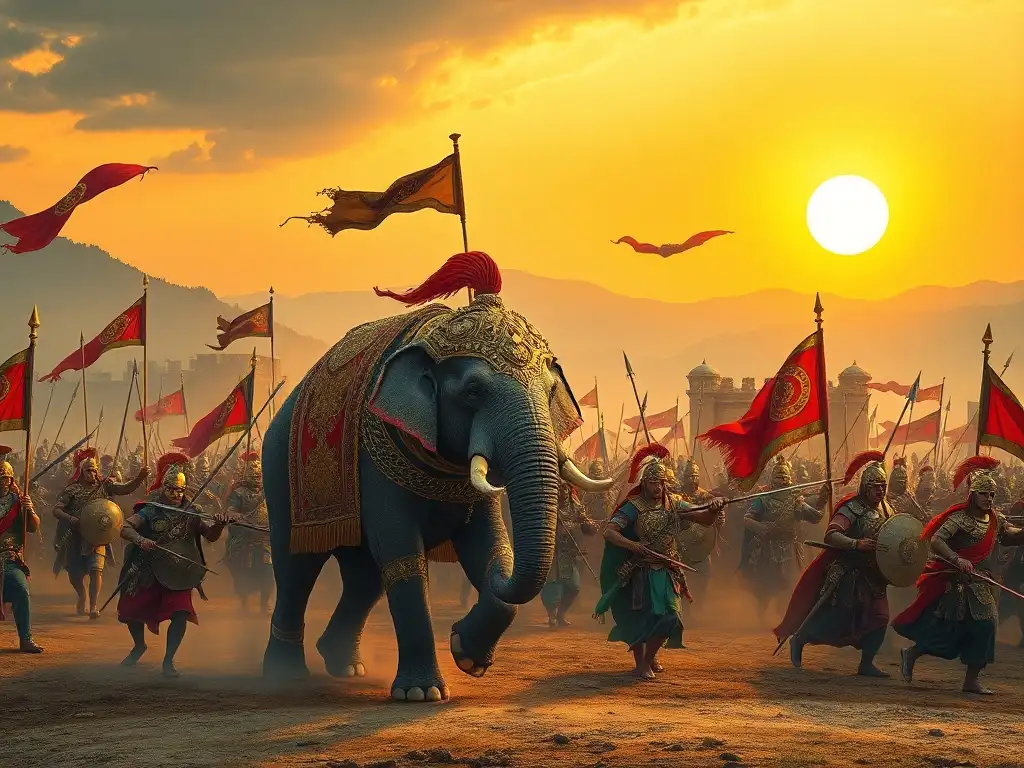
The decline of ancient Indian warfare technology is a multifaceted phenomenon that occurred over several centuries, reflecting shifts in political, economic, and social dynamics within the subcontinent. As the advancements that once characterized ancient Indian military innovations began to wane, several factors contributed to this technological stagnation, leading to a noticeable impact on warfare strategies and outcomes.
Factors Leading to Technological Stagnation
- Political Fragmentation
- The political landscape of ancient India saw a significant fragmentation during the post-Mauryan and early medieval periods. The rise of regional kingdoms and local rulers often led to a lack of centralized authority, which hindered the allocation of resources necessary for technological innovation.
- Frequent invasions and conflicts diverted attention and resources from developing new technologies to immediate military needs, causing a regression in warfare advancements.
- Economic Constraints
- The economic decline that followed the fall of major empires, such as the Maurya and Gupta Empires, impacted the military. Resources that were once available for research and development in warfare technology became scarce.
- Trade routes were disrupted, and the wealth that fueled innovation diminished, leading to less investment in military technologies.
- Cultural Shifts
- The influence of different cultures and the advent of new religious ideologies brought about changes in societal values. A growing emphasis on non-violence, particularly with the rise of Buddhism and Jainism, may have contributed to a decreased interest in enhancing military capabilities.
- Additionally, the introduction of new philosophies and governance models shifted focus from military prowess to diplomacy and administration, further stalling technological development.
- Stagnation of Knowledge Transfer
- The decline of key educational and scholarly institutions, such as the ancient universities of Nalanda and Takshashila, resulted in a loss of knowledge transfer regarding military technology.
- As scholars moved away from military studies, advancements in warfare technology that had been cultivated through centuries of experience began to fade.
- Resistance to Change
- Traditional methods of warfare became entrenched within the military practices of various kingdoms. This resistance to adopting new technologies limited the evolution of ancient Indian warfare.
- The adherence to traditional warfare strategies and equipment, such as chariots and infantry formations, stymied the introduction of innovative approaches that could have enhanced military efficiency.
Comparison with Contemporary Warfare Technologies
In contrast to the stagnation seen in ancient Indian warfare technology, contemporary warfare technologies have rapidly advanced, driven by both necessity and innovation. Here are some key differences:
| Aspect | Ancient Indian Warfare Technology | Contemporary Warfare Technologies |
|---|---|---|
| Materials Used | Primarily bronze and iron for weapons; wooden structures | Advanced alloys, composites, and smart materials |
| Weapons | Swords, bows, and chariots | Firearms, drones, missiles, and cyber warfare |
| Tactics | Rigid formations and direct combat | Asymmetrical warfare, guerrilla tactics, and strategic deception |
| Communication | Signals, drums, and messengers | Instant communication through satellites and the internet |
| Logistics | Relied on local resources and supply chains | Complex supply chains supported by technology and automation |
The stark contrast between ancient Indian warfare technology and contemporary advancements highlights the dynamic evolution of military strategies and tools. While ancient Indian warfare was characterized by a rich tapestry of innovations, its decline reflects broader societal changes and challenges. In contrast, the modern age has embraced technology as a vital component of warfare, enabling nations to enhance their military effectiveness and adapt to emerging threats.
Understanding these shifts not only provides insights into the past but also emphasizes the importance of continued innovation in the context of military history.
Conclusion
Summary of the Role of Technology in Ancient Indian Warfare
Ancient Indian warfare technology played a pivotal role in shaping military strategies and outcomes across various civilizations. From the formidable chariots of the Indus Valley Civilization to the sophisticated fortifications of later empires, technology evolved in tandem with the complexities of warfare. Key innovations included:
- Weaponry: The development of advanced weapons, such as the bow and arrow, swords, and spears, showcased the craftsmanship and tactical thinking of ancient Indian smiths.
- Chariots: These were not only vital for mobility but also served as platforms for archers, significantly enhancing combat effectiveness.
- Fortifications: Cities like Harappa and Mohenjo-Daro featured intricate defensive structures, indicating a strategic approach to urban warfare and territorial defense.
- Siege Technology: Techniques and tools for besieging enemy fortifications evolved, with the use of battering rams and catapults becoming prevalent in later periods, particularly during the Maurya and Gupta empires.
The amalgamation of these technological advancements not only determined the success of military campaigns but also influenced the socio-political landscape of ancient India, allowing certain kingdoms to flourish while others fell.
Legacy of Ancient Indian Warfare Technology in Modern Contexts
The legacy of ancient Indian warfare technology is not just confined to historical narratives; it continues to resonate in modern military practices and cultural representations. Key aspects of this legacy include:
- Cultural Influence: Many modern Indian martial arts, such as Kalaripayattu and Gatka, draw from ancient techniques, emphasizing the continuity of martial traditions.
- Military Doctrine: The strategic principles derived from ancient texts, like the Arthashastra by Kautilya, remain relevant in contemporary military strategy, focusing on intelligence, diplomacy, and psychological warfare.
- Architectural Techniques: The engineering prowess evident in ancient fortifications has influenced modern military architecture and urban planning, which often incorporate lessons learned from historical defensive strategies.
In essence, the innovations and tactics of ancient Indian warfare technology have left an indelible mark on both historical and contemporary military paradigms, showcasing a rich heritage that continues to inform and inspire. The study of these technologies not only enriches our understanding of ancient civilizations but also provides valuable insights into the evolution of warfare as a whole.
Frequently Asked Questions
What were the primary technologies used in ancient Indian warfare?
Ancient Indian warfare utilized various technologies such as chariots, elephants, and advanced archery techniques, which significantly enhanced their combat effectiveness.
How did the geography of India influence warfare technology?
The diverse geography of India, including its mountains and rivers, necessitated the development of specific tactics and technologies, allowing armies to adapt to different terrains and climates.
What role did metallurgy play in ancient Indian warfare?
Metallurgy was crucial in ancient Indian warfare, with advancements in the production of weapons such as swords, spears, and armor, which provided warriors with a tactical advantage over their enemies.
How did ancient Indian warfare technology compare to that of other civilizations?
Ancient Indian warfare technology was quite advanced for its time, often rivaling contemporary civilizations in areas like weaponry, fortifications, and military strategy.
Can you name significant battles that showcased ancient Indian warfare technology?
Yes, battles like the Battle of Kalinga and those during the Gupta Empire highlighted the effective use of warfare technology, marking pivotal moments in Indian history and military strategy.
Final Reflection: The Enduring Legacy of Ancient Indian Warfare Technology
The exploration of ancient Indian warfare technology reveals profound insights into how innovation shapes conflict and strategy, underscoring its relevance in today's fast-evolving world. As we navigate modern challenges, the lessons from the past remind us that technology is not merely a tool for destruction but a catalyst for transformation and resilience. The intricate designs of ancient weaponry and the strategic use of technology in warfare reflect a civilization that understood the delicate balance between power and responsibility.
Cultural narratives surrounding ancient Indian warfare technology continue to resonate, influencing contemporary discussions on military ethics and technological advancements. The ingenuity displayed in the creation of advanced weaponry and tactics serves as a testament to the intellectual prowess of ancient civilizations. The greatest weapon is not the sword, but the mind that wields it.
This quote encapsulates the idea that the true essence of warfare lies not just in the tools we use, but in the wisdom and strategy behind their application. As we reflect on this legacy, we recognize the importance of harnessing technology for the greater good, rather than for mere conquest.
As we look to the future, I invite you to reflect on how the lessons of ancient Indian warfare technology can inform your own life and decisions. Consider how you can apply the principles of innovation, strategy, and ethical responsibility in your personal and professional endeavors. Embrace the idea that technology, when wielded wisely, has the power to shape not only the battlefield but also the world we inhabit. Let us honor the past by using our knowledge and skills to create a more peaceful and equitable future.
Unleash the Power of History: Dive Deeper Into Ancient Indian Warfare!
Thank you for exploring the fascinating interplay between technology and warfare in ancient India. We hope you’ve gained fresh insights into how innovations shaped historical battles and strategies. Now, it’s time to take those thoughts and channel them into action!
Here are a few ways you can further your journey into this captivating world:
- Explore Further: Seek out books or documentaries focused on ancient Indian military technology and strategies—immerse yourself in this rich history!
- Share Your Discoveries: Discuss your favorite insights with friends or on social media. Let’s spark a conversation about how innovations have shaped society throughout time.
- Join a Community: Engage with fellow history enthusiasts by participating in online forums or local groups dedicated to the study of ancient warfare.
What aspect of ancient Indian warfare intrigues you the most: the innovations in weaponry or the strategies employed in battle? We’d love to hear your thoughts!