
The Modern Interpretation of Ancient Indian Military Tactics and Strategies

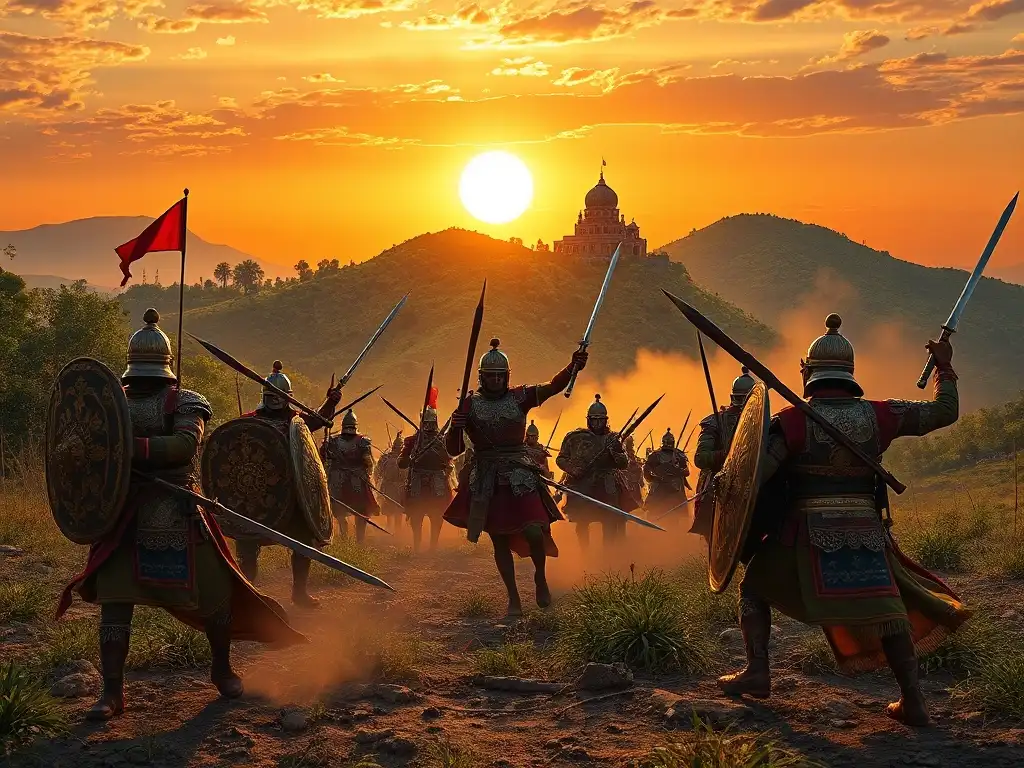
Welcome to Ancient India History, where we invite you to embark on a captivating journey through time to uncover the rich tapestry of ancient Indian civilizations. In our featured article, "The Modern Interpretation of Ancient Indian Military Tactics and Strategies," we delve into the ingenious military strategies that shaped the fate of empires, from the sophisticated maneuvers of the Indus Valley to the tactical brilliance of the Gupta Empire.
As you explore, prepare to be intrigued by how these ancient tactics resonate in today’s world, igniting your curiosity about the lasting impact of a bygone era. Join us in discovering the secrets of the past that continue to influence military thought and practice!
Introduction to Ancient Indian Military Strategies
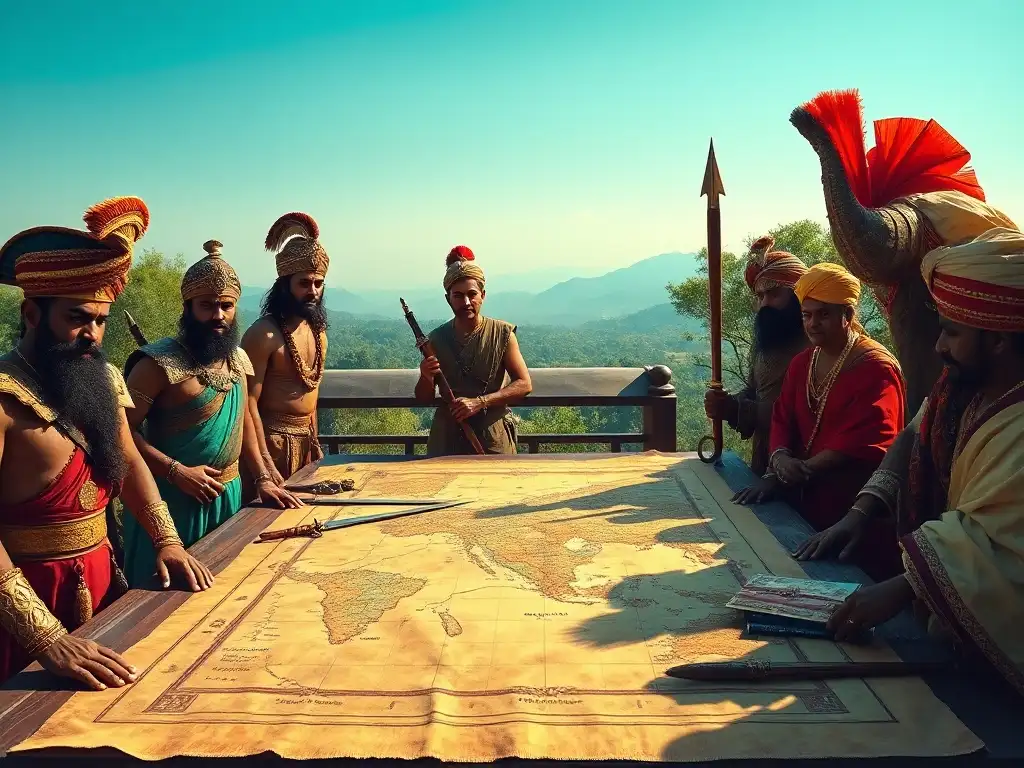
The military history of ancient India is a tapestry woven with a multitude of strategies, tactics, and innovations that shaped the subcontinent's conflicts and conquests. From the formidable Indus Valley Civilization to the grandeur of the Gupta Empire, ancient Indian military strategies reflect not only the ingenuity of their time but also the cultural and geographical diversity of the region.
Understanding these strategies offers valuable insights into how ancient Indian civilizations structured their armies, adapted to challenges, and engaged in warfare. As we delve into the modern interpretation of these tactics, we uncover their relevance in contemporary military studies and their influence on modern warfare.
Overview of Ancient Indian Military History
Ancient India's military history is marked by a variety of dynasties and kingdoms, each contributing unique strategies and technologies to the art of war. Notable examples include the Maurya Empire, known for its vast and efficient military organization, and the Gupta Empire, which excelled in both strategy and the effective use of technology in warfare. The military texts, such as the ancient treatises of Kautilya's Arthashastra, provide a comprehensive understanding of military organization, strategy, and diplomacy during these eras.
- Key Dynasties:
- Indus Valley Civilization: Early urban centers with evidence of fortifications.
- Maurya Empire: Centralized military command and extensive use of spies.
- Gupta Empire: Emphasis on cavalry and innovative battle strategies.
Significance of Military Tactics in Ancient India
The significance of military tactics in ancient India extends beyond mere battlefield success; they were integral to statecraft and cultural identity. Military tactics influenced diplomatic relations, trade routes, and territorial expansion, shaping the socio-political landscape of the region. The effective implementation of strategies not only determined the outcomes of battles but also the fates of kingdoms. Moreover, the philosophical underpinnings of warfare, often intertwined with religion and ethics, highlight the complex nature of ancient Indian military thought.
- Cultural Impact:
- Military victories often led to cultural exchange and integration.
- The role of warriors in society was celebrated in literature and art.
Key Ancient Indian Military Strategies
Ancient Indian military strategies were diverse and sophisticated, tailored to the unique challenges posed by geography, enemy forces, and available resources. These strategies encompassed various elements, including the use of cavalry, elephants, and infantry, each playing a crucial role in the effectiveness of ancient armies.
The Role of Cavalry in Ancient Indian Warfare
Cavalry units were pivotal in ancient Indian warfare, offering mobility and speed that infantry could not match. The use of horses allowed for rapid flanking maneuvers, reconnaissance missions, and swift retreats when necessary. Various kingdoms invested in breeding and training superior cavalry units, recognizing their strategic advantage in both offensive and defensive operations.
- Key Features of Cavalry Tactics:
- Mobility: Quick repositioning on the battlefield.
- Flanking Maneuvers: Surrounding enemy formations for strategic advantage.
- Reconnaissance: Gathering intelligence on enemy positions and movements.
Use of Elephants in Battle: Tactics and Impact
The use of war elephants marked a significant aspect of ancient Indian military strategy. These majestic creatures were not only a symbol of power but also served various tactical purposes in battle. Elephants were trained for combat and could cause chaos in enemy ranks, break formations, and serve as platforms for archers and commanders.
- Tactical Advantages of Elephants:
- Psychological Warfare: The sheer presence of elephants could intimidate opponents.
- Breaking Lines: Elephants could trample over infantry and disrupt formations.
- Platform for Archers: Elevated positions for ranged attacks during battle.
Infantry and Archery: The Backbone of Ancient Armies
While cavalry and elephants played vital roles, infantry remained the backbone of ancient Indian armies. Armed with a variety of weapons, including swords, spears, and bows, infantry units were essential for holding ground and executing strategic maneuvers. Archers, in particular, provided crucial support in battles, ensuring a steady rain of arrows on enemy forces.
- Key Aspects of Infantry Tactics:
- Formation and Discipline: Structured formations to maintain order during battle.
- Archery Techniques: Skilled use of bows for long-range attacks.
- Adaptability: Infantry units could be modified based on battlefield conditions.
By exploring these key strategies, we can appreciate the depth and complexity of ancient Indian military tactics and their enduring legacy in the annals of military history.
Influential Texts on Ancient Indian Military Tactics
The study of ancient Indian military strategies is significantly enriched by several key texts that provide insights into the tactics, philosophies, and ethics of warfare during that era. These texts not only reflect the military practices of their time but also serve as foundational documents that influence modern interpretations of strategy and tactics. The most notable among these are the Arthashastra, the Mahabharata, and other lesser-known works that contribute to our understanding of ancient Indian military thought.
Arthashastra: Kautilya's Treatise on Warfare
The Arthashastra, attributed to Kautilya (also known as Chanakya), is perhaps the most significant ancient text on military strategy and statecraft. Written in the 4th century BCE, this treatise covers a wide range of topics related to governance, economics, and warfare. Kautilya's work emphasizes the importance of intelligence, diplomacy, and psychological warfare, demonstrating that warfare is not solely about brute force but also about strategy and planning.
Key aspects of the Arthashastra include:
- Spying and Intelligence: Kautilya stressed the necessity of gathering intelligence on enemies, advocating for a network of spies to inform military decisions.
- Diplomatic Maneuvering: The text outlines various diplomatic strategies that can be employed to avoid conflict or weaken an enemy before engaging in battle.
- Resource Management: Kautilya discusses the importance of logistics and resource allocation, emphasizing that a well-supplied army is more likely to succeed.
Through its comprehensive analysis of warfare, the Arthashastra continues to be relevant in contemporary discussions on military strategy.
Mahabharata: Lessons in Strategy and Ethics
The Mahabharata, one of the longest epics in world literature, offers profound insights into ancient Indian military strategies through its narrative of the Kurukshetra War. Beyond its mythological elements, the epic serves as a rich source of ethical dilemmas and strategic lessons in warfare.
Notable themes from the Mahabharata include:
- Dharma and Ethics in Warfare: The epic intricately explores the moral complexities of war, highlighting the concept of dharma (righteousness) and the ethical conduct expected of warriors.
- Battlefield Strategies: Characters such as Arjuna and Krishna provide examples of tactical decision-making on the battlefield, showcasing various formations, maneuvers, and the psychological aspects of warfare.
- Leadership and Sacrifice: The narrative illustrates the qualities of effective leadership, the importance of sacrifice, and the consequences of war on society.
These themes have influenced not only military strategies but also philosophical discussions on the nature of conflict and leadership.
Other Important Texts on Military Strategy
In addition to the Arthashastra and Mahabharata, there are several other texts that contribute to the understanding of ancient Indian military strategies. These include:
- Brahmastra and Other Military Treatises: Various texts detail specific weapons and tactics, focusing on the technological advancements of ancient India.
- Nitisara by Kamandaka: This work complements Kautilya's Arthashastra, offering insights on the role of a ruler in military and civil governance.
- Rajatarangini by Kalhana: While primarily a historical chronicle, it also discusses military campaigns and strategies employed by various rulers in Kashmir.
These texts collectively enrich the discourse on ancient Indian military strategies, providing a diverse perspective on the complexities of warfare during that period.
Modern Interpretations of Ancient Indian Military Strategies
The ancient Indian military strategies encapsulated in historical texts have found relevance in modern military thought and practices. Scholars and military strategists have re-examined these ancient tactics, drawing parallels with contemporary warfare, thereby shaping modern interpretations of military strategy.
How Ancient Tactics Influence Modern Warfare
Many principles derived from ancient Indian military strategies have been adapted into modern warfare. Key influences include:
- Asymmetrical Warfare: The emphasis on intelligence and unconventional tactics from texts like the Arthashastra resonates with modern asymmetrical warfare strategies, where weaker forces rely on guerrilla tactics.
- Psychological Operations: The psychological manipulation strategies outlined by Kautilya are reflected in modern psychological operations (PsyOps), focusing on undermining enemy morale.
- Strategic Alliances: The diplomatic strategies emphasized in ancient texts are mirrored in contemporary coalition-building efforts among nations to strengthen military capabilities.
These adaptations illustrate how ancient wisdom continues to shape military doctrines today.
Case Studies of Ancient Strategies in Contemporary Contexts
Several contemporary military operations have drawn inspiration from ancient Indian strategies. Notable examples include:
- Guerrilla Warfare in Insurgencies: Modern insurgent groups often employ tactics reminiscent of ancient strategies, using hit-and-run techniques and leveraging local knowledge to counter superior forces.
- Cyber Warfare: The intelligence and psychological strategies from the Arthashastra can be seen in the realm of cyber warfare, where information manipulation plays a crucial role.
- Counter-insurgency Operations: The concepts of adaptability and flexibility in military strategy, as discussed in the Mahabharata, are integral to successful counter-insurgency operations today.
These case studies demonstrate the timelessness of ancient strategies in addressing contemporary military challenges.
The Relevance of Ancient Indian Military Philosophy Today
The philosophies surrounding ancient Indian military strategies continue to be pertinent in today's geopolitical landscape. The underlying principles of ethics in warfare, the importance of intelligence, and the balance between warfare and diplomacy provide valuable lessons for modern military leaders and strategists.
Key considerations include:
- Ethical Warfare: The Mahabharata's exploration of dharma emphasizes the importance of moral considerations in military action, which is increasingly relevant in discussions of just war theory.
- Strategic Thinking: The analytical approach to strategy found in the Arthashastra fosters critical thinking and adaptability, skills necessary for contemporary military leaders.
- Cultural Heritage: Understanding ancient military strategies fosters a deeper appreciation of India's rich cultural and historical heritage, influencing national identity and military ethos.
The study of ancient Indian military strategies not only enriches historical understanding but also provides a framework for addressing modern military challenges, ensuring that the wisdom of the past continues to inform the present and future of warfare.
Integrating Ancient Strategies into Modern Military Practices
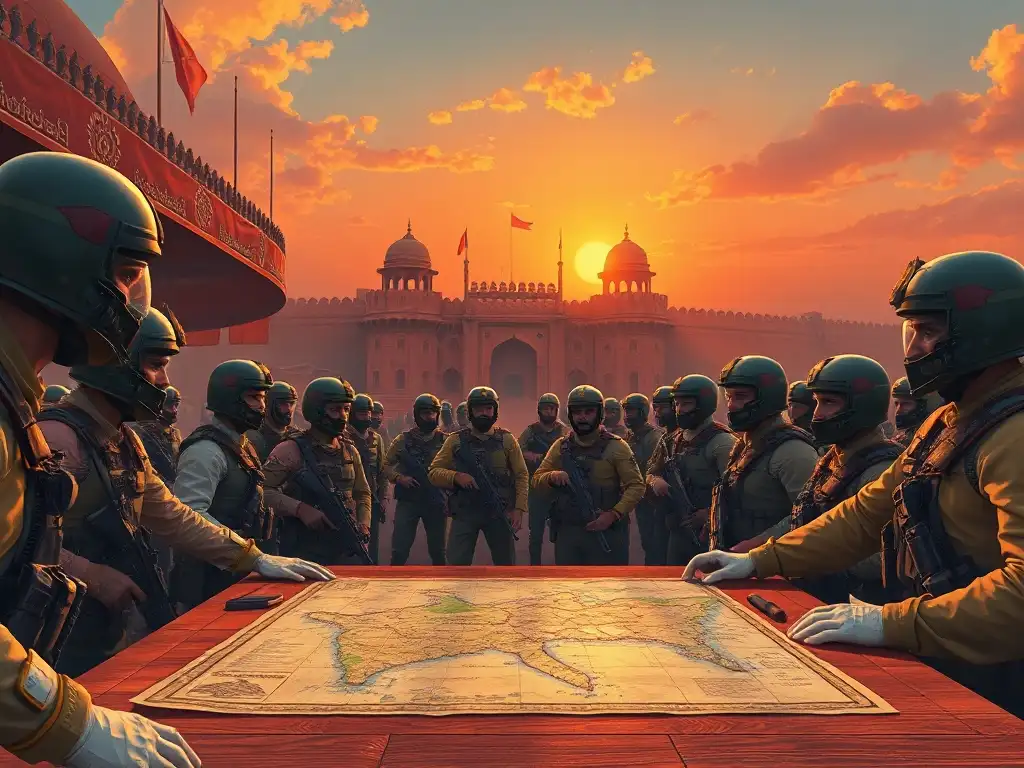
The relevance of ancient Indian military strategies in contemporary times is increasingly being recognized by military analysts and historians alike. Ancient Indian warfare, characterized by its strategic depth and comprehensive understanding of terrain and logistics, offers valuable insights for modern military practices. By studying the tactics employed by ancient Indian generals and armies, modern military leaders can adapt these strategies to meet today's challenges, thus reinforcing their operational effectiveness.
Integrating ancient strategies into modern military practices involves a multi-faceted approach. It requires not only an understanding of historical tactics but also an analysis of their underlying principles. This integration can manifest in various forms, such as the adoption of guerrilla warfare techniques, strategic deception, and the use of terrain to gain a tactical advantage. Moreover, the ancient Indian emphasis on psychological warfare and intelligence gathering remains pertinent in contemporary conflict scenarios.
Adaptation of Ancient Tactics in Modern Training
Modern military training programs increasingly incorporate lessons derived from ancient Indian military tactics. For instance, the concept of "Chakra Vyuha," a formation used by the Kauravas in the Mahabharata, is studied for its tactical implications in modern battlefield formations. Military academies may simulate ancient formations to enhance soldiers' adaptability in dynamic combat environments.
Furthermore, the emphasis on flexibility and innovation in ancient Indian warfare is echoed in current military doctrines. Modern forces often conduct exercises that mirror ancient strategies, allowing soldiers to experience the principles of maneuver warfare and multi-dimensional strategies firsthand. This experiential learning fosters a deeper appreciation of the effectiveness of adaptability and strategic thinking, which are hallmarks of ancient Indian military philosophy.
Innovations Inspired by Ancient Indian Military Strategies
Ancient Indian military strategies have not only influenced training but have also inspired technological innovations in modern warfare. The use of "war elephants" in ancient battles can be seen as an early form of psychological warfare and tactical mobility. Today, the principles of using large, formidable units to create fear and confusion are reflected in the deployment of advanced armored vehicles and drones.
Moreover, the ancient practice of "Shakti," which emphasized the strategic use of women in warfare, has inspired discussions around gender roles in the military. This historical precedent is influencing contemporary military policies, promoting inclusivity, and recognizing the contributions of all members of the armed forces.
Challenges in Implementing Ancient Tactics Today
Despite the potential benefits, several challenges hinder the implementation of ancient Indian military tactics in modern warfare. One significant obstacle is the vast difference in operational environments. Ancient strategies were developed in a context that differs greatly from today’s technologically advanced and urbanized battlefields.
Additionally, the complexity of modern warfare, with its reliance on information technology and cyber warfare, requires a shift in focus from traditional tactics to more contemporary strategies. There is also the risk of romanticizing ancient tactics without fully understanding their contextual limitations. As such, a careful evaluation of which strategies can be adapted and how they can be effectively integrated into current military frameworks is essential.
Conclusion
The exploration of ancient Indian military strategies provides a rich tapestry of knowledge that can inform modern military practices. By integrating these historical tactics into contemporary training and operational doctrine, military leaders can enhance their strategic capabilities. However, challenges remain in adapting these ancient principles to the realities of modern warfare.
Reflection on the Legacy of Ancient Indian Military Strategies
The legacy of ancient Indian military strategies is profound, influencing not only military thought but also the broader understanding of conflict and strategy. The texts such as the Arthashastra by Kautilya provide timeless insights into statecraft, diplomacy, and warfare. The principles of versatility, intelligence, and strategic foresight continue to resonate, reminding modern strategists of the depth of ancient wisdom.
By reflecting on this legacy, military historians and practitioners can draw parallels to contemporary issues, enriching their understanding of both historical and current military paradigms. This continuous dialogue between past and present fosters a deeper appreciation of the strategic depth found in ancient Indian military thought.
Future Directions in the Study of Ancient Military Tactics
The future of studying ancient Indian military tactics holds great promise. As modern conflicts evolve, there is an increasing need to revisit and reinterpret ancient strategies in light of contemporary challenges. Scholars and military analysts alike are encouraged to conduct further research into the applicability of these tactics, particularly through interdisciplinary approaches that combine history, technology, and social sciences.
Moreover, advancements in technology, such as simulation and modeling, can facilitate the exploration of ancient strategies in modern contexts. This innovative approach can yield insights into the effectiveness of ancient tactics when applied to current military doctrines. The continuous study of ancient military strategies not only preserves historical knowledge but also contributes to the evolution of military theory and practice.
References
The study of ancient Indian military strategies has garnered significant scholarly attention, leading to a wealth of literature that explores various aspects of warfare, tactics, and the context in which these strategies were employed. Below are some key resources that provide valuable insights into this fascinating subject.
Key Literature on Ancient Indian Military History
-
"The Art of War in Ancient India" by K. K. Bhattacharyya
This seminal work delves into the military strategies and operational arts employed by ancient Indian civilizations. Bhattacharyya meticulously analyzes texts such as the Arthashastra and the Mahabharata, highlighting their relevance to contemporary military thought.
-
"Warfare in Ancient India" by David D. McCarthy
McCarthy's book examines the evolution of warfare in ancient India, documenting the technological advancements and tactical innovations that shaped military outcomes. The author provides a comprehensive overview of various kingdoms and their unique approaches to warfare.
-
"The Kautilya's Arthashastra: A Treatise on Statecraft and Military Strategy" by R. Shamasastry
Often regarded as one of the foundational texts on military strategy, this treatise provides insights into statecraft, espionage, and the use of diplomacy in warfare. Shamasastry's translation reveals the intricate layers of Kautilya's thought on military operations.
-
"The Military History of Ancient India" by S. R. Sharma
Sharma’s work offers a detailed examination of the military history of ancient India, focusing on the various dynasties and their military campaigns. This book serves as an essential reference for understanding the broader context of military strategies in ancient times.
Recommended Resources for Further Reading on Military Strategies
-
"The Mahabharata: A Modern Retelling" by Ramesh Menon
While primarily a retelling of the epic, this book emphasizes the strategic elements of the Kurukshetra War, illustrating ancient Indian military tactics through vivid narratives and character analyses.
-
"Ancient Indian Warfare: History and Historiography" by A. K. Sahu
Sahu's collection of essays discusses the historiographical approaches to studying ancient Indian warfare, providing readers with a critical perspective on the sources and interpretations of military strategies.
-
"The Role of Elephants in Ancient Indian Warfare" by K. C. Panicker
This resource explores the unique use of war elephants in ancient Indian military campaigns, discussing their strategic advantages and the evolution of their role in warfare.
-
"Military Technology in Ancient India" edited by R. N. Choudhary
This edited volume compiles various studies on the technological aspects of warfare, examining weapons, armor, and the innovations that characterized ancient Indian military practices.
These references and resources collectively provide a rich foundation for understanding ancient Indian military strategies, enabling both scholars and enthusiasts to explore the complexities and nuances of warfare in ancient India.
- Introduction to Ancient Indian Military Strategies
- Key Ancient Indian Military Strategies
- Influential Texts on Ancient Indian Military Tactics
- Modern Interpretations of Ancient Indian Military Strategies
- Integrating Ancient Strategies into Modern Military Practices
- Conclusion
- References
- What are the key components of ancient Indian military strategies?
- How did geography influence ancient Indian military tactics?
- What role did technology play in ancient Indian warfare?
- How did ancient Indian military strategies compare to those of other civilizations?
- What can modern military leaders learn from ancient Indian military tactics?
Frequently Asked Questions
What are the key components of ancient Indian military strategies?
Ancient Indian military strategies often emphasized cavalry, infantry, and war elephants, showcasing a diverse approach to warfare. Tactical formations and psychological warfare were also crucial elements.
How did geography influence ancient Indian military tactics?
The diverse geography of India, including mountains and rivers, played a significant role in shaping military strategies. Armies adapted their tactics based on the terrain, often using it to their advantage in battles.
What role did technology play in ancient Indian warfare?
Technological advancements such as the use of chariots, crossbows, and siege machinery were pivotal. These innovations enhanced the effectiveness of ancient Indian military tactics, allowing for more complex strategies.
How did ancient Indian military strategies compare to those of other civilizations?
Ancient Indian military strategies were unique, yet they shared similarities with those of contemporary civilizations. The integration of philosophy and strategy set them apart, focusing on ethical warfare and diplomacy.
What can modern military leaders learn from ancient Indian military tactics?
Modern military leaders can glean insights into the importance of adaptability, intelligence gathering, and the use of psychological tactics from ancient Indian strategies. These principles remain relevant in today's ever-changing battlefield landscape.
Final Reflection: Embracing the Wisdom of Ancient Indian Military Strategies
The exploration of ancient Indian military strategies reveals their profound relevance in today's complex geopolitical landscape. As we navigate a world rife with conflict and competition, these time-honored tactics offer invaluable insights into leadership, strategy, and resilience. The lessons drawn from the past are not merely historical artifacts; they are essential tools for contemporary leaders and strategists seeking to understand the art of warfare and diplomacy.
The influence of these ancient strategies extends beyond the battlefield, permeating various aspects of our cultural and social fabric. From the principles of strategic thinking to the emphasis on adaptability and foresight, ancient Indian military tactics continue to shape modern approaches to conflict resolution and negotiation. As Sun Tzu famously stated, In the midst of chaos, there is also opportunity.
This wisdom resonates deeply as we reflect on how these strategies can be applied to foster peace and understanding in our interconnected world.
As you contemplate the lessons embedded in these ancient military strategies, I invite you to consider how they can inspire your own journey. Reflect on the principles of adaptability, foresight, and strategic thinking in your daily life. Whether in personal challenges or professional endeavors, embracing the wisdom of the past can empower you to navigate the complexities of the present and future with confidence and clarity. Let the insights of ancient Indian military strategies guide you toward a more thoughtful and strategic approach to the challenges you face.
Unveil the Secrets of Ancient Indian Warfare!
Thank you for diving into the fascinating world of ancient Indian military tactics with us! We hope you gained valuable insights into how these strategies can inform modern approaches to conflict and leadership. Now, it’s time to take that knowledge and transform it into action!
Here are some practical steps you can take next:
- Explore further by reading foundational texts and historical analyses on ancient Indian warfare to deepen your understanding.
- Engage with our community: Share your thoughts on how these ancient tactics can be applied today in discussions on our forums.
- Surprise yourself: Try implementing a strategy session inspired by these tactics in your organization or personal projects – you might be amazed at the results!
Which aspect of ancient Indian military strategy do you find most relevant to today's challenges, and why? We’d love to hear your thoughts!