
The Impact of Climate on Military Campaigns in Ancient India

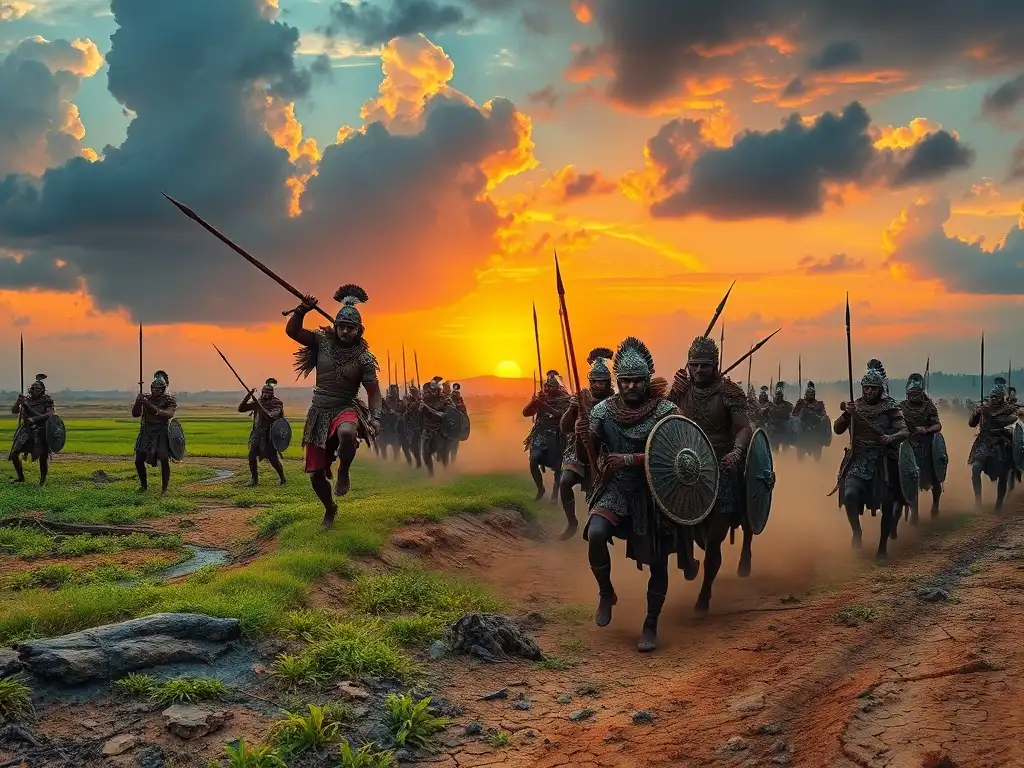
Welcome to Ancient India History, where we embark on an enlightening journey through the rich tapestry of India's past. In our featured article, "The Impact of Climate on Military Campaigns in Ancient India," we delve into the fascinating interplay between environmental factors and warfare strategies that shaped the destinies of ancient civilizations. How did the monsoon winds influence the outcomes of battles?
What role did the changing landscapes play in the rise and fall of empires? Prepare to uncover the intriguing connections between climate and conflict as we explore the depths of military history in this vibrant era. Your adventure into the ancient world begins now!
Introduction to Climate Effects on Ancient Indian Warfare
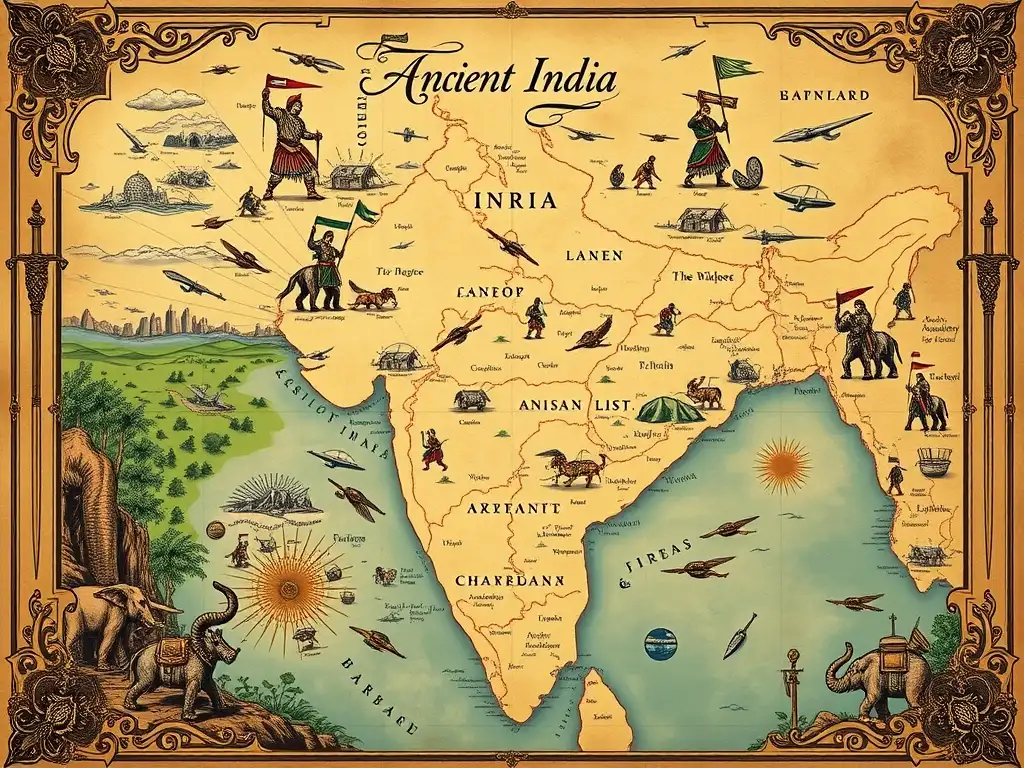
The history of warfare in ancient India reveals a complex interplay between military strategies and the environment, particularly the prevailing climate. Understanding climate effects on ancient Indian warfare provides valuable insights into how various civilizations adapted their military campaigns, tactics, and logistics to cope with the challenges posed by weather conditions.
From the arid deserts of Rajasthan to the monsoon rains of the Indo-Gangetic plains, climate shaped the very fabric of military endeavors, influencing everything from troop movements to the types of weapons employed. This article delves into the significant ways in which climate impacted military campaigns in ancient India, highlighting the necessity of considering environmental factors in the study of military history.
Overview of Climate's Role in Warfare
Climate played a pivotal role in determining the success or failure of military campaigns in ancient India. Elements such as temperature, rainfall, and seasonal variations not only affected the physical conditions of the battlefield but also had psychological impacts on soldiers.
- Seasonal Timing: Many ancient Indian rulers meticulously planned their campaigns around seasonal changes. For example, the onset of the monsoon season was often avoided for large-scale military movements due to the difficult terrain and the increased risk of disease.
- Resource Availability: The availability of resources like water and food was directly influenced by climate. Armies needed to strategize their movements to ensure they could sustain themselves in hostile territories.
- Terrain Challenges: Different climatic conditions shaped the terrain in various regions, which could either hinder or facilitate troop movements. The rugged hills of the Western Ghats, for example, presented a different set of challenges compared to the flat plains of the Ganges.
Importance of Studying Climate in Historical Context
Studying the impact of climate on ancient Indian warfare is crucial for several reasons:
- Comprehensive Military Analysis: Understanding climate allows historians and military strategists to analyze battles and campaigns more comprehensively, revealing why certain strategies were employed and their effectiveness.
- Lessons for Modern Warfare: Climate considerations continue to play a role in contemporary military strategies. Analyzing historical examples can provide valuable lessons for modern military planners faced with climate-related challenges.
- Cultural Insights: The interaction between climate and warfare also sheds light on the broader cultural practices and adaptations of ancient Indian societies, reflecting their resilience and ingenuity in the face of environmental challenges.
The Geographical Diversity of Ancient India
The geographical diversity of ancient India significantly influenced its climate and, consequently, its military campaigns. The subcontinent's vast range of landscapes—including mountains, rivers, and plains—created distinct climatic zones, each with its own challenges for military leaders.
Major Climate Zones in Ancient India
Ancient India was characterized by several major climate zones, including:
- Tropical Monsoon: Predominant in the southern and central regions, this climate was marked by heavy rains and high humidity.
- Arid and Semi-Arid: Found in the northwest, particularly in Rajasthan, this zone posed challenges such as water scarcity and extreme temperatures.
- Temperate: The northern regions experienced more moderate temperatures, which could support larger armies during specific seasons.
Influence of Geography on Military Strategies
The geographical layout of ancient India not only dictated the climate but also had a profound impact on military strategies:
- Natural Barriers: The Himalayas served as a formidable barrier against northern invasions, while rivers were often used strategically for both defense and supply lines.
- Resource Distribution: Regions with fertile land and abundant water sources became focal points for military campaigns, as controlling these areas ensured access to vital resources.
- Tactical Adaptations: Armies had to adapt their tactics to the climate and geography, employing guerrilla warfare in mountainous terrains or large formations in open plains.
By examining the intricate relationship between climate and military campaigns, we gain a deeper understanding of ancient Indian warfare and the innovative strategies developed by its civilizations.
Historical Context: Military Campaigns in Ancient India
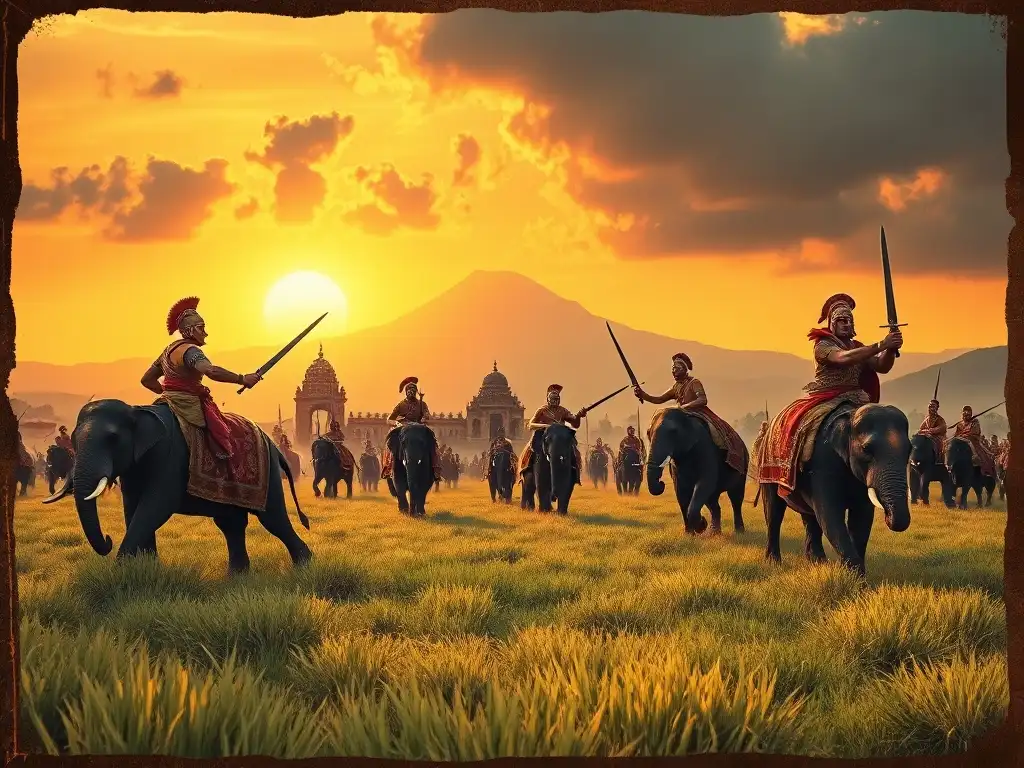
The military history of ancient India is rich and varied, shaped by diverse climatic conditions that influenced the strategies employed by different kingdoms and empires. From the Indus Valley Civilization to the rise of the Maurya and Gupta Empires, military campaigns were often planned with a keen awareness of regional climate patterns, monsoons, and seasonal changes. Ancient Indian rulers recognized the significance of climate in determining the success or failure of military endeavors.
The subcontinent's varied geography, including deserts, mountains, and river valleys, combined with its distinct climatic zones, meant that each region posed unique challenges and opportunities for military engagement. For instance, the fertile plains of the Ganges River provided strategic advantages for armies, while the arid landscapes of Rajasthan necessitated different approaches to warfare. Understanding these nuances was crucial for military leaders who aimed to expand their territories or defend their realms.
Key Military Campaigns Influenced by Climate
Several notable military campaigns in ancient India were significantly impacted by climate conditions. One prominent example is the campaigns of Alexander the Great in 326 BCE, where his army faced the challenges posed by the Indian monsoon. The heavy rains not only affected troop morale but also disrupted supply lines, forcing Alexander to adapt his strategies.
Another key campaign was the Maurya Empire's expansion under Chandragupta Maurya. His conquests in the northwestern regions of India, particularly in areas like Punjab, were timed to coincide with the milder winter months, allowing for better troop movement and logistics. Similarly, the Gupta Empire, which thrived during the 4th to 6th centuries CE, executed military strategies that capitalized on the seasonal variations to gain advantages over rival kingdoms.
Notable Leaders and Their Climate Adaptations
Ancient Indian leaders often demonstrated remarkable adaptability to climatic conditions. Chandragupta Maurya, for instance, not only utilized the winter season for military campaigns but also took advantage of the diverse terrains of India to outmaneuver his opponents. His general, Kautilya, emphasized the importance of timing campaigns according to seasonal changes in his treatise, the Arthashastra.
Similarly, the renowned king Ashoka, after his initial conquests, shifted tactics to focus on diplomacy and governance, recognizing the impact of climate on sustaining military campaigns. His efforts to promote the welfare of his subjects, especially in agrarian regions, reflected an understanding that climate influences not just warfare but the broader socio-economic fabric of society.
Climate Effects on Warfare Tactics and Strategies
The effects of climate on warfare tactics and strategies in ancient India were profound and multifaceted. Military leaders often employed specific tactics based on the prevailing weather conditions to maximize their chances of victory.
Seasonal Variations and Their Impact on Campaign Timing
Seasonal variations played a crucial role in determining the timing of military campaigns. The Indian monsoon, which typically occurs between June and September, was both a boon and a bane. While the monsoon replenished water supplies and crops, it also created logistical nightmares for armies on the move. Consequently, campaigns were often strategically planned to commence after the monsoon season, allowing armies to traverse the land more effectively.
For instance, the winter months, with their cooler temperatures and clearer skies, were preferred for initiating military operations. This understanding of seasonal cycles allowed ancient Indian leaders to optimize their military engagements, ensuring that they were well-prepared for the environmental challenges of warfare.
Adaptations in Troop Movements and Logistics
Troop movements and logistics were significantly adapted in response to climatic conditions. Armies often employed local knowledge to navigate challenging terrains and weather conditions. For example, during the scorching summer months, military leaders would strategically position their camps near water sources, ensuring that troops remained hydrated and able to sustain prolonged campaigns.
Moreover, the use of elephants in warfare was influenced by climate as well. In regions where the heat was intense, elephants provided a crucial advantage in both transportation and combat, allowing for greater mobility and effectiveness in battle. The logistical planning for feeding and maintaining these animals was also crucial, as they required substantial resources, particularly in arid climates.
Use of Terrain and Weather in Battle Tactics
Terrain and weather were critical factors in shaping battle tactics in ancient India. Leaders often employed strategies that leveraged the natural landscape to their advantage. For example, mountainous regions were used for ambush tactics, where the terrain provided cover and surprise against advancing armies.
Weather conditions also dictated the choice of weaponry and formations. During the dry season, armies might have utilized heavy infantry formations, while in wetter conditions, more mobile units could maneuver effectively. The adaptability of ancient Indian military leaders to utilize both terrain and weather highlights their strategic acumen and the significance of climate in shaping the outcomes of historical conflicts.
The Role of Monsoons in Military Operations
The monsoon season in India has played a pivotal role in shaping military strategies throughout ancient history. The annual monsoon cycle, characterized by heavy rainfall and strong winds, significantly influenced the timing of military campaigns and the movement of troops. Armies had to carefully consider the onset and duration of the monsoon, as these climatic conditions could either hinder or facilitate their operations.
The reliance on specific seasons for military activity often dictated the schedules of campaigns, with many leaders waiting for the rains to cease before launching an offensive. Conversely, the unpredictability of the monsoon could turn a well-planned strategy into chaos, causing delays, logistical challenges, and unexpected casualties. Thus, understanding the dynamics of the monsoon became crucial for the success or failure of military endeavors in ancient India.
Understanding the Monsoon Cycle
The Indian monsoon is typically divided into two phases: the southwest monsoon, which occurs from June to September, and the northeast monsoon, which takes place from October to December. During these periods, regions across the subcontinent experience heavy rainfall, impacting both the landscape and the operational capabilities of military forces.
For ancient armies, the southwest monsoon was particularly significant; it brought about lush vegetation, which could be advantageous for ambush tactics but also created muddy terrain that hindered troop movements. The timing of the monsoon cycle often determined the optimal periods for launching campaigns, with military leaders needing to be astutely aware of climatic patterns.
Moreover, the variability of the monsoon could lead to severe droughts or floods, further complicating military logistics. Understanding these cycles required in-depth knowledge of local weather patterns, terrain, and agricultural cycles, which ancient leaders often utilized to plan their military operations effectively.
Case Studies of Battles Affected by Monsoons
Several historical battles in ancient India provide insight into how the monsoon influenced military outcomes. For example, the famous Battle of Kalinga (circa 261 BCE) fought by Emperor Ashoka is believed to have been impacted by monsoonal rains. Ashoka’s forces, initially poised for a swift conquest, faced challenges with troop movements due to the slippery terrain and limited visibility caused by heavy downpours.
Similarly, during the campaigns of Chandragupta Maurya against the Nanda Dynasty, the monsoon season played a crucial role. Reports suggest that the Mauryan army timed their advances to coincide with the end of the monsoon, ensuring that they could exploit the weakened state of the Nanda forces, who were likely affected by the adverse weather conditions.
These examples illustrate the profound impact of monsoons on military strategies and outcomes, emphasizing the necessity for commanders to adapt their plans according to climatic conditions.
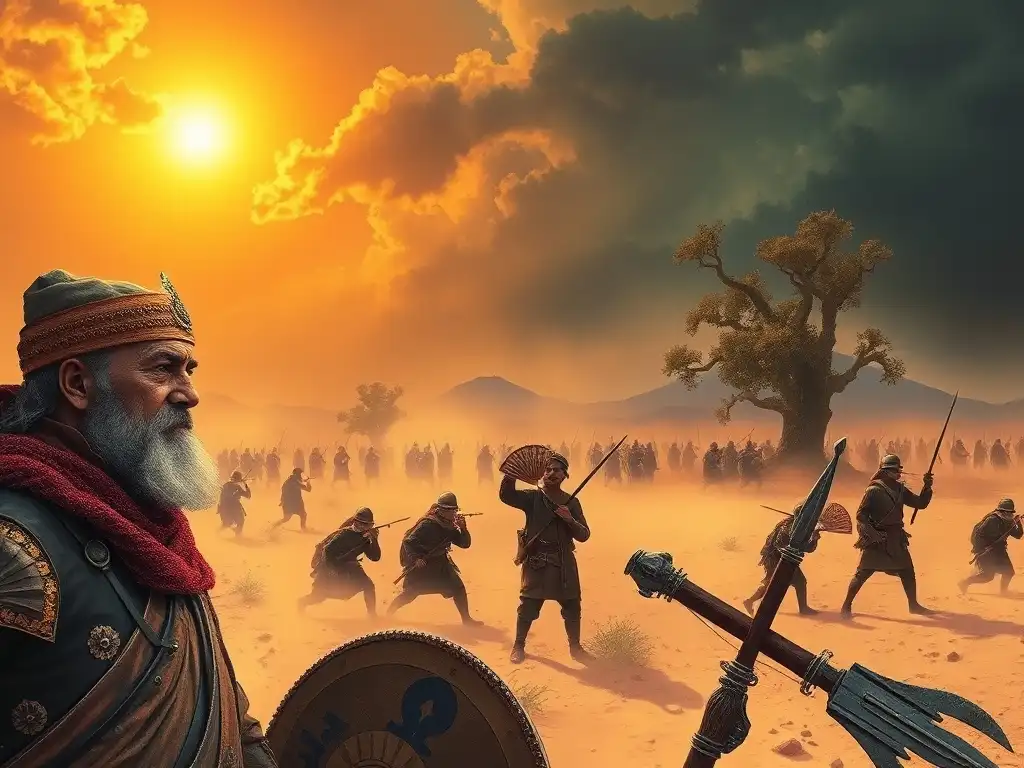
Ancient Indian armies often faced various climate-related challenges that could undermine their effectiveness in warfare. These challenges were not only limited to the monsoon but encompassed a broader range of environmental factors that influenced military logistics, troop morale, and overall campaign success.
Resource Scarcity Due to Climate Changes
Climate fluctuations, such as periods of drought or excessive rainfall, could lead to resource scarcity, significantly impacting ancient armies. Droughts would diminish food supplies, making it difficult for armies to sustain themselves during prolonged campaigns. The scarcity of water sources could also lead to dehydration and fatigue among troops, reducing their combat readiness.
For instance, during the decline of the Gupta Empire, changing climatic conditions led to agricultural failures that affected the provisioning of troops. As a result, military campaigns were often curtailed, and armies faced difficulties in maintaining their strength and morale due to lack of supplies.
Ancient military leaders had to strategize around these challenges, often resorting to securing supply lines or establishing temporary encampments near reliable water sources. The capacity to adapt to resource scarcity was a critical factor in determining the success of military operations.
Impact of Natural Disasters on Military Campaigns
Natural disasters, such as floods, earthquakes, and severe storms, posed significant threats to ancient military campaigns. For example, flooding caused by the monsoons could wash away roads and bridges, isolating armies or preventing them from accessing key locations. This was particularly evident in the aftermath of the monsoon season, where many armies found themselves unable to navigate previously established routes due to altered landscapes.
One notable instance occurred during the campaigns of the Mauryan Empire when floods disrupted supply routes and forced armies to retreat or alter their strategies. Additionally, the psychological impact of natural disasters could demoralize troops, leading to a decline in discipline and effectiveness.
These challenges highlight the importance of environmental awareness in military planning. Ancient commanders had to remain vigilant and flexible, incorporating the potential for natural disasters into their strategic calculations to ensure the resilience of their forces in the face of unpredictable climatic events.
Technological Adaptations in Response to Climate
The varied climatic conditions across ancient India significantly influenced military strategies, leading to technological adaptations that ensured the effectiveness of armies in diverse environments. The subcontinent's climatic zones, ranging from the arid deserts of Rajasthan to the monsoon-laden regions of the Deccan, required armies to innovate and modify their equipment and tactics accordingly.
For instance, during the hot summer months, soldiers needed to contend with extreme heat, which prompted the development of lightweight armors made from materials such as linen and leather. These adaptations not only provided protection but also ensured greater mobility on the battlefield. Furthermore, armies began to utilize camels and elephants in regions with harsh climates, as these animals were better suited to traverse difficult terrains and could carry heavy loads, including supplies and weaponry.
Additionally, the seasonal monsoons not only affected troop movements but also necessitated advancements in military planning. Commanders had to schedule campaigns around the monsoon season, leading to innovations in logistics, such as the construction of temporary bridges and roads to facilitate troop movement during periods of heavy rain.
Innovations in Weapons and Armor Due to Climate
Climate played a pivotal role in shaping the weapons and armor used by ancient Indian warriors. The need to counter different types of combat scenarios led to the development of specialized weaponry. For example, in regions prone to heavy rainfall, soldiers favored weapons that were resistant to water damage, such as swords and shields crafted from specific metals that would not rust easily.
The harsh climate also influenced the design of armor. In contrast to heavy metal armors, which were common in temperate regions, Indian warriors often opted for layered armor made from hardened leather, which was both lighter and more suitable for warmer climates. This allowed for greater agility in combat, enabling soldiers to execute swift movements, which were crucial in the heat of battle.
Moreover, the availability of local materials influenced weapon production. For instance, the abundance of high-quality steel in certain regions led to the creation of more durable and effective swords, which could withstand the rigors of warfare. The craftsmanship of Indian blacksmiths adapted to the requirements of climate, ensuring that weapons were optimized for both performance and environmental durability.
Changes in Military Infrastructure and Supply Chains
The impact of climate on military campaigns also extended to the infrastructure supporting these endeavors. The need for reliable supply chains became increasingly vital, especially during prolonged campaigns. As a response to climatic challenges, ancient Indian militaries developed sophisticated logistical systems to ensure that troops remained well-supplied with food, water, and equipment.
During the dry seasons, when access to water was limited, armies established supply depots strategically located near rivers and lakes. This foresight allowed for the storage of essential resources, such as grain and drinking water, ensuring that troops could sustain themselves even in the harshest conditions. Additionally, military leaders adapted their campaigns to coincide with harvest seasons, thus ensuring that troops could draw upon local resources effectively.
The construction of roads and communication networks was another significant adaptation. These infrastructures facilitated swift movement and communication between different military units, which was crucial when responding to environmental challenges or enemy maneuvers. Furthermore, the use of local guides who were familiar with the terrain and climate helped armies navigate effectively, reducing the risk of ambushes or logistical failures.
Conclusion: The Lasting Impact of Climate on Ancient Indian Warfare
The interplay between climate and military strategies in ancient India is a testament to the resilience and ingenuity of its civilizations. The adaptations made in response to climatic challenges not only influenced the outcomes of specific battles but also shaped the broader landscape of military history in the region.
Summary of Key Points
Climate effects on ancient Indian warfare were profound and multifaceted. Key points include:
- Technological Innovations: Development of lightweight armors and specialized weapons adapted to local conditions.
- Logistical Advances: Establishment of supply chains and infrastructure that catered to seasonal variations, ensuring troop sustenance.
- Strategic Planning: Military campaigns were often timed around climatic patterns, demonstrating a deep understanding of environmental influences.
Implications for Understanding Ancient Military History
Understanding the impact of climate on military campaigns in ancient India enriches our comprehension of historical warfare. It highlights the importance of environmental factors in shaping military tactics and technologies. This perspective encourages historians to consider not only the political and social dynamics of ancient civilizations but also the ecological and climatic contexts that influenced their military successes and failures. As we study the complexities of ancient Indian warfare, it becomes clear that climate was not merely a backdrop but a critical player in the evolution of military strategies.
References and Further Reading on Climate and Warfare
Understanding the impact of climate on military campaigns in ancient India requires a deep dive into both historical texts and contemporary analyses. Here, we present a curated list of suggested books, articles, and online resources that provide valuable insights into how climatic conditions shaped warfare strategies, military logistics, and the outcomes of battles throughout ancient Indian history.
Suggested Books and Articles
-
"The Climate of History in a Glacial Age" by David D. Hall
This book explores how climate patterns influenced historical events, including military campaigns. It provides a broader context for understanding the climatic factors that impacted ancient India.
-
"War and Environment in the Ancient World" by Michael H. K. Wong
This publication discusses environmental factors, including climate, that have historically influenced warfare, with specific references to South Asian contexts.
-
"The Impact of Climate Change on Indian Agriculture and Food Security" by P. P. Ghosh
While primarily focused on agriculture, this article offers insights into how climate variations affected resource availability for military campaigns in ancient India.
-
"Warfare and Culture in World History" by Edward A. Muir and Guido Ruggiero
This book provides a comparative perspective on warfare across different cultures, with sections dedicated to the climatic influences on military strategies in ancient civilizations, including India.
-
"The Art of War in Ancient India" by K. S. Shukla
This text examines various military strategies and their adaptation to climatic conditions, highlighting specific ancient Indian battles that were influenced by weather and seasonal changes.
Online Resources for Further Exploration
-
The Indian History Congress
This organization hosts numerous papers and articles on Indian history, including studies on climate's effects on warfare. Their website features a repository of historical research that can be beneficial for further insights.
-
JSTOR
A digital library that offers access to thousands of academic journal articles on various topics. Searching for "climate effects on ancient Indian warfare" can yield valuable research papers and articles.
-
ResearchGate
This platform allows researchers to share their work and findings. Users can find studies related to ancient Indian military history and climate impacts by searching relevant keywords.
-
The History of India Podcast
An engaging audio resource that often discusses the interplay of climate and military strategies in various historical contexts, including ancient India. Episodes can provide a different perspective on how these factors shaped historical events.
-
National Geographic
With its extensive coverage of historical climates and their impacts, the National Geographic website features articles and studies that connect ancient military strategies with environmental conditions.
These resources will provide a comprehensive foundation for understanding the complex relationship between climate and military campaigns in ancient India and facilitate further exploration of this fascinating topic.
- Introduction to Climate Effects on Ancient Indian Warfare
- Overview of Climate's Role in Warfare
- Importance of Studying Climate in Historical Context
- The Geographical Diversity of Ancient India
- Historical Context: Military Campaigns in Ancient India
- Key Military Campaigns Influenced by Climate
- Climate Effects on Warfare Tactics and Strategies
- The Role of Monsoons in Military Operations
- Climate-Related Challenges Faced by Ancient Armies
- Technological Adaptations in Response to Climate
- Conclusion: The Lasting Impact of Climate on Ancient Indian Warfare
- References and Further Reading on Climate and Warfare
- What role did climate play in ancient Indian warfare?
- How did the monsoon season impact military strategies?
- Were there specific battles affected by climate conditions?
- How did ancient civilizations adapt to climate challenges in warfare?
- What evidence exists regarding climate's effect on ancient Indian military campaigns?
Frequently Asked Questions
What role did climate play in ancient Indian warfare?
Climate significantly influenced military campaigns in ancient India, affecting troop movements, supply lines, and overall strategic planning due to varying weather conditions.
How did the monsoon season impact military strategies?
The monsoon season was crucial, as it could either hinder or facilitate advances; armies had to plan their campaigns around rainfall patterns to ensure logistical support.
Were there specific battles affected by climate conditions?
Yes, many battles, such as those during the Gupta Empire, were impacted by climate, influencing troop morale and combat effectiveness due to weather extremes.
How did ancient civilizations adapt to climate challenges in warfare?
Ancient Indian civilizations developed strategies like seasonal campaigning, utilizing local knowledge of climatic conditions to enhance their tactical advantages.
What evidence exists regarding climate's effect on ancient Indian military campaigns?
Archaeological findings, historical texts, and weather records illustrate the influence of climate on military campaigns, underscoring its role in shaping historical events.
Final Reflection: The Enduring Legacy of Climate on Warfare
The intricate relationship between climate and military campaigns in ancient India underscores the profound impact of environmental factors on historical events. As we navigate the complexities of modern warfare and geopolitical strategies, it becomes increasingly clear that understanding the climate effects on ancient Indian warfare can provide valuable insights into how nations adapt and respond to environmental challenges today. The lessons learned from the past remind us that the interplay between nature and human endeavors is not just a historical curiosity but a pressing contemporary issue.
Culture and society have always been shaped by the forces of nature, and the military strategies of ancient India were no exception. The climate dictated not only the timing of battles but also the very survival of armies and their ability to secure victories. This historical perspective invites us to reflect on our current global climate crisis and its implications for modern military and political strategies. The greatest danger in times of turbulence is not the turbulence; it is to act with yesterday's logic.
– Peter Drucker. This quote resonates deeply as we consider how past experiences can guide our responses to today's environmental challenges.
As we conclude this exploration of climate's impact on ancient Indian warfare, I invite you to reflect on your own relationship with the environment and its influence on your life. Consider how the lessons of the past can inspire you to advocate for sustainable practices and policies that honor our planet.
By understanding the historical context of climate and warfare, we can better appreciate the urgency of addressing climate change and its far-reaching effects on our future. Let us take these insights to heart and strive for a world where the lessons of history guide us toward a more harmonious existence with nature.
Embrace the Wisdom of the Past: Strengthen Today's Understanding of Climate and Conflict!
Thank you for exploring the fascinating relationship between climate and military strategies in ancient India! Your curiosity has equipped you with invaluable insights into how environmental factors shaped historical narratives. Now, it’s time to put that knowledge into action!
Here are a few engaging ways to deepen your understanding and share your newfound appreciation for this topic:
- Dive deeper: Explore additional resources or books focusing on ancient military strategies and their environmental considerations to broaden your perspective.
- Join the conversation: Share your thoughts or insights in the comments below or on social media platforms, and connect with fellow history enthusiasts!
- Organize a discussion: Gather a group of friends or classmates and host a discussion on the implications of climate in both ancient and modern warfare—who knows what fresh perspectives may arise!
Which aspects of ancient military strategies do you believe would benefit most from contemporary environmental considerations? We would love to hear your thoughts!