
The Contributions of the Gupta Empire to the Theater Arts

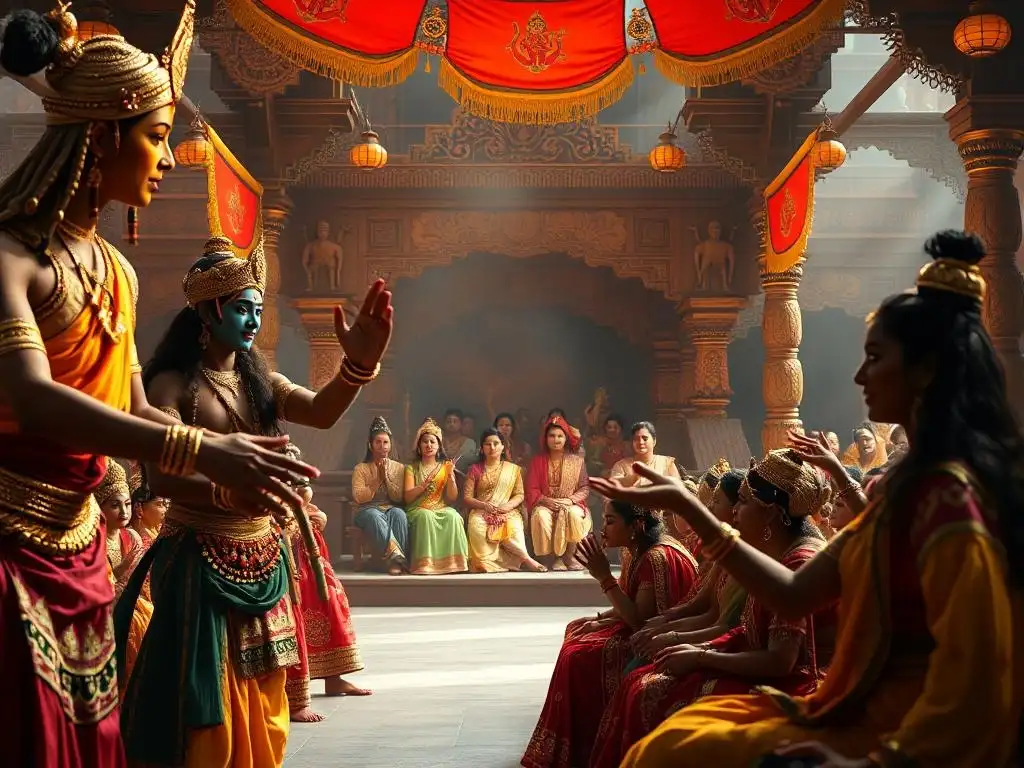
Welcome to Ancient India History, where we embark on a fascinating journey through the vibrant tapestry of ancient Indian civilizations. Here, we delve into the rich cultural heritage and remarkable contributions that have shaped the world as we know it. Today, we invite you to explore the extraordinary theater arts contributions of the Gupta Empire, a period that flourished in creativity and expression.
What innovations did they bring to the stage, and how did these artistic developments resonate through time? Prepare to uncover the answers as you dive deeper into the captivating legacy of one of history's most influential empires!
- Introduction to the Gupta Empire Theater Arts Contributions
- Historical Context of Theater During the Gupta Period
- Key Contributions of the Gupta Empire to Theater Arts
- Influence of Gupta Theater Arts on Later Indian Culture
- The Role of Religion and Mythology in Gupta Theater
- Conclusion: Lasting Legacy of Gupta Empire Theater Arts Contributions
- Frequently Asked Questions
- Final Reflection: The Enduring Legacy of Gupta Empire Theater Arts Contributions
- Unveil the Richness of Gupta Theater Arts Today!
Introduction to the Gupta Empire Theater Arts Contributions
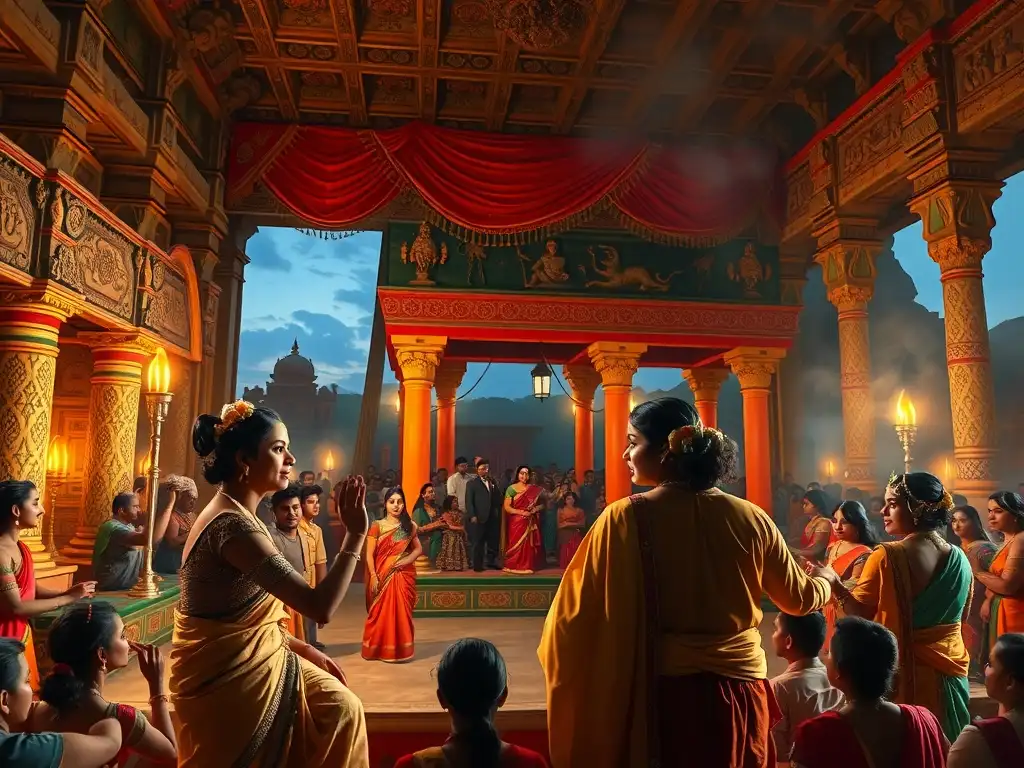
The Gupta Empire, often referred to as the Golden Age of India, flourished from approximately 320 to 550 CE. This era is renowned for its remarkable advancements in various fields, including science, mathematics, and the arts. Among its most significant contributions is the evolution of theater arts, which played a pivotal role in reflecting and shaping the cultural ethos of ancient Indian society.
The Gupta period marked a renaissance in performing arts, where theater became a vital medium for storytelling, moral instruction, and entertainment. This article delves into the contributions of the Gupta Empire to theater arts, exploring how this rich legacy has influenced subsequent generations and remains relevant in today’s cultural narratives.
Overview of the Gupta Empire
The Gupta Empire was established by Maharaja Sri Gupta and reached its zenith under the reign of Chandragupta II, also known as Vikramaditya. It encompassed a vast territory, including parts of modern-day India, Pakistan, and Bangladesh. The empire is characterized by:
- Cultural Flourishing: A vibrant cultural landscape that fostered the growth of arts, literature, and philosophy.
- Political Stability: Strong governance and political unification that allowed for safe trade routes and cultural exchanges.
- Religious Tolerance: A period marked by the coexistence of various religions, including Hinduism, Buddhism, and Jainism.
The Gupta rulers patronized artists, playwrights, and scholars, creating an environment ripe for artistic expression. This patronage directly influenced the development of theater arts, leading to innovations in performance and storytelling.
Importance of Theater Arts in Ancient India
Theater arts in ancient India were not merely forms of entertainment; they were integral to society's moral and spiritual fabric. Key aspects of their importance include:
- Cultural Reflection: Plays often depicted themes from mythology, folklore, and history, serving as a mirror to societal values and beliefs.
- Moral Education: Theatrical performances were utilized as tools for imparting moral lessons, often presenting dilemmas and ethical questions to provoke thought among audiences.
- Community Engagement: Theater brought communities together, fostering a sense of shared cultural identity and collective experience.
During the Gupta Empire, notable playwrights such as Kalidasa emerged, whose works exemplified the sophistication and depth of Gupta theater arts. The legacy of these contributions can still be felt today, influencing modern Indian theater and performance arts.
Historical Context of Theater During the Gupta Period
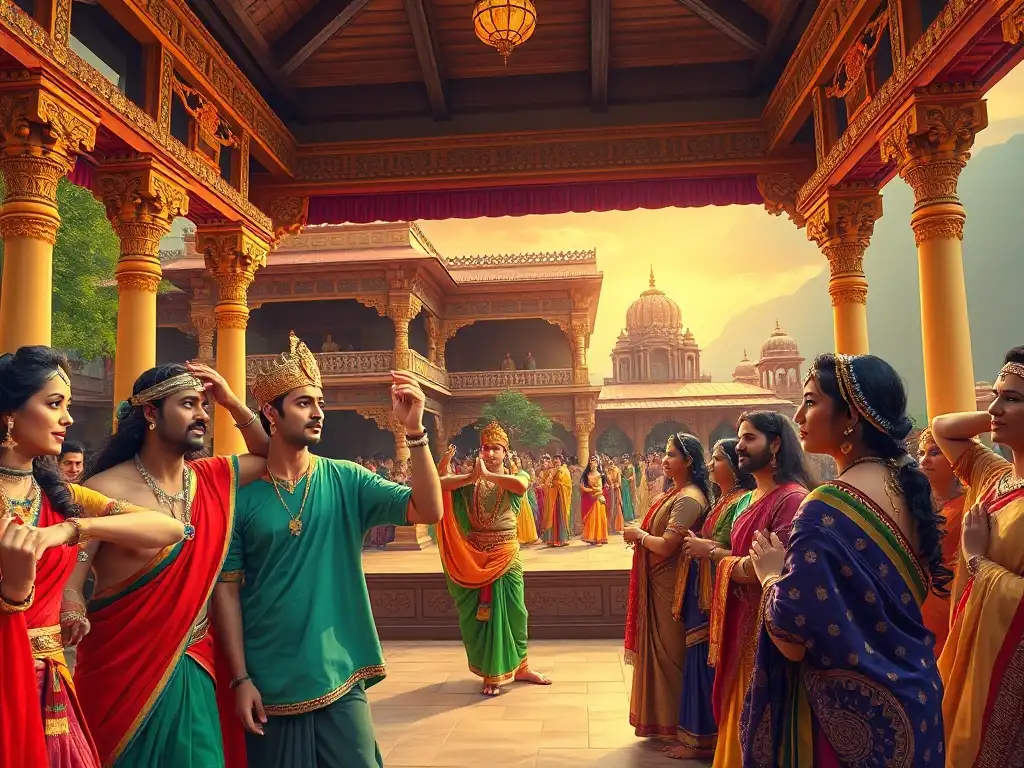
The Gupta Empire, flourishing from approximately 320 to 550 CE, is often regarded as a golden age for Indian culture, particularly in the realm of arts and literature. This period saw a remarkable development of theater arts, influenced by the socio-political stability and patronage from the Gupta rulers. The contributions of the Gupta Empire to theater arts were not just a continuation of earlier practices but also a significant evolution that shaped the future of Indian performance arts.
Evolution of Theater Before the Gupta Empire
Before the Gupta Empire, Indian theater had already begun to take shape, primarily influenced by Vedic traditions and the performance of religious rituals. Key elements that laid the groundwork for theater during this time are as follows:
- Vedic Rituals: The origins of Indian theater can be traced back to the ritualistic performances of the Vedic period, where hymns and chants were recited alongside symbolic gestures.
- Natya Shastra: Written by Bharata Muni, this ancient treatise on performing arts provided foundational theories on drama, music, and dance, establishing the framework for future theatrical forms. This text emphasized the importance of rasa (emotion) and bhava (mood) in performance.
- Sanskrit Drama: By the time of the Mauryan Empire, Sanskrit drama began to emerge prominently, with playwrights like Bhasa and Kalidasa contributing significant works that highlighted emotional depth and complex characters.
The transition from these early forms to more structured theatrical productions set the stage for the Gupta Empire's advancements in theater.
The Rise of the Gupta Empire and Its Cultural Impact
The Gupta Empire's rise marked a pivotal point in the evolution of theater arts. Several factors contributed to this cultural flourishing:
-
Political Stability and Patronage: The Gupta rulers, including Chandragupta II, actively supported arts and culture, leading to an environment where theater could thrive. Royal patronage provided resources and venues for performances, allowing artists to explore innovative themes and styles.
-
Sanskrit as the Language of Theater: The Gupta period saw the flourishing of Sanskrit as a literary language, which became instrumental in the development of theater. This allowed for a richer narrative style and the creation of elaborate dialogues.
Key Contributions Details Playwrights Notable playwrights like Kalidasa emerged, whose works, such as "Shakuntala," blended poetry and drama, showcasing the emotional and aesthetic dimensions of theater. Theatrical Forms The emergence of various theatrical forms, such as "Natyas," which included elements of dance, music, and drama, creating a multisensory experience for audiences. Cultural Integration The incorporation of themes from mythology, epics, and local folklore into performances, making theater accessible and relatable to diverse audiences.
The Gupta Empire’s contributions to theater arts not only enriched the cultural landscape of ancient India but also influenced later Indian drama and performance traditions. The period is characterized by the blending of literary sophistication with theatrical expression, paving the way for a vibrant theatrical heritage that continues to resonate in contemporary Indian performing arts.
Key Contributions of the Gupta Empire to Theater Arts
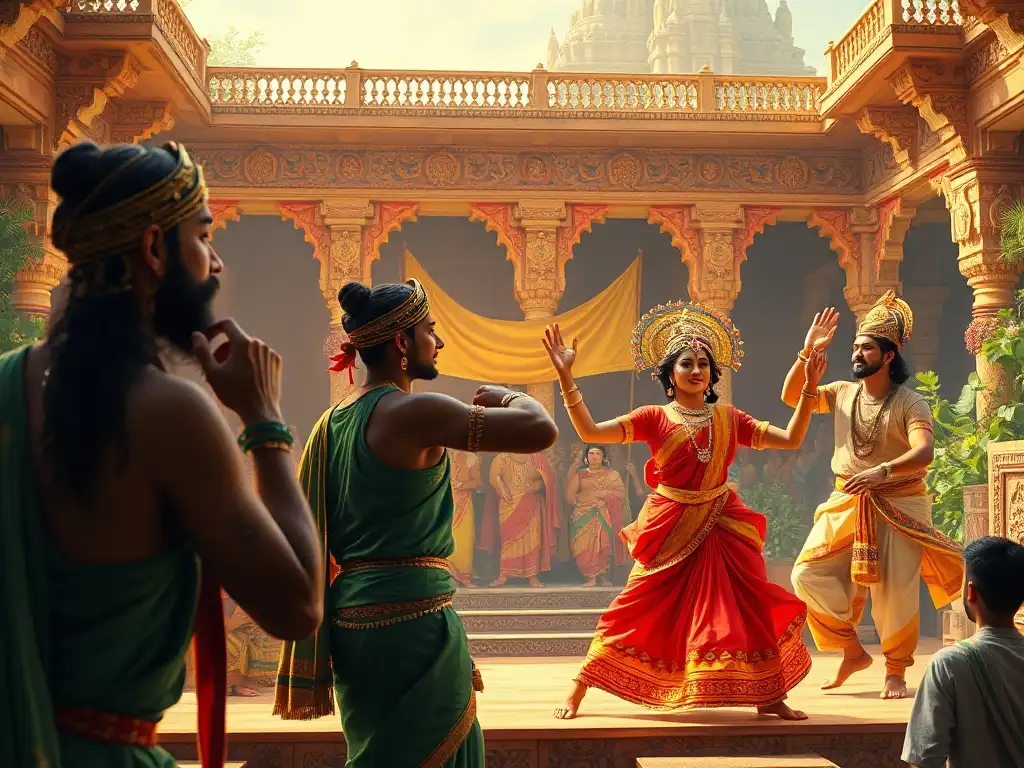
The Gupta Empire, often referred to as the "Golden Age of India," made significant strides in various cultural realms, including theater arts. This period, spanning approximately from 320 to 550 CE, witnessed the flourishing of Sanskrit drama, which became a cornerstone of Indian literature and performance. The contributions of the Gupta Empire to theater arts not only enriched the cultural landscape of ancient India but also laid the foundation for future generations.
Development of Sanskrit Drama
Sanskrit drama reached new heights during the Gupta Empire, characterized by its poetic sophistication and thematic diversity. This era saw the emergence of complex narratives that explored human emotions, ethics, and social issues. The playwrights of this period elevated the art of storytelling, crafting plays that were not only entertaining but also intellectually stimulating.
Notable Playwrights of the Gupta Era
Prominent figures such as Kalidasa, Bhasa, and Shudraka became iconic representatives of Gupta theater.
- Kalidasa: Often regarded as the Shakespeare of India, his works such as Shakuntala and Vikramorvasiyam exemplified the beauty of language and depth of emotion. Kalidasa's ability to weave mythology with human experiences set a precedent for future playwrights.
- Bhasa: Known for his innovative storytelling techniques, Bhasa's plays like Urubhanga and Svapnavasavadattam introduced new characters and plots that diverged from traditional narratives, bringing a fresh perspective to the stage.
- Shudraka: His most famous work, Mrichchhakatika (The Little Clay Cart), is a remarkable blend of romance and social commentary, highlighting the lives of various classes in society.
Major Works and Their Significance
The plays produced during the Gupta period are crucial to understanding the evolution of Indian theater arts.
| Playwright | Major Works | Significance |
|---|---|---|
| Kalidasa | Shakuntala, Vikramorvasiyam | Explored themes of love, destiny, and nature. |
| Bhasa | Urubhanga, Svapnavasavadattam | Introduced new characters and complex narratives. |
| Shudraka | Mrichchhakatika | Blended romance with social critique and class issues. |
These works not only entertained but also served as a reflection of contemporary society, highlighting moral dilemmas, love stories, and the human condition, making them timeless classics.
Innovations in Performance Techniques
The Gupta Empire also brought innovations in performance techniques that enhanced the theatrical experience.
Use of Music and Dance in Gupta Theater
Music and dance were integral to Gupta theater, with performances often accompanied by elaborate musical scores and choreographed dance sequences. This integration served multiple purposes:
- Enhancement of Narrative: Music helped to convey emotions and set the mood, while dance added a visual dimension to the storytelling.
- Cultural Expression: The use of traditional instruments, such as the veena and mridangam, alongside classical dance forms, showcased the rich cultural heritage of the time.
The combination of these elements created a multisensory experience that captivated audiences and elevated the status of theater arts within society.
Influence of Local Traditions on Performance Styles
Local traditions and regional influences significantly shaped the performance styles during the Gupta period.
- Regional Variations: Different regions contributed unique styles and forms to the overall theater landscape, resulting in a fusion of artistic expressions.
- Adaptation of Folk Performances: Elements of folk theater, including storytelling techniques and character archetypes, were incorporated into Sanskrit dramas, making them more relatable to the common people.
This blending of local traditions with classical forms not only enriched the theatrical repertoire but also ensured that the performances resonated with diverse audiences across the empire.
The contributions of the Gupta Empire to theater arts represent a pivotal moment in the history of Indian performing arts. Their legacy continues to influence contemporary theater, ensuring that the rich traditions of the past remain alive and relevant today.
Influence of Gupta Theater Arts on Later Indian Culture
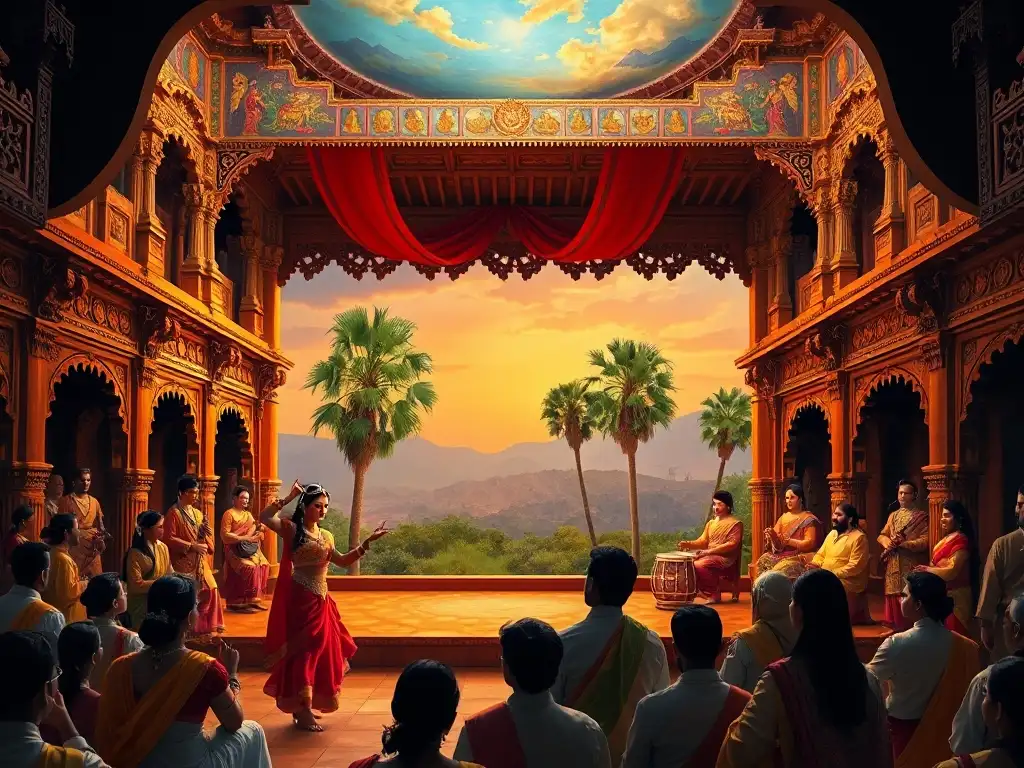
The Gupta Empire, often referred to as the "Golden Age of India," was a period that flourished in arts, culture, and intellectual pursuits. One of the most significant contributions during this era was to the theater arts, which left a lasting influence on subsequent Indian cultural expressions. This influence can be seen in various facets of Indian theater, including narrative structures, performance styles, and thematic elements.
Transmission of Gupta Theater Traditions
The Gupta Empire's theater arts were characterized by their rich storytelling and dramatic presentations. The tradition of Sanskrit drama emerged prominently during this time, with playwrights like Kalidasa and Bhasa leading the way. Their works, which combined elements of poetry and performance, established a foundation for future playwrights.
- Literary Foundations:
- The plays produced during the Gupta period often drew upon mythological themes, which resonated with audiences and provided moral and ethical lessons. This emphasis on storytelling continued to influence Indian literature and theater.
- Sanskrit became the predominant language for theatrical works, which allowed for a standardized form of storytelling that transcended regional dialects.
- Cultural Exchange:
- The Gupta Empire's extensive trade routes facilitated cultural exchanges with other regions. This interaction allowed for the importation of diverse theatrical practices, which were adapted and integrated into existing traditions.
- The performance styles developed during this period, such as dance-drama, began to be incorporated into local traditions, enriching the overall theatrical landscape of India.
- Institutions and Patronage:
- The establishment of theater schools and performance venues during the Gupta period provided a structured environment for the training of actors and playwrights.
- Royal patronage was crucial in supporting the arts, enabling artists to create and perform without financial constraints. This support resulted in a flourishing of theater arts that would inspire future generations.
Impact on Regional Theater Forms in India
The contributions of the Gupta Empire to theater arts led to significant regional developments across India, influencing various local forms of drama and performance.
- Emergence of Regional Dramas:
- The techniques and themes popularized during the Gupta period inspired the creation of regional theater forms, such as Kathakali in Kerala and Nautanki in North India.
- These regional forms began to incorporate local dialects, folklore, and traditions, while still retaining the narrative styles and dramatic conventions that originated in Gupta theater.
- Integration of Dance and Music:
- The Gupta theater arts emphasized the integration of dance and music into theatrical performances. This practice became a hallmark of many regional forms.
- For instance, the Bharatanatyam dance form evolved to include dramatic storytelling, a practice rooted in the theatrical traditions of the Gupta period.
- Festivals and Community Performances:
- The influence of Gupta theater extended to community celebrations and festivals, where performances became an integral part of social life. This led to the popularization of theatrical performances in village settings and at public gatherings.
- The themes of love, valor, and morality from Gupta plays continued to resonate, ensuring that the cultural narratives remained relevant through the centuries.
The Gupta Empire's contributions to theater arts not only shaped the artistic landscape of its time but also laid the groundwork for a vibrant and diverse theatrical tradition in India. The transmission of these traditions and their impact on regional forms underscores the enduring legacy of the Gupta theater arts.
The Role of Religion and Mythology in Gupta Theater
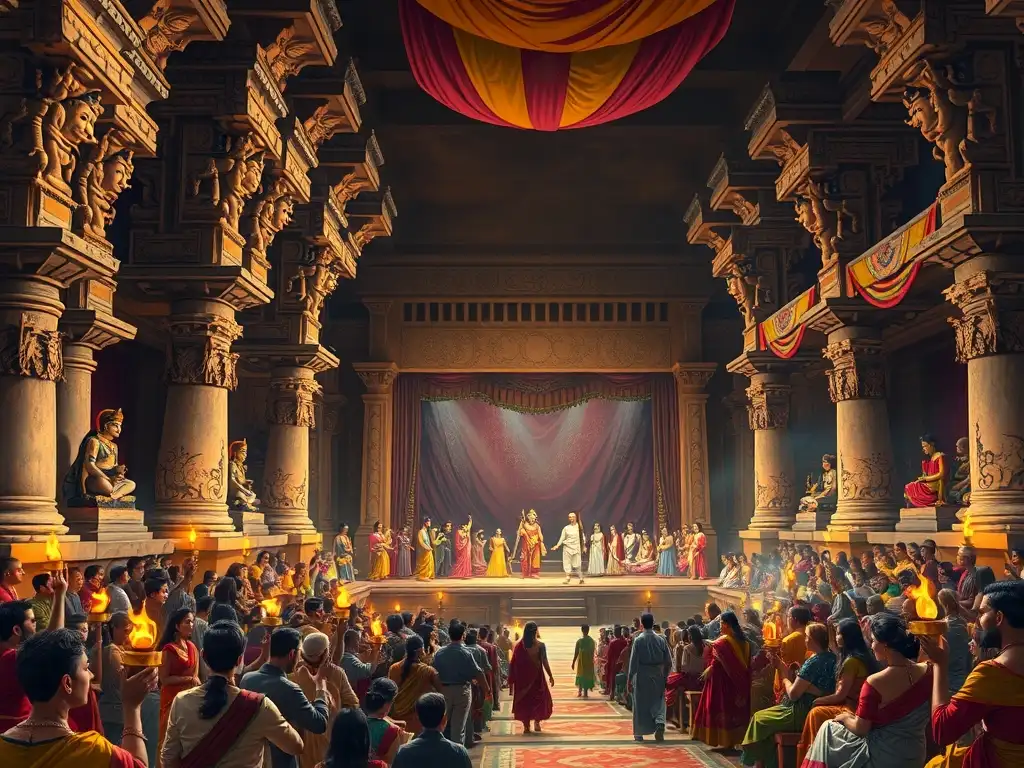
The Gupta Empire, often referred to as the Golden Age of India, was a period marked by significant advancements in art, science, and culture, including the theater arts. One of the most notable aspects of Gupta theater was its deep-rooted connection to religion and mythology, which played a pivotal role in shaping the narratives, themes, and performances of that era. The integration of religious practices and mythological tales not only enriched the theatrical experience but also served as a medium for moral and philosophical teachings.
Integration of Religious Themes in Plays
In Gupta theater, religious themes were intricately woven into the fabric of performances, often reflecting the prevailing beliefs and values of society. Theatrical works frequently depicted scenes from Hindu epics such as the Mahabharata and Ramayana, where the characters embodied moral virtues and the struggles between good and evil.
- Moral Lessons: These plays were not mere entertainment; they served as vehicles for imparting ethical teachings. For example, the portrayal of characters like Lord Rama or Arjuna was designed to exemplify dharma (duty/righteousness), encouraging audiences to reflect on their own lives.
- Devotional Elements: Many performances included devotional songs and dances that celebrated various deities, such as Shiva, Vishnu, and Durga. This integration fostered a sense of community and religious fervor among the audience, making theater a communal spiritual experience.
- Festivals and Rituals: The timing of performances often coincided with religious festivals, amplifying their significance. Theatrical presentations during these occasions allowed for the celebration of divine stories, further intertwining theater with religious practices.
Depictions of Mythological Stories and Characters
Mythological narratives formed the backbone of Gupta theater, providing rich material for playwrights and performers. The dramatization of these stories offered audiences a glimpse into the divine, the heroic, and the fantastical.
- Character Representation: Characters drawn from mythology were commonly depicted, such as gods, goddesses, and legendary heroes. For instance, the portrayal of Krishna in various roles, from a mischievous child to a wise leader, showcased the multifaceted nature of divinity and human experience.
- Symbolism: The use of allegorical figures and symbol-laden narratives allowed playwrights to explore complex themes. For example, the character of Ravana from the Ramayana was often portrayed not just as a villain but as a representation of ego and ignorance, prompting audiences to confront their inner struggles.
- Scenic Designs and Costumes: The aesthetic elements of Gupta theater also drew inspiration from mythology. Elaborate costumes and stage designs reflected the grandeur of divine realms, enhancing the visual storytelling and immersive experience for the audience.
The Gupta Empire's theater arts contributions are profoundly enriched by the interplay of religion and mythology. The integration of these elements not only provided entertainment but also served as a means of education and spiritual reflection, making theater a vital aspect of cultural life during this illustrious period.
Conclusion: Lasting Legacy of Gupta Empire Theater Arts Contributions
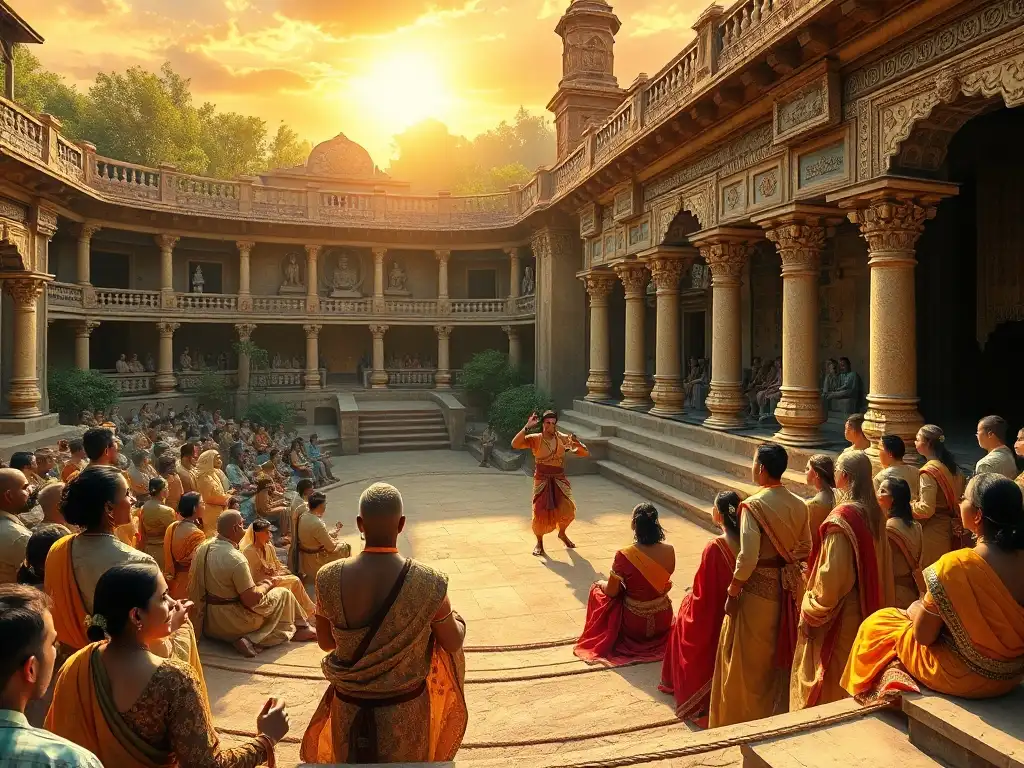
The Gupta Empire, often referred to as the "Golden Age of India," made significant strides in various fields, including theater arts. This period is characterized by a flourishing of creativity and cultural expression, particularly in dramatic literature, performance, and the overall appreciation of the arts. The contributions of the Gupta Empire to theater arts are not only impressive in their historical context but also resonate in the modern artistic landscape of India.
Summary of Key Contributions
-
Development of Sanskrit Drama
The Gupta era saw the emergence of Sanskrit drama as a refined art form. Prominent playwrights like Kalidasa, whose masterpieces such as Shakuntala and Vikramorvasiyam are celebrated for their poetic brilliance and complex characters, paved the way for future generations. The intricate plots and rich language used in these dramas set a high standard for theatrical works.
-
Innovative Performance Techniques
Theatrical performances during the Gupta period incorporated elaborate costumes, expressive gestures, and intricate choreography. The use of mudras (hand gestures) and abhinaya (expression) became essential in storytelling, enhancing the emotional depth of performances. These techniques laid the groundwork for classical Indian dance forms, which continue to thrive today.
-
Integration of Music and Dance
Theater arts during the Gupta Empire were not limited to drama alone; they also embraced music and dance, creating a holistic performance experience. The blending of these elements is reflected in the works of the time, where songs and dances were interwoven into the narrative, leading to the development of various performance styles that are integral to Indian culture today.
-
Cultural Patronage
The Gupta rulers were enthusiastic patrons of the arts, supporting artists and playwrights. This patronage not only boosted the production of theatrical works but also encouraged regional variations in performance styles, contributing to the rich tapestry of Indian theater. The support from the royal court fostered an environment where creativity flourished.
The Continued Relevance of Gupta Theater Arts in Modern India
The influences of Gupta Empire theater arts contributions are profoundly felt in contemporary Indian theater. Modern playwrights often draw inspiration from ancient texts, adapting the narratives and themes to resonate with today's audiences. For instance, the revival of classical plays, along with the incorporation of traditional performance styles, showcases the enduring legacy of this era.
-
Theater Festivals and Performances
Numerous theater festivals across India celebrate the rich heritage of Gupta-era theater. These events not only highlight classical works but also encourage new interpretations, ensuring that the art form remains dynamic and relevant.
-
Education and Training
Modern educational institutions in India often include training in traditional performance arts, emphasizing the techniques and styles that originated during the Gupta period. This focus on classical training helps maintain a connection to the past while enabling innovation in performance arts.
The Gupta Empire's contributions to theater arts have left a lasting impact that continues to shape the cultural landscape of India. The synthesis of drama, music, and dance during this golden age not only enriched the artistic heritage of the time but also laid the foundation for the vibrant theater arts scene that thrives in modern India.
Frequently Asked Questions
What were the main contributions of the Gupta Empire to theater arts?
The Gupta Empire significantly advanced theater arts through the development of classical forms of drama, including Natya Shastra, which laid the foundation for Indian theater.
How did the Gupta Empire influence storytelling in theater?
The Gupta period saw the emergence of elaborate narratives and character development in plays, enriching the storytelling aspect of theater arts that reflected societal values.
Were there any notable playwrights during the Gupta Empire?
Yes, Bhasa and Kalidasa are celebrated playwrights from the Gupta Empire, known for their poetic language and dramatic themes that still influence modern Indian literature.
What role did religion play in Gupta theater arts?
Religion played a pivotal role, with many plays incorporating mythological themes and ritualistic elements, reflecting the spiritual beliefs of the time and engaging the audience in cultural practices.
How did Gupta theater arts impact later Indian culture?
The theater arts developed during the Gupta Empire laid the groundwork for subsequent artistic movements, influencing later performing arts and contributing to the rich tapestry of Indian cultural heritage.
Final Reflection: The Enduring Legacy of Gupta Empire Theater Arts Contributions
The Gupta Empire's contributions to theater arts remain profoundly relevant today, as they laid the groundwork for the rich tapestry of performance and storytelling that continues to shape cultural expressions around the world. The innovations in drama, stagecraft, and narrative techniques during this golden age of Indian history not only enriched local traditions but also influenced global theatrical practices. The echoes of their creativity resonate in contemporary theater, reminding us of the timeless power of storytelling to connect, inspire, and transform.
The impact of the Gupta Empire on theater arts is a testament to the enduring nature of cultural expression. As we navigate a world increasingly defined by digital interactions, the essence of live performance—rooted in the traditions established during the Gupta period—reminds us of our shared humanity. The words of renowned playwright Antonin Artaud resonate here: Theater is a spiritual and magical form of the theater of the mind.
This perspective invites us to appreciate how the Gupta Empire's theatrical innovations continue to influence not just the arts, but also our collective consciousness, fostering a deeper understanding of ourselves and each other.
As we reflect on the Gupta Empire's theater arts contributions, I invite you to consider how you can incorporate the lessons of creativity, collaboration, and cultural appreciation into your own life. Whether through supporting local theater, exploring diverse narratives, or simply engaging with the arts in your community, each action contributes to a vibrant cultural landscape. Let us honor the legacy of the Gupta Empire by embracing the transformative power of theater arts, ensuring that their spirit continues to thrive in our modern world.
Unveil the Richness of Gupta Theater Arts Today!
Thank you for diving into the fascinating world of the Gupta Empire’s contributions to theater arts! Your interest in this vibrant cultural heritage not only enriches your knowledge but also helps keep these ancient traditions alive. Now, it’s time to take the next steps to immerse yourself further in this incredible legacy.
Here’s how you can continue your journey:
- Explore the classic plays of the Gupta period. Consider attending a theatrical performance or reading adaptations to experience their beauty firsthand.
- Share your insights about Gupta theater with friends or on social media. Start a conversation about how ancient arts continue to influence modern performances!
- Join local cultural groups or online forums dedicated to ancient history or theater arts, and engage with others who share your passion.
What aspects of Gupta theater arts intrigue you the most, and how do you think they shape contemporary performances? We would love to hear your thoughts!