
The Influence of Ancient Indian Universities on Modern Pedagogy


Welcome to Ancient India History, where we embark on a fascinating journey through the lush tapestry of ancient Indian civilizations. Have you ever wondered how the wisdom of ancient Indian universities continues to shape modern education? In our featured article, "The Influence of Ancient Indian Universities on Modern Pedagogy," we delve into the profound impact these institutions had on contemporary educational systems. Join us as we uncover the legacies of knowledge and culture that resonate through time, igniting curiosity and inspiring a deeper understanding of our past. Ready to explore? Let's dive in!

Introduction
The exploration of ancient Indian universities provides a fascinating glimpse into the educational paradigms that shaped not only the subcontinent but also influenced global pedagogical practices. Institutions like Nalanda and Takshashila were not merely centers of learning; they were vibrant hubs of knowledge that fostered critical thinking, inquiry, and intellectual discourse. Their teachings and methodologies laid foundational principles that resonate in today’s educational systems around the world. This article delves into the profound impact of ancient Indian universities on modern pedagogy, focusing on their role in shaping educational practices and philosophies that continue to thrive today.
Overview of Ancient Indian Universities
Ancient Indian universities, particularly Nalanda and Takshashila, were among the earliest centers of higher learning in the world, dating back to between the 5th century BCE and the 12th century CE. These institutions attracted scholars from various regions, including China, Korea, Japan, Tibet, Mongolia, and Southeast Asia, showcasing the global influence of Indian education.
Key Characteristics of Ancient Indian Universities:
- Curriculum Diversity: Subjects ranged from logic and philosophy to medicine and mathematics, allowing for a well-rounded education.
- Student-Centric Learning: Emphasis was placed on dialogue and debate, encouraging students to engage actively in their learning process.
- Interdisciplinary Approach: The blending of various fields of study fostered innovation and critical thinking.
- Residential Education: Students lived on campus, creating a community that facilitated deeper learning and cultural exchange.
Importance of Studying Ancient Indian Educational Systems
Understanding the educational systems of ancient India is crucial for several reasons:
- Cultural Heritage: These systems reflect the values and philosophies of ancient Indian civilization.
- Pedagogical Insights: The teaching methods used in ancient universities can inform contemporary educational practices.
- Global Influence: The impact of these universities extended beyond India, influencing educational structures in various cultures.
- Holistic Learning Models: Lessons on holistic education from ancient times can be integrated into modern curricula to enhance student engagement and learning outcomes.
Historical Context of Ancient Indian Universities

The establishment of universities in ancient India was a response to the growing need for advanced learning and scholarship. As society evolved, so did the structures of education, leading to the rise of these remarkable institutions.
Development of Universities like Nalanda and Takshashila
- Nalanda University: Founded in the 5th century CE, it became a prominent center for Buddhist studies and attracted thousands of students and scholars.
- Takshashila (Taxila): Known as one of the oldest universities in the world, it dates back to the 6th century BCE and was a melting pot of various disciplines.
Both institutions were pivotal in shaping the intellectual landscape of their time and laid the groundwork for future educational endeavors.
Key Features of Ancient Indian Universities
- Curricular Framework: Emphasized on practical knowledge alongside theoretical understanding.
- Assessment Techniques: Employed oral examinations and debates as a means of evaluation.
- Cultural Integration: Brought together students from diverse backgrounds, promoting a rich exchange of ideas.
The legacy of ancient Indian universities continues to inspire modern education, offering valuable lessons in fostering inquiry, critical thinking, and a love for learning that transcends time.
The Curriculum and Pedagogical Methods
Ancient Indian universities, such as Nalanda and Takshashila, were renowned for their comprehensive curricula and innovative pedagogical methods. These institutions offered a wide range of subjects, fostering a holistic approach to education that integrated various disciplines. The curriculum was not only extensive but also dynamic, adapting to the needs of the society and the evolving knowledge landscape of the time.
Subjects Taught in Ancient Indian Universities
The subjects taught in ancient Indian universities encompassed a vast array of disciplines. Students could study:
- Philosophy: Including schools like Vedanta and Nyaya, which encouraged critical thinking and logical reasoning.
- Mathematics: Pioneering work in algebra, geometry, and astronomy was preserved and advanced.
- Medicine: With texts like the Sushruta Samhita, students learned surgical techniques and herbal remedies.
- Arts and Literature: Including poetry, drama, and music, which contributed to cultural enrichment.
- Science: Particularly in fields like astronomy and physics, where ancient scholars made significant contributions.
This diversity ensured that students received a well-rounded education, preparing them for various roles in society.
Teaching Methods and Practices
The teaching methods in ancient Indian universities were characterized by a blend of traditional and innovative approaches:
- Interactive Learning: Students engaged in discussions and debates, fostering critical thinking and dialogue.
- Practical Application: Emphasis was placed on applying theoretical knowledge in real-world scenarios, particularly in fields like medicine and agriculture.
- Individualized Attention: Classes were often small, allowing for personalized instruction and mentorship.
- Experiential Learning: Field trips and practical workshops were common, enhancing experiential understanding.
Such methods laid a strong foundation for a learning environment that encouraged inquiry and exploration.
The Role of Guru-Shishya Tradition in Education
The Guru-Shishya tradition played a pivotal role in ancient Indian education. This relationship between the teacher (guru) and the student (shishya) was characterized by deep respect, personal guidance, and a focus on mentorship. Key features of this tradition include:
- Holistic Learning: The guru imparted not only academic knowledge but also moral and ethical values, shaping the character of students.
- Long-Term Relationships: Students often stayed with their gurus for extended periods, allowing for in-depth learning and personal growth.
- Oral Transmission of Knowledge: Much of the learning was conducted through oral practices, emphasizing memorization and recitation, crucial for the preservation of texts and teachings.
This tradition has influenced modern educational practices, highlighting the importance of mentorship and the student-teacher bond.
Ancient Indian Universities' Impact Today
The legacy of ancient Indian universities continues to resonate in contemporary education systems around the world, shaping pedagogical philosophies and practices.
Influence on Modern Educational Systems
Ancient Indian universities have had a profound influence on modern educational systems, particularly in the following ways:
- Curricular Diversity: The integration of various subjects encourages interdisciplinary studies and a broad-based curriculum in contemporary institutions.
- Focus on Critical Thinking: The emphasis on dialogue and debate has fostered a culture of critical inquiry and analytical skills in today’s classrooms.
- Personalized Learning: The guru-shishya model has inspired mentorship programs and individualized learning paths, promoting tailored educational experiences.
These influences underscore the timelessness of ancient pedagogical principles that remain relevant in today's educational discourse.
Contributions to Global Education Models
Ancient Indian universities contributed significantly to global education models by:
- Promoting Knowledge Exchange: Scholars traveled between regions, facilitating the exchange of ideas and knowledge across cultures, which is foundational to global education today.
- Establishing Universities as Centers of Learning: The concept of universities as hubs for learning and research can be traced back to these ancient institutions, influencing the structure of modern universities worldwide.
- Innovative Teaching Practices: Techniques such as experiential learning and collaborative inquiry can be seen in many contemporary educational frameworks, reflecting ancient practices.
These contributions have enriched the global educational landscape, demonstrating the far-reaching impact of ancient Indian thought.
The Relevance of Ancient Educational Practices in Contemporary Pedagogy
The educational practices of ancient Indian universities remain relevant in contemporary pedagogy due to their emphasis on:
- Holistic Development: Integrating emotional, intellectual, and ethical education, which is increasingly recognized as essential for nurturing well-rounded individuals.
- Collaborative Learning: Encouraging group work and peer-to-peer learning, mirroring ancient practices of discussion and debate.
- Lifelong Learning: The notion that education is an ongoing process is inherent in ancient philosophies and continues to inspire modern educational theories.
Incorporating these principles into current educational frameworks can enhance teaching effectiveness and student engagement, ensuring that the wisdom of the past informs the practices of the present.
Case Studies of Modern Institutions Inspired by Ancient Indian Universities
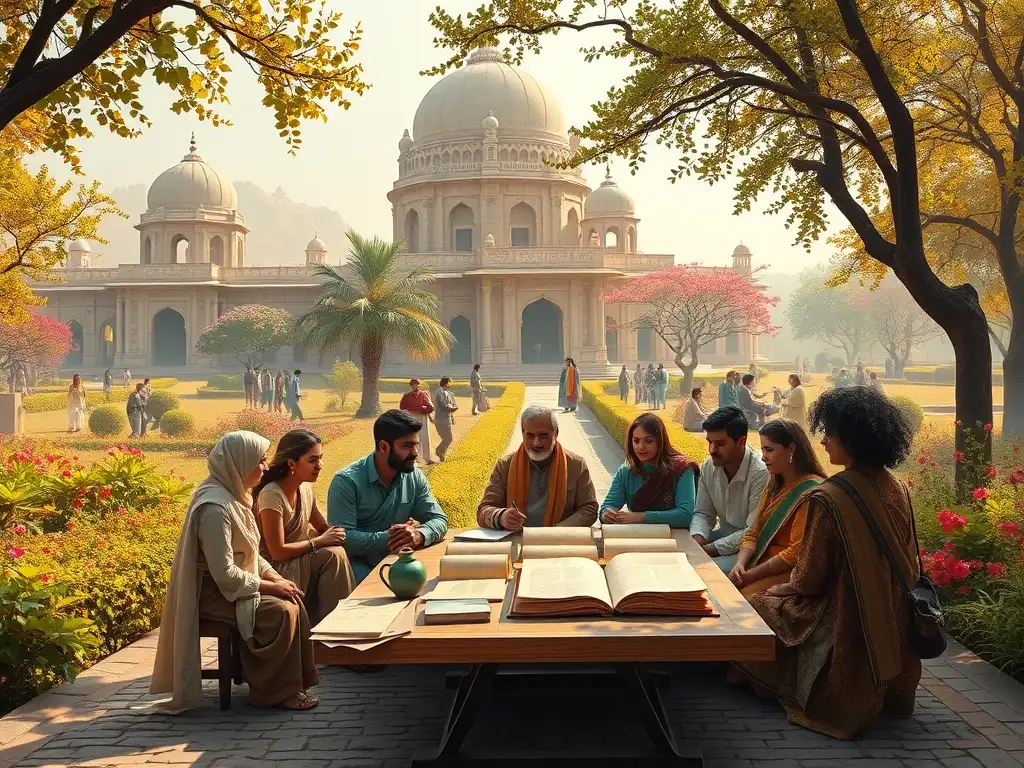
The legacy of ancient Indian universities, particularly Nalanda and Takshashila, has significantly influenced the educational landscape of modern India. This influence is evident in the establishment of contemporary institutions that draw inspiration from the pedagogical methods, curriculum structures, and community engagement strategies of their ancient counterparts. By examining specific examples, we can better understand how ancient philosophies continue to shape educational practices today.
Example 1: Nalanda University and Its Curriculum
Nalanda University, one of the oldest residential universities in the world, was renowned for its diverse curriculum, which encompassed subjects ranging from philosophy and logic to mathematics and medicine. The revival of Nalanda in the 21st century reflects a commitment to recreate its academic spirit. The modern iteration emphasizes interdisciplinary studies and global engagement, mirroring the ancient model where scholars from various regions converged to exchange knowledge.
The curriculum at the new Nalanda University promotes a holistic education approach, integrating traditional Indian knowledge systems with contemporary academic frameworks. Courses are designed to foster critical thinking and collaborative learning, echoing the ancient practices of debate and dialogue that were central to Nalanda's pedagogy. This revived focus on a well-rounded education aims to equip students with not only technical skills but also ethical and philosophical understanding, which is essential in today’s complex world.
Example 2: Indian Institute of Technology (IIT) and Pedagogical Approaches
The Indian Institute of Technology (IIT) system exemplifies the modern application of ancient Indian educational principles. Established to promote technical education and research, IITs have adopted a pedagogical approach that emphasizes innovation, practical learning, and interdisciplinary collaboration. This mirrors the ancient universities' focus on comprehensive education, where students were encouraged to explore multiple disciplines.
IITs emphasize project-based learning and real-world applications, akin to the experiential learning methods practiced in ancient universities. Students engage in extensive hands-on projects, fostering creativity and problem-solving skills. Additionally, the emphasis on peer learning and mentorship aligns with the traditions of ancient Indian education, where knowledge was often shared in a communal setting. This approach not only nurtures technical expertise but also cultivates a sense of responsibility towards society, reflecting the holistic nature of ancient Indian educational philosophies.
Challenges and Misconceptions
Despite the rich historical context and contributions of ancient Indian universities, several challenges and misconceptions persist that obscure their impact on modern educational systems. Addressing these issues is crucial for recognizing and leveraging the full potential of ancient educational legacies in contemporary contexts.
Common Myths about Ancient Indian Education
One prevalent myth is that ancient Indian education was exclusively focused on religious texts and did not encompass a broader spectrum of knowledge. In reality, ancient universities like Nalanda and Takshashila offered a diverse range of subjects, including science, astronomy, mathematics, and various arts. This misconception undermines the intellectual rigor and diversity that characterized ancient Indian educational systems.
Another common belief is that ancient Indian universities lacked formal structures and methodologies. Contrary to this notion, these institutions had well-defined curricula and assessment methods, often involving rigorous oral examinations and debates. They promoted critical inquiry and encouraged students to challenge established norms, illustrating a sophisticated understanding of pedagogy that resonates with modern educational practices.
Realities of Ancient Universities' Contributions to Modern Learning
The contributions of ancient Indian universities to modern education extend beyond mere curriculum frameworks. They laid the groundwork for several educational philosophies that prioritize holistic development, critical thinking, and community engagement. For instance, the emphasis on collaborative learning and open discourse in ancient settings has found resonance in contemporary pedagogical practices that advocate for student-centered learning environments.
Additionally, ancient Indian universities fostered an ethos of lifelong learning and intellectual exploration, principles that are increasingly relevant in today’s fast-paced world. Modern educators can draw valuable lessons from the ancient approach to learning, which emphasized adaptability and a quest for knowledge beyond formal education. Recognizing these realities can help modern institutions enhance their educational frameworks, ensuring they remain relevant and impactful in a globalized context.
Conclusion
The exploration of ancient Indian universities, particularly institutions like Nalanda and Takshashila, reveals a profound legacy that continues to resonate within modern educational frameworks. These universities were not merely centers of learning; they were beacons of intellectual exchange, cultural diversity, and holistic education. By emphasizing critical thinking, interdisciplinary studies, and a student-centered approach, ancient Indian universities laid the groundwork for many contemporary educational philosophies.
Summary of Ancient Indian Universities' Impact on Education Today
Ancient Indian universities have significantly influenced modern pedagogy through several key aspects:
- Holistic Learning: The focus on comprehensive education that encompasses spiritual, intellectual, and physical development has been integrated into modern educational models, promoting well-rounded individuals.
- Interdisciplinary Approach: The curriculum in ancient universities was not confined to a single field but rather encouraged the exploration of multiple disciplines, which is increasingly recognized in today’s educational environments. Modern education systems are now adopting an interdisciplinary approach to foster creativity and innovation.
- Critical Thinking and Debate: The Socratic method of questioning and debate prevalent in ancient Indian universities aligns closely with contemporary pedagogical practices that emphasize critical thinking. This approach nurtures analytical skills and encourages students to engage actively in their learning journey.
- Global Learning Environment: Ancient universities attracted scholars from various parts of the world, creating a rich tapestry of cultural exchange. This principle is echoed in today’s globalized education systems that promote diversity and inclusivity.
The foundational principles established by ancient Indian universities have not only survived through centuries but have also evolved, shaping educational philosophies across the globe.
Future Perspectives on Integrating Ancient Pedagogy into Modern Systems
As we move forward, there is immense potential to further integrate the pedagogical insights from ancient Indian universities into contemporary educational practices. Key future perspectives include:
- Curriculum Development: Educational institutions can draw inspiration from the ancient curriculum, incorporating subjects that foster holistic development, such as philosophy, ethics, and the arts alongside sciences and technology.
- Teacher Training Programs: Future teacher training initiatives can emphasize the importance of fostering critical thinking and debate in classrooms, using methods derived from ancient practices that encourage inquiry-based learning.
- Cultural Exchange Programs: Developing programs that allow for international collaborations can emulate the global environment of ancient universities, promoting cross-cultural dialogue among students.
- Use of Technology: Leveraging technology to create virtual spaces for learning can replicate the ancient model of knowledge sharing, allowing students from diverse backgrounds to collaborate and learn together.
- Research and Documentation: Continued research into ancient pedagogical methods and their effectiveness can provide valuable insights that can be adapted for modern educational challenges.
As we reflect on the enduring legacy of ancient Indian universities, we must also actively seek ways to incorporate their innovative approaches into current educational systems, ensuring that the wisdom of the past informs the education of future generations.
- Introduction
- Overview of Ancient Indian Universities
- Importance of Studying Ancient Indian Educational Systems
- Historical Context of Ancient Indian Universities
- The Curriculum and Pedagogical Methods
- Ancient Indian Universities' Impact Today
- Case Studies of Modern Institutions Inspired by Ancient Indian Universities
- Challenges and Misconceptions
- Conclusion
- What were the main ancient Indian universities?
- How did ancient Indian universities contribute to modern education?
- What subjects were primarily taught in ancient Indian universities?
- How do ancient Indian universities continue to influence education today?
- What is the significance of ancient Indian universities in global history?
Frequently Asked Questions
What were the main ancient Indian universities?
Ancient Indian universities like Nalanda and Takshashila were renowned centers of learning, attracting students from across Asia and emphasizing subjects such as philosophy, medicine, and mathematics.
How did ancient Indian universities contribute to modern education?
The curriculum and teaching methods developed in ancient Indian universities laid the groundwork for modern pedagogy, influencing educational institutions worldwide with their focus on critical thinking and debate.
What subjects were primarily taught in ancient Indian universities?
Students at ancient Indian universities studied a wide array of subjects, including grammar, astronomy, logic, and the arts, showcasing the diversity of knowledge that contributed to their lasting impact.
How do ancient Indian universities continue to influence education today?
The principles of holistic education and interdisciplinary studies established by ancient Indian universities still resonate in contemporary educational practices, promoting a well-rounded approach to learning.
What is the significance of ancient Indian universities in global history?
Ancient Indian universities played a key role in the transmission of knowledge across civilizations, contributing to the global exchange of ideas and fostering intellectual growth that is still felt in today's educational systems.
Final Reflection: The Enduring Legacy of Ancient Indian Universities
The impact of ancient Indian universities on modern pedagogy is not merely a historical footnote; it is a profound testament to the enduring power of knowledge and learning. As we navigate an increasingly complex world, the foundational principles established by these institutions continue to resonate, shaping educational practices and philosophies that prioritize holistic development, critical thinking, and interdisciplinary approaches. The wisdom of the past remains a guiding light for contemporary education, reminding us that the pursuit of knowledge is a timeless endeavor.
The influence of ancient Indian universities extends far beyond their geographical and temporal confines; they have woven themselves into the very fabric of our cultural and social landscapes. Their emphasis on inquiry, debate, and the integration of diverse fields of study has inspired countless educational reforms and innovations. As Mahatma Gandhi once said, "> Live as if you were to die tomorrow. Learn as if you were to live forever." This ethos encapsulates the spirit of lifelong learning that these ancient institutions championed, encouraging us to embrace curiosity and adaptability in our quest for knowledge.
As we reflect on the lessons imparted by ancient Indian universities, let us take a moment to consider how we can incorporate their timeless wisdom into our own lives. I invite you to explore the ways in which you can foster a culture of inquiry and holistic learning in your personal and professional spheres.
Whether through mentorship, collaborative projects, or simply nurturing a curious mindset, each of us has the power to contribute to a legacy of education that honors the past while shaping a brighter future. Embrace the journey of learning, for it is a path that leads not only to personal growth but also to the betterment of society as a whole.
Ignite Your Learning Journey Today!
Thank you for taking the time to explore the profound influence of ancient Indian universities on today’s educational practices. Your interest in this rich history not only expands your knowledge but also empowers you to appreciate the roots of modern pedagogy. Now, it’s time to take what you’ve learned and turn it into action!
Here are some steps you can take to further your exploration and celebrate this timeless legacy:
- Dive Deeper: Enroll in an online course that focuses on ancient philosophies or educational theories derived from these historic institutions.
- Share Your Insights: Engage with your community by discussing what intrigued you most about ancient Indian education. Consider starting a blog or joining a local discussion group!
- Reflect & Create: Think about developing your own educational project or study group inspired by the methodologies discussed in this article. How can you integrate these teachings into your personal learning journey?
What aspect of ancient Indian universities do you believe could most transform modern education today? We invite you to share your thoughts below!