
The Science of Ayurveda: An Integral Part of Ancient Indian Curriculum


Welcome to Ancient India History, where we embark on a captivating journey through the rich tapestry of ancient Indian civilizations. Dive into the history of Ayurveda in India, an essential pillar of our cultural heritage that has shaped not just health practices but the very essence of education in ancient times.
As we unravel the intricate connections between Ayurveda and the educational systems of the past, you'll discover how this ancient wisdom continues to influence modern life. Prepare to explore, learn, and be inspired by the profound contributions of the Gupta Empire and beyond—your adventure into the depths of time begins now!

Ayurveda, often referred to as the "Science of Life," represents a comprehensive system of medicine that has its roots in ancient India. This holistic approach to health and wellness emphasizes the balance between body, mind, and spirit, integrating physical, mental, and spiritual aspects for overall well-being. The history of Ayurveda in India is not merely a medical discourse but is intricately woven into the fabric of Indian culture, philosophy, and education.
From the ancient Vedic texts to modern practices, Ayurveda has significantly influenced educational curricula, shaping the health practices and philosophies of countless generations. This article delves into the rich history of Ayurveda in India, exploring its foundational principles, historical significance, and the pivotal role it played in shaping educational practices in ancient Indian civilization.
Introduction to Ayurveda
Definition and Core Principles of Ayurveda
Ayurveda is derived from the Sanskrit words "Ayur," meaning life, and "Veda," meaning knowledge or science. It is a system that encompasses various aspects of life, including diet, lifestyle, and herbal remedies, aimed at maintaining health and preventing disease. The core principles of Ayurveda are based on the concepts of:
- Tridosha Theory: The belief that three fundamental energies (Vata, Pitta, and Kapha) govern physiological and psychological processes.
- Five Elements: The world is composed of five great elements - Earth, Water, Fire, Air, and Space - which interact with the body and mind.
- Individual Constitution: Each person has a unique constitution (Prakriti) that determines their physical and mental characteristics.
These principles guide practitioners in diagnosing and treating ailments, promoting a lifestyle that fosters balance and harmony within the individual.
Historical Significance of Ayurveda in Ancient India
Ayurveda holds a prominent place in the history of medicine in India and is acknowledged as one of the oldest healthcare systems in the world. Its significance extends beyond mere treatment; it embodies the ancient Indian worldview that emphasizes the interconnectedness of all living beings. Ayurvedic practices were integral to daily life, influencing various aspects, such as diet, rituals, and even spiritual practices. The reverence for Ayurveda can be seen in the fact that ancient Indian scholars and physicians dedicated their lives to its study, ensuring its transmission through generations.
The Historical Context of Ayurveda in India
Origins of Ayurveda in the Vedic Period
The origins of Ayurveda date back to the Vedic period (approximately 1500 - 500 BCE), where it was first documented in the ancient texts known as the Vedas. The "Atharva Veda," in particular, contains hymns and verses that describe various medicinal plants and health practices. The Vedic sages, through their observations and experiences, laid the groundwork for Ayurvedic practices, emphasizing the importance of preventive healthcare and natural remedies. This period marked the beginning of a systematic approach to health that would evolve over the centuries.
Development of Ayurvedic Texts and Literature
As Ayurveda matured, several key texts emerged that codified its principles and practices. Notable among them are:
- Charaka Samhita: Attributed to the sage Charaka, this foundational text focuses on internal medicine and clinical diagnosis.
- Sushruta Samhita: Compiled by Sushruta, it is considered the first surgical text, detailing surgical techniques and instruments.
- Ashtanga Hridaya: A synthesis of earlier texts, it provides a comprehensive overview of Ayurveda, combining theoretical knowledge with practical applications.
These texts not only served as educational resources for Ayurvedic practitioners but also contributed to the broader field of medical science in ancient India.
Influence of Ayurveda on Indian Culture and Society
Ayurveda's influence permeated various facets of Indian culture and society, shaping practices in nutrition, lifestyle, and spirituality. The principles of Ayurveda were integrated into the educational framework, with students learning about health, wellness, and the natural world. Festivals, rituals, and daily practices often reflected Ayurvedic teachings, emphasizing a lifestyle that promotes harmony with nature. Additionally, Ayurveda fostered a sense of community, as knowledge was shared among families and communities, solidifying its place as a cornerstone of ancient Indian education and culture.
The history of Ayurveda in India is a testament to the profound wisdom of ancient civilizations, highlighting its lasting impact on health, education, and cultural practices. As we explore further, we will uncover more about its evolution and significance in shaping modern health practices.
Ayurveda as Part of Ancient Indian Educational Practices
Ayurveda, the ancient system of medicine, was not merely a practice of healing but also an integral component of educational systems in ancient India. Its teachings were deeply embedded in the curriculum of traditional educational institutions known as Gurukuls. The holistic understanding of health and wellness that Ayurveda promotes influenced various aspects of education, emphasizing the importance of physical, mental, and spiritual well-being. This integration ensured that students were not only educated in theoretical knowledge but also trained in practical applications that would serve them throughout their lives.
Integration of Ayurveda into the Gurukul System
In ancient India, the Gurukul system was a form of education where students lived with their teachers (gurus) in a communal setting. Ayurveda was often included in the curriculum due to its relevance to daily life and its importance in maintaining health. Students learned the foundational texts of Ayurveda, such as the Charaka Samhita and Sushruta Samhita, which outlined various principles of medicine, surgery, and herbal remedies. The Gurukul environment fostered an experiential learning approach, allowing students to engage in practical training through observation and hands-on experience.
The role of the guru was pivotal; they not only imparted knowledge but also modeled a lifestyle rooted in Ayurvedic principles. This mentorship extended beyond academics, influencing students' character and ethics, critical components of Ayurvedic philosophy. Thus, the integration of Ayurveda into the Gurukul system helped cultivate knowledgeable practitioners who were also well-rounded individuals.
Teaching Methods and Pedagogy in Ayurvedic Education
Ayurvedic education in ancient India employed diverse teaching methods that encouraged active participation and critical thinking. The pedagogy was largely based on oral transmission, with gurus imparting knowledge through discussions, storytelling, and practical demonstrations. This approach allowed students to absorb complex concepts in a relatable manner.
Additionally, the use of case studies and clinical practices was prominent. Students were encouraged to analyze real-life situations and apply their learning to diagnose and treat ailments. Group discussions and debates on ethical dilemmas in healthcare were also common, fostering a mindset of inquiry and reflection. This interactive, hands-on approach ensured that the teachings of Ayurveda were not only theoretical but also applicable in real-world scenarios.
Role of Ayurveda in Holistic Education
Ayurveda's philosophy emphasizes a holistic approach to health, aligning with the broader educational goals of ancient Indian systems. The teachings of Ayurveda incorporated physical health, mental clarity, and spiritual well-being, recognizing that education should nurture the whole person. This holistic perspective was reflected in the curriculum, which included subjects such as yoga, meditation, and philosophy alongside Ayurvedic studies.
By integrating Ayurveda into the educational framework, ancient Indian educators aimed to develop individuals who were not only knowledgeable but also balanced in their physical, emotional, and spiritual lives. This comprehensive approach prepared students to face life’s challenges with resilience and wisdom, emphasizing the importance of harmony between body, mind, and spirit.
The Curriculum of Ayurveda in Ancient India
The curriculum of Ayurveda in ancient India was rich and diverse, encompassing various subjects that were essential for the formation of competent practitioners. The educational structure included both theoretical knowledge and practical applications, ensuring a well-rounded understanding of Ayurvedic principles and practices.
Subjects Covered in Ayurvedic Studies
Ayurvedic studies included a wide range of subjects, such as:
- Anatomy and Physiology: Understanding the human body, its functions, and how different systems interact.
- Pathology: Studying the causes and effects of diseases, including diagnostic techniques.
- Pharmacology: Learning about medicinal plants, their properties, and preparation methods for remedies.
- Surgery: Gaining insights into surgical techniques and procedures as outlined in texts like the Sushruta Samhita.
- Dietetics: Emphasizing the role of nutrition in health, with specific diets prescribed for various ailments.
Each subject was designed to provide students with the knowledge necessary to understand and apply Ayurvedic principles in their practice, thus ensuring a comprehensive education.
Practical Applications of Ayurveda in Daily Life
Ayurveda's teachings were not confined to medical practices alone; they extended into everyday life, influencing lifestyle choices and habits. Students were taught the significance of daily routines (Dinacharya) and seasonal routines (Ritucharya), which emphasized living in harmony with nature. This included guidance on:
- Diet and Nutrition: Understanding food types and their effects on health.
- Detoxification Practices: Techniques like Panchakarma, which cleanses the body of toxins.
- Yoga and Physical Activity: Integrating physical wellness with mental and spiritual health.
These practical applications illustrated how Ayurveda could be woven into the fabric of daily life, promoting overall well-being and longevity.
Comparison of Ayurveda with Other Ancient Disciplines
Ayurveda shares foundational principles with several other ancient disciplines, such as Yoga and traditional Indian philosophy. While Ayurveda focuses primarily on health and healing, Yoga emphasizes physical and spiritual practices for self-realization. Both disciplines, however, advocate for a balanced lifestyle and the interconnectedness of body, mind, and spirit.
In comparison to Western medical practices, Ayurveda differs significantly in its approach to health. While Western medicine often targets specific symptoms, Ayurveda seeks to treat the root cause of health issues by balancing the body's energies (doshas). This holistic philosophy positions Ayurveda not just as a medicinal practice but as a comprehensive lifestyle system that aligns with various aspects of ancient Indian educational practices and philosophies.
Through this comparison, it becomes evident that Ayurveda is not only a medical system but an essential part of a broader educational and cultural framework that has significantly shaped Indian society throughout history.
Contributions of Ayurveda to Modern Science
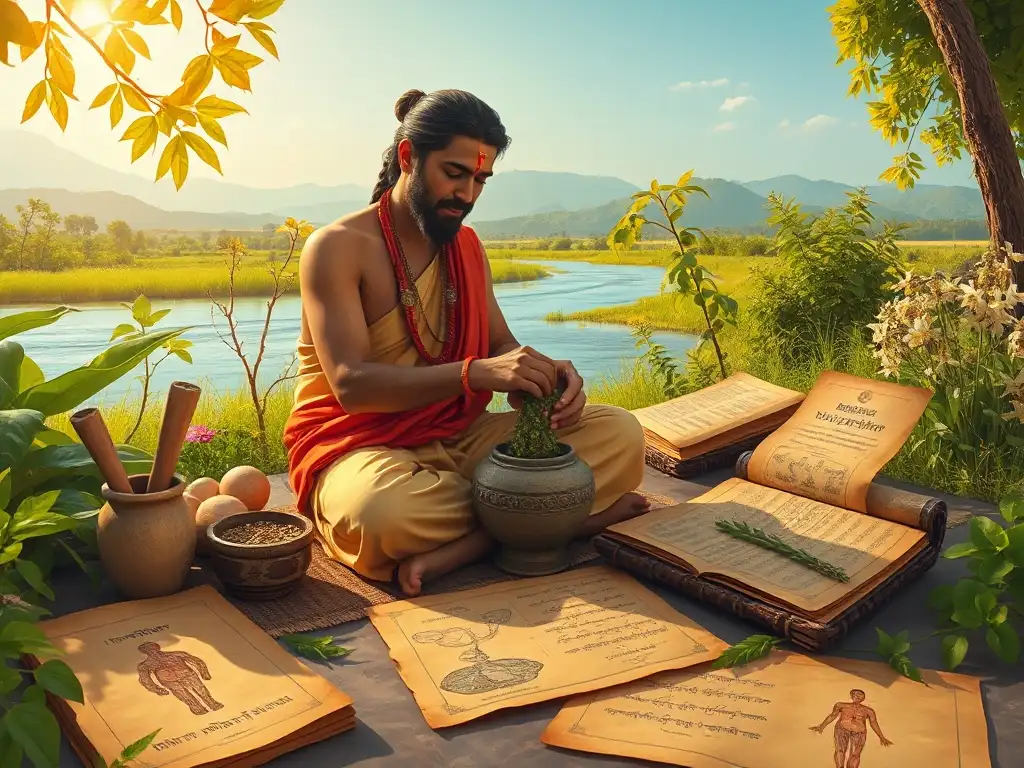
Ayurveda, one of the oldest systems of medicine in the world, has significantly influenced modern science, particularly in the fields of herbal medicine, nutrition, and holistic health practices. Many contemporary pharmaceuticals are derived from plants traditionally used in Ayurvedic practices. For instance, the use of turmeric as an anti-inflammatory agent has gained recognition, with curcumin being studied extensively for its therapeutic benefits.
Furthermore, Ayurveda's emphasis on individualized treatment has inspired personalized medicine in modern healthcare. The Ayurvedic concept of "Prakriti," or individual constitution, has parallels in genetic medicine, where treatment is tailored to the patient's unique genetic makeup. Additionally, Ayurvedic practices related to detoxification and wellness have found their way into wellness programs around the world, highlighting the relevance of ancient wisdom in today’s health landscape.
Evolution of Ayurvedic Practices Over Time
The evolution of Ayurvedic practices spans thousands of years, beginning with the Vedic texts around 1500 BCE, where health and wellness principles were first documented. Over time, Ayurveda incorporated various influences, including local herbal knowledge and practices from other cultures, resulting in a rich tapestry of healing techniques.
By the time of the Charaka Samhita (circa 400 CE), Ayurveda had evolved into a more structured system, emphasizing diagnosis and treatment methodologies. The rise of influential physicians like Charaka and Sushruta marked significant advancements in surgical techniques and pharmacology. The Middle Ages saw Ayurveda interact with Islamic medicine, leading to further refinement and integration of new knowledge. Today, Ayurveda continues to adapt, integrating modern research and practices while remaining rooted in its ancient philosophies.
Current Relevance of Ayurveda in Contemporary Medicine
In recent years, Ayurveda has regained prominence, particularly in the context of integrative medicine. As patients seek holistic care, many healthcare providers are incorporating Ayurvedic principles alongside conventional treatments. Ayurveda emphasizes preventive care, encouraging a lifestyle that promotes balance and wellness.
Research into Ayurvedic herbs and treatments is ongoing, with many studies focusing on their efficacy and safety. Institutions around the world are beginning to recognize Ayurveda as a valuable complementary approach, particularly in managing chronic diseases such as diabetes, asthma, and arthritis. This resurgence in interest underscores Ayurveda's relevance in addressing contemporary health challenges through a comprehensive and patient-centered approach.
Ayurveda and Holistic Healing: Bridging Ancient Wisdom with Modern Science
Ayurveda's holistic approach to health emphasizes the interconnectedness of body, mind, and spirit, making it a vital component of holistic healing practices. This philosophy aligns with modern understandings of health, which recognize that physical ailments often have psychological and emotional components.
Practices such as yoga and meditation, rooted in Ayurvedic tradition, have gained widespread acceptance for their benefits in stress reduction and overall well-being. Furthermore, the Ayurvedic focus on diet, lifestyle, and environmental factors complements modern nutritional science, promoting a lifestyle that enhances health and longevity. By bridging ancient wisdom with modern scientific principles, Ayurveda offers a comprehensive framework for understanding health in a multifaceted way.
Challenges and Misconceptions Surrounding Ayurveda

Despite its rich history and contributions, Ayurveda faces numerous challenges and misconceptions that hinder its acceptance within the mainstream medical community. One significant challenge is the lack of standardized practices and regulation, which can lead to variability in treatment quality and efficacy. Additionally, the integration of Ayurveda into modern healthcare systems often meets resistance due to differences in philosophical approaches and methodologies.
Myths About the Effectiveness of Ayurveda
Several myths surround the effectiveness of Ayurveda, often stemming from a lack of understanding of its principles and practices. One common misconception is that Ayurveda is solely based on anecdotal evidence without scientific backing. In reality, numerous studies have validated various Ayurvedic treatments, although more rigorous research is needed to establish comprehensive evidence for all practices.
Another myth is that Ayurvedic medicine is merely a form of alternative therapy with no real scientific basis. However, many Ayurvedic practices are grounded in centuries of observation and experience, offering insights that can complement modern medical approaches. Recognizing these myths is crucial for fostering a more accurate understanding of Ayurveda's role in health.
Addressing Skepticism in the Scientific Community
Skepticism within the scientific community regarding Ayurveda often stems from the need for evidence-based practices. To address this skepticism, it is essential to conduct well-designed clinical trials that assess the safety and efficacy of Ayurvedic treatments. Collaborations between Ayurvedic practitioners and researchers can facilitate this process, leading to a greater acceptance of Ayurveda within scientific circles.
Moreover, increasing awareness and education about the principles of Ayurveda can help bridge the gap between traditional and modern medicine. By presenting Ayurveda as a complementary approach rather than an alternative, it is possible to create a more inclusive healthcare landscape that values diverse healing traditions while maintaining scientific rigor.
Conclusion
The history of Ayurveda in India is not just a narrative of medical practices but a profound reflection of the ancient Indian civilization's approach to health, wellness, and education. This holistic science, with its roots deeply embedded in the cultural fabric of the country, has transcended time, influencing not only local practices but also attracting global attention.
By integrating Ayurveda into educational curricula, ancient Indian scholars cultivated a comprehensive understanding of human health that encompassed physical, mental, and spiritual well-being. As we continue to explore and understand the nuances of Ayurveda, it becomes increasingly clear that its principles remain relevant and beneficial in today's fast-paced world.
The Importance of Preserving Ayurvedic Knowledge
Preserving the knowledge of Ayurveda is crucial for several reasons. First, it serves as a repository of wisdom that offers insights into natural healing and preventive care, which can complement modern medical practices. As the world grapples with the challenges of chronic diseases and lifestyle-related health issues, Ayurveda provides a holistic framework that promotes wellness through personalized treatment plans and lifestyle adjustments.
Moreover, safeguarding this ancient knowledge fosters cultural heritage and identity. Ayurveda is not merely a system of medicine; it embodies the philosophical and spiritual ethos of Indian civilization. By preserving its teachings, we honor the contributions of our ancestors and ensure that future generations can benefit from this invaluable resource. Additionally, the global interest in alternative medicine and holistic health practices underscores the need for a structured approach to documenting and disseminating Ayurvedic knowledge.
Future of Ayurveda in Education and Health Systems
The future of Ayurveda in education and health systems looks promising, with increasing recognition of its value in promoting holistic health. Educational institutions are beginning to integrate Ayurvedic concepts into curricula, fostering an appreciation for this ancient science among students. This trend is vital not only for preserving Ayurvedic knowledge but also for cultivating a new generation of practitioners who can bridge the gap between traditional and modern healthcare systems.
In the health sector, Ayurveda is gaining traction as a complementary approach to conventional medicine. Integrating Ayurvedic practices within healthcare frameworks can enhance patient outcomes, especially in preventive care and chronic disease management. Collaborative research initiatives between Ayurvedic practitioners and modern medical professionals could lead to innovative treatment methodologies that respect and utilize both traditions effectively.
As governments and organizations worldwide increasingly focus on holistic health approaches, Ayurveda's role is likely to expand, creating opportunities for cross-disciplinary studies and international collaborations. The continued evolution of Ayurvedic education and practice holds the potential to enrich both the health and educational landscapes, ensuring that this ancient discipline remains a vital component of contemporary society.
References
Key Sources for Further Reading on the History of Ayurveda in India
- Sharma, P. V. (2003). History of Ayurveda. Varanasi: Chaukhambha Orientalia.
- Dhanvantari, S., & Gupta, M. (2010). Ayurveda: The Science of Life. New Delhi: National Book Trust.
- Kachru, R. (2007). Ayurvedic Medicine: The Principles of Traditional Practice. New York: Springer.
- Frawley, D. (1999). Ayurveda and the Mind: The Healing of Consciousness. Twin Lakes: Lotus Press.
- Lad, V. (2002). The Complete Book of Ayurvedic Home Remedies. New York: Harmony Books.
- Introduction to Ayurveda
- The Historical Context of Ayurveda in India
- Ayurveda as Part of Ancient Indian Educational Practices
- The Curriculum of Ayurveda in Ancient India
- Contributions of Ayurveda to Modern Science
- Evolution of Ayurvedic Practices Over Time
- Current Relevance of Ayurveda in Contemporary Medicine
- Ayurveda and Holistic Healing: Bridging Ancient Wisdom with Modern Science
- Challenges and Misconceptions Surrounding Ayurveda
- Conclusion
- References
Frequently Asked Questions
What is Ayurveda and its significance in ancient India?
Ayurveda is a holistic healing system that originated in ancient India. It emphasizes the balance of mind, body, and spirit, and plays a crucial role in the history of Indian medicine.
How did Ayurveda influence ancient Indian education?
Ayurveda was an integral part of the curriculum in ancient Indian universities like Nalanda and Takshashila, where it was taught alongside other sciences, showcasing its importance in holistic education.
What are the key texts associated with Ayurveda?
The foundational texts of Ayurveda include the Charaka Samhita and the Sushruta Samhita, which detail medical practices, surgical techniques, and herbal knowledge, reflecting the richness of ancient Indian scholarship.
How has Ayurveda evolved over the centuries?
Ayurveda has adapted to changing cultural and scientific landscapes while maintaining its core principles. Today, it integrates with modern healthcare, highlighting its relevance in contemporary wellness.
What contributions did Ayurveda make to global medicine?
Ayurveda's emphasis on natural remedies and preventive healthcare has influenced various global wellness practices. Its principles of balance and harmony continue to resonate in modern holistic health approaches.
Final Reflection: Embracing the Wisdom of Ayurveda in Modern Times
The history of Ayurveda in India is not just a relic of the past; it is a living tradition that continues to shape our understanding of health and wellness today. As we navigate an increasingly complex world, the principles of Ayurveda offer timeless insights into holistic living, emphasizing balance and harmony within ourselves and with the environment. This ancient science invites us to reconsider our approach to health, urging us to integrate its wisdom into our daily lives.
Ayurveda's influence extends far beyond its historical roots, permeating contemporary wellness practices and cultural narratives. The resurgence of interest in natural remedies and holistic health reflects a collective yearning for deeper connections to our bodies and the world around us. As Mahatma Gandhi once said, "> The best way to find yourself is to lose yourself in the service of others." This sentiment resonates with Ayurveda's core philosophy, which emphasizes self-care and the nurturing of our communities through shared knowledge and practices.
As we reflect on the teachings of Ayurveda, I encourage you to explore how these ancient principles can enhance your own life. Consider integrating Ayurvedic practices into your daily routine, whether through mindful eating, herbal remedies, or meditation. Let this journey inspire you to cultivate a deeper understanding of your body and mind, fostering a sense of balance that not only benefits you but also contributes to the well-being of those around you. Embrace the wisdom of Ayurveda and allow it to guide you toward a healthier, more harmonious existence.
Unveil the Transformative Power of Ayurveda!
Thank you for diving into the fascinating world of Ayurveda with us! We hope you've uncovered valuable insights into this ancient science and its profound impact on wellness. Now, it’s time to take action and apply what you've learned!
Here are some steps you can take to deepen your understanding and embrace the principles of Ayurveda:
- Start your Ayurveda journey by incorporating a simple daily routine that aligns with your unique constitution. Discover which practices resonate with you to create a balanced lifestyle!
- Join a local or online Ayurveda community to share experiences, recipes, and tips with like-minded individuals. Learning from others can enrich your journey and keep you motivated!
- Explore Ayurvedic recipes to nourish your body; try cooking a meal using spices known for their healing properties—your taste buds will thank you!
What is one Ayurvedic practice you are excited to try, and how do you think it could enhance your daily life?