
How Festivals and Rituals Reinforced the Caste System in Ancient India

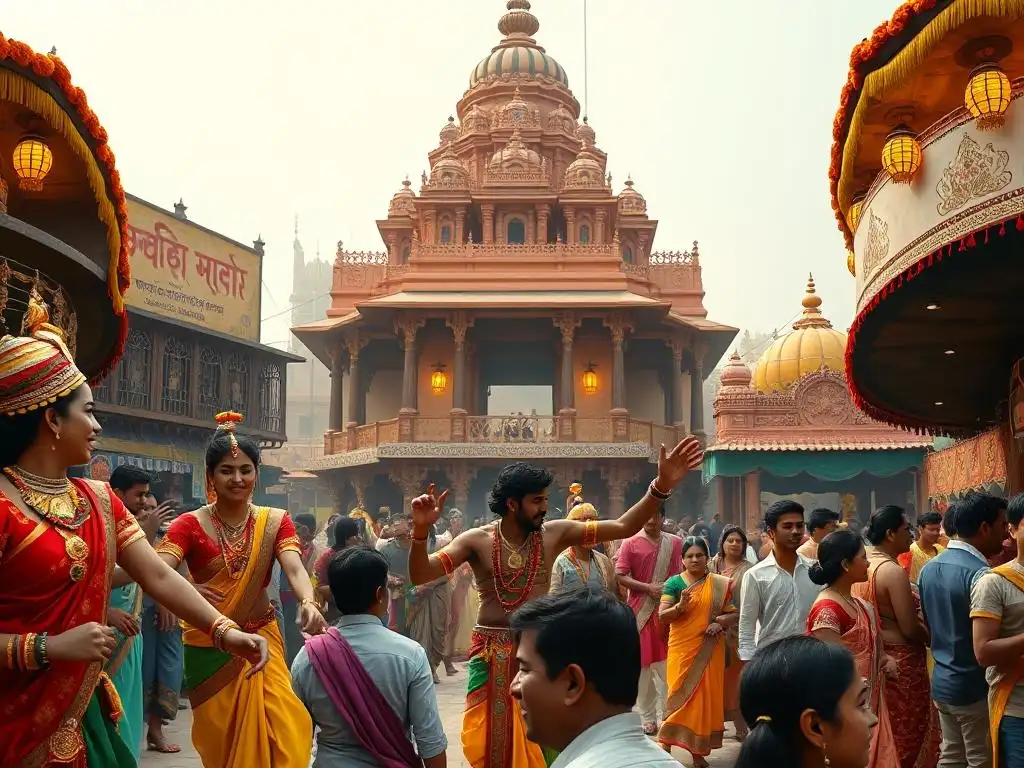
Welcome to Ancient India History, where we invite you to journey through the vibrant tapestry of India's past. Our exploration delves deep into the festivals and rituals that not only defined daily life but also intricately reinforced the caste system in ancient times. What role did these celebrations play in shaping societal structures? Join us as we unravel the fascinating connections between culture, tradition, and hierarchy, and discover how the echoes of these rituals still resonate today. Prepare to be captivated as we unlock the stories behind the customs that have shaped a civilization!
- Introduction to Festivals and Rituals in Ancient India
- Understanding the Caste System in Ancient India
- Festivals and Rituals: A Reflection of the Caste System
- The Role of Religion in Festivals and the Caste System
- Case Studies: Specific Festivals and Their Caste Implications
- Social Functions of Festivals in Maintaining the Caste System
- Changing Dynamics: Evolution of Festivals and the Caste System
- Conclusion: The Lasting Legacy of Festivals and Rituals on the Caste System
- References
-
Frequently Asked Questions
- What role did festivals play in the caste system of ancient India?
- How did rituals contribute to the caste system?
- Were there any specific festivals that highlighted the caste system?
- Did all castes participate equally in festivals?
- How did the Gupta Empire influence the caste system through festivals?
- Final Reflection: The Enduring Legacy of Festivals and Rituals in the Caste System
- Unveil the Hidden Lessons of Ancient India's Festivals!
Introduction to Festivals and Rituals in Ancient India
Festivals and rituals played a pivotal role in shaping the social fabric of ancient India, particularly in reinforcing the caste system. From the early days of the Indus Valley Civilization to the flourishing Gupta Empire, the intricate tapestry of festivals and rituals not only celebrated religious and seasonal events but also served to delineate social hierarchies.
This article delves into how these cultural practices were intertwined with the caste system, providing insight into the complexities of daily life in ancient Indian society. By examining the significance of these festivities, we can better understand their impact on social structures and community interactions, illustrating how ancient Indians navigated their identities within a stratified society.
Overview of Ancient Indian Society
Ancient Indian society was marked by a well-defined social structure, primarily organized around the caste system. This system categorized individuals into distinct groups based on their occupation, heredity, and social status. The four main varnas— Brahmins (priests and scholars), Kshatriyas (warriors and rulers), Vaishyas (traders and agriculturists), and Shudras (laborers and service providers)—formed the backbone of this hierarchical society. Each caste had its own set of duties, rights, and responsibilities, which were often reinforced through religious and cultural practices.
The rigid structure of the caste system was not merely a social phenomenon but was deeply embedded in the spiritual and philosophical doctrines of the time. Texts such as the Vedas and Upanishads provided a religious justification for the caste divisions, linking them to cosmic order and dharma (duty). As a result, festivals and rituals became essential mechanisms through which these social hierarchies were maintained and legitimized.
Importance of Festivals and Rituals in Daily Life
Festivals and rituals in ancient India were integral to the rhythm of daily life, serving multiple functions that went beyond mere celebration. They provided an opportunity for individuals within different castes to come together, reinforcing communal bonds while simultaneously reflecting their social standings. For instance:
- Religious Significance: Many festivals were tied to the agricultural calendar and religious observances, marking the changing seasons, harvests, and worship of deities. These events were often steeped in rituals that emphasized the roles of different castes, establishing a connection between religious duty and social hierarchy.
- Social Cohesion: Festivals fostered a sense of community among the members of the same caste. Rituals such as communal feasting, processions, and performances were occasions for social interaction, allowing individuals to reaffirm their identities and roles within the caste structure.
- Reinforcement of Hierarchies: Certain rituals were exclusive to specific castes, reinforcing the boundaries between them. For example, the performance of particular rites by Brahmins would highlight their elevated status, while Shudras were often relegated to roles that involved serving or supporting the rituals conducted by higher castes.
In essence, festivals and rituals in ancient India were not only celebrations of cultural and religious life but also served as a means of perpetuating the caste system, illustrating how deeply intertwined social structures were with daily practices and beliefs. Understanding this relationship sheds light on the complexities of ancient Indian society and the enduring legacy of its social hierarchies.
Understanding the Caste System in Ancient India
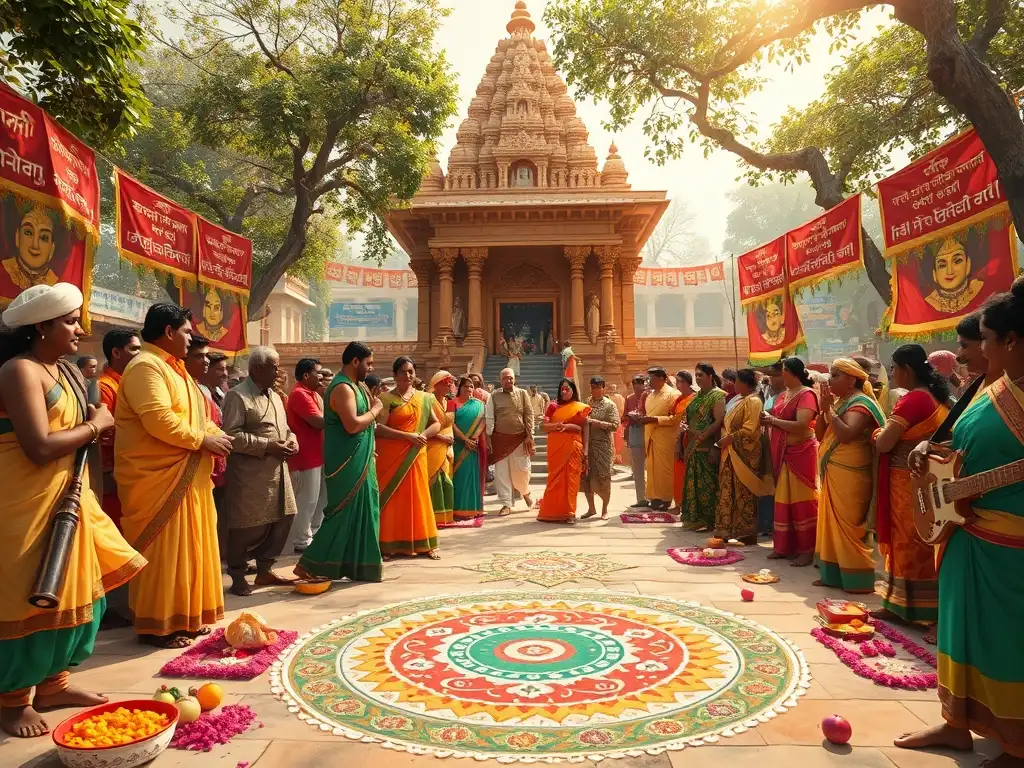
Definition and Origins of the Caste System
The caste system in ancient India, known as Varna, is a social stratification system that has its roots in the Vedic texts, particularly the Rigveda. Initially, Varna was a classification based on occupational roles, dividing society into four primary categories:
- Brahmins (priests and scholars)
- Kshatriyas (warriors and rulers)
- Vaishyas (traders and agriculturists)
- Shudras (laborers and service providers)
These categories were not merely occupational; they were imbued with religious significance, as the Brahmins were considered the highest caste, responsible for performing rituals and preserving sacred knowledge. Over time, the caste system evolved from this original framework into a more rigid structure known as Jati, where social mobility became increasingly restricted. This transformation solidified social hierarchies, leading to the stratification seen in later Indian society.
Key Features of the Caste System
The caste system is characterized by several distinctive features that contributed to its resilience and complexity:
- Endogamy: Members of a caste typically marry within their group, ensuring the continuity of caste identity and preserving social boundaries.
- Occupation Specialization: Each caste was associated with specific occupations, which were passed down through generations, thus reinforcing economic divisions.
- Social Hierarchy: The caste system established a clear hierarchy, with Brahmins at the top and Shudras at the bottom. This hierarchy was often justified through religious beliefs and texts.
- Ritual Purity and Pollution: Caste identity was closely linked to concepts of purity and pollution, where higher castes were deemed more "pure" and lower castes were often marginalized and subjected to discriminatory practices.
These features not only shaped social interactions but also influenced the religious, economic, and political fabric of ancient Indian society.
The dual concepts of Varna and Jati played a crucial role in the social stratification of ancient India.
- Varna provided a broad framework for organizing society, while Jati introduced a more localized and nuanced categorization that reflected the diversity of regional practices and customs. This led to the emergence of thousands of sub-castes, each with its own specific rules and cultural practices.
- Festivals and Rituals: Festivals and rituals served as communal events that reinforced caste identities. For instance, during festivals, specific rituals were performed by designated castes, highlighting their roles and reinforcing social distinctions. These events not only celebrated cultural heritage but also reaffirmed the caste hierarchy within the social structure.
- Religious Justification: The caste system was often legitimized through religious narratives, where the duties and privileges of each caste were perceived as divinely ordained. This religious underpinning made it challenging to question or dismantle the established social order.
Overall, the interplay between Varna and Jati established a complex framework of social organization that persisted throughout ancient Indian history, influencing all aspects of daily life, including festivals and rituals that celebrated and reinforced the caste distinctions.
Festivals and Rituals: A Reflection of the Caste System
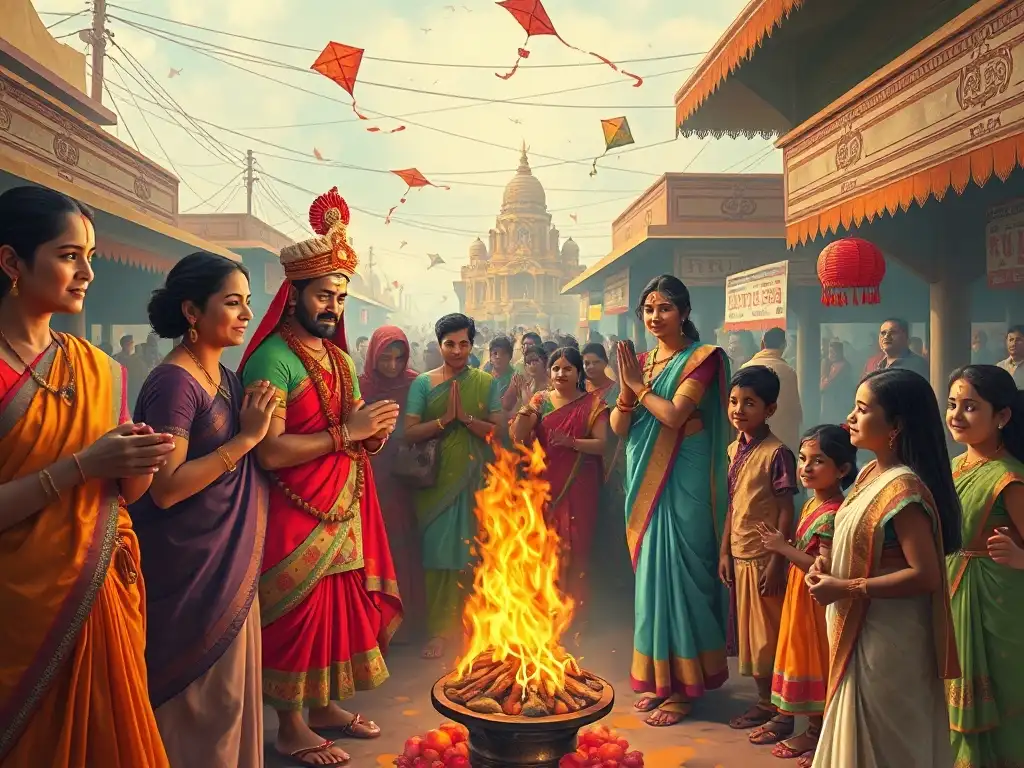
Festivals Celebrated by Different Castes
In ancient India, festivals served as significant social events that not only marked the passage of seasons but also reinforced the caste system. Each caste had its own distinct set of festivals that reflected its cultural practices, beliefs, and social status.
- Brahmins: As the priestly class, Brahmins celebrated festivals like Maha Shivaratri and Navaratri, which were closely tied to their religious duties. These festivals included elaborate rituals and ceremonies that emphasized their role as spiritual leaders in society.
- Kshatriyas: The warrior caste observed festivals such as Dussehra, which symbolized the victory of good over evil. These celebrations often included martial displays and were a way to reinforce their status as protectors of dharma (righteousness) within the community.
- Vaishyas: This merchant class celebrated festivals like Diwali, which not only marked the harvest but also represented prosperity and wealth. Their participation in trade and commerce was highlighted during these festivals, showcasing their importance in the economic framework of society.
- Shudras: The laboring class celebrated simpler festivals, often tied to agricultural cycles. Festivals such as Makar Sankranti were communal events where Shudras engaged in folk traditions, but they were often overshadowed by the larger celebrations of the higher castes.
The varied nature of these celebrations highlighted the social stratification inherent in ancient Indian society, with each caste adhering to prescribed roles during festive occasions.
Rituals Associated with Caste Duties and Responsibilities
Rituals in ancient India were closely associated with the duties and responsibilities prescribed to each caste. These practices not only dictated the behavior of individuals within their caste but also reinforced the social hierarchy.
- Sacred Threads and Initiation: For Brahmins, the ritual of Upanayana marked the initiation into spiritual duties. This ceremony was exclusive to male members and emphasized their role as custodians of knowledge and religious practices.
- Rites of Passage: Kshatriyas participated in rituals such as the Rajasuya Yajna, which celebrated their authority and kingship. These elaborate ceremonies were not only a display of power but also a way to assert their dominance over other castes.
- Agricultural Festivals: Vaishyas celebrated rituals linked to agriculture, such as the Baisakhi harvest festival. These rituals were essential for ensuring a bountiful harvest and highlighted their economic contributions to society.
- Community Rituals: Shudras often engaged in community rituals tied to local deities or agricultural cycles. While these rituals were vital for communal harmony, they were often less formalized and lacked the grandeur associated with higher caste ceremonies.
These rituals served to define individual identity within the caste system, reinforcing the social order. They were a means of maintaining the established hierarchy and ensuring that each caste fulfilled its designated role in society.
Festivals in ancient India were laden with symbolism that reinforced the existing social hierarchies. The manner in which festivals were celebrated often reflected the status of different castes, further entrenching the caste system.
- Processions and Public Displays: Higher castes often led public processions during festivals, showcasing their wealth and influence. The participation of different castes in these events was regulated, with lower castes required to maintain a subordinate position.
- Ritual Offerings: The nature of offerings made during festivals varied by caste. Higher castes presented elaborate offerings to deities, while lower castes often offered simpler items. This disparity highlighted the economic and social differences among the castes.
- Cultural Narratives: Festivals were often accompanied by stories and myths that reinforced the superiority of certain castes over others. For instance, the narratives surrounding Diwali often emphasized the triumph of the gods over demons, subtly mirroring the social order of castes.
- Exclusivity of Participation: Certain festivals were exclusive to higher castes, effectively excluding lower castes from active participation. This exclusion served to reinforce the boundaries of caste identity and maintain existing power dynamics.
Festivals and rituals in ancient India were not merely cultural celebrations; they played a critical role in reinforcing the caste system. By embodying the values, beliefs, and social structures of the time, these practices ensured the continuity of the caste system within the fabric of ancient Indian society.
The Role of Religion in Festivals and the Caste System
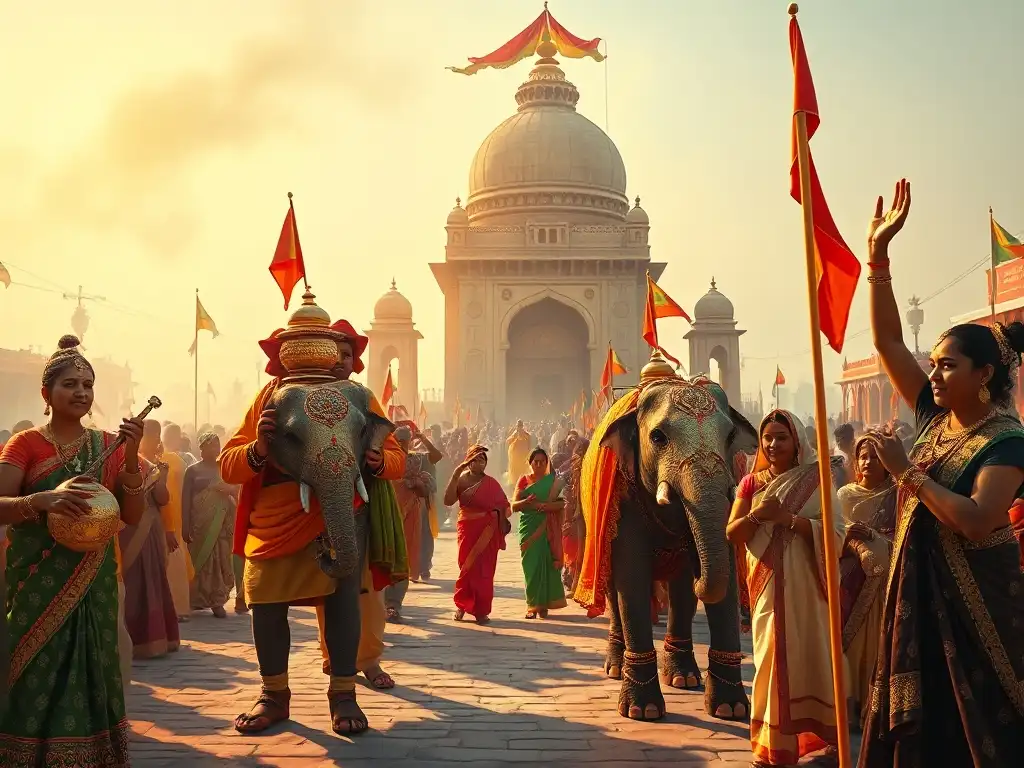
Hinduism and Its Influence on Caste-Based Festivals
Hinduism has played a pivotal role in shaping the festivals and rituals that reinforce the caste system in ancient India. The religion is intertwined with the social fabric, where festivals serve not only as religious observances but also as manifestations of caste identity.
Key Festivals and Their Caste Associations:
- Diwali: Celebrated across different castes, the way Diwali is observed can vary significantly. For example, the Brahmins typically perform elaborate rituals at home, while lower castes may celebrate with communal gatherings.
- Holi: This festival, symbolizing the arrival of spring, often sees participation across castes. However, the customs and practices can reflect caste hierarchies, with upper castes engaging in more elaborate celebrations compared to their lower counterparts.
These festivals often emphasize the roles and duties associated with each caste, reinforcing social norms and hierarchies. By participating in caste-specific rituals during these festivals, individuals reaffirm their social standings and identities.
Ritual Practices and Their Connection to Caste Identity
Ritual practices in ancient India were deeply embedded in the caste system, serving as a means to delineate and reinforce caste boundaries. Various rituals were designated for different castes, with each practice carrying specific significance and implications.
Examples of Caste-Specific Rituals:
- Marriage Ceremonies:
- Brahmins often have highly elaborate marriage rituals, reflecting their high status.
- Shudras, on the other hand, may have simpler, more straightforward ceremonies.
- Puja (Worship):
- Different castes have distinct methods of worship. For instance, while Brahmins are typically the ones performing rituals for deities, lower castes may be restricted from certain sacred spaces or rites.
These rituals not only serve to mark important life events but also act as a constant reminder of one’s caste identity. By participating in these caste-related rituals, individuals perpetuate the social order established by the caste system.
The Impact of Religious Texts on Caste Rituals
Religious texts such as the Vedas, Manusmriti, and Puranas have been instrumental in codifying and legitimizing the practices associated with the caste system. These texts often delineate duties (dharma) and rituals (samskaras) based on caste, reinforcing the idea that social hierarchy is divinely ordained.
Influences of Key Texts:
- Manusmriti: This ancient text outlines the roles and responsibilities of different castes, detailing how rituals should be performed based on one’s social standing. It emphasizes that adherence to caste duties is essential for maintaining social order.
- Vedas: The Vedas incorporate various hymns and rituals that are often exclusive to certain castes, further embedding caste distinctions within religious practices.
By providing a scriptural basis for the rituals associated with different castes, these texts solidify the caste system's legitimacy and encourage adherence to caste-based festivals and rituals. Through this religious framework, individuals are guided to understand their place within society, reinforcing the interconnectedness of festivals, rituals, and the caste system in ancient India.
Case Studies: Specific Festivals and Their Caste Implications
Diwali: Celebrations Across Different Castes
Diwali, known as the Festival of Lights, is one of the most significant festivals in India, celebrated by millions across various castes and communities. However, the manner in which it is celebrated often reflects the nuances of the caste system.
- Caste-Specific Celebrations:
- Upper Castes: For many upper-caste families, Diwali is marked by lavish celebrations including elaborate pujas (prayer rituals), grand feasts, and the exchange of gifts. They often hire priests from their caste to perform rituals, reinforcing social hierarchies within the community.
- Lower Castes: In contrast, lower-caste groups may celebrate Diwali with simpler rituals, focusing on community gatherings rather than extravagant displays. Their participation is often limited to public spaces, highlighting the economic disparities that exist within the caste system.
- Economic Disparities:
- The economic aspect of Diwali celebrations further illustrates caste implications. Wealthier families can afford opulent decorations and extensive celebrations, while poorer families may struggle to participate fully, often relegating them to the peripheries of the festive atmosphere.
- Symbolic Acts:
- The act of lighting diyas (oil lamps) symbolizes knowledge and the dispelling of darkness. Yet, the accessibility of these symbols can be caste-dependent, with lower castes sometimes facing restrictions on the types of celebrations they can partake in, limiting their visibility in the broader festive context.
Holi: A Festival of Unity or Division?
Holi, the vibrant festival of colors, is often seen as a celebration that transcends caste boundaries. However, deeper analysis reveals that its practice can also reinforce caste distinctions.
- Caste Dynamics in Celebrations:
- Upper Castes: In many regions, upper castes may dominate the public celebration of Holi, dictating the norms and practices of the festival. They often engage in large gatherings and rituals that emphasize their social status.
- Lower Castes: Lower castes may face exclusion from these larger celebrations or may have to celebrate in segregated spaces. While Holi is celebrated with enthusiasm by all, the participation of lower castes can be overshadowed by the presence of upper castes, leading to a sense of division rather than unity.
- Rituals and Social Interaction:
- Holi is traditionally a time for social interaction and breaking down barriers, but the reality can be different. Instances of upper castes throwing colors at lower castes can sometimes reinforce power dynamics rather than dissolve them.
- Commercialization:
- The commercialization of Holi has also impacted caste relations. Markets for colors and related products are often dominated by upper-caste businesses, which can marginalize lower-caste producers, affecting their economic participation during the festival.
Navratri, a festival dedicated to the worship of the goddess Durga, is celebrated with great fervor across India, yet its rituals and participation are often deeply influenced by caste.
- Caste-Centric Worship:
- Upper Castes: The worship practices among upper castes often include elaborate rituals, dance performances like Garba, and community gatherings. These events are typically exclusive, emphasizing the cultural capital of upper-caste groups.
- Lower Castes: Lower castes may participate in Navratri but often in a more subdued manner, with their rituals not receiving the same recognition or visibility. This can perpetuate feelings of exclusion within the broader cultural narrative.
- Dandiya Raas and Participation:
- The Dandiya Raas dance is a hallmark of Navratri festivities. While it is perceived as inclusive, participation can be stratified by caste, with upper castes often dominating this cultural expression. Lower castes may either be excluded or have limited opportunities to showcase their talents.
- Ritual Access and Restrictions:
- Access to certain rituals and the ability to conduct them can be contingent on caste status. For instance, specific pujas may require priests from higher castes, thus reinforcing the social stratification that the festival ostensibly seeks to celebrate.
While festivals like Diwali, Holi, and Navratri are often viewed as times of unity and joy, they also serve as platforms that can reinforce the intricacies of the caste system in ancient India. Understanding these dynamics provides a deeper insight into how cultural practices and social structures interact, shaping the lived experiences of individuals across the caste spectrum.
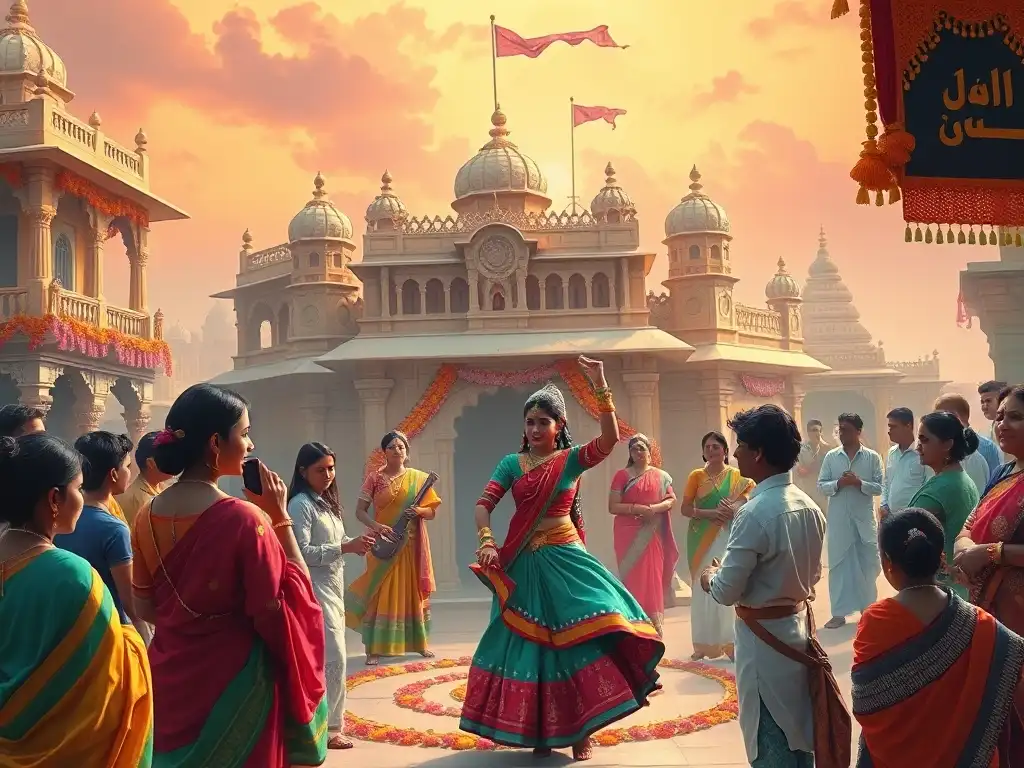
Festivals in ancient India served as crucial instruments of social control, reinforcing the caste system by delineating boundaries between different social groups. These celebrations were meticulously organized according to caste affiliations, with specific rituals designated for each group. The adherence to these rituals created a sense of order and maintained the hierarchical structure inherent to the caste system.
- Ritual Purity and Pollution: Festivals often emphasized the concept of ritual purity, where higher castes would engage in practices that distanced themselves from lower castes. For instance, during major festivals like Diwali or Holi, the upper castes would perform elaborate rituals that required physical separation from those of lower status. This not only reinforced social boundaries but also perpetuated the belief in innate purity and pollution based on caste.
- Reinforcing Hierarchies: The participation in certain festivals was dictated by one’s caste. For example, while Brahmins would be honored as priests during rituals, Shudras were often relegated to servile roles, further entrenching their lower status. These practices were key in instilling a mindset that accepted the caste hierarchy as a natural order.
- Cultural Narratives and Myths: Festivals were steeped in myths that often glorified the roles of different castes. Stories recounted during festivals would highlight the virtues associated with the upper castes while portraying lower castes in a negative light. This narrative construction effectively normalized the caste hierarchy within the social consciousness.
The Role of Community in Festival Celebrations
Community participation in festivals played a significant role in reinforcing the caste system, as these gatherings were often exclusive to specific groups. The communal aspect of these celebrations fostered a shared identity among members of the same caste, while at the same time, it segregated them from others.
- Caste-Specific Celebrations: Different castes celebrated specific festivals that were unique to their cultural practices. For example, the Makar Sankranti festival is celebrated by agricultural communities, emphasizing their ties to the land and agricultural cycles. In contrast, Brahmins might celebrate festivals centered around scholarly pursuits or rituals that showcased their religious authority. This differentiation not only solidified caste identities but also perpetuated the social divide.
- Social Cohesion and Exclusion: Festivals acted as a mechanism for social cohesion within castes, reinforcing a sense of belonging and loyalty. However, this cohesion often came at the cost of exclusion, as individuals from lower castes were frequently barred from participating in the celebrations or limited to menial roles. Such exclusion served to maintain social structures and hierarchies.
- Collective Memory and Tradition: The rituals and practices associated with festivals were passed down through generations, creating a collective memory that defined each caste’s identity. This transmission of tradition ensured that the values and norms associated with the caste system were not only retained but celebrated, further entrenching social divisions.
Economic Aspects of Caste-Based Festivals
The economic dimensions of caste-based festivals also played a pivotal role in maintaining the caste system. These festivals were not merely cultural expressions; they were intertwined with economic activities that reflected and reinforced caste hierarchies.
- Trade and Economic Roles: Each caste had specific economic roles associated with them, which were often highlighted during festivals. For instance, merchants and traders from the Vaishya caste would dominate the marketplace during festivals, showcasing their economic prowess. In contrast, the labor of the Shudras was often marginalized, emphasizing their subservient economic status.
- Resource Allocation and Participation: The distribution of resources during festivals was often caste-dependent. Wealthier castes would host grand celebrations, while poorer castes might be limited to more modest observances. This disparity in resource allocation contributed to the economic stratification of society, with wealthier castes having the means to celebrate more lavishly, further solidifying their status.
- Patronage and Social Obligations: Festivals also involved patronage systems where wealthier members of society would sponsor rituals and celebrations, reinforcing their status as benefactors. This patronage was often linked to social obligations that tied individuals to their caste, creating a cycle of dependency that perpetuated the existing social order.
Festivals and rituals played a multifaceted role in maintaining the caste system in ancient India. From social control and community cohesion to economic stratification, the intricate connections between these celebrations and the caste hierarchy illustrate how deeply embedded these practices were in the fabric of ancient Indian society.
Changing Dynamics: Evolution of Festivals and the Caste System
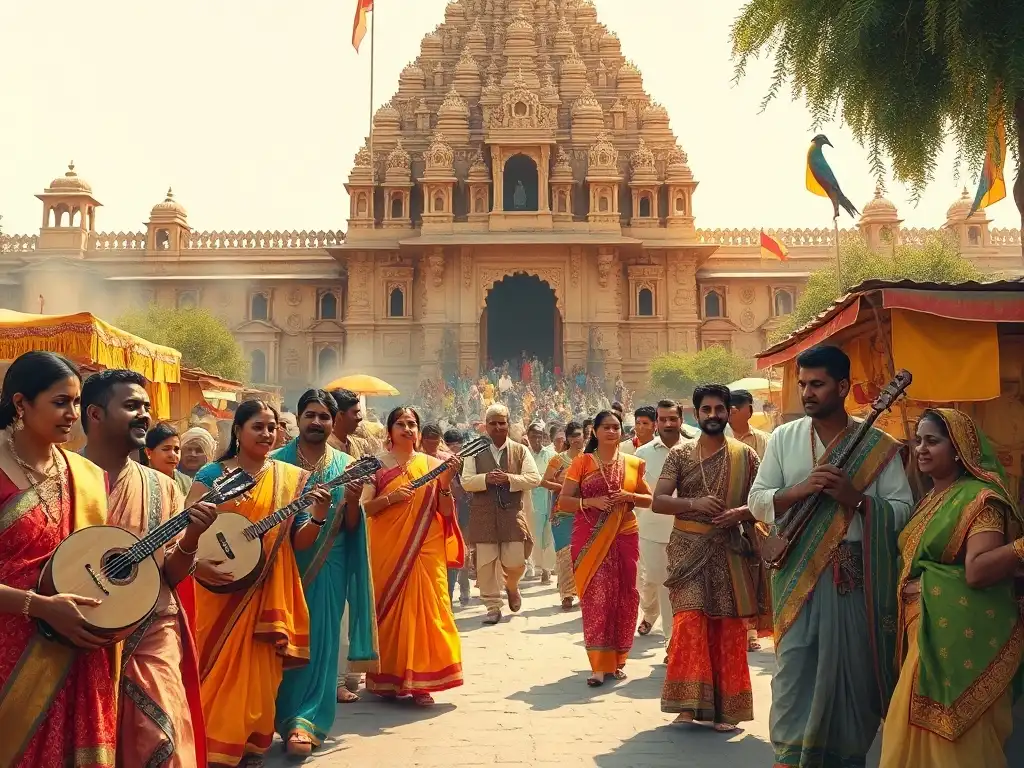
The evolution of festivals in ancient India is deeply intertwined with the caste system, reflecting not only the socio-religious fabric of society but also its changing dynamics through various epochs. Festivals served as a medium for social cohesion and identity, often reinforcing the hierarchical nature of the caste system. As society evolved, so did the nature and significance of these festivals, adapting to the prevailing socio-political climates.
Historical Shifts in Festival Practices
The festivals celebrated in ancient India were originally rooted in agrarian cycles, seasonal changes, and religious observances. Each caste had its specific festivals, which were often linked to agricultural practices, deities, or local customs. For instance, the festival of Makar Sankranti, marking the winter solstice, was celebrated by different castes in various ways depending on their agricultural roles.
Over time, festivals began to reflect not only local customs but also broader religious narratives. The introduction of major religions such as Buddhism and Jainism led to the emergence of new festivals, which sometimes challenged or reshaped existing caste dynamics. For example, while Hindu festivals like Diwali celebrated the victory of good over evil, they also reinforced social hierarchies by dictating who could participate in certain rituals and celebrations.
As Indian society moved towards the medieval period, the influence of regional kingdoms brought about further shifts in festival practices. The patronage of specific festivals by rulers often aligned with their political ambitions, leading to an increased visibility of certain castes within the context of grand celebrations. This patronage reinforced the idea that participation in festivals could enhance a caste's status within the societal hierarchy.
Influence of Reform Movements on Caste and Rituals
The late 19th and early 20th centuries marked significant reform movements that sought to address the rigidities of the caste system. Leaders such as Raja Ram Mohan Roy and Jyotirao Phule criticized the inequalities perpetuated by caste-based rituals and festivals. They advocated for a more inclusive approach to festivals, promoting the idea that all individuals, regardless of caste, should have the right to participate in religious and cultural celebrations.
The impact of these reform movements was profound. Many festivals began to take on new meanings, emphasizing unity and social justice. For instance, the celebration of Ganesh Chaturthi was transformed from a private family affair into a public festival aimed at fostering social cohesion and political awareness among the masses. This change was instrumental in mobilizing the lower castes and challenging the traditional structures that defined participation in religious observances.
Additionally, the rise of nationalist movements further influenced the interpretation of festivals. Leaders like Bal Gangadhar Tilak utilized festivals as a platform for political mobilization, encouraging participation across caste lines. This shift not only redefined the nature of festivals but also opened avenues for lower castes to assert their identity and rights through these celebrations.
Modern Interpretations of Ancient Festivals
Today, the interpretation of ancient festivals continues to evolve, reflecting contemporary societal values and norms. Modern celebrations often aim to transcend traditional caste distinctions, promoting inclusivity and participation from all sections of society. However, remnants of the caste system still manifest in how some festivals are celebrated, revealing an ongoing tension between tradition and modernity.
Festivals like Holi and Diwali are now celebrated in urban settings with an emphasis on communal harmony and inclusivity. These celebrations often serve as a platform for social interaction across caste lines, encouraging a sense of shared identity among diverse groups. However, the persistence of caste-based celebrations in rural areas indicates that the historical roots of the caste system still influence festival practices.
Moreover, the commercialization of festivals in modern India has led to a blending of traditional and contemporary influences, often overshadowing the original meanings behind these celebrations. As a result, while festivals may now serve as a medium for social integration, the historical context of the caste system remains a significant aspect that shapes their evolution.
The interplay between festivals and the caste system in ancient India reveals a complex tapestry of social dynamics. Understanding these relationships helps illuminate the historical context of contemporary celebrations and the ongoing challenges posed by caste-based distinctions.
Conclusion: The Lasting Legacy of Festivals and Rituals on the Caste System
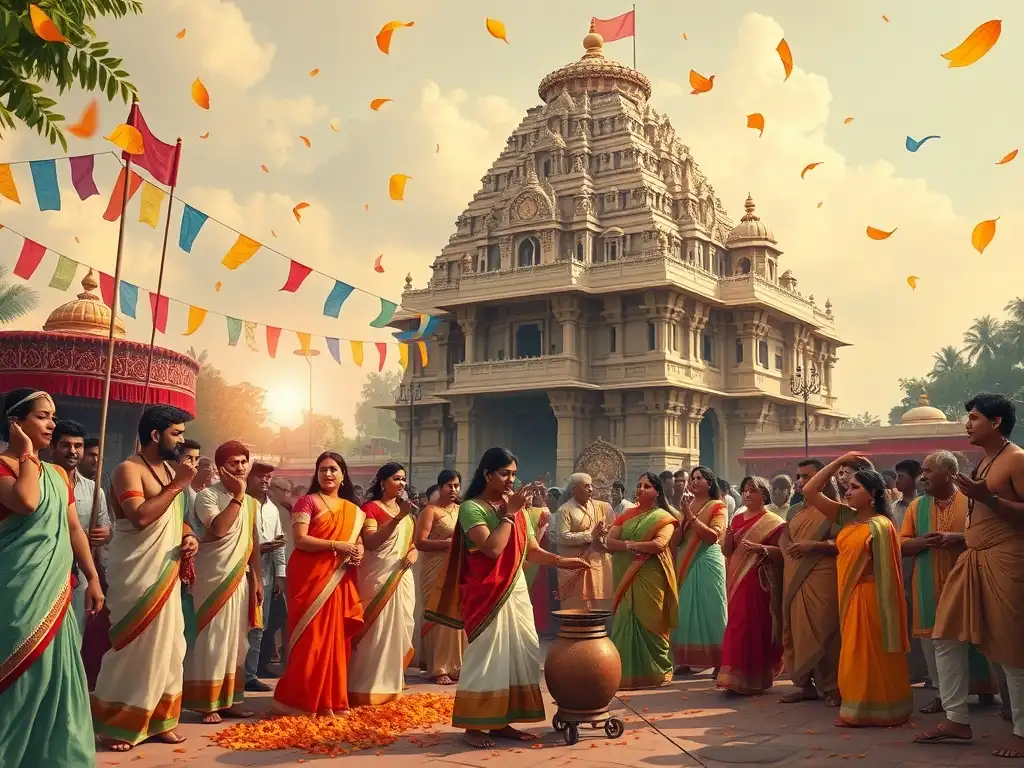
Summary of Key Points
The exploration of how festivals and rituals reinforced the caste system in ancient India reveals several critical insights:
- Cultural Reinforcement: Festivals served as a medium to showcase the hierarchical nature of society. Each caste had specific roles and responsibilities during these celebrations, which further solidified their social standings.
- Ritualistic Participation: Participation in rituals was often dictated by one's caste, with upper castes holding more significant roles. This not only perpetuated the caste distinctions but also instilled a sense of identity linked to these rituals.
- Economic Dimensions: Festivals often had economic implications as well, with different castes engaging in various trades and services during celebratory periods. This division of labor was crucial in maintaining the economic structure associated with the caste system.
- Religious Justification: Many rituals were rooted in religious beliefs that justified the caste hierarchy, suggesting divine order and cosmic balance. This religious endorsement made the caste system seem natural and unchangeable.
Implications for Understanding Ancient Indian Society
Understanding the relationship between festivals and rituals and the caste system provides significant insights into ancient Indian society:
- Social Cohesion: Festivals acted as a unifying force within castes, fostering a sense of community and belonging while simultaneously reinforcing boundaries between different groups.
- Cultural Identity: The rituals associated with various festivals contributed to a collective cultural identity that was closely tied to one's caste. This identity was crucial in shaping the social fabric of ancient India.
- Resistance to Change: The deep-rooted nature of these practices implies that they contributed to the resistance against social mobility. The intertwining of cultural and social structures made reform challenging.
- Historical Context: Analyzing these dynamics helps historians better understand the complexities of ancient Indian civilization and the lasting impact of the caste system on subsequent societal developments.
The interplay between festivals, rituals, and the caste system reveals a multifaceted picture of ancient Indian society, highlighting how deeply entrenched cultural practices shaped social hierarchies and identities. Understanding this legacy is essential for comprehending the historical evolution of social structures in India.
References
Suggested Readings on Festivals, Rituals, and Caste System in Ancient India
Exploring the intricate relationship between festivals, rituals, and the caste system in ancient India requires a deep dive into various scholarly works and historical analyses. Here are some suggested readings that provide valuable insights into these interconnected themes:
- "The Caste System in India: A Historical Perspective" by Dr. A.K. Sharma
- This book offers a comprehensive analysis of the caste system, tracing its origins, evolution, and the role of festivals in perpetuating social hierarchies.
- "Festivals of India: A Cultural Encyclopedia" by Dr. Ritu Bhandari
- This encyclopedia explores the significance of various festivals in Indian culture, emphasizing how they reflect and reinforce social structures, including the caste system.
- "Ritual and Society in Ancient India" by Prof. Mukesh Singh
- Prof. Singh dives into the rituals practiced in ancient India, discussing their implications on social stratification and caste dynamics.
- "Caste and Religion in Ancient India" by Dr. Neelam Gupta
- This work examines the intersections of caste and religion, highlighting how festivals and rituals served as a means to maintain caste distinctions.
Academic Sources and Historical Texts
In addition to contemporary analyses, several academic sources and historical texts provide foundational knowledge regarding the role of festivals and rituals in reinforcing the caste system in ancient India:
- Rigveda
- One of the oldest texts in Indian literature, the Rigveda contains hymns and rituals that reflect the early social structure and the nascent caste divisions.
- Manusmriti (Laws of Manu)
- This ancient legal text outlines the duties and responsibilities of various castes, illustrating the importance of rituals and festivals in maintaining societal order.
- Puranas
- The Puranas, a genre of ancient Indian literature, often discuss various festivals, detailing their significance and the role they play in caste reinforcement.
- "The Hindu Social Order" by Dr. S. Radhakrishnan
- This academic text explores how rituals and festivals are embedded in the fabric of Hindu society, contributing to the persistence of the caste system.
- "Caste and Society in Ancient India" by Dr. B.R. Ambedkar
- A critical examination of the caste system, this work by Ambedkar provides insights into how festivals and rituals were employed to legitimize and reinforce caste divisions.
By engaging with these readings and sources, one can gain a more nuanced understanding of how festivals and rituals not only shaped daily life in ancient India but also played a pivotal role in sustaining the caste system.
Frequently Asked Questions
What role did festivals play in the caste system of ancient India?
Festivals served as important social events that reinforced the caste hierarchy, allowing individuals to express their cultural identity and maintain social order through rituals.
How did rituals contribute to the caste system?
Rituals were often designed to uphold caste distinctions, dictating appropriate behaviors, practices, and interactions between different castes, thus perpetuating social stratification.
Were there any specific festivals that highlighted the caste system?
Certain festivals, such as Diwali and Holi, often showcased caste-specific traditions and practices, illustrating how different groups celebrated in ways that emphasized their social roles.
Did all castes participate equally in festivals?
Participation in festivals varied significantly among castes. Higher castes often held prominent roles, while lower castes faced restrictions, reflecting the inequalities embedded in society.
How did the Gupta Empire influence the caste system through festivals?
The Gupta Empire further institutionalized the caste system, with its festivals serving as a means to celebrate and reinforce the existing social order, helping to sustain caste identities through ritualized practices.
Final Reflection: The Enduring Legacy of Festivals and Rituals in the Caste System
The intricate relationship between festivals, rituals, and the caste system in ancient India remains a potent reminder of how cultural practices can shape societal structures. Today, as we navigate a world increasingly aware of social inequalities, it is crucial to recognize how these age-old traditions have not only reinforced hierarchies but also continue to influence contemporary social dynamics. The echoes of these rituals still resonate, reminding us that the past is never truly behind us; it shapes our present and future in profound ways.
The impact of festivals and rituals on the caste system has left an indelible mark on the cultural and social landscape of India. These practices have historically defined social roles and interactions, creating a framework that many still navigate today. As we reflect on this influence, we can draw from the words of historian Romila Thapar, who stated, Cultural practices are not merely reflections of society; they actively shape and reinforce societal norms.
This observation highlights the ongoing relevance of our exploration into how these traditions have perpetuated social stratification, urging us to consider their implications in our modern context.
As we conclude this exploration, I invite you to reflect on the role of festivals and rituals in your own life and community. Consider how these practices can either perpetuate divisions or foster unity. In a world striving for inclusivity and equality, let us be mindful of the traditions we uphold and the narratives we choose to promote. By understanding the historical context of our cultural practices, we can actively work towards creating a more equitable society, where the lessons of the past inform a brighter, more inclusive future.
Thank you for diving into the fascinating world of ancient Indian rituals and their intricate ties to the caste system! Your engagement has illuminated the profound ways in which festivals shaped societal structures and community bonds. Now, let’s turn this insight into action!
Here are some steps you can take to deepen your understanding and share this knowledge:
- Explore a local festival or cultural event in your area to experience the living traditions and social dynamics firsthand.
- Share this article with friends and family to spark discussions about the impact of rituals on contemporary society.
- Join a community group or online forum focused on cultural history to exchange ideas and learn more about how ancient practices shape modern life.
What aspect of ancient festivals do you find most intriguing, and how do you think they continue to influence social structures today?