
The Impact of Climate on Agricultural Practices and Labor in Ancient India

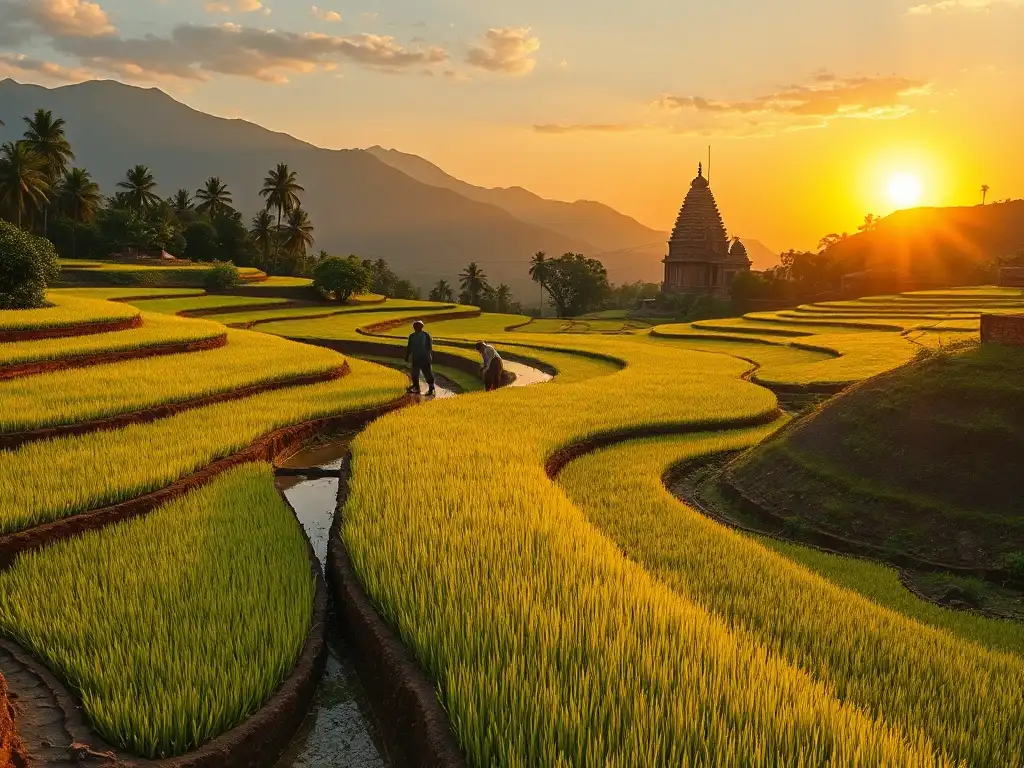
Welcome to Ancient India History, where the echoes of a vibrant past come alive! Dive deep into the enchanting world of ancient Indian civilizations, as we uncover the intricate tapestry of their history, culture, and remarkable contributions. In this captivating journey, we invite you to explore our featured article on “The Impact of Climate on Agricultural Practices and Labor in Ancient India.” Discover how the changing climate shaped the agricultural landscape, influencing everyday life and societal structures in ways you may never have imagined.
As you embark on this exploration, prepare to be intrigued by the profound connections between nature and human resilience in ancient times. Join us and unveil the secrets of a civilization that thrived against the odds!
- Introduction to Climate Effects on Ancient Indian Agriculture
- Historical Climate Patterns in Ancient India
- Climate Effects on Agricultural Practices in Ancient India
- Labor Systems in Ancient Indian Agriculture
- Case Studies: Climate Impact on Specific Regions
- Climate Resilience in Ancient Agricultural Practices
- Conclusion: Legacy of Climate on Ancient Indian Agriculture and Labor
- References for Further Reading on Climate Effects on Ancient Indian Agriculture
-
Frequently Asked Questions
- What were the primary climate effects on agriculture in ancient India?
- How did ancient Indian civilizations adapt to climatic challenges?
- What role did the monsoon play in ancient Indian agriculture?
- How did the Gupta Empire address agricultural needs amid climate changes?
- What were the long-term impacts of climate on ancient Indian agricultural labor?
- Final Reflection: Understanding the Climate's Enduring Influence on Ancient Indian Agriculture
- Embrace Sustainable Practices Today!
Introduction to Climate Effects on Ancient Indian Agriculture
The intricate relationship between climate and agriculture has been a significant factor in shaping the civilizations of ancient India. From the fertile plains of the Indus Valley to the agricultural systems of the Gupta Empire, climatic conditions have influenced what crops were grown, how they were cultivated, and the labor systems employed.
Understanding the climate effects on ancient Indian agriculture not only illuminates the agricultural practices of the time but also reveals how these practices impacted daily life, societal structures, and economic stability. In this article, we will explore the historical context of agriculture in ancient India, the vital role of climate in shaping agricultural methods, and the subsequent effects on labor systems and societal organization.
Overview of Ancient Indian Agriculture
Agriculture in ancient India can be traced back to the Indus Valley Civilization (c. 3300–1300 BCE), where evidence of advanced farming techniques and urban planning has been discovered. The civilization relied heavily on the fertile land along the banks of the Indus River, cultivating crops such as wheat, barley, and cotton. Over centuries, various regions developed distinct agricultural practices, adapting to local conditions, which included:
- Irrigation Systems: Early farmers constructed canals and reservoirs to manage water supply, especially in arid regions.
- Crop Rotation: This practice helped maintain soil fertility and enhance crop yield.
- Diverse Cultivation: Farmers grew a variety of crops, including pulses, rice, and oilseeds, to ensure food security and economic resilience.
Agriculture was not only a means of sustenance but also a cornerstone of trade and commerce, contributing to the prosperity of ancient Indian societies. The agricultural surplus allowed for the growth of cities and the specialization of labor, giving rise to crafts, trade, and governance.
Importance of Climate in Agricultural Practices
Climate played a pivotal role in determining agricultural success in ancient India. The monsoon season, characterized by heavy rainfall, was crucial for crop cultivation. However, variations in climate patterns could lead to both beneficial and adverse effects:
- Monsoon Variability: A good monsoon ensured abundant harvests, while erratic rainfall could result in droughts or floods, severely affecting crop yields.
- Seasonal Changes: The distinct seasons of India influenced planting and harvesting schedules. For instance, the Kharif (monsoon) and Rabi (winter) crops were planted according to the seasonal climate, requiring farmers to adapt their practices accordingly.
- Local Microclimates: Different regions in India experienced unique climatic conditions, leading to the cultivation of specific crops suited to those environments, such as rice in the humid regions of the south and wheat in the drier northern plains.
The impact of climate on agriculture extended beyond mere crop production; it shaped the entire fabric of society, influencing labor systems, social structures, and even trade patterns. By examining these dynamics, we gain a deeper understanding of how ancient Indian civilizations thrived and adapted to their environment.
Historical Climate Patterns in Ancient India
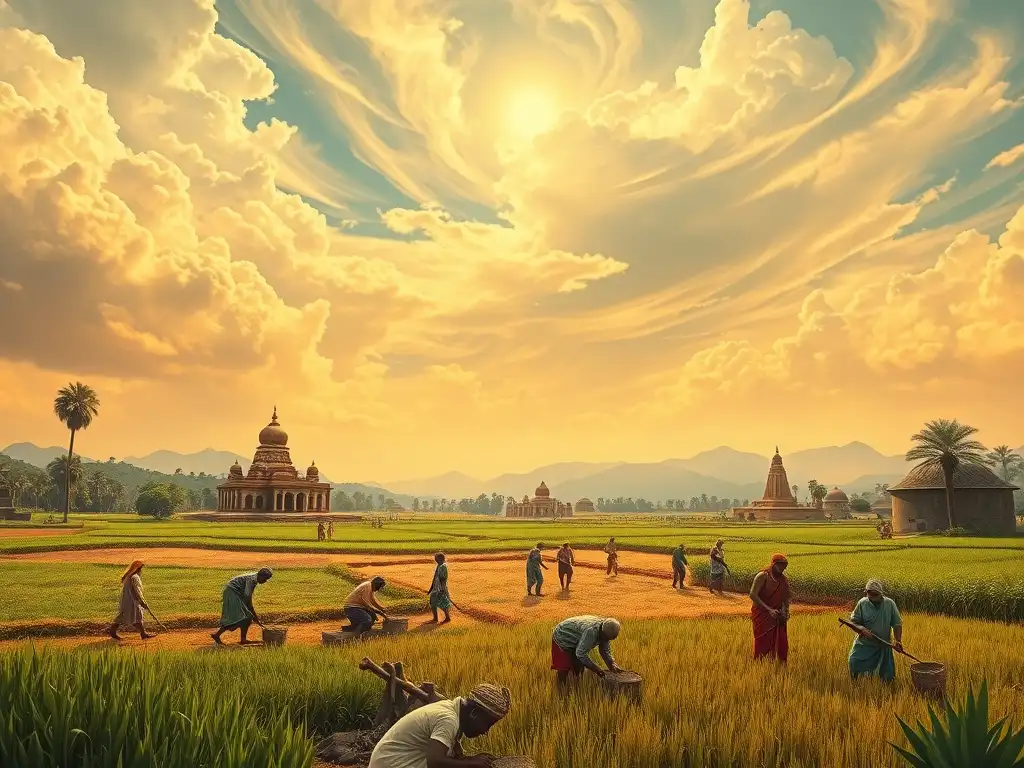
Throughout its long history, ancient India experienced a variety of climate patterns that significantly influenced agricultural practices and labor systems. The region's diverse geography led to the development of distinct climatic zones, which subsequently shaped the agricultural outputs and the livelihoods of its people. Understanding these historical climate patterns provides valuable insights into how ancient Indian civilizations adapted to environmental changes and challenges.
The Climatic Zones of Ancient India
Ancient India can be broadly categorized into several climatic zones, each of which played a crucial role in determining the types of crops cultivated and the agricultural techniques employed. These zones include:
- The Himalayan Region: Characterized by its cold climate and heavy snowfall, this area primarily supported barley and various grains. The harsh conditions dictated a seasonal labor force, primarily during the warmer months.
- The Indo-Gangetic Plain: This fertile region benefits from a subtropical climate, making it ideal for cultivating wheat, rice, and pulses. The availability of river systems also facilitated irrigation, which was crucial during dry spells.
- The Deccan Plateau: With its semi-arid climate, this zone relied on rain-fed agriculture. Crops like millets and sorghum were predominant, and the reliance on monsoons made labor patterns highly seasonal.
- The Coastal Regions: The coastal areas experienced a tropical climate, which allowed for the cultivation of rice, coconuts, and spices. The proximity to the sea influenced trade and agricultural labor dynamics.
Each of these climatic zones not only affected the types of crops grown but also influenced social structures, labor distribution, and economic practices within ancient Indian societies.
Seasonal Variations and Their Impact on Agriculture
Seasonal variations, particularly the monsoon cycle, played a pivotal role in shaping agricultural practices in ancient India. The Indian subcontinent experiences distinct wet and dry seasons, which directly impacted food production and labor needs.
- Monsoon Season: Typically from June to September, the southwest monsoon brought much-needed rainfall. This period was crucial for sowing and nurturing crops. Farmers often adapted their practices based on the intensity and timing of the rains. For instance:
- Early Sowing: Farmers would plant fast-growing varieties to take advantage of the initial heavy rains.
- Irrigation Techniques: In regions with less reliable rainfall, such as the Deccan Plateau, farmers developed innovative irrigation methods, including wells and tanks, to store rainwater.
- Post-Monsoon Season: After the monsoon, farmers focused on harvesting and preparing fields for the next planting cycle. This season also saw an increase in labor demand, with families often working together to gather crops.
- Winter Season: From November to February, the cooler temperatures allowed for the cultivation of winter crops. This period was marked by significant agricultural activity, as farmers would plant crops like mustard and barley.
The cyclical nature of these seasonal variations necessitated a flexible labor system that could adapt to the changing agricultural calendar. As a result, social structures within communities were often organized around agricultural cycles, leading to communal labor practices and seasonal migrations of workers seeking employment in different regions.
Understanding the climate effects on ancient Indian agriculture reveals the intricate relationship between environmental factors and agricultural practices. The adaptability of ancient Indian civilizations in the face of climatic challenges is a testament to their ingenuity and resilience.
Climate Effects on Agricultural Practices in Ancient India
Crop Selection Based on Climate Conditions
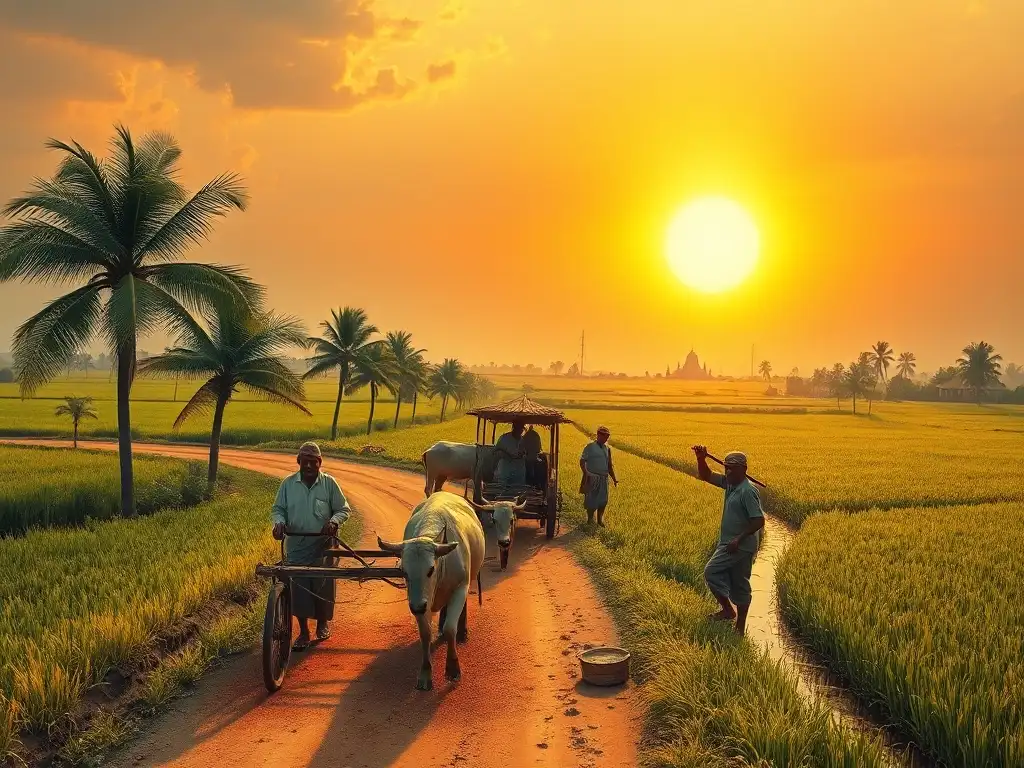
The diverse climatic zones of ancient India played a pivotal role in determining the types of crops that could be cultivated. From the arid deserts of Rajasthan to the fertile plains of the Ganges, agricultural practices were tailored to local climatic conditions.
- Regions and Their Crops:
- Indus Valley: This region, characterized by a semi-arid climate, was known for the cultivation of barley and wheat. The use of hardy crop varieties was essential due to limited water availability.
- Ganges Plain: The fertile alluvial soil supported rice cultivation, which thrived in the humid, tropical climate. Farmers here relied on the monsoon rains to irrigate their fields.
- Deccan Plateau: With its varied climate, the plateau saw the growth of millets, pulses, and oilseeds, showcasing the adaptability of ancient farmers to diverse conditions.
- Climate Adaptation Strategies:
- Farmers employed traditional knowledge to select crops that not only suited the climate but also provided resilience against unpredictable weather patterns. For instance, short-duration crops were favored during uncertain monsoon seasons to ensure harvests even in adverse conditions.
Irrigation Techniques Adapted to Climate
Ancient Indian civilizations developed sophisticated irrigation systems to mitigate the challenges posed by climate variability. These techniques were vital in enhancing agricultural productivity and ensuring food security.
- Surface Irrigation: Utilized in regions with ample water sources, this technique involved the diversion of rivers and streams to irrigate fields. The Indus Valley civilization is known for its advanced canal systems, which allowed for effective water management.
- Rainwater Harvesting: In arid regions, such as parts of Rajasthan, communities practiced rainwater harvesting to capture and utilize monsoon rains. This technique ensured that water was available during dry spells, enhancing the sustainability of agriculture.
- Tank Systems: The construction of tanks and reservoirs became prevalent in areas with erratic rainfall. These structures collected rainwater and stored it for agricultural use throughout the year. This method was particularly important in southern India, where water scarcity was common.
Crop Rotation and Soil Management in Response to Climate
To maintain soil fertility and combat the effects of climate on crop yields, ancient Indian farmers adopted crop rotation and soil management practices. These techniques were crucial in ensuring sustainable agricultural production.
- Crop Rotation Practices:
- Farmers rotated crops seasonally to prevent soil depletion and manage pests and diseases. For instance, the practice of alternating between legumes and cereals helped enrich the soil with nitrogen, a vital nutrient for plant growth.
- Specific rotations were designed based on climatic conditions; for example, in regions with heavy rainfall, crops that required less water were planted during the monsoon season to reduce soil erosion.
- Soil Management Techniques:
- Ancient texts, such as the "Arthashastra," highlight the importance of soil management in agriculture. Practices such as adding organic matter and mulching were employed to improve soil structure and moisture retention.
- Farmers also recognized the significance of fallowing—leaving fields uncultivated for a season—to restore soil nutrients and combat the adverse effects of prolonged agriculture in challenging climatic conditions.
The interplay between climate and agriculture in ancient India showcases the ingenuity and resilience of its civilizations. By adapting crop selection, irrigation techniques, and soil management practices to local climatic conditions, these societies laid the foundation for sustainable agricultural systems that influenced their daily life and labor systems.
Labor Systems in Ancient Indian Agriculture
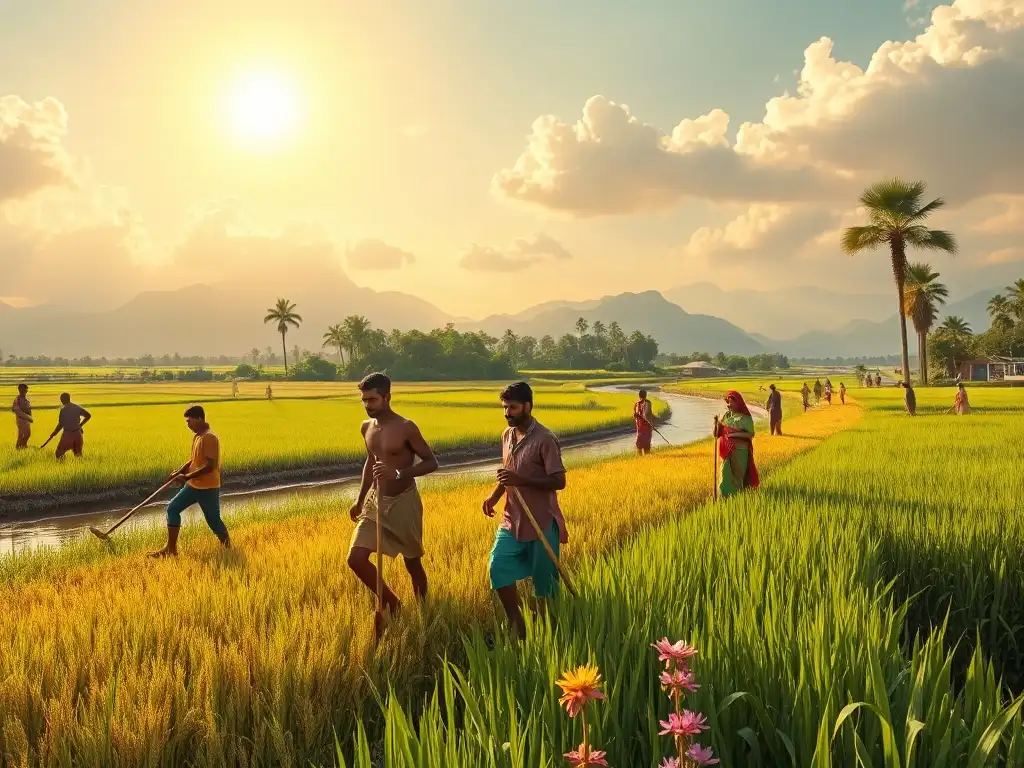
In ancient India, agriculture was not merely an economic activity but a cornerstone of society, shaping social structures and labor systems. The agrarian economy was intricately linked to climatic conditions, which influenced both agricultural productivity and labor dynamics. The systems of labor in ancient Indian agriculture were multifaceted, comprising various roles and responsibilities that ensured the effective cultivation of crops.
Roles and Responsibilities of Agricultural Laborers
Agricultural laborers in ancient India held diverse roles that were often dictated by the seasonal demands of farming and the climatic conditions prevalent in different regions. These roles can be broadly categorized into:
- Landowners: Farmers who owned the land and were responsible for making critical decisions regarding crop selection, planting, and harvest schedules based on climate forecasts.
- Tenant Farmers: Individuals who worked on land owned by others, paying in cash or through a share of the produce. Their responsibilities included maintaining the land, sowing seeds, and harvesting crops.
- Laborers: Unskilled or semi-skilled workers who undertook manual labor tasks such as plowing, sowing, and weeding. Their roles were crucial during peak agricultural seasons and were often influenced by the timing of rains.
- Seasonal Workers: Many laborers engaged in agriculture only during specific seasons, migrating to regions with better agricultural opportunities depending on climatic conditions.
The division of labor was often reflective of the prevailing climate; for instance, regions with unpredictable rainfall patterns required more labor during planting and harvesting seasons when crop yields were uncertain.
Seasonal Labor Migration Influenced by Climate
Seasonal labor migration was a significant phenomenon in ancient India, largely driven by climatic variations. Laborers often moved between different regions to optimize their agricultural work based on local climate conditions. This migration can be outlined as follows:
- Monsoon Dependency: The Indian monsoon season was critical for agricultural success. Laborers would migrate to regions where the monsoon rains were expected to be plentiful, ensuring better crop yields.
- Harvest Seasons: As different regions entered their harvest seasons at various times, laborers would travel to areas where their skills were in high demand, allowing them to capitalize on seasonal employment opportunities.
- Climate Variability: In years of drought or excessive rainfall, many agricultural workers sought employment in more favorable climates. This movement helped to redistribute labor resources according to immediate agricultural needs.
The practice of seasonal labor migration not only provided economic benefits to the laborers but also facilitated cultural exchanges and the spread of agricultural techniques across different regions.
The Relationship Between Climate and Labor Availability
The availability of labor in ancient Indian agriculture was closely tied to climatic conditions, impacting both employment opportunities and agricultural productivity. The key aspects of this relationship include:
- Impact of Drought: Prolonged periods of drought significantly reduced agricultural output, leading to labor shortages as workers sought alternative livelihoods. This often resulted in increased competition for available jobs in less affected areas.
- Flooding and Soil Fertility: Conversely, excessive rainfall could lead to flooding, damaging crops and displacing laborers. However, in some cases, flooding could enhance soil fertility, necessitating skilled labor for post-flood recovery and planting.
- Climate Adaptation Strategies: Farmers and laborers had to adapt their practices in response to climatic changes. Knowledge of weather patterns influenced labor availability, with communities relying on local knowledge to anticipate labor needs based on seasonal climate forecasts.
Understanding the intricate dynamics between climate and labor in ancient Indian agriculture reveals the resilience and adaptability of agricultural systems in the face of environmental challenges. This relationship highlights the importance of climate effects on ancient Indian agriculture and the labor systems that evolved in response to these challenges.
Case Studies: Climate Impact on Specific Regions
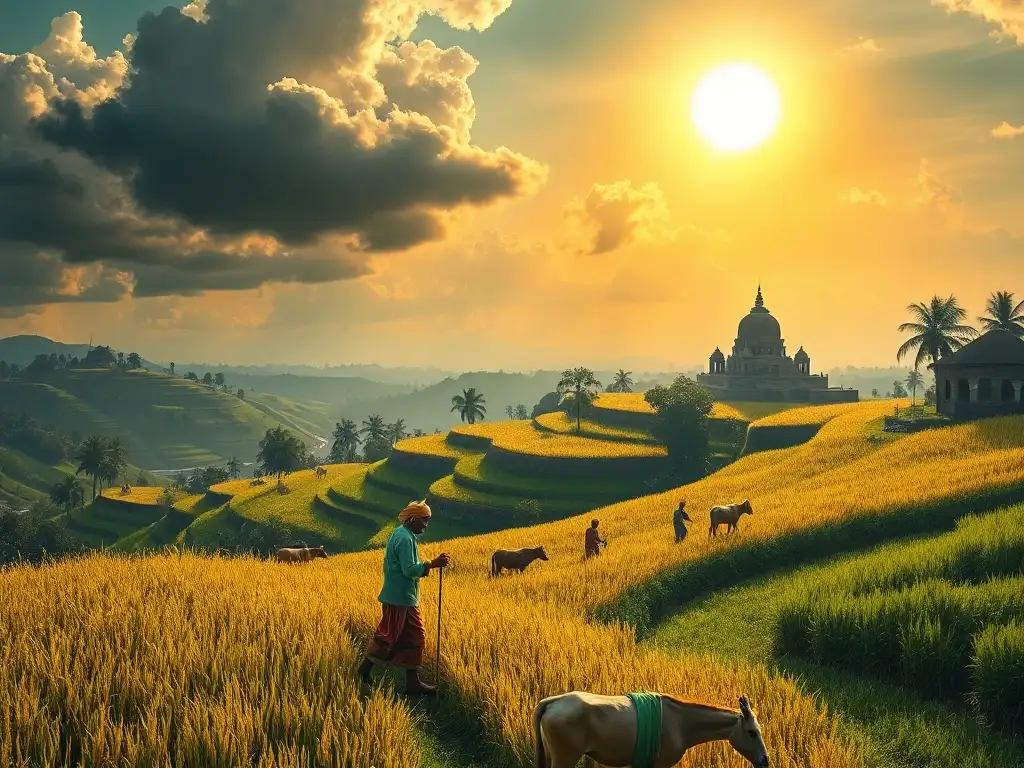
The Indus Valley Civilization and Its Agricultural Practices
The Indus Valley Civilization, flourishing around 2500 BCE, is one of the earliest urban cultures known for its sophisticated agricultural practices. The region, characterized by its unique climatic conditions, significantly influenced farming techniques and crop selection. The monsoon climate, with its seasonal rains, played a pivotal role in determining agricultural productivity and sustainability.
Key Crops and Irrigation Techniques:
- Wheat and Barley: Major staples cultivated due to fertile alluvial soil.
- Rice Cultivation: Evidence suggests that rice was also grown, particularly in the southern regions.
- Irrigation Systems: The civilization utilized advanced irrigation techniques, including canals and reservoirs, to manage water resources effectively.
“The ingenious methods of water management allowed the Indus Valley farmers to maximize agricultural output, even in a challenging climate.”
The reliance on the monsoon meant that farmers had to adapt to varying rainfall patterns. During periods of drought, crop failures could occur, leading to food shortages. This dependency on climate cycles necessitated a flexible approach to agriculture, where crop rotation and diversification became vital strategies.
Agricultural Adaptations in the Gangetic Plain
The Gangetic Plain, known for its rich alluvial soil and favorable climate, became a hub for agricultural development by the early centuries CE. The region's climate, characterized by heavy monsoon rains, allowed for the cultivation of a variety of crops, which shaped the agricultural practices of ancient India.
Innovative Farming Techniques:
- Double Cropping: Farmers practiced double cropping, growing two different crops in a single year to maximize yields.
- Crop Diversity: A wide range of crops, including pulses, millets, and oilseeds, were cultivated, enhancing food security.
| Crop Type | Seasonal Cycle | Climate Adaptation |
|---|---|---|
| Rice | Monsoon season | Flood-resistant varieties developed |
| Wheat | Rabi season | Sown post-monsoon for winter harvest |
| Pulses | Kharif season | Drought-tolerant varieties utilized |
As a response to the climate's variability, farmers in the Gangetic Plain developed resilient agricultural practices. They built bunds and other soil conservation measures to prevent erosion and retain moisture, demonstrating an understanding of sustainable farming long before modern practices were adopted.
The Deccan Plateau: Challenges and Innovations
The Deccan Plateau presents a contrasting climate and topography compared to other regions of ancient India. With its semi-arid conditions, the plateau posed significant challenges for agricultural practices, necessitating innovative solutions.
Adapting to Arid Conditions:
- Drought-Resistant Crops: Farmers focused on cultivating crops such as sorghum and millet, which thrived in drier conditions.
- Water Harvesting Techniques: The use of check dams and cisterns became common to capture and store rainwater, ensuring a reliable water supply during dry spells.
“In the face of adverse climatic conditions, the ingenuity of Deccan farmers paved the way for agricultural sustainability.”
The Deccan Plateau also saw the emergence of mixed farming systems, where livestock played a crucial role in enhancing soil fertility and providing labor. The integration of animal husbandry with crop cultivation allowed farmers to create a more resilient agricultural framework, essential for survival in a challenging environment.
The diverse climatic conditions across ancient India necessitated distinct agricultural adaptations. From the sophisticated irrigation systems of the Indus Valley to the resilient practices of the Deccan Plateau, the impact of climate on ancient Indian agriculture is a testament to human ingenuity and adaptability.
Climate Resilience in Ancient Agricultural Practices
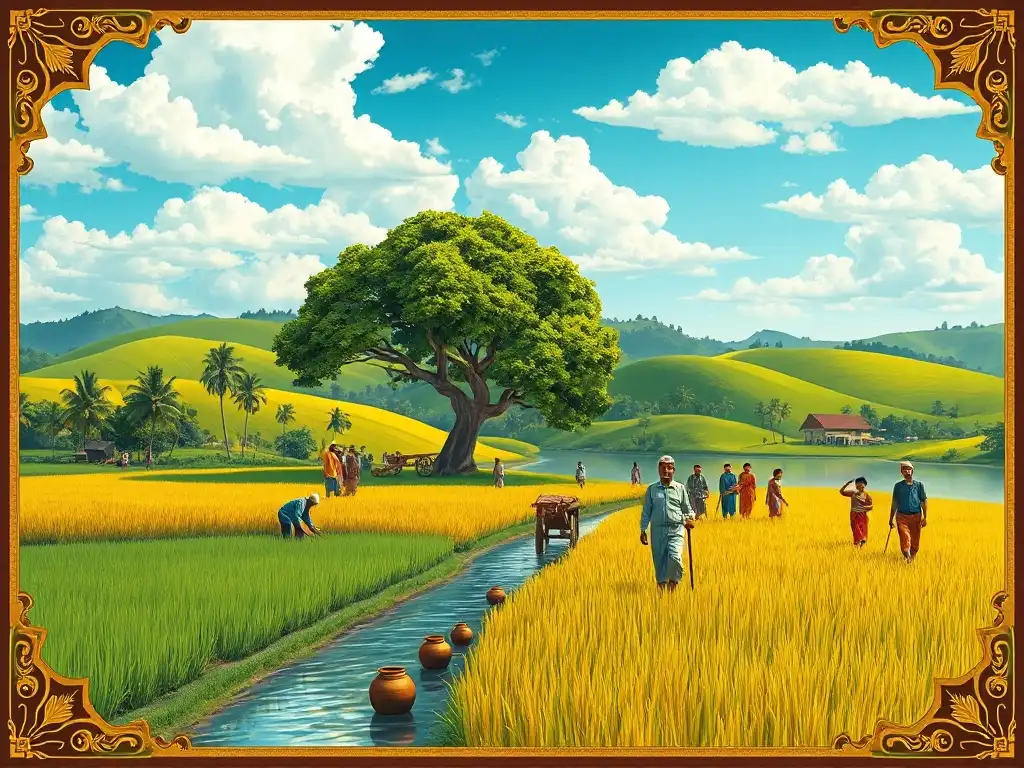
The agricultural practices of ancient India were profoundly influenced by the diverse climatic conditions across the subcontinent. From the arid deserts of Rajasthan to the lush river valleys of the Ganges, farmers developed unique strategies to cope with varying levels of rainfall, temperature extremes, and seasonal changes. This adaptability is a testament to the resilience of ancient Indian agricultural systems, which were essential for sustaining the growing populations and complex societies of the time.
The concept of climate resilience in ancient agriculture is rooted in the understanding of local ecological conditions. Farmers utilized traditional knowledge passed down through generations to optimize their agricultural outputs. They were not merely passive recipients of climatic conditions but active participants in shaping their agricultural landscapes to mitigate adverse climate effects.
Traditional Knowledge and Climate Adaptation
Traditional agricultural practices in ancient India were deeply intertwined with local climatic patterns. Farmers possessed extensive knowledge about seasonal cycles, soil types, and crop varieties suited for specific climatic conditions. This knowledge enabled them to make informed decisions regarding cropping patterns, planting times, and irrigation methods.
- Crop Diversity: Ancient Indian farmers cultivated a wide variety of crops, including rice, wheat, barley, millet, and pulses. This diversity served as a buffer against climate variability, ensuring that even in unfavorable conditions, some crops would thrive. For instance, drought-resistant varieties of millet were favored in arid regions, while rice was predominantly grown in areas with ample water supply.
- Soil Management: The understanding of soil fertility was crucial for sustaining agricultural productivity. Farmers practiced techniques such as crop rotation and the use of organic fertilizers (like compost) to enhance soil health. This not only improved yields but also helped in retaining moisture, which is vital during dry spells.
- Water Harvesting Techniques: Ancient Indian civilizations, particularly those in arid and semi-arid regions, developed sophisticated water management systems. The construction of step wells, tanks, and canals facilitated efficient water storage and distribution, enabling farmers to irrigate their fields even during periods of low rainfall.
The ability to adapt to climate changes was evident in the agricultural calendars that dictated planting and harvesting times based on climatic observations. This traditional knowledge was crucial for maximizing agricultural productivity and minimizing risks associated with climate fluctuations.
Innovations in Agricultural Techniques to Combat Climate Effects
In addition to traditional knowledge, ancient Indian farmers employed various innovative agricultural techniques to combat the effects of climate on their crops. These innovations were often region-specific, reflecting the unique environmental challenges faced by different communities.
- Terracing: In hilly regions, farmers constructed terraces to prevent soil erosion and manage water runoff. This technique allowed them to cultivate steep slopes, maximizing arable land while conserving water and soil.
- Irrigation Systems: The development of advanced irrigation techniques, including the use of canals and water-lifting devices, played a pivotal role in enhancing agricultural productivity. The Indus Valley Civilization, for instance, showcased remarkable engineering skills in creating extensive irrigation networks that supported large-scale agriculture.
- Crop Rotation and Intercropping: Farmers practiced crop rotation and intercropping to maintain soil fertility and reduce pest infestations. By alternating different crops in a systematic manner, they not only optimized land use but also minimized the impact of climate-related stresses.
- Use of Natural Pest Control: Ancient agricultural practices also included the use of natural pest control methods, such as the introduction of beneficial insects and companion planting. This reduced reliance on chemical interventions and promoted ecological balance within farming systems.
These innovations reflect the ingenuity and adaptability of ancient Indian farmers in responding to the challenges posed by changing climatic conditions. Their ability to modify and improve agricultural practices laid the foundation for sustainable farming, which continues to be relevant in the context of modern climate challenges.
The interplay between climate and agriculture in ancient India reveals a rich tapestry of resilience and innovation. The agricultural practices and labor systems developed during this time not only supported the livelihoods of countless individuals but also contributed significantly to the socio-economic fabric of ancient Indian civilization. Understanding these historical practices provides valuable insights into sustainable agricultural practices that can be applied in contemporary contexts.
Conclusion: Legacy of Climate on Ancient Indian Agriculture and Labor
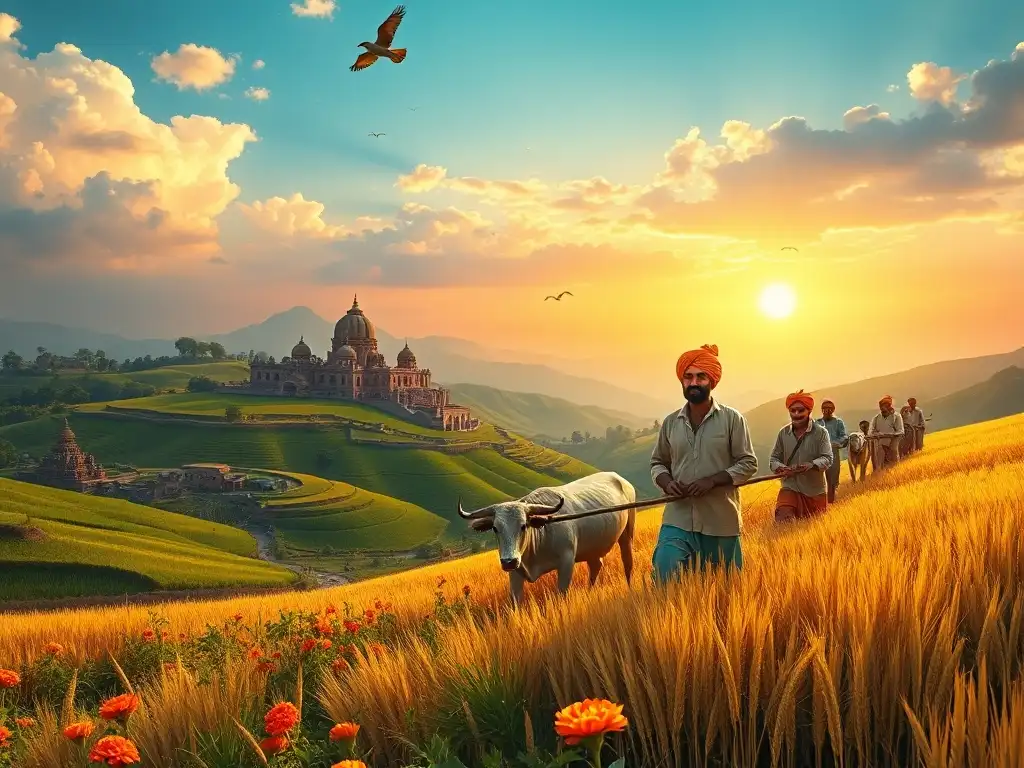
The intricate relationship between climate and agriculture in ancient India has played a pivotal role in shaping the livelihoods, social structures, and cultural practices of its civilizations. By analyzing the climatic variations over the centuries, we can gain valuable insights into how these environmental factors influenced not only farming techniques but also labor systems across different regions. The legacy of these practices continues to resonate in modern agricultural methods and societal norms.
Summary of Key Climate Impacts on Agriculture
Ancient Indian civilizations were heavily reliant on agriculture, and the effects of climate on this sector were profound. Here are some of the key impacts that shaped agricultural practices:
- Monsoon Variability: The Indian monsoon was a critical factor influencing crop yields. Reliable monsoons allowed for the cultivation of staple crops like rice and wheat, while erratic rainfall led to droughts, affecting food security.
- Soil Fertility: Climate affected soil moisture levels and nutrient availability. Periods of excessive rainfall could lead to soil erosion, while dry spells would necessitate the development of irrigation techniques to sustain farming.
- Crop Diversity: Different climatic zones across ancient India supported various crops. For example:
- North India: Dominated by wheat and barley due to its temperate climate.
- South India: Favored rice and millet, thriving in tropical conditions.
- Seasonal Cycles: The seasonal changes dictated planting and harvesting times, affecting labor patterns. Farmers organized their labor force around these cycles, often employing seasonal workers during peak harvest periods.
- Cultural Practices: Climate also influenced religious and cultural practices associated with agriculture, as rituals were often tied to the agricultural calendar and the hope for favorable weather conditions.
The Influence of Climate on Future Agricultural Practices in India
The historical context of climate effects on ancient Indian agriculture provides a framework for understanding contemporary agricultural practices. Modern India still grapples with the challenges posed by climate variability, and lessons from the past can guide future strategies:
- Sustainable Practices: Incorporating traditional knowledge of crop rotation and permaculture can enhance soil health and resilience against climate change.
- Water Management: Ancient irrigation systems, such as step wells and tanks, can inspire modern water conservation techniques, particularly in drought-prone areas.
- Climate-Resilient Crops: Research into indigenous crop varieties that are drought-resistant or flood-tolerant can help ensure food security in the face of changing climate patterns.
- Policy Implementation: Understanding the historical impacts of climate on agriculture can inform agricultural policies that promote sustainable development and address the socioeconomic disparities affecting farmers today.
By recognizing the intricate ties between climate and agricultural practices throughout ancient Indian history, we can better prepare for the challenges of the future while honoring the foundations laid by those who cultivated the land long before us.
References for Further Reading on Climate Effects on Ancient Indian Agriculture
Suggested Literary Sources
-
"The Indus Valley Civilization: An Interdisciplinary Perspective"
This book explores the agricultural practices of the Indus Valley civilization, emphasizing how climate influenced their farming methods and crop choices. The interdisciplinary approach provides insights from archaeology, environmental science, and history.
-
"Agrarian Societies in History: From the Neolithic to the Present"
This comprehensive text examines the evolution of agrarian societies, including ancient India. It discusses the interplay between climate and agriculture, focusing on specific periods and regions, including the Indo-Gangetic plain.
-
"Climate and Agriculture in Ancient India: A Historical Perspective"
This scholarly work provides an in-depth analysis of how climatic variations affected agricultural practices throughout ancient Indian history. It includes case studies from various regions, illustrating the adaptability of ancient farmers.
-
"The Monsoon and the Indian Subcontinent"
This book delves into the monsoon's critical role in shaping agricultural practices in ancient India. It discusses the seasonal cycles and their impact on crop production, labor systems, and societal structures.
-
"The Role of Agriculture in the Economy of Ancient India"
This work offers a detailed examination of how agricultural practices were influenced by climatic conditions. It highlights the economic implications of climate on labor distribution and agricultural output during different periods.
Archaeological evidence plays a crucial role in understanding the relationship between climate and agriculture in ancient India. Key findings include:
-
Indus Valley Excavations
Archaeological sites such as Mohenjo-Daro and Harappa have revealed sophisticated irrigation systems that were likely developed in response to the region's climate. Studies indicate that these systems were essential for managing water during both droughts and floods.
-
Pollen Analysis
Pollen samples extracted from various sites have provided insights into ancient crop varieties and their adaptation to climatic conditions. For instance, changes in pollen types over millennia indicate shifts in agricultural practices in response to climate changes.
-
Settlement Patterns
Research has shown that ancient settlements often correlate with favorable climatic conditions for agriculture. Sites abandoned due to climatic shifts provide evidence of how societies adapted their labor systems and agricultural practices in response to environmental challenges.
-
Agricultural Implements
Excavated tools and implements, such as plows and sickles, offer insights into the agricultural techniques used in ancient India. The materials and designs of these tools often reflect adaptations to specific climatic conditions, demonstrating the innovation of ancient farmers.
-
Water Management Structures
Findings of ancient reservoirs and canals indicate that communities developed complex water management systems to cope with seasonal variations and ensure agricultural productivity. These structures reveal the strategic responses to climate challenges faced by ancient Indian societies.
By exploring these sources and findings, readers can gain a deeper understanding of how climate effects on ancient Indian agriculture shaped labor systems and daily life within various civilizations.
Frequently Asked Questions
What were the primary climate effects on agriculture in ancient India?
Ancient India experienced various climatic changes, including monsoon variability, which significantly impacted crop yields and farming practices. Such fluctuations influenced agricultural productivity and food security.
How did ancient Indian civilizations adapt to climatic challenges?
To cope with climatic challenges, ancient civilizations employed techniques such as water management, crop rotation, and the cultivation of drought-resistant crops, ensuring sustainability in their agricultural practices.
What role did the monsoon play in ancient Indian agriculture?
The monsoon was crucial for agriculture in ancient India, providing the necessary rainfall for crops. Its timing and intensity directly affected harvests and the overall economy of ancient societies.
How did the Gupta Empire address agricultural needs amid climate changes?
The Gupta Empire implemented policies to enhance irrigation and improve farming techniques, addressing the impacts of climate variability. This led to increased agricultural productivity and economic prosperity.
What were the long-term impacts of climate on ancient Indian agricultural labor?
Changes in climate often led to shifts in labor patterns, as communities adapted to new agricultural demands. This influenced social structures, with some groups specializing in agriculture and others in related sectors like trade and irrigation.
Final Reflection: Understanding the Climate's Enduring Influence on Ancient Indian Agriculture
The intricate relationship between climate and agriculture is not just a relic of ancient history; it continues to shape our understanding of sustainable practices today. As we delve into the impact of climate on agricultural practices and labor in ancient India, we uncover lessons that resonate profoundly in our current environmental crisis. The way ancient societies adapted to their climatic challenges offers a striking reminder of the resilience and ingenuity required to navigate the complexities of agriculture in a changing world.
Culture and social structures in ancient India were profoundly influenced by climatic conditions, shaping not only agricultural practices but also the very fabric of society. The adaptation strategies employed by these communities highlight the importance of understanding our environment and its fluctuations. As we reflect on this historical context, we are reminded of the words of Mahatma Gandhi: The earth provides enough to satisfy every man's needs, but not every man's greed.
This quote encapsulates the essence of sustainable agriculture, urging us to consider how our practices today can honor the lessons learned from our ancestors.
As we move forward, let us take a moment to reflect on our own relationship with the climate and agriculture. Consider how the insights from ancient Indian practices can inspire us to cultivate a more sustainable future. Whether through supporting local farming initiatives, advocating for climate-conscious policies, or simply being mindful of our consumption, each of us has a role to play. Embrace the wisdom of the past as we strive to create a harmonious balance between our agricultural practices and the environment, ensuring that future generations inherit a world where both can thrive.
Embrace Sustainable Practices Today!
Thank you for exploring the rich history of agricultural practices in Ancient India and how climate influenced these pivotal societies. By understanding the past, we can forge a more sustainable future for our communities. Now, let’s take actionable steps toward a greener tomorrow!
- Adopt sustainable farming methods in your own space, whether it’s a small garden or a larger agricultural project. Research techniques such as crop rotation and organic farming to start making a positive impact.
- Share this article with friends and family to raise awareness about the importance of adapting agricultural practices in response to climate change. Together, we can build a community of informed individuals!
- Join a local environmental group or participate in an online forum to connect with others who are passionate about sustainability and discover new ways to contribute.
What sustainable practices or innovations can you implement today that reflect the wisdom of ancient civilizations?