
The Art of Calligraphy: The Scribes’ Role in Ancient Indian Society

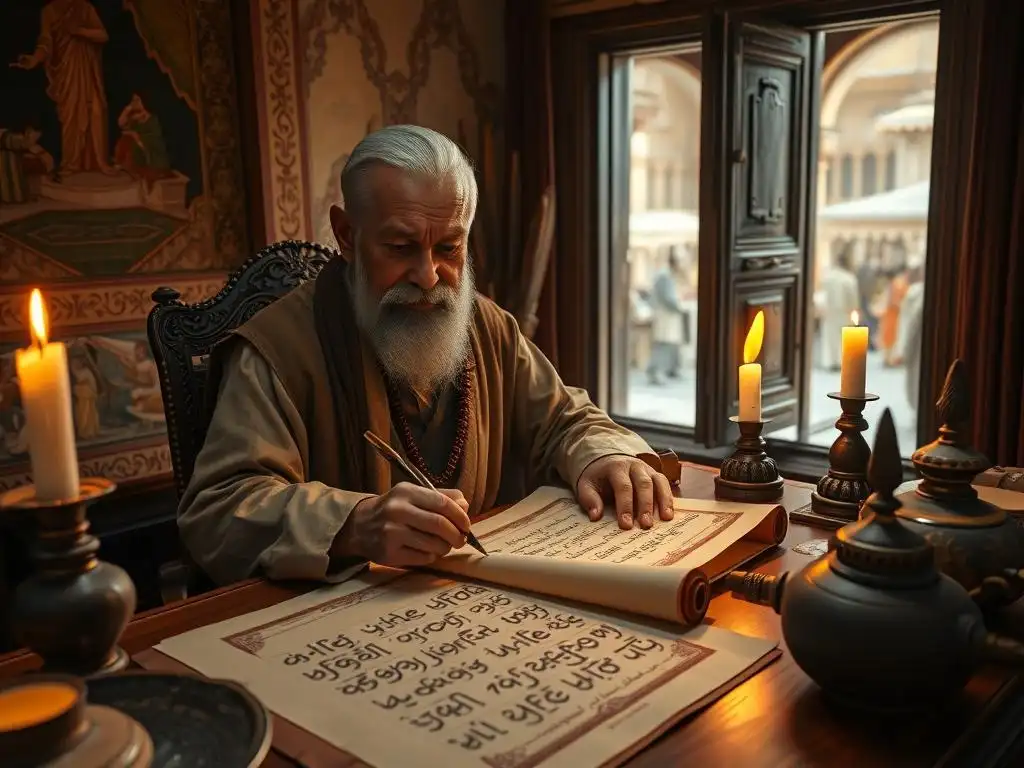
Welcome to Ancient India History, where we embark on a fascinating journey through time to uncover the rich tapestry of ancient Indian civilizations. In this article, we delve into the intriguing world of ancient Indian calligraphy history, exploring the vital role of scribes in shaping society and culture. Did you know that the art of calligraphy not only served as a means of communication but also as a reflection of the values and creativity of its time?
Join us as we unveil the secrets behind this exquisite art form and its profound impact on daily life in ancient India. Your exploration of history begins now!
Introduction to Ancient Indian Calligraphy History
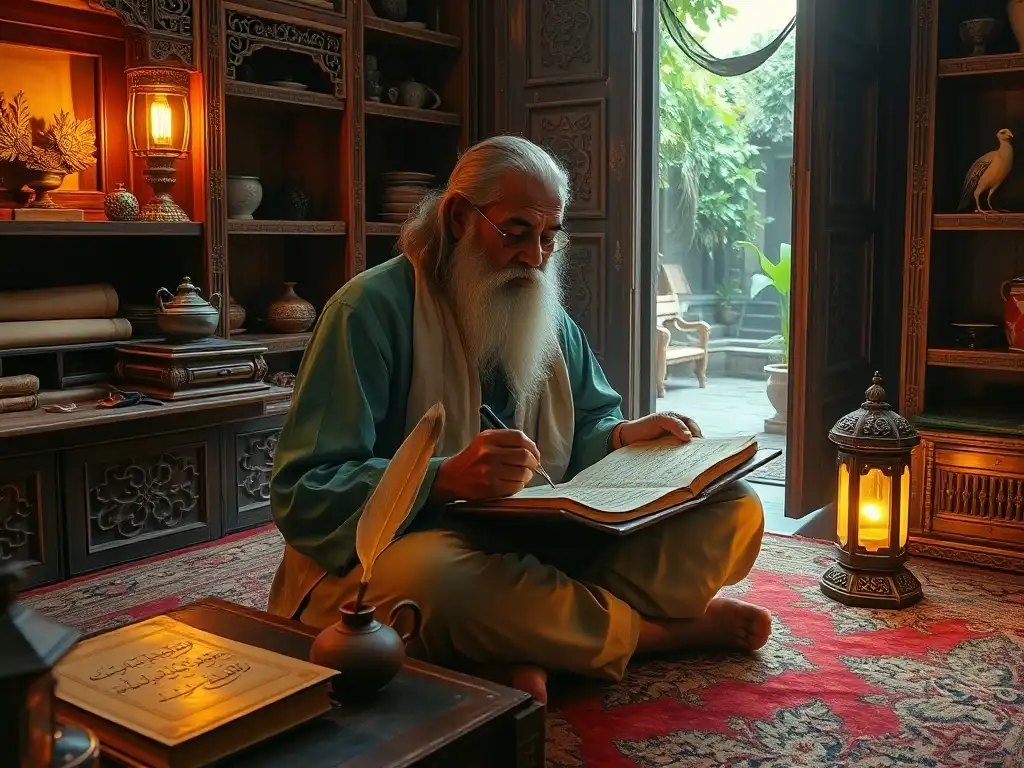
The intricate art of calligraphy not only serves as a visual expression but also holds significant historical importance in ancient Indian society. The tradition of calligraphy in India can be traced back to the early civilizations, where the written word played a crucial role in the dissemination of knowledge, culture, and governance.
Scribes, as the custodians of this art, were pivotal in recording events, creating literary works, and preserving the religious texts that shaped the spiritual landscape of the subcontinent. This article delves into the rich tapestry of ancient Indian calligraphy history, exploring how the scribes influenced various facets of society and contributed to the cultural legacy of India.
Understanding Calligraphy in Ancient India
Calligraphy in ancient India was not merely about writing; it was an art form that integrated aesthetics with functionality. Different scripts developed across regions, each with unique stylistic elements.
- Scripts Used: The ancient Indian scripts, such as Brahmi and Kharosthi, laid the foundation for many modern scripts in use today.
- Materials and Tools: Scribes utilized materials like palm leaves and birch bark, along with tools such as reed pens and ink made from natural dyes.
The combination of these elements resulted in beautifully crafted manuscripts that were both functional and artistic.
The Importance of Calligraphy in Cultural Transmission
Calligraphy served as a vital conduit for cultural transmission in ancient India. It facilitated the preservation and dissemination of knowledge across generations.
- Religious Texts: Many sacred texts, including the Vedas and Puranas, were meticulously transcribed by skilled scribes, ensuring their survival through tumultuous periods.
- Literary Works: The flourishing of poetry and prose during various dynasties showcased the significance of calligraphy in the literary domain, with celebrated poets relying on scribes to immortalize their works.
Through these practices, calligraphy became an essential part of cultural identity, reflecting the values and beliefs of ancient Indian societies.
Historical Context of Calligraphy in Ancient India
Emergence of Calligraphy in Early Indian Civilizations
The roots of calligraphy in India can be traced back to the Indus Valley Civilization, where early forms of writing emerged around 2500 BCE. Archaeological findings suggest that symbols inscribed on seals and pottery were among the earliest attempts at recorded communication.
As civilizations evolved, so did the sophistication of their scripts. By the time of the Maurya Empire (c. 322-185 BCE), the Brahmi script gained prominence, marking a significant advancement in the art of writing.
Influences from Neighboring Cultures on Indian Calligraphy
Ancient Indian calligraphy was not developed in isolation; it was influenced by various neighboring cultures.
- Persian Influence: The arrival of Persian artists during the rule of the Mughal Empire introduced new techniques and styles, enriching the existing calligraphic traditions.
- Buddhist Influence: The spread of Buddhism also played a pivotal role, as manuscripts containing teachings were beautifully illustrated, combining calligraphy with artistic depictions.
These cultural exchanges led to a dynamic evolution of calligraphy, reflecting the diverse influences that shaped ancient Indian society.
The Role of Scribes in Ancient Indian Society
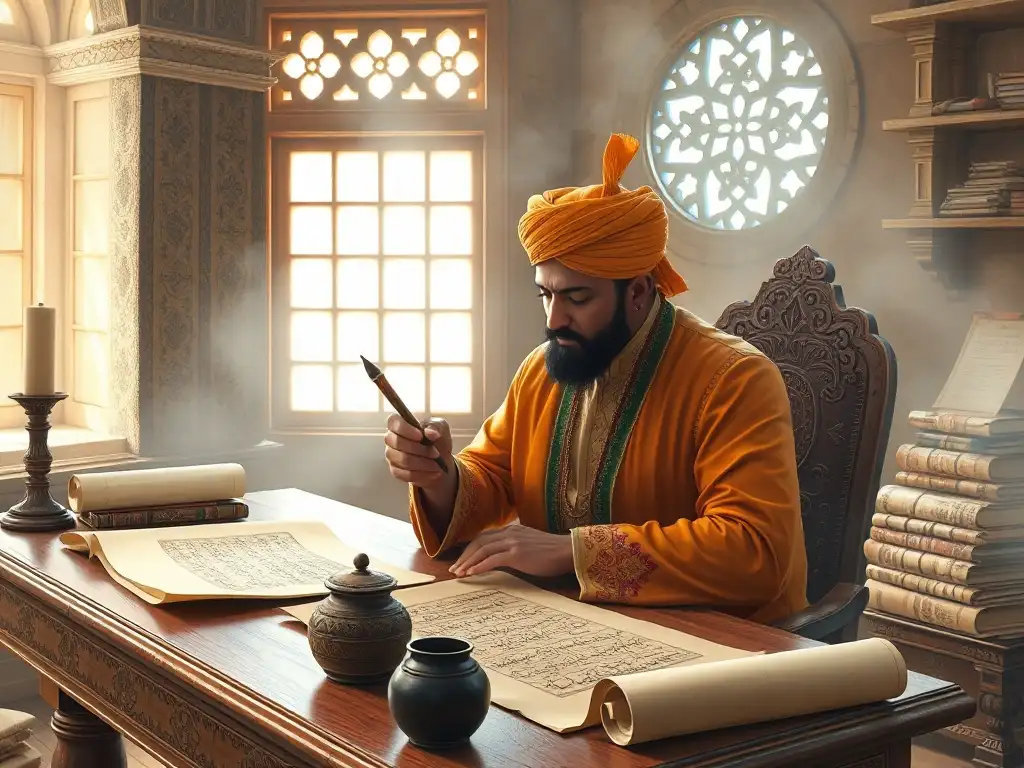
Scribes held a pivotal position in ancient Indian society, serving as the primary record-keepers and communicators of information. Their role extended beyond mere writing; they were essential to the administration, culture, and intellectual life of various civilizations, from the Indus Valley through the Maurya and Gupta empires. In a time when oral traditions were predominant, scribes bridged the gap between spoken words and written records, ensuring continuity and accessibility of information.
As literate individuals, scribes were often part of the elite class, trained in the art of writing and familiar with the languages and scripts of their time, including Brahmi and Kharosthi. Their expertise allowed them to serve in various capacities, such as court officials, teachers, and religious leaders. The work of scribes was indispensable for governance, trade, and cultural transactions, making them integral to the functioning of society.
Responsibilities of Scribes and Calligraphers
The responsibilities of scribes and calligraphers encompassed a wide range of tasks that were crucial for the administration and cultural life of ancient India. They were responsible for:
- Record Keeping: Scribes meticulously documented events, transactions, and administrative decisions. Their records helped maintain order and accountability in governance and trade.
- Literary Creation: Many scribes were also authors, composing texts on various subjects such as philosophy, religion, and science. This literary output contributed significantly to the intellectual heritage of ancient India.
- Religious Functions: Scribes played a vital role in religious practices by transcribing sacred texts, rituals, and hymns. Their work facilitated the preservation and dissemination of religious knowledge.
- Education and Training: Scribes often trained others in literacy and writing, ensuring that the skills needed for record-keeping and communication were passed down through generations.
Their multifaceted responsibilities underscore the importance of scribes in shaping the intellectual and cultural landscape of ancient India.
Scribes as Custodians of Knowledge and Culture
Scribes were not only responsible for writing but also served as custodians of knowledge and culture in ancient Indian society. Their work ensured the preservation of a vast array of texts, including historical records, religious scriptures, and literary works. This preservation was critical in maintaining cultural continuity, especially during periods of political upheaval or invasions.
The role of scribes extended to the curation of libraries and archives, where they organized texts for easy access and reference. Many ancient Indian texts, such as the Vedas and Upanishads, were meticulously copied and preserved by scribes, allowing future generations to access and learn from these foundational works.
Moreover, scribes facilitated cultural exchanges through their writings, contributing to the spread of ideas across regions and communities. They played a crucial role in documenting the diverse traditions, languages, and philosophies that characterized ancient India, thereby enriching the cultural tapestry of the civilization.
Techniques and Materials Used in Ancient Indian Calligraphy
The art of calligraphy in ancient India involved a combination of techniques and materials that were refined over centuries. The aesthetics of writing were not just functional but also held significant artistic value, reflecting the culture and philosophy of the time.
Writing Instruments and Tools in Ancient India
Scribes employed various writing instruments and tools that were crafted from available materials, enhancing the quality and appearance of their work. Some of the primary tools included:
- Reed Pens: Made from the hollow stems of reeds, these pens were sharpened at one end to create a fine point for writing. They allowed for delicate and precise strokes.
- Brushes: In certain regions, particularly for decorative calligraphy, brushes made from animal hair were used. Brushes offered a fluidity that was ideal for expressive writing.
- Ink: Scribes created ink from natural substances, such as soot mixed with water or plant extracts, to produce different colors and consistencies. The quality of ink was crucial for the durability of manuscripts.
- Palm Leaves and Birch Bark: These were common surfaces for writing, as they were readily available and could be treated to enhance their smoothness.
The combination of these tools allowed scribes to develop unique styles of writing that were both practical and aesthetically pleasing.
Types of Manuscripts and Their Significance
The manuscripts produced by ancient Indian scribes were diverse in form and content, each serving unique purposes and holding significant cultural value. Some notable types include:
- Religious Texts: Manuscripts such as the Vedas, Upanishads, and Puranas were fundamental to spiritual life and philosophy. Their preservation ensured the continuity of religious practices and beliefs.
- Literary Works: Epic poems like the Mahabharata and Ramayana were transcribed by scribes, contributing to the rich literary heritage of India. These texts provided moral teachings, historical narratives, and cultural identity.
- Scientific and Medical Treatises: Scribes recorded knowledge on mathematics, astronomy, and medicine, facilitating advancements in these fields. Works such as Aryabhata’s astronomical texts exemplify this intellectual tradition.
- Administrative Records: Documents related to land ownership, trade agreements, and taxation were meticulously maintained, reflecting the administrative sophistication of ancient Indian societies.
Each manuscript not only served its immediate purpose but also contributed to the overarching narrative of ancient Indian history, culture, and knowledge. The scribes' dedication to their craft ensured that these legacies were preserved for posterity.
Major Styles of Calligraphy in Ancient India
Ancient Indian calligraphy is characterized by a variety of scripts, each reflecting the unique culture and history of the regions they emerged from. The evolution of these styles not only marked the progression of writing techniques but also influenced the dissemination of knowledge, literature, and religious texts throughout ancient Indian society.
The most significant styles of calligraphy in ancient India can be traced from the early Brahmi script to the more refined forms that developed during the Gupta period and beyond. The artistry involved in creating these scripts varied, with some emphasizing aesthetic appeal while others focused more on functionality and clarity. The interplay of art and utility in these scripts showcases the scribes' dedication to both beauty and communication.
Brahmi Script: The Foundation of Indian Calligraphy
The Brahmi script, believed to have originated around the 3rd century BCE, serves as the cornerstone of ancient Indian calligraphy. It is considered one of the earliest writing systems used in the Indian subcontinent and laid the groundwork for many subsequent scripts. The Brahmi script is primarily syllabic, meaning that each character represents a consonant with an inherent vowel sound, which can be modified by diacritics to denote different vowels.
The aesthetics of Brahmi are characterized by their angular and rounded shapes, which were conducive to both inscribing on hard surfaces and writing on softer materials like palm leaves. Scribes employed this script to write various texts, including administrative documents, edicts, and religious inscriptions, thereby playing a crucial role in the governance and cultural expression of ancient Indian societies.
The significance of Brahmi extends beyond its immediate application; it is the precursor to many modern scripts, including Devanagari, which is widely used today. The script's adaptability and the skill of the scribes who mastered it reflect the sophistication of ancient Indian civilization and its contributions to literacy and record-keeping.
Other Scripts: Gupta, Devanagari, and Their Evolution
Following the Brahmi script, several other scripts emerged, notably during the Gupta Empire (circa 320-550 CE), which is often referred to as a golden age of Indian culture and arts. The Gupta script, derived from Brahmi, is notable for its more refined and elegant style, showcasing the aesthetic sensibilities of the time. This period saw the rise of various regional scripts, each with unique characteristics but rooted in the foundational principles of Brahmi.
Devanagari, which later became one of the most prominent scripts in India, evolved during this time as well. It features a distinct horizontal line running across the top of the letters, a hallmark that sets it apart from other scripts. The clarity and beauty of Devanagari made it ideal for writing Sanskrit and later for many modern Indian languages.
The evolution of these scripts reflects the dynamic nature of ancient Indian calligraphy, where the need for effective communication was balanced with a pursuit of artistic expression. Scribes played an essential role in this development, using their skills not only to document everyday affairs but also to create literary and philosophical works that would influence generations.
The Impact of Calligraphy on Religion and Philosophy
Calligraphy in ancient India was not merely an art form; it was deeply intertwined with the spiritual and philosophical fabric of society. The meticulous nature of calligraphic practices gave rise to a profound respect for the written word, particularly in religious contexts.
The significance of calligraphy can be seen in how it contributed to the preservation and dissemination of sacred texts, which were essential in conveying the teachings of various religions and philosophies. The skill of the scribes ensured that these texts were not only accurate but also beautifully presented, which enhanced their reverence and impact.
Calligraphy in Sacred Texts: Vedas and Upanishads
The Vedas and Upanishads, foundational texts of Hindu philosophy and spirituality, were often transcribed using intricate calligraphy. The precision required in rendering these texts was vital, as even minor errors could lead to misinterpretations of key concepts. Scribes dedicated themselves to producing copies that were faithful to the original, employing techniques that emphasized clarity and beauty.
Calligraphic practices in these sacred texts also extended to the use of ornamental designs and illustrations, which enhanced their visual appeal. The careful arrangement of letters and the inclusion of decorative elements reflected the belief that the written word held divine significance. As a result, these texts were often treated with great reverence, and their calligraphic presentation contributed to their status as revered objects.
The Role of Calligraphy in Promoting Religious Teachings
Calligraphy served a crucial role in promoting religious teachings across various traditions in ancient India. For instance, Buddhist texts were often inscribed in beautiful scripts, making them accessible and appealing to a wider audience. The act of writing these texts was seen as a form of devotion, with scribes believing that their work contributed to the spiritual enlightenment of others.
Moreover, calligraphy was used in the creation of inscriptions on monuments and temples, further embedding religious teachings into the fabric of society. These inscriptions not only conveyed doctrinal messages but also served as historical records, linking the past with the present. The integration of calligraphy into religious practices helped to elevate the status of the written word, reinforcing its importance in the transmission of cultural and spiritual values throughout ancient India.
Preservation and Legacy of Ancient Indian Calligraphy
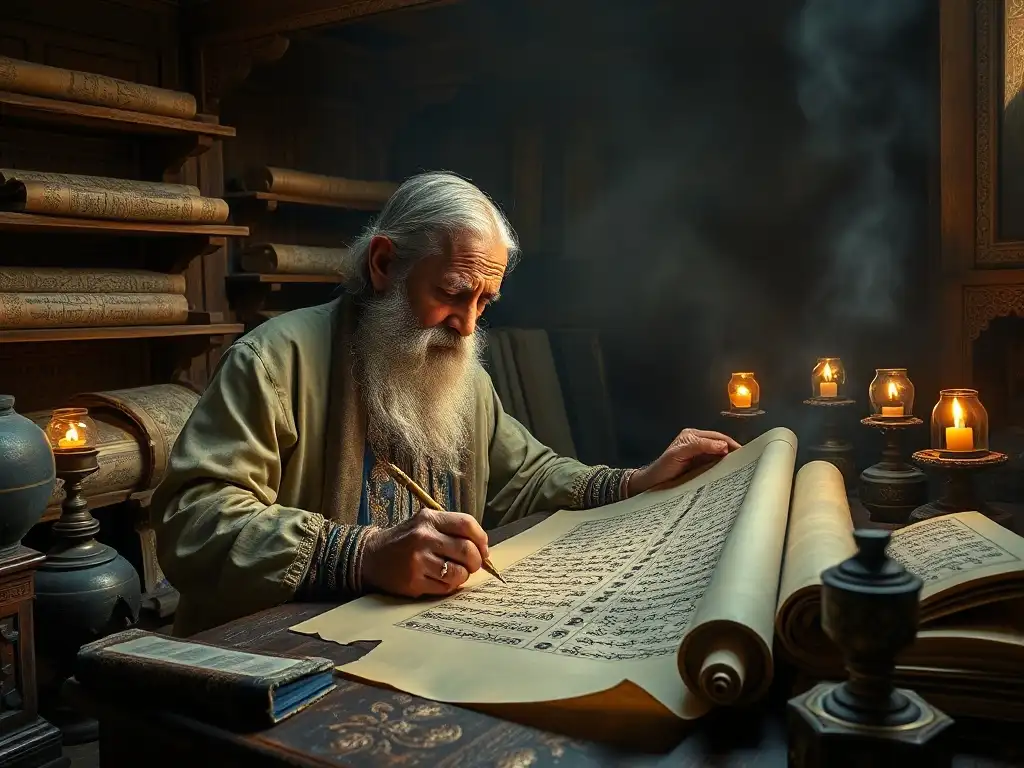
The preservation and legacy of ancient Indian calligraphy are integral to understanding the cultural and historical narrative of the subcontinent. Scribes played a crucial role in documenting religious texts, literature, and administrative records, ensuring the transmission of knowledge across generations. The careful craftsmanship of calligraphy not only reflects the artistic sensibilities of its time but also serves as a window into the societal values and intellectual pursuits of ancient India.
In particular, the art of calligraphy was closely tied to the preservation of sacred texts, such as the Vedas and Upanishads, which were meticulously copied by skilled scribes. This practice not only safeguarded religious doctrines but also facilitated the spread of philosophical ideas and cultural narratives throughout ancient Indian society.
Moreover, the legacy of ancient Indian calligraphy can be observed in the evolution of scripts and languages that followed, influencing numerous regional scripts, including Devanagari, Tamil, and Bengali. This ongoing impact underscores not only the aesthetic aspects of calligraphy but also its functional significance in communication and record-keeping.
Manuscript Preservation Techniques in Ancient India
In ancient India, preservation techniques for manuscripts were both sophisticated and varied, reflecting the importance placed on safeguarding knowledge. Scribes utilized a range of materials and methods to ensure the longevity of their works.
- Material Choices: Manuscripts were often inscribed on materials such as palm leaves, birch bark, and handmade paper, with palm leaves being particularly prevalent in southern India. The choice of material significantly influenced the preservation methods employed.
- Ink and Tools: Scribes used natural inks derived from plant extracts, minerals, and other organic substances. These inks were not only aesthetically pleasing but also durable, which contributed to the longevity of the texts.
- Storage and Handling: Manuscripts were typically stored in wooden or metal containers to protect them from the elements. Additionally, scholars often employed techniques such as folding and rolling manuscripts to minimize physical wear, ensuring that texts remained intact for future generations.
- Environmental Considerations: The importance of environmental factors was recognized in manuscript preservation. Scribes often stored manuscripts in cool, dry places to protect them from humidity and pests, which could cause significant damage over time.
These techniques reflect a deep understanding of conservation methods, showcasing the reverence ancient Indian society had for written knowledge and its preservation.
The Influence of Ancient Calligraphy on Modern Indian Scripts
The influence of ancient calligraphy on modern Indian scripts is profound and multifaceted. Various scripts that evolved in India today exhibit characteristics and styles that can be traced back to ancient calligraphic practices.
- Evolution of Scripts: The Brahmi script, one of the earliest writing systems in India, is a direct descendant of ancient calligraphy. Its influence is evident in many modern scripts, including Devanagari, Gurmukhi, and Kannada. The stylistic elements of ancient calligraphy are reflected in the fluidity and artistic embellishments of these scripts.
- Cultural Significance: Modern Indian scripts continue to carry the cultural and historical weight of their calligraphic origins. The aesthetic appeal of these scripts, often used in religious texts and artistic expressions, echoes the intricate designs and meticulous techniques employed by ancient scribes.
- Revival and Adaptation: In contemporary times, there has been a revival of interest in traditional calligraphy. Artists and enthusiasts are increasingly exploring ancient techniques, blending them with modern styles to create a unique form of artistic expression that pays homage to its historical roots.
This connection between ancient and modern calligraphy highlights an enduring legacy, emphasizing the importance of written language in shaping cultural identity and continuity in India.
Conclusion: The Enduring Legacy of Calligraphy in Indian Culture
The enduring legacy of calligraphy in Indian culture is a testament to its significance in the historical narrative of the subcontinent. The meticulous work of ancient scribes not only preserved important texts but also contributed to the development of literary traditions and artistic expressions that continue to resonate in contemporary society.
Reflection on the Importance of Scribes in Ancient Society
Scribes were pivotal figures in ancient Indian society, serving as custodians of knowledge and culture. Their role extended beyond mere transcription; they were educators, historians, and artists. By documenting religious texts, legal codes, and literary works, scribes facilitated the transmission of ideas and values that shaped the social fabric of their time. Their contributions ensured that knowledge was not lost to the passage of time, allowing future generations to access and build upon the rich intellectual heritage of ancient India.
The Relevance of Ancient Indian Calligraphy History Today
The history of ancient Indian calligraphy remains relevant today, as it offers valuable insights into the evolution of language, art, and communication in India. Modern scholars, artists, and cultural enthusiasts continue to explore and celebrate this heritage, recognizing its significance in understanding contemporary Indian identity. Furthermore, the revival of interest in traditional calligraphy practices underscores the importance of preserving cultural heritage in an increasingly digital world. By appreciating the artistry and historical context of ancient Indian calligraphy, we can foster a deeper connection to our cultural roots and promote the continuity of this exquisite art form.
References
The study of ancient Indian calligraphy and the role of scribes is enriched by a variety of sources that explore the nuances of this art form and its significance in society. These references include academic journals, historical texts, and research studies that provide insights into the techniques, materials, and cultural contexts of calligraphy in ancient India. Below are some key resources that can enhance understanding of the subject.
Suggested Reading on Ancient Indian Calligraphy and Scribes
-
"Calligraphy in Ancient India: A Historical Perspective"
This book delves into the evolution of calligraphy in India, tracing its origins and development across different periods, including the Maurya and Gupta empires. It examines the techniques used by scribes and the cultural significance of their work.
-
"The Role of Scribes in Ancient Indian Society"
A comprehensive exploration of the various functions of scribes in ancient Indian civilizations, this text highlights their contributions to administration, literature, and religion. It provides case studies that illustrate the life and training of these skilled artisans.
-
"Indian Manuscripts: The Art and Craft of Calligraphy"
This publication offers a detailed look at ancient manuscripts, focusing on the calligraphic styles employed and the materials used. It includes photographs of historical documents and discusses their preservation.
-
"Writing and Script in Ancient India"
This academic work examines the writing systems used in ancient India, including Brahmi and Kharosthi scripts. It highlights the interplay between language and visual art in the context of calligraphy.
Key Historical Texts on Calligraphy in Ancient India
-
The Arthashastra by Kautilya
This ancient treatise on statecraft, military strategy, and economics not only outlines governance but also emphasizes the importance of record-keeping and documentation, revealing the pivotal role of scribes in administration.
-
The Manusmriti
This ancient legal text discusses societal roles, including that of scribes, providing insight into their status and responsibilities in the context of ancient Indian society.
-
The Rig Veda
As one of the oldest known texts, the Rig Veda contains hymns that were transcribed by scribes, showcasing the significance of written language and calligraphy in preserving oral traditions.
-
Brahmanical Texts
Various Brahmanical texts illustrate the use of calligraphy in religious and philosophical contexts, shedding light on how scribes played a crucial role in the transmission of sacred knowledge.
These resources provide a foundational understanding of the art of calligraphy and its practitioners in ancient India, reflecting the intricate relationship between writing, culture, and societal development.
- Introduction to Ancient Indian Calligraphy History
- Understanding Calligraphy in Ancient India
- The Importance of Calligraphy in Cultural Transmission
- Historical Context of Calligraphy in Ancient India
- The Role of Scribes in Ancient Indian Society
- Techniques and Materials Used in Ancient Indian Calligraphy
- Major Styles of Calligraphy in Ancient India
- The Impact of Calligraphy on Religion and Philosophy
- Preservation and Legacy of Ancient Indian Calligraphy
- Conclusion: The Enduring Legacy of Calligraphy in Indian Culture
- References
- What is the significance of calligraphy in ancient Indian society?
- How did ancient Indian calligraphy differ from that of other civilizations?
- Who were the primary practitioners of calligraphy in ancient India?
- What materials were used for ancient Indian calligraphy?
- How has ancient Indian calligraphy influenced modern practices?
Frequently Asked Questions
What is the significance of calligraphy in ancient Indian society?
Calligraphy played a crucial role in preserving texts and religious scriptures, reflecting the artistic skills of the scribes and their importance in maintaining cultural heritage.
How did ancient Indian calligraphy differ from that of other civilizations?
Ancient Indian calligraphy was characterized by its unique scripts and styles, such as Brahmi and Devanagari, which were distinct from Western and East Asian calligraphy traditions.
Who were the primary practitioners of calligraphy in ancient India?
The scribes, often trained in religious institutions, were the primary calligraphers, responsible for copying and creating texts that were essential for administration and spiritual practices.
What materials were used for ancient Indian calligraphy?
Ancient Indian scribes typically used palm leaves or bark as writing surfaces, along with ink made from natural substances, showcasing their resourcefulness and connection to the environment.
How has ancient Indian calligraphy influenced modern practices?
The styles and techniques of ancient Indian calligraphy have inspired contemporary artists and calligraphers, highlighting the rich artistic legacy and evolution of writing forms in modern times.
Final Reflection: The Enduring Legacy of Ancient Indian Calligraphy
The art of calligraphy is not merely a historical relic; it serves as a profound reminder of the intricate relationship between language, culture, and identity. In today's fast-paced digital world, where communication often lacks the personal touch, the elegance and craftsmanship of ancient Indian calligraphy remind us of the beauty and significance of written expression. The meticulous work of ancient scribes not only preserved knowledge but also shaped societal values, making their contributions relevant even in contemporary discussions about art and communication.
The influence of ancient Indian calligraphy extends far beyond its historical context; it continues to inspire modern artists and scholars alike. The intricate designs and philosophical underpinnings of this art form resonate with those seeking to connect with their heritage and explore the depths of human creativity. As Mahatma Gandhi once said, "> The best way to find yourself is to lose yourself in the service of others." This sentiment echoes the dedication of ancient scribes, who devoted their lives to the art of writing, serving their communities through the preservation of knowledge and culture.
As we reflect on the lessons from the history of ancient Indian calligraphy, let us consider how we can incorporate its values into our own lives. Take a moment to appreciate the power of the written word and the stories it can tell. Whether through journaling, creating art, or simply practicing mindfulness in our communication, we can honor the legacy of those who came before us. Embrace the art of expression and allow it to enrich your life, fostering a deeper connection to your own story and the world around you.
Unleash Your Creativity: Start Your Calligraphy Journey Today!
Thank you for exploring the fascinating world of calligraphy and its significant role in ancient Indian society! You've uncovered the artistry and tradition that shaped communication and culture. Now, let’s transform that inspiration into action!
Here are some steps you can take to dive deeper into the art of calligraphy:
- Get started with your own calligraphy set: Invest in some essential tools and practice the beautiful scripts you've learned about.
- Join a local calligraphy workshop: Connect with fellow enthusiasts and learn directly from experienced instructors.
- Share your creations online: Showcase your calligraphy work on social media or become part of a dedicated community to inspire others and gain inspiration yourself!
What’s your favorite calligraphy style, and how do you plan to incorporate it into your creative projects?