
The Role of Language and Dialects in Caste Identity in Ancient India

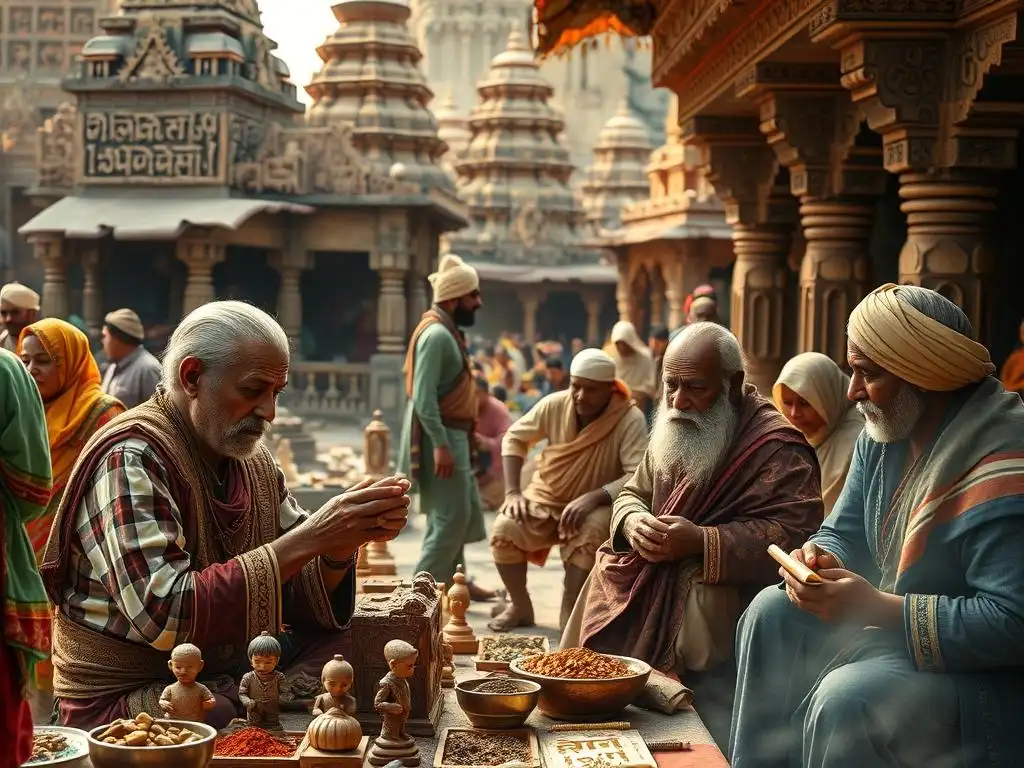
Welcome to Ancient India History, where we embark on an enthralling journey through the tapestry of time, unraveling the intricate threads of civilization, culture, and contributions that shaped one of the world's oldest societies. In our featured article, "The Role of Language and Dialects in Caste Identity in Ancient India," we delve into the profound impact that language had on social structure and identity within ancient Indian communities.
Prepare to discover how dialects not only communicated ideas but also defined status, connection, and belonging in a richly diverse world. As you explore, let your curiosity guide you through the fascinating interplay of language and caste that continues to resonate in today's society.
Introduction to Language and Caste in Ancient India
In ancient India, language and dialects played a pivotal role in shaping social identities and hierarchies, particularly within the complex framework of the caste system. The diversity of languages, from Sanskrit and Prakrit to regional dialects, not only facilitated communication but also reinforced social distinctions. The interplay between language and caste was profound, as linguistic variations often indicated one's social standing, profession, and cultural affiliations. Understanding this relationship is essential for comprehending the broader social dynamics of ancient Indian societies, where language served as both a marker of identity and a tool for social stratification.
The intricate web of languages and dialects in ancient India reflects the rich tapestry of its civilizations, from the urban centers of the Indus Valley to the scholarly hubs of the Gupta Empire. As we delve deeper into this topic, we will explore how language influenced caste identity, the significance of linguistic diversity in social structures, and the implications of these factors on the daily lives of individuals in ancient India.
Language was not merely a means of communication in ancient India; it was a cornerstone of social organization and identity. The following points illustrate its significance:
- Identity and Status: Different languages and dialects were often associated with specific castes, denoting social hierarchy and professional roles. For instance, Sanskrit was primarily used by the upper castes, particularly Brahmins, in religious and scholarly contexts, while local dialects were prevalent among the lower castes and in everyday life.
- Cultural Transmission: Language facilitated the transmission of cultural values, religious texts, and knowledge. The use of Sanskrit in sacred texts and rituals reinforced the authority of the priestly class, while vernacular languages allowed for the dissemination of folk traditions and local customs among common people.
- Social Cohesion and Division: While language could foster a sense of community among speakers of the same dialect, it could also exacerbate divisions between different caste groups. The language spoken could serve as a boundary marker, reinforcing social stratifications and perpetuating the caste system.
The role of language in ancient India was multifaceted, intertwining with the social fabric and influencing caste identities in profound ways. As we continue to explore this theme, we will examine specific case studies and examples that highlight the intricate relationship between language and caste in ancient Indian society.
- What was the significance of language in ancient Indian societies?
- How did dialects contribute to caste identity in ancient India?
- Were there any official languages in ancient India?
- How did caste and language interact in ancient India?
- What are the contributions of ancient Indian civilizations to language and culture?
Historical Context of Language and Dialects in Ancient India
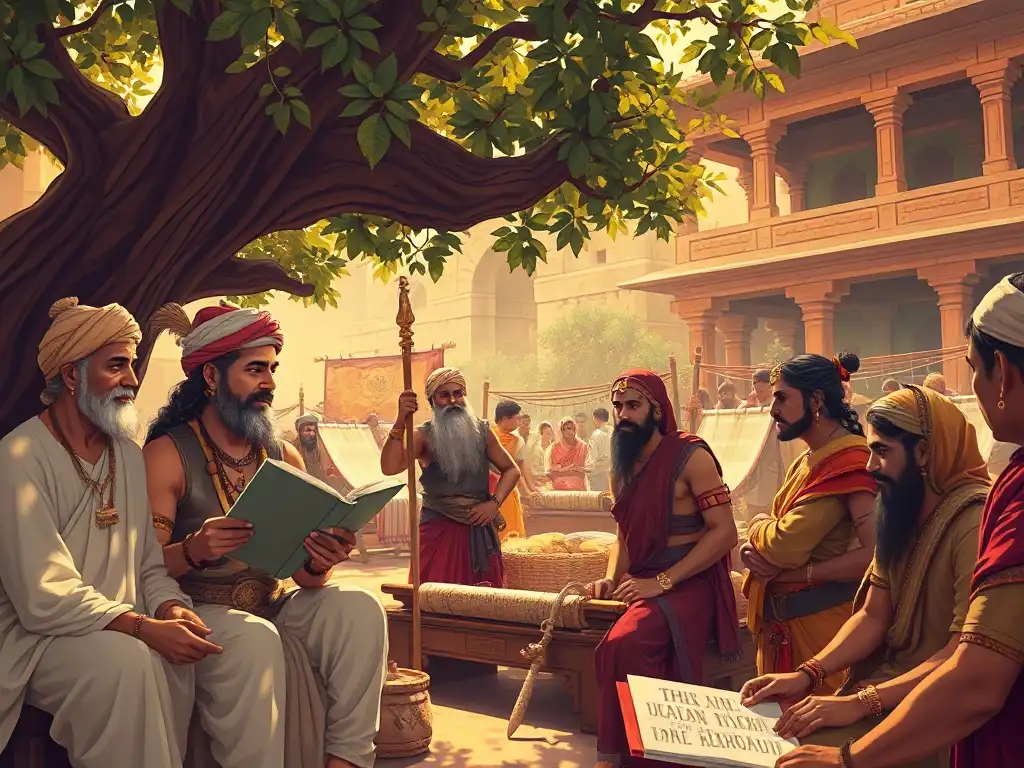
Overview of Ancient Indian Languages
The linguistic landscape of ancient India was characterized by a rich tapestry of languages and dialects, which played a crucial role in the formation of social identities, particularly in relation to the caste system. The most prominent ancient languages include Sanskrit, Prakrit, and Pali, each serving distinct functions within society.
- Sanskrit: As the classical language of ancient India, Sanskrit was the language of the elite, used in religious texts, philosophical discourse, and scholarly works. Its formal structure and extensive vocabulary made it the medium for transmitting knowledge, particularly in Hindu scriptures like the Vedas and Upanishads. Sanskrit was also closely associated with the Brahmin caste, further solidifying its status as a marker of high social standing.
- Prakrit: In contrast to Sanskrit, Prakrit languages were more accessible and widely spoken among the common people. Ardhamagadhi and Shauraseni, two notable Prakrit dialects, were used in various regions and often reflected local linguistic characteristics. The use of Prakrit in literature, such as the plays of Kalidasa, illustrated its significance in everyday life and its role in shaping local identity.
- Pali: While primarily associated with Buddhism, Pali also contributed to the linguistic diversity of the time. It was used in the scriptures of the Theravada tradition and became a lingua franca among various communities. The adoption of Pali by non-Buddhists in some regions highlights its influence on social dynamics and interactions across different caste groups.
The interplay between these languages created a complex environment where caste identities were both shaped and expressed through linguistic practices. The use of a specific language or dialect could signify an individual's social standing, community affiliation, and even religious beliefs.
Influence of Regional Dialects on Caste Identity
Regional dialects in ancient India further complicated the relationship between language and caste, as they often served as markers of local identity and social hierarchy. Each region developed its own dialects, which were distinct from both Sanskrit and Prakrit, and these dialects played a vital role in defining the parameters of caste identity.
- Local Dialects and Caste: In many cases, local dialects were closely tied to specific caste groups. For example, in the South Indian context, Tamil and its dialects were predominantly spoken by various castes, each adopting unique linguistic features that reinforced their social identity. Such dialectal variations could indicate not only the caste of a speaker but also their geographical origin and cultural practices.
- Social Function of Language: The use of specific dialects often served to reinforce caste boundaries. For instance, individuals from higher castes might adopt a more refined form of speech in Sanskrit or formal dialects to assert their status, while lower castes might be associated with vernacular languages or dialects that lacked the prestige of Sanskrit. This linguistic stratification contributed to the maintenance of social hierarchies and reinforced the definitions of caste identity.
- Cultural Expressions: Moreover, dialects played a crucial role in cultural expressions, including folklore, music, and oral traditions. These expressions were often unique to specific caste groups and served to foster a sense of belonging and community among members. The preservation of cultural narratives through dialects enabled the transmission of caste-specific values and traditions, further anchoring individuals in their caste identity.
The interplay of language and dialects in ancient India was fundamental to the construction and reinforcement of caste identities. The linguistic diversity not only reflected the complexity of social structures but also influenced the lived experiences of individuals within the caste system, shaping their cultural practices and social interactions.
The Relationship Between Language and Caste Identity

How Language Shapes Caste Perceptions
Language in ancient India was not merely a tool for communication; it played a pivotal role in shaping social structures, particularly within the caste system. The use of specific languages and dialects often reflected and reinforced social hierarchies. For instance, Sanskrit, regarded as a language of the elite and the scholarly class, was primarily used by the Brahmins, the highest caste. This created a significant divide, as those from lower castes often spoke regional languages or dialects, which were deemed less prestigious.
The association of language with caste can be seen in various texts and scriptures. For example, many ancient texts were composed in Sanskrit, elevating its status and further entrenching the idea that knowledge and spirituality were the domain of the higher castes. Consequently, fluency in Sanskrit was a marker of social status and educational attainment, leading to greater opportunities for those who belonged to the upper castes.
Furthermore, the linguistic landscape of ancient India was characterized by a multitude of languages, each tied to specific regions and communities. This diversity contributed to the formation of caste identities, as individuals often identified more strongly with their local dialects, which fostered a sense of belonging and cultural pride. As such, language became a critical factor in not only defining caste boundaries but also in perpetuating them through generations.
Dialects as Markers of Caste Distinctions
Dialects in ancient India served as important indicators of caste distinctions. Each caste often had its own dialect or variation of regional languages, which acted as a social marker, signaling group identity and cohesion. The distinctiveness of these dialects was not just linguistic but also cultural, encompassing unique traditions, practices, and even social norms.
For instance, the Kshatriyas, who were warriors and rulers, might have spoken a dialect that reflected their martial heritage, while the Vaishyas, engaged in commerce, utilized terms and phrases relevant to trade and agriculture. This differentiation in dialects facilitated the preservation of caste identities, as members of each caste could communicate in ways that were unique to their socio-economic roles.
Moreover, the use of dialects often influenced social interactions. People from higher castes might have looked down upon those who spoke lower-status dialects, reinforcing social divisions. This phenomenon can be seen in historical accounts where interactions between castes were often limited by linguistic barriers, creating an environment where mobility between castes became increasingly difficult.
Language and dialects were integral to the construction and maintenance of caste identities in ancient India. They not only defined social interactions but also played a crucial role in the broader social and cultural dynamics of the time. Understanding the interplay between language and caste offers valuable insights into the complexities of ancient Indian society and its enduring legacy.
Language, Education, and Caste Hierarchies
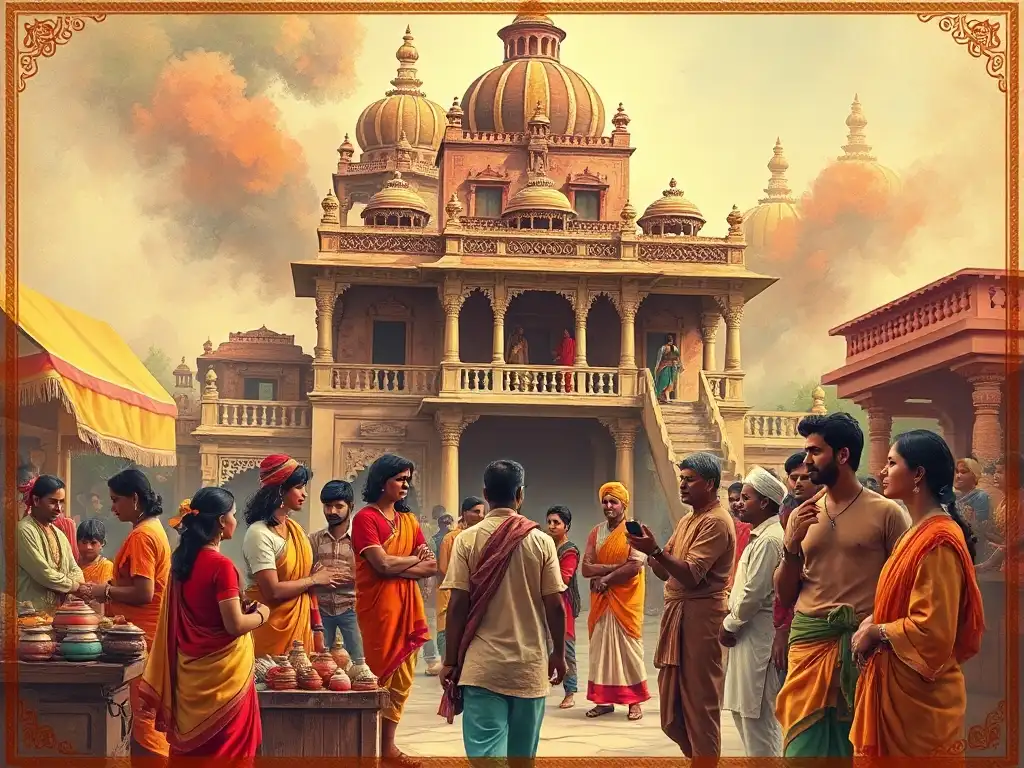
Role of Language in Caste-Based Education
In ancient India, language served as a fundamental tool for education, deeply intertwined with the caste system. The educational landscape was largely stratified, reflecting the hierarchical nature of society. Sanskrit, for instance, was the dominant literary and scholarly language, primarily wielded by the Brahmins. This privilege granted them exclusive access to religious texts, rituals, and formal education, thereby reinforcing their status at the top of the caste hierarchy.
Conversely, lower castes often spoke regional dialects or languages that were not considered suitable for scholarly pursuits. For example, the use of languages like Prakrit for literary expression by the Kshatriyas and Vaishyas illustrated a linguistic divide that mirrored social standing. The educational institutions of the time, such as the Gurukul system, were predominantly accessible to the upper castes, wherein language was a key component of the curriculum.
This linguistic exclusivity not only limited educational opportunities for lower castes but also perpetuated their socio-economic disadvantages. As a result, the ability to comprehend and communicate in Sanskrit was directly linked to caste identity, reinforcing the barriers that defined social mobility.
Language proficiency played a crucial role in determining social mobility within the caste system of ancient India. Mastery of the elite languages, particularly Sanskrit, was often a prerequisite for gaining access to higher social and economic opportunities. For instance, individuals from the Brahmin caste who were well-versed in Sanskrit could easily navigate roles in governance, education, and religious leadership, thus maintaining their privileged status.
In contrast, members of lower castes who lacked proficiency in the dominant languages faced significant hurdles. Their dialects often relegated them to occupations deemed inferior, such as manual labor or artisanal work, which were socially marginalized. This linguistic barrier created a cycle of poverty and limited upward mobility, as opportunities for education and advancement were closely tied to language skills.
Furthermore, the emergence of regional languages during various periods showcased a shift in linguistic dynamics. As local dialects gained prominence, they began to serve as mediums for cultural expression and education, albeit still within the confines of caste identity. For instance, the rise of languages like Tamil and Kannada provided avenues for lower castes to engage with literature and culture, albeit in a limited scope.
Language and dialects in ancient India were not merely tools of communication but were pivotal in shaping caste identity and determining access to education and social mobility. The interplay between language proficiency and caste hierarchies reveals the deep-seated connections between linguistic practices and the social fabric of ancient Indian society.
Case Studies of Language and Caste Interactions
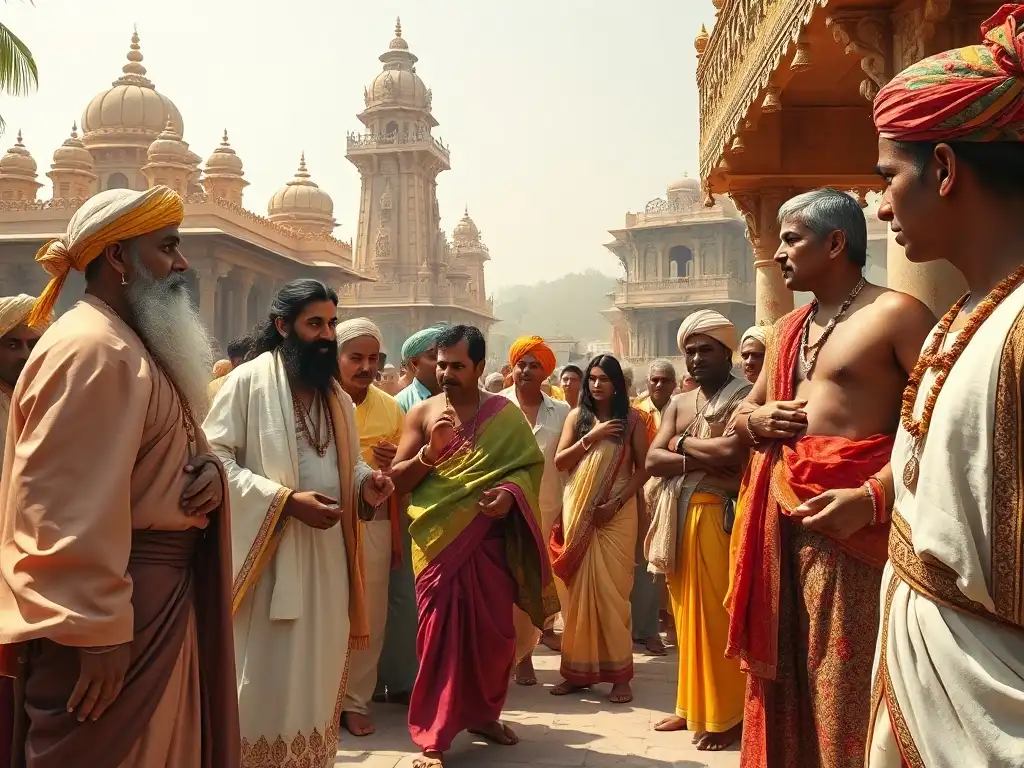
Analysis of Specific Dialects and Their Caste Associations
In ancient India, language played a pivotal role in shaping caste identities, particularly through regional dialects. Each dialect not only served as a means of communication but also as a marker of social stratification. For example, the Braj Bhasha dialect, prevalent in the Braj region, was predominantly spoken by the higher castes, notably the Kshatriyas and Brahmins. This association reinforced their social status, as the dialect was often used in literary and religious texts, creating a sense of exclusivity.
Conversely, dialects like Awadhi and Maithili were commonly spoken among the Vaishyas and Shudras, leading to distinct cultural identities associated with these groups. The linguistic characteristics of these dialects often reflected the socio-economic activities of their speakers. For instance, the vocabulary used in Maithili often included terms related to agriculture and trade, indicative of the Vaishya community's occupational focus.
The Tamil language in the southern regions of India also illustrates this dynamic. The classical Tamil dialects were often linked to the Chola and Pandya dynasties, where the language served both administrative and ceremonial purposes, further solidifying the caste hierarchy.
Impact of Language on Caste Dynamics in Different Regions
The impact of language on caste dynamics varied significantly across different regions of ancient India, reflecting the intricate relationship between language and social structure. In the Indus Valley Civilization, evidence suggests that diverse linguistic groups coexisted, yet the emergence of distinct script forms indicated an early attempt to delineate social identities. The inscriptions found in Mohenjo-Daro and Harappa remain undeciphered, but they hint at a complex societal structure where language may have influenced caste organization.
In contrast, during the Mauryan Empire, the use of Prakrit as a language of administration and culture significantly affected inter-caste relations. Prakrit was more accessible than Sanskrit, allowing common people, including lower castes, to engage with literature and governance. This democratization of language led to a gradual erosion of rigid caste boundaries, as people began to identify more with their regional dialects rather than strictly adhering to their caste identities.
The Gupta Empire marked a resurgence of Sanskrit, reinforcing the dominance of the Brahminical class. The revival of Sanskrit not only served as a tool for religious and scholarly communication but also established a clear demarcation between the literate elite and the illiterate masses. This linguistic shift reaffirmed caste hierarchies, as those who could access and interpret texts in Sanskrit were predominantly from higher castes.
The interplay between language and caste in ancient India illustrates a complex and evolving relationship. Dialects served as both identity markers and tools for social mobility, while linguistic trends influenced and reflected the shifting dynamics within the caste system. Understanding these interactions is crucial for a comprehensive view of social structures in ancient Indian society.
Language Preservation and Caste Identity
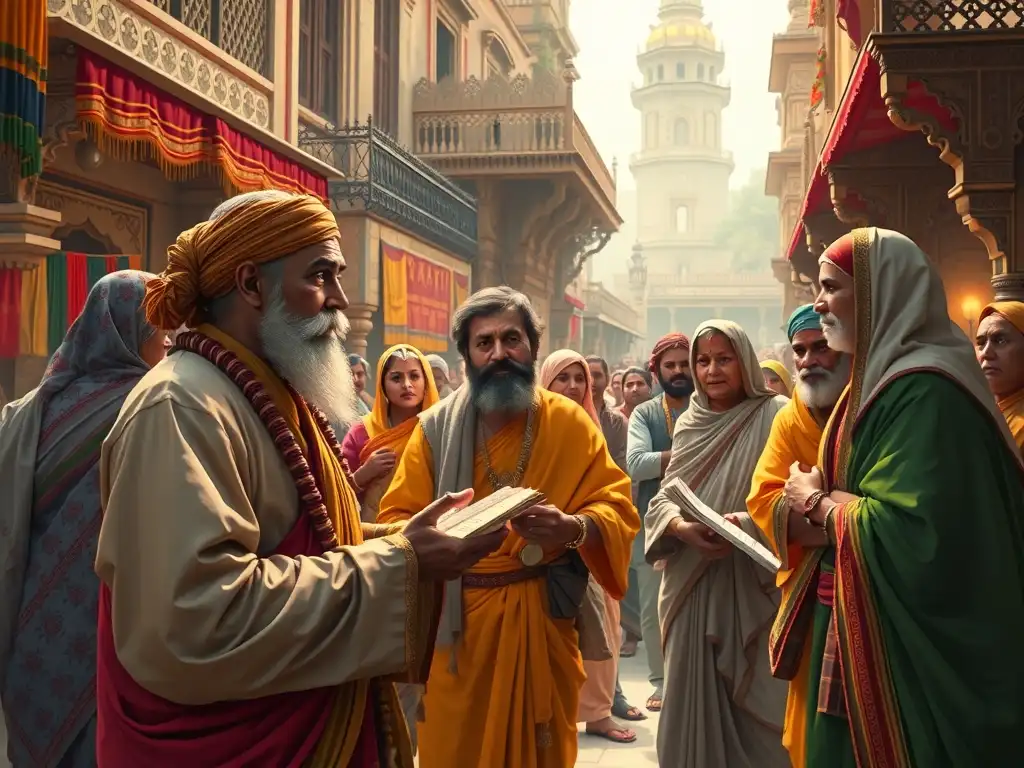
Language has always played a crucial role in shaping identities, particularly in the context of caste in ancient India. As the caste system evolved, so did the linguistic landscape of the region. Different castes often maintained distinct dialects and languages, which not only facilitated communication within their communities but also reinforced their social boundaries. This preservation of language was essential in maintaining caste identity, as it often served as a marker of belonging and status.
Preservation of Dialects within Caste Communities
In ancient India, the preservation of dialects was closely tied to the social structure. Each caste developed its own linguistic characteristics, which included unique vocabulary, pronunciation, and grammatical structures. For instance, the Brahmins often spoke Sanskrit or its derivatives, which were considered prestigious and linked to their scholarly and religious roles. On the other hand, lower castes might have utilized local dialects that reflected their daily lives and occupations.
The oral tradition played a significant role in this preservation. Many castes relied on oral transmission of knowledge, folklore, and rituals, which helped maintain their dialects and languages across generations. For example:
- Brahmins: Emphasis on Sanskrit for religious texts and rituals.
- Kshatriyas: Use of dialects influenced by their regions and warfare narratives.
- Vaishyas and Shudras: Varied dialects reflecting agricultural and artisanal practices.
Even as empires rose and fell, the linguistic diversity among castes often served as a means of asserting identity and resisting external influences. This preservation of dialects not only reinforced internal solidarity within caste communities but also created barriers against outside social and cultural integration.
The Role of Language in Cultural Heritage and Identity
Language in ancient India was not merely a tool for communication; it was a vessel for cultural heritage and identity. The dialects spoken by various castes were imbued with meanings, stories, and traditions that were significant to their communities. This connection between language and cultural identity is evident in several ways:
- Rituals and Practices: Many rituals and ceremonies were conducted in specific languages or dialects unique to a caste. This linguistic specificity helped reinforce cultural practices and beliefs, ensuring that they were passed down through generations.
- Literature and Oral Traditions: Castes often produced literature and folklore in their dialects, which reflected their experiences, values, and social norms. This body of work contributed to a rich tapestry of cultural identity that distinguished one caste from another.
- Social Mobility and Language: Proficiency in prestigious languages, such as Sanskrit or Prakrit, was often associated with higher caste status. Conversely, those who spoke regional dialects might have faced social stigmas, thereby intertwining language with caste hierarchy.
- Resistance and Resilience: Language also served as a form of resistance against marginalization. Many lower castes developed their dialects to preserve their distinct identities and assert their presence in a society dominated by higher castes.
The interplay between language and caste in ancient India illustrates how deeply intertwined these elements were in shaping social identity. The preservation of dialects not only maintained caste boundaries but also enriched the cultural heritage of the diverse communities within ancient Indian society.
Conclusion: The Interwoven Nature of Language and Caste in Ancient India
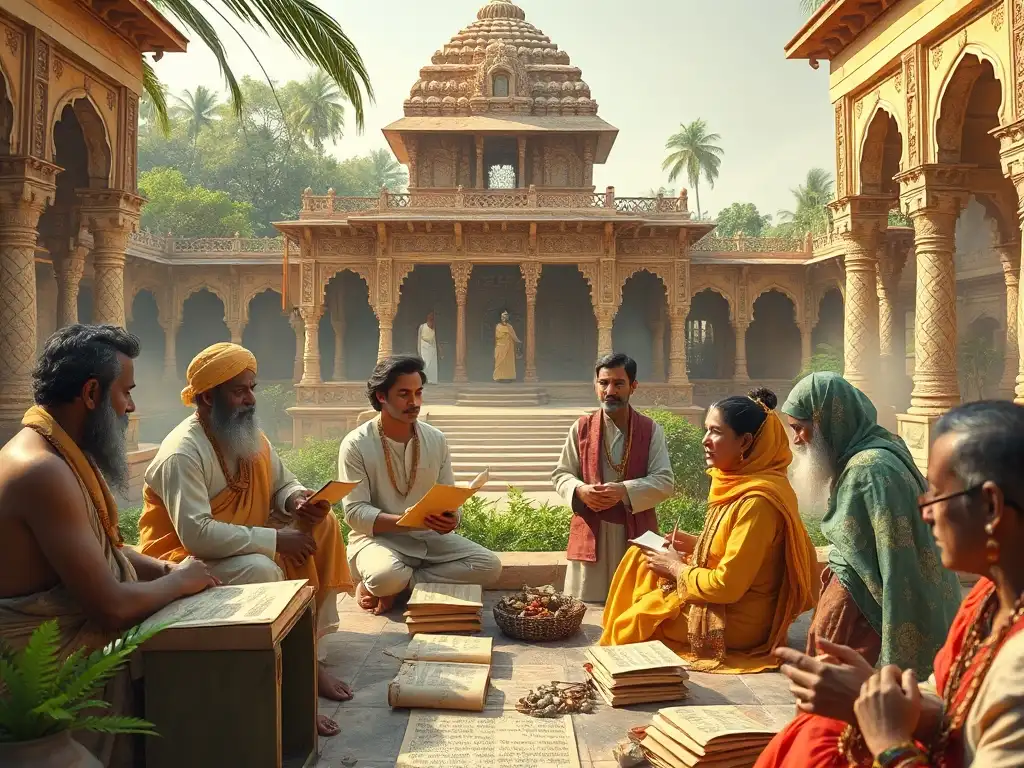
The intricate relationship between language and caste in ancient India is a testament to how deeply these elements were interwoven into the fabric of society. Language served not only as a means of communication but also as a marker of identity, contributing to the stratification of the caste system. The dialects spoken by various communities often played a pivotal role in defining social boundaries, influencing not just daily interactions but also broader cultural and religious practices.
Reflection on the Legacy of Language and Caste Systems
The legacy of language and caste systems in ancient India is evident in the way modern Indian society continues to navigate these historical constructs. The linguistic diversity that characterized ancient India persists today, with numerous languages and dialects reflecting regional and cultural identities. This linguistic plurality can be traced back to the various castes and communities that emerged across different regions, each developing its own dialects that often signified social status and heritage.
For instance, Sanskrit, seen as the language of the elite and educated, contrasted sharply with the vernacular languages spoken by the lower castes. This distinction reinforced social hierarchies, where the ability to read and write in Sanskrit was often limited to the Brahmins and other higher castes. As a result, this linguistic divide not only affected access to education and religious texts but also perpetuated social stratification.
Moreover, the impact of language on caste identity is reflected in the oral traditions and folk narratives that have been passed down through generations. These narratives often incorporate dialectical nuances that provide insight into the lived experiences of different castes, highlighting both their struggles and contributions to society. Understanding these legacies allows for a deeper appreciation of the complexities of social interactions in ancient India.
Implications for Understanding Ancient Indian Society Today
The exploration of "Language and Caste in Ancient India" holds significant implications for our understanding of ancient Indian society and its evolution. By examining the ways in which language reinforced caste identities, scholars can better grasp the socio-political dynamics that shaped historical events and cultural practices. This understanding is crucial for recognizing the historical roots of contemporary social issues related to caste and language.
In modern India, the interplay between language and caste continues to influence social relations and political discourse. For example, language policies and education systems often reflect the historical privileging of certain languages, leading to disparities in access and representation. Additionally, the resurgence of regional languages and dialects in contemporary politics is reminiscent of the ancient practices where language was a tool for asserting caste identity and autonomy.
Thus, the study of language and caste in ancient India not only sheds light on the past but also informs current discussions on identity, representation, and social justice. By recognizing the historical significance of these constructs, we can engage more thoughtfully with the ongoing challenges surrounding caste and language in today's society.
Frequently Asked Questions
What was the significance of language in ancient Indian societies?
Language served as a critical tool for communication, cultural expression, and the transmission of knowledge, influencing social structures and caste identities.
How did dialects contribute to caste identity in ancient India?
Dialects reflected regional and social variations, often reinforcing caste identities and delineating social boundaries within communities.
Were there any official languages in ancient India?
Sanskrit emerged as the prestigious language of ancient texts, while Prakrit and other regional languages were commonly spoken, showcasing the linguistic diversity of the period.
How did caste and language interact in ancient India?
Caste often determined the language spoken within a community, with higher castes typically using Sanskrit, while lower castes might speak local dialects, thus influencing social hierarchy.
What are the contributions of ancient Indian civilizations to language and culture?
Ancient Indian civilizations contributed significantly to linguistic development, literature, and the articulation of cultural practices, shaping the foundations of modern Indian languages and social structures.
Final Reflection: The Enduring Legacy of Language and Caste in Ancient India
Language and dialects have always been more than mere tools of communication; they are powerful markers of identity and social structure. In the context of ancient India, the intricate relationship between language and caste not only shaped societal hierarchies but also influenced cultural practices and community interactions. Today, as we navigate a world increasingly defined by diversity and inclusion, understanding this historical interplay provides crucial insights into contemporary issues of identity and belonging.
The influence of language on caste identity continues to resonate in modern society, reminding us of the deep-rooted connections between communication and social stratification. The dialects spoken within various communities often serve as a reflection of their historical status and cultural heritage, perpetuating a legacy that can both unite and divide. As noted by linguist A.K.
Ramanujan, “Language is the house of being,” suggesting that our linguistic choices are intimately tied to our sense of self and community. This ongoing dialogue between language and caste identity invites us to reflect on how we perceive and engage with one another in our diverse world.
As we conclude this exploration, I invite you to consider your own relationship with language and identity. How do the words you choose and the dialects you speak shape your understanding of yourself and others? Embrace the richness of linguistic diversity and recognize its power to foster connection and empathy. Let us carry forward the lessons of ancient India, using language as a bridge to build inclusive communities that honor our shared humanity while celebrating our unique identities.
Unveil Your Understanding of Language and Caste Identity!
Thank you for exploring the fascinating interplay between language and caste identity in ancient India! We hope you’ve gained valuable insights into how dialects shaped social structures and identities. Now, let's take your learning a step further:
- Dive deeper: Discover more resources on ancient languages and their cultural impacts in our dedicated section here .
- Engage with others: Share your thoughts! Start a discussion on our forums about the influence of language on identity in today's society.
- Reflect and apply: Consider writing a blog post or an article to convey your findings to friends and the broader community.
What’s one surprising way you believe language influences identity in your own culture? We’d love to hear your thoughts!