
How Ancient Indian Warfare Influenced Global Military Practices

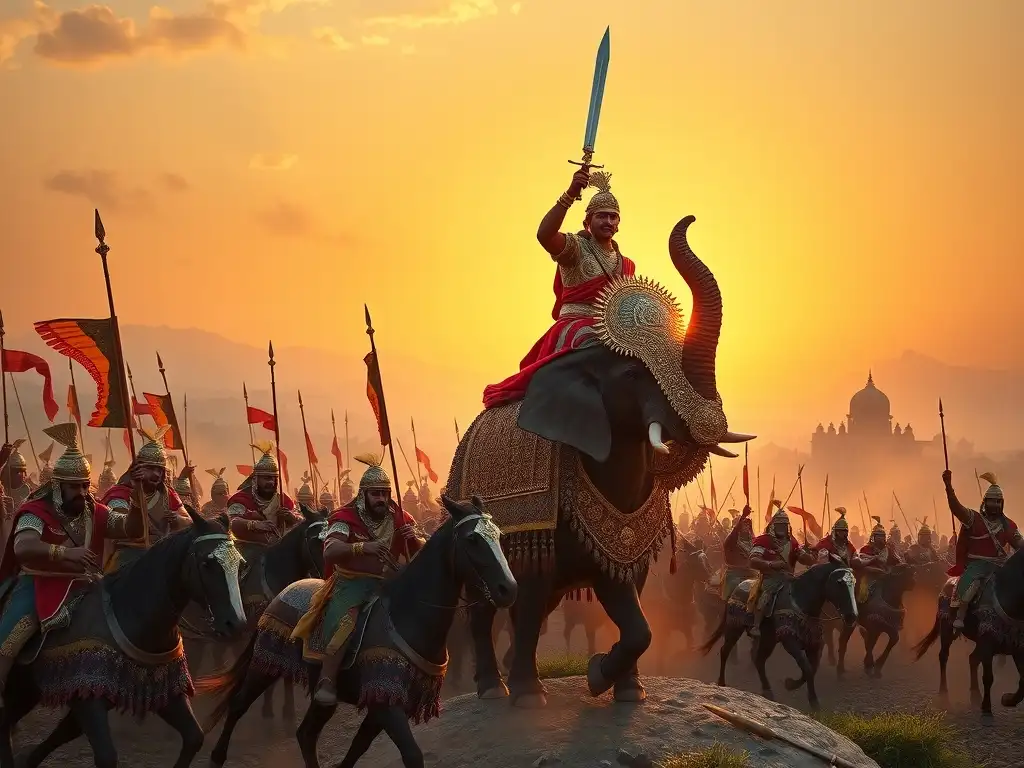
Welcome to Ancient India History, where we invite you to embark on a fascinating journey through the rich tapestry of India's past. In this exploration, we delve into the influence of ancient Indian warfare on global military practices, uncovering the innovative strategies and philosophies that shaped not only the subcontinent but also the world. From the formidable tactics of the Indus Valley to the sophisticated methodologies of the Gupta Empire, each era reveals profound insights waiting to be discovered.
Are you ready to unlock the secrets of ancient Indian warfare and its lasting legacy? Dive in and let your curiosity lead the way!
- Introduction to Ancient Indian Warfare Influence
- Historical Context of Ancient Indian Warfare
- Key Features of Ancient Indian Warfare
- Ancient Indian Warfare Influence on Global Military Practices
- Comparative Analysis of Ancient Indian Warfare and Other Civilizations
- Legacy of Ancient Indian Warfare
- Conclusion: The Enduring Influence of Ancient Indian Warfare
- Frequently Asked Questions
- Final Reflection: The Enduring Legacy of Ancient Indian Warfare Influence
- Unveil the Legacy of Ancient Warfare!
Introduction to Ancient Indian Warfare Influence
Ancient Indian warfare, a pivotal aspect of the subcontinent's extensive history, offers a fascinating glimpse into the military strategies, technologies, and philosophies that shaped not only the region but also influenced global military practices. From the well-planned formations of the Indus Valley civilization to the advanced tactics employed during the Gupta Empire, the evolution of warfare in ancient India is marked by innovation and adaptation to changing circumstances.
This rich tapestry of conflict and strategy provides insights into how ancient Indian warfare influence permeated through time, impacting various cultures and military doctrines around the world. In this article, we will explore the nuances of ancient Indian military practices and their far-reaching consequences on global warfare.
Overview of Ancient Indian Warfare
The history of ancient Indian warfare is characterized by a blend of indigenous practices and external influences. The earliest evidence of organized warfare can be traced back to the Indus Valley Civilization (circa 3300–1300 BCE), where archaeological findings suggest the use of fortified cities, strategic resource control, and potential military hierarchies. As time progressed, the Vedic period introduced a more structured approach to warfare, emphasizing chariotry and the roles of kings and warriors within a societal framework.
Key features of ancient Indian warfare include:
- Weaponry and Technology: The use of iron weapons, including swords and spears, significantly advanced military capabilities. The introduction of the bow and arrow played a crucial role in establishing long-range combat strategies.
- Tactics and Formations: Ancient Indian armies employed various formations such as the "Chakra" (circle) and "Gaja" (elephant), showcasing the importance of elephants in warfare, not only as mounts but also as psychological tools in battle.
- Philosophical Underpinnings: Texts like the Arthashastra by Kautilya (Chanakya) provided strategic insights and ethical considerations surrounding warfare, illustrating the intellectual depth of military thought in ancient India.
Importance of Studying Ancient Indian Military Practices
Understanding ancient Indian military practices is essential for several reasons:
- Cultural Heritage: Warfare was deeply woven into the cultural and social fabric of ancient Indian civilizations. By studying these practices, we gain insight into the values, beliefs, and societal structures that shaped the Indian subcontinent.
- Global Influence: The military strategies and innovations developed in ancient India had a profound impact on neighboring regions and cultures, including those in Persia, Greece, and beyond. This cross-cultural exchange highlights the interconnectedness of ancient civilizations.
- Lessons for Modern Warfare: The principles of strategy, leadership, and ethics in warfare articulated by ancient Indian scholars continue to resonate in contemporary military thought. Analyzing these practices can provide valuable lessons in modern conflict resolution and military strategy.
The exploration of ancient Indian warfare influence not only enriches our understanding of military history but also underscores the significance of these practices in shaping global military traditions. Through a detailed examination of this topic, we can appreciate the enduring legacy of ancient Indian civilizations and their contributions to the art of war.
Historical Context of Ancient Indian Warfare
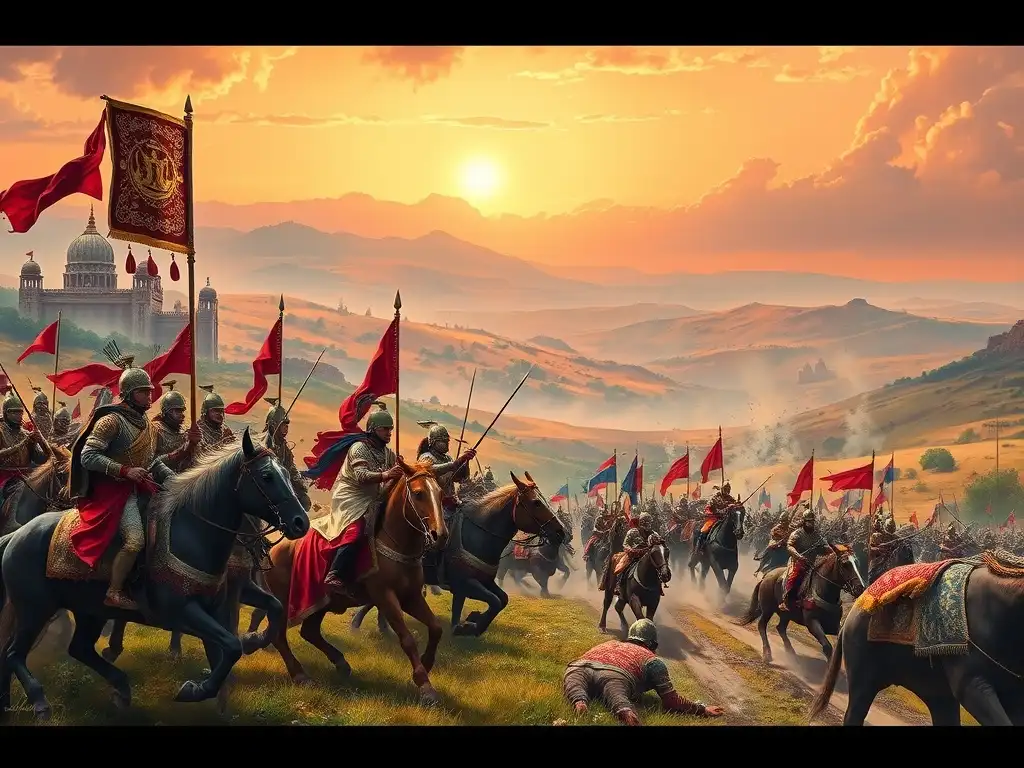
Major Periods in Ancient Indian Warfare
Ancient Indian warfare evolved through several significant periods, each characterized by unique military strategies, technologies, and socio-political contexts. Understanding these periods is crucial to grasping how ancient Indian warfare influenced not only regional practices but also contributed to global military methodologies.
The Indus Valley Civilization and Early Military Strategies
The Indus Valley Civilization (circa 3300–1300 BCE) is one of the earliest urban cultures in the world. Although there is limited evidence of organized warfare during this period, archaeological findings suggest that the people of the Indus Valley had a complex societal structure that may have included defensive strategies.
- Fortifications: Cities like Harappa and Mohenjo-Daro were surrounded by extensive walls, indicating a level of military preparedness.
- Weapons: Tools and artifacts, including spearheads and arrowheads made of copper and bronze, imply the use of weaponry, although their exact role in warfare remains speculative.
This period laid the groundwork for subsequent military practices, emphasizing the importance of urban defense and resource control.
The Vedic Period: Warfare and Society
The Vedic Period (circa 1500–500 BCE) marks a significant transition in ancient Indian warfare, influenced by the arrival of the Indo-Aryans. This era saw the codification of warfare in the context of societal norms and religious beliefs.
- Kshatriya Class: The emergence of the warrior class, or Kshatriyas, highlighted the societal role of military leaders. Their duties extended beyond combat to include governance and protection of dharma (cosmic order).
- Epic Literature: Texts like the Mahabharata and Ramayana provide insights into warfare practices, strategies, and ethics. They showcase the importance of chariots, infantry, and cavalry.
The Vedic period's focus on valor and duty in warfare influenced military codes in later civilizations, emphasizing honor and ethical conduct on the battlefield.
The Maurya Empire: Military Innovations and Tactics
The Maurya Empire (circa 322–185 BCE) represents a pinnacle in ancient Indian military organization and strategy, particularly under the reign of Chandragupta Maurya and his grandson Ashoka.
- Large Armies: The Mauryan military was noted for its size and diversity, integrating infantry, cavalry, chariots, and war elephants. This combination allowed for flexible tactics in various terrains.
- Innovative Strategies: The use of espionage and psychological warfare became prominent. Ashoka's adoption of non-violence later in his reign also influenced military philosophy, promoting diplomacy over aggression.
These innovations set precedents for large-scale military operations in subsequent empires, influencing military logistics and administration.
The Gupta Empire: Peak of Military Organization
The Gupta Empire (circa 240–550 CE) is often regarded as the golden age of ancient India, marked by advancements in various fields, including military organization.
- Centralized Command: The Gupta military was characterized by a centralized command structure, allowing for coordinated strategies across vast territories.
- Technological Advancements: This period saw improvements in weaponry, including the introduction of new metallic alloys for swords and armor, enhancing combat effectiveness.
- Naval Power: The Gupta Empire also strengthened its naval capabilities, allowing for control over trade routes and maritime warfare.
The military organization during this period not only solidified Gupta dominance but also influenced neighboring regions, contributing to the broader evolution of military practices in Asia.
Through these historical contexts, it is clear that ancient Indian warfare significantly influenced global military practices, showcasing a blend of strategic innovation, societal values, and technological advancements. The legacy of these practices continues to resonate in modern military doctrines around the world.
Key Features of Ancient Indian Warfare
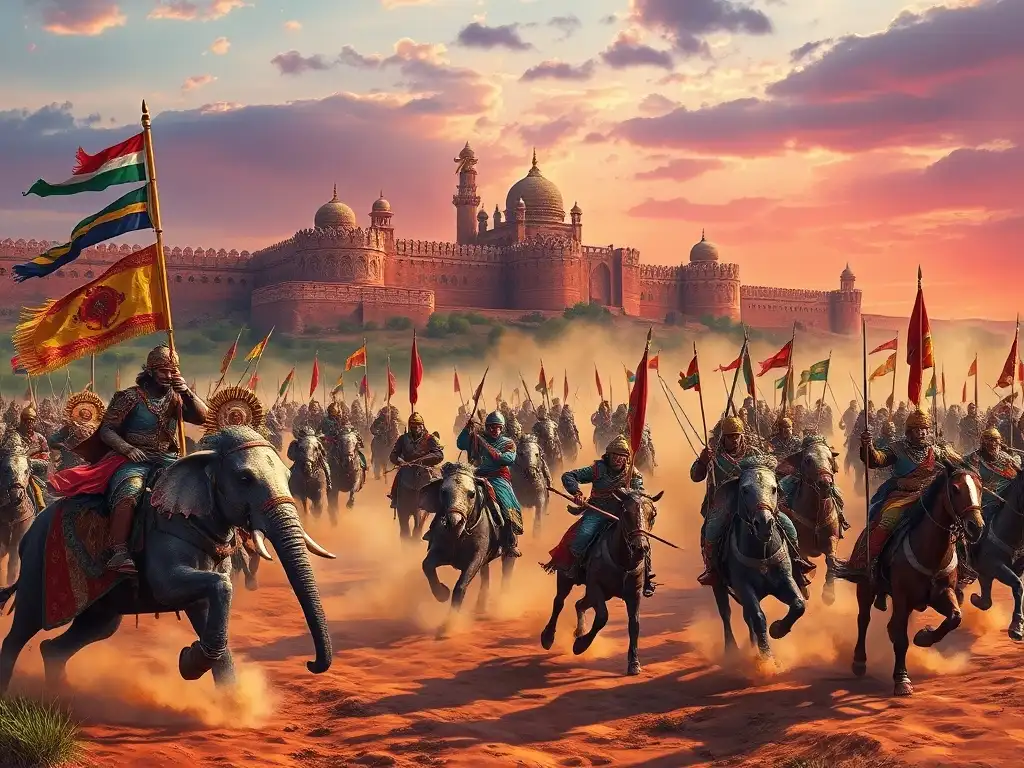
Weapons and Armor in Ancient Indian Warfare
Ancient Indian warfare was characterized by a rich diversity of weapons and armor, reflecting both the technological advancements of the time and the unique cultural influences across various regions. The primary weapons used in battles included:
- Bows and Arrows: Highly sophisticated, these weapons were crafted from bamboo, wood, and metal. The bows were often long and powerful, enabling archers to shoot arrows over long distances.
- Swords and Blades: Various types of swords, such as the khanda, were commonly used. These swords featured a broad, double-edged blade and were often intricately designed.
- Spears and Javelins: These were versatile weapons used for both throwing and close combat. They came in various shapes and sizes, tailored for specific types of engagements.
The armor used by ancient Indian warriors was equally notable. Key components included:
- Chakra: A circular shield made from wood or metal, often decorated with intricate designs.
- Breastplates: Crafted from metal or hardened leather, these offered protection to the torso.
- Helmets: Often adorned with feathers or other embellishments, helmets provided crucial protection while allowing for mobility.
Military Tactics and Strategies
The military tactics and strategies employed by ancient Indian civilizations were advanced and varied significantly based on the period and region. Some key aspects include:
- Formation and Deployment: Armies were often organized into infantry, cavalry, and chariots. The Kshatriya, the warrior class, played a pivotal role in leading these forces.
- Use of Terrain: Commanders skillfully utilized the geography of the battlefield, employing strategies that exploited natural formations to gain a tactical advantage. For instance, ambush tactics were common in forested areas.
- Siege Warfare: Techniques for besieging fortified cities included the use of battering rams and catapults, showcasing an understanding of engineering and logistics.
- Psychological Warfare: The use of deception and psychological tactics was prevalent. Misinformation was sometimes spread to confuse the enemy before an engagement.
The Mahabharata and Arthashastra, ancient texts, detail many of these strategies, offering insights into the battlefield philosophies of the time.
Role of Elephants in Ancient Indian Battles
Elephants held a significant position in ancient Indian warfare, serving not just as beasts of burden but as formidable instruments of war. Their primary roles included:
- Cavalry Support: Elephants were often used in the front lines, trampling over infantry and causing disarray among enemy ranks. Their size and strength made them a psychological weapon as well.
- Carrying Warriors: Skilled warriors would ride on elephants, providing a height advantage that allowed for better visibility and control over battle dynamics.
- Logistics and Supply: Beyond combat, elephants played a crucial role in transporting supplies, artillery, and equipment, proving invaluable in long campaigns.
The use of war elephants was well documented, with notable examples in battles like the Battle of Ganges and Battle of Kalinga, highlighting their decisive impact on outcomes. The grandeur and effectiveness of elephants in warfare not only defined battles in ancient India but also influenced military practices in neighboring regions, cementing their legacy as an essential element of ancient Indian warfare influence.
Influence of Religion and Philosophy on Warfare
Ancient Indian warfare was deeply intertwined with the prevailing religious and philosophical beliefs of the time, shaping the motivations, strategies, and ethical considerations of military actions. The influence of Hinduism, Buddhism, and Jainism, along with various philosophical schools, played a significant role in how warfare was perceived and conducted.
One of the most profound influences came from the Hindu epics, particularly the Mahabharata and the Ramayana. These texts not only describe epic battles but also delve into the moral and ethical dilemmas faced by warriors. The Bhagavad Gita, a part of the Mahabharata, presents a philosophical dialogue between Prince Arjuna and Lord Krishna, addressing the concept of dharma (duty) in warfare.
Arjuna's initial reluctance to fight his kin highlights the internal conflict between personal ethics and societal obligations, illustrating that warfare was not just a physical struggle but also a moral one. This philosophical framework encouraged warriors to consider their actions carefully, leading to a unique approach to combat that blended duty with ethical considerations.
Buddhism also contributed to the discourse on warfare, promoting ideals of non-violence (ahimsa) and compassion. While Buddhist principles generally discouraged violence, historical contexts revealed instances where Buddhist rulers, such as Ashoka, had to engage in warfare. Following the Kalinga War, Ashoka's conversion to Buddhism led to a profound shift in his policies towards non-violence and diplomacy, emphasizing that the true victory lies in moral triumph rather than military conquest. This philosophical evolution demonstrates how ancient Indian warfare was influenced by the broader spiritual and ethical frameworks of the time.
Jainism's strict adherence to non-violence further complicated the landscape of warfare in ancient India. Jain warriors, while participating in battles, often sought to minimize harm to all living beings, which influenced military strategy and tactics. This approach led to the development of methods that aimed to incapacitate enemies without causing unnecessary destruction, showcasing a distinctive ethical stance in the conduct of war.
Furthermore, the strategic treatises of ancient India, such as Arthashastra by Kautilya (Chanakya), reflect a blend of political philosophy and military strategy. It emphasizes the importance of intelligence, diplomacy, and psychological warfare, suggesting that the influence of philosophical thought extended into practical applications on the battlefield. Kautilya's ideas about statecraft and military strategy have resonated through the ages, influencing not only Indian warfare but also offering insights into global military practices.
The influence of religion and philosophy on ancient Indian warfare was profound and multifaceted. It shaped the ethical considerations of warriors, the strategies employed in battles, and the overarching narratives of conflict. This complex interplay of spiritual beliefs and military practices not only defined ancient Indian warfare but also left a lasting legacy that influenced military thought and practices across civilizations.
Ancient Indian Warfare Influence on Global Military Practices
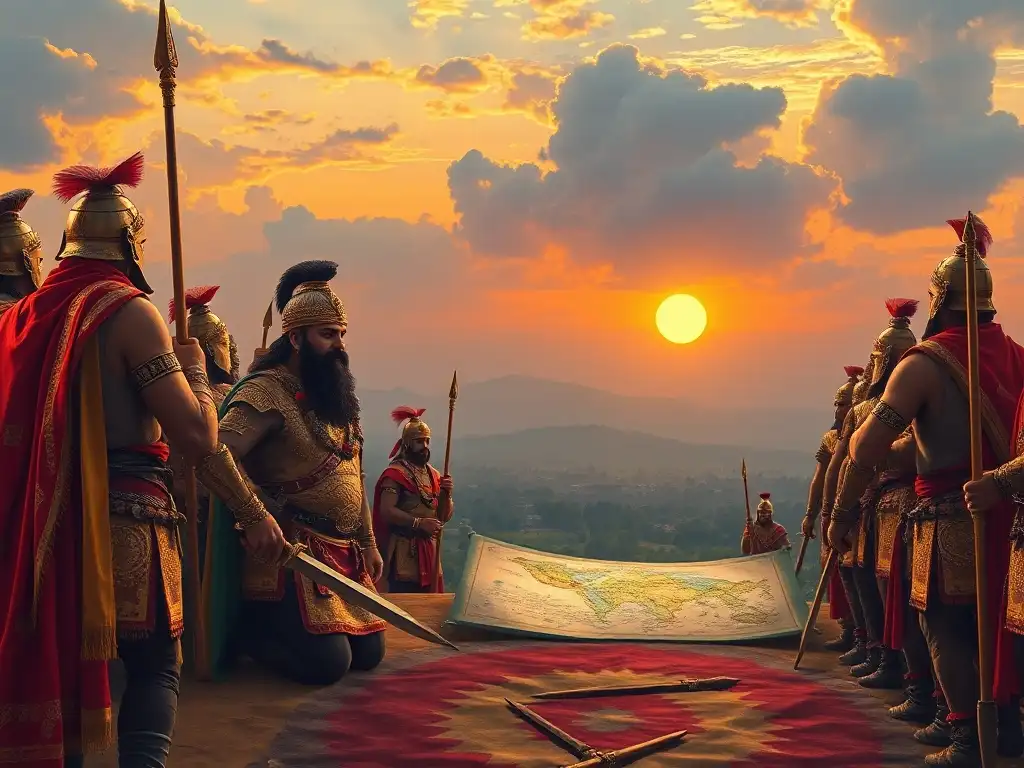
Transmission of Military Knowledge to Neighboring Regions
Throughout history, ancient Indian warfare has played a significant role in shaping military practices across neighboring regions. The exchange of tactical knowledge, weaponry, and strategic concepts among ancient civilizations was not merely a one-way street; rather, it involved a complex interplay of ideas and innovations that transcended borders.
Influence on Persian Military Tactics
The Achaemenid Empire, which emerged in the 6th century BCE, was notably influenced by the military strategies and techniques of ancient India. Persian rulers such as Cyrus the Great and Darius I encountered Indian troops during their campaigns in the north-western territories. The adoption of Indian infantry formations and their tactical flexibility became a hallmark of Persian military doctrine.
Persians incorporated various Indian weaponry, including curved swords (akin to the Indian khanda) and advanced archery techniques, which improved their own combat effectiveness. This fusion was evident in the Persian army's ability to execute large-scale maneuvers and their use of war elephants, a concept borrowed from Indian warfare that provided a significant psychological advantage on the battlefield.
Impact on Hellenistic Warfare
The conquests of Alexander the Great in the 4th century BCE brought Greek military exposure to Indian warfare. Alexander's encounters with Indian armies, particularly during the battles against King Porus, highlighted the effectiveness of Indian military strategies.
The Greeks observed the superior cavalry tactics and the innovative use of war elephants, which were instrumental in various Indian battle formations. After the campaigns, many Greek generals and strategists began to incorporate these elements into their own military practices, thereby creating a Hellenistic military paradigm that was heavily influenced by Indian warfare techniques.
Adoption of Indian Military Innovations by Other Cultures
As ancient Indian warfare evolved, so did its innovations, which found their way into various cultures across the globe. The remarkable advancements in military technology and tactics were not only adopted but also adapted to fit the needs of different armies, leading to a broader impact on global military practices.
The Use of War Elephants in Foreign Armies
War elephants, a quintessential element of Indian military strategy, were adopted by numerous cultures, including the Macedonians, Romans, and Southeast Asian kingdoms. These formidable creatures were not merely beasts of burden; they were trained for combat, capable of charging into enemy lines, causing chaos, and instilling fear.
The integration of elephants into foreign armies exemplified the strategic innovation that ancient Indian military practices offered. For instance, the Mauryan Empire demonstrated the effectiveness of elephants in warfare, which led to their widespread adoption in subsequent military campaigns across Asia and beyond.
Indian Archery Techniques and Their Global Spread
Ancient Indian archery techniques, particularly the use of the composite bow, significantly influenced military practices in various cultures. The craftsmanship of Indian archers, who utilized advanced materials and designs, allowed for greater range and accuracy.
As Indian archers participated in battles and formed alliances with neighboring kingdoms, their techniques spread to cultures such as the Persians and Greeks. The discipline and training methods of Indian archery were eventually incorporated into the military systems of these nations, leading to an evolution in their own archery practices.
The influence of ancient Indian warfare can be seen in various aspects of military practices globally, from the adoption of war elephants to advanced archery techniques. Such innovations not only enhanced the effectiveness of foreign armies but also underscored the profound legacy of Indian military history on a global scale.
Comparative Analysis of Ancient Indian Warfare and Other Civilizations
Similarities and Differences with Ancient Greek Warfare
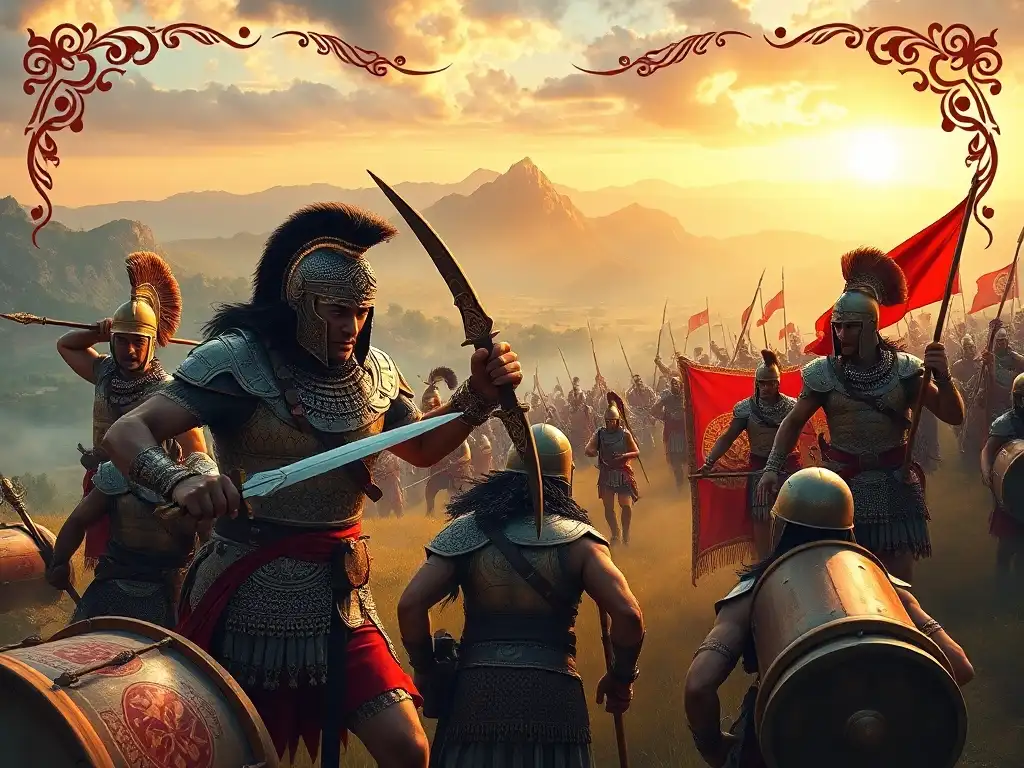
Ancient Indian warfare and that of the Ancient Greeks share notable similarities and differences, reflecting the unique contexts and philosophies of each civilization. Both cultures engaged in warfare as a means of expanding territory, exerting influence, and defending against invaders. However, their approaches to warfare, troop organization, and military strategies varied significantly due to geographical, cultural, and technological factors.
- Troop Organization:
- Ancient Greece: Primarily relied on the phalanx formation, wherein heavily armed infantry (hoplites) would fight in tightly packed rows. This strategy was effective in close combat situations and emphasized discipline and collective action.
- Ancient India: Featured a more diverse range of troop types, including infantry, cavalry, and war elephants. The use of elephants was a distinctive aspect of Indian warfare, providing both psychological and physical advantages on the battlefield.
- Military Tactics:
- Greek Warfare: Focused on decisive battles, often fueled by the ideals of honor and glory. Greek generals, such as Alexander the Great, utilized flanking maneuvers and siege warfare, showcasing flexibility in tactics.
- Indian Warfare: Emphasized the importance of strategic alliances and deception. The Indian military treatises, such as the Arthashastra by Kautilya, highlighted the use of espionage, psychological warfare, and the importance of understanding the enemy's strengths and weaknesses.
- Cultural Context:
- Greek Culture: Warfare was deeply interwoven with their mythology and societal values, where military heroes were celebrated in art and literature, reinforcing the warrior ethos.
- Indian Culture: Warfare was often conducted in the context of dharma (duty) and was seen as a necessary part of governance and order. The epic narratives, such as the Mahabharata, reflect the moral and ethical dilemmas faced by warriors.
Influences on Roman Military Practices
The influence of ancient Indian warfare on Roman military practices is often overlooked, yet it is significant. As the Roman Empire expanded, it encountered various cultures, including those of the Indian subcontinent, and assimilated various military strategies and technologies.
- Adoption of Elephants:
- The use of war elephants in Indian armies was noted by Roman generals. The Romans recognized the effectiveness of elephants as a shock force in battle, leading to their incorporation into Roman military tactics during engagements in North Africa and the Eastern provinces.
- Military Treatises and Strategy:
- The Arthashastra and other Indian texts provided insights into statecraft and military strategy that influenced Roman military thought. Concepts such as espionage, economic warfare, and the importance of logistics were reflected in Roman military planning.
- Cavalry Tactics:
- The Indian emphasis on cavalry units influenced Roman cavalry strategies. The integration of cavalry as a crucial component of the military allowed for greater mobility and flexibility in combat, paralleling the strategies employed by Indian armies.
The Role of Warfare in Shaping Empires Across Cultures
Warfare has played a pivotal role in shaping empires across various cultures, including those in ancient India. The methodologies, philosophies, and outcomes of warfare contributed significantly to the development and expansion of civilizations.
- Territorial Expansion:
- Empires such as the Maurya and Gupta utilized warfare to expand their territories, often integrating diverse cultures and peoples within their domains. This expansion facilitated cultural exchanges and the dissemination of ideas, technologies, and practices.
- Political Structures:
- Warfare necessitated the establishment of sophisticated political and administrative systems. In ancient India, the centralization of power under strong military leaders led to the formation of bureaucracies that helped manage vast empires effectively.
- Cultural Identity:
- The narratives surrounding warfare, including valor, honor, and sacrifices, contributed to the cultural identity of empires. In India, the epics and historical texts served not only as records of military exploits but also as moral guides, shaping societal values and norms related to honor and duty.
The study of ancient Indian warfare reveals its profound influence on military practices worldwide, showcasing a rich tapestry of strategies and philosophies that have left an indelible mark on global military history. The comparative analysis with other ancient civilizations such as Greece and Rome emphasizes the interconnectedness of military practices and the shared lessons learned through centuries of warfare.
Legacy of Ancient Indian Warfare
Lasting Effects on Modern Military Strategies
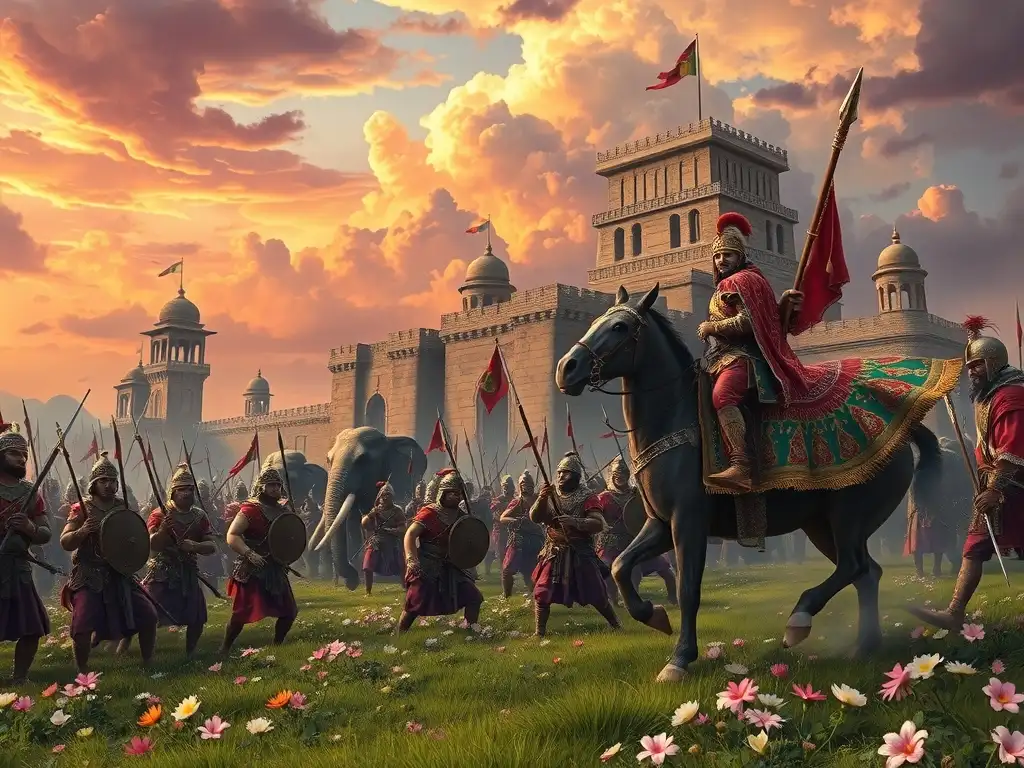
Ancient Indian warfare has profoundly influenced modern military strategies, with its principles and tactics still resonating in contemporary martial practices. One of the most notable contributions is the emphasis on strategic warfare, which was meticulously documented in ancient texts such as the Arthashastra by Kautilya (Chanakya). This treatise detailed not only military tactics but also the broader aspects of governance, economics, and espionage, laying the groundwork for a holistic approach to warfare that remains relevant today.
- Guerrilla Warfare: The tactics employed by ancient Indian warriors, particularly the use of guerrilla warfare, have inspired modern military operations. The concept of using the environment to one’s advantage, employing stealth, and utilizing surprise attacks can be traced back to the strategies of figures like Shivaji Maharaj, who effectively utilized the rugged terrain of the Western Ghats to outmaneuver larger forces.
- Psychological Warfare: Ancient Indian commanders understood the importance of morale and psychological tactics. The use of misinformation, deceptive maneuvers, and psychological manipulation to demoralize the enemy is evident in several historical accounts. This principle is echoed in modern military doctrines that emphasize the significance of psychological operations (PsyOps) as a vital component of warfare.
- Diplomatic Strategies: The integration of diplomacy into military strategy is another legacy from ancient India. The idea of forming alliances, conducting negotiations, and employing spies to gather intelligence is rooted in ancient practices. Modern military strategists continue to emphasize these elements, recognizing that victory often hinges not just on battlefield tactics but also on effective diplomacy.
Continued Study and Relevance of Ancient Indian Military History
The study of ancient Indian military history remains crucial for several reasons. Firstly, it provides insights into the evolution of warfare practices that have shaped not only the Indian subcontinent but also influenced military operations globally. Scholars and military historians are increasingly recognizing the importance of texts like the Mahabharata and the Ramayana, which, while epic narratives, contain rich information about ancient military organization, tactics, and ethics in warfare.
Key Areas of Continued Relevance:
- Lessons in Ethics and Warfare: Ancient Indian texts often reflect on the moral implications of war, emphasizing the importance of dharma (duty). This focus on ethical warfare continues to be relevant in discussions about the laws of armed conflict and the conduct of war in modern times.
- Technological Innovations: The advancement of weaponry and military technology during ancient times, such as the use of the bow and arrow, chariots, and later, gunpowder, has laid the foundation for continuous innovation. Understanding these developments helps modern militaries appreciate the historical context of their own technological advancements.
- Cultural Influence: The cultural aspects of ancient Indian warfare, including rituals, training methods, and the role of warriors in society, offer a comprehensive view of how military practices were interwoven with cultural identity. This interplay is significant for understanding the development of military traditions around the world.
The influence of ancient Indian warfare extends beyond historical study, providing valuable lessons and insights that continue to inform modern military practices. As researchers delve deeper into its legacy, the relevance of ancient Indian military history only becomes more pronounced, enriching our understanding of warfare's complexities and its enduring impact on global military strategies.
Conclusion: The Enduring Influence of Ancient Indian Warfare
Summary of Key Points
The examination of ancient Indian warfare reveals a profound and lasting influence on military practices around the world. Key points include:
- Innovative Strategies and Tactics: Ancient Indian military leaders, such as Chandragupta Maurya and Ashoka, employed innovative strategies that emphasized mobility and adaptability on the battlefield. Their tactics, including the use of war elephants and chariots, laid the groundwork for future military formations.
- Warfare Texts: Texts like the Arthashastra, attributed to Kautilya (Chanakya), provided comprehensive strategies for governance, espionage, and military tactics. These writings not only influenced Indian rulers but also found resonance in later military doctrines across various cultures.
- Cultural and Religious Aspects: Warfare in ancient India was often intertwined with cultural and religious beliefs, affecting the motivation of soldiers and the ethical considerations of warfare. The concept of Dharma (duty) influenced military conduct, which can still be seen in modern military ethics globally.
- Technological Advancements: The ancient Indian military made significant advancements in weaponry and fortification techniques. Innovations such as the development of crossbows and the construction of fortified cities contributed to a more sophisticated approach to warfare.
- Legacy of Military Alliances: The practice of forming alliances, as seen in the Maurya Empire, influenced subsequent military strategies worldwide, emphasizing diplomacy alongside warfare.
Reflection on the Importance of Ancient Military Practices in Global Context
The impact of ancient Indian warfare extends beyond the subcontinent, highlighting the interconnectedness of military practices throughout history. As civilizations interacted through trade, conquest, and cultural exchange, the principles of ancient Indian warfare were disseminated across regions, influencing military leaders and strategies worldwide.
- Cross-Cultural Influence: The transfer of military knowledge was facilitated by the movements of peoples, as well as the spread of texts and teachings. For instance, the Arthashastra influenced not only Indian rulers but also resonated with strategists in the Middle East and beyond, showcasing the timeless nature of its insights.
- Enduring Military Traditions: The foundational concepts of warfare established in ancient India can be seen echoing in various military traditions globally. From the emphasis on strategic planning to the ethical considerations of warfare, these principles continue to be relevant in contemporary military thought.
- Modern Applications: Today's military academies study ancient Indian warfare for its innovative tactics and ethical frameworks. As nations assess their military strategies in modern conflicts, the lessons of history, particularly those from ancient Indian practices, remain invaluable.
The influence of ancient Indian warfare not only shaped the military landscape of its time but also left an indelible mark on global military practices, reinforcing the significance of understanding historical military dynamics in a contemporary context. This enduring legacy underscores the importance of ancient military practices as a rich source of knowledge and inspiration for future generations.
Frequently Asked Questions
What were the key features of ancient Indian warfare?
Ancient Indian warfare was characterized by strategic use of elephants, cavalry, and infantry. It also involved innovative tactics and the use of fortifications in battles.
How did ancient Indian warfare influence other cultures?
The tactics and strategies developed in ancient Indian warfare were studied and adopted by various civilizations, leading to a significant impact on military practices in regions such as Southeast Asia and the Middle East.
What role did the Kshatriya class play in ancient Indian warfare?
The Kshatriya class, as the warrior and ruler caste, played a pivotal role in ancient Indian warfare by providing leadership, military training, and ensuring the maintenance of armies.
Which ancient texts discuss warfare strategies in India?
Texts like the Arthashastra by Kautilya and the Mahabharata detail various military strategies, diplomacy, and the ethical aspects of warfare in ancient India.
How did religious beliefs influence ancient Indian warfare?
Religious beliefs often dictated the righteousness of war in ancient India, with concepts like Dharma Yudhha promoting the idea that warfare could be justified under certain moral conditions.
Final Reflection: The Enduring Legacy of Ancient Indian Warfare Influence
The exploration of ancient Indian warfare reveals not only a rich tapestry of military strategies and philosophies but also underscores its profound impact on global military practices today. As we delve into the historical significance of these ancient techniques, we find that their principles resonate in contemporary military doctrines, emphasizing the timeless nature of strategic innovation. The lessons learned from ancient Indian warfare continue to shape how nations approach conflict and defense in an ever-evolving geopolitical landscape.
The influence of ancient Indian warfare extends beyond mere tactics; it has woven itself into the fabric of cultural and social narratives across the globe. The principles of dharma (righteousness) in warfare, for instance, have inspired ethical considerations in military engagements, prompting leaders to reflect on the moral implications of their actions. In war, the ethical dimension is as crucial as the tactical one.
This ongoing dialogue about the morality of warfare reflects the enduring relevance of ancient Indian teachings, reminding us that the lessons of the past can guide our present and future decisions.
As we contemplate the insights gained from ancient Indian warfare, I invite you to reflect on how these lessons can be applied in your own life. Consider the strategic thinking, ethical considerations, and adaptability that these ancient practices embody. In a world where conflicts arise in various forms, whether personal or professional, embracing the wisdom of the past can empower you to navigate challenges with greater insight and integrity. Let us carry forward the legacy of ancient Indian warfare, not just in military contexts, but as a guiding philosophy for our interactions and decisions in an increasingly complex world.
Unveil the Legacy of Ancient Warfare!
Thank you for diving into the fascinating world of Ancient Indian warfare and its global impact! You've explored how historical practices have shaped modern military strategies, and now it's time to take those insights into action.
Here’s how you can continue your journey:
- Dive deeper! Read further articles on Ancient Indian military innovations and their modern adaptations to fully appreciate their significance.
- Engage with others! Share your thoughts about the influence of Ancient Indian warfare on contemporary practices by starting a conversation in our comment section or on social media.
- Explore resources! Check out documentaries or books that delve into this rich history for a broader understanding of its implications.
What aspect of Ancient Indian warfare do you find most surprising, and how do you think it can inspire today's military practices?