
The Dynamics of Civil War in Ancient India: Case Studies and Implications

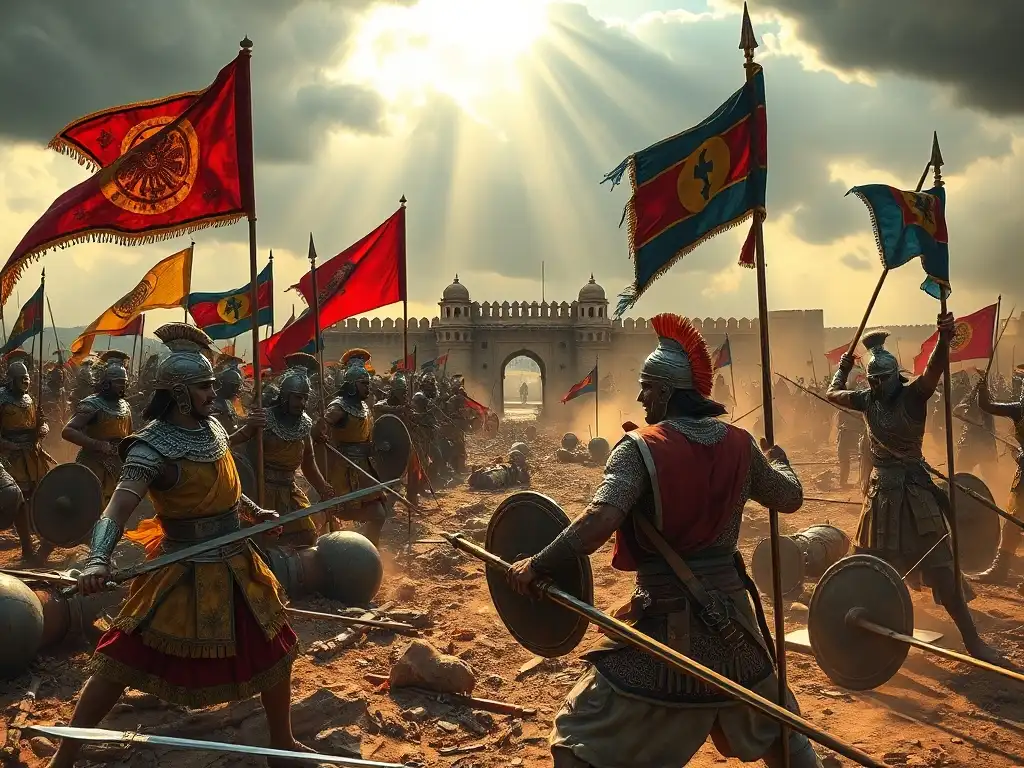
Welcome to Ancient India History, where we embark on a fascinating journey through the rich tapestry of India's past. Dive into the depths of Ancient Indian civil war history as we unravel the intricacies of conflicts that shaped the very essence of ancient civilizations, from the strategic maneuvers of the Indus Valley to the powerful Gupta Empire. What drove these societies to the brink of war, and how did these tumultuous times influence cultural and political dynamics?
Join us as we explore case studies and their implications, inviting you to discover the lessons and legacies that resonate even today. Your adventure into the annals of military history begins here!
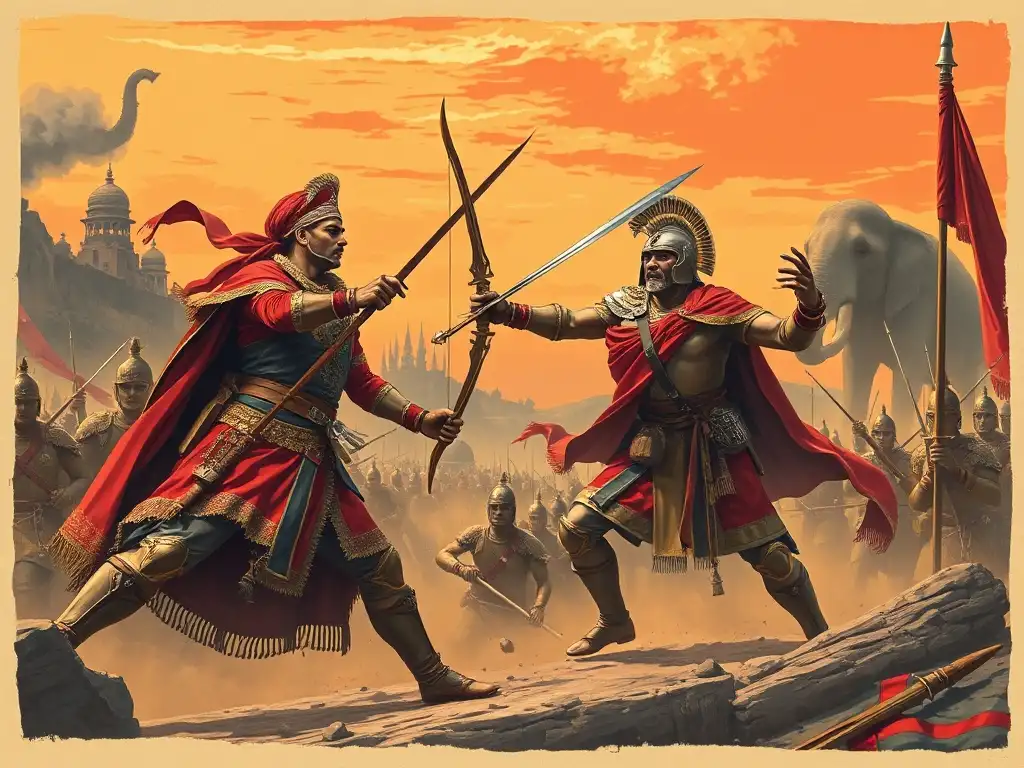
Introduction to Ancient Indian Civil War History
The history of ancient India is marked by a multitude of vibrant cultures, empires, and significant events that shaped the subcontinent. Among these events, civil wars stand out as pivotal moments that influenced political structures, social dynamics, and cultural evolution.
Understanding the ancient Indian civil war history is crucial for grasping how internal conflicts affected the trajectory of various dynasties and the broader historical narrative of India. From the Indus Valley Civilization to the Gupta Empire, civil wars not only revealed the fragility of political power but also underscored the complexities of human relationships, loyalty, and ambition in a historical context rich with diversity and conflict.
Understanding Civil Wars in Ancient India
Civil wars in ancient India often arose from a confluence of factors, including succession disputes, regional rivalries, and the quest for power. These conflicts were characterized by their intensity and their long-lasting repercussions on the socio-political landscape. Unlike external wars, which often united a kingdom against a common enemy, civil wars exposed the internal fractures within empires, leading to a struggle for dominance among various factions.
- Key factors contributing to civil wars:
- Dynastic struggles: Disputes over succession often led to violent confrontations among royal family members.
- Regional autonomy: Local rulers frequently sought greater independence, challenging central authority.
- Religious and cultural differences: Diverse beliefs sometimes fueled discord, exacerbating tensions within empires.
These wars not only reshaped power dynamics but also influenced cultural narratives and social hierarchies, making them essential subjects of study for historians.
Significance of Studying Ancient Indian Warfare
Studying ancient Indian warfare, particularly civil wars, provides profound insights into the political evolution of the subcontinent. Analyzing these conflicts reveals:
- The impact on governance: Civil wars often resulted in significant shifts in administrative practices and power distribution.
- Cultural exchanges: Conflicts prompted migrations and interactions between various ethnic groups, leading to cultural amalgamation.
- Lessons for modern governance: Understanding past civil wars can offer valuable lessons for contemporary political stability and conflict resolution.
By examining these dynamics, we can appreciate the intricate tapestry of influences that shaped ancient Indian civilizations.
Overview of Key Civil Wars in Ancient India
Ancient India witnessed several notable civil wars that significantly altered its historical trajectory. This section highlights some of the key conflicts that exemplify the complexities of power struggles within the region.
The Mauryan Dynasty's Internal Conflicts
The Mauryan Empire, one of the largest empires in ancient India, experienced several internal conflicts that tested its stability. After the death of Ashoka, the empire faced fragmentation as rival factions emerged, each vying for control over different territories. These struggles weakened central authority and set the stage for regional powers to rise.
The Kalinga War: A Case Study
The Kalinga War, fought around 261 BCE, serves as a critical case study in ancient Indian civil war history. Though primarily an external conflict, its implications had significant internal repercussions for the Mauryan Empire. The war led to immense loss of life and prompted a profound transformation in Ashoka's policies, notably his embrace of Buddhism and non-violence. This shift illustrates how warfare can influence leadership philosophy and statecraft.
The Gupta Empire's Civil Strife
The Gupta Empire, often referred to as the "Golden Age" of India, also faced its share of civil strife. During the latter part of the Gupta period, power struggles among heirs led to a series of conflicts that weakened the empire. These internal wars paved the way for invasions by external forces and ultimately contributed to the decline of the Gupta Empire.
By exploring these case studies, we can gain deeper insights into the dynamics of civil war in ancient India and their long-lasting effects on the region's history.
Factors Contributing to Civil Wars in Ancient India
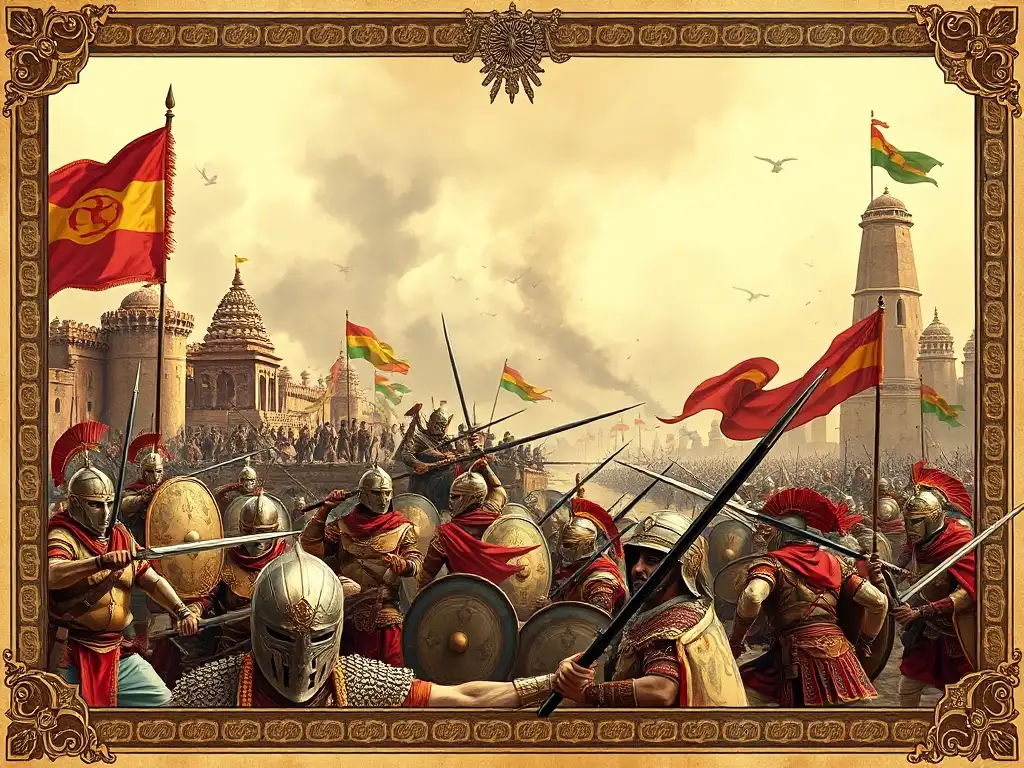
Ancient India witnessed a myriad of civil wars, driven by complex factors that often intertwined and compounded each other. Understanding these factors is crucial to grasp the dynamics of ancient Indian civil war history. The civil wars not only reshaped political landscapes but also altered social structures and economic conditions, leaving profound implications for future generations.
Political Fragmentation and Power Struggles
One of the primary drivers of civil wars in ancient India was political fragmentation. Following the decline of major empires, such as the Maurya and Gupta empires, regional powers emerged, often leading to intense power struggles. Various factions, including local chieftains and aristocrats, vied for control, leading to a fractured political landscape.
These power struggles were characterized by:
- Ambitious Leaders: Many regional rulers sought to expand their territories, leading to conflicts with rival factions.
- Weak Successors: Following the deaths of strong leaders, weak successors often struggled to maintain control, prompting internal dissent and civil strife.
- Bureaucratic Corruption: Inefficiencies within governance fueled discontent, as local leaders leveraged public grievances to rally support against the ruling powers.
Such fragmentation created conditions ripe for civil war as rival factions armed themselves to assert dominance over their territories.
Economic Disparities and Resource Allocation
Economic factors also played a significant role in fueling civil wars in ancient India. Disparities in wealth and resource allocation often led to tensions between different classes and regions.
Key points include:
- Land Ownership Conflicts: The concentration of land in the hands of a few elites often marginalized peasant classes, leading to uprisings and civil unrest.
- Trade Route Control: Control over crucial trade routes became a point of contention, with rival factions engaging in conflicts to secure economic advantages.
- Taxation Disputes: Heavy taxation imposed by ruling powers to fund military campaigns often resulted in widespread dissatisfaction among the populace, leading to revolts.
These economic grievances frequently became flashpoints for civil wars, as marginalized groups sought to assert their rights and secure their livelihoods through armed conflict.
Cultural and Religious Tensions
Cultural and religious differences significantly contributed to civil wars in ancient India, particularly as diverse groups coexisted within the same political entities.
Some contributing factors include:
- Ethnic Rivalries: The presence of multiple ethnic groups often led to rivalry and suspicion, exacerbating conflicts over territory and power.
- Religious Strife: Differences between Hindu, Buddhist, and Jain communities sometimes escalated into violence, particularly when political power was intertwined with religious authority.
- Social Stratification: The caste system created deep social divides, and any perceived threat to the established order often resulted in violent uprisings.
Religious and cultural tensions, therefore, played a crucial role in the fragmentation of societies, leading to civil wars as different groups sought to assert their identities and rights.
Case Studies of Civil Wars in Ancient Indian History
To illustrate the dynamics of civil wars in ancient India, several notable case studies highlight the various factors at play and their implications for society.
The Mauryan Civil War: Causes and Consequences
The Mauryan Civil War, occurring after the death of Emperor Ashoka, was primarily driven by succession disputes and the fragmentation of the empire. Following Ashoka's reign, his successors struggled to maintain control over the vast territories, leading to internal conflicts among rival claimants.
- Causes: The power vacuum left by Ashoka’s demise led to ambitious generals and local rulers vying for control, exacerbated by weakened central authority.
- Consequences: The civil war resulted in the fragmentation of the Mauryan Empire, undermining the administrative systems established by Ashoka and leading to the emergence of regional powers.
This civil war marked a significant turning point in ancient Indian history, showcasing how power struggles could dismantle even the most formidable empires.
The Conflict between the Cholas and the Pandyas
The conflict between the Cholas and the Pandyas in southern India is another prominent case study. Rooted in territorial disputes and competition for trade dominance, these two dynasties frequently clashed throughout their histories.
- Causes: The desire to control fertile lands and lucrative trade routes led to military confrontations, with both sides seeking to assert their dominance.
- Consequences: These conflicts not only resulted in significant military engagements but also influenced cultural exchanges, as both dynasties sought to outdo each other in art, architecture, and temple construction.
The Chola-Pandya wars illustrate the impact of economic and territorial ambitions on civil conflict, shaping the political landscape of southern India.
The Impact of the Gupta Civil Wars on Society
The Gupta civil wars, notably during the later stages of the Gupta Empire, highlight the fragility of centralized power and the societal impacts of civil unrest.
- Causes: Rival factions within the Gupta nobility and external pressures from emerging powers led to a series of conflicts that weakened the empire.
- Consequences: The civil wars resulted in significant social upheaval, including population displacement and declining trade, as stability gave way to chaos. The weakening of the Gupta Empire also paved the way for the rise of regional powers, altering the trajectory of Indian history.
These civil wars had lasting implications, demonstrating how internal conflicts could dismantle established order and influence societal structures for generations to come.
The Role of Warfare Tactics in Ancient Indian Civil Wars
Warfare tactics played a pivotal role in shaping the outcomes of civil wars in ancient India. Various factors influenced these tactics, including geographical considerations, the nature of the opposing forces, and the political ambitions of the leaders involved. The strategic positioning of armies, the use of terrain to gain advantage, and the deployment of specific formations were essential in determining the success or failure of military campaigns.
The ancient Indian military often relied on a combination of conventional warfare and guerrilla tactics, where smaller, mobile forces would engage in hit-and-run attacks against larger, more established armies. This adaptability allowed many factions to survive against overwhelming odds. Moreover, the use of elephants as part of the cavalry and infantry units was a significant tactical element, as they were not only formidable in battle but also served as a psychological tool against enemy forces.
Military Strategies Used in Ancient Indian Warfare
The military strategies employed during ancient Indian civil wars varied widely, reflecting the diverse nature of the subcontinent's geography and cultures. Among the notable strategies were:
- Siege Warfare: Fortifying positions and laying siege to enemy strongholds were common practices. The prolonged sieges often forced opposing sides to either surrender or suffer severe attrition.
- Flanking Maneuvers: Armies would often attempt to outmaneuver their opponents by attacking from the side or rear, exploiting weaknesses in the enemy's formation. This tactic was crucial in the dense terrains of northern India.
- Alliance Formation: Many factions sought alliances with neighboring states or tribes, which could provide additional manpower and resources. This strategy was particularly prevalent in prolonged conflicts where resources became strained.
- Psychological Warfare: Tactics that aimed to demoralize the enemy played a significant role. Propaganda, displays of strength, and the use of spies to spread misinformation contributed to the psychological dimensions of warfare.
The Evolution of Weapons and Combat Techniques
The evolution of weapons and combat techniques in ancient India reflects the technological advancements and changing dynamics of warfare. Initially, weapons such as bows and arrows, spears, and swords dominated the battlefield. Over time, the introduction of metalworking led to the creation of more sophisticated weaponry, including:
- Chariots and War Elephants: These were central to ancient Indian military tactics, providing mobility and a psychological edge in battles. The use of elephants in warfare became a hallmark of several Indian dynasties, showcasing both power and status.
- Armored Infantry: The development of armor made from leather and metal increased survivability in combat, allowing soldiers to engage more effectively in close-quarter battles.
- Archery and Crossbows: As archery techniques improved, long-range combat became more prevalent, allowing for tactical advantages from a distance. The crossbow, introduced later, offered greater power and accuracy.
- Siege Engines: The construction of siege engines, such as catapults and battering rams, marked a significant advancement in the capability to attack fortified positions.
Implications of Civil Wars on Ancient Indian Society
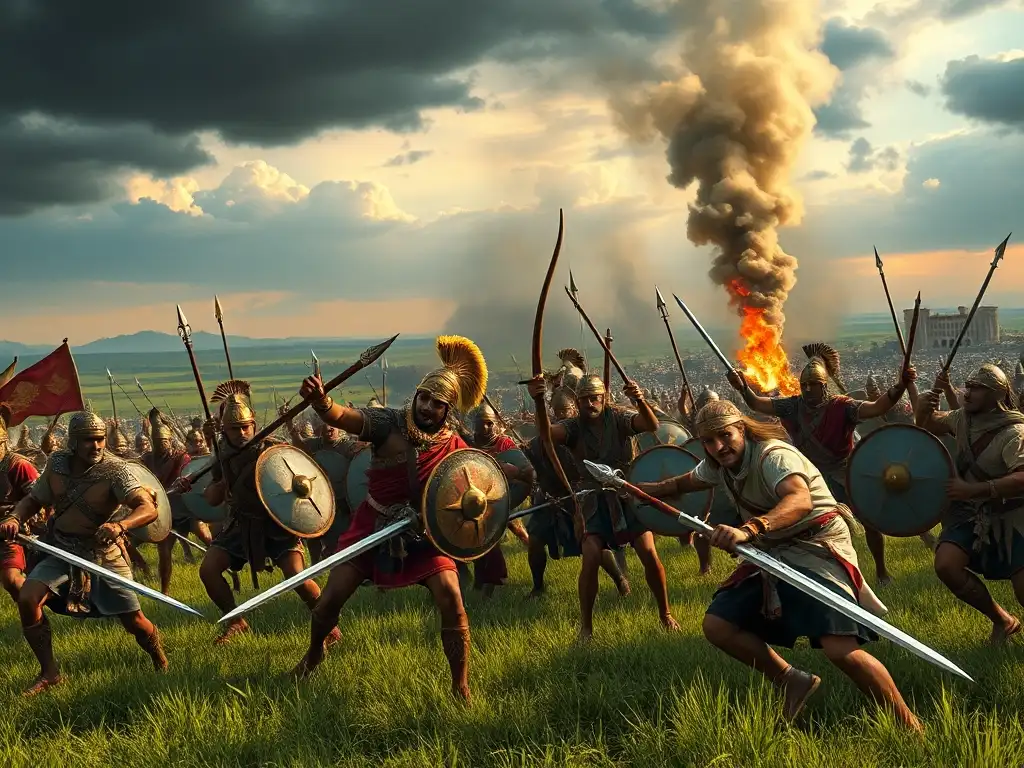
The civil wars in ancient India had profound implications on various aspects of society, reshaping the political, social, and economic landscape of the subcontinent. The ripple effects of these conflicts extended far beyond the battlefield, influencing the very fabric of civilization.
Social Changes Resulting from Warfare
Civil wars often led to significant social changes, including shifts in power dynamics and social hierarchies. The aftermath of these conflicts prompted:
- Caste Mobility: As new leaders emerged from the chaos of civil strife, certain social groups could ascend in status, leading to a reconfiguration of the traditional caste system.
- Migration and Displacement: Warfare frequently resulted in population displacements, forcing communities to migrate. This led to cultural exchanges and the introduction of new practices and beliefs across regions.
- Rise of New Classes: The emergence of merchant and warrior classes during and after periods of conflict resulted in a dynamic social structure, fostering trade and local economies.
Economic Impacts of Civil Conflicts
The economic ramifications of civil wars were profound and often devastating. Some key impacts included:
- Destruction of Infrastructure: Wars typically led to the destruction of agricultural lands, trade routes, and urban centers, severely hampering economic activities.
- Resource Allocation: The diversion of resources towards military expenditures strained local economies, often leading to famine and poverty in the affected regions.
- Economic Redistribution: Post-war periods sometimes saw the redistribution of wealth, where victors claimed the resources of the defeated, reshaping economic landscapes and power structures.
Cultural Shifts and Historical Narratives
Ancient Indian civil wars also catalyzed significant cultural shifts, influencing art, literature, and historical narratives:
- Myth and Legend: Many civil wars gave rise to epic tales and legends, which were immortalized in texts such as the Mahabharata. These narratives not only reflect the events but also embody the moral dilemmas and philosophical questions posed by warfare.
- Cultural Syncretism: As different groups interacted due to warfare, they exchanged cultural practices, leading to a rich tapestry of art, architecture, and religious beliefs that blended diverse influences.
- Historical Documentation: The recording of civil wars in historical texts provided insight into the political and social context of the times, shaping collective memory and identity among communities.
The interplay of warfare, society, and culture in ancient India demonstrates the complex dynamics of human civilization, highlighting how conflicts can forge new identities and transform societies in enduring ways.
Lessons Learned from Ancient Indian Civil War History
The study of ancient Indian civil wars reveals profound lessons that resonate through time, highlighting the consequences and dynamics of internal conflict. One of the most significant insights is the importance of unity among factions within a state. Civil wars often arose from power struggles, regional disputes, and ideological differences, leading to fragmentation and vulnerability. The narratives of these conflicts underscore the critical role that effective governance plays in maintaining social cohesion and preventing civil strife.
Additionally, ancient accounts illustrate how civil wars can reshape societal structures, often leading to shifts in power dynamics and the emergence of new leadership. For instance, the Maurya Empire's rise was marked by the aftermath of regional conflicts, ultimately leading to the unification of Indian territories under Chandragupta Maurya. This evolution highlights that while civil wars can be destructive, they can also catalyze significant political and cultural transformations.
The Importance of Unity and Governance
Unity and effective governance are central themes in understanding the dynamics of civil war in ancient India. The fragmentation of states often resulted from weakened governance structures that failed to address the grievances of various groups. The Kalinga War, for example, was not just a military confrontation but a reflection of the internal discontents that could escalate into broader conflicts.
Moreover, the role of leadership in fostering unity cannot be understated. Leaders who prioritized the welfare of their subjects and sought to mediate disputes were more likely to maintain stability. Historical examples, such as the efforts of Ashoka post-Kalinga, illustrate how strong governance can lead to reconciliation and peace after periods of intense conflict. This reinforces the notion that unified governance is essential for a society’s resilience against the temptations of civil discord.
Reflections on Modern Implications of Ancient Warfare
The lessons derived from ancient Indian civil wars extend beyond historical curiosity; they offer valuable insights into contemporary governance and conflict resolution. Modern nations grappling with internal divisions can learn from these historical precedents about the dangers of neglecting regional disparities and the need for inclusive governance.
In addition, the ethical dimensions of warfare, as seen in the writings of ancient Indian philosophers, such as Chanakya, echo in today’s discussions on just war theory and ethical leadership. The reflections on the consequences of war in ancient texts can inform modern leaders about the importance of diplomacy and the long-term impacts of military actions.
Conclusion: The Legacy of Civil Wars in Ancient India
The legacy of civil wars in ancient India is multifaceted, influencing the political landscape and cultural narratives of subsequent generations. These conflicts, while destructive, served as pivotal moments that led to significant shifts in power and ideology. Understanding this legacy is crucial for appreciating the complexities of ancient Indian civilization and its enduring influence on modern society.
Summary of Key Insights
The dynamics of civil war in ancient India provide a rich tapestry of lessons regarding unity, governance, and the implications of conflict. The historical cases studied reveal that civil wars often stemmed from unresolved grievances and power struggles, highlighting the necessity for strong, inclusive governance to prevent fragmentation. Furthermore, the ethical considerations surrounding warfare as discussed in ancient texts remain relevant today, offering guiding principles for contemporary leaders.
The Relevance of Ancient Indian Civil War History Today
The relevance of ancient Indian civil war history today is underscored by the parallels between past conflicts and current global issues. As nations navigate the complexities of internal divisions and strive for unity, the insights drawn from ancient Indian experiences can inform strategies for conflict resolution and governance. Recognizing the historical patterns of civil strife allows modern societies to cultivate resilience and strive for peaceful coexistence, ultimately ensuring that the lessons of the past are not forgotten but rather integrated into the fabric of contemporary political discourse.
- Introduction to Ancient Indian Civil War History
- Understanding Civil Wars in Ancient India
- Significance of Studying Ancient Indian Warfare
- Overview of Key Civil Wars in Ancient India
- Factors Contributing to Civil Wars in Ancient India
- Case Studies of Civil Wars in Ancient Indian History
- The Role of Warfare Tactics in Ancient Indian Civil Wars
- Implications of Civil Wars on Ancient Indian Society
- Lessons Learned from Ancient Indian Civil War History
- Conclusion: The Legacy of Civil Wars in Ancient India
Frequently Asked Questions
What were the main causes of civil wars in ancient India?
The causes of civil wars in ancient India often included political power struggles, dynastic disputes, and regional rivalries. These factors created significant unrest among various factions.
Can you name some notable civil wars in ancient Indian history?
Notable civil wars include the Kalinga War, which was part of the Mauryan Empire, and the conflicts during the Gupta Empire. These wars had lasting implications for the political landscape of India.
How did civil wars impact ancient Indian society?
Civil wars led to significant social upheaval, changes in leadership, and often resulted in the decline of empires. They also influenced the cultural developments during and after these conflicts.
What role did religion play in ancient Indian civil wars?
Religion often served as a unifying force as well as a divisive element. Religious motivations sometimes fueled conflicts, while at other times they provided a means for alliances and cooperation among factions.
How can studying ancient Indian civil war history help us today?
Studying the dynamics of civil wars in ancient India offers insights into human behavior, conflict resolution, and the importance of governance. These lessons remain relevant in understanding modern conflicts and social cohesion.
Final Reflection: Understanding the Echoes of Ancient Indian Civil War History
The dynamics of civil war in ancient India reveal profound lessons that resonate with our contemporary world. As we explore the intricacies of these historical conflicts, we uncover not only the political and social upheavals of the past but also the enduring implications they hold for modern societies grappling with division and strife. The struggles faced by ancient kingdoms serve as a stark reminder of how internal discord can shape the trajectory of civilizations, urging us to reflect on our own societal challenges today.
Civil wars, as illustrated through the lens of ancient Indian history, have a lasting impact on cultural narratives and collective identities. The stories of valor, betrayal, and resilience from these tumultuous times continue to influence our understanding of unity and conflict. As historian Romila Thapar once noted, History is not just a record of events; it is a narrative that shapes our identity and informs our future.
This perspective emphasizes the importance of learning from the past, as the lessons embedded in these ancient struggles can guide us in navigating the complexities of our current socio-political landscapes.
As we conclude this exploration of ancient Indian civil war history, I invite you to reflect on the lessons learned and consider how they can be applied in your own life. What can we glean from the past to foster understanding and unity in our communities today? Let us take these insights to heart, striving to build bridges rather than walls, and to engage in dialogues that honor our shared humanity. The echoes of ancient conflicts remind us that while history may be written, it is our actions in the present that will shape the future.
Unveil the Lessons of Ancient Conflict!
Thank you for exploring the complexities of civil war in Ancient India! We hope you gained valuable insights that foster a deeper understanding of historical dynamics and their implications in our contemporary world. Now, it's time to take that knowledge further and transform it into meaningful action.
- Explore more! Delve into additional case studies or read our recommended literature on ancient conflicts to broaden your perspective.
- Join the conversation! Share your thoughts on how these historical events resonate with modern society. Engage with fellow history enthusiasts in our vibrant online community!
- Reflect on the past! Write a brief personal reflection or a blog post analyzing how the lessons learned can shape our approach to conflict resolution today.
Which modern conflicts do you believe could benefit from the lessons learned from Ancient India's civil wars? We invite you to share your insights with us!