
The Role of Ancient Indian Education in Shaping Cultural Identity

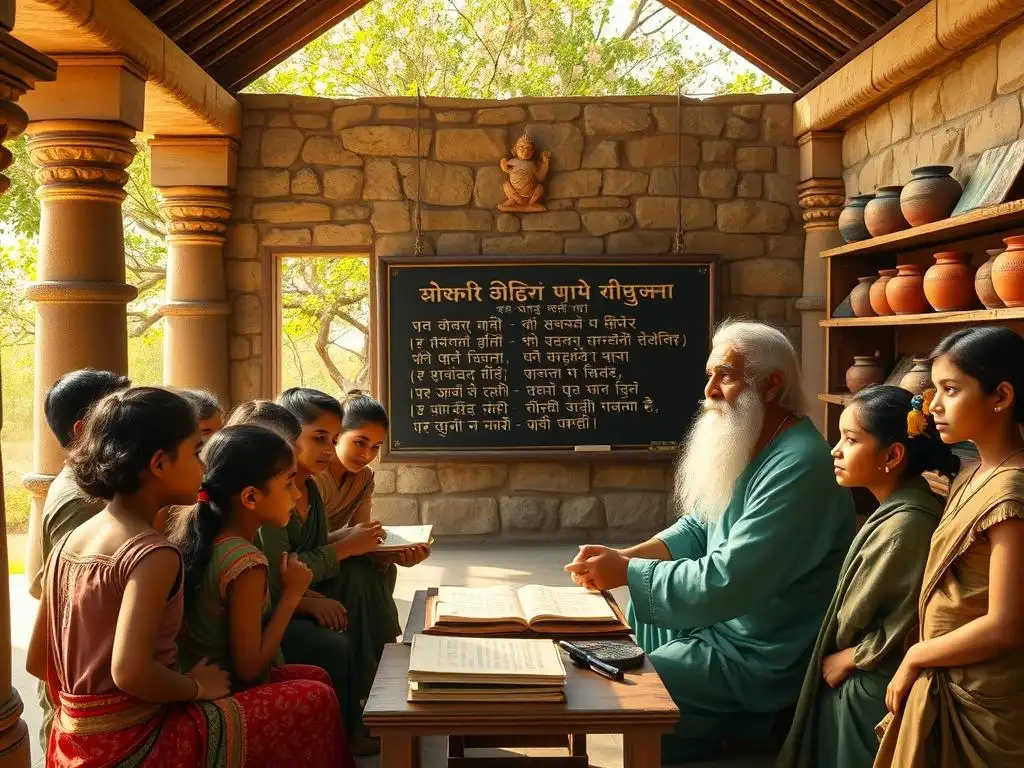
Welcome to Ancient India History, where we delve deep into the rich tapestry of ancient Indian civilizations. In this exploration, we uncover the profound impact of the ancient Indian education system—a vital pillar that not only shaped individual lives but also forged a cultural identity that resonates through centuries.
As you journey through our insights, prepare to discover how these early educational practices laid the groundwork for intellectual advancements and societal values that continue to influence us today. Join us as we unravel the enduring legacy of education in ancient India, and let your curiosity guide you through the fascinating chapters that lie ahead!
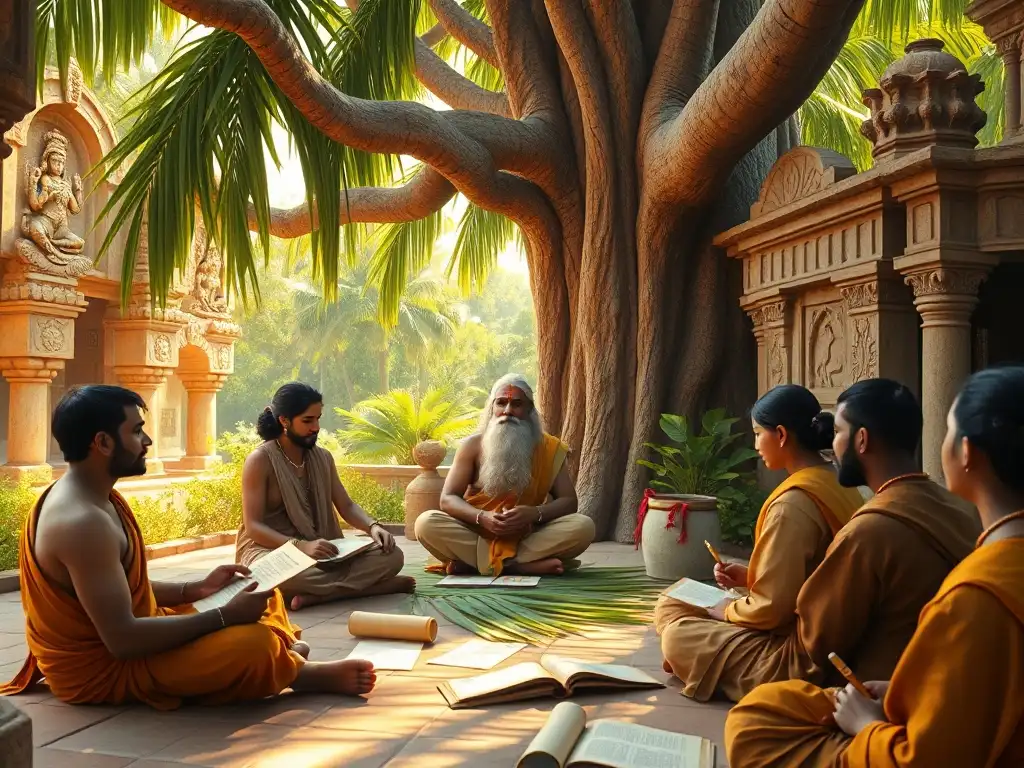
The ancient Indian education system played a pivotal role in shaping the cultural identity of Indian society, fostering intellectual growth, moral values, and social cohesion. This system, which evolved over millennia, laid the foundation for various educational practices and philosophies that have influenced not only India but also the broader Asian continent.
From the sophisticated learning centers of the Indus Valley to the revered Gurukulas of the Vedic period, ancient Indian education was characterized by a holistic approach that emphasized the integration of knowledge, ethics, and spirituality. As we delve into the intricacies of this educational framework, we will uncover how it contributed to the development of a rich cultural identity that continues to resonate in contemporary India.
Introduction to the Ancient Indian Education System
The ancient Indian education system was not merely a means of imparting knowledge; it was a vital component of societal structure and cultural heritage. Education was accessible to various strata of society, although predominantly it was the privilege of the higher castes. The curriculum was comprehensive, encompassing subjects like philosophy, mathematics, astronomy, arts, and scriptures, providing students with a well-rounded education.
Overview of Ancient Indian Education
-
Philosophical Foundations
The educational philosophies of ancient India were deeply rooted in spiritual and philosophical texts such as the Vedas and Upanishads. These texts emphasized the pursuit of truth, knowledge, and self-realization.
-
Curriculum and Teaching Methods
The curriculum was diverse, integrating practical skills with theoretical knowledge. Instruction methods included debates, discussions, and experiential learning, fostering critical thinking among students.
-
Role of Teachers
Teachers, or gurus, were highly respected figures in society. They not only imparted knowledge but also served as moral guides, shaping the character and values of their students.
Importance of Education in Ancient Indian Society
-
Cultural Preservation
Education played a crucial role in preserving the rich cultural heritage of India. Through oral traditions and written texts, knowledge was transmitted across generations, ensuring continuity of cultural practices.
-
Social Mobility
The ancient education system provided avenues for social mobility, particularly through the Gurukula system, where students from various backgrounds could learn and grow.
-
Nation Building
A well-educated populace contributed to the stability and governance of ancient Indian states. Intellectuals from this system often played significant roles in administration and policy-making.
Historical Context of Ancient Indian Education
Understanding the historical context of the ancient Indian education system illuminates its evolution and significance in shaping cultural identity.
Educational Practices in the Indus Valley Civilization
The Indus Valley Civilization (c. 3300–1300 BCE) showcased early forms of education through evidence of urban planning and trade, suggesting a need for skilled labor and knowledge transmission. While direct evidence of educational institutions is sparse, artifacts indicate that literacy and numeracy were valued, laying the groundwork for future educational practices.
Vedic Education and Gurukula System
The Vedic period (c. 1500–500 BCE) saw the emergence of the Gurukula system, where students lived with their guru in a residential school setting. This system emphasized:
- Personalized Learning: Students received individual attention and were encouraged to explore their interests.
- Holistic Development: Education encompassed not only academic learning but also physical training and spiritual growth.
The Role of Universities in Ancient India: Nalanda and Takshashila
Nalanda and Takshashila stand out as ancient centers of higher learning, attracting scholars from across the globe. Their contributions include:
- Diverse Curriculum: Subjects ranged from philosophy, medicine, and mathematics to law and arts.
- Cultural Exchange: These universities facilitated interactions among different cultures, enriching the educational landscape of ancient India.
The ancient Indian education system, with its profound commitment to knowledge, ethics, and cultural identity, set a standard that continues to influence educational practices in India today.
Key Features of the Ancient Indian Education System
The ancient Indian education system was characterized by its holistic approach, emphasizing not only intellectual growth but also moral, spiritual, and physical development. Key features included:
- Gurukul System: Education was primarily conducted in ashrams or Gurukuls, where students lived with their teachers (Gurus) in a residential setting. This fostered a close teacher-student relationship and provided an immersive learning experience.
- Inclusivity: While the system was predominantly accessible to the Brahmin and Kshatriya classes, there were instances of education reaching the Vaishyas and even some Shudras, particularly through vocational training and skills development.
- Emphasis on Practical Knowledge: Beyond theoretical teachings, the curriculum included practical subjects that catered to the needs of society, such as agriculture, trade, and administration.
- Moral and Ethical Instruction: Education was not limited to academic subjects; it included teachings on ethics, philosophy, and spirituality, aimed at shaping the character of students.
- Cultural Preservation: The system played a vital role in preserving and transmitting cultural heritage, traditions, and values from generation to generation.
Curriculum and Subjects Taught in Ancient Indian Education
The curriculum of ancient Indian education encompassed a wide range of subjects, designed to provide a well-rounded education. Key subjects included:
- Vedic Studies: The foundation of education was based on the Vedas, which included the study of texts such as the Rigveda, Samaveda, Yajurveda, and Atharvaveda. This involved learning hymns, rituals, and philosophical concepts.
- Philosophy: Students explored various philosophical schools, including Vedanta, Nyaya, and Samkhya, encouraging critical thinking and ethical reasoning.
- Mathematics and Astronomy: Ancient Indians made significant contributions to mathematics, including concepts like zero and the decimal system. Astronomy was also an important subject, with teachings on celestial phenomena.
- Arts and Literature: Subjects such as poetry, drama, and music were integral, fostering creativity and cultural expression. Great epics like the Mahabharata and Ramayana were often studied.
- Science and Medicine: The curriculum included knowledge of Ayurveda, metallurgy, and other scientific disciplines, showcasing the practical application of education in daily life.
Teaching Methods and Pedagogical Approaches
Teaching methods in ancient Indian education were diverse and adaptable, aimed at enhancing learning and retention. Key approaches included:
- Interactive Learning: Discussions, debates, and dialogues were encouraged, allowing students to engage deeply with the material and develop their reasoning skills.
- Practical Application: Students often learned through hands-on experiences, applying theoretical knowledge to real-life situations, especially in subjects like agriculture and trade.
- Rituals and Recitations: Memorization played a crucial role, particularly in Vedic studies, where students practiced recitation and rituals to internalize teachings.
- Mentorship: The relationship between Gurus and students was foundational; Gurus acted as mentors, guiding students not just academically, but also in moral and ethical dimensions.
The Influence of Ancient Indian Education on Cultural Identity
The ancient Indian education system significantly influenced the cultural identity of Indian society, shaping values, traditions, and social norms.
How Education Fostered Cultural Continuity
Education served as a vital medium for transmitting cultural values and traditions across generations. By instilling a sense of identity rooted in shared beliefs and practices, the education system ensured:
- Cultural Heritage Preservation: Ancient texts, religious rituals, and oral traditions were taught, preserving the rich tapestry of Indian culture.
- Community Engagement: Education fostered a sense of belonging and responsibility towards the community, encouraging students to participate actively in cultural and social life.
- Intergenerational Learning: The Gurukul system facilitated the transfer of knowledge from elders to youth, reinforcing cultural continuity and communal bonds.
The Impact of Ancient Texts and Literature on Identity
Ancient Indian texts and literature played a crucial role in shaping the cultural identity of society. They provided:
- Moral Framework: Epics and scriptures conveyed ethical teachings and moral lessons, guiding individuals in their conduct and decision-making.
- Cultural Narratives: Stories and parables from texts like the Mahabharata and Puranas served to instill shared values and historical consciousness among people.
- Philosophical Insights: Literature explored profound questions about existence, ethics, and the cosmos, fostering a collective intellectual identity.
The Role of Language and Communication in Cultural Development
Language was fundamental in the development of cultural identity in ancient India. The significance of language and communication included:
- Medium of Instruction: Sanskrit, as the language of scholarship, created a unified intellectual framework that transcended regional dialects, promoting a cohesive cultural identity.
- Literary Expression: The richness of ancient literature in various languages contributed to artistic expression and cultural dialogue, fostering a diverse yet interconnected identity.
- Cultural Exchange: Education facilitated communication and interaction among different regions and communities, enriching the cultural landscape and promoting mutual understanding.
The ancient Indian education system was pivotal in shaping cultural identity, preserving traditions, and fostering a sense of unity among diverse groups. Its legacy continues to resonate in contemporary Indian society, reflecting the enduring importance of education in cultural development.
The Legacy of Ancient Indian Education in Modern Times
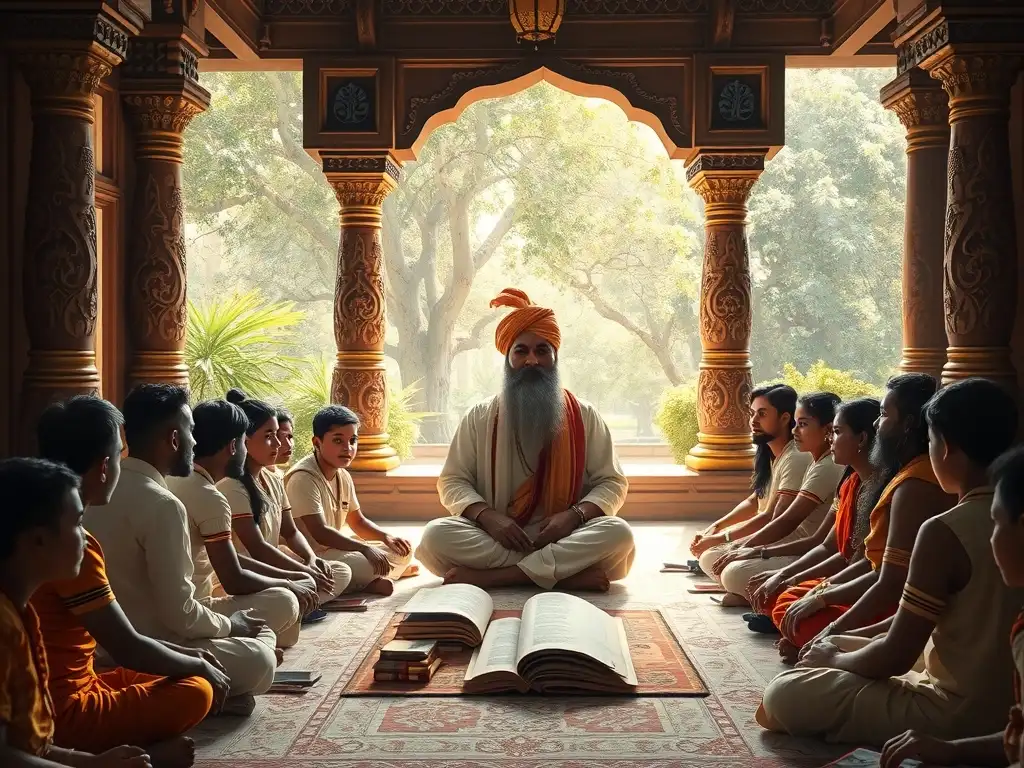
The legacy of ancient Indian education is profound, impacting various aspects of contemporary society. The ancient education system, characterized by its emphasis on holistic development, critical thinking, and moral values, laid a strong foundation for the cultural identity of India. This system was not merely about imparting knowledge; it was about nurturing individuals who could contribute meaningfully to society. The ancient institutions of learning, such as Takshashila and Nalanda, were renowned for their curricula that encompassed diverse subjects, including philosophy, mathematics, astronomy, and medicine.
Today, this legacy continues to resonate in modern educational practices. While contemporary systems have evolved, the core values of ancient Indian education remain significant. The focus on a well-rounded education that fosters intellectual and emotional growth is a principle that many modern educators strive to uphold. Moreover, the ancient emphasis on teacher-student relationships and the guru-shishya tradition still influences educational philosophies around mentorship and personal development.
Lasting Influence on Contemporary Educational Systems
Ancient Indian education systems have profoundly shaped contemporary educational practices in many ways. The concept of Gurukula, where students lived with their teachers and learned through direct interaction, has parallels in today's experiential learning models. Modern educational institutions often emphasize collaborative learning and mentorship, reflecting the values established in ancient times.
Additionally, ancient texts like the Vedas and Upanishads continue to inspire modern curricula, particularly in subjects like philosophy and ethics. The ancient practice of integrating arts, sciences, and spiritual education is seeing a revival as educators recognize the importance of a multidisciplinary approach to learning. Schools today are increasingly adopting holistic methods, echoing the ancient belief that education should cater to the mind, body, and spirit.
Relevance of Ancient Educational Principles Today
The principles of ancient Indian education retain significant relevance in today’s educational landscape. Values such as respect for knowledge, the importance of discipline, and the pursuit of truth are timeless and resonate across cultures. The ancient Indian approach to inquiry-based learning encourages students to question and explore, fostering critical thinking skills essential in the 21st century.
Moreover, the ancient focus on ethics and moral education is particularly pertinent in a world facing numerous ethical dilemmas. By integrating these principles into modern curricula, educators can better prepare students not only academically but also as responsible and conscientious citizens. The revival of traditional practices, such as meditation and mindfulness, is also gaining traction, further illustrating the relevance of ancient teachings in promoting mental well-being and emotional intelligence.
Reviving Ancient Indian Educational Practices in Modern Context
There is a growing movement to revive ancient Indian educational practices to address contemporary challenges in education. This revival seeks to blend traditional wisdom with modern pedagogical techniques. Initiatives to integrate local languages, cultural studies, and traditional arts into school curricula aim to create a more inclusive and culturally aware educational environment.
Furthermore, innovative programs are being developed to encourage the teaching of ancient sciences, such as Ayurveda and Vedic mathematics, in schools and universities. These practices not only enrich the curriculum but also instill a sense of pride and identity among students. By embracing the holistic and integrative nature of ancient educational methods, modern education systems can cultivate a generation that values both knowledge and cultural heritage.
Conclusion
Summary of the Impact of Ancient Indian Education on Cultural Identity
The impact of ancient Indian education on cultural identity cannot be overstated. It provided the framework for building a society that values knowledge, ethics, and community. Education was seen as a means of personal and societal development, fostering a sense of belonging and cultural continuity. The teachings and practices of ancient scholars have contributed significantly to the intellectual and spiritual heritage of India, shaping the cultural identity that continues to thrive today.
Final Thoughts on the Importance of Understanding Ancient Educational Systems
Understanding ancient Indian educational systems is crucial for appreciating the rich tapestry of India's cultural identity. As we navigate the complexities of modern education, revisiting these ancient practices can offer valuable insights into creating a more balanced and holistic educational framework. By honoring the past, we not only preserve our cultural heritage but also empower future generations to cultivate their identities in an increasingly globalized world. Embracing the wisdom of ancient Indian education is essential for fostering a society that values diversity, knowledge, and ethical living.
References
Ancient Indian education systems have played a pivotal role in shaping not only individual identities but also the broader cultural landscape of India. To delve deeper into this fascinating topic, here are some suggested readings that provide insights into the evolution, structure, and impact of education in ancient India.
Suggested Reading on Ancient Indian Education Systems
-
"The Vedic Education System" by R. K. Sharma
This book offers a comprehensive overview of the educational practices during the Vedic period, emphasizing the significance of oral tradition and the role of gurus.
-
"A History of Indian Education" by A. S. Altekar
Altekar's work is a crucial reference that traces the historical development of educational institutions in India from ancient times through the medieval period.
-
"Ancient Indian Education: A Historical Analysis" by S. S. Bhattacharya
This text explores various educational philosophies and methodologies employed in ancient India, highlighting their relevance to contemporary educational practices.
-
"The Gurukul System of Education" by N. S. Rao
Rao's book focuses on the Gurukul system, detailing its structure, curriculum, and the mentor-student relationship that defined this form of education.
-
"Education in Ancient India" by K. R. Bhat
This work discusses the socio-political influences on education in ancient India and examines the curriculum, including subjects such as philosophy, mathematics, and the arts.
Academic Sources for Further Research on Cultural Identity
-
"Cultural Identity and Indian Education" by P. V. Narasimha Rao
This academic paper investigates how ancient educational practices contributed to the formation of cultural identity in India, linking historical education systems to modern identities.
-
"The Influence of Education on Cultural Identity in Ancient India" by M. K. Gupta
Gupta's research highlights the interplay between education and culture, analyzing how educational institutions fostered a sense of community and identity.
-
"Philosophy and Education in Ancient India" by T. R. Kachru
This scholarly article examines the philosophical underpinnings of ancient Indian education, focusing on its impact on the cultural and spiritual identities of learners.
-
"Rituals and Learning: The Role of Education in Cultural Transmission" by A. Sharma
This study discusses the rituals associated with ancient education and how they played a crucial role in transmitting cultural values and identities from one generation to the next.
-
"From Gurukuls to Modern Schools: The Evolution of Educational Identity" by P. K. Joshi
Joshi presents a comparative analysis of ancient and modern educational systems, emphasizing the continuity and change in cultural identity through educational practices.
These readings provide valuable insights into the ancient Indian education system and its enduring influence on cultural identity, making them essential for anyone interested in this rich historical narrative.
- Introduction to the Ancient Indian Education System
- Historical Context of Ancient Indian Education
- Key Features of the Ancient Indian Education System
- The Influence of Ancient Indian Education on Cultural Identity
- The Legacy of Ancient Indian Education in Modern Times
- Conclusion
- References
- What was the ancient Indian education system like?
- How did the ancient Indian education system influence cultural identity?
- What subjects were taught in the ancient Indian education system?
- Who were the primary educators in the ancient Indian education system?
- How did the ancient Indian education system contribute to scientific advancements?
Frequently Asked Questions
What was the ancient Indian education system like?
The ancient Indian education system was characterized by gurukuls, where students lived with their teachers to learn various subjects, including philosophy, mathematics, and the arts.
How did the ancient Indian education system influence cultural identity?
The ancient Indian education system played a crucial role in shaping cultural identity by promoting values, traditions, and knowledge, which helped unite diverse communities.
What subjects were taught in the ancient Indian education system?
Subjects included Vedic texts, grammar, mathematics, astronomy, and medicine, reflecting a holistic approach to education that combined spiritual and practical knowledge.
Who were the primary educators in the ancient Indian education system?
Gurus or teachers were the primary educators, often revered as spiritual leaders, who imparted wisdom and knowledge to their students in a mentorship model.
How did the ancient Indian education system contribute to scientific advancements?
The ancient Indian education system encouraged critical thinking and inquiry, leading to significant scientific advancements in areas like medicine, mathematics, and astronomy, influencing future generations.
Final Reflection: The Enduring Legacy of Ancient Indian Education
The ancient Indian education system has profoundly shaped cultural identity, and its relevance continues to resonate in today's globalized world. As we navigate the complexities of modern education, the foundational principles of ancient Indian learning—emphasizing holistic development, critical thinking, and moral values—remain crucial in fostering well-rounded individuals. The wisdom of our ancestors reminds us that education is not merely about acquiring knowledge but about cultivating character and community.
The influence of the ancient Indian education system is palpable in contemporary society, where the quest for knowledge intertwines with the search for identity. The emphasis on a comprehensive approach to learning has inspired various educational reforms, encouraging a balance between academic rigor and personal growth. As Mahatma Gandhi once said, The true function of education is to train the mind to think.
This perspective underscores the importance of nurturing critical thinkers who can contribute meaningfully to society, reflecting the timeless relevance of ancient educational philosophies.
As we reflect on the lessons from the ancient Indian education system, I invite you to consider how these principles can be integrated into your own life and learning journey. Embrace the idea that education is a lifelong pursuit, one that shapes not only your intellect but also your character and values. Let us honor the legacy of our ancestors by fostering a culture of learning that prioritizes wisdom, empathy, and community, ensuring that the essence of ancient Indian education continues to illuminate our paths forward.
Uncover Your Cultural Heritage Today!
Thank you for exploring the fascinating world of ancient Indian education and its profound impact on cultural identity. Your interest underscores the significance of understanding our roots and how they shape who we are today. Now, let’s take some actionable steps together!
- Explore further by reading about notable ancient educational institutions such as Takshashila and Nalanda. Discover how their teachings continue to influence modern education.
- Share your insights with friends or in social media groups dedicated to history and culture. Spark conversations about how ancient teachings can inform and guide contemporary identity.
- Consider joining a local cultural organization or an online community. Engage with others who share a passion for the heritage and values of ancient India.
Which aspect of ancient Indian education do you find most relevant to your cultural identity today?