
The Role of Apprenticeships in Ancient Indian Vocational Training

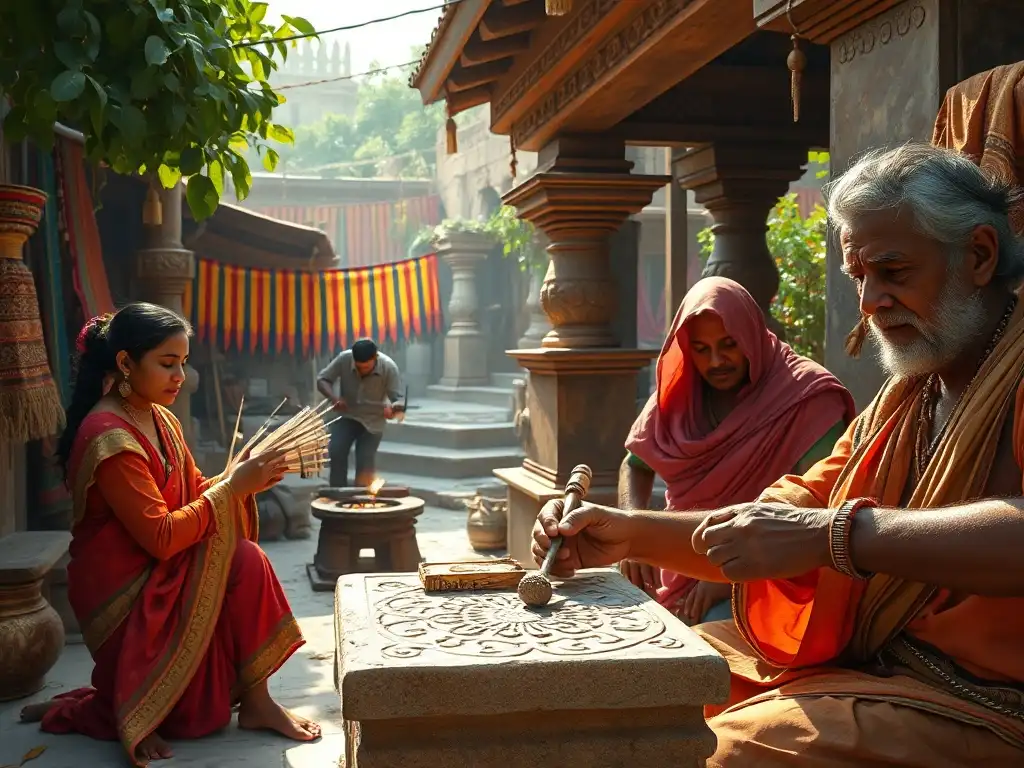
Welcome to Ancient India History, where we embark on a captivating journey through the rich tapestry of India's past. In this exploration, we delve into the intriguing world of ancient Indian vocational training, a system that shaped the skills and craftspeople of civilizations from the Indus Valley to the Gupta Empire. Have you ever wondered how apprenticeships functioned in these vibrant societies?
Join us as we uncover the pivotal role these educational practices played in fostering expertise and innovation, and discover how they continue to influence modern education systems. Dive deeper to unveil the secrets of a world where knowledge was passed down through generations!
Introduction to Ancient Indian Vocational Training
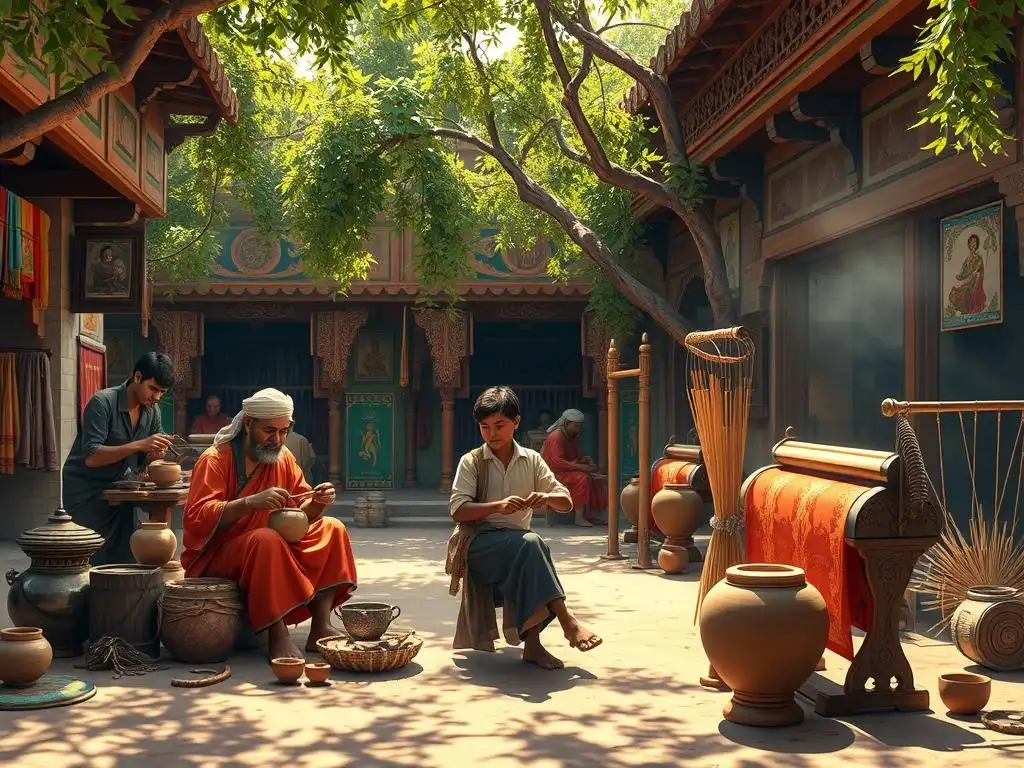
The concept of vocational training has deep roots in the fabric of ancient Indian society, where skills and craftsmanship were highly valued and meticulously passed down through generations. This article delves into the pivotal role of apprenticeships as a primary mode of vocational training in ancient India. From the intricacies of the Indus Valley Civilization to the flourishing cultural milieu of the Gupta Empire, vocational training was not merely an educational practice but a vital component of economic and social stability.
Understanding the mechanisms of ancient Indian vocational training provides insights into how these practices shaped skilled labor, contributed to societal roles, and influenced the overall development of the civilizations. This exploration reveals the sophisticated methods employed in imparting knowledge and skills and highlights the significance of apprenticeships in ensuring that craftsmanship and specialized knowledge were preserved and enhanced over time.
Overview of Vocational Training in Ancient India
In ancient India, vocational training encompassed a wide range of skills, from agriculture and weaving to metallurgy and architecture. These skills were essential not only for personal livelihood but also for the prosperity of the community. Training was predominantly conducted through apprenticeships, where young individuals engaged in hands-on learning under the guidance of experienced artisans and craftsmen.
The structure of vocational training was often informal, relying on family traditions and community practices. However, it also included more organized systems, particularly in urban centers where guilds and specialized trade groups emerged. These guilds played a crucial role in regulating trade practices, providing a framework for apprenticeships that ensured quality and continuity in skilled professions.
Importance of Skills Development in Ancient Societies
Skills development in ancient Indian societies was paramount for several reasons:
- Economic Growth: Skilled labor contributed significantly to economic prosperity, allowing communities to produce goods for trade and consumption.
- Social Structure: Different skills were often associated with specific social classes or communities, highlighting the importance of vocational training in maintaining social order.
- Cultural Preservation: Through apprenticeships, traditional crafts and knowledge were preserved, ensuring that cultural heritage was passed on to future generations.
Historical Context of Apprenticeships in Ancient India
The Evolution of Apprenticeships in Ancient Indian Culture
Apprenticeships in ancient India evolved significantly over time, influenced by various socio-political and economic factors. Initially, these practices were deeply intertwined with familial structures, where children learned their parents’ trades. As societies became more complex, especially during the Mauryan and Gupta periods, apprenticeships began to formalize within guilds, providing structured training programs that emphasized skill mastery and professional ethics.
This evolution also saw the introduction of diverse specializations, as different regions began to focus on unique crafts based on local resources and needs. The expansion of trade routes further necessitated the development of skills that catered to a broader market, thus enhancing the apprenticeship model.
Key Periods Influencing Vocational Training Practices
Several key periods significantly influenced vocational training practices in ancient India:
- Indus Valley Civilization (c. 3300–1300 BCE):
- Evidence of specialized crafts such as bead-making and metallurgy indicates early forms of vocational training.
- Mauryan Empire (c. 322–185 BCE):
- The establishment of state-sponsored education systems began to influence vocational training, promoting skilled artisanship.
- Gupta Empire (c. 320–550 CE):
- This era is often referred to as the Golden Age of India, where advancements in arts, sciences, and crafts led to more formalized apprenticeship systems within guilds.
Through these periods, the role of apprenticeships as a crucial element of ancient Indian vocational training became increasingly apparent, laying the foundation for future educational practices and the skilled labor force that would shape Indian civilization for centuries to come.
Structure of Apprenticeships in Ancient India
In ancient India, apprenticeships were a cornerstone of vocational training, structured to equip young individuals with the skills necessary for various trades and crafts. The apprenticeship system was deeply embedded in the social fabric and often followed a familial or community-oriented approach. Generally, apprentices were taken under the wing of experienced craftsmen or masters, who were responsible for both their education and personal development.
The structure typically involved a formal agreement where the apprentice would live with the master, learning through observation and practice. This relationship fostered a mentor-student dynamic, allowing apprentices to absorb not only technical skills but also the ethical and cultural values associated with the craft. Additionally, apprenticeships were often organized within guilds, or "shrenis," which provided a network of support and resources, facilitating the sharing of knowledge and techniques across generations.
Types of Apprenticeships and Their Functions
Apprenticeships in ancient India varied widely in type and function, reflecting the diverse economic and cultural landscape of the period. Key types included:
- Artisanal Apprenticeships: These focused on skills related to specific crafts such as pottery, weaving, metalwork, and carpentry. Artisans played a critical role in creating goods that were essential for daily life and ritual practices.
- Agricultural Apprenticeships: Young individuals often apprenticed under experienced farmers to learn techniques of cultivation, irrigation, and livestock management. This type of apprenticeship was crucial, as agriculture formed the backbone of the ancient Indian economy.
- Trade Apprenticeships: Aspiring merchants and traders would learn the intricacies of commerce, including inventory management, negotiation skills, and market dynamics, often while working alongside seasoned traders in bustling markets.
This diversity ensured that various sectors of society had access to skilled labor, ultimately contributing to the economic stability and growth of ancient Indian civilizations.
Roles of Master Craftsmen and Apprentices
The relationship between master craftsmen and apprentices was one of mutual benefit and respect, with clearly defined roles.
- Master Craftsmen: As the primary instructors, master craftsmen were responsible for imparting specialized knowledge and skills. They not only taught techniques but also instilled values such as dedication, discipline, and respect for the craft. Masters often had their own standards for quality and ethics, which they passed down to their apprentices.
- Apprentices: Typically starting at a young age, apprentices were expected to exhibit eagerness to learn and a willingness to perform various tasks, from basic preparation to complex craftsmanship. They learned through a combination of hands-on experience, observation, and guidance, often taking years to master their respective trades.
This interdependent relationship created a framework for skill transmission that was vital for the preservation and advancement of craftsmanship in ancient India.
Duration and Training Methods in Apprenticeships
The duration of apprenticeships in ancient India varied considerably based on the complexity of the trade and the skills being imparted. Generally, apprenticeships could last anywhere from a few years to over a decade.
Training methods were largely experiential, emphasizing practical engagement with tools and materials. Common methods included:
- Observation: Apprentices would first observe the master at work, learning the nuances of each task, which laid the foundation for their practical skills.
- Hands-On Practice: Apprentices were gradually introduced to hands-on work, starting with simpler tasks and progressing to more complex projects as their skills developed.
- Feedback and Iteration: Regular feedback from the master craftsmen helped apprentices refine their techniques and understand the standards expected in their respective trades.
This immersive approach ensured that apprentices not only learned the technical aspects of their crafts but also developed a deep appreciation for the cultural significance of their work.
Key Sectors Benefiting from Apprenticeships
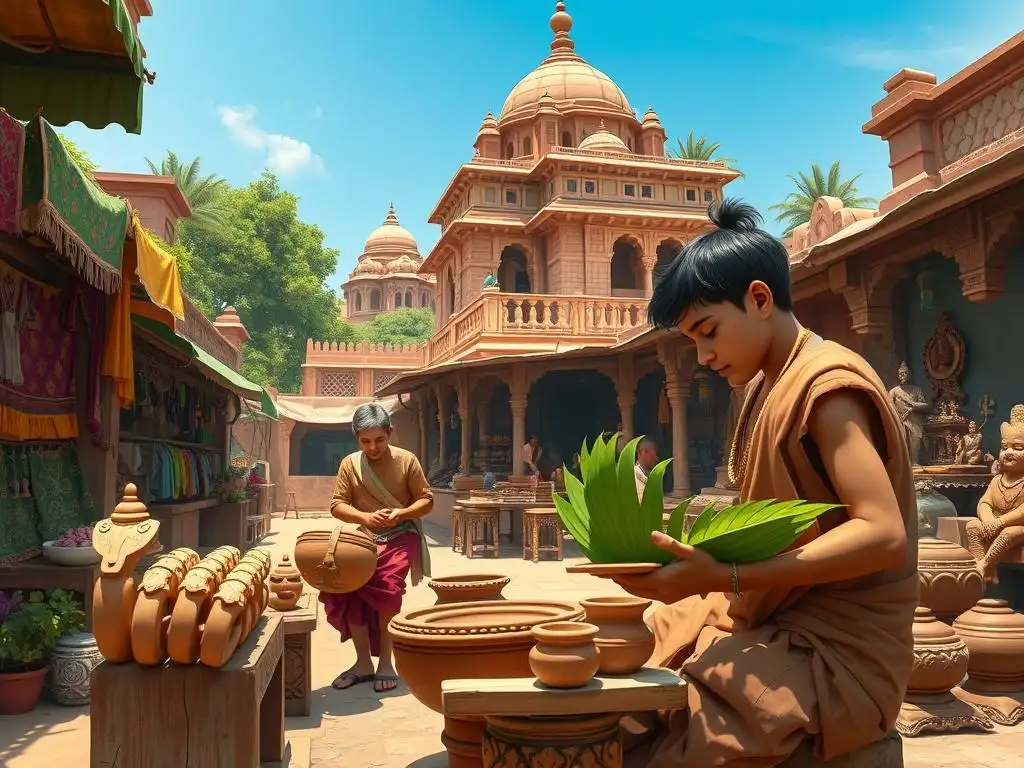
The apprenticeship system in ancient India significantly impacted several key sectors, facilitating the development of skilled labor that was essential for the economy and society.
Artisans and Craftsmanship in Ancient Indian Vocational Training
Artisans were at the heart of ancient Indian vocational training, with apprenticeships tailored to various crafts like textiles, metalwork, and pottery. These craftsmen not only produced goods for local consumption but also contributed to trade networks that extended across regions. The skills passed down through apprenticeships ensured that traditional techniques were preserved and innovated upon, allowing for a rich tapestry of craftsmanship that characterized ancient Indian culture.
Agriculture and Its Apprenticeship Systems
Agriculture, being the primary source of sustenance and economic activity, relied heavily on apprenticeship systems. Young farmers apprenticed under experienced agriculturalists to learn essential practices such as crop rotation, pest management, and seasonal planting techniques. This transmission of knowledge was critical to enhancing productivity and sustainability, thus supporting the growing populations of ancient Indian society.
Trade and Commerce: Apprenticeships in Ancient Markets
The bustling markets of ancient India served as a melting pot of trade and commerce, heavily influenced by apprenticeship systems. Aspiring traders learned the dynamics of buying and selling, currency exchange, and customer relations through direct involvement in market activities. This hands-on training not only prepared them for the economic challenges of the time but also contributed to the vibrant commercial landscape of ancient India, fostering economic growth and innovation.
The role of apprenticeships in ancient Indian vocational training was multifaceted, encompassing various sectors that benefited from skilled labor. This system of learning not only preserved artisanal knowledge but also played a vital role in the economic and cultural development of ancient Indian civilization.
The Impact of Apprenticeships on Society
Apprenticeships played a pivotal role in shaping the societal structure of ancient India, acting as a bridge between education and practical experience. Through a system of mentorship, young individuals were trained in various trades and crafts, ensuring the continuity of skills essential for both economic and cultural development. This structured approach not only fostered professional skills but also reinforced the social hierarchies prevalent at the time.
The impact of apprenticeships extended beyond individual skill acquisition. They facilitated the transfer of knowledge from one generation to the next, which was critical in sustaining the intricate craftsmanship that characterized ancient Indian society. As artisans and tradespeople honed their skills under the guidance of experienced masters, entire communities benefited from the enhanced quality of goods and services. This vocational training model contributed significantly to the economic stability of various regions, as it ensured a steady supply of skilled labor.
Socioeconomic Benefits of Vocational Training
The socioeconomic benefits of vocational training in ancient India were profound. By providing young individuals with the necessary skills to engage in various trades, apprenticeships contributed to the economic prosperity of the society. Skilled artisans, such as weavers, metalworkers, and potters, became vital cogs in the local economies, increasing production efficiency and fostering trade.
Moreover, vocational training through apprenticeships created a sense of community and belonging, as individuals worked closely with their mentors and peers. This not only enhanced interpersonal relationships but also contributed to the development of a skilled workforce that could adapt to changing market demands. The increase in skilled labor availability ultimately led to improved living standards, as artisans could command better prices for their goods, stimulating local economies.
The Role of Apprenticeships in Social Mobility
In the context of ancient Indian society, apprenticeships served as a significant vehicle for social mobility, albeit within the constraints of the caste system. While the caste system often dictated individuals' roles and professions, apprenticeships provided opportunities for those from lower castes to learn valuable trades. Successful completion of an apprenticeship could lead to economic independence and improved status within the community.
For instance, individuals who trained as skilled artisans or merchants could rise above their familial backgrounds, gaining respect and recognition for their abilities. This phenomenon, though limited, highlighted the potential of vocational training to disrupt established social norms and facilitate movement within the rigid caste structure. As such, apprenticeships contributed to a slow but noticeable transformation in social dynamics, allowing for a degree of mobility that was otherwise rare in ancient Indian society.
Contributions of Apprenticeships to Cultural Preservation
Apprenticeships were instrumental in preserving the rich cultural heritage of ancient India. By training young artisans in traditional crafts and practices, mentorship ensured that ancient techniques and cultural expressions were handed down through generations. This preservation was vital not only for the maintenance of cultural identity but also for the continuation of localized traditions that defined various communities.
Through the apprenticeship system, skills such as pottery, weaving, and metalwork were not only taught but were also infused with cultural significance. Each craft carried its own historical stories and techniques that reflected the values, beliefs, and aesthetics of the time. Thus, apprenticeships served as a conduit for cultural continuity, allowing ancient Indian civilizations to maintain their unique identities amidst external influences and changes.
Comparative Analysis of Ancient Indian Apprenticeships and Other Civilizations
A comparative analysis of ancient Indian apprenticeships reveals both similarities and unique characteristics when juxtaposed with systems in other cultures. While the core idea of mentorship and skill development is a common thread, the specific practices and societal implications varied significantly across civilizations.
Similarities with Apprenticeship Systems in Other Cultures
Many ancient civilizations, such as those in Greece, Egypt, and Mesopotamia, employed apprenticeship systems to impart vocational skills. Similar to ancient India, these cultures relied on master-apprentice relationships to ensure the transmission of specialized knowledge. In ancient Greece, for example, craftsmen trained young boys in various trades, fostering a sense of community and professional pride akin to that found in India.
Additionally, the emphasis on practical experience over theoretical knowledge was a hallmark of apprenticeship systems worldwide. Both Indian and other ancient cultures recognized that hands-on training was essential for mastering complex skills, thereby creating a parallel in their approaches to vocational education.
Unique Features of Ancient Indian Vocational Training
Despite these similarities, ancient Indian vocational training exhibited unique features that set it apart from other civilizations. One notable aspect was the integration of caste systems into the apprenticeship framework. While many cultures had apprenticeship systems based on social classes, the rigid caste hierarchy in India dictated specific trades for particular castes, influencing the selection of apprentices and the transmission of skills.
Moreover, the spiritual and philosophical dimensions of apprenticeship in ancient India were profound. Many vocational paths were intertwined with religious practices and cultural rituals, giving apprenticeships a dual purpose of skill acquisition and cultural education. This integration of vocational training with spiritual development fostered a holistic approach to learning, which is less commonly observed in other ancient civilizations. Thus, the unique characteristics of ancient Indian vocational training reflect both its rich cultural context and the complexities of its social structures.
Challenges Faced by Apprenticeships in Ancient India
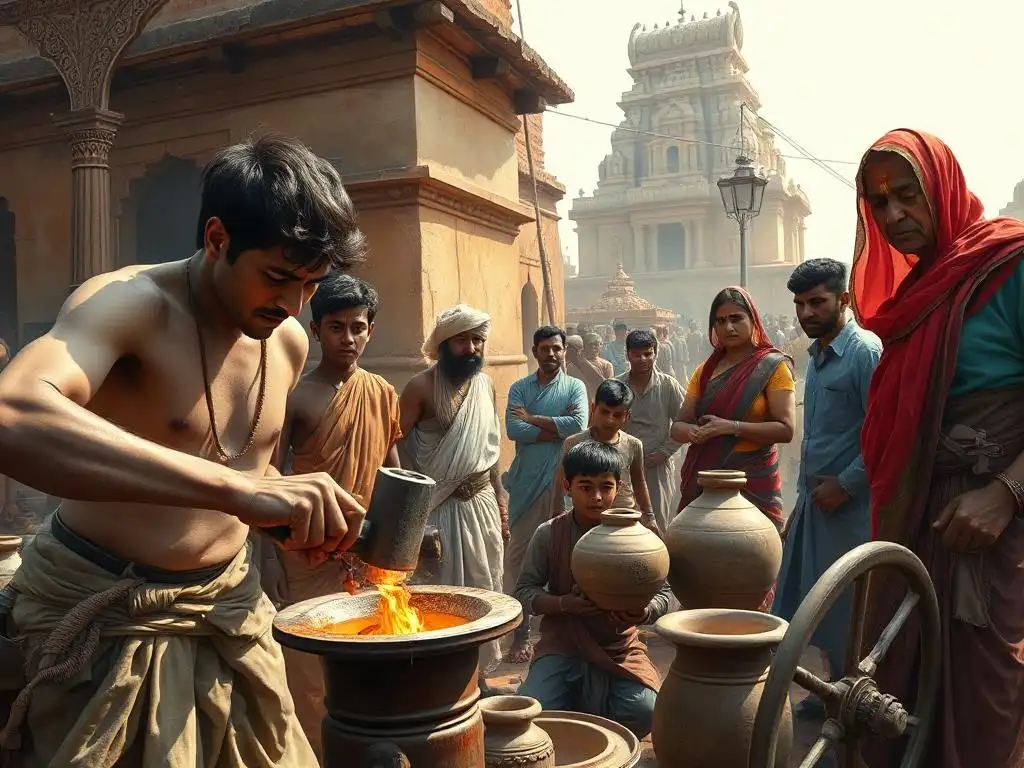
The system of apprenticeships in ancient India, while robust and integral to vocational training, encountered several challenges that impacted its effectiveness and accessibility. Understanding these challenges provides insight into the evolution of educational practices in India.
Limitations and Obstacles in Vocational Training
One significant limitation was the exclusivity of access to apprenticeship programs, which were often restricted to specific social classes or groups. The caste system, for instance, dictated the roles and professions individuals could pursue, leaving many without opportunities to learn valuable trades. This stratification resulted in a lack of diversity in skills learned, as certain crafts were confined to certain castes, limiting the overall growth of vocational training.
Additionally, the lack of standardized curricula for apprenticeships posed another obstacle. Each master craftsman had their own methods and quality of training, leading to inconsistencies in the skills imparted to apprentices. This variability meant that not all apprentices received the same level of education, which in turn affected their future employability and the quality of work produced.
Changes in Societal Structure Affecting Apprenticeships
The societal structure of ancient India was not static; it evolved over time, impacting the apprenticeship model. As urbanization began to take hold, traditional apprenticeship systems struggled to adapt. The influx of people into urban areas created a demand for new skills and professions that were not always met by the existing apprenticeship frameworks. Consequently, many traditional crafts and skills faced the risk of obsolescence, as they were not aligned with the needs of a changing economy.
Moreover, the influence of foreign invasions and cultural exchanges brought new ideas and practices, sometimes displacing established vocational training systems. This shift created a dichotomy between traditional skills and the emerging needs of society, leading to further challenges in maintaining the relevance and effectiveness of apprenticeships.
Conclusion: Legacy of Apprenticeships in Ancient Indian Vocational Training
The legacy of apprenticeships in ancient Indian vocational training is profound, impacting not only the socio-economic fabric of the time but also influencing modern educational practices. The lessons learned from the ancient apprenticeship system continue to resonate today.
Long-term Effects on Modern Educational Practices
Modern vocational training can trace its roots back to the apprenticeship models of ancient India. The emphasis on hands-on learning and the mentor-mentee relationship established in these early systems has been adapted into contemporary training programs. Today, many educational institutions incorporate internships and apprenticeships, emphasizing practical experience alongside theoretical knowledge, reminiscent of ancient practices.
Furthermore, the challenges faced by ancient apprenticeships highlight the need for inclusivity and standardization in today's vocational training. Recognizing the importance of diverse skill sets and equitable access can help shape more effective and comprehensive educational systems.
Relevance of Ancient Apprenticeship Models Today
Ancient Indian apprenticeship models offer valuable insights into the importance of experiential learning and the need for mentorship in skill development. As societies continue to evolve, the principles underlying these ancient practices, such as community involvement and the transmission of knowledge through direct engagement, remain relevant.
In a world where technological advancements constantly reshape job markets, the adaptability and resilience of ancient vocational training methods can inspire modern educational frameworks, promoting a holistic approach that values both tradition and innovation. By revisiting these ancient systems, educators and policymakers can foster a more inclusive and effective vocational training landscape that honors the rich history of ancient Indian education.
References
Key Texts and Archaeological Evidence
Ancient Indian vocational training, particularly through apprenticeships, is well-documented in several key texts and archaeological findings. The Vedas and Upanishads contain references to various trades and crafts, emphasizing the importance of skill acquisition in society. The Arthashastra, attributed to Kautilya, provides insights into the economic and administrative practices, including the training of artisans and merchants.
Archaeological evidence from sites such as Harappa and Mohenjo-Daro illustrates advanced craftsmanship in pottery, metallurgy, and weaving, indicating a structured approach to vocational training. Excavations have revealed workshops and tools that suggest a hands-on training methodology, where apprentices learned through practice and observation. Additionally, inscriptions and ancient manuscripts highlight the significance of guilds (shrenis) in regulating trades and facilitating the apprenticeship system, which further supports the notion of organized vocational training in ancient India.
Further Reading on Ancient Indian Education Systems
For those interested in delving deeper into the educational practices of ancient India, several resources provide comprehensive insights:
-
"Ancient Indian Education: An Historical Outline" by J.P. Sharma
This book explores the evolution of educational systems in ancient India, including the role of apprenticeships in vocational training.
-
"The Vedic Education System" by R. K. Sharma
A detailed study of the educational frameworks established during the Vedic period, highlighting the importance of practical skills.
-
"Traditional Indian Crafts and Their Training" edited by N. S. Shukla
This compilation discusses various traditional crafts and the training methods employed, offering a glimpse into the apprenticeship system.
-
"Learning and Teaching in Ancient India: A Study" by S. K. Gupta
This work examines the pedagogical approaches used in ancient Indian education, including practical training methods and the significance of apprenticeships.
-
"The Role of Guilds in Indian Society" by A. P. Desai
This book provides insights into how guilds functioned as training centers for apprentices, ensuring skill development across generations.
These texts and resources serve as excellent starting points for further exploration into the rich tapestry of ancient Indian vocational training and the educational structures that supported it.
- Introduction to Ancient Indian Vocational Training
- Historical Context of Apprenticeships in Ancient India
- Structure of Apprenticeships in Ancient India
- Key Sectors Benefiting from Apprenticeships
- The Impact of Apprenticeships on Society
- Comparative Analysis of Ancient Indian Apprenticeships and Other Civilizations
- Challenges Faced by Apprenticeships in Ancient India
- Conclusion: Legacy of Apprenticeships in Ancient Indian Vocational Training
- References
- What was the significance of apprenticeships in ancient Indian vocational training?
- How did ancient Indian apprenticeships differ from modern ones?
- What skills were commonly taught through apprenticeships in ancient India?
- Were there any specific institutions for vocational training in ancient India?
- How did the Gupta Empire influence vocational training in ancient India?
Frequently Asked Questions
What was the significance of apprenticeships in ancient Indian vocational training?
Apprenticeships played a crucial role in ancient Indian vocational training, providing hands-on experience and skill development in various trades and crafts.
How did ancient Indian apprenticeships differ from modern ones?
Ancient Indian apprenticeships emphasized mentor-mentee relationships and often involved family or community ties, contrasting with the more formal structures of modern vocational training.
What skills were commonly taught through apprenticeships in ancient India?
Common skills included craftsmanship, agriculture, commerce, and artistry, allowing individuals to master trades that were vital to their communities and economy.
Were there any specific institutions for vocational training in ancient India?
While there were no formal institutions, guilds and temples often served as centers for skill transmission, where experienced artisans trained apprentices.
How did the Gupta Empire influence vocational training in ancient India?
The Gupta Empire marked a period of cultural and educational flourishing, leading to an increase in vocational training opportunities, particularly in arts, science, and trade.
Final Reflection: Embracing the Legacy of Ancient Indian Vocational Training
The exploration of ancient Indian vocational training through apprenticeships reveals a profound connection to our contemporary educational frameworks. Today, as we navigate a rapidly changing job market, the principles of hands-on learning and mentorship that defined ancient practices resonate more than ever. The wisdom of integrating practical skills with theoretical knowledge serves as a guiding light, reminding us that true mastery comes from experience. In a world increasingly dominated by digital learning, we must not forget the value of direct engagement and the human element in education.
The impact of these ancient apprenticeship systems continues to shape our cultural and social landscape. As we reflect on the importance of mentorship and skill development, we recognize that these values are timeless. The essence of learning through observation and practice fosters not only individual growth but also community resilience. As Mahatma Gandhi once said, "> Live as if you were to die tomorrow. Learn as if you were to live forever." This quote encapsulates the spirit of lifelong learning that was inherent in ancient Indian vocational training, urging us to carry forward this legacy into our modern lives.
As we conclude this journey through the rich history of ancient Indian vocational training, I invite you to reflect on your own learning experiences. Consider how you can incorporate the principles of apprenticeship into your life, whether through seeking mentorship, sharing your skills with others, or engaging in hands-on learning opportunities. Let us honor the past by actively participating in our own education and the education of those around us, ensuring that the wisdom of ancient practices continues to thrive in our ever-evolving world.
Unveil the World of Ancient Indian Apprenticeships!
Thank you for exploring the fascinating role of apprenticeships in ancient Indian vocational training! We hope you discovered the profound impact these practices had on skilled craftsmanship and knowledge transfer in society. Now, it’s time to take inspiration from this rich history and apply it to our modern world!
Here are some actions you can take:
- Connect with local artisans: Reach out to skilled professionals in your community to learn about their craft and explore apprenticeship opportunities.
- Share your newfound knowledge: Spread the word about the importance of apprenticeships by sharing this article with friends and on social media platforms.
- Discover related resources: Dive deeper into the subject by reading books, watching documentaries, or participating in workshops that focus on traditional crafts.
Which area of vocational training today do you believe could benefit the most from adopting an apprenticeship model? We invite you to share your thoughts in the comments below!