
The Mauryan Empire: A Study of Military Power and Expansion

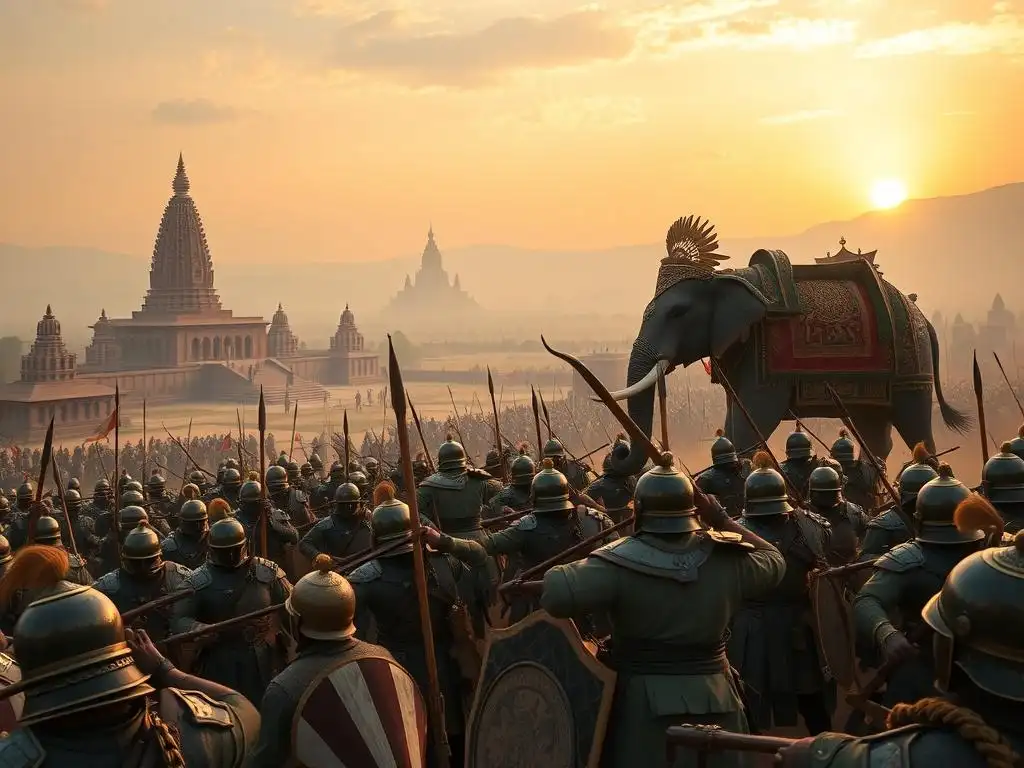
Welcome to Ancient India History, where we embark on a journey through the vibrant tapestry of India's past, revealing the remarkable civilizations that shaped its identity. In this exploration, we delve into the Mauryan Empire, a powerhouse of military strategy and expansion that redefined the subcontinent's boundaries. Are you curious about how this ancient empire wielded its military might to forge one of history's largest empires?
Join us as we uncover the intricate details of the Mauryan Empire's military expansion history, a tale of ambition, valor, and legacy that continues to influence our understanding of power dynamics today. Dive in and discover the fascinating stories that await!
-
The Mauryan Empire Military Expansion History
- Introduction to the Mauryan Empire
- The Rise of the Mauryan Empire
- Military Structure of the Mauryan Empire
- Strategies and Tactics of Mauryan Military Expansion
- The Role of Ashoka in Military Expansion
- Weapons and Technology in the Mauryan Military
- The Impact of Mauryan Military Expansion
- Conclusion
- References
- Frequently Asked Questions
- Final Reflection: The Enduring Legacy of the Mauryan Empire's Military Expansion
- Unleash Your Curiosity About the Mauryan Empire!
The Mauryan Empire Military Expansion History
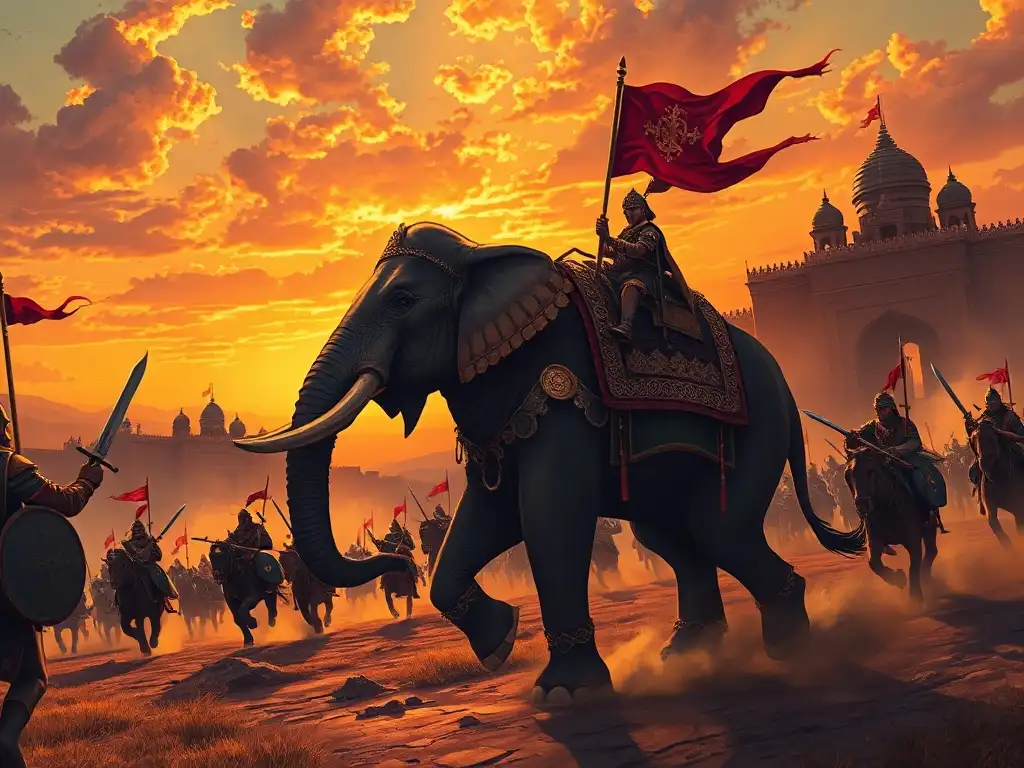
The Mauryan Empire, one of the most significant and powerful empires in ancient Indian history, represents a remarkable chapter in the story of military power and territorial expansion. Flourishing from approximately 322 BCE to 185 BCE, this empire not only established a vast territorial influence but also laid the groundwork for military innovations and strategic advancements that would shape the subcontinent's history.
The study of the Mauryan Empire's military expansion is crucial to understanding how it managed to assert dominance over a diverse range of regions and peoples, utilizing both conventional warfare and innovative tactics. This article delves into the military prowess of the Mauryan Empire, exploring its origins, key figures, and the underlying factors that contributed to its remarkable expansion.
Introduction to the Mauryan Empire
Overview of the Mauryan Empire
The Mauryan Empire emerged in the wake of the fragmented political landscape that followed the decline of the Magadha Kingdom. Founded by Chandragupta Maurya, the empire grew rapidly to encompass a significant portion of the Indian subcontinent, including present-day India, Pakistan, and parts of Afghanistan. At its height, the Mauryan Empire was not only a political powerhouse but also a hub of economic and cultural activity, influencing various aspects of life in ancient India.
Key features of the Mauryan Empire included:
- Centralized Administration: The empire was known for its strong and efficient bureaucratic system, which helped in the management of vast territories.
- Diverse Population: The empire was home to a wide array of cultures, languages, and religions, contributing to its rich cultural tapestry.
- Economic Prosperity: A thriving economy bolstered by trade, agriculture, and crafts played a significant role in supporting military campaigns.
Significance of Military Power in Ancient India
Military power in ancient India was a critical factor influencing the rise and fall of empires. For the Mauryans, a well-organized and formidable military was essential for:
- Territorial Expansion: The ability to conquer and maintain control over vast regions was paramount for the empire's longevity.
- Defense Against Invasions: A strong military was necessary to protect the empire's borders from external threats, including incursions from neighboring kingdoms and nomadic tribes.
- Internal Stability: Military strength helped to suppress internal dissent and maintain order within the diverse populations of the empire.
The military strategies and technologies developed during the Mauryan period set a precedent for subsequent Indian empires, making the study of this era pivotal in understanding India's military history.
The Rise of the Mauryan Empire
Chandragupta Maurya: The Founding Leader
Chandragupta Maurya, often regarded as the architect of the Mauryan Empire, played an instrumental role in its rise to power. His journey began with the overthrow of the Nanda Dynasty, and he quickly established himself as a formidable leader. Key aspects of his leadership included:
- Strategic Alliances: Chandragupta forged key alliances with local rulers and influential families, which facilitated his military campaigns.
- Military Innovations: He adopted various military tactics, including the use of elephants in warfare, which became a hallmark of Mauryan military strategy.
- Advisors and Mentors: The guidance of Chanakya, a renowned philosopher and strategist, was crucial in shaping Chandragupta's military and political decisions.
Key Factors Contributing to Military Expansion
Several factors contributed to the military expansion of the Mauryan Empire, which can be categorized as follows:
- Geopolitical Context: The political fragmentation of the region provided an opportunity for expansion, as various smaller kingdoms were often at odds with one another.
- Military Organization: The Mauryan military was well-organized, with a clear hierarchy and specialized units, enabling effective command and control during campaigns.
- Economic Resources: A robust economy allowed for the recruitment of soldiers, the maintenance of supply lines, and the procurement of advanced weaponry and technologies.
- Diplomacy and Coercion: The Mauryan rulers skillfully used diplomacy alongside military force, often compelling rival states to submit through negotiations or intimidation.
The Mauryan Empire's military expansion is a compelling study of how strategic planning, innovative tactics, and strong leadership can influence the trajectory of a civilization. As we delve deeper into the specifics of the Mauryan military, we will uncover the nuances that defined this remarkable empire's approach to warfare and conquest.
Military Structure of the Mauryan Empire
The military structure of the Mauryan Empire was a sophisticated and highly organized system that played a crucial role in its expansion and dominance across the Indian subcontinent. The Mauryan military was primarily divided into several branches that included infantry, cavalry, and war elephants, each serving distinct functions that contributed to the overall effectiveness of the army.
The Mauryan army was known for its large size, with estimates suggesting that it could have numbered over 600,000 soldiers during its peak. The military was commanded by a central authority, often the emperor, who relied on a network of generals and officers to oversee various divisions and ensure operational effectiveness. This hierarchical structure allowed for efficient communication and coordination, which was vital during campaigns.
Organization of the Mauryan Army
The organization of the Mauryan army was meticulous, characterized by a clear command hierarchy. At the top was the emperor, who was considered the supreme commander. Below him were various high-ranking officials responsible for different military divisions. The army was typically organized into units known as "Panchalas," which were further divided into smaller contingents.
- Infantry: This was the backbone of the army, consisting of foot soldiers equipped with a variety of weapons such as swords, spears, and bows.
- Cavalry: Horse-mounted troops provided mobility and speed, essential for flanking maneuvers and rapid assaults.
- War Elephants: These were not only symbols of power but also served as tanks of the battlefield, instilling fear in enemies and breaking enemy lines.
Each unit had its own specific roles and responsibilities, with soldiers trained in various combat techniques. The Mauryan military also emphasized discipline and training, ensuring that troops were well-prepared for the rigors of battle.
Role of Infantry, Cavalry, and Elephants in Warfare
The Mauryan army utilized a multi-faceted approach to warfare, with each branch playing a pivotal role:
- Infantry: As the largest segment of the military, infantry soldiers were crucial for holding ground and engaging in direct combat. They formed the core of the battle line and were trained for both ranged and close-quarters fighting.
- Cavalry: The cavalry provided strategic advantages in terms of speed and maneuverability. They were often used for reconnaissance, rapid strikes, and to exploit weaknesses in enemy formations. Cavalry charges could turn the tide of battle by creating chaos among enemy ranks.
- War Elephants: Elephants were a significant psychological weapon in warfare. Their sheer size and strength could break through enemy formations, causing panic and disorder. Elephants were often equipped with armor and could carry archers or spearmen on their backs, making them versatile assets in combat.
The integration of these three forces allowed the Mauryan military to execute complex battle strategies, adapting to various combat scenarios and ensuring dominance over adversaries.
Strategies and Tactics of Mauryan Military Expansion
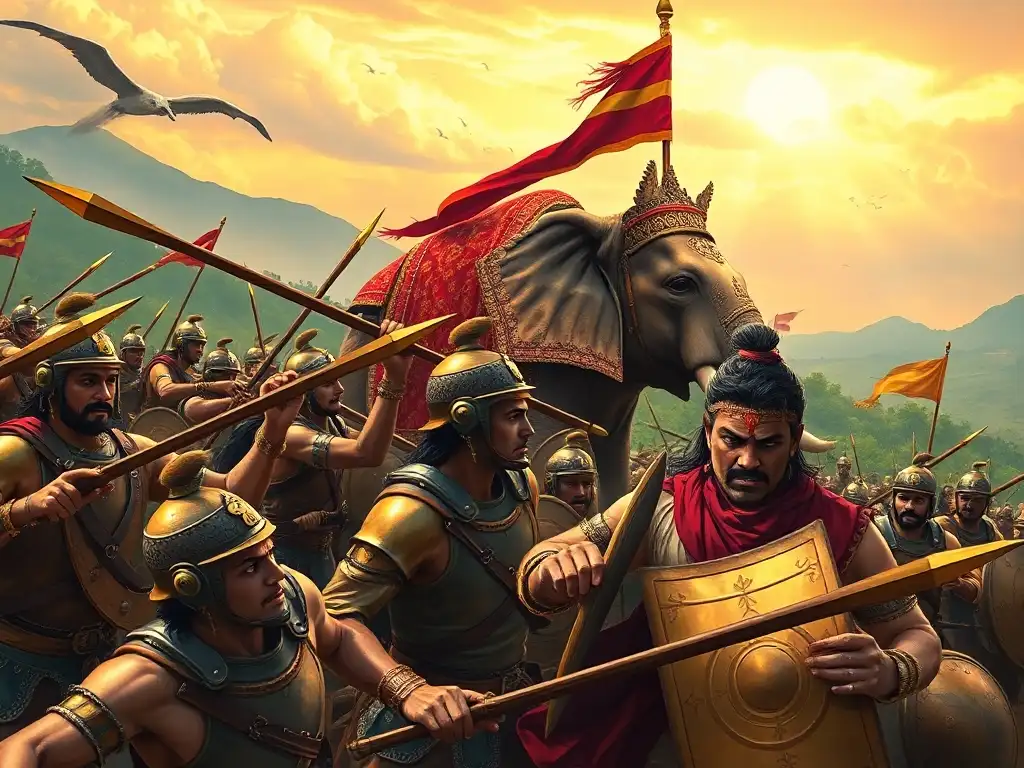
The Mauryan Empire's military expansion was marked by innovative strategies and effective tactics that facilitated its rapid growth and territorial gains. This approach to warfare was not only about brute force but also involved intelligent planning and execution.
Innovative Military Tactics Used by the Mauryan Empire
The Mauryan military was known for its strategic ingenuity, employing several innovative tactics:
- Psychological Warfare: The Mauryan leaders understood the importance of morale in warfare. They would often spread fear through demonstrations of power, such as public displays of captured enemies or the use of elephants in battle, which intimidated foes.
- Use of Spies: Intelligence gathering was a critical component of Mauryan military strategy. The empire employed spies to gather information about enemy movements and strengths, allowing for informed tactical decisions.
- Flexibility in Warfare: The Mauryan military exhibited flexibility in its tactics, adapting to the strengths and weaknesses of its adversaries. This could involve changing formations or employing different strategies based on the battlefield conditions.
- Siege Warfare: The Mauryans also mastered siege techniques, utilizing various tools and tactics to capture fortified cities. This included the use of battering rams and siege towers, along with coordinated assaults from multiple directions.
These tactics enabled the Mauryan Empire to conduct successful campaigns and expand its territory rapidly across diverse geographical regions.
Key Battles and Campaigns in the Expansion History
Several key battles and campaigns highlight the military prowess of the Mauryan Empire and its expansionist ambitions:
- Battle of Kalinga (c. 261 BCE): Perhaps the most famous of Mauryan battles, the conquest of Kalinga was marked by its brutal nature and significant loss of life. This battle was pivotal in shaping Emperor Ashoka's later policies, leading him to embrace Buddhism and a philosophy of non-violence.
- Campaigns Against the Nandas: The early campaigns led by Chandragupta Maurya against the Nanda dynasty were crucial in establishing the Mauryan Empire. Through strategic alliances and military might, Chandragupta was able to overthrow the Nandas and lay the foundation for Mauryan rule.
- Conquests in the Deccan and South India: The Mauryan Empire extended its influence into the Deccan plateau and parts of southern India through a series of military campaigns that involved both direct confrontations and diplomatic maneuvers.
These battles not only exemplified the military strength of the Mauryan Empire but also played a significant role in shaping the political landscape of ancient India, establishing the Mauryan Empire as one of the largest and most powerful empires in Indian history.
The Role of Ashoka in Military Expansion
Ashoka the Great, the third emperor of the Mauryan Empire, played a pivotal role in shaping the military expansion and overall trajectory of the empire. Ascending to the throne around 268 BCE, Ashoka inherited a vast territory that had already been established by his grandfather, Chandragupta Maurya, and his father, Bindusara. However, it was Ashoka's vision and military prowess that would further extend the empire's boundaries and solidify its power.
Initially, Ashoka was a formidable warrior and sought to expand his empire through military conquest. His campaigns were marked by strategic planning and the effective mobilization of troops. Under his command, the Mauryan military was not only well-organized but also highly disciplined, which enabled successful campaigns against neighboring states. However, the most significant turning point in Ashoka's military expansion came with the Kalinga War, which profoundly affected his views on warfare and governance.
Ashoka's Early Military Campaigns
Before the infamous Kalinga War, Ashoka engaged in several military campaigns aimed at expanding the Mauryan Empire's territory. Notably, he fought against various local kingdoms and tribes in the eastern and southern regions of India. These campaigns were characterized by the use of traditional warfare tactics, including the deployment of infantry, cavalry, and war elephants.
Ashoka's early campaigns were largely successful, as they allowed him to bring significant territories under Mauryan control. Historical records suggest that the conquests led to the annexation of regions such as present-day Odisha and parts of southern India. This expansion not only increased the empire’s wealth and resources but also established Ashoka's reputation as a powerful leader. However, the cost of these campaigns, both in terms of human life and suffering, would later weigh heavily on Ashoka, influencing his transformation into a proponent of peace and non-violence.
Transformation of Military Strategy After Kalinga
The Kalinga War marked a dramatic turning point in Ashoka's reign and military strategy. Following the brutal conflict that resulted in massive casualties and widespread destruction, Ashoka experienced a profound moral and spiritual crisis. He famously stated that the loss of life in the war was too great a price to pay for victory, which led him to adopt a policy of non-violence and dharma (moral law) as the guiding principles of his rule.
Post-Kalinga, Ashoka shifted his focus from military expansion to consolidating and governing the vast territories he had acquired. He emphasized diplomacy over warfare, favoring negotiations and alliances to manage relations with neighboring states. This transformation in strategy not only led to the stabilization of the empire but also facilitated cultural exchanges and the spread of Buddhism, which became a unifying force within his realm.
Weapons and Technology in the Mauryan Military
The Mauryan Empire was notable for its sophisticated military organization and the innovative technologies employed in warfare. The Mauryan military apparatus was crucial for both the expansion and maintenance of the empire, utilizing a variety of weapons and strategies that contributed to its success.
Overview of Weapons Used During the Mauryan Period
The weaponry of the Mauryan military was diverse and advanced for its time. Soldiers were equipped with a range of weapons, including:
- Swords and Daggers: These were commonly used by infantry and cavalry units, allowing for close combat effectiveness.
- Bows and Arrows: Archers played a crucial role in Mauryan armies, providing long-range support during battles. The use of composite bows, made from wood and animal horn, increased their range and power.
- Spears and Pikes: These weapons were essential for both thrusting in hand-to-hand combat and for mounted troops.
- War Elephants: A hallmark of Mauryan military strategy, elephants were used not only in battles to charge enemy lines but also as platforms for archers and commanders.
The combination of these weapons allowed the Mauryan military to engage in versatile tactics suitable for various battle scenarios, contributing significantly to their military successes.
Advancements in Military Technology and Their Impact
The Mauryan Empire witnessed several advancements in military technology that enhanced its warfare capabilities. The innovations included:
- Siege Machinery: The development of siege engines, such as battering rams and siege towers, enabled the Mauryan forces to effectively breach fortified cities and strongholds.
- Fortifications: The construction of fortified cities and defensive structures improved the empire's ability to protect its territories from invasions.
- Logistics and Supply Chains: Efficient logistics allowed for better supply management during campaigns, ensuring that troops were well-equipped and maintained.
These technological advancements not only improved the effectiveness of the Mauryan military but also influenced subsequent military strategies in the Indian subcontinent. The ability to conduct prolonged campaigns with well-supplied armies set the foundation for future empires and military leaders in the region, marking the Mauryan Empire as a significant period in the history of military development in ancient India.
The Impact of Mauryan Military Expansion
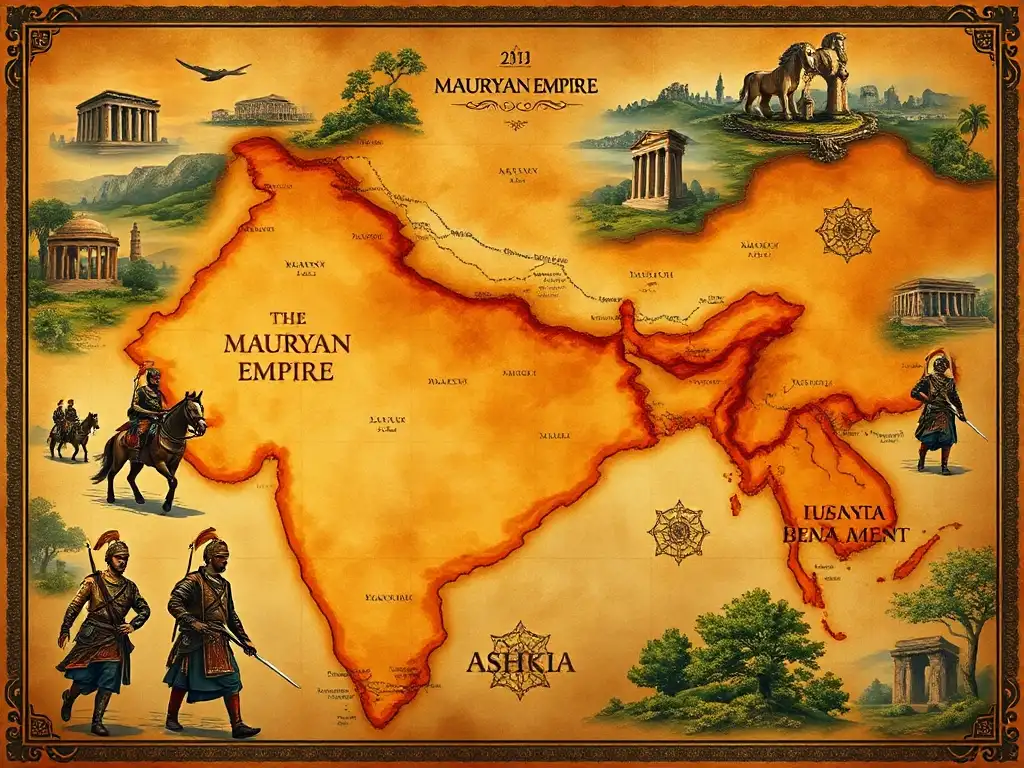
The Mauryan Empire, which flourished from 322 to 185 BCE, is renowned not only for its impressive territorial conquests but also for the profound impact these military expansions had on the empire's cultural, political, and economic landscape. The empire's military prowess allowed it to unify a diverse range of regions under a centralized authority, which in turn facilitated the spread of ideas, trade, and governance. This unification was pivotal in shaping the cultural identity of ancient India, leading to a rich tapestry of interactions among various ethnic groups, languages, and traditions.
The military campaigns during the reign of Chandragupta Maurya and his grandson Ashoka established a vast empire that stretched from present-day Afghanistan in the west to Bangladesh in the east. This extensive territory enabled the Mauryan Empire to control crucial trade routes, thereby enhancing economic stability and fostering prosperity. The military expansion also laid the groundwork for administrative systems that integrated conquered peoples, allowing for a degree of cultural exchange that would influence subsequent civilizations.
Cultural and Economic Effects of Military Conquests
The military conquests of the Mauryan Empire had significant cultural and economic ramifications. Culturally, the incorporation of various regions into the empire allowed for the diffusion of art, architecture, and religious practices. For instance, the spread of Buddhism was greatly influenced by Ashoka's conversion to the faith after the Kalinga War, leading to the establishment of stupas and monasteries across the empire. This not only solidified Buddhism's presence but also encouraged the creation of a unique architectural style that blended local traditions with Mauryan influences.
Economically, the expansion facilitated enhanced trade networks, connecting the empire to key areas in Central Asia and the Mediterranean. The Mauryan control over trade routes resulted in increased commerce, which was supported by a standardized system of weights and measures, and the establishment of a stable currency. This economic boost enabled the empire to implement extensive public works, including roads and irrigation systems, which further integrated the regions and improved agricultural productivity.
Legacy of the Mauryan Empire's Military Strategies
The military strategies employed by the Mauryan Empire left an enduring legacy on the Indian subcontinent. The integration of a well-organized standing army, equipped with advanced weaponry and tactics, set a precedent for future empires in India. The Mauryan military utilized war elephants, cavalry, and infantry, which were crucial in their campaigns. The use of elephants in warfare, in particular, became a hallmark of Indian military tactics in subsequent centuries.
Moreover, the Mauryan emphasis on a centralized command structure and intelligence-gathering laid the foundation for future military doctrines. The administrative innovations, such as the establishment of a detailed spy network and efficient communication channels, allowed for more coordinated military operations. These strategies not only contributed to immediate military successes but also influenced the organizational structures of later Indian empires.
Conclusion
Summary of the Mauryan Empire Military Expansion History
The military expansion of the Mauryan Empire was a defining aspect of its history, characterized by significant territorial gains that transformed the socio-political landscape of ancient India. The military campaigns led by Chandragupta Maurya and Ashoka established one of the largest empires in Indian history, integrating diverse populations and fostering economic growth. The conquests facilitated cultural exchanges that enriched the Indian civilization, while the military strategies employed set the stage for future military endeavors in the region.
Lasting Influence on Future Indian Military Strategies
The legacy of the Mauryan Empire's military expansion can be seen in the military strategies of later Indian dynasties. The principles of centralized command, organized forces, and innovative warfare tactics influenced subsequent rulers, including the Gupta and Mughal empires.
The integration of various military elements, such as the use of cavalry and war elephants, became standard practice in Indian warfare, demonstrating the Mauryan Empire's pivotal role in shaping the military landscape of the subcontinent. Thus, the Mauryan military expansion history not only marked a significant chapter in ancient Indian history but also left a lasting imprint on the military strategies of future generations.
References
The military expansion of the Mauryan Empire is a subject of extensive research and documentation. Scholars have analyzed various aspects, including military strategies, weaponry, and the socio-political implications of the empire's conquests. Here are some key references that provide valuable insights into the military history of the Mauryan Empire.
Suggested Readings on Mauryan Empire Military History
- "The Mauryan Empire: A Historical Overview" by Romila Thapar
- This book offers a comprehensive examination of the Mauryan Empire, focusing on its military structure and expansion strategies. Thapar combines archaeological findings with historical texts to provide an in-depth understanding of the empire's military prowess.
- "War and Warfare in Ancient India" by R. S. Sharma
- Sharma explores the various forms of warfare practiced in ancient India, with a particular emphasis on the Mauryan period. He details the evolution of military tactics and technology that contributed to the empire's expansion.
- "The Arthashastra" by Kautilya (Chanakya)
- This ancient treatise on statecraft and military strategy is essential for understanding the Mauryan Empire's approach to warfare. Kautilya discusses various military strategies, the organization of armies, and the role of espionage in securing victories.
- "Mauryan India" by J. C. Sharma
- This work highlights the political and military aspects of the Mauryan Empire, offering insights into its expansionist policies and the impact of military conquests on the region.
- "The Rise and Fall of the Mauryan Empire" by R. C. Majumdar
- Majumdar provides an analysis of the factors that led to the rise of the Mauryan Empire, including its military successes. The book delves into the administrative and military systems that supported its expansion.
Academic Sources for Further Exploration
- Journal of Ancient Indian History
- This academic journal publishes articles and research papers focused on various aspects of ancient Indian history, including military history. It features peer-reviewed articles that discuss the Mauryan Empire's military strategies and expansion.
- "The Military History of Ancient India" by S. S. Bhatt
- Bhatt’s work provides a detailed account of ancient Indian military history, with specific chapters dedicated to the Mauryan Empire. It examines military formations, weaponry, and the significance of military campaigns.
- "Kautilya's Arthashastra: A Treatise on Statecraft and Military Strategy" edited by R. K. Gupta
- This edited volume features various interpretations and analyses of the Arthashastra, shedding light on the military doctrines that influenced the Mauryan Empire's conquests.
- Indian Historical Review
- A scholarly journal that covers a wide range of topics in Indian history, including the military aspects of the Mauryan Empire. Articles often discuss archaeological findings and the historical context of military expansions.
- "The Mauryan Empire: Power and Politics in Ancient India" by Prakash Sharma
- This book investigates the political and military strategies employed by the Mauryan rulers to expand their territory, offering valuable insights into the empire's governance and military organization.
These readings and academic sources provide a robust foundation for anyone interested in exploring the intricate military history of the Mauryan Empire, its expansion, and its lasting impact on ancient Indian civilization.
Frequently Asked Questions
What was the Mauryan Empire known for?
The Mauryan Empire is primarily recognized for its military power and expansion, which allowed it to become one of the largest empires in ancient India.
How did the Mauryan Empire achieve military expansion?
The Mauryan Empire utilized a combination of strategic warfare, alliances, and administrative efficiency to expand its territories significantly during its reign.
Who was the most notable ruler of the Mauryan Empire?
Ashoka the Great is the most renowned ruler of the Mauryan Empire, celebrated for his military conquests and later for promoting Buddhism and non-violence.
What were the key factors in the military success of the Mauryan Empire?
Key factors included a well-trained army, advanced warfare technologies, and effective logistics that facilitated rapid troop movements and supply lines.
How did the military expansion impact ancient Indian culture?
The military expansion of the Mauryan Empire led to increased cultural exchanges, the spread of Buddhism, and the establishment of a more unified cultural framework across the region.
Final Reflection: The Enduring Legacy of the Mauryan Empire's Military Expansion
The military prowess of the Mauryan Empire not only shaped the subcontinent's history but also serves as a powerful reminder of how strategic expansion can influence the course of civilizations. Today, as nations grapple with the complexities of power dynamics and territorial integrity, the lessons from the Mauryan Empire's military expansion resonate more than ever. The empire's ability to unify diverse regions under a single banner illustrates the potential of military strength to forge lasting political and cultural ties.
The Mauryan Empire's legacy continues to influence our understanding of governance and military strategy. Its historical significance is not merely a relic of the past; it informs contemporary discussions on statecraft and diplomacy. As we reflect on the empire's achievements, we are reminded of the words of historian Romila Thapar: The Mauryan Empire was not just a political entity; it was a transformative force that redefined the very fabric of Indian society.
This observation underscores the profound impact that military expansion can have on cultural integration and societal evolution.
As we conclude our exploration of the Mauryan Empire's military expansion, I invite you to reflect on the implications of this history in your own life. Consider how the principles of unity, strength, and strategic vision can be applied to your personal and professional endeavors. Embrace the lessons of the past to inspire your future actions, and remember that the legacies of great empires can guide us in navigating the complexities of our modern world.
Unleash Your Curiosity About the Mauryan Empire!
Thank you for diving into the fascinating world of the Mauryan Empire, where **military might** and **strategic expansion** shaped ancient India. We hope you gained valuable insights into the **power dynamics** that drove this incredible civilization.
Now, it's time to turn that knowledge into action! Here are a few steps you can take to further explore and engage with this remarkable period of history:
- Dive deeper: Explore recommended readings or documentaries about the Mauryan Empire and its key figures, such as **Ashoka the Great**.
- Join the conversation: Share your thoughts on the military strategies of the Mauryan Empire with friends or participate in online history forums.
- Create a timeline: Develop a timeline of the Mauryan Empire’s key events and milestones to better visualize its profound impact on ancient India.
What aspect of the Mauryan Empire’s military strategies intrigues you the most, and how do you believe they influenced the future of India?