
Exploring the Regions of India Famous for Their Silk Production

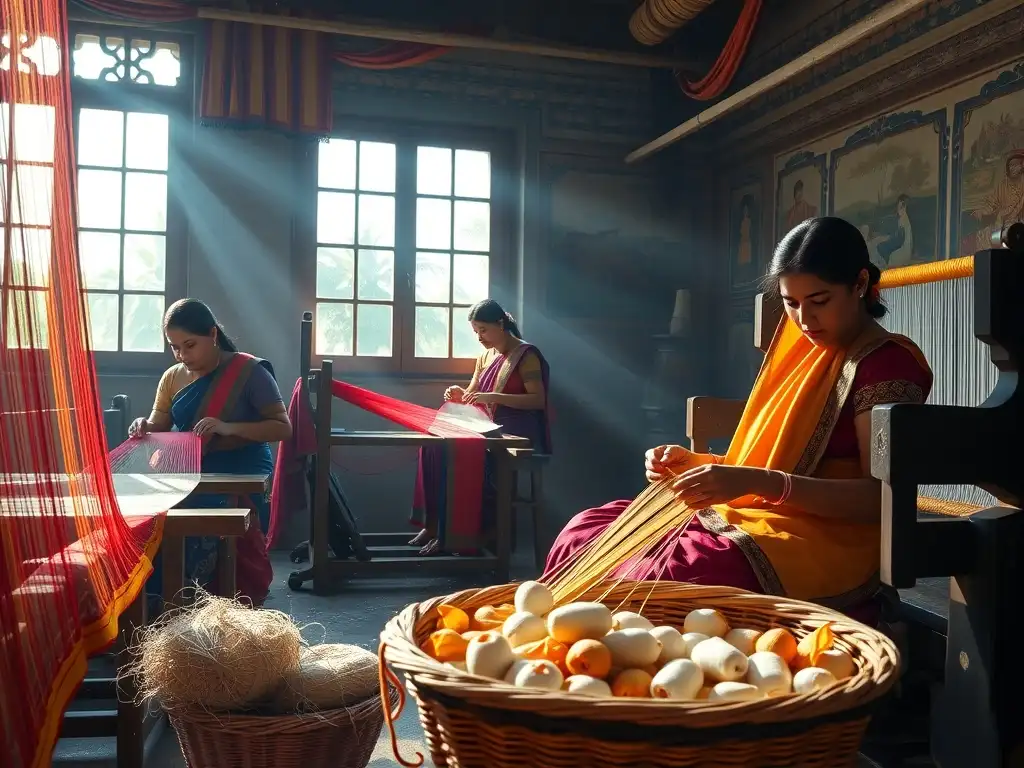
Welcome to Ancient India History, where we embark on a fascinating journey through the rich tapestry of ancient Indian civilizations. Here, we delve into the remarkable silk production in ancient India, a testament to the ingenuity and artistry that flourished from the Indus Valley to the Gupta Empire. Discover the regions renowned for their exquisite silk and how this luxurious fabric shaped cultural exchanges and trade routes.
Are you ready to unravel the threads of time and explore a world where fashion and history intertwine? Join us as we uncover the secrets behind this ancient craft and its enduring legacy.
- Introduction to Silk Production in Ancient India
- Key Regions of Silk Production in Ancient India
- Techniques and Traditions in Silk Weaving
- The Global Influence of Indian Silk
- How to Ensure Authenticity When Buying Silk
- Conclusion: The Legacy of Silk Production in Ancient India
- Call to Action
- Frequently Asked Questions
- Final Reflection: The Timeless Legacy of Silk Production in India
- Dive Into the World of Indian Silk!
Introduction to Silk Production in Ancient India
Silk production in ancient India is a fascinating subject that intertwines with the rich tapestry of the country's history, culture, and economic development. Renowned for its exceptional quality and intricate designs, Indian silk has captivated both local and international markets for centuries. The roots of silk production in India can be traced back to the Indus Valley Civilization, where evidence of sericulture and weaving practices has been unearthed. This article will delve into the various regions of India known for their silk production, exploring the techniques and cultural significance that have made Indian silk a treasure of ancient craftsmanship.
As we navigate through the historical significance and the role of silk in trade and culture, we will uncover how these elements have shaped not only the textile industry but also the broader socio-economic landscape of ancient India.
Overview of Silk's Historical Significance
Silk has long been revered as a luxurious fabric, with its origins dating back thousands of years. In ancient India, silk was not merely a material for clothing; it represented a symbol of status, wealth, and artistry. The production of silk was deeply embedded in the traditions of various regions, each contributing unique techniques and styles.
- Indus Valley Civilization: Evidence suggests that the art of silk weaving was practiced as early as 2500 BCE in the Indus Valley, with archaeological findings indicating the use of silk in textiles.
- Trade Routes: The establishment of trade routes, including the famed Silk Road, played a crucial role in the dissemination of silk across regions. Indian silk not only reached neighboring countries but also found its way to distant lands, enhancing its global appeal.
- Cultural Significance: In ancient texts and scriptures, silk is often mentioned as a gift for deities, used in rituals, and donned by royalty, highlighting its esteemed position in society.
Importance of Silk in Ancient Indian Trade and Culture
Silk production was a vital economic activity in ancient India, contributing significantly to trade and cultural practices. The intricate craftsmanship involved in silk weaving attracted traders and merchants from far and wide, leading to a flourishing industry.
- Economic Impact: Silk became a major export, with regions like Bengal, Tamil Nadu, and Gujarat becoming renowned centers for silk production. The revenue generated from silk trade greatly contributed to local economies.
- Cultural Exchange: The trade of silk facilitated cultural exchanges between India and other civilizations, fostering an environment of artistic and technological advancements. This cross-pollination influenced weaving techniques and patterns, enriching the fabric's aesthetic.
- Social Identity: Different communities developed distinct styles of silk weaving, often reflecting their cultural identity. The production of silk sarees, for example, became an integral part of Indian heritage, celebrating local traditions and craftsmanship.
Through these lenses, the story of silk production in ancient India reveals a vibrant narrative of economic prosperity, cultural richness, and historical significance that continues to resonate in contemporary times.
Key Regions of Silk Production in Ancient India
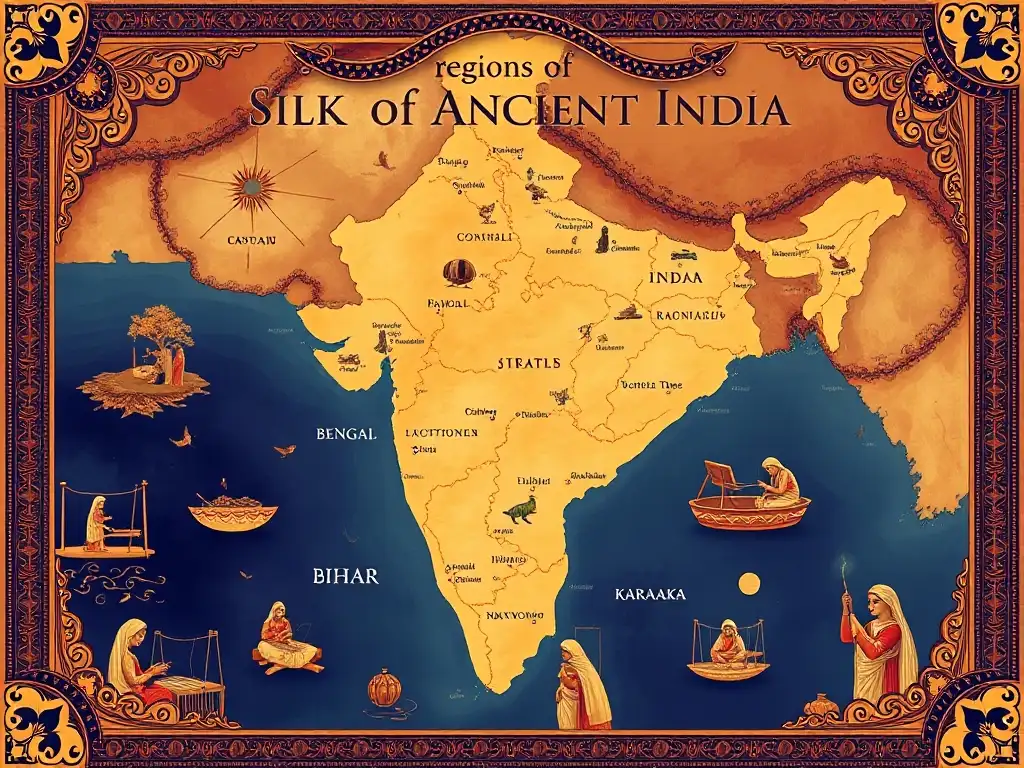
Silk production in ancient India was not only a significant economic activity but also a pivotal aspect of cultural expression and trade. Various regions across India contributed uniquely to this industry, each with its distinct methods, styles, and types of silk. Below are some of the key regions renowned for their silk production.
The Indus Valley: The Birthplace of Silk
The Indus Valley civilization, one of the world's earliest urban cultures, is often cited as the birthplace of silk weaving in India. This region, covering parts of modern-day Pakistan and northwest India, demonstrated advanced techniques in textile production.
Archaeological Evidence of Early Silk Weaving
Archaeological findings in sites like Mohenjo-Daro and Harappa reveal the presence of sophisticated weaving tools, including spindle whorls and loom weights. The discovery of fragments of silk fabric suggests that the inhabitants were engaged in silk production, likely using wild silk from the larvae of the Bombyx mori moth. These artifacts date back to around 2500 BCE, indicating that silk weaving was an established practice much earlier than previously thought.
Cultural Impact of Silk in the Indus Valley Civilization
Silk held immense cultural significance in the Indus Valley civilization. It was not merely a textile but a symbol of status and wealth. Artifacts suggest that silk garments were used in various ceremonial contexts, highlighting their importance in social rituals. The intricate designs often found on these textiles indicate a high level of artistic skill, reflecting the civilization's rich cultural heritage.
Bihar: The Land of Tussar Silk
Bihar, specifically the areas around Bhagalpur, is famous for its Tussar silk, a fabric known for its texture and organic appeal. This region has a long-standing tradition of silk weaving that dates back centuries.
Unique Characteristics of Tussar Silk
Tussar silk, unlike the more common mulberry silk, is produced from the cocoons of wild silkworms. This results in a fabric that is lighter, coarser, and has a distinctive golden hue. The unique texture and natural color variations make Tussar silk highly desirable for both traditional and contemporary garments. The fabric's breathability and durability further enhance its appeal, making it suitable for various climates.
Traditional Weaving Techniques in Bihar
The weaving techniques employed in Bihar are steeped in tradition. Handlooms are predominantly used, allowing artisans to create intricate patterns and designs that tell stories of the region's cultural heritage. The process of dyeing and weaving is often done using natural materials, ensuring that the fabric retains its organic essence. The skill and artistry involved in this age-old craft have been passed down through generations, preserving the unique identity of Bihar's Tussar silk.
Recommended Authentic Tussar Silk Products for Purchase
For those interested in acquiring authentic Tussar silk, here are a few recommended products:
- Tussar Silk Sarees: Known for their elegance, these sarees often feature traditional motifs and are perfect for festive occasions.
- Tussar Silk Dupattas: Lightweight and versatile, these dupattas can complement both traditional and modern outfits.
- Tussar Silk Stoles: Ideal for adding a touch of sophistication to any ensemble, these stoles are crafted with intricate designs.
By exploring the regions of ancient India famous for their silk production, one can appreciate the rich heritage and ongoing legacy of this luxurious fabric.
Karnataka: The Home of Mysore Silk
Karnataka has long been celebrated as a significant hub for silk production in ancient India, particularly known for its exquisite Mysore silk. The state's favorable geography, coupled with its rich cultural heritage, has fostered an environment conducive to silk weaving and craftsmanship. Mysore silk is renowned for its luxurious texture, vibrant colors, and intricate designs, making it a cherished choice for traditional attire, especially sarees.
History and Legacy of Mysore Silk Production
The roots of Mysore silk production can be traced back to the 16th century during the reign of the Wadiyar dynasty. The integration of sericulture into Mysore's economy was initiated by Maharaja Krishna Raja Wadiyar IV, who encouraged the cultivation of silkworms and established a silk weaving industry. This royal patronage not only boosted local craftsmanship but also set a high standard for quality.
The silk produced in this region gained a reputation for its softness, durability, and shimmering finish, which continues to be celebrated today. Over the years, Mysore silk has maintained its legacy, being passed down through generations of skilled artisans who preserve traditional weaving techniques while also incorporating modern innovations.
The Artistry Behind Mysore Silk Sarees
Mysore silk sarees are distinctive for their rich golden borders and elaborate motifs, often inspired by nature and mythology. The weaving process involves skilled artisans who utilize handlooms, ensuring each piece is unique. The silk is sourced from the cocoons of the Bombyx mori moth, meticulously cared for to produce high-quality threads.
The combination of vibrant colors and intricate designs showcases the craftsmanship involved, with each saree typically taking several days to complete. The artistry is not just limited to the weaving; the dyes used are often natural, adding to the eco-friendliness of the product. The resultant sarees are not only a staple for weddings and festivals but also serve as a testament to Karnataka's rich textile heritage.
Where to Buy Authentic Mysore Silk Products
For those interested in purchasing authentic Mysore silk products, there are several avenues to explore:
- Local Handloom Stores: Visiting local shops in Mysore can provide a firsthand experience of the quality and variety available.
- Government Emporiums: State-run emporiums often have certified Mysore silk products, ensuring authenticity.
- Online Platforms: Websites specializing in Indian textiles often feature Mysore silk sarees and garments, allowing for convenient shopping. Some trusted online platforms include:
- Craftsvilla
- FabIndia
- Amazon (in dedicated sections for Indian handloom)
These options not only ensure quality but also support local artisans and the traditional silk weaving industry.
Gujarat: The Vibrant Patola Silk
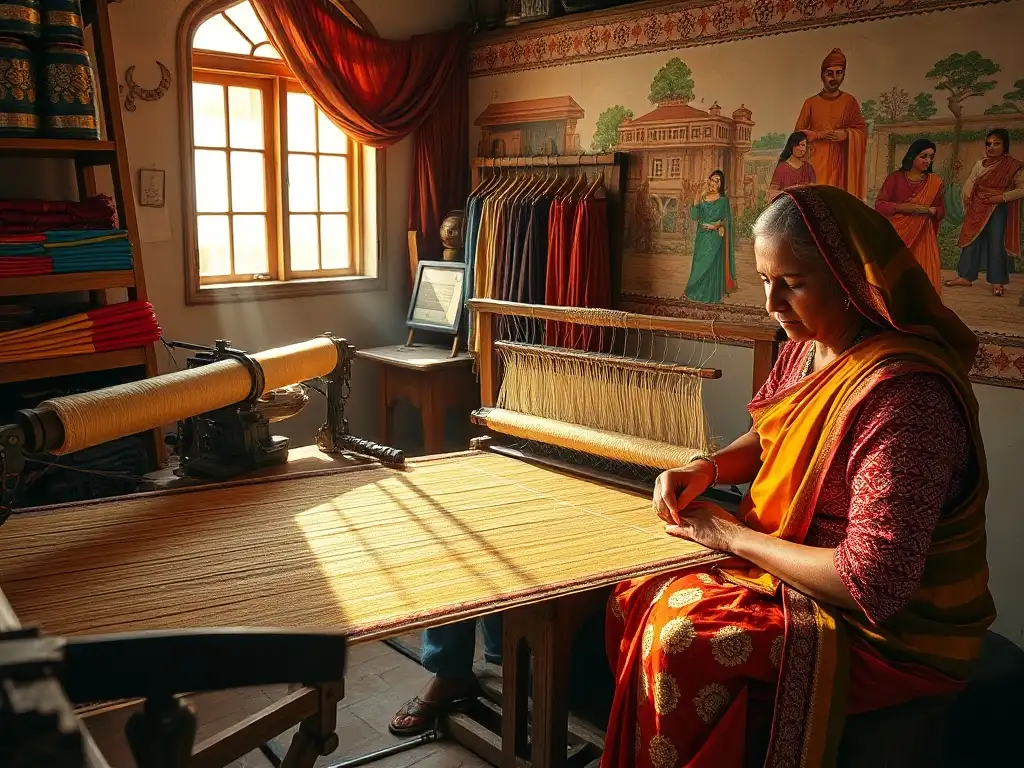
Gujarat stands out as another pivotal region for silk production in ancient India, particularly recognized for its unique Patola silk. This vibrant textile is characterized by its intricate patterns and vibrant colors, making it a symbol of cultural heritage in the region. The Patola sarees are not merely garments but embody a rich history and artistic expression that has thrived over centuries.
Understanding the Patola Weaving Tradition
The Patola weaving tradition is renowned for its double-ikat technique, a complex process where both the warp and weft threads are dyed before weaving. Originating from the city of Patan, this age-old craft is a meticulous endeavor that requires immense skill and precision. The artisans use wooden looms to create elaborate geometric patterns and motifs, often reflecting the cultural and religious narratives of the region.
The process can take weeks or even months for a single piece, enhancing the value and exclusivity of Patola silk sarees. This craft has been recognized as a significant cultural heritage, with artisans passing down their skills through generations, helping to preserve this unique weaving method.
Cultural Significance of Patola Silk in Gujarat
Patola silk holds immense cultural significance in Gujarat, often associated with auspicious occasions such as weddings and religious ceremonies. The sarees are not only worn by women but are also gifted as a symbol of prosperity and good fortune. The vibrant colors and intricate designs are believed to convey various meanings, making them deeply intertwined with the traditions and customs of the region.
Additionally, Patola silk has found its place in contemporary fashion, often being paired with modern silhouettes, thus bridging the gap between tradition and modernity. The cultural importance of Patola silk extends beyond mere aesthetics, embodying a rich tapestry of history, craftsmanship, and community identity.
Best Online Stores for Genuine Patola Silk Items
For those seeking genuine Patola silk items, there are several reputable online stores to consider:
- Gujarat Handloom: This government initiative offers a wide range of authentic Patola products.
- Craftsvilla: A marketplace for Indian handicrafts, featuring numerous Patola silk options.
- Amazon and Flipkart: Both platforms have dedicated sections for traditional Indian textiles, including Patola silk.
- Local Artisans' Websites: Many artisans now have their own online stores, providing direct access to their craftsmanship.
By choosing these platforms, buyers can ensure they are investing in genuine Patola silk while also supporting the artisans and their traditional practices.
Tamil Nadu: The Hub of Kanchipuram Silk
Tamil Nadu, a state in southern India, is renowned for its rich heritage and vibrant culture, particularly in the realm of silk production. Kanchipuram, a city in Tamil Nadu, is often referred to as the "Silk City" due to its long-standing tradition of weaving exquisite silk sarees, known as Kanchipuram silk sarees. The craft of silk weaving in this region dates back to ancient times and continues to thrive, showcasing the art and skill passed down through generations. Kanchipuram silk is celebrated for its durability, luster, and intricate designs, making it a prime choice for weddings and auspicious occasions.
The silk produced in Kanchipuram is primarily made from mulberry silk, which is known for its softness and sheen. The weavers employ traditional techniques and use high-quality silk threads that are dyed in a variety of vibrant colors, often inspired by nature and mythology. The unique blend of art and craftsmanship in Kanchipuram silk production not only reflects the cultural richness of Tamil Nadu but also plays a significant role in the state's economy.
Features and Quality of Kanchipuram Silk
Kanchipuram silk is distinguished by several key features that set it apart from other varieties of silk.
- Durability: The silk is tightly woven, making it exceptionally strong and long-lasting, which is ideal for garments that are worn on special occasions.
- Luster: The fabric exhibits a natural sheen that enhances its visual appeal, making it a popular choice for bridal wear and festive attire.
- Designs: Intricate patterns and motifs, often depicting traditional themes such as peacocks, flowers, and religious symbols, are woven into the fabric using gold or silver threads. This embellishment adds to the grandeur of the sarees.
- Color Vibrancy: The dyeing process employed by Kanchipuram weavers involves the use of natural dyes, resulting in a stunning array of colors that are both vibrant and enduring.
These features combined give Kanchipuram silk its reputation as a luxurious fabric, highly sought after by both local and international markets.
Traditional Kanchipuram Sarees: A Symbol of Elegance
Traditional Kanchipuram sarees are more than just garments; they symbolize elegance, heritage, and craftsmanship. These sarees are characterized by their broad borders and contrasting pallus, which are often enriched with intricate zari work.
- Bridal Wear: Kanchipuram sarees are a staple in bridal trousseaus, cherished for their opulence and timeless beauty. The elaborate designs and rich textures make them a preferred choice for weddings.
- Cultural Significance: Wearing a Kanchipuram saree is often associated with various cultural celebrations and rituals in South India. They are worn during festivals and family gatherings, reflecting the wearer's connection to tradition.
- Artistry: Each saree tells a story, with weavers infusing their artistry into every piece. The craftsmanship involved in creating these sarees is a reflection of the region's dedication to preserving its textile heritage.
The allure of Kanchipuram sarees lies in their ability to blend tradition with contemporary fashion, making them a timeless addition to any wardrobe.
Top Recommendations for Buying Kanchipuram Silk
When purchasing Kanchipuram silk, it is essential to ensure authenticity and quality. Here are some top recommendations to consider:
- Reputable Stores: Always buy from well-known stores or manufacturers that specialize in Kanchipuram silk. Look for shops that have a long-standing reputation in the market.
- Certification: Check for labels or certificates that verify the authenticity of the silk. Genuine Kanchipuram silk will often come with a tag indicating its origin and quality.
- Inspect the Fabric: Feel the texture and check the weight of the saree. Authentic Kanchipuram silk is heavier than synthetic varieties and should have a smooth finish.
- Design and Craftsmanship: Look for intricately woven patterns and rich colors. The zari work should be prominent, and the designs should reflect traditional motifs.
- Price Consideration: While Kanchipuram silk is an investment, be wary of prices that seem too good to be true. Quality silk sarees usually come with a higher price tag due to the craftsmanship involved.
By following these guidelines, you can ensure that you're purchasing authentic Kanchipuram silk that embodies the rich heritage of Tamil Nadu.
Techniques and Traditions in Silk Weaving
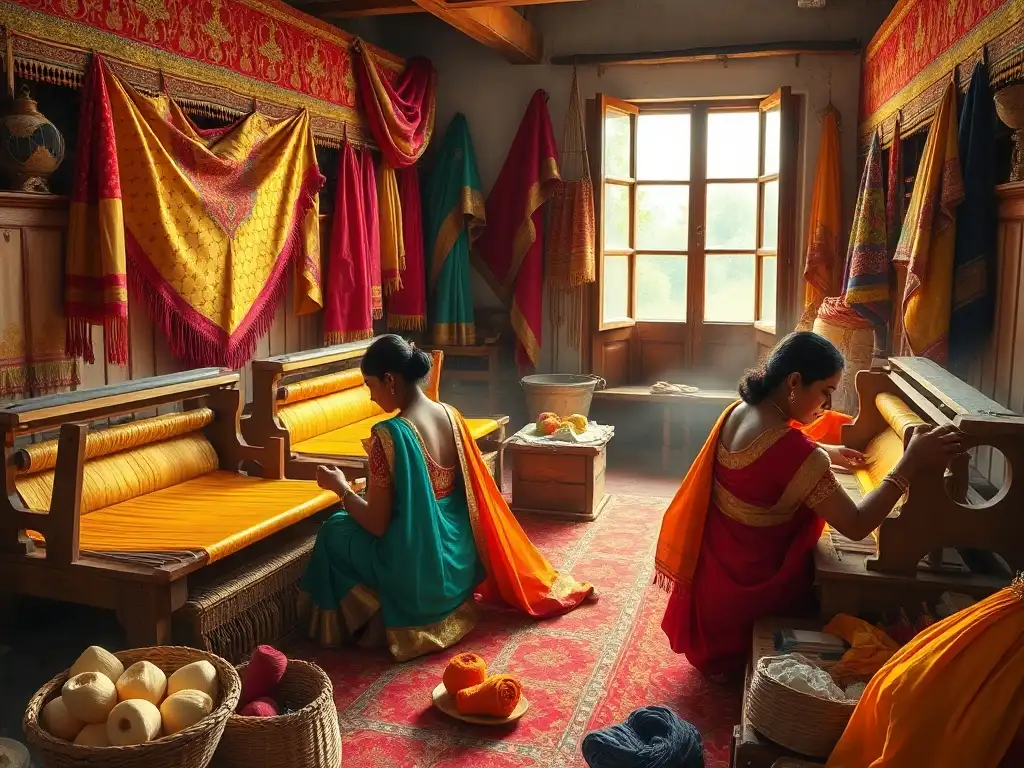
The art of silk weaving in ancient India is a testament to the intricate craftsmanship and cultural significance that textiles held in society. Different regions developed unique techniques and traditions that not only defined their silk production but also reflected their local cultures and lifestyles. This section explores the traditional methods, the pivotal roles of artisans, and how these ancient techniques have evolved into modern practices.
Traditional Weaving Methods in Ancient India
In ancient India, silk weaving was characterized by several traditional methods that varied across different regions. Each technique was often closely linked to the local culture, climate, and available resources. Some notable weaving methods include:
- Jacquard Weaving: Originating from the intricate designs of the ancient Indian weavers, this method allowed for complex patterns to be woven into the fabric. The use of wooden looms facilitated the creation of richly designed sarees and shawls.
- Kanchipuram Weaving: Hailing from Tamil Nadu, this technique is known for its vibrant colors and gold thread embellishments. Kanchipuram silk sarees are a perfect blend of artistry and durability, showcasing motifs inspired by temple architecture and nature.
- Banarasi Weaving: In Varanasi, the silk weaving tradition incorporates the use of fine silk threads adorned with intricate zari work. These sarees often feature elaborate designs that reflect the rich cultural heritage of the region, making them highly sought after for weddings and special occasions.
- Patola Weaving: The Patola sarees from Gujarat are famous for their double ikat technique, where the dyeing process is done before weaving. This method produces visually striking geometric patterns and vibrant colors that are both durable and elegant.
Each of these techniques involves meticulous craftsmanship, often passed down through generations, ensuring that the rich heritage of silk weaving remains alive.
The Role of Artisans and Weavers in Silk Production
Artisans and weavers have been at the heart of silk production in ancient India. Their skills and knowledge have not only contributed to the economy but have also played a crucial role in preserving cultural identity. The following points highlight their significance:
- Cultural Custodians: Weavers serve as custodians of traditional knowledge, maintaining the skills and techniques that define regional silk weaving. Their ability to create unique pieces reflects the diverse cultural narratives of India.
- Economic Contributors: Silk production has historically been a significant source of income for many families in rural areas. Artisans often work collaboratively, forming cooperatives that enhance their market reach and ensure fair wages.
- Innovation and Adaptation: While rooted in tradition, weavers have also shown adaptability by experimenting with contemporary designs and techniques. This innovation has allowed ancient crafts to remain relevant in the modern textile market.
- Artistic Expression: The work of artisans goes beyond mere production; it is an art form that expresses personal and collective stories. The motifs and patterns they choose often signify historical events, religious beliefs, or local folklore.
Modern Adaptations of Ancient Techniques in Contemporary Silk Production
The evolution of silk weaving from ancient to modern times reflects a blend of tradition and innovation. Contemporary silk production draws inspiration from ancient techniques while incorporating modern technology and design sensibilities. Key aspects include:
- Technology Integration: Modern looms and weaving technology have enhanced production efficiency while maintaining the quality of silk. Digital designs are now being incorporated, allowing for new patterns and styles that appeal to contemporary consumers.
- Sustainable Practices: Many artisans are embracing sustainable practices by using eco-friendly dyes and natural materials. This aligns with the growing consumer demand for sustainable fashion while preserving ancient techniques.
- Global Market Reach: With the rise of e-commerce, traditional silk products are now accessible to a global audience. Artisans are leveraging online platforms to showcase their work, thus expanding their markets beyond local boundaries.
- Collaborative Collections: Designers are increasingly collaborating with traditional weavers to create fusion collections that marry ancient techniques with modern aesthetics. This not only revitalizes the craft but also provides artisans with a platform to showcase their skills.
The rich heritage of silk production in ancient India continues to thrive through the dedication of artisans and the adaptation of traditional methods. This fusion of old and new ensures that the legacy of silk weaving remains an integral part of India's cultural fabric.
The Global Influence of Indian Silk
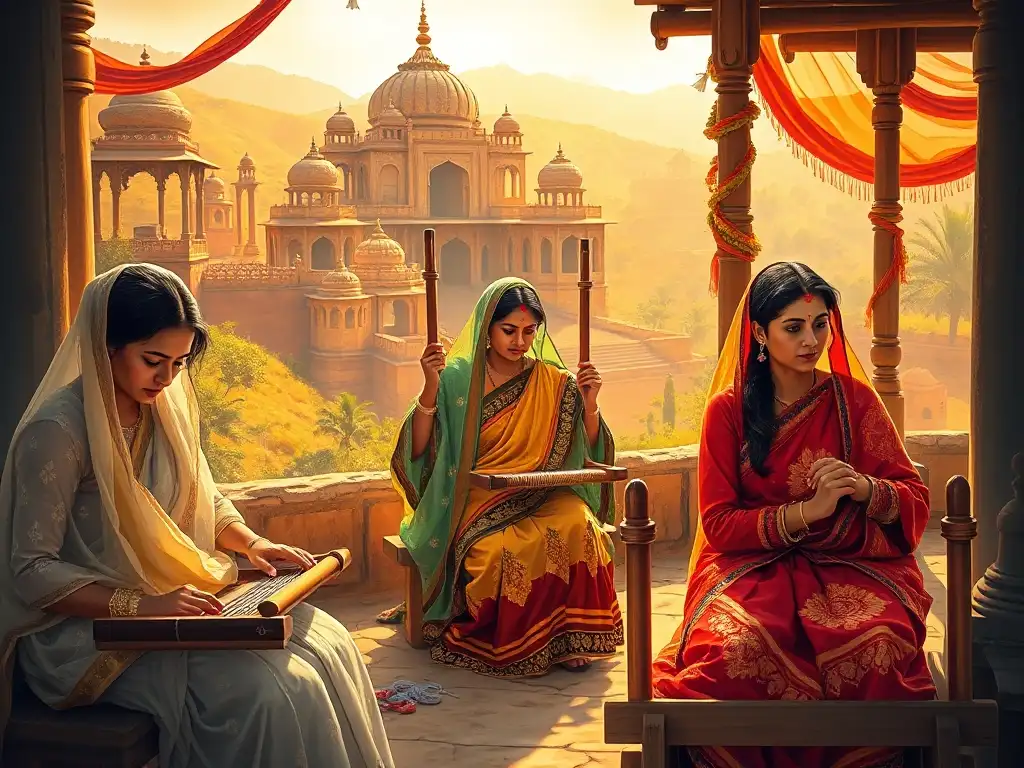
Silk production in ancient India has had a profound impact not only on the local economy but also on global trade and cultural exchanges. From its origins in the Indus Valley, where evidence of silk weaving dates back to around 2500 BCE, to the flourishing trade networks established during the Maurya and Gupta Empires, Indian silk has played a pivotal role in shaping fashion and textile practices across the world. This influence can be traced through several key aspects, including trade routes and exchanges, as well as the impact on global fashion trends.
Trade Routes and Silk Exchange in Ancient Times
The ancient trade routes that connected India with other parts of Asia, Europe, and Africa were crucial for the dissemination of silk.
- Silk Road: The most famous of these routes, the Silk Road, linked India with China, Persia, and the Mediterranean. Indian merchants played a significant role in this trade, transporting silk textiles across vast distances.
- Maritime Routes: In addition to overland trade, maritime routes were equally important. Ports along the western coast of India, such as Lothal and Surat, became bustling hubs for silk trade, facilitating exchanges with traders from Arabia, East Africa, and beyond.
The exchange of silk was not merely a commercial venture; it also fostered cultural interactions. Indian silk fabrics, known for their intricate designs and vibrant colors, were highly sought after in foreign markets, influencing local textile practices. The blending of styles resulted in unique fabrics that combined Indian artistry with local techniques.
The Impact of Indian Silk on Global Fashion Trends
The allure of Indian silk extended beyond its aesthetic appeal; it also played a significant role in shaping fashion trends across various cultures.
- Cultural Significance: In ancient Rome, for instance, Indian silk was considered a luxury item, often associated with status and wealth. Roman writers, such as Pliny the Elder, noted the popularity of Indian silk in their writings, highlighting its influence on Roman fashion.
- Adaptations in Other Cultures: Similarly, in regions like Persia and the Middle East, Indian silk inspired local weaving traditions, leading to the creation of new textile forms. The intricate motifs and patterns of Indian silk were adopted and adapted, creating hybrids that reflected both Indian and local aesthetics.
- Modern Legacy: The legacy of Indian silk continues to resonate today. Contemporary fashion designers still draw inspiration from ancient Indian silk textiles, utilizing traditional techniques and motifs to create modern garments. The global fashion industry recognizes the rich heritage of Indian silk, leading to a resurgence of interest in authentic Indian silk products.
Silk production in ancient India not only contributed to the local economy but also significantly influenced global trade and fashion trends. The intricate connections established through trade routes facilitated the exchange of not just goods, but also ideas and cultural practices, leaving an indelible mark on the history of textiles around the world.
How to Ensure Authenticity When Buying Silk
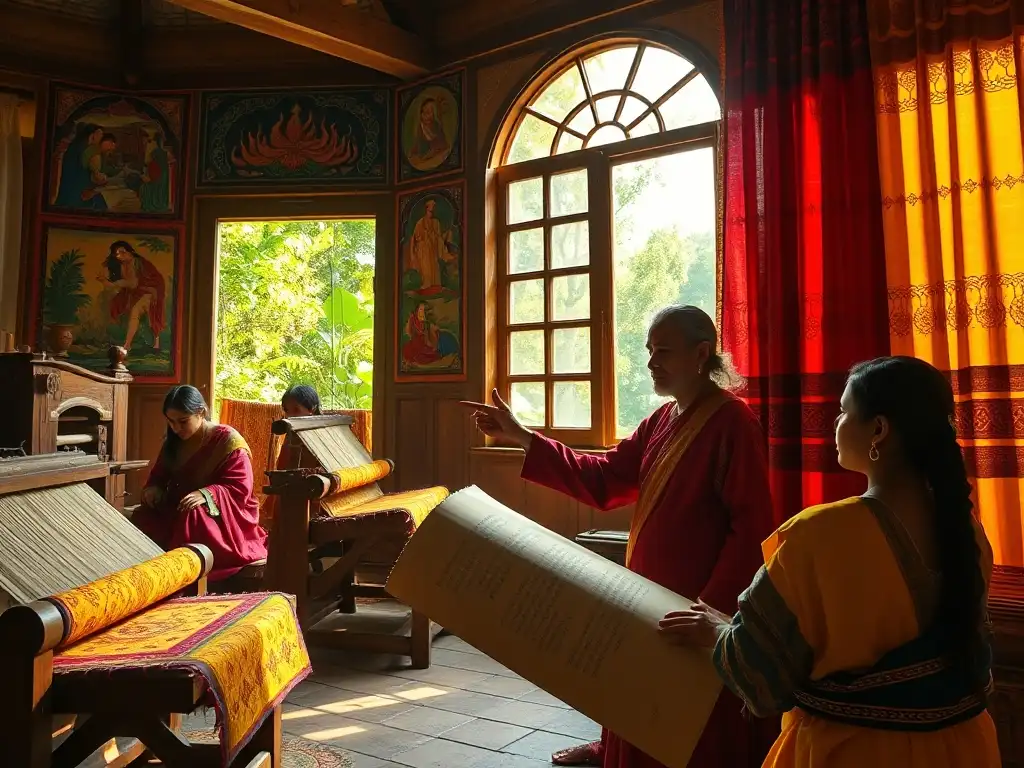
In the realm of textiles, silk holds a special place due to its luxurious feel and historical significance, especially in the context of ancient India. As you venture into the world of silk production in ancient India, it becomes crucial to discern authentic silk from imitations. This section provides insights and practical tips to ensure that your silk purchases are genuine and reflect the rich heritage of Indian craftsmanship.
Identifying Genuine Silk vs. Imitations
When it comes to recognizing real silk, several characteristics set it apart from synthetic alternatives. Here are key features to help you identify genuine silk:
- Texture:
- Real silk has a smooth, soft texture. When you run your fingers over it, it should feel luxurious and slightly cool.
- Imitation silk often feels slippery or overly shiny, lacking the natural sheen of genuine silk.
- Lustre:
- Authentic silk exhibits a natural sheen that changes with the angle of light, providing a rich, vibrant appearance.
- Synthetic silk usually has a uniform shine that can appear overly glossy.
- Burn Test:
- If you can safely conduct a burn test, genuine silk will burn slowly, producing a smell similar to burnt hair and leaving a fine ash.
- In contrast, synthetic fibers burn quickly with a chemical odor and form hard beads.
- Water Test:
- Real silk absorbs water rather than repelling it, and if you place a drop of water on its surface, it will be absorbed rather than bead up.
- Imitations will often repel water.
Note: Always exercise caution when performing tests, and consider the impact on the fabric's integrity.
Tips for Buying Authentic Indian Silk Online
Shopping for silk online can be a rewarding experience, but it also presents unique challenges. Here are some practical tips to help you navigate the online marketplace successfully:
- Research the Seller:
- Check for reviews and ratings from previous customers.
- Look for sellers with a long-standing reputation in the silk industry.
- Read Product Descriptions Carefully:
- Authentic sellers will provide detailed descriptions, including the type of silk, weaving techniques, and care instructions.
- Be wary of vague descriptions that do not specify the material.
- Request Swatches:
- If possible, ask for fabric swatches before making a full purchase.
- This allows you to assess the texture and quality firsthand.
- Check Return Policies:
- Ensure that the seller has a customer-friendly return policy, allowing you to return the item if it does not meet your expectations.
- Look for Certifications:
- Some sellers provide certification or authenticity guarantees that can help validate the quality of the silk.
- Compare Prices:
- If the price seems too good to be true, it likely is. Authentic silk is a premium product and typically commands a higher price.
Recommended Platforms and Stores for Genuine Silk Products
To facilitate your search for authentic Indian silk, here are some reputable platforms and stores renowned for their quality silk products:
| Platform/Store | Description |
|---|---|
| Tantavi | Offers a wide range of handwoven silk sarees and textiles, with a focus on traditional craftsmanship. |
| Jaypore | A curated marketplace that showcases handcrafted silk products from various artisans across India. |
| Fabindia | Known for its commitment to sustainable practices, Fabindia provides authentic silk garments and home textiles. |
| Amazon India | Look for verified sellers and read customer reviews; a wide variety of silk products are available. |
| Etsy | A platform for artisans, where you can find unique, handmade silk items directly from creators. |
Choosing the right platform can significantly enhance your shopping experience, ensuring that you acquire genuine silk products that honor the rich legacy of silk production in ancient India.
Conclusion: The Legacy of Silk Production in Ancient India
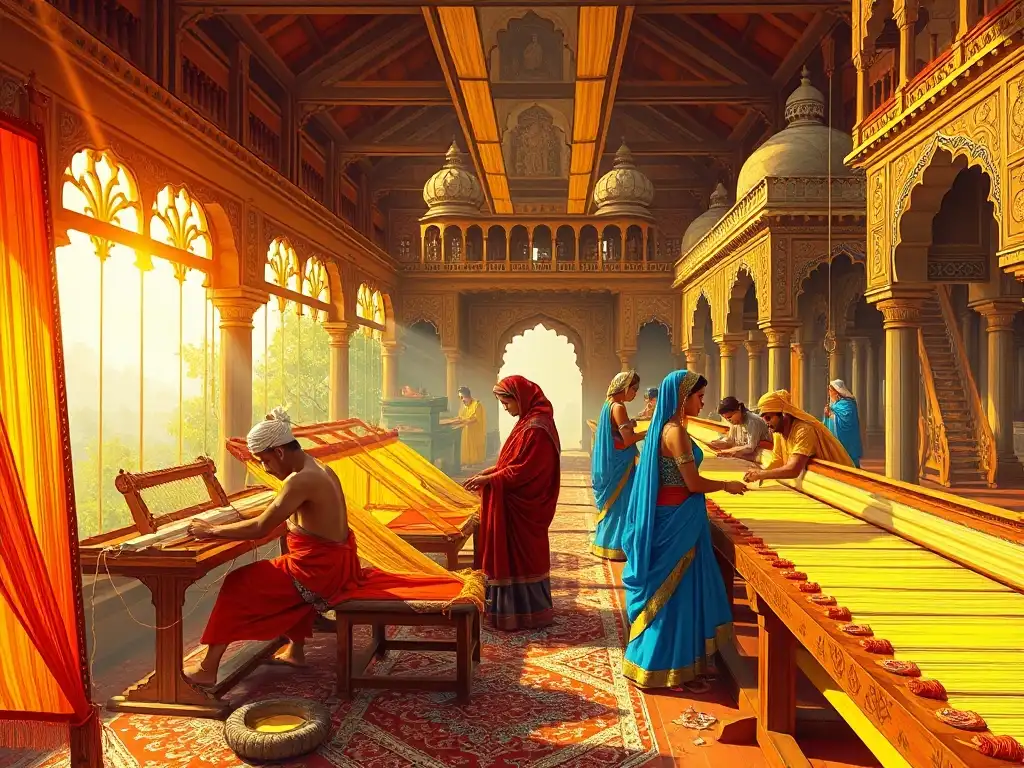
The legacy of silk production in ancient India is a testament to the ingenuity and craftsmanship of its civilizations. From the early weavers of the Indus Valley to the sophisticated techniques developed during the Gupta Empire, the production of silk has played a crucial role in shaping the socio-economic and cultural landscape of the region. The intricate methods and designs that emerged have left an indelible mark on both local and global textile traditions.
Summary of Key Regions and Their Contributions
Ancient India was home to several key regions renowned for their silk production:
- Indus Valley Civilization (c. 3300–1300 BCE):
- The earliest evidence of silk weaving was found in sites like Mohenjo-Daro and Harappa.
- Archaeological findings suggest that the people engaged in advanced textile techniques, including dyeing and weaving.
- East India (Bengal):
- Known for its exquisite "Muslin" and later for Tussar silk, Bengal became a hub of silk trade.
- The craftsmanship of Bengal weavers set high standards for quality and design.
- South India (Kanchipuram and Mysore):
- Kanchipuram silks are famous for their vibrant colors and intricate gold zari work.
- Mysore is recognized for its silk sarees, which incorporate rich patterns and traditional motifs.
- Western India (Gujarat):
- Gujarat's silk production, particularly in the form of Patola sarees, showcases double ikat techniques that are unique to the region.
- The state played a significant role in the maritime trade of silk, connecting India with international markets.
The Lasting Impact of Ancient Silk Traditions on Modern Fashion
The influence of ancient silk production in India continues to resonate in today's fashion landscape. Modern designers often draw inspiration from the techniques, patterns, and motifs that have their roots in ancient practices. The following aspects highlight this enduring legacy:
- Revival of Traditional Techniques:
- Many contemporary artisans and designers are reviving ancient weaving techniques, ensuring that the craftsmanship is not lost.
- Initiatives to promote handloom and sustainable practices have gained traction, echoing the values of ancient weavers.
- Fusion Fashion:
- The integration of traditional silk textiles into modern clothing styles has led to a unique fusion, appealing to both local and global markets.
- Designers are creatively combining ancient designs with contemporary silhouettes, making silk accessible to a broader audience.
- Cultural Significance:
- Silk garments continue to play a vital role in Indian culture, often worn during festivals, weddings, and rituals.
- The cultural narratives embedded in silk designs connect the past with the present, enriching the fashion narrative.
The remarkable history of silk production in ancient India is not only a reflection of the country's rich heritage but also a vibrant influence on modern fashion. As we continue to explore and celebrate these traditions, we ensure that the legacy of silk endures for future generations.
Call to Action
Embark on a journey through the vibrant world of ancient Indian silk production! From the intricate artistry of weavers to the historical significance of silk in trade and culture, exploring this rich heritage can deepen your appreciation for authentic textiles. Whether you're a historian, a textile enthusiast, or simply seeking the perfect addition to your wardrobe, understanding the nuances of silk production in ancient India is essential.
Explore More about Ancient Indian Textiles
Delve into the fascinating history of silk production in ancient India, where regions such as Kanchipuram, Banaras, and Mysore played crucial roles in developing this luxurious fabric. Each of these areas is known for its unique techniques, patterns, and weaving traditions that have been passed down through generations.
- Kanchipuram: Renowned for its rich silk sarees with intricate gold zari work, Kanchipuram's weavers employ techniques that date back to the Chola dynasty.
- Banaras (Varanasi): Famous for its opulent brocade silk sarees, Banaras has a legacy of weaving that includes stunning motifs inspired by nature and mythology.
- Mysore: Known for its lightweight silk and vibrant colors, Mysore silk sarees are characterized by their elegant designs and soft texture.
Incorporating these elements into your understanding not only enhances your knowledge of silk production but also allows you to appreciate the cultural significance woven into each piece.
Find Your Perfect Authentic Silk Piece Today!
Ready to add a touch of ancient elegance to your wardrobe? Discover authentic Indian silk pieces that reflect the rich traditions of ancient weavers. Here are some tips for finding the perfect silk item:
- Research Reputable Dealers: Look for sellers who provide transparency about their sourcing and production methods.
- Check for Authenticity: Ensure the fabric is genuine silk by conducting a burn test or checking for the silk label.
- Understand the Weaving Technique: Familiarize yourself with different weaving styles, such as handloom or machine-made, to find what suits your preference.
- Explore Regional Differences: Each region in India has its unique characteristics in silk production; knowing these can help you choose a piece that resonates with your style.
By taking these steps, you can confidently invest in high-quality, authentic Indian silk that celebrates the legacy of ancient craftsmanship. ✨
Frequently Asked Questions
What regions in ancient India were known for silk production?
Ancient India saw silk production primarily in regions like Bihar, West Bengal, and Assam, where the climate and resources were conducive to sericulture.
How did the Indus Valley Civilization contribute to silk production?
The Indus Valley Civilization is believed to have had an advanced understanding of sericulture, which laid the groundwork for silk weaving techniques that flourished in later periods.
What role did the Gupta Empire play in the silk trade?
During the Gupta Empire, silk trade thrived, connecting India with other civilizations, and leading to a boom in economic prosperity and cultural exchanges.
How was silk used in ancient Indian society?
Silk was highly valued in ancient India for its luxurious texture and was used in garments, religious attire, and as a symbol of status and wealth.
What were the techniques used in ancient silk production?
Ancient silk production in India involved manual processes such as sericulture, spinning, and weaving, often passed down through generations to ensure high-quality fabric.
Final Reflection: The Timeless Legacy of Silk Production in India
The intricate art of silk production in ancient India remains profoundly relevant today, as it weaves together the threads of culture, history, and craftsmanship. The enduring legacy of this exquisite textile not only showcases the rich heritage of Indian artisans but also highlights the importance of preserving traditional practices in an ever-evolving world. As we explore the regions renowned for their silk, we uncover stories of resilience and creativity that continue to inspire generations.
The impact of silk production transcends mere economic value; it shapes cultural identities and fosters community bonds. From the vibrant weaves of Varanasi to the delicate patterns of Kanchipuram, each region tells a unique story that reflects its people and traditions. As the renowned designer Sabyasachi Mukherjee once said, Fashion is not just about clothes; it is about the stories we tell through them.
This sentiment resonates deeply in the world of silk, where every thread is infused with history and meaning, reminding us of the interconnectedness of our cultural narratives.
As we reflect on the significance of silk production in ancient India, let us embrace the lessons it offers for our own lives. Consider how you can honor and preserve the traditions that shape your identity, whether through supporting local artisans or engaging with your cultural heritage. In a world that often prioritizes the new and the fast, take a moment to appreciate the beauty of craftsmanship and the stories woven into every piece of silk. Together, we can ensure that the legacy of silk continues to flourish for generations to come.
Dive Into the World of Indian Silk!
Thank you for exploring the rich tapestry of India's silk production with us! You've uncovered the beauty and heritage behind this exquisite fabric. Now, it's time to take the next step and immerse yourself even deeper into this fascinating topic.
Here are some exciting actions for you to consider:
- Visit a local silk market or craft fair to experience the luxury of silk firsthand. Supporting local artisans helps preserve these timeless traditions!
- Share your newfound knowledge with friends or on social media—spark a conversation about the history and significance of silk in India.
- Explore online resources or documentaries to discover the intricate processes of silk weaving and the regions renowned for crafting these beautiful fabrics.
What moment in India’s silk journey surprises you the most, or which region are you eager to learn about next? Your insights could inspire others to explore the wonders of Indian silk!