
The Connection Between Nature and Rituals in Ancient Indian Society

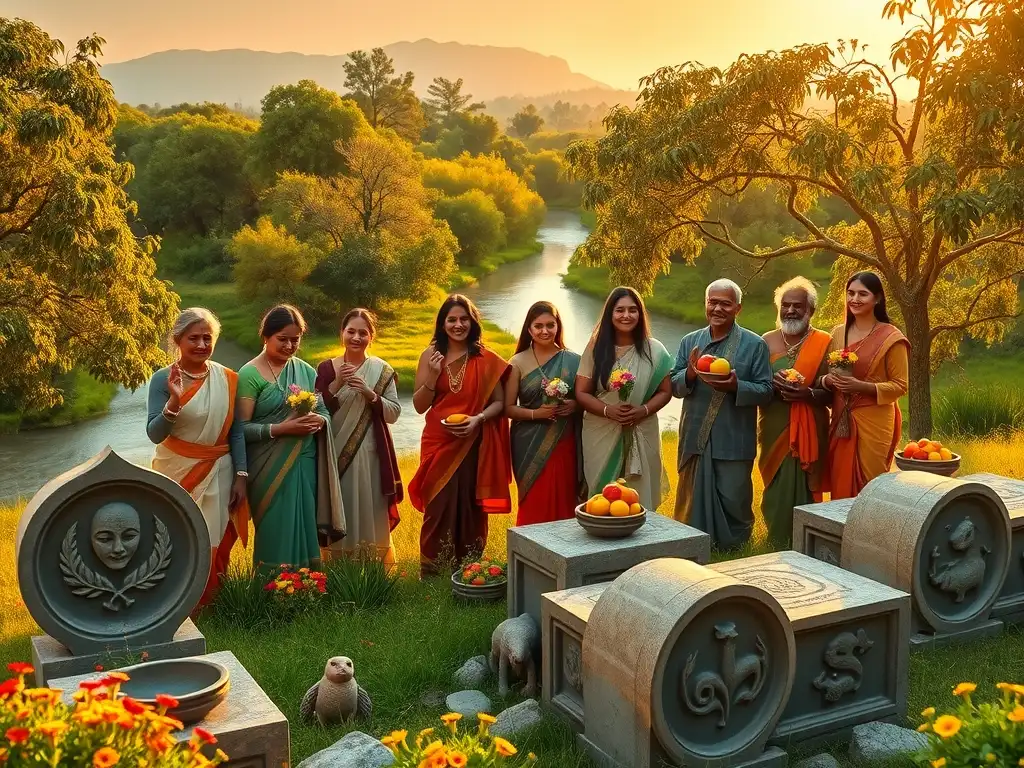
Welcome to Ancient India History, where we embark on an enlightening journey through the rich tapestry of India's past. In this exploration, we invite you to delve into the captivating world of nature rituals in ancient India. Discover how these sacred practices intertwined with the landscapes and seasons, reflecting a profound connection between the earth and the spiritual realm.
As you navigate through our articles, prepare to uncover the vibrant traditions and cultural significance that shaped the lives of ancient civilizations, from the remarkable Indus Valley to the glorious Gupta Empire. Let your curiosity guide you as you dive deeper into the fascinating rituals that continue to resonate today!
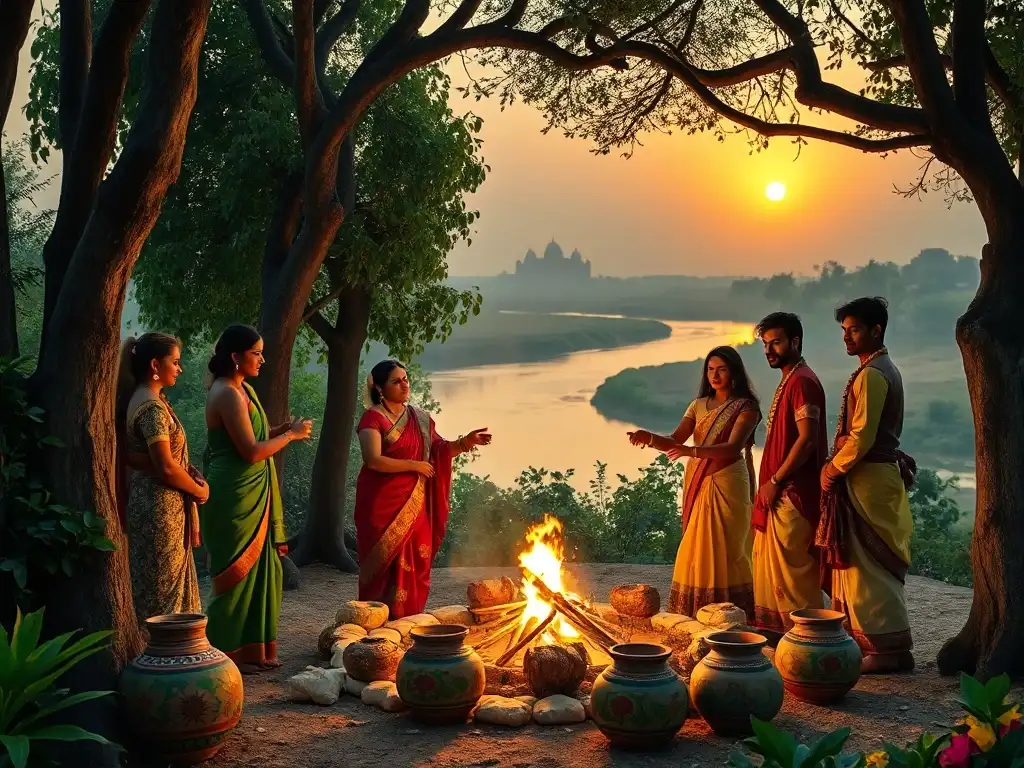
Introduction to Nature Rituals in Ancient India
Ancient Indian society was profoundly intertwined with nature, and this connection is vividly reflected in its rituals and ceremonies. The concept of nature rituals in ancient India encompasses a wide array of practices that were not merely ceremonial but also served as a means of fostering a deeper relationship between humanity and the natural world.
These rituals often celebrated the changing seasons, agricultural cycles, and natural elements, highlighting the reverence ancient Indians held for the environment. This article will explore the multifaceted relationship between nature and rituals within ancient Indian culture, examining how these practices were rooted in spirituality, traditions, and the geographical context of the region.
Overview of Rituals in Ancient Indian Culture
Rituals in ancient India were an integral part of daily life and societal functioning. They encompassed a variety of practices, including:
- Agricultural Festivals: Celebrating the harvest and the fertility of the land.
- Seasonal Ceremonies: Marking changes in weather and seasonal transitions, such as the arrival of monsoons.
- Offerings and Sacrifices: Conducted to please deities and ensure harmony with nature.
These rituals were designed to express gratitude, seek blessings, and maintain a balance between the human community and the natural world. The spiritual significance of these practices was often reflected in literature, art, and oral traditions, influencing generations.
Importance of Nature in Ancient Indian Beliefs
Nature was not just a backdrop in ancient Indian thought; it was revered as a living entity imbued with spiritual significance. Key aspects of this belief system included:
- Personification of Natural Elements: Rivers, mountains, and forests were often personified as deities, such as Ganga representing the sacred river, or Parvati symbolizing the mountains.
- Cycles of Life: Rituals often mirrored the cycles of nature, such as birth, growth, decay, and rebirth, emphasizing the interconnectedness of all life forms.
- Environmental Stewardship: Ancient texts and traditions emphasized the need to respect and protect nature, viewing it as essential for human prosperity and well-being.
This intrinsic value placed on nature shaped the way rituals were conducted, ensuring that they aligned with the rhythms of the natural world.
Historical Context of Nature Rituals
To fully grasp the significance of nature rituals in ancient India, it is crucial to explore their historical context. This includes the understanding of spirituality and the geographical influences that shaped these practices.
Nature and Spirituality in Ancient Indian Civilizations
Ancient Indian civilizations, such as the Indus Valley and later the Vedic societies, exhibited a harmonious relationship with nature through their spiritual practices. Key elements of this connection included:
- Vedic Rituals: The Vedas, ancient Indian scriptures, contain numerous hymns and rituals that invoke natural elements, illustrating their importance in spiritual life.
- Philosophical Underpinnings: Concepts from Hinduism, Buddhism, and Jainism emphasize the sanctity of nature and the interdependence of all beings, which often found expression in ritualistic practices.
- Sacred Landscapes: Certain locations were deemed sacred, and rituals conducted in these spaces were believed to enhance their spiritual potency.
Understanding these elements provides insight into how deeply nature was woven into the spiritual fabric of ancient Indian society.
Influence of Geography on Ritual Practices
The diverse geography of India, ranging from the towering Himalayas to the vast plains and deserts, significantly influenced the nature of rituals practiced across different regions. Notable aspects include:
- Regional Variations: Different landscapes led to unique rituals; for instance, riverine societies celebrated water deities, while agrarian communities focused on fertility and crop cycles.
- Seasonal Adaptations: Rituals were adapted based on climatic conditions, such as monsoon celebrations in the western regions and harvest festivals in the fertile Ganges plains.
- Cultural Exchange: Trade routes and interactions with neighboring civilizations facilitated the exchange of ideas and rituals, enriching the tapestry of nature-based practices.
The exploration of nature rituals in ancient India reveals a profound respect for the environment and a deep understanding of its significance in spiritual and cultural life, illustrating how ancient societies recognized their dependence on nature and sought to honor it through ritualistic practices.
Types of Nature Rituals in Ancient India
Ancient Indian society was deeply intertwined with the natural world, and this connection was vividly expressed through various rituals. These nature rituals in ancient India served multiple purposes, ranging from agricultural practices to seasonal celebrations, and were integral to the spiritual and social fabric of the civilization. They not only honored the environment but also reflected the reverence that ancient Indians had for the cycles of nature.
Agricultural Rituals and Their Significance
Agricultural rituals were fundamental in ancient Indian society, as they directly influenced the fertility of the land and the success of crops. These rituals often involved prayers, offerings, and ceremonies performed at the onset of the planting season and during harvest time.
Key agricultural rituals included:
- Puja (Worship) of agricultural deities: Farmers would offer prayers to deities such as Annadata, the giver of grains, and Varuna, the god of rain, to seek blessings for bountiful harvests.
- Rituals of sowing and harvesting: Specific rituals marked the sowing of seeds and the gathering of crops, often accompanied by songs and dances that celebrated the agrarian lifestyle.
- Sacrifices and offerings: Some communities performed animal sacrifices or offered fruits and grains to appease the earth and ensure a good yield.
These rituals highlighted the importance of agriculture in sustaining life and the community's dependence on nature's benevolence.
Seasonal Festivals Reflecting Nature's Cycles
Seasonal festivals in ancient India celebrated the changing cycles of nature, marking significant agricultural events and transitions in the weather. These festivals were often tied to the solar and lunar calendars, aligning celebrations with important seasonal changes.
Prominent seasonal festivals included:
- Makar Sankranti: Celebrated at the winter solstice, this festival marks the transition of the sun into the zodiac sign of Capricorn and is associated with the harvest season in many parts of India.
- Holi: Known as the festival of colors, Holi celebrates the arrival of spring and the end of winter, symbolizing the victory of good over evil and the joy of new beginnings.
- Pongal: This South Indian harvest festival is celebrated to thank the sun god and nature for a good harvest, involving cooking rice and offering it to deities.
These festivals not only reinforced agricultural cycles but also fostered community bonds through shared rituals and celebrations.
Water Rituals: Worship of Rivers and Rain
Water holds a sacred place in ancient Indian rituals, with rivers often personified as goddesses. The worship of water bodies and rain was crucial for agrarian societies that relied on monsoon patterns for irrigation.
Key aspects of water rituals included:
- Ganga Puja: The River Ganges was worshipped as the holiest river, where rituals such as bathing and offerings were performed to seek purification and blessings.
- Rain ceremonies: During periods of drought or when rain was needed, communities would conduct rituals to invoke rain, often involving chanting, offerings, and processions.
- Rituals at sacred lakes and rivers: Many ancient texts describe rituals conducted at lakes and rivers during festivals, emphasizing the reverence for water as a life-sustaining force.
These water rituals demonstrated the significance of water in sustaining life and emphasized the intrinsic connection between nature and spirituality.
Symbolism of Nature in Ancient Indian Rituals
Nature's elements were not merely backdrops for rituals; they were imbued with deep symbolic meanings in ancient Indian culture. Each element represented various aspects of life, spirituality, and the cosmos.
Elements of Nature: Earth, Water, Fire, and Air
In ancient Indian rituals, the four primary elements—earth, water, fire, and air—were regarded as sacred and were often invoked during ceremonies.
- Earth (Prithvi): Symbolizing stability and nourishment, the earth was honored through rituals involving offerings made from the soil and grains.
- Water (Apas): Water's purifying qualities were celebrated, making it central to many rites, including snana or ritual bathing.
- Fire (Agni): Fire was considered a medium between the gods and humans, utilized in homa (fire sacrifices) to carry offerings to the deities.
- Air (Vayu): Air represented life and breath, and rituals often included chants and prayers to honor this vital element.
These elements formed the basis of many rituals, reinforcing the interconnectedness of life and the environment.
Animal Symbolism in Ritual Practices
Animals played a significant role in ancient Indian rituals, symbolizing various virtues and qualities. They were often seen as sacred beings that carried messages from the divine.
- Cows: Revered as a symbol of wealth and motherhood, cows were central to agricultural rituals and were often adorned and worshipped.
- Birds: Certain birds, like the peacock, were associated with specific deities and were included in various ceremonies, symbolizing beauty and grace.
- Elephants: Considered auspicious and associated with Ganesha, the elephant-headed god, they were often part of processions and rituals, symbolizing strength and wisdom.
Animal symbolism enriched the ritualistic landscape, emphasizing the sacredness of all forms of life.
Sacred Groves and Their Role in Rituals
Sacred groves, or sacred forests, were protected areas of land where rituals and ceremonies were conducted. These groves served as vital ecological sites and were often dedicated to specific deities.
- Biodiversity reservoirs: Sacred groves preserved diverse flora and fauna, believed to be imbued with spiritual significance, fostering respect for the environment.
- Ritual spaces: These groves acted as natural sanctuaries for rituals, where communities gathered to honor deities, celebrate festivals, and conduct rites of passage.
- Cultural heritage: The traditions surrounding sacred groves highlighted the importance of environmental conservation in ancient Indian culture, emphasizing the need to maintain harmony with nature.
The role of sacred groves in rituals exemplified the deep connection between spirituality and environmental stewardship in ancient Indian society.
Nature Rituals and Their Role in Community Life
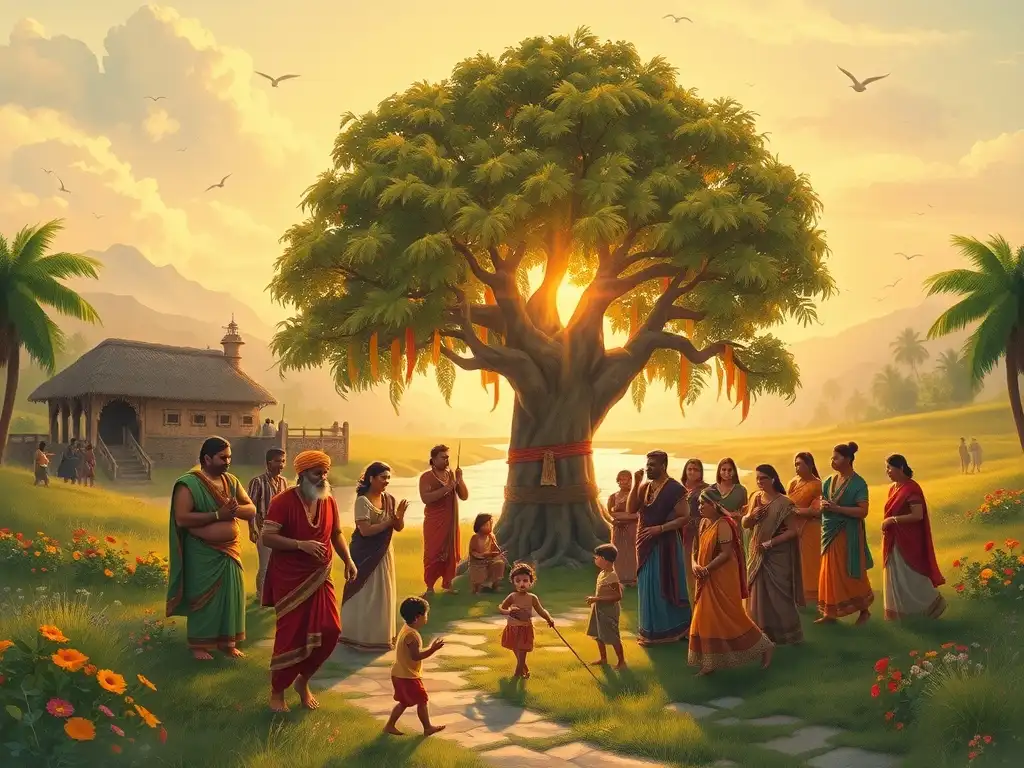
Nature rituals in ancient India served as a fundamental aspect of community life, intimately linking the people with their environment. These rituals often arose from the necessity of survival, such as agricultural practices, and were imbued with spiritual significance. Communities would gather to perform rituals that honored the natural elements, seeking blessings for bountiful harvests, favorable weather, and protection from natural calamities.
The seasonal cycles dictated the timing of these rituals, aligning them with the rhythms of nature. For instance, the onset of monsoon was celebrated with rain dances and offerings to rain deities, while harvest festivals like Pongal and Makar Sankranti were occasions for communal feasting and gratitude. These rituals not only addressed the material needs of the community but also reinforced their cultural identity and continuity through shared beliefs and practices.
Collective Participation in Nature Rituals
Collective participation in nature rituals was vital for fostering a sense of unity among community members. These gatherings allowed individuals to set aside their daily responsibilities and come together in a spirit of shared purpose. The act of performing rituals, whether through song, dance, or offerings, created a bond among participants, reinforcing their collective identity.
During these rituals, roles were often designated, allowing each member, from elders to children, to contribute meaningfully. This inclusivity not only strengthened social ties but also passed down cultural knowledge and traditions from generation to generation. The communal aspect of these rituals instilled a sense of belonging, reminding participants of their interconnectedness with one another and with the natural world.
Nature Rituals as a Means of Social Cohesion
Nature rituals served as a powerful means of social cohesion in ancient Indian society. By engaging in these rituals, communities could navigate conflicts, reinforce social hierarchies, and maintain harmony. For example, festivals centered around nature, such as Holi, where colors symbolize the arrival of spring, provided a platform for individuals to reconcile differences and celebrate unity.
The shared experience of rituals created an atmosphere of mutual respect and understanding, allowing diverse groups within a community to come together. This was especially important in multi-ethnic regions of ancient India, where varying traditions could be harmonized through common nature-based celebrations. Thus, nature rituals played an essential role in promoting peace and stability within society.
The Philosophical Underpinnings of Nature Rituals
The philosophical foundations of nature rituals in ancient India are deeply embedded in the spiritual and ethical frameworks of the time. These rituals were not merely ceremonial acts but were also expressions of profound philosophical beliefs regarding the relationship between humans, nature, and the divine.
Connection Between Nature and the Divine
In ancient Indian thought, nature was often viewed as a manifestation of the divine. Rivers, mountains, and forests were not only vital for survival but were also revered as sacred entities. Deities such as Ganga (the Ganges River) and Parvati (the goddess of the mountains) exemplified this connection, where nature was seen as a source of life and sustenance.
Rituals that honored these elements were therefore seen as a way to maintain harmony with the divine. Through offerings and prayers, individuals sought to acknowledge the power of nature and express gratitude, thereby establishing a reciprocal relationship with the deities believed to govern these natural forces.
Nature as a Teacher: Lessons from Ancient Texts
Ancient texts, such as the Vedas and Upanishads, emphasize the wisdom inherent in nature. They portray nature as a teacher, imparting lessons about balance, interdependence, and the cyclical nature of life. For instance, the concept of Prakriti (nature) in these texts signifies not only the physical world but also the underlying principles governing existence.
Rituals often included reflections on these teachings, prompting participants to contemplate their place within the larger ecosystem. Such contemplations encouraged respect for the environment and fostered a sense of responsibility toward its preservation.
The Concept of Dharma and Its Relation to Nature
The concept of Dharma, or righteous duty, is central to understanding the relationship between nature and rituals in ancient India. Each individual’s duty was believed to be aligned with the natural order, and fulfilling these duties often involved participation in nature rituals.
These rituals were seen as expressions of Dharma, reinforcing the belief that humans must live in accordance with the rhythms of nature. By honoring the natural world through rituals, individuals contributed to the maintenance of cosmic balance and societal order, thus fulfilling their moral and spiritual obligations. This interconnectedness of Dharma and nature rituals illustrates the profound respect ancient Indian societies held for their environment and the ethical implications of their interactions with it.
Conclusion: Legacy of Nature Rituals in Ancient Indian Society
The legacy of nature rituals in ancient Indian society is profound and multifaceted, shaping not only the spiritual landscape but also the socio-cultural fabric of the civilization. These rituals, deeply intertwined with the natural environment, reflect the reverence and respect ancient Indians held for nature. By integrating agricultural cycles, seasonal changes, and astrological phenomena into their rituals, they created a harmonious relationship with the earth. This connection fostered a sense of community and continuity, where rituals served as a means of celebrating life, death, and rebirth, mirroring the cycles of nature itself.
The rituals also laid the foundation for various festivals that are still celebrated today, illustrating how ancient practices have transcended time. The emphasis on nature within these rituals underscores a philosophy of coexistence and sustainability, which resonates with contemporary ecological concerns. Today, as modern society grapples with environmental challenges, revisiting these ancient practices could offer valuable insights into achieving a balance between development and ecological stewardship.
Continuing Influence of Nature Rituals in Modern India
In modern India, the influence of ancient nature rituals persists, manifesting in numerous cultural practices and festivals that continue to honor the elements of nature. Festivals like Makar Sankranti, Pongal, and Holi not only celebrate seasonal changes but also emphasize gratitude towards nature for its bounties. These festivals often include rituals that invoke blessings for agricultural prosperity, reinforcing the deep-rooted connection between the land and the community.
Moreover, contemporary spiritual movements have begun to embrace these ancient practices, promoting eco-friendly lifestyles and a return to nature-based spirituality. This revival highlights the ongoing relevance of nature rituals in guiding ethical and sustainable living, showcasing how ancient wisdom can inform modern ecological practices. The continued celebration of these rituals fosters a collective consciousness about environmental issues, encouraging communities to engage in conservation efforts.
Preservation of Ancient Nature Rituals in Contemporary Practices
The preservation of ancient nature rituals in contemporary practices is vital for maintaining cultural heritage and fostering environmental awareness. Various organizations and cultural groups in India actively work to revive and sustain these rituals by organizing workshops, festivals, and educational programs that highlight their significance. For instance, local communities often come together to perform traditional rituals during harvest seasons, ensuring that the customs are passed down to younger generations.
Additionally, there is a growing interest in eco-tourism that showcases regions where these rituals are still practiced, allowing visitors to experience firsthand the integration of nature and spirituality. This not only aids in preserving these practices but also promotes economic sustainability for local communities. By documenting and sharing these rituals through digital platforms, there is an opportunity to reach a broader audience, ensuring that the legacy of nature rituals continues to thrive in a rapidly changing world.
Further Reading on Nature Rituals in Ancient India
For those interested in exploring the intricate relationship between nature and rituals in ancient India, several resources provide in-depth insights and analyses.
Recommended Books and Articles
-
"Rituals of the Earth: Nature and Society in Ancient India" by R. S. Sharma
This book delves into the significance of various nature-based rituals and their impact on society, culture, and the environment in ancient India.
-
"The Sacred Landscape of Ancient India" by A. K. Narayan
An exploration of how landscapes influenced religious practices and rituals, providing a comprehensive understanding of their ecological connections.
-
"Festivals of India: A Cultural Perspective" by Sudha G.
This text outlines various Indian festivals, emphasizing the rituals associated with nature and their historical roots.
Suggested Documentaries and Visual Resources
-
"The Seasons of India" (Documentary)
A visual journey through the seasonal festivals in India, showcasing how nature plays a central role in the rituals observed by diverse communities.
-
"Rituals of Nature: Ancient Indian Practices" (Documentary)
This documentary highlights various nature rituals practiced in different regions of India, providing a rich tapestry of cultural heritage that links spirituality with the environment.
-
"Nature's Bounty: The Harvest Festivals of India" (Visual Resource)
A collection of short films that document the harvest festivals across India, reflecting the deep connection between agricultural practices and ancient rituals.
These resources offer valuable perspectives for anyone interested in understanding the profound connections between nature and rituals in ancient Indian society, along with their enduring legacy in contemporary culture.
- Introduction to Nature Rituals in Ancient India
- Historical Context of Nature Rituals
- Types of Nature Rituals in Ancient India
- Symbolism of Nature in Ancient Indian Rituals
- Nature Rituals and Their Role in Community Life
- The Philosophical Underpinnings of Nature Rituals
- Conclusion: Legacy of Nature Rituals in Ancient Indian Society
- Further Reading on Nature Rituals in Ancient India
Frequently Asked Questions
What were the main nature rituals in ancient India?
Ancient India featured various nature rituals that included agricultural ceremonies, water worship, and tree reverence, reflecting the society's deep connection with the natural world.
How did nature rituals influence ancient Indian culture?
These rituals fostered a spiritual connection with nature, promoting sustainability and respect for the environment, which were integral to the cultural and social fabric of ancient Indian society.
Were nature rituals practiced across all regions of ancient India?
Yes, while the specific nature rituals varied, many regions incorporated them, demonstrating a shared reverence for natural elements like rivers, mountains, and forests throughout ancient India.
How did the Gupta Empire view nature rituals?
During the Gupta Empire, nature rituals were often linked to art and literature, showcasing the philosophical and aesthetic appreciation for nature and its significance in daily life.
What role did nature rituals play in ancient Indian spirituality?
Nature rituals were essential in ancient Indian spirituality, serving as a means to connect with divine forces, seek blessings, and express gratitude, reflecting a profound interdependence between humanity and nature.
Final Reflection: The Enduring Bond Between Nature and Rituals in Ancient India
The intricate relationship between nature and rituals in ancient Indian society remains profoundly relevant today. As we navigate a world increasingly disconnected from the natural environment, the lessons embedded in these ancient practices remind us of the importance of honoring and preserving our ecological heritage. The rituals that once celebrated the cycles of nature are not merely historical artifacts; they are vital blueprints for sustainable living in our modern context.
The influence of nature rituals in ancient India continues to resonate within contemporary cultural and spiritual practices. These rituals foster a deep sense of connection to the earth, emphasizing the sacredness of nature and our role as stewards of the environment. As we witness a resurgence of interest in eco-spirituality and environmentalism, we can draw inspiration from the wisdom of our ancestors. Nature is not a place to visit. It is home.
— Gary Snyder. This quote encapsulates the essence of our relationship with nature, urging us to recognize it as an integral part of our existence.
As you reflect on the insights shared in this article, consider how you can incorporate the principles of nature rituals into your own life. Whether it's through mindfulness practices in natural settings, participating in community rituals that honor the earth, or simply taking a moment to appreciate the beauty around you, each action contributes to a deeper connection with nature. Let us embrace the teachings of ancient India, allowing them to guide us toward a more harmonious existence with the world we inhabit.
Unleash the Power of Nature and Rituals!
Thank you for exploring the fascinating relationship between nature and rituals in ancient Indian society. This exploration not only enriches your understanding but also brings the wisdom of the past into today's world. Now, let’s take the next step to deepen this connection!
Here are some actionable ways to engage with the magic of ancient traditions:
- Start your own nature ritual: Dedicate time each week to connect with nature, whether through mindful walking, meditation, or creating a simple altar using natural elements.
- Explore local nature reserves: Discover the beauty of your surroundings by visiting parks and gardens, and observe how they can inspire your personal rituals.
- Share your experiences: Join our community forum on ancientindiahistory.com to discuss your insights and learn from others who are also connecting with nature through ritual.
As you journey forward, what unique nature ritual will you create to honor the wisdom of ancient traditions in your daily life? **We invite you to share your thoughts with us! **