
The Power of Purification: Ancient Indian Cleansing Rituals Explained

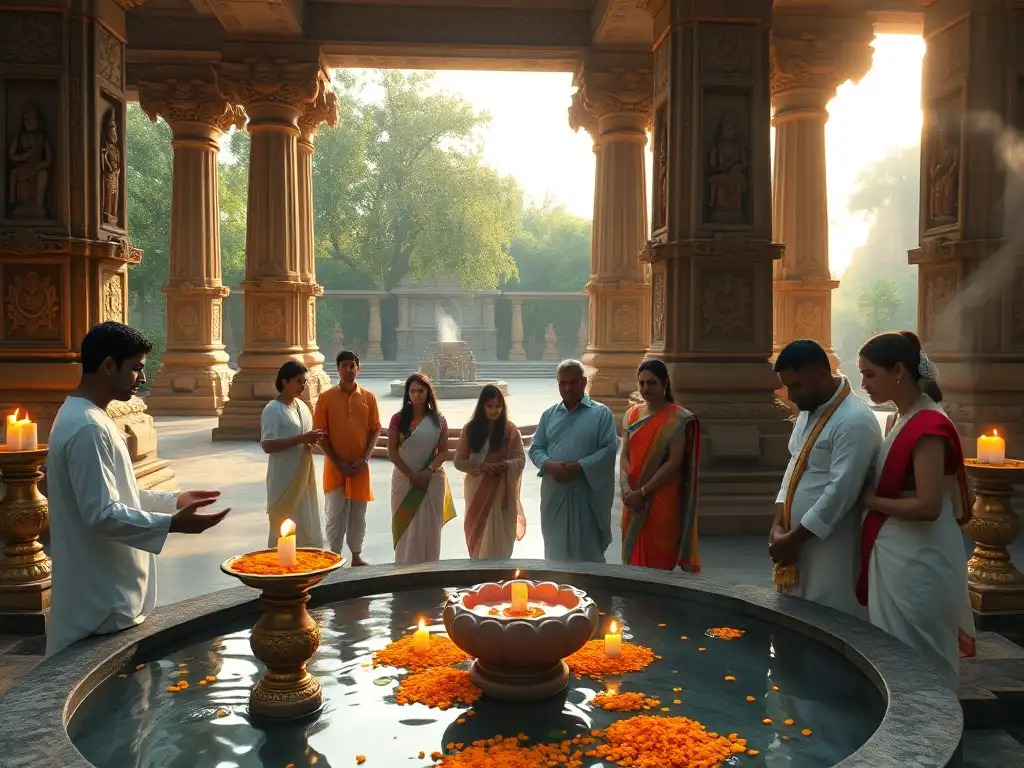
Welcome to Ancient India History, where we embark on a fascinating journey through the vibrant tapestry of India’s past. Here, we delve into the profound cleansing rituals that have shaped the spiritual and cultural landscape of ancient Indian civilizations. From the mystical practices of the Indus Valley to the transformative traditions of the Gupta Empire, discover how these purification rites not only reflect the profound beliefs of the time but also continue to resonate in contemporary society.
Are you ready to uncover the secrets behind these rituals and their enduring power? Let’s dive deeper into the world of purification and explore the rich traditions that have stood the test of time.
Throughout history, ancient Indian civilizations have placed immense significance on the concept of purification, interweaving it into the very fabric of their rituals and ceremonies. This deep-seated belief in cleansing rituals is not merely a physical act, but a spiritual journey aimed at achieving harmony within oneself and with the universe. From the meticulous practices of the Indus Valley civilization to the elaborate ceremonies of the Gupta Empire, ancient Indian cleansing rituals have been a vital component of religious and cultural life.
This article delves into the diverse array of ancient Indian cleansing rituals, exploring their meanings, methodologies, and the profound impact they have had on the spiritual landscape of India. By understanding these practices, we can gain insight into the values and beliefs that defined ancient Indian society, as well as their lasting influence on contemporary traditions.
The Significance of Cleansing in Ancient Indian Culture
The idea of purification in ancient India transcended mere physical cleanliness; it was deeply intertwined with concepts of spirituality, morality, and social order. Cleansing rituals were often seen as a prerequisite for participating in religious activities, signifying the need to approach the divine in a state of purity.
- Spiritual Rebirth: Many rituals symbolized a form of rebirth, encouraging individuals to shed impurities and emerge renewed.
- Community Well-Being: Collective cleansing practices fostered social cohesion and a sense of belonging among participants.
These rituals often involved the use of water, fire, and various natural elements, each chosen for its symbolic significance.
Types of Ancient Indian Cleansing Rituals
Ancient Indian cleansing rituals were diverse, reflecting the rich tapestry of regional traditions and religious beliefs. Some prominent types include:
- Snana (Bathing Rituals):
- Commonly performed before festivals or religious ceremonies.
- Symbolized the washing away of sins and negativity.
- Homa (Fire Offerings):
- Involved the use of sacred fire to purify offerings and participants.
- Believed to invoke blessings from deities.
- Tirtha (Pilgrimage to Sacred Waters):
- Journeying to holy rivers or lakes for purification.
- Considered a path to spiritual enlightenment.
- Ritualistic Offerings (Puja):
- Involved the presentation of food, flowers, and incense to deities.
- Served to purify the space and the participants.
Each of these rituals not only served a practical purpose but also reinforced the spiritual beliefs and values of ancient Indian society.
Influence of Cleansing Rituals on Modern Practices
The legacy of ancient Indian cleansing rituals continues to resonate in contemporary Indian culture. Many of these practices have been adapted and integrated into modern religious observances, highlighting their enduring significance. For instance:
- Festivals: Events like Diwali and Holi incorporate cleansing rituals to signify the triumph of good over evil.
- Spiritual Practices: Yoga and meditation often emphasize the importance of purifying the mind and body.
Understanding the origins and evolution of these cleansing rituals provides valuable insights into their present-day relevance, showcasing the seamless continuity of tradition in Indian culture.
Conclusion
The cleansing rituals of ancient India represent a profound aspect of the civilization's spiritual and cultural heritage. By exploring these practices, we can appreciate the intricate relationship between purification, spirituality, and community life that has shaped the Indian ethos over millennia. As we unravel the layers of these ancient rituals, we also uncover the timeless quest for purity and harmony that resonates through the ages.
- The Significance of Cleansing in Ancient Indian Culture
- Types of Ancient Indian Cleansing Rituals
- Influence of Cleansing Rituals on Modern Practices
- Conclusion
Introduction to Ancient Indian Cleansing Rituals
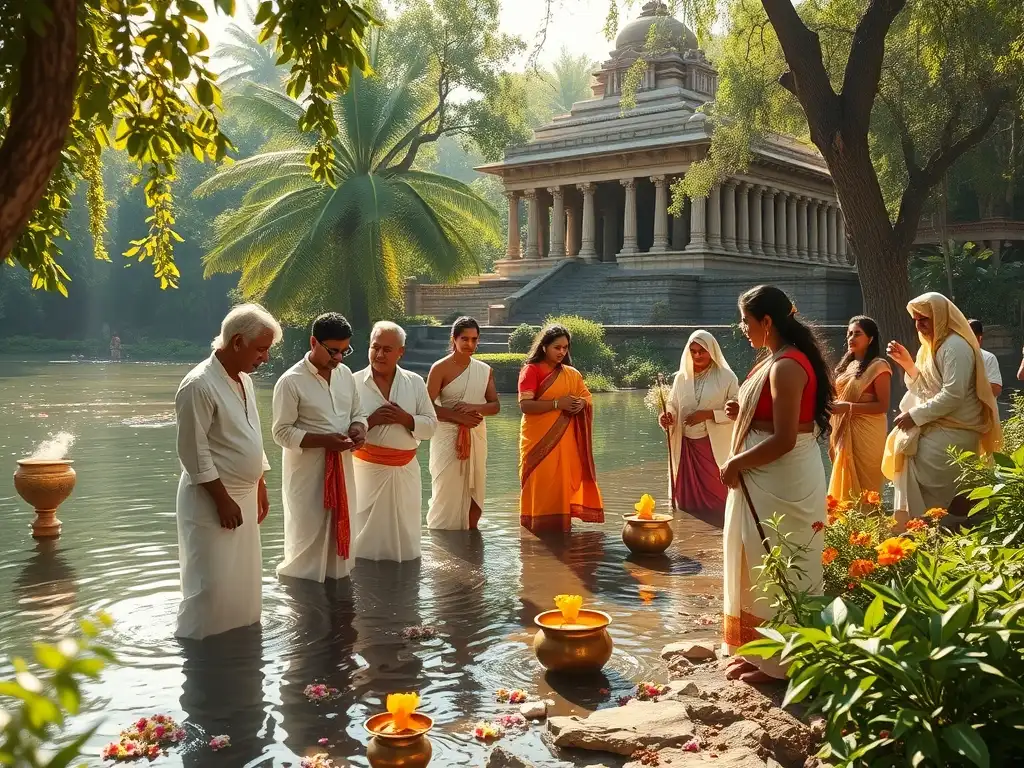
Cleansing rituals hold a significant place in the tapestry of Ancient Indian culture, reflecting the intricate relationship between spirituality, health, and communal harmony. These rituals, often rooted in religious texts and practices, served not only as acts of personal purification but also as communal events that reinforced social bonds. From the cleansing of the body to the sanctification of spaces, ancient Indian cleansing rituals were multifaceted, encompassing a wide range of practices that were believed to remove impurities and restore balance.
Understanding the Concept of Purification in Ancient Indian Culture
The concept of purification in ancient Indian culture is deeply intertwined with various philosophical and religious ideologies, particularly those found in Hinduism, Buddhism, and Jainism. Purification (Shuddhi) is perceived as essential for achieving both physical and spiritual well-being.
- Physical Purification:
- Bathing: One of the most common forms of physical purification involved ritualistic bathing in sacred rivers, such as the Ganges. It was believed that immersing oneself in these holy waters could cleanse not just the body but also the mind and soul.
- Fasting: Abstaining from certain foods was also a method used to purify the body, aligning it with spiritual practices and enhancing one’s connection to the divine.
- Spiritual Purification:
- Mantras and Prayers: Chanting specific mantras or prayers during rituals was believed to invoke divine blessings and purify the spirit. These verbal incantations were thought to have inherent power that could cleanse negative energies.
- Fire Rituals (Homa): The act of offering oblations into the sacred fire was another method of spiritual cleansing. Fire symbolizes purity and transformation, making it a vital element in various rituals.
- Environmental Purification:
- Sacred Spaces: Cleansing rituals extended to the purification of spaces, such as homes and temples. The use of water, flowers, and incense during ceremonies aimed to create an environment conducive to spiritual practices.
The holistic approach to purification emphasizes the interconnectedness of body, mind, and environment, illustrating how ancient Indian cleansing rituals were designed to achieve a comprehensive state of purity.
The Historical Significance of Cleansing Rituals in Ancient India
The historical significance of cleansing rituals in ancient India can be traced through various texts, archaeological findings, and cultural practices. These rituals played a crucial role in shaping social structures and religious practices across different civilizations.
- Cultural Integration:
- Cleansing rituals facilitated the integration of diverse communities. For instance, during significant festivals such as Kumbh Mela, millions gather for ritual bathing, reinforcing a sense of unity among people from various backgrounds and regions.
- Religious Texts:
- The Vedas, Upanishads, and Puranas contain numerous references to cleansing rituals, highlighting their importance in religious practices. These texts outline detailed procedures for purification, indicating the rituals' sacred nature and their role in maintaining dharma (moral order).
- Archaeological Evidence:
- Excavations in sites like the Indus Valley Civilization have revealed evidence of sophisticated drainage systems and bathing areas, suggesting that the practice of cleanliness and ritual purification was already established among early civilizations.
- Legacy and Evolution:
- Over centuries, these rituals evolved but retained their core significance. Modern practices often reflect ancient traditions, illustrating how cleansing rituals have adapted while maintaining their foundational cultural and spiritual meanings.
Ancient Indian cleansing rituals are not merely historical artifacts; they represent a dynamic interplay of health, spirituality, and community, continuing to influence contemporary practices and beliefs. Through understanding these rituals, we gain insights into the values and philosophies that have shaped Indian civilization over millennia.
Types of Ancient Indian Cleansing Rituals
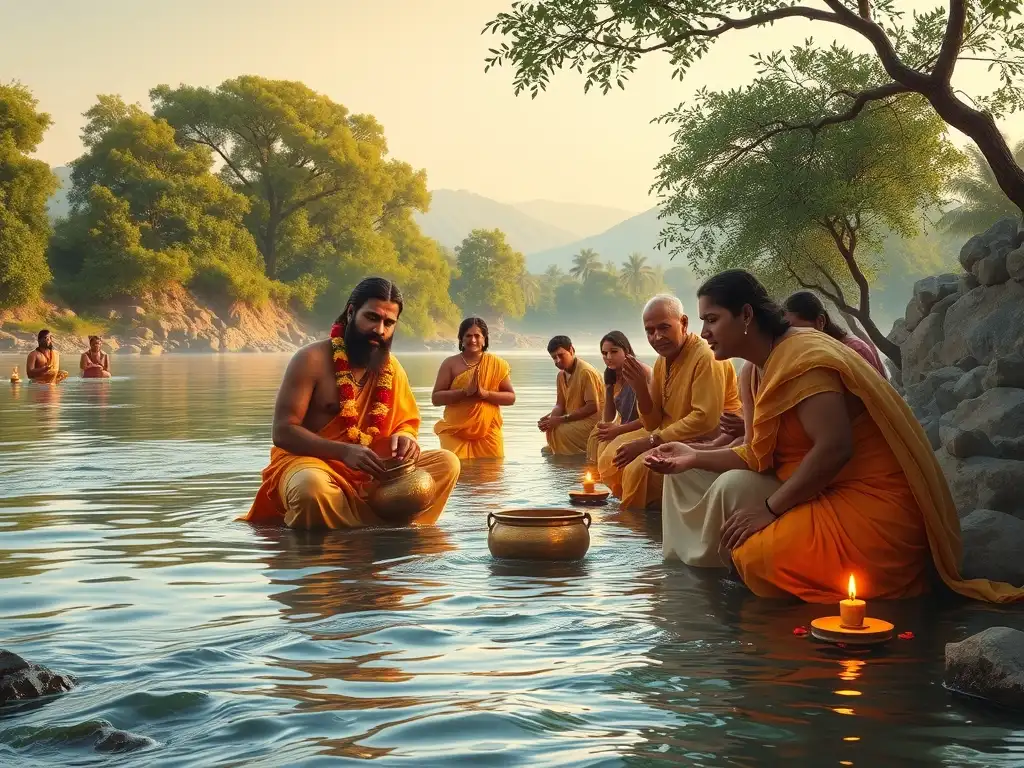
Cleansing rituals in ancient India were integral to the spiritual and daily lives of its inhabitants. These rituals not only served the purpose of physical cleanliness but also symbolized the purification of the mind and spirit. The types of cleansing rituals varied significantly among different regions and communities, reflecting the rich tapestry of beliefs and practices that characterized ancient Indian civilization.
The Role of Water in Purification Practices
Water has been revered in ancient Indian culture as a source of purity and life. It played a central role in various cleansing rituals, often seen as a divine element capable of washing away impurities. Some of the key aspects of water in purification practices include:
- Ritual Bathing: This practice, known as "Snana," was performed daily by many, especially during significant festivals. Bathing in sacred rivers such as the Ganges was believed to cleanse the body of sins and promote spiritual renewal.
- Tirtha: The concept of "Tirtha," or holy water, is prevalent in Hindu traditions. Pilgrims often traveled to sacred water bodies to partake in cleansing rituals, emphasizing the belief that the waters possessed divine properties.
- Aachaman: This is a purification ritual involving sipping water before prayers or rituals. It symbolizes the cleansing of the mind and body and prepares the individual for spiritual activities.
The use of water in these rituals highlights its essential role in the quest for purity and spiritual awakening in ancient Indian culture.
Herbal and Natural Elements Used in Cleansing Rituals
The ancient Indian approach to cleansing was holistic, often incorporating herbs and natural substances known for their purifying properties. Some notable elements include:
- Turmeric (Curcuma longa): Often used in ritual baths and offerings, turmeric was considered a powerful purifying agent. It was believed to ward off negative energies and promote health.
- Neem (Azadirachta indica): Revered for its medicinal properties, neem leaves were commonly used in cleansing rituals to purify both the body and the environment. They were often included in water for ritual bathing.
- Ganga Jal: Water from the Ganges River, known as "Ganga Jal," was used in various rituals due to its sacred status. It was believed to have the power to cleanse sins and provide spiritual benefits.
The employment of these herbal elements in cleansing rituals reflects the deep connection between nature and spirituality in ancient India, showcasing a profound understanding of the natural world.
Fire as a Symbol of Purification in Ancient Indian Traditions
Fire has held a significant symbolic value in ancient Indian traditions, representing purity, transformation, and divine presence. Various cleansing rituals incorporated fire to enhance purification, including:
- Homa and Yagna: These are fire rituals involving offerings made to Agni, the fire god. The smoke from the fire is believed to purify the surroundings and the participants, facilitating a connection with the divine.
- Aarti: A ritual involving the worship of deities with light, typically performed with a flame. The act of offering light symbolizes the removal of darkness (ignorance) and the ushering in of knowledge and purity.
- Sacred Ash (Vibhuti): The remnants of a fire ritual are often collected as sacred ash, believed to have purifying properties. It is used in various rituals and applied on the forehead as a mark of devotion.
The incorporation of fire in these rituals underscores its vital role in the purification processes, illustrating how ancient Indian civilizations viewed the interplay between the elements and the spiritual realm.
Ancient Indian cleansing rituals encapsulate a rich array of practices that emphasize the importance of purity in every aspect of life. From the sacredness of water to the transformative power of fire, these rituals remain a testament to the deep spiritual heritage of ancient India.
Key Ancient Indian Cleansing Rituals
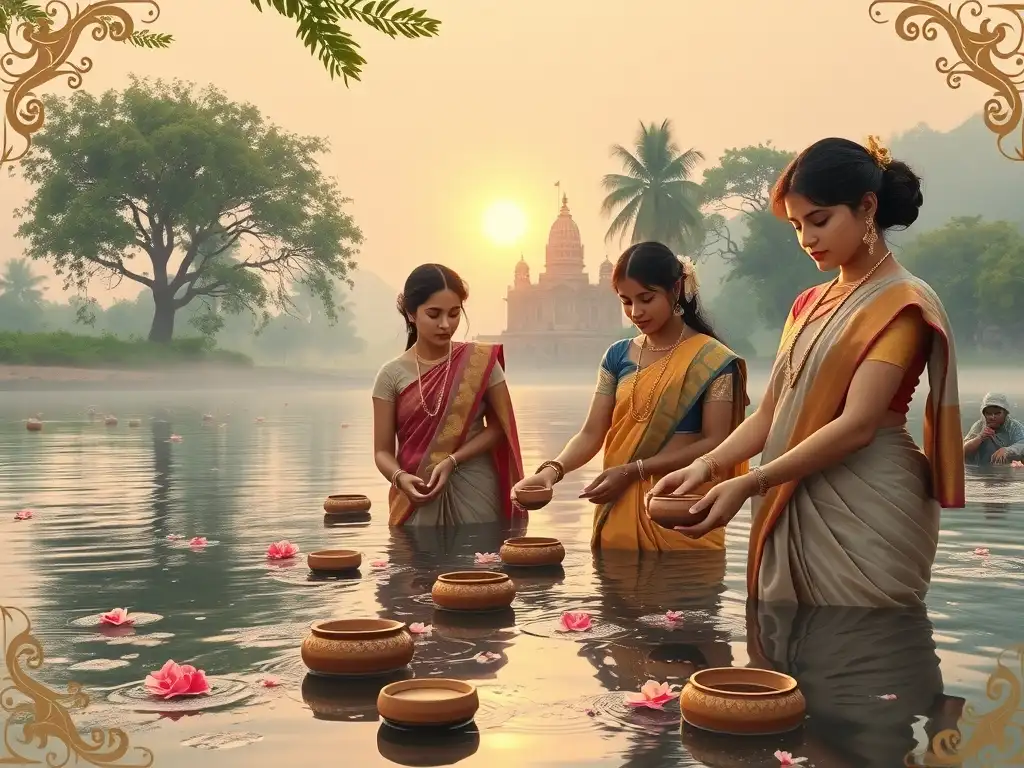
Ancient Indian cleansing rituals are steeped in tradition and spirituality, reflecting the profound connection between physical purity and spiritual well-being. These rituals, often intertwined with religious practices, serve to purify individuals and spaces, making them sanctified for worship and community gatherings. The following sections delve into some of the most significant cleansing rituals from ancient India, showcasing their unique practices and meanings.
Ganga Snan: The Sacred Bath in the Ganges River
Ganga Snan, or bathing in the Ganges River, is one of the most revered cleansing rituals in ancient Indian culture. The Ganges, considered a living goddess, is believed to possess purifying qualities that cleanse both the body and the soul. This ritual is not merely a physical act but a spiritual journey, symbolizing the washing away of sins and the attainment of moksha (liberation).
- Historical Significance:
- The practice dates back thousands of years, with references found in ancient scriptures such as the Vedas and the Puranas. Pilgrims from all over India travel to the Ganges, especially during auspicious festivals like Kumbh Mela, to partake in this ritual.
- Ritual Process:
- Devotees recite prayers and mantras before entering the river.
- The bath is often followed by offerings of flowers, fruits, and incense to the river, symbolizing gratitude and reverence.
- Spiritual Beliefs:
- It is believed that a single dip in the Ganges can absolve one of their sins and grant peace to the souls of ancestors.
- The river is also seen as a pathway to heaven, making the ritual even more significant for the faithful.
Panchagavya: The Five Products of Cow in Ritual Cleansing
Panchagavya refers to a mixture of five sacred cow products: milk, curd, ghee, urine, and dung. This mixture is integral to various cleansing rituals in ancient Indian traditions, emphasizing the cow's revered status in Hindu culture.
- Components:
- Milk: Symbolizes nourishment and purity.
- Curd: Represents harmony and balance.
- Ghee: Used for offerings and lighting lamps, symbolizing enlightenment.
- Urine and Dung: Although unconventional, these are considered purifying and are often used in rituals and as fertilizers in agriculture.
- Ritual Use:
- Panchagavya is used in various ceremonies, including housewarming and wedding rituals, where it is believed to cleanse the environment and invite auspiciousness.
- Devotees often consume a small quantity of Panchagavya for its supposed health benefits, further linking physical wellness to spiritual purity.
- Cultural Relevance:
- The use of Panchagavya highlights the deep connection between spirituality and nature in ancient Indian culture, emphasizing respect for animals and the environment.
Shuddhi: The Ritual of Purification Before Worship
Shuddhi, meaning purification, is an essential preparatory ritual before any worship or religious ceremony in ancient India. This ritual underscores the belief that purity is vital for spiritual practices.
- Types of Shuddhi:
- Body Purification: Involves bathing and wearing clean clothes. It is customary to cleanse oneself both physically and mentally through meditation or chanting.
- Space Purification: The area designated for worship is cleansed using water, flowers, and sacred substances like cow dung, which is believed to ward off negative energies.
- Spiritual Significance:
- Shuddhi is seen as a way to align oneself with divine energies, ensuring that the worshipper is in a state of purity and readiness to connect with the divine.
- This practice reinforces the idea that cleanliness is next to godliness, a principle that pervades many aspects of daily life in India.
- Modern Adaptations:
- While rooted in ancient practices, the principles of Shuddhi continue to influence contemporary rituals across various sects and communities, demonstrating the enduring legacy of these cleansing traditions.
These ancient Indian cleansing rituals not only serve spiritual purposes but also reflect the rich cultural tapestry of India. They highlight the importance of purity in both the physical and spiritual realms, an enduring theme that continues to resonate in modern practices.
The Spiritual and Health Benefits of Ancient Indian Cleansing Rituals
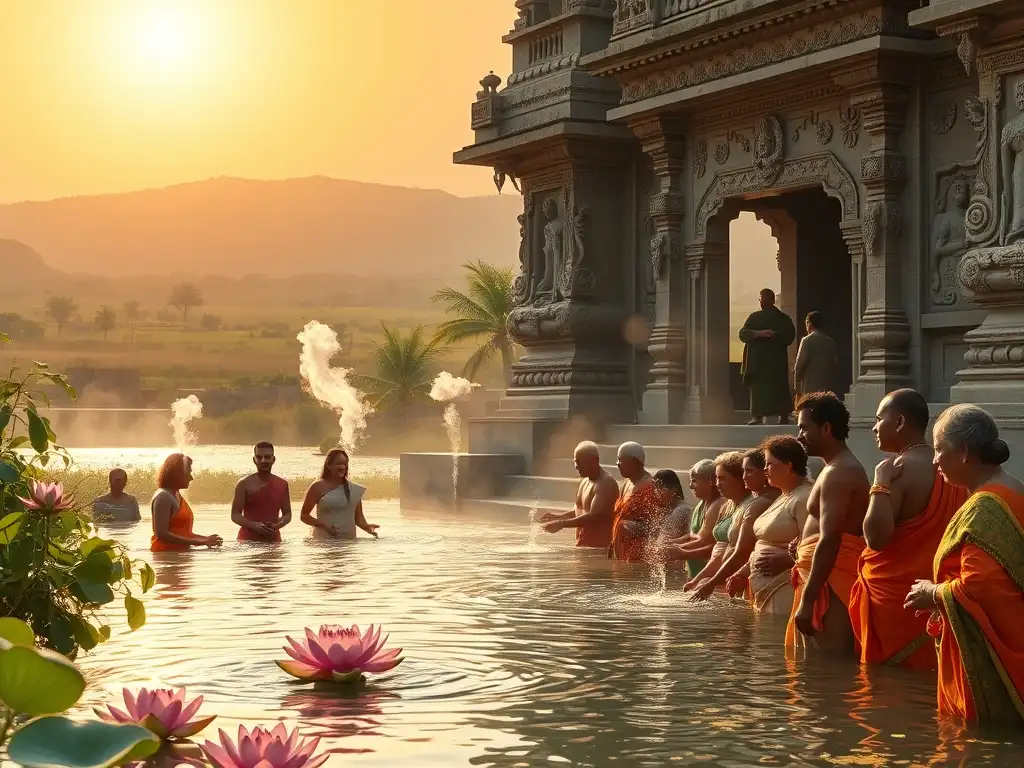
Ancient Indian cleansing rituals, deeply rooted in the cultural and spiritual practices of the time, serve more than just physical purification. They are intricate processes designed to enhance spiritual awareness, promote mental well-being, and provide therapeutic benefits. Understanding these dimensions reveals the profound impact these rituals have had on individuals and communities throughout history.
Enhancing Spiritual Awareness Through Cleansing Practices
Cleansing rituals in ancient India were often intertwined with spiritual practices aimed at fostering a deeper connection between the individual and the divine. These rituals included a variety of activities such as:
- Water Purification: Ritual baths in sacred rivers, such as the Ganges, were believed to cleanse the soul of sins and impurities. The act of immersing oneself in holy water symbolized rebirth and spiritual rejuvenation.
- Fire Offerings (Homa): Participants would perform offerings to deities using sacred fire, which was seen as a means of purification. The flames were believed to consume negative energies and elevate spiritual consciousness.
- Meditative Practices: Many cleansing rituals incorporated meditation, allowing individuals to focus inward and cultivate mindfulness, thereby enhancing their spiritual awareness.
Through these practices, individuals often reported feeling a heightened sense of clarity, purpose, and connection to the universe, essential components of spiritual growth.
The Therapeutic Aspects of Ancient Indian Cleansing Rituals
Beyond their spiritual significance, ancient Indian cleansing rituals also offered substantial therapeutic benefits. These included:
- Detoxification: Many rituals involved the use of natural herbs and oils known for their cleansing properties. For instance, the application of neem and turmeric was common for both skin and internal detoxification.
- Physical Health: Rituals such as Shatkarma, a series of yogic cleansing techniques, were practiced to purify the body and enhance overall health. Techniques like Neti (nasal cleansing) and Dhauti (stomach cleansing) contributed to improved respiratory and digestive health.
- Holistic Well-being: The combination of physical cleansing and mental focus during rituals promoted a holistic approach to health, addressing not just the physical body but also mental and emotional states.
Overall, these practices emphasized the interconnectedness of body, mind, and spirit, reinforcing a comprehensive approach to health that is still relevant today.
Connection Between Cleansing Rituals and Mental Well-being
The mental well-being fostered by ancient Indian cleansing rituals cannot be overstated. Engaging in these practices often led to:
- Reduction of Stress: The rhythmic and ritualistic nature of cleansing practices provided a calming effect, reducing anxiety and stress levels. Participants often felt a sense of peace and relaxation during and after the rituals.
- Enhanced Focus and Clarity: The meditative aspects of cleansing rituals helped individuals clear mental clutter, enhancing focus and mental clarity. This was particularly beneficial in a culture that valued knowledge and learning, as it allowed individuals to engage more fully in their pursuits.
- Community and Connection: Many cleansing rituals were communal, fostering a sense of belonging and support among participants. This social aspect contributed significantly to mental well-being, as individuals felt connected to a larger community with shared beliefs and practices.
Ancient Indian cleansing rituals encompass a rich tapestry of spiritual, therapeutic, and mental health benefits. Their enduring legacy continues to influence contemporary practices, illustrating the profound wisdom of these ancient traditions.
The Evolution of Cleansing Rituals Through Time
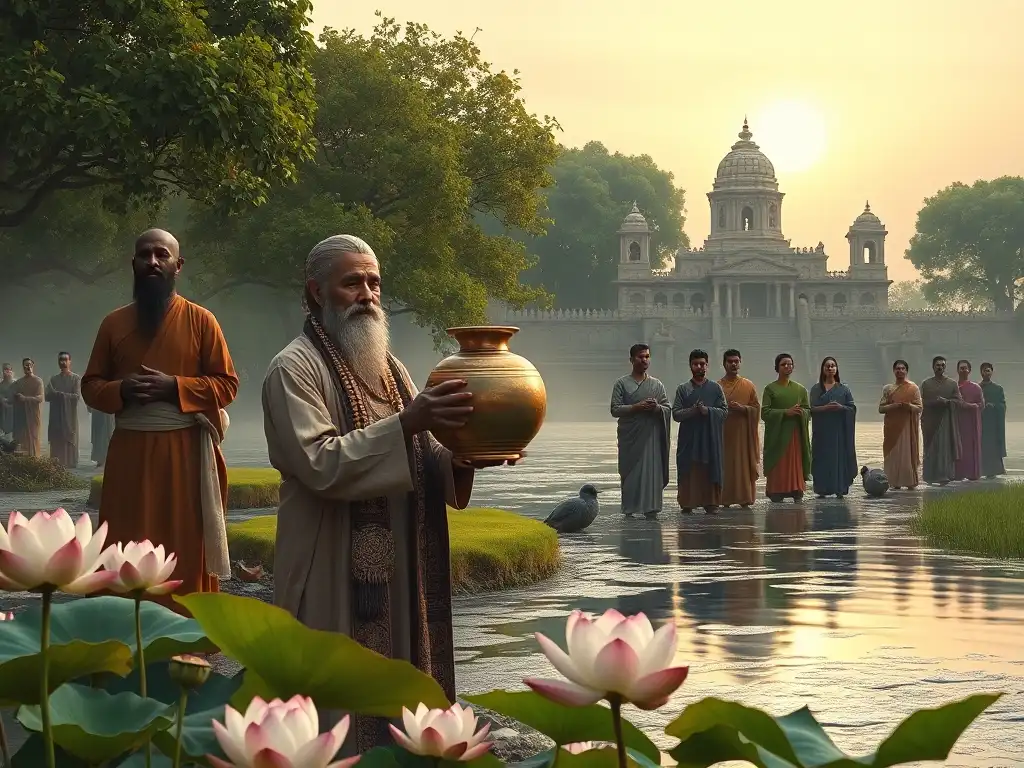
Cleansing rituals in ancient India have undergone significant evolution, reflecting the socio-cultural changes and spiritual beliefs of various eras. From the sophisticated practices of the Indus Valley Civilization to the Vedic period, the significance of purification has remained a cornerstone of spiritual life in India. Ancient Indian cleansing rituals were not merely physical but deeply intertwined with spiritual, psychological, and social dimensions.
Ancient Practices vs. Modern Interpretations of Cleansing Rituals
Ancient Indian cleansing rituals encompassed a wide array of practices, each with unique methodologies and meanings. Here are some of the key components that differentiate ancient practices from modern interpretations:
- Vedic Rituals: The Vedas, dating back to around 1500 BCE, introduced various purification rites (Shuddhi) that were essential for spiritual and social order. These rituals often involved the use of fire (Agni) and water (Apas) as purifying elements. For instance, the Soma Yagna was a significant ritual that involved chanting mantras and offering herbs to create a divine atmosphere.
- Cleansing through Water: The Ganges and other sacred rivers played a crucial role in ancient rituals, where bathing in these waters was believed to wash away sins. This practice is still prevalent today, with many pilgrims journeying to these rivers for purification.
- Modern Interpretations: Today, cleansing rituals have evolved into more personal and psychological practices. While many still adhere to traditional forms, there is a growing trend towards mindfulness and mental purification. Modern interpretations often emphasize inner peace and emotional cleansing, diverging from the strict ritualistic approach of ancient times.
- Integration with Yoga and Meditation: In contemporary spiritual practices, cleansing rituals are often integrated with yoga and meditation. This integration focuses on holistic well-being, where physical purification aligns with mental and spiritual cleansing.
The evolution of these rituals indicates a shift from communal practices to more individualized experiences, allowing for a broader interpretation of what cleansing means in today's context.
The Influence of Ancient Indian Cleansing Rituals on Contemporary Spiritual Practices
The foundational principles of ancient Indian cleansing rituals continue to resonate in contemporary spiritual practices, influencing everything from meditation techniques to yoga philosophies. Here are several ways in which these ancient rituals have impacted modern spirituality:
- Ritualistic Significance: The importance of rituals in spiritual practices today can be traced back to ancient traditions. Cleansing rituals are often the first step in many spiritual ceremonies, symbolizing a fresh start and a preparation for deeper spiritual work.
- Mindfulness and Awareness: The ancient emphasis on intention and awareness during cleansing rituals has influenced modern mindfulness practices. Individuals are encouraged to be present and conscious of their actions, promoting a deeper connection with their inner selves.
- Community and Connection: While modern practices might lean towards individualism, the communal aspect of cleansing rituals remains vital. Group ceremonies, like Kumbh Mela, still attract millions who seek spiritual cleansing through shared rituals, echoing ancient traditions of communal purification.
- Holistic Health Trends: The recognition of the mind-body connection has led to the incorporation of cleansing rituals into holistic health practices. Techniques such as detox diets, Ayurvedic cleansing, and spiritual baths are modern interpretations rooted in the ancient understanding of purification.
The legacy of ancient Indian cleansing rituals is evident in the way they shape and inform contemporary spiritual practices, illustrating a rich tapestry of tradition that continues to evolve while maintaining its core significance.
Conclusion: The Enduring Legacy of Ancient Indian Cleansing Rituals
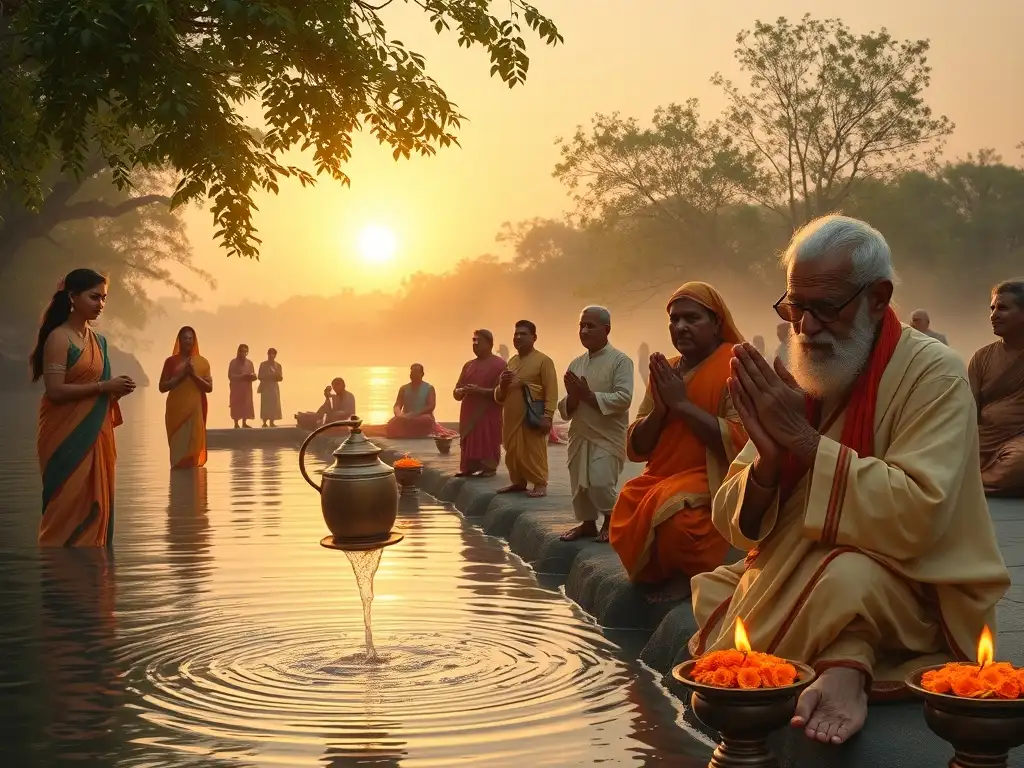
The legacy of ancient Indian cleansing rituals is profound and continues to resonate throughout contemporary society. These practices, steeped in history and spirituality, have transcended their original contexts, finding relevance in various aspects of modern life. Cleansing rituals were not merely ceremonial; they represented a holistic approach to well-being, encompassing physical, mental, and spiritual purification.
Many of these rituals are rooted in the belief that cleanliness is next to godliness, a notion that has persisted through the ages. The ancient texts, such as the Vedas and Upanishads, emphasize the importance of purity as a means to attain spiritual enlightenment. Thus, the enduring legacy of these practices lies in their ability to bridge the past and present, offering insights into maintaining harmony within oneself and the universe.
The Relevance of Cleansing Rituals in Today's World
In today's fast-paced and often chaotic environment, the relevance of ancient Indian cleansing rituals has become increasingly apparent. Many people are seeking ways to reconnect with their roots and find balance in their lives.
- Mental Well-being: Cleansing rituals, such as snana (bathing) or puja (worship), are known to provide a sense of tranquility. Engaging in these practices can lead to reduced stress and enhanced mental clarity, as they encourage mindfulness and presence in the moment.
- Cultural Identity: As globalization continues to influence societies, there is a desire to preserve cultural heritage. Participating in traditional cleansing rituals helps individuals maintain a connection to their ancestry and cultural identity.
- Holistic Health: The emphasis on purity in ancient Indian rituals aligns with modern holistic health practices. Many people today are drawn to natural remedies and lifestyle choices that promote physical health, echoing the ancient understanding that a clean body leads to a clear mind and spirit.
Incorporating elements of these rituals into daily life can lead to a more meaningful existence. For instance, starting the day with a morning ritual of cleansing can serve as a powerful way to set intentions and foster a sense of peace.
Embracing the Wisdom of Ancient Indian Cleansing Practices in Modern Life
The wisdom embedded in ancient Indian cleansing practices offers valuable lessons for contemporary living. By embracing these traditions, individuals can cultivate a lifestyle that honors both their heritage and their well-being.
- Integrative Practices:
- Mindful Bathing: Transforming the daily act of bathing into a ritual by incorporating essential oils, herbs, or chanting can enhance its spiritual significance.
- Meditative Rituals: Engaging in rituals such as Havan (sacred fire ceremony) can provide a meditative experience that promotes relaxation and introspection.
- Community Involvement:
- Group Rituals: Participating in community cleansing rituals fosters a sense of belonging and collective well-being. Events such as Navaratri or Maha Shivaratri not only involve cleansing but also strengthen social bonds.
- Environmental Consciousness:
- Sustainable Practices: Many ancient rituals emphasize the importance of nature. Incorporating eco-friendly practices, such as using natural products for cleansing, aligns with both ancient wisdom and modern sustainability efforts.
The power of ancient Indian cleansing rituals extends beyond their historical context, offering profound insights that are applicable in the modern world. By integrating these practices into daily life, individuals can achieve a greater sense of balance, clarity, and connection to their cultural heritage, ensuring that the legacy of these rituals continues to thrive for generations to come.
Frequently Asked Questions
What are ancient Indian cleansing rituals?
Ancient Indian cleansing rituals are spiritual practices aimed at promoting purity and wellness. These rituals often involve water, fire, and herbs, playing a vital role in various cultural and religious ceremonies.
Why were cleansing rituals important in ancient India?
Cleansing rituals were significant for maintaining spiritual and physical health. They were believed to remove negative energies and restore balance, contributing to overall well-being and social harmony.
How did the Indus Valley civilization practice cleansing rituals?
The Indus Valley civilization emphasized hygiene and cleanliness. Archaeological findings suggest that they had advanced drainage systems and engaged in ritual baths, showcasing their commitment to purification.
What role did the Gupta Empire play in the evolution of cleansing rituals?
During the Gupta Empire, cleansing rituals became more ritualized and integrated with religious practices. They were often associated with festivals and temple ceremonies, enhancing their cultural significance.
Are ancient Indian cleansing rituals still practiced today?
Yes, many ancient Indian cleansing rituals continue to be practiced today, especially in Hinduism. They are often adapted to modern contexts but still retain their core emphasis on purification and spiritual renewal.
Final Reflection: Embracing the Essence of Ancient Indian Cleansing Rituals
The exploration of ancient Indian cleansing rituals underscores their profound relevance in today's fast-paced world. In a time when we often feel disconnected from our roots and overwhelmed by modern life's chaos, these rituals offer a pathway to inner peace and rejuvenation. They remind us that the act of purification is not merely physical but deeply spiritual, fostering a holistic approach to well-being that resonates with our current quest for balance and harmony.
These ancient practices have significantly shaped our cultural and social landscapes, influencing everything from wellness trends to mindfulness movements. The rituals serve as a bridge connecting us to our heritage, inviting us to engage with our inner selves and the world around us. Purity is not a goal but a way of life,
reflects the essence of these practices, emphasizing that cleansing is an ongoing journey rather than a destination. As we incorporate these rituals into our lives, we not only honor our ancestors but also cultivate a deeper understanding of ourselves and our place in the universe.
As you reflect on the insights shared in this article, I invite you to consider how you can integrate the wisdom of ancient Indian cleansing rituals into your daily routine. Take a moment to pause, breathe, and engage in a ritual that resonates with you. Whether it's through meditation, a simple cleansing bath, or a mindful meal, allow these practices to guide you toward a more centered and fulfilling existence. Embrace the power of purification, and let it inspire you to cultivate a life rich in clarity, intention, and connection.
Unleash Your Inner Cleanse Today!
Thank you for exploring the world of ancient Indian purification rituals with us! We hope you’ve uncovered valuable insights that inspire you to embrace a more meaningful and cleansed lifestyle. Now, let’s turn that knowledge into action!
Here’s how you can begin your journey of purification:
- Start a Daily Cleansing Ritual: Incorporate a simple purification practice into your morning routine, such as drinking a glass of warm water with lemon or engaging in a short meditation to refresh your mind and body.
- Explore Ancient Practices: Research and experiment with various cleansing rituals from different cultures. Choose one that resonates with you and observe its effects on your well-being.
- Share Your Journey: Connect with friends or join online communities to discuss and share your experiences with cleansing rituals. Your insights could inspire others!
What ancient practice or ritual will you try first to transform your life? Share your thoughts below!