
Famous Last Stands in Ancient Indian History: Courage Against All Odds

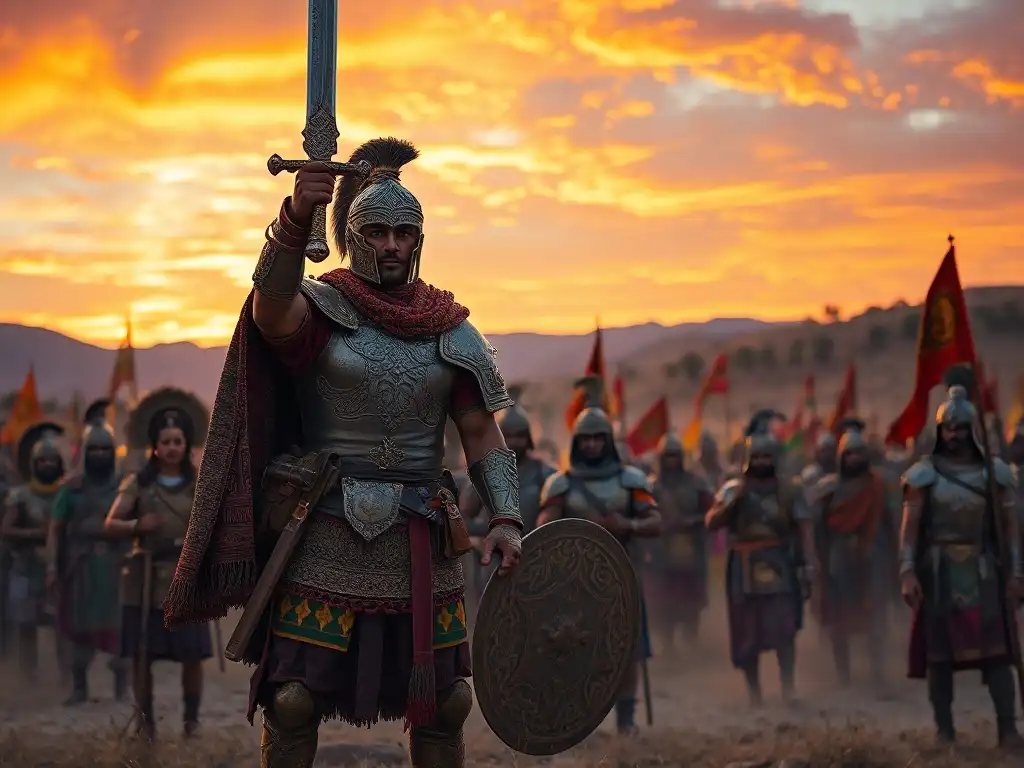
Welcome to Ancient India History, where we embark on a fascinating journey through the rich tapestry of ancient civilizations. In this exploration, we shine a spotlight on the Famous Last Stands in Ancient Indian History, delving into the bravery and resilience displayed in some of the most pivotal battles. What drove these warriors to fight against overwhelming odds? As you navigate through our insights, prepare to uncover the courage that shaped the very essence of India's storied past. Join us as we unveil the dramatic tales of valor and strategy that continue to inspire generations!
Introduction to Famous Battles in Ancient India
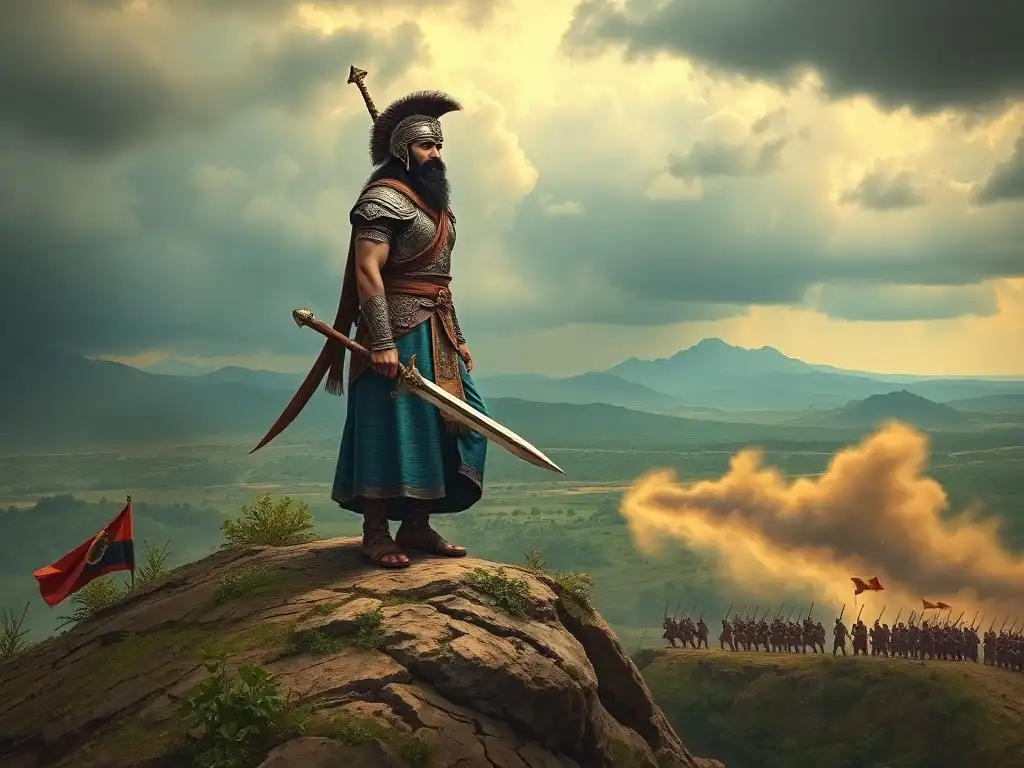
In the annals of history, few moments resonate as powerfully as those marked by extraordinary bravery in the face of overwhelming odds. Ancient India, with its rich tapestry of civilizations, was home to numerous famous battles that showcased not only military strategy and tactics but also the indomitable spirit of warriors. This article delves into some of the most remarkable last stands in ancient Indian history, emphasizing the courage that defined these pivotal moments.
From the valiant defenders at the Indus Valley to the stalwart soldiers of the Gupta Empire, the legacies of these battles continue to inspire and educate. By exploring these historical episodes, we gain insight into the resilience and valor that characterized ancient Indian warfare, providing a deeper understanding of the cultural and historical significance of these encounters.
Overview of Ancient Indian Warfare
Ancient Indian warfare was characterized by a complex interplay of strategy, philosophy, and technology. The various kingdoms and empires that flourished in India engaged in numerous conflicts, often influenced by factors such as territorial expansion, resource acquisition, and political alliances. Notable empires, including the Maurya, Gupta, and Chola, developed sophisticated military structures and utilized innovative tactics.
- Key Features of Ancient Indian Warfare:
- Use of Elephants: Elephants played a critical role in battles, serving both as mounts for generals and as living tanks on the battlefield.
- Chariots: Chariots were integral to ancient warfare, providing mobility and a platform for archers and spearmen.
- Infantry and Cavalry: The infantry formed the backbone of the armies, while cavalry units provided speed and maneuverability.
The evolution of warfare in ancient India was significantly influenced by the diverse geographical landscape, which included dense forests, vast plains, and rugged mountains, each posing unique challenges and opportunities for military leaders.
Significance of Last Stands in Military History
Last stands in military history are moments that crystallize the essence of courage, sacrifice, and the human spirit. These events not only reflect the valor of soldiers but also serve as powerful narratives that shape national identities and cultural memory. In ancient Indian history, last stands have often been romanticized and memorialized, becoming symbols of resistance and heroism.
- Cultural Impact:
- Last stands inspire literature, art, and folklore, contributing to the collective memory of a civilization.
- They serve as teaching moments, instilling values of bravery and resilience in future generations.
The Concept of Last Stands in Warfare
Definition and Historical Context
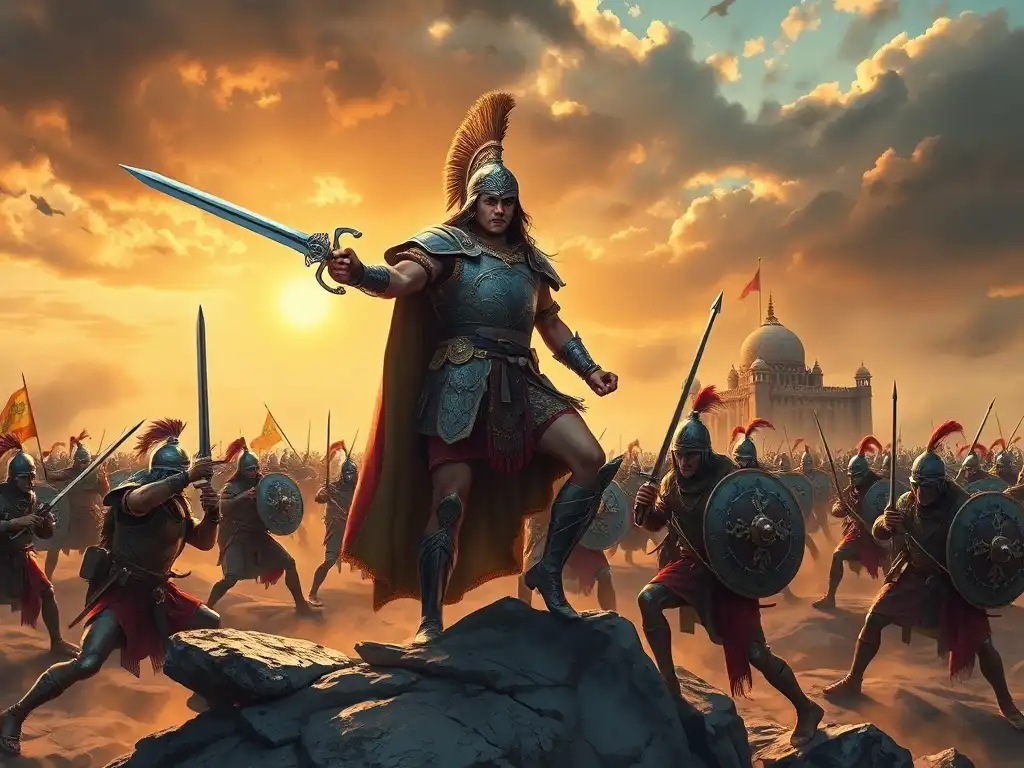
A "last stand" refers to a situation where a military unit or group of soldiers fights to the death, often against overwhelming odds, rather than retreating or surrendering. This concept has been prevalent across cultures and epochs, illustrating a profound commitment to duty and honor. In the context of ancient India, several famous battles exemplify this concept, where warriors chose to confront their enemies rather than abandon their principles.
- Notable Examples:
- The battle of Chausa (1539), where the forces of Sher Shah Suri confronted the Mughal army.
- The siege of Chittorgarh, which showcased the valor of Rajput warriors in defending their fortress against invaders.
Importance of Courage in Ancient Indian Battles
Courage was a defining characteristic of ancient Indian warriors, deeply rooted in cultural and spiritual beliefs. The ethos of bravery is encapsulated in texts such as the Mahabharata, where the struggles of heroes echo the values of dharma (righteousness) and sacrifice.
- Key Aspects of Courage:
- Moral Fortitude: Warriors believed in fighting for their land, honor, and people, often viewing surrender as dishonorable.
- Symbol of Resistance: Last stands became emblematic of resistance against tyranny and oppression, reinforcing the idea that some battles are worth fighting, even if victory seems unattainable.
By understanding the concept of last stands and the importance of courage in ancient Indian battles, we can appreciate the profound legacy left by these warriors, whose stories continue to resonate in the cultural consciousness of India today.
Notable Last Stands in Ancient Indian History
Ancient India is replete with tales of valor and tenacity, where warriors faced overwhelming odds yet stood resolute in battle. These famous last stands not only shaped the course of history but also left an indelible mark on the cultural memory of the nation. From legendary kings to fearless queens, the stories of bravery resonate through generations, often becoming symbols of resistance and sacrifice. Below are some of the most notable last stands that exemplify courage against all odds.
The Battle of Kalinga: Ashoka’s Pivotal Moment
The Battle of Kalinga, fought in 261 BCE, marked a significant turning point in the reign of Emperor Ashoka of the Maurya Dynasty. Ashoka sought to expand his empire, and Kalinga, a prosperous kingdom located on the eastern coast of India, became his target. The battle was characterized by intense warfare, with historical records indicating that over 100,000 soldiers and civilians perished.
Despite Ashoka’s overwhelming military strength, the fierce resistance put up by the Kalinga warriors showcased their determination to defend their homeland. The brutality of the battle deeply affected Ashoka, who famously declared that he would renounce violence and embrace Buddhism after witnessing the massive loss of life. This pivotal moment transformed not only his reign but also the spiritual direction of India, leading to the spread of Buddhism across Asia.
The Siege of Chittorgarh: Rani Padmini's Valor
The Siege of Chittorgarh in the 14th century is another iconic example of a last stand that symbolizes courage and honor. Queen Rani Padmini, known for her beauty and bravery, played a central role during the siege against the invading forces of Alauddin Khilji. The Rajput warriors, under her leadership, exhibited remarkable bravery in defending their fort against a much larger army.
As the siege prolonged, Rani Padmini chose to perform "Jauhar" (self-immolation) along with other women of the fort rather than fall into the hands of the enemy. This act of valor and sacrifice is celebrated in folklore and literature, symbolizing the strength and honor of Rajput women. The siege not only cemented Rani Padmini's legacy as a symbol of resistance but also highlighted the cultural ethos of honor and dignity among the Rajputs.
The Battle of Tarain: Prithviraj Chauhan's Resistance
The Battle of Tarain, fought in 1191 and again in 1192, is significant in the history of medieval India due to the fierce resistance put up by Prithviraj Chauhan against Muhammad Ghori's invasions. The first battle ended in a decisive victory for Prithviraj, showcasing his tactical brilliance and the loyalty of his troops. However, the second battle saw a dramatic reversal of fortune.
Despite being outnumbered, Prithviraj displayed immense bravery and skill. However, he was ultimately defeated due to a combination of betrayal and strategic maneuvering by Ghori. Captured and blinded, Prithviraj's final stand remains legendary, epitomizing the theme of fighting against insurmountable odds. His resistance is celebrated in epic poetry and folklore, reflecting the indomitable spirit of Indian kingship and valor.
The Legacy of Famous Last Stands
The stories of famous last stands in ancient Indian history resonate far beyond their immediate historical context. They have left an enduring legacy that continues to influence contemporary military strategies, cultural narratives, and the collective consciousness of the nation.
Impact on Indian Military Strategy
The famous last stands in ancient Indian history have significantly influenced military strategy in various ways. Lessons derived from these battles emphasize the importance of courage, leadership, and the morale of troops. Notably, the strategies employed during these conflicts have been studied and adapted by military leaders throughout history.
For example, the tactics used by Prithviraj Chauhan in the Battle of Tarain highlight the value of terrain and surprise attacks, which are principles still relevant in modern military engagements. Additionally, Ashoka’s transition from a warrior to a patron of peace reflects a strategic shift that can be observed in various military reforms throughout Indian history.
Influence on Culture and Literature
The legacy of these famous last stands has permeated Indian culture and literature, becoming a source of inspiration for countless works of art, poetry, and folklore. The heroism displayed in battles like Kalinga and Chittorgarh has been immortalized in epic poems, traditional narratives, and even contemporary cinema.
These stories serve as moral tales, emphasizing virtues such as bravery, sacrifice, and loyalty. The portrayal of figures like Rani Padmini and Emperor Ashoka has fostered a sense of pride in cultural identity, inspiring generations to value courage and resilience in the face of adversity. The influence of these legendary stands continues to inspire modern narratives and discussions around valor, honor, and the spirit of resistance.
Comparative Analysis of Famous Last Stands
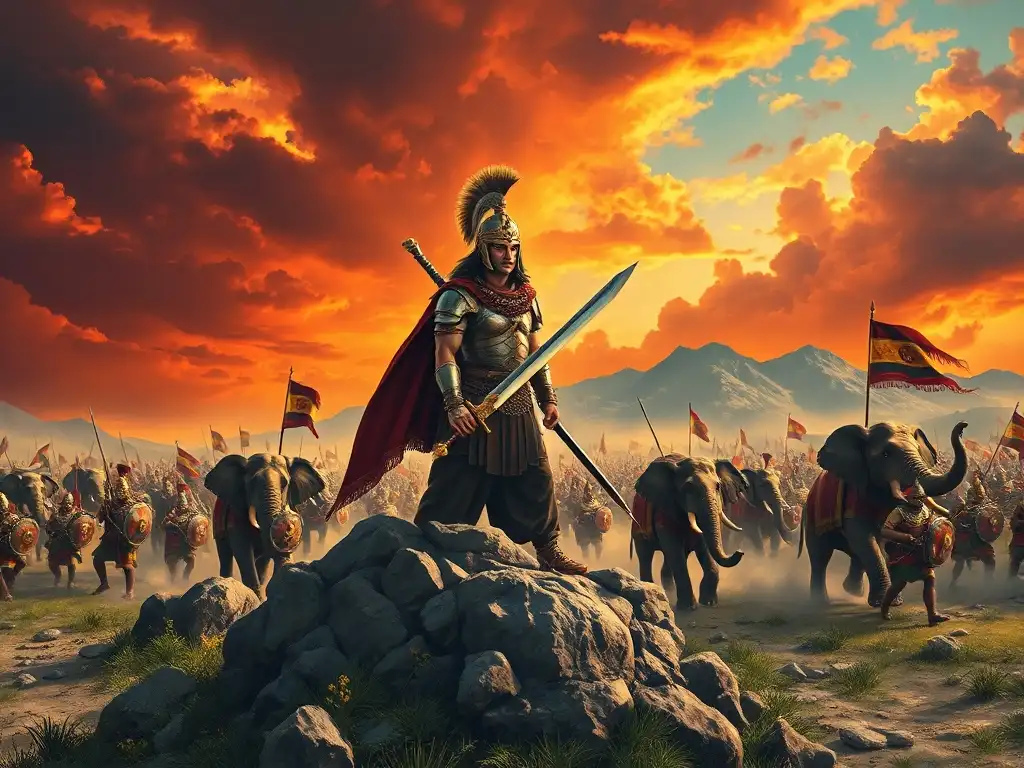
Throughout ancient Indian history, there have been several notable last stands that exemplify the courage and tenacity of warriors facing overwhelming odds. These events not only highlight individual bravery but also reflect the broader socio-political contexts of their times. Key battles such as the stand of King Porus against Alexander the Great at the Battle of the Hydaspes in 326 BCE and the valiant efforts of the Rajput king Prithviraj Chauhan against the invading Muslim forces illustrate this theme. Analyzing these last stands reveals a rich tapestry of valour interwoven with the strategies employed by leaders and their armies.
In these encounters, one can observe various commonalities among the last stands, such as the fierce loyalty of soldiers towards their leaders and the willingness to fight against insurmountable odds. However, the motivations for these stands were often complex, driven by factors such as honor, territorial defense, and the desire for legacy. The contrasting outcomes of these battles serve to deepen our understanding of the significance of these historical moments in shaping the trajectory of ancient Indian history.
Courage vs. Strategy in Ancient Indian Warfare
The dichotomy between courage and strategy is a recurring theme in the analysis of famous last stands in ancient Indian warfare. While courage often manifests in the unwavering resolve of soldiers, strategy plays a crucial role in determining the outcome of battles. For instance, during the Battle of the Hydaspes, King Porus exhibited remarkable bravery, but his strategies were also commendable. He effectively utilized war elephants and positioned his forces strategically along the riverbank, making the most of the terrain to counter Alexander’s superior forces.
Conversely, in the case of Prithviraj Chauhan, his courageous defense against Muhammad Ghori, while heroic, was ultimately hampered by strategic miscalculations. Despite his valor, the failure to secure adequate reinforcements and the underestimation of the enemy's tactics led to a setback that would have long-lasting repercussions for the region. This analysis underscores the importance of balancing raw courage with tactical acumen in warfare.
Different Outcomes: Success and Failure
The outcomes of famous last stands in ancient India vary significantly, with some leading to remarkable victories and others resulting in crushing defeats. For instance, the heroic stand of the Maratha warriors at the Battle of Panipat in 1761, despite ending in a catastrophic loss, is celebrated for its demonstration of courage and sacrifice. In contrast, the successful defense of the fortress of Chittorgarh by the Rajputs against multiple sieges symbolizes a significant victory rooted in both strategy and heroism.
These contrasting outcomes reveal that while bravery can inspire and rally troops, success in battle often hinges on a myriad of factors, including resources, terrain, and intelligence about the enemy. The examination of these different outcomes provides valuable insights into the complexities of warfare in ancient India, illustrating that every battle is a confluence of courage, strategy, and circumstance.
Conclusion: The Enduring Spirit of Ancient Warriors
The famous last stands in ancient Indian history serve as powerful reminders of the enduring spirit of warriors who faced overwhelming challenges with valor. They encapsulate the essence of bravery, loyalty, and the relentless pursuit of honor, even in the face of certain defeat. These historical moments resonate through time, inspiring generations with tales of courage and sacrifice.
Reflection on Courage Against All Odds
Reflecting on these last stands, it becomes clear that the courage displayed by these warriors transcends mere physical confrontation. It embodies the ideals of resilience and determination that are central to the identity of many cultures. The stories of these warriors remind us that true valor is not solely defined by the outcome of battles but rather by the spirit in which they are fought.
Lessons Learned from Famous Battles in Ancient India
The lessons derived from these famous battles are manifold. They emphasize the importance of preparation, the need for strategic foresight, and the value of unity among forces. Moreover, they teach us that courage, while crucial, must be complemented by sound tactics to achieve success in warfare. As we delve into the annals of ancient Indian military history, these lessons continue to resonate, reminding us of the complexities of human endeavor in the face of adversity.
Further Reading on Ancient Indian Warfare
For those interested in delving deeper into the rich tapestry of ancient Indian warfare, there are numerous resources that provide valuable insights into the strategies, battles, and historical contexts of this fascinating subject. Understanding the military history of ancient India not only enriches our knowledge of the past but also offers lessons in resilience, strategy, and the evolution of warfare.
Recommended Books and Resources
-
"The Art of War in Ancient India" by R. K. Sharma
This comprehensive book explores the various military strategies and philosophies that shaped ancient Indian warfare. It provides an analysis of texts like the Arthashastra and discusses the tactical innovations introduced by Indian generals.
-
"Warfare in Ancient India" by R. S. Sharma
This resource covers the evolution of warfare from the Vedic period to the Maurya Empire, offering insights into weaponry, military formations, and the socio-political implications of warfare in ancient Indian society.
-
"The Mahabharata: A Modern Rendering" by Ramesh Menon
While primarily a retelling of the epic, this version examines the battles within the Mahabharata, including strategies, heroism, and the moral dilemmas faced by warriors. It serves as both literature and a historical study of ancient Indian conflict.
-
"The Kautilyan Way: The Science of War and Diplomacy" by R. P. Khosla
Focusing on Chanakya's Arthashastra, this book discusses the principles of statecraft, espionage, and military strategy that were prevalent in ancient India, providing a detailed account of how these principles influenced warfare.
-
Online Archives and Journals
Websites and platforms like JSTOR and Google Scholar offer access to scholarly articles and papers on specific battles, military tactics, and the evolution of warfare in ancient India. Exploring these can provide a wealth of academic perspectives.
Related Articles on Military History in Ancient India
-
"The Indus Valley Civilization: Warfare and Society"
This article examines the archaeological findings that suggest the presence of organized warfare in the Indus Valley Civilization, including fortifications and weaponry.
-
"The Role of Elephants in Ancient Indian Warfare"
A detailed exploration of how elephants were used as a significant component in military strategy during various dynasties, highlighting their impact on battles and tactics.
-
"Famous Battles of the Maurya Empire: A Study of Strategy and Tactics"
This piece focuses on key battles during the Maurya Empire, analyzing the strategies employed by leaders such as Chandragupta Maurya and Ashoka the Great.
-
"Gupta Empire: The Golden Age of Indian Warfare"
An insightful look into how the Gupta Empire marked a high point in military organization and strategy, including the innovations that defined this era.
-
"Naval Power in Ancient India: The Forgotten Battles"
This article sheds light on the naval strategies and battles of ancient Indian kingdoms, highlighting their significance in trade and territorial expansion.
These resources and articles serve as essential starting points for anyone looking to explore the complexities and nuances of warfare in ancient India, enriching our understanding of one of history's most pivotal subjects.
- Introduction to Famous Battles in Ancient India
- Overview of Ancient Indian Warfare
- Significance of Last Stands in Military History
- The Concept of Last Stands in Warfare
- Notable Last Stands in Ancient Indian History
- The Legacy of Famous Last Stands
- Comparative Analysis of Famous Last Stands
- Conclusion: The Enduring Spirit of Ancient Warriors
- Further Reading on Ancient Indian Warfare
Frequently Asked Questions
What are some of the famous battles in ancient India?
Many famous battles in ancient India include the Battle of Kurukshetra from the Mahabharata and the Battle of Kalinga, which was pivotal for Emperor Ashoka's transformation.
Who were the key figures in these last stands?
Notable figures include Bhishma and Arjuna from the Mahabharata, as well as Ashoka, whose leadership during the Battle of Kalinga exemplified bravery and moral conviction.
What was the significance of the Battle of Kalinga?
The Battle of Kalinga marked a turning point for Ashoka, leading to his embrace of Buddhism and a commitment to non-violence after witnessing the devastation caused by war.
How did these last stands impact ancient Indian culture?
The last stands are celebrated for their heroism and sacrifice, influencing ancient Indian literature, art, and the collective cultural memory of bravery and resilience.
Are there any modern interpretations of these famous battles?
Yes, many modern interpretations explore the themes of duty, sacrifice, and morality in these battles, reflecting their continued relevance in contemporary discussions about ethics and leadership.
Final Reflection: The Timeless Valor of Ancient Indian Last Stands
In exploring the famous last stands in ancient Indian history, we uncover not just tales of valor but also the enduring spirit of resilience that resonates in today's world. The courage displayed by warriors who faced insurmountable odds serves as a powerful reminder that the human spirit can triumph even in the darkest moments. These stories are not merely relics of the past; they are a testament to the strength and determination that continue to inspire us in our own battles against adversity.
The impact of these historical events extends far beyond their immediate context, shaping the cultural and social landscape of India. The narratives of bravery and sacrifice have woven themselves into the very fabric of our identity, influencing generations. As we reflect on these last stands, we recognize their role in fostering a sense of pride and unity among people. Courage is not the absence of fear, but the triumph over it.
This quote encapsulates the essence of these battles, reminding us that true bravery lies in confronting our fears head-on, regardless of the outcome.
As we conclude this exploration, I invite you to reflect on the lessons embedded in these stories of courage. Consider how the principles of resilience and determination can be applied in your own life. Whether facing personal challenges or societal issues, let the legacy of these ancient warriors inspire you to stand firm against the odds. Embrace the spirit of courage that has defined our history, and carry it forward into the future, for every battle fought today contributes to the tapestry of our shared human experience.
Thank you for exploring the incredible tales of bravery highlighted in this article! Your interest in the **remarkable acts of valor** from ancient Indian history reflects a deep appreciation for the resilience and sacrifice that have shaped our cultural heritage. Now, it's time to take that inspiration and turn it into meaningful action!
- Dive deeper into the rich narratives of these heroic figures by selecting a book or documentary that delves into their stories— the past awaits your discovery!
- Share this article with friends to spark discussions about the lessons we can apply in our lives today— let's keep the spirit of courage alive together!
- Engage with local history groups or online forums to explore unique perspectives on how these historical moments continue to influence modern thought.
What aspect of ancient Indian bravery resonates with you the most, and how can it inspire your life today?