
Caste and Social Mobility: Opportunities and Limitations in Ancient India


Welcome to Ancient India History, where we embark on a fascinating journey through the rich tapestry of ancient Indian civilizations. Today, we delve into the intricate nuances of the caste system in ancient India, exploring how it shaped social mobility and everyday life. What were the opportunities and limitations faced by individuals within this complex framework? Join us as we uncover the profound impact of caste on society and culture, revealing stories that have shaped the course of history. Dive deeper into this compelling narrative and discover the layers of ancient Indian life that await you!
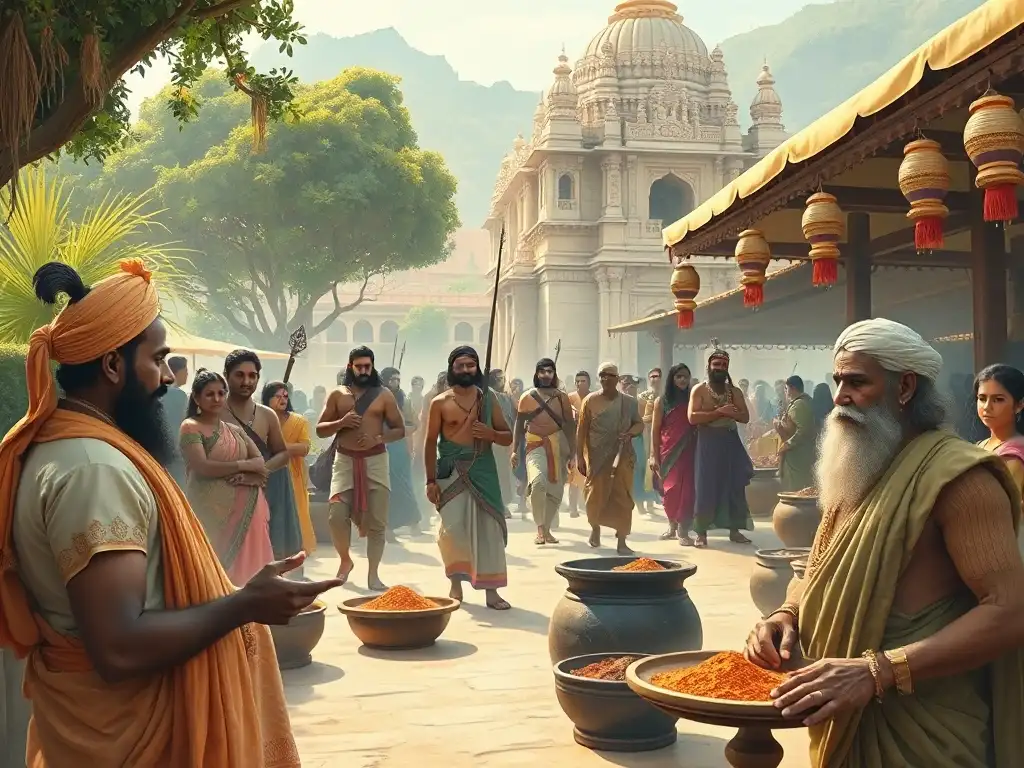
The caste system in ancient India is a complex social structure that not only shaped the daily lives of individuals but also influenced the broader societal dynamics within various ancient Indian civilizations. This hierarchical system, rooted in religious and cultural traditions, has had profound implications on social mobility, opportunity, and equality.
Understanding the intricacies of the caste system is essential for appreciating the diverse experiences and contributions of individuals across different strata of society. This article aims to explore the opportunities and limitations presented by the caste system, focusing on how it affected social mobility from the Indus Valley civilization through to the Gupta Empire.
Introduction to the Caste System in Ancient India
Overview of the Caste System in Ancient Indian Society
The caste system in ancient India can be broadly understood through its division into four primary categories, known as varnas:
- Brahmins: The priestly class responsible for religious rituals and the preservation of sacred texts.
- Kshatriyas: Warriors and rulers who protected and governed the land.
- Vaishyas: Merchants and landowners who facilitated trade and agriculture.
- Shudras: Laborers and service providers who supported the other three varnas.
This stratified system was not merely a social hierarchy; it was deeply intertwined with religion, culture, and economics. Each caste had specific duties, rights, and responsibilities, which dictated interactions and relationships within society. The rigid nature of this system often limited individual aspirations, creating significant barriers to social mobility.
Significance of Understanding Caste and Social Mobility
Understanding the caste system and its implications on social mobility is crucial for several reasons:
- Cultural Insight: It provides a lens through which to view the diversity of ancient Indian cultures and practices.
- Historical Relevance: Analyzing the caste system helps in comprehending historical narratives and the evolution of societal structures over time.
- Social Dynamics: It sheds light on the interactions between various caste groups, highlighting both cooperation and conflict.
- Modern Implications: Insights gained from historical caste dynamics can inform contemporary discussions about social justice and equality in modern India.
Historical Context of the Caste System
Origins of the Caste System in Ancient India
The origins of the caste system can be traced back to the Vedic texts, where the concept of varna emerged. Initially, this categorization may have been more fluid, allowing for some degree of social mobility. However, over the centuries, it evolved into a more rigid structure as societal norms and economic conditions changed. Factors such as agricultural advancement, urbanization, and the influence of foreign invasions contributed to the solidification of caste hierarchies. The intertwining of religious beliefs with social classes further entrenched the system, making it a defining characteristic of ancient Indian society.
Evolution of Caste Hierarchies Over Time
As ancient India progressed through various empires and dynasties, the caste system underwent significant transformations. Key points in this evolution include:
- Indus Valley Civilization: Evidence suggests an early form of social stratification, although less rigid than later systems.
- Maurya and Gupta Empires: The expansion of trade and urban centers led to the emergence of new sub-castes and increased economic mobility for some.
- Medieval Period: The arrival of new cultural influences and the decline of central powers resulted in a reorganization of caste structures, impacting social dynamics.
The evolution of the caste system highlights the interplay of cultural, economic, and political factors that shaped social mobility in ancient India, marking it as a significant area of study for historians and sociologists alike.
Structure of the Caste System in Ancient India
The caste system in ancient India was a complex social hierarchy that defined the social status, occupation, and interactions of individuals within society. This system was not merely a rigid classification but rather a dynamic framework influenced by various factors, including religion, economics, and cultural practices. The caste system fundamentally shaped the daily lives of individuals and communities, influencing their roles, responsibilities, and opportunities for social advancement.
At its core, the caste system was divided into two main categories: the varnas and the jatis. The varnas represent the broader categories of social classification, while jatis refer to the numerous sub-categories that arose from these primary divisions. Understanding this structure is crucial to comprehend how social mobility was both facilitated and restricted in ancient Indian society.
The Four Main Varnas: An Overview
The classical caste system is traditionally divided into four main varnas:
- Brahmins: This varna consists of priests, scholars, and teachers. They were responsible for performing religious rituals, maintaining sacred texts, and imparting knowledge. As the highest caste, Brahmins held significant power and influence within society.
- Kshatriyas: The warriors and rulers of society, the Kshatriyas were responsible for protecting the realm and governing. Their role was both military and administrative, and they were often seen as defenders of dharma (moral law).
- Vaishyas: This varna comprised merchants, landowners, and agriculturalists. The Vaishyas played a crucial role in the economy, engaging in trade and commerce, and were instrumental in the agrarian society of ancient India.
- Shudras: The lowest varna, the Shudras, consisted of laborers and service providers. They performed menial tasks and served the other three varnas. Despite their essential contributions to society, Shudras were often marginalized and had limited access to rights and privileges.
These four varnas provided a foundational framework for the caste system, dictating not only occupational roles but also social interactions and familial relationships.
Jati: The Sub-Categories within the Caste System
Within the broader framework of the varnas, the concept of jati emerged, representing the numerous sub-categories that further stratified society. Jatis were often formed based on specific occupations, local customs, and community practices. For example, within the Shudra varna, there could be jatis for potters, weavers, and agricultural laborers, each with distinct roles and social standings.
The jati system allowed for a more localized representation of caste identity and affiliations. It created a mosaic of social groups, each with its own traditions, practices, and rules. While jatis provided a sense of belonging and community, they also reinforced the rigid nature of the caste system, making it difficult for individuals to move between jatis or varnas.
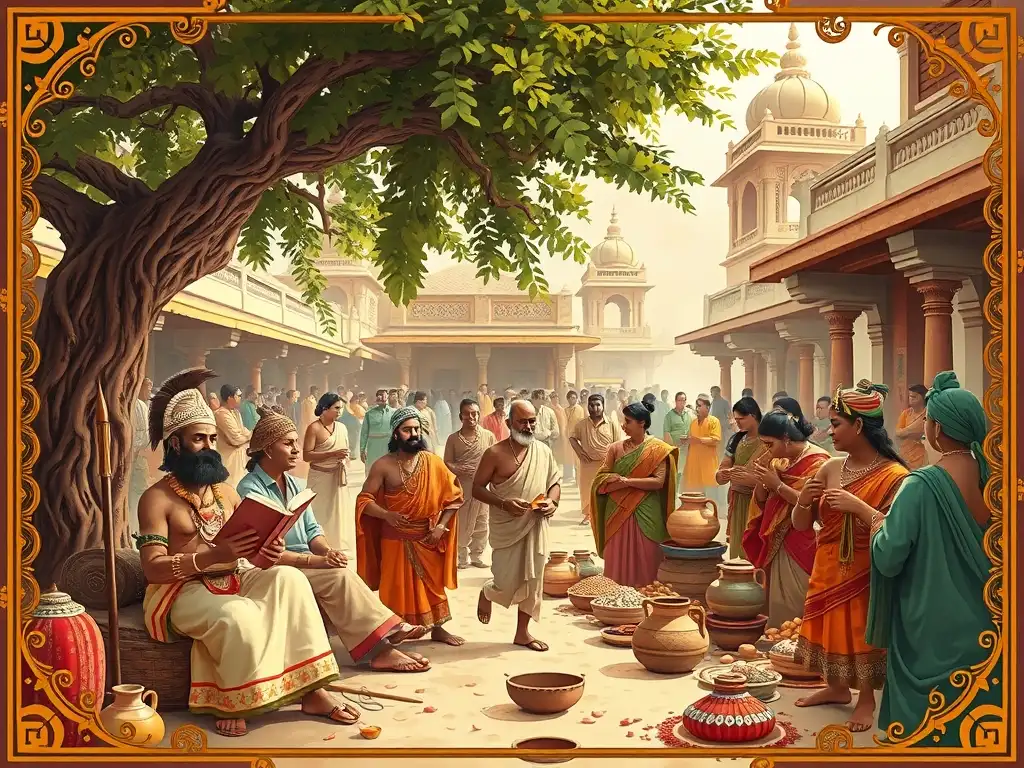
Social mobility in ancient India was a nuanced concept, often constrained by the rigid structures of the caste system. While the potential for movement existed, it was typically limited and heavily influenced by societal norms and expectations. Understanding the dynamics of social mobility requires an exploration of how caste affiliations could evolve over time and the mechanisms that facilitated or hindered this process.
Defining Social Mobility within the Caste Framework
Social mobility refers to the ability of individuals or groups to move within the social hierarchy, either ascending to a higher status or descending to a lower one. In the context of the caste system, mobility was primarily vertical, meaning individuals aspired to rise within their varna or jati. However, the caste framework imposed significant barriers to this mobility, rooted in religious doctrines and social customs that deemed certain castes as "pure" and others as "impure."
Despite these limitations, there were instances of social mobility, particularly through marriage, education, or exceptional service. For example, a Shudra who gained wealth or education could potentially elevate their social standing, although this was often met with resistance from higher castes. The rigidity of the caste system made such advancements rare and often temporary.
Factors Influencing Social Mobility
Several factors influenced the degree of social mobility experienced by individuals in ancient India:
- Economic Status: Wealth accumulation could lead to improved social standing. Successful merchants and landowners from the Vaishya varna could gain respect and influence, potentially allowing for upward mobility.
- Education and Knowledge: Access to education, typically reserved for the Brahmins, could enable individuals from lower castes to gain knowledge and skills, thereby enhancing their social status. However, institutional barriers often restricted access.
- Political Changes: Shifts in political power could lead to changes in the caste dynamics. For instance, if a ruler from a lower caste ascended to power, it could create pathways for others in similar positions to rise as well.
- Religious and Cultural Shifts: Movements that challenged the traditional caste norms, such as the Bhakti movement, provided avenues for individuals to transcend caste barriers, promoting a more egalitarian outlook.
While the caste system in ancient India established a framework of opportunities and limitations, the potential for social mobility existed, albeit within a constrained environment. Understanding these dynamics sheds light on the complexities of ancient Indian society and the lasting impact of the caste system on its social structure.
While the caste system in ancient India was largely rigid, there were certain avenues for social mobility that allowed individuals to improve their social status. These opportunities were often influenced by various factors, including personal merit, educational attainment, and participation in specific community activities.
One notable pathway to social mobility was through education. Individuals who pursued knowledge, especially in sacred texts and philosophy, could gain respect and recognition, potentially earning a higher status within their caste or even being accepted into a higher caste. This was especially evident in the case of Brahmins, who were traditionally considered the highest caste. Scholars and learned individuals from lower castes could sometimes gain recognition and elevate their standing through their contributions to society.
Additionally, economic success provided another route for social mobility. Wealth accumulation through trade, crafts, or agricultural innovation enabled individuals from lower castes to achieve greater respect and influence within their communities. The rise of merchant classes, particularly during periods of economic prosperity, created new social dynamics where wealth could sometimes supersede caste-based distinctions.
Instances of Mobility Among the Castes
Throughout ancient Indian history, there are several documented instances of individuals who transcended their caste boundaries. One prominent example is the rise of certain merchants and traders who, through their economic prowess, gained considerable respect and were sometimes even accepted into higher social strata.
The case of the Vaisyas, traditionally considered the merchant caste, illustrates how economic activities could lead to upward mobility. Many Vaisyas became wealthy through trade and agriculture, allowing them to form alliances with the higher castes and, in some cases, marry into Brahmin families, thereby blurring the rigid caste lines.
Furthermore, the Bhakti movement, which emerged around the 7th century CE, played a crucial role in promoting the idea of equality among devotees, regardless of caste. Saints like Kabir and Namdev challenged the established norms and emphasized devotion over caste identity, leading to a more fluid understanding of social status among followers.
Influence of Religious and Philosophical Movements
The religious and philosophical movements of ancient India significantly influenced social mobility within the caste system. The Buddhist and Jain traditions, for instance, emphasized personal merit and ethical conduct over caste lineage. These movements attracted followers from all castes, including those marginalized by the traditional caste hierarchy.
Buddhism, founded by Siddhartha Gautama in the 5th century BCE, rejected the rigid caste distinctions prevalent in Brahmanical society. This inclusivity allowed individuals from lower castes to attain spiritual authority and respect, creating an environment where social mobility was possible based on individual merit rather than hereditary status.
Similarly, the Upanishads and later philosophical discourses promoted the idea of Brahman and Atman, suggesting that spiritual knowledge and realization were accessible to all, irrespective of caste. Such teachings inspired many to seek enlightenment, providing a perceived pathway to higher social status.
Despite the opportunities for social mobility, the caste system in ancient India was fundamentally constraining. Various structural and societal barriers often limited the extent to which individuals could move beyond their prescribed caste roles.
Structural Limitations of the Caste System
The caste system was inherently structured to maintain social order and hierarchy, which posed significant limitations on mobility. Each caste had specific duties and responsibilities, and deviation from these roles could lead to social ostracism or punishment. The varna system categorized society into four main groups: Brahmins, Kshatriyas, Vaishyas, and Shudras, each with defined roles that were often hereditary.
Moreover, the practice of endogamy, where individuals were expected to marry within their caste, reinforced social boundaries and hindered the mixing of different social groups. This practice perpetuated the cycle of inequality, as wealth, knowledge, and power were often confined within specific caste groups, limiting the potential for upward mobility.
Impact of Political and Economic Structures
The political and economic context of ancient India also played a crucial role in reinforcing limitations on social mobility. Various dynasties often upheld the caste system as a means of political control, using it to maintain stability and order within their realms. For instance, rulers relied on the support of Brahmins to legitimize their authority, further entrenching the caste hierarchy.
Economic structures, too, contributed to the restrictions on mobility. The agrarian economy often favored the landed gentry, who were typically from higher castes. Access to resources and opportunities was frequently limited for those in lower castes, making it difficult for them to accumulate wealth or gain influence. This systemic inequality created a cycle of poverty and limited social advancement for many individuals, highlighting the enduring challenges posed by the caste system in ancient India.
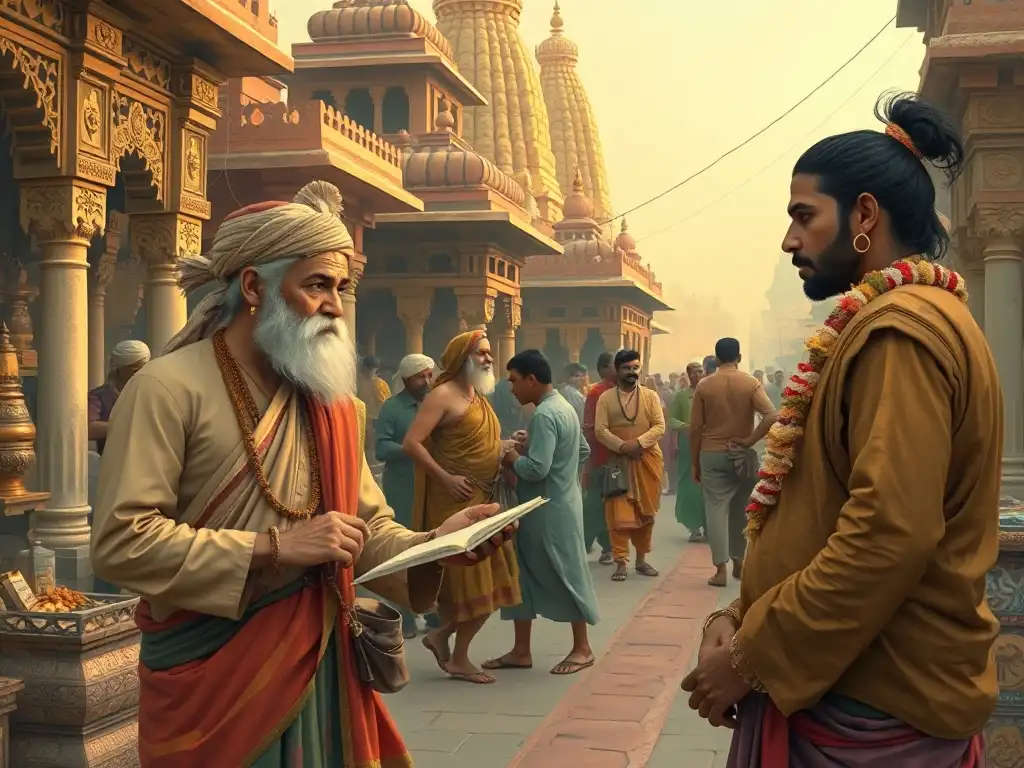
The caste system in ancient India stands as one of the most intricate and enduring social hierarchies in history. This system, characterized by hereditary social groups, was deeply intertwined with various aspects of life, including occupation, ritual status, and social mobility. When comparing the caste system to other social structures globally, notable differences emerge, particularly in the mechanisms of social stratification and mobility.
Caste System in Ancient India vs. Class Systems in Other Cultures
The caste system in ancient India is fundamentally different from class systems observed in many other cultures. While class systems, such as those in feudal Europe or contemporary capitalist societies, often allow for a degree of social mobility based on wealth, education, or individual achievement, the caste system is more rigid. Individuals were generally born into their caste, and mobility was limited, often restricted by strict social norms and religious beliefs.
In contrast, many cultures have developed class systems that permit movement between classes based on personal merit. For example, in the United States, the "American Dream" embodies the idea that hard work and determination can lead to upward mobility, regardless of one's background. However, in the caste system, moving from one caste to another was often met with significant barriers, both socially and legally.
Moreover, while class systems can be influenced by economic factors, the caste system in ancient India was deeply rooted in religious and spiritual beliefs, making it a more complex and entrenched form of social stratification. The four primary castes – Brahmins, Kshatriyas, Vaishyas, and Shudras – each had specific duties and societal roles that were often viewed as divinely ordained.
Lessons Learned from Other Societies Regarding Mobility
Examining the social structures of other societies provides valuable insights into the dynamics of mobility and stratification. For instance, ancient Rome had a more flexible system where social mobility was achievable through wealth accumulation and military service. Emperors and successful generals often emerged from humble beginnings, demonstrating that individual success could alter one's social standing.
Similarly, many modern democracies emphasize meritocracy, wherein educational achievements and professional accomplishments can facilitate movement across social strata. The experiences of these societies suggest that reducing rigid barriers and fostering environments that encourage individual potential can enhance social mobility.
Furthermore, initiatives that promote inclusivity and equality, such as affirmative action in various countries, illustrate the importance of addressing systemic inequalities. The lessons from these societies highlight the potential for reform and the need for structures that emphasize individual capabilities over inherited status.
The legacy of the caste system in ancient India continues to influence social mobility in contemporary society. Understanding its historical roots and implications is crucial for addressing ongoing challenges related to caste and class.
Reflection on the Opportunities and Challenges
While the caste system provided certain individuals within higher castes with opportunities for education and economic advancement, it simultaneously imposed significant challenges on lower castes, often relegating them to marginalized roles. The system's rigid nature meant that many talented individuals were unable to realize their full potential simply due to their birth. This dynamic creates a dichotomy in opportunities, where privilege is inherited rather than earned, thus perpetuating cycles of poverty and disadvantage.
Lasting Impact of the Caste System in Contemporary India
In contemporary India, the impact of the caste system remains palpable, despite constitutional guarantees aimed at promoting equality. Social stigma and discrimination still affect millions, particularly those belonging to Scheduled Castes and Scheduled Tribes. While affirmative policies have been implemented to enhance opportunities for these groups, challenges persist in achieving true social mobility.
The caste system's historical legacy serves as a reminder of the complexities surrounding social hierarchies and the need for continued efforts to dismantle barriers. Understanding this legacy is essential for fostering a more equitable society, where individuals can thrive based on their abilities rather than their caste, ultimately leading to a more just and inclusive world.
Understanding the complexities of the caste system in ancient India requires a thorough examination of various scholarly works and resources. Below are some recommended books, articles, and online platforms that delve into the themes of caste and social structure, providing valuable insights into this intricate aspect of ancient Indian history.
Recommended Books and Articles
-
"The Caste System in India: A Historical Perspective" by G. S. Ghurye
This seminal work offers an in-depth examination of the origins and evolution of the caste system in India. Ghurye's analysis provides a comprehensive overview of social stratification and its implications throughout Indian history.
-
"Caste: The Origins of Our Discontents" by Isabel Wilkerson
Although this book primarily discusses caste in a modern context, it draws parallels with historical caste systems, including that of ancient India. Wilkerson's narrative connects past injustices with present social dynamics.
-
"The Hindu Social Structure" by N. K. Bose
Bose's work focuses on the social structure of ancient India, exploring how caste influenced various aspects of daily life and governance. This book is essential for understanding the broader implications of caste on societal organization.
-
"The Untouchables: Their Life and Work" by Dr. B.R. Ambedkar
As a significant figure in the discussion of caste, Ambedkar's writings provide critical insights into the lives and struggles of the untouchables in ancient and modern India, highlighting the limitations imposed by the caste system.
-
"Caste in Contemporary India" by Surinder S. Jodhka
While primarily focused on contemporary issues, this article offers important historical context regarding the caste system's evolution and its lasting impact on modern Indian society.
Online Resources for In-Depth Exploration
-
Digital South Asia Library (DSAL)
This resource provides access to a wealth of primary sources, historical texts, and research materials related to the social structure of ancient India, making it an invaluable tool for researchers and enthusiasts alike.
-
Internet Archive
The Internet Archive hosts numerous texts on Indian history, including works focused on the caste system. Users can access digitized versions of important historical documents and scholarly articles.
-
Scribd
Scribd houses a variety of books and articles on the caste system in ancient India. Subscriptions allow users to explore comprehensive analyses and discussions by various authors.
-
ResearchGate
This platform connects researchers and academics, providing access to scholarly articles and papers on the caste system and social structure in ancient India. Users can often request full-text versions of articles directly from the authors.
-
Academia.edu
Similar to ResearchGate, Academia.edu allows scholars to share their research and findings. It is a useful resource for finding papers related to the caste system in ancient India, along with discussions on social mobility and its constraints.
These resources will aid in understanding the multifaceted nature of the caste system in ancient India, offering both historical context and contemporary relevance. For those interested in further exploration of this pivotal aspect of Indian history, these readings and online platforms serve as excellent starting points.
- Introduction to the Caste System in Ancient India
- Historical Context of the Caste System
- Structure of the Caste System in Ancient India
- Social Mobility in Ancient India
- Opportunities for Social Mobility in Ancient India
- Limitations and Barriers to Social Mobility
- Comparative Analysis: Caste System vs. Other Social Structures
- Conclusion: The Legacy of the Caste System on Social Mobility
- Further Reading and Resources on Caste and Social Structure in Ancient India
Frequently Asked Questions
What was the caste system in ancient India?
The caste system was a hierarchical social structure that divided society into distinct groups based on occupation and heritage. It included four main categories: Brahmins, Kshatriyas, Vaishyas, and Shudras.
Social mobility was largely limited within the caste system, as individuals were generally expected to remain in their birth caste. However, some opportunities for upward mobility existed through exceptional achievements or royal favor.
What were the contributions of the caste system to ancient Indian society?
The caste system contributed to social organization and the division of labor, allowing for specialized skills to flourish. It also played a role in cultural practices and religious rituals, shaping ancient Indian identity.
Were there any exceptions to the caste rules in ancient India?
Yes, there were instances where individuals could transcend caste boundaries, often through personal achievements or royal patronage. Some historical figures challenged the status quo, promoting more egalitarian values.
How did the Gupta Empire view the caste system?
During the Gupta Empire, the caste system became more pronounced, reinforcing social stratification. However, the empire also saw the emergence of new ideas and philosophies that questioned the rigid caste divisions, leading to gradual changes in society.
Final Reflection: Understanding the Caste System in Ancient India and Its Lasting Impact
The caste system in ancient India remains a pivotal topic that resonates with contemporary discussions on social mobility and inequality. As we explore the historical intricacies of caste, we uncover not only the limitations imposed on individuals but also the opportunities that emerged within this rigid framework. The lessons drawn from this ancient social structure are crucial for understanding the dynamics of privilege and access in today's society.
Caste has shaped the cultural and social landscape of India for centuries, influencing everything from personal identity to economic opportunity. The remnants of this system are still felt today, as the echoes of ancient hierarchies continue to affect social interactions and mobility. The past is never dead. It's not even past.
– William Faulkner. This quote encapsulates the enduring nature of the caste system's legacy, reminding us that the challenges of social stratification are not relics of history but ongoing realities that require our attention and action.
As we reflect on the complexities of the caste system in ancient India, I invite you to consider how these historical lessons can inform your own understanding of social justice and equity. Let us take this opportunity to challenge existing norms, advocate for inclusivity, and foster environments where everyone, regardless of their background, can thrive. Embrace the responsibility to learn from the past and contribute to a more equitable future, where the limitations of caste no longer dictate the potential of individuals.
Unlock New Perspectives on Caste and Mobility!
Thank you for taking the time to explore the complex interplay of caste and social mobility in ancient India. Your curiosity has uncovered valuable insights into how these dynamics shaped lives and societies. Now, let’s take the next step together and make an impact!
- Dive deeper into the topic by reading related articles on the history of ancient India to enhance your understanding of its cultural and social systems.
- Share your thoughts with friends or on social media—sparking discussions could lead to enlightening discoveries!
- Consider joining a community forum focused on ancient history. Engaging with others who share your passion can provide new perspectives and insights.
What aspect of ancient India's caste system intrigues you the most, and how do you think it shapes our understanding of social structures in contemporary society?