
How Ancient India Balanced Agriculture with Environmental Sustainability

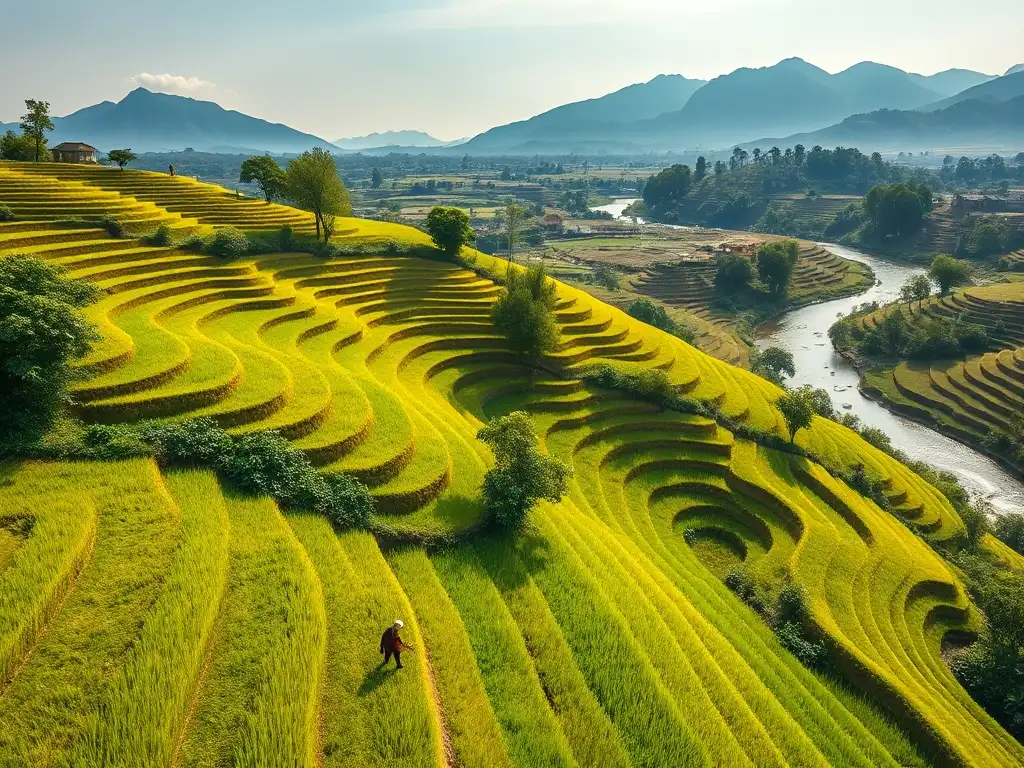
Welcome to Ancient India History, where we embark on a fascinating journey through the rich tapestry of India's past. As we delve into the intricate connections between agriculture and environmental sustainability, we uncover the innovative practices of ancient Indian civilizations that not only thrived but also harmonized with nature. Ever wondered how the Indus Valley farmers cultivated their lands while preserving natural resources? Stay with us as we explore the remarkable strategies that defined Ancient India agriculture sustainability and shaped the economic landscape for generations to come. Your adventure into the depths of history starts here!
- Introduction to Ancient India Agriculture Sustainability
- Historical Context of Agriculture in Ancient India
- Key Practices of Sustainable Agriculture in Ancient India
- Traditional Irrigation Systems Supporting Sustainability
- Cultural and Religious Influences on Agricultural Sustainability
- Lessons from Ancient India for Modern Agriculture
- Conclusion
-
Frequently Asked Questions
- What were the main agricultural practices in ancient India?
- How did ancient Indian civilizations contribute to environmental sustainability?
- What role did irrigation play in ancient Indian agriculture?
- How did ancient Indian texts address agriculture and sustainability?
- What lessons can modern agriculture learn from ancient India's practices?
- Final Reflection: Embracing Ancient Wisdom for Sustainable Futures
- Unveil the Secrets of Sustainable Living!
Introduction to Ancient India Agriculture Sustainability
The agricultural practices of ancient India represent a fascinating intersection of innovation and environmental stewardship. As civilizations such as the Indus Valley, Maurya, and Gupta flourished, they developed sophisticated systems to cultivate crops while maintaining a harmonious relationship with their environment. This balance was not merely a matter of necessity but a core principle that informed their agricultural methodologies.
By examining how ancient Indian societies approached agriculture, we can uncover insights into sustainable practices that resonate even today. This exploration will reveal the intricate ways in which ancient India agriculture sustainability was achieved, highlighting techniques and philosophies that contributed to the resilience of these civilizations.
Overview of Agriculture in Ancient India
Agriculture in ancient India was characterized by diversity and adaptability. The fertile plains of the Indus River Valley allowed for the cultivation of various crops, including wheat, barley, and pulses. Here are some key aspects of ancient Indian agriculture:
- Crop Variety: Ancient farmers cultivated a wide range of crops, adapting to regional climates and soil types. This diversity ensured food security and reduced the risk of crop failure.
- Irrigation Systems: Advanced irrigation techniques were developed, including canals and wells, which facilitated farming in arid regions. These systems allowed for the efficient use of water resources, directly impacting crop yields.
- Seasonal Farming: The agricultural calendar was closely tied to the monsoon season, with farmers timing their planting and harvesting to coincide with rainfall patterns.
The integration of these practices showcases the ingenuity of ancient Indian farmers, who managed to cultivate the land sustainably while responding to environmental challenges.
Importance of Environmental Sustainability in Ancient Practices
The concept of environmental sustainability was intrinsic to ancient Indian agricultural practices. Several factors contributed to this commitment:
- Cultural Beliefs: Many ancient Indian societies viewed agriculture as a sacred duty, connecting their farming practices to spiritual beliefs. This cultural reverence for nature encouraged sustainable practices that protected the environment.
- Soil Management: Techniques such as crop rotation and intercropping were employed to maintain soil fertility and prevent degradation. This understanding of soil health was crucial for long-term agricultural productivity.
- Natural Resource Conservation: Ancient texts and practices often emphasized the conservation of water and soil, reflecting a deep awareness of the ecological balance necessary for sustainable agriculture.
The agriculture of ancient India serves as a remarkable example of how civilizations can thrive while respecting the environment. The sustainable practices developed during this era offer valuable lessons that remain relevant in contemporary discussions about agriculture and sustainability.
Historical Context of Agriculture in Ancient India

Agriculture in ancient India laid the foundation for one of the world's earliest and most sophisticated civilizations. The transition from a hunter-gatherer lifestyle to settled agricultural communities marked a significant turning point in human history. This transition was not just about the cultivation of crops; it also involved a profound understanding of the environment, resource management, and community organization.
The origins of agriculture in India can be traced back to the Indus Valley Civilization (c. 3300–1300 BCE), where archaeological evidence indicates advanced farming techniques. The people of this civilization cultivated wheat, barley, peas, and cotton, demonstrating an early understanding of crop rotation and irrigation. Well-planned urban centers like Mohenjo-Daro and Harappa were equipped with sophisticated drainage systems, indicating that water management was crucial for sustaining agricultural productivity.
As societies evolved, they adopted new techniques and tools, reflecting a blend of indigenous practices and influences from neighboring regions. This evolution was essential for enhancing agricultural sustainability and adapting to changing environmental conditions.
Evolution of Agricultural Techniques in Ancient Civilizations
The evolution of agricultural techniques in ancient India was a gradual process marked by innovation and adaptation. Various techniques were developed to enhance productivity and sustainability, including:
- Irrigation Systems: Ancient Indians constructed extensive irrigation systems, including canals and reservoirs. For instance, the Kund system utilized underground tanks to store water, which was later distributed to fields through a network of channels. This not only helped in drought conditions but also conserved water during rainy seasons.
- Crop Rotation and Diversity: Farmers practiced crop rotation and intercropping to maintain soil fertility. The inclusion of legumes in crop cycles enhanced nitrogen levels in the soil, promoting sustainable farming practices. Such techniques ensured that the land remained productive over long periods.
- Natural Fertilizers: The use of organic materials like compost and animal manure helped improve soil health and fertility. This practice reflects an understanding of the nutrient cycle and the importance of maintaining ecological balance.
- Tools and Implements: The development of advanced agricultural tools, such as the plow and sickle, facilitated efficient farming practices. These tools were made from locally sourced materials, emphasizing sustainability and resourcefulness.
Through these techniques, ancient Indian civilizations demonstrated a profound respect for the environment, leading to sustainable agricultural practices that endured for centuries.
Major Agricultural Regions in Ancient India
Ancient India was characterized by several major agricultural regions, each contributing uniquely to the overall agricultural landscape. These regions were shaped by geographical features, climate, and available resources:
- Indus Valley Region:
- Crops Cultivated: Wheat, barley, pulses, and cotton.
- Irrigation Practices: Utilization of rivers like the Indus for irrigation, alongside sophisticated drainage systems.
- Sustainability Measures: Evidence of crop rotation, which helped maintain soil health.
- Gangetic Plains:
- Crops Cultivated: Rice, wheat, and sugarcane.
- Irrigation Practices: Extensive use of river systems for irrigation.
- Sustainability Measures: Incorporation of floodplain agriculture, taking advantage of seasonal floods for nutrient-rich silt deposits.
- Southern India:
- Crops Cultivated: Millets, pulses, and various spices.
- Irrigation Practices: Construction of small tanks and reservoirs to manage water supply.
- Sustainability Measures: Shift towards more resilient crops during dry seasons, promoting long-term agricultural viability.
- Western India (Gujarat and Rajasthan):
- Crops Cultivated: Sorghum, millet, and cotton.
- Irrigation Practices: Use of wells and tank systems to access groundwater.
- Sustainability Measures: Adaptation to arid conditions through drought-resistant crops and eco-friendly farming practices.
The diverse agricultural regions of ancient India not only reflect the adaptability of its civilizations but also the deep-rooted understanding of environmental sustainability that guided their agricultural practices. The successful balance between agriculture and environmental stewardship laid the groundwork for the flourishing societies that followed.
Key Practices of Sustainable Agriculture in Ancient India
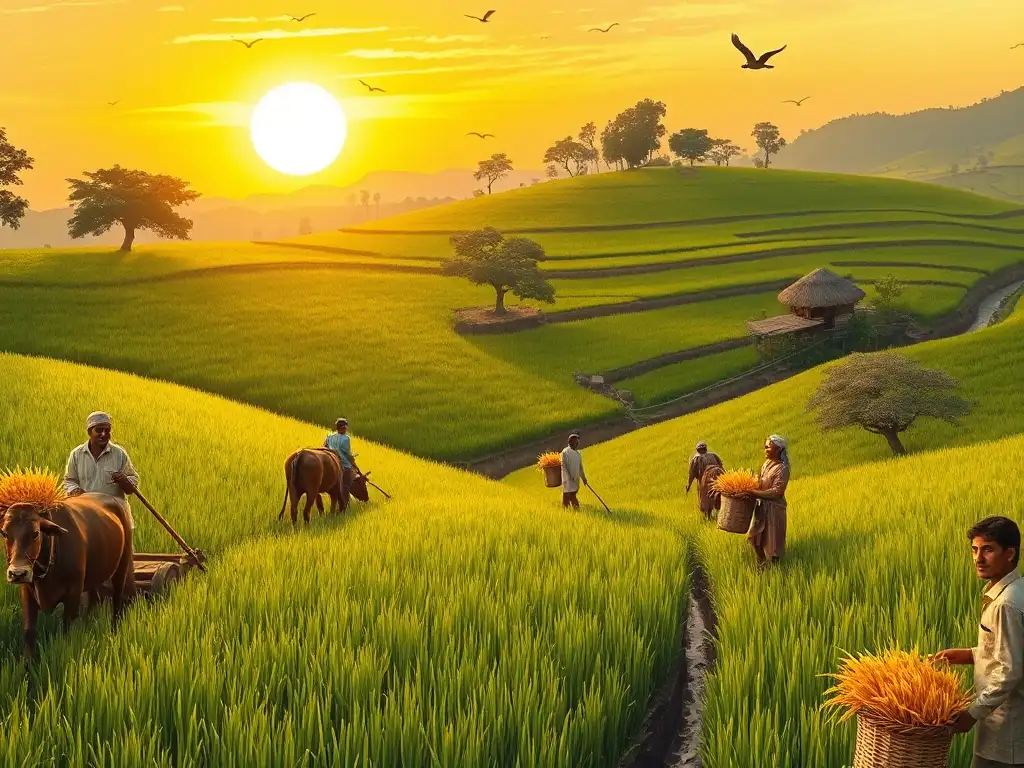
Ancient India is a remarkable example of a civilization that harmonized agricultural practices with environmental sustainability. The agricultural methodologies employed by ancient Indian societies reflect a deep understanding of ecological balance, which has significant relevance even in today's context of sustainable farming. Below, we delve into three key practices that exemplify the sustainable agricultural strategies used in ancient India: crop rotation and diversity, the use of organic fertilizers and natural pest control, and advanced water management techniques.
Crop Rotation and Diversity
One of the cornerstones of ancient Indian agriculture was the practice of crop rotation and diversity. Farmers in ancient India understood that growing a variety of crops not only enhanced soil fertility but also reduced pest outbreaks.
- Crop Rotation: This method involved alternating the types of crops grown in a specific field from season to season. For example, legumes were often planted after cereals. Legumes, being nitrogen-fixing plants, replenished nutrients in the soil, which is a principle still embraced in modern sustainable farming practices.
- Diversity in Crops: The cultivation of multiple crop varieties allowed ancient farmers to mitigate risks associated with crop failure. By planting a mix of drought-resistant and moisture-loving crops, farmers could ensure a more stable food supply. This diversity also contributed to enhanced biodiversity, which is crucial for maintaining ecological balance.
The benefits of these practices included:
- Improved soil health and fertility
- Reduced dependency on chemical fertilizers
- Increased resilience against pests and diseases
Use of Organic Fertilizers and Natural Pest Control
Ancient Indian agricultural practices heavily relied on organic fertilizers and natural pest control methods that minimized environmental impact.
- Organic Fertilizers: Farmers utilized cow dung, compost, and green manure to enrich the soil. These organic materials not only provided essential nutrients but also improved soil structure and water retention capacity. The application of organic fertilizers is a sustainable practice that aligns with the principles of soil conservation.
- Natural Pest Control: Instead of chemical pesticides, ancient farmers employed various natural methods to control pests. For example, they used neem leaves, which are known for their insect-repelling properties. Additionally, intercropping with pest-resistant plants was a common strategy to deter harmful insects.
The impact of these practices was profound:
- Enhanced soil fertility without chemical reliance
- Reduced ecological footprint
- Promotion of a balanced ecosystem
Water Management Techniques in Ancient Indian Agriculture
Efficient water management was crucial for the success of agriculture in ancient India, given the region's varying climatic conditions. Ancient Indian civilizations developed sophisticated irrigation techniques that ensured sustainable water use.
- Irrigation Systems: The construction of canals, reservoirs, and tanks was widespread. For example, the stepwell system, which captured rainwater, allowed for effective water storage and distribution. Such systems ensured that water was available during dry seasons, promoting agricultural stability.
- Rainwater Harvesting: Many ancient communities practiced rainwater harvesting techniques to collect and store water. This not only provided a sustainable water source but also prevented soil erosion and nutrient runoff.
- Crop Selection Based on Water Availability: Farmers carefully selected crops based on the water availability in their region. Drought-resistant varieties were preferred in arid areas, while water-intensive crops were cultivated in regions with ample rainfall.
The advantages of these water management techniques included:
- Maximized water efficiency and reduced wastage
- Enhanced crop yields through reliable irrigation
- Conservation of local water resources
The sustainable agricultural practices of ancient India—such as crop rotation, organic fertilizers, natural pest control, and sophisticated water management—provide valuable insights into how civilizations can innovate while maintaining environmental harmony. As modern agriculture grapples with sustainability challenges, revisiting these ancient practices may offer effective solutions for a more sustainable future.
Traditional Irrigation Systems Supporting Sustainability
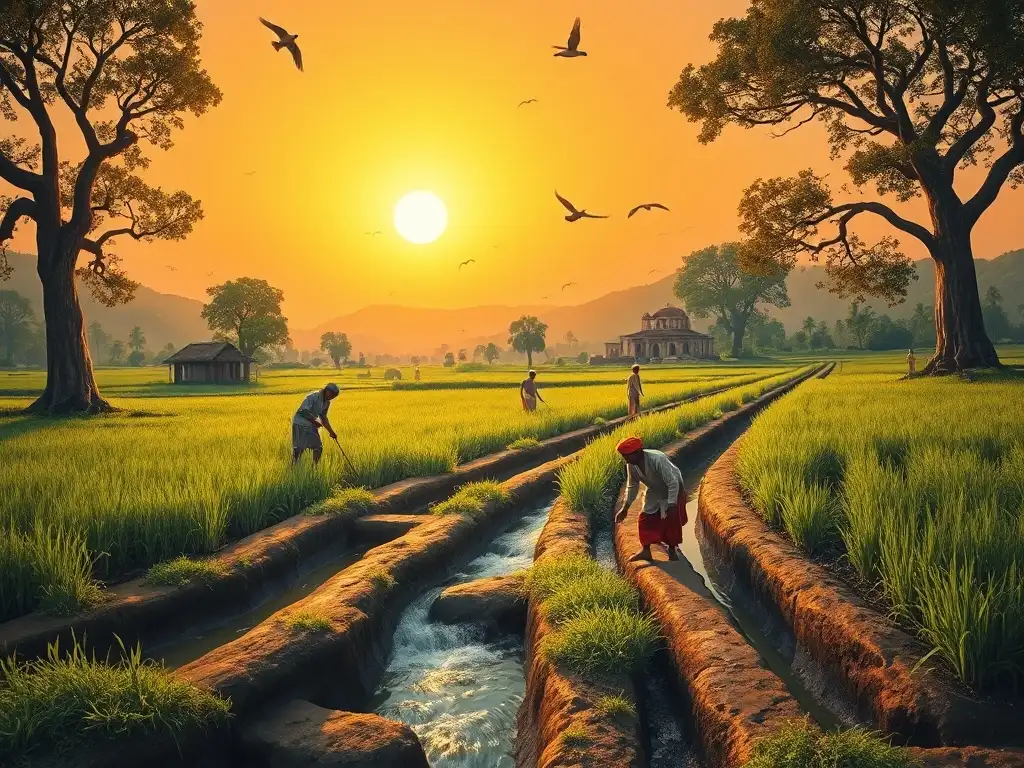
Overview of Ancient Indian Irrigation Methods
Ancient India showcased a remarkable understanding of irrigation practices that not only supported agricultural productivity but also emphasized environmental sustainability. The diverse climatic conditions and geographical features necessitated innovative irrigation methods tailored to local needs. Key irrigation systems included:
- Surface Irrigation: This method utilized gravity to distribute water across fields. Farmers constructed channels and bunds to direct river water to their crops, ensuring efficient use of available resources.
- Well Irrigation: Wells were a common source of water, particularly in arid regions. The use of hand-dug wells and later, more advanced techniques like Persian wheels, allowed farmers to access groundwater sustainably.
- Rainwater Harvesting: Ancient civilizations developed systems to capture and store rainwater, utilizing it during dry spells. This practice not only conserved water but also enhanced soil moisture, contributing to better crop yields.
These methods exemplified a deep-rooted understanding of environmental balance, as they were designed to work harmoniously with nature while meeting agricultural demands.
The Role of Canals and Watersheds in Sustainable Agriculture
Canals and watersheds played a pivotal role in ancient Indian agriculture, contributing significantly to sustainability. The strategic construction of canals allowed for the effective diversion and distribution of river water to vast agricultural lands. Some notable features included:
- Canal Systems: Major rivers such as the Ganges and the Indus had extensive canal networks that facilitated irrigation across extensive areas. These canals minimized water loss through evaporation and ensured that even distant fields received adequate moisture.
- Watershed Management: Ancient Indians recognized the importance of preserving natural watersheds. By maintaining forest cover and promoting vegetation along riverbanks, they enhanced water retention and reduced soil erosion. This practice not only sustained agriculture but also improved local biodiversity.
The integration of canals and watershed management into agricultural practices demonstrated a sophisticated understanding of ecosystems, ensuring that both agricultural productivity and environmental health were prioritized.
Case Study: The Indus Valley Irrigation System
The Indus Valley Civilization, one of the earliest urban societies in the world, offers a compelling case study in ancient Indian agriculture sustainability. This civilization, which thrived between 3300 and 1300 BCE, developed an advanced irrigation system that supported its agricultural economy.
- Planned Urban Layout: The cities of Harappa and Mohenjo-Daro featured a grid layout, with streets and drainage systems that facilitated the efficient management of water resources.
- Canal Networks: Archaeological evidence indicates that the Indus Valley inhabitants constructed an intricate network of canals that diverted water from the Indus River. These canals supported the irrigation of crops like wheat, barley, and cotton, which were staples of their diet and economy.
- Flood Management: The civilization implemented flood control measures to protect their fields from seasonal inundation. By designing a system of levees and drainage channels, they managed to mitigate flood damage while ensuring sustained agricultural productivity.
The Indus Valley Civilization exemplified how ancient India agriculture sustainability was achieved through innovative irrigation systems, meticulous planning, and a deep respect for the natural environment. This balance between agricultural development and environmental stewardship laid the foundation for sustainable practices that resonate in modern agricultural discourse.
Cultural and Religious Influences on Agricultural Sustainability

The Concept of Ahimsa and its Impact on Farming Practices
In ancient India, the principle of Ahimsa, or non-violence, played a significant role in shaping agricultural practices. Rooted in Hinduism, Buddhism, and Jainism, this ethical philosophy emphasized respect for all living beings. As a result, farmers were encouraged to adopt practices that minimized harm to the environment and the creatures inhabiting it.
- Organic Farming Techniques: The ethos of Ahimsa led to the development of organic farming methods. Farmers avoided chemical fertilizers and pesticides that could harm soil health and biodiversity. Instead, they relied on natural fertilizers such as compost and cow dung, promoting sustainable soil fertility.
- Crop Rotation: To maintain ecological balance, ancient Indian farmers practiced crop rotation. By alternating different crops in the same fields, they reduced soil depletion and prevented pest infestations, aligning with the principles of Ahimsa by fostering a healthy ecosystem.
- Water Conservation: Ahimsa also influenced water management practices. Ancient texts, such as the Arthashastra, advocated for the sustainable use of water resources, encouraging the construction of wells, tanks, and reservoirs to ensure that irrigation did not lead to water scarcity or harm to aquatic life.
Overall, the concept of Ahimsa significantly contributed to ancient India agriculture sustainability, promoting methods that balanced agricultural productivity with environmental stewardship.
Rituals and Festivals Celebrating Agricultural Cycles
Rituals and festivals in ancient India were not merely cultural events; they also served as crucial mechanisms for promoting agricultural sustainability. These celebrations, deeply intertwined with the agrarian calendar, reflected the community's respect for nature and its cycles.
- Pongal (Tamils): This harvest festival, celebrated in Tamil Nadu, symbolizes gratitude towards the sun and earth. During Pongal, farmers prepare a special dish using newly harvested rice, emphasizing the importance of sustainable practices that honor nature's bounty. The festival encourages communal participation, reinforcing social bonds around agricultural activities.
- Makar Sankranti: Marked by the transition of the sun into Capricorn, Makar Sankranti is celebrated across India with kite flying and feasting. It coincides with the harvest of winter crops, and the rituals associated with this festival often include prayers for a bountiful harvest, reflecting the community's reliance on and respect for sustainable farming practices.
- Navratri: Although primarily a celebration of the goddess Durga, Navratri also marks the beginning of the agricultural season in many regions. During this time, farmers perform rituals to seek blessings for the upcoming planting season, promoting sustainable practices through the invocation of divine support for their crops.
The integration of rituals and festivals into the agricultural calendar served not only as a means of celebration but also as a critical reminder of the interdependence between human communities and the environment. These practices reinforced the values of sustainability, ensuring that agricultural methods were aligned with ecological well-being and cultural identity.
Lessons from Ancient India for Modern Agriculture

The agricultural practices of ancient India offer profound insights into sustainable farming techniques that modern agriculture can integrate to create a balance between productivity and environmental conservation. The ancient civilizations, particularly during the Indus Valley period and extending through the Gupta Empire, exhibited advanced knowledge of land use, irrigation systems, and crop management that prioritized ecological balance.
Integrating Ancient Techniques into Contemporary Practices
Ancient Indian farmers employed several techniques that are increasingly relevant today as we face environmental degradation and climate change. Some key practices include:
- Crop Rotation: Ancient farmers practiced crop rotation to maintain soil fertility and prevent pest buildup. This method not only enhances soil nutrients but also prevents the depletion of specific resources, which is a practice that modern agriculture is beginning to adopt more widely.
- Intercropping: This technique involved growing two or more crops in proximity for mutual benefits, such as reducing pests and enhancing soil health. For instance, the combination of legumes with grains helped in nitrogen fixation, enriching the soil naturally.
- Organic Fertilization: The use of animal manure and compost was common in ancient times, which enriched the soil without the adverse effects associated with synthetic fertilizers. This approach is currently seeing a resurgence as organic farming gains popularity.
- Water Harvesting: Ancient Indian civilizations, particularly in arid regions, developed intricate systems for rainwater harvesting and irrigation. Techniques such as check dams, step wells, and the use of qanats (underground channels) ensured sustainable water management, which modern technologies can emulate to address water scarcity issues.
The Relevance of Ancient Wisdom in Current Environmental Challenges
As contemporary agriculture grapples with the consequences of industrial farming practices—such as soil erosion, loss of biodiversity, and water scarcity—ancient Indian agricultural wisdom provides a valuable framework for developing sustainable solutions.
- Biodiversity: Ancient agricultural systems embraced biodiversity, which is crucial for resilience against pests and diseases. By diversifying crops and maintaining native plant species, modern agriculture can enhance ecosystem health and stability.
- Soil Conservation: Techniques such as mulching, contour farming, and the use of cover crops, which were practiced in ancient India, can significantly reduce soil erosion and enhance soil structure. This is increasingly vital in the face of climate change, where extreme weather events threaten soil integrity.
- Cultural Practices: The religious and cultural significance of agriculture in ancient India fostered a deep respect for nature. This intrinsic connection can inspire contemporary farming communities to adopt sustainable practices that honor the environment, enhancing community engagement and stewardship.
The lessons from ancient India regarding agriculture sustainability illuminate pathways for modern practices. By integrating these time-tested techniques and respecting the environment, current agricultural systems can move toward a more sustainable and productive future.
Conclusion

Summary of Ancient India’s Contributions to Sustainable Agriculture
Ancient India stands as a testament to innovative agricultural practices that prioritized sustainability long before modern environmental awareness took root. The civilizations of the Indus Valley, for instance, demonstrated advanced methods of land use and irrigation that ensured the efficient management of water resources. The ingenious construction of wells, reservoirs, and canals facilitated not only irrigation but also minimized water wastage, showcasing a profound understanding of environmental stewardship.
One of the most significant contributions to agriculture sustainability was the adoption of crop rotation and mixed farming techniques. These practices enriched soil fertility and prevented depletion, allowing farmers to cultivate diverse crops without exhausting the land. The use of organic fertilizers, such as compost and cow dung, further enhanced soil health while reducing reliance on chemical inputs. This holistic approach to farming ensured that agricultural activities complemented the ecosystem rather than harmed it.
Additionally, ancient texts like the Arthashastra and Manasollasa provided valuable insights into sustainable farming practices. They emphasized the importance of maintaining ecological balance and advocated for methods that supported both agricultural productivity and environmental health. The integration of traditional knowledge with agricultural practices laid a solid foundation for sustainability that resonates in modern agricultural discourse.
Future Implications for Agricultural Sustainability Inspired by Ancient Practices
Reflecting on the sustainable agricultural practices of ancient India offers vital lessons for contemporary societies grappling with environmental challenges. As climate change intensifies and resources become scarcer, revisiting these age-old methods can provide innovative solutions for modern agriculture.
- Water Conservation Techniques: The ancient use of rainwater harvesting and check dams can be revisited to enhance water availability in arid regions. Modern engineers and agriculturalists can draw inspiration from ancient designs to create systems that are both efficient and environmentally friendly.
- Agroecological Practices: Emphasizing biodiversity and intercropping can help modern farmers replicate the resilience of ancient systems. By cultivating multiple crops together, farmers can improve pest control and enhance soil fertility, leading to more sustainable yields.
- Organic Farming: The ancient reliance on organic materials for soil enhancement can guide current agricultural policies towards reducing chemical fertilizer use. This shift not only supports soil health but also contributes to the overall reduction of agricultural runoff and its negative effects on water bodies.
- Community-Based Approaches: Ancient India's agricultural success was often rooted in community collaboration, where knowledge and resources were shared. Encouraging cooperative farming and local knowledge exchanges today can strengthen community ties and enhance food security.
The principles of ancient India agriculture sustainability offer a rich well of knowledge that can inform current agricultural practices. By integrating these time-tested methods with modern innovations, societies can work towards a balanced approach that honors the environment while ensuring food security for future generations.
Frequently Asked Questions
What were the main agricultural practices in ancient India?
Ancient India utilized diverse agricultural practices such as crop rotation, intercropping, and the use of organic fertilizers. These methods helped maintain soil fertility and ensured sustainable farming.
How did ancient Indian civilizations contribute to environmental sustainability?
Ancient Indian civilizations emphasized sustainable agricultural techniques that promoted biodiversity and soil health. They respected natural resources, fostering a harmonious relationship between agriculture and the environment.
What role did irrigation play in ancient Indian agriculture?
Irrigation was crucial in ancient India, with systems like the Indus River canals and step wells. These innovations allowed farmers to achieve consistent yields despite varying climatic conditions, enhancing agricultural sustainability.
How did ancient Indian texts address agriculture and sustainability?
Texts such as the Arthashastra and Vedas contained guidelines on sustainable farming practices. They emphasized the importance of soil conservation and the responsible use of water resources, reflecting a deep understanding of environmental balance.
What lessons can modern agriculture learn from ancient India's practices?
Modern agriculture can learn from ancient India's emphasis on diversity, sustainability, and community involvement. Implementing similar practices can help address contemporary challenges like soil degradation and climate change.
Final Reflection: Embracing Ancient Wisdom for Sustainable Futures
The lessons of ancient India’s agricultural practices resonate powerfully in today's world, where the urgency for sustainable solutions is more critical than ever. As we grapple with climate change, resource depletion, and food security, the innovative balance that ancient Indian civilizations achieved between agriculture and environmental sustainability serves as a beacon of hope and a model for contemporary practices. Their holistic approach reminds us that sustainability is not merely a modern concept but a timeless necessity.
Cultural and social landscapes are profoundly shaped by how we interact with our environment, and ancient India exemplifies this relationship. The intricate systems of crop rotation, water conservation, and biodiversity that flourished in this era highlight a deep understanding of ecological balance. As we reflect on these practices, we can draw inspiration from the words of Mahatma Gandhi: The earth provides enough to satisfy every man's needs, but not every man's greed.
This quote encapsulates the essence of sustainable living, urging us to prioritize harmony with nature over exploitation.
As we move forward, let us take a moment to reflect on our own practices and the impact they have on our environment. Consider how you can integrate the wisdom of ancient India into your daily life, whether through mindful consumption, supporting sustainable agriculture, or advocating for policies that protect our ecosystems. The journey toward sustainability is not just a responsibility but an opportunity to honor the past while forging a better future for generations to come. Embrace this challenge, and together, we can cultivate a world that thrives in balance with nature.
Unveil the Secrets of Sustainable Living!
Thank you for taking the time to explore how ancient India expertly balanced agriculture with environmental sustainability. The insights you’ve gained can inspire you to foster harmony within your own practices and surroundings.
Now, it's time to take actionable steps toward sustainability:
- Adopt a sustainable practice in your daily life, such as composting or growing your own vegetables, to honor the traditional techniques that promote ecological balance.
- Share this article with friends and family to spark conversations about sustainability and its potential to enhance our modern world.
- Join a local community garden or environmental organization to connect with others who are passionate about nurturing nature and learning from historical wisdom.
As you reflect on the remarkable methods of the past, consider this: What sustainable practice will you implement today to make a positive impact on your environment?