
The Art of Investment: Navigating the Global Market for Ancient Indian Artefacts

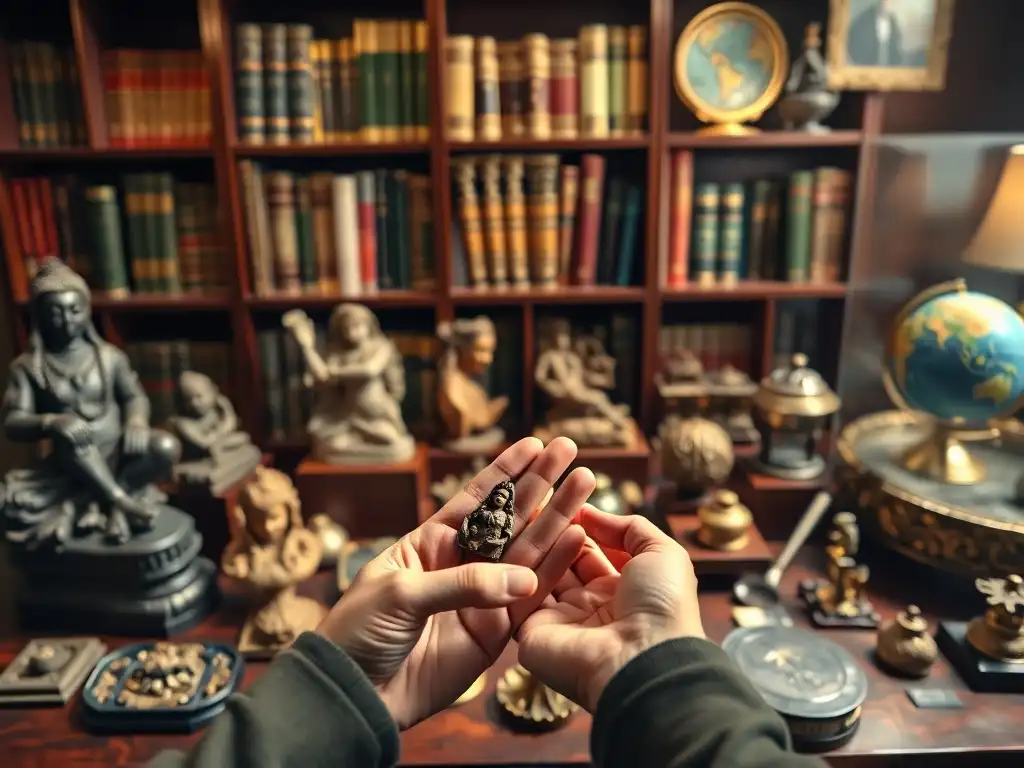
Welcome to Ancient India History, where we embark on an enlightening journey through the rich tapestry of ancient Indian civilizations. From the enigmatic Indus Valley to the flourishing Gupta Empire, our exploration reveals the profound cultural contributions that have shaped the world. Are you intrigued by the allure of Investing in Ancient Indian Artifacts?
In our featured article, "The Art of Investment: Navigating the Global Market for Ancient Indian Artifacts," we delve into the fascinating intersection of history and commerce, uncovering how these timeless treasures can be both a passion and a profitable venture. Join us as we unlock the secrets of this captivating market, sparking your curiosity and inspiring your next investment!
- Introduction to Investing in Ancient Indian Artefacts
- Why Invest in Ancient Indian Artefacts?
- Key Factors to Consider When Investing in Ancient Indian Artefacts
- The Best Types of Ancient Indian Artefacts to Invest In
- Navigating the Global Market for Ancient Indian Artefacts
- Investment Strategies for Ancient Indian Artefacts
- Case Studies: Successful Investments in Ancient Indian Artefacts
- Conclusion: Making Informed Decisions in the Market for Ancient Indian Artefacts
- Additional Resources for Investors
- Call to Action: Start Your Investment Journey in Ancient Indian Artefacts Today!
- Frequently Asked Questions
- Final Reflection: Embracing the Legacy of Ancient Indian Artifacts
- Embark on Your Journey to Investment Mastery!
Introduction to Investing in Ancient Indian Artefacts
Investing in ancient Indian artifacts offers a unique opportunity to engage with the rich tapestry of India's historical and cultural legacy. From the intricate craftsmanship of the Indus Valley Civilization to the exquisite sculptures of the Gupta Empire, these artifacts not only represent artistic brilliance but also embody centuries of tradition and heritage. As the global market for collectibles continues to expand, investors are increasingly drawn to the allure of ancient Indian artifacts, which combine aesthetic value with historical significance.
This article aims to explore the intricacies of investing in ancient Indian artifacts, shedding light on their inherent value, the global market trends, and the factors that contribute to their appreciation over time. By understanding the landscape of this niche investment sector, potential investors can make informed decisions that honor the cultural heritage of India while also capitalizing on the financial benefits of such investments.
Understanding the Value of Ancient Indian Artefacts
The value of ancient Indian artifacts is multifaceted, encompassing artistic, historical, and cultural dimensions. Several factors contribute to their worth:
- Rarity and Authenticity: The more rare and authentic an artifact is, the higher its value. Provenance plays a crucial role; artifacts with documented histories or those that can be traced back to significant historical periods are particularly sought after.
- Cultural Significance: Many artifacts reflect the beliefs, practices, and lifestyles of ancient Indian civilizations. Items related to religious practices, such as idols or ceremonial objects, often carry additional value due to their cultural importance.
- Condition and Preservation: The physical state of an artifact directly impacts its market value. Well-preserved items with minimal restoration are generally more valuable than those that have been extensively repaired or altered.
- Artistic Merit: The craftsmanship and artistic quality of the artifact also play a significant role in determining its value. Items showcasing exceptional artistry or innovative techniques are likely to attract higher bids in auctions.
Investors should be aware that evaluating the value of ancient Indian artifacts requires expertise and thorough research. Engaging with reputable appraisers or dealers can provide insights into the market and help ascertain the true worth of a piece.
Overview of the Global Market Trends for Indian Artifacts
The global market for Indian artifacts is experiencing notable growth, driven by an increasing appreciation for cultural heritage and the rising interest in collectibles. Key trends shaping this market include:
- E-commerce Expansion: The rise of online platforms has made it easier for collectors and investors to access a wider range of artifacts. This digital transformation allows for greater visibility and increased competition among buyers.
- Cultural Institutions and Exhibitions: Museums and galleries are increasingly showcasing ancient Indian artifacts, fostering public interest and awareness. These exhibitions not only celebrate India's cultural legacy but also encourage investment in this sector.
- Investment Diversification: Many investors are seeking alternative assets to diversify their portfolios. Ancient Indian artifacts are viewed as a tangible investment that can provide both emotional and financial returns.
- Globalization of the Art Market: As the art market becomes more globalized, there is a growing demand for Indian artifacts among international collectors. This trend is further fueled by the increasing influence of Indian culture worldwide, enhancing the appeal of its historical artifacts.
In navigating this dynamic market, potential investors must remain informed about the latest trends and developments to make strategic investment decisions. Understanding these market dynamics, coupled with a deep appreciation for the cultural significance of ancient Indian artifacts, can lead to a rewarding investment journey.
Why Invest in Ancient Indian Artefacts?
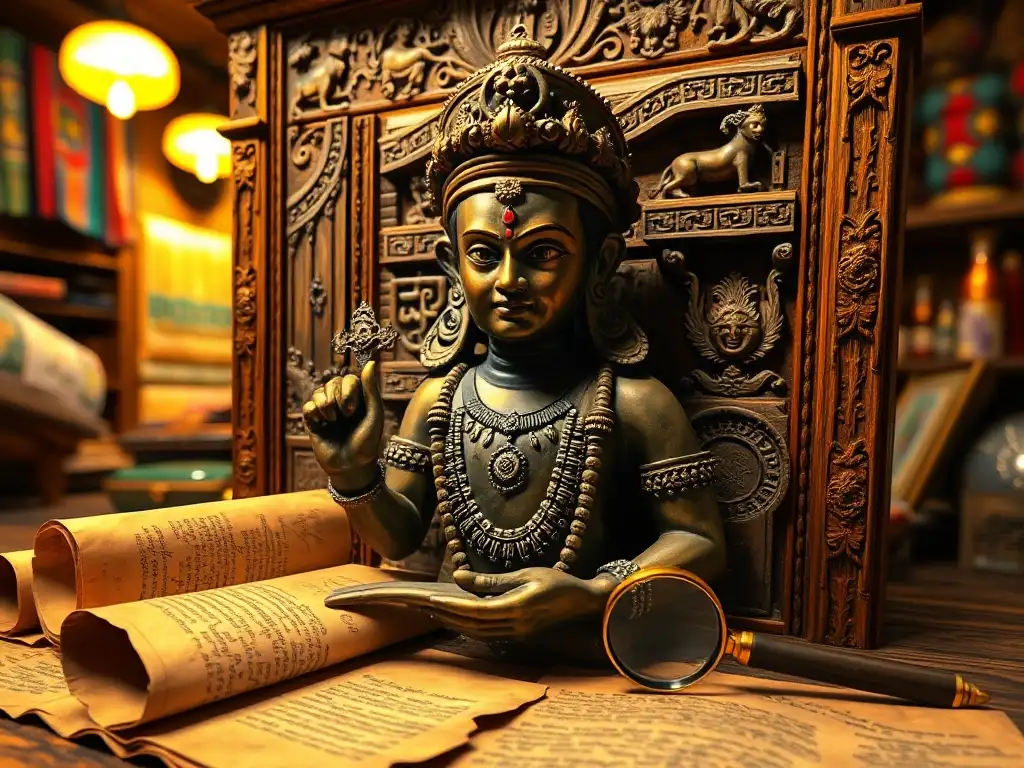
Investing in ancient Indian artefacts presents a unique opportunity for collectors and investors alike. Not only do these artefacts hold significant historical and cultural value, but they also offer potential financial benefits. As the global market for art and antiquities continues to grow, understanding the multifaceted reasons for investing in ancient Indian artefacts is crucial.
Historical Significance and Cultural Heritage
Ancient Indian artefacts are imbued with rich history and cultural narratives that span thousands of years. From the sophisticated urban planning of the Indus Valley Civilization to the intricate sculptures of the Gupta Empire, these artefacts provide invaluable insights into India's past. Investing in such items means preserving and promoting this cultural heritage.
- Cultural Narratives: Each artefact often tells a story or represents a significant aspect of the civilization from which it originates. For example, a bronze statue from the Chola dynasty not only showcases artistic mastery but also reflects the socio-religious dynamics of its time.
- Educational Value: Collecting ancient artefacts can contribute to educational discourse. Museums and educational institutions frequently seek artefacts for exhibitions, thus enhancing their value while promoting public knowledge.
Moreover, artefacts can serve as conversation starters and focal points in both personal and public collections, fostering appreciation for ancient Indian culture among broader audiences.
Potential for High Returns on Investment
The financial aspect of investing in ancient Indian artefacts cannot be overlooked. The market for rare and authentic pieces has shown considerable growth over the years, and several factors contribute to their investment potential:
- Rarity and Authenticity: Authentic artefacts that are rare tend to appreciate significantly over time. For instance, a limited number of Mughal-era miniatures or ancient pottery can fetch high prices at auctions, often exceeding initial investment amounts.
- Increased Global Interest: As global interest in Indian culture grows, so does the demand for ancient artefacts. Investors can capitalize on this trend, as more collectors enter the market seeking unique pieces to add to their collections.
- Historical Value Appreciation: The historical significance of artefacts can lead to increased value over time. Items tied to major historical events or figures typically see a surge in interest, thereby enhancing their market price.
- Market Trends: Engaging with the trends of the global art market can provide insights into the best times to buy or sell artefacts. Investors who keep abreast of auction results and market analyses can make informed decisions that yield high returns.
Diversification Benefits in an Investment Portfolio
Incorporating ancient Indian artefacts into an investment portfolio offers diversification benefits that can mitigate risk and enhance overall returns. Here are several ways these artefacts contribute to a balanced investment strategy:
- Alternative Asset Class: Artefacts represent an alternative asset class that behaves differently from traditional investments such as stocks and bonds. This can provide a hedge against market volatility.
- Tangible Assets: Unlike stocks or cryptocurrencies, artefacts are tangible assets that can be appreciated in a physical form. This aspect can provide a sense of security for investors.
- Low Correlation with Financial Markets: The performance of the artefact market often does not correlate directly with financial markets. This means that during economic downturns, investments in ancient artefacts may retain value or even appreciate, providing a buffer for investors.
- Cultural and Emotional Value: Beyond financial returns, ancient Indian artefacts carry emotional and cultural significance. This intrinsic value can make them a rewarding investment for collectors who appreciate the stories and histories behind each piece.
Investing in ancient Indian artefacts is not only a way to preserve cultural heritage but also a lucrative opportunity with potential for high returns and diversification in investment portfolios. By understanding the significance of these artefacts, investors can navigate the global market with greater confidence and insight.
Key Factors to Consider When Investing in Ancient Indian Artefacts
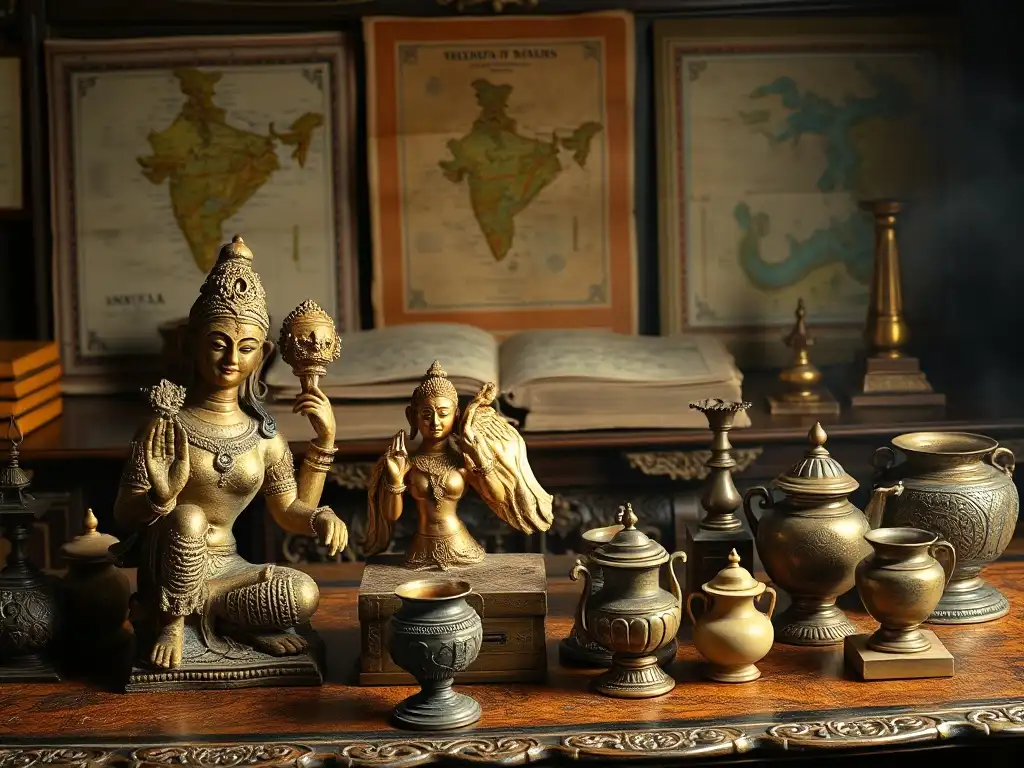
Authenticity: How to Identify Genuine Artefacts
When it comes to investing in ancient Indian artifacts, authenticity is paramount. The market for these items is rife with counterfeit pieces, making it essential for buyers to develop a keen eye for distinguishing genuine artifacts from replicas. Here are some crucial steps to verify authenticity:
- Expert Appraisal: Seek the services of a qualified appraiser who specializes in ancient Indian artifacts. Their expertise can provide a reliable assessment of the item's authenticity based on various criteria.
- Material Analysis: Understanding the materials used in the artifact can offer clues to its age. For instance, genuine artifacts from the Indus Valley civilization often utilize terracotta or stone, whereas modern replicas may use synthetic materials.
- Dating Techniques: Employ scientific methods such as carbon dating or thermoluminescence to determine the age of the artifact. This can help verify whether it aligns with the claimed historical period.
- Comparative Analysis: Compare the artifact with similar pieces in reputable collections or museums. Differences in craftsmanship, style, and wear can indicate authenticity.
- Documentation: Always request any available documentation regarding the artifact's history or previous ownership, which can further support its authenticity.
By following these guidelines, investors can significantly reduce the risk of acquiring counterfeit artifacts and ensure their investments are sound.
Provenance: The Importance of Documented History
Provenance refers to the documented history of an artifact, detailing its origin, ownership, and journey through time. In the context of investing in ancient Indian artifacts, provenance is critical for several reasons:
- Value Addition: Artifacts with a well-documented provenance often command higher prices in the market. Collectors and investors are more inclined to pay a premium for pieces with a traceable history.
- Legal Assurance: Establishing the provenance helps ensure that the artifact was not obtained through illegal means. This is particularly important in light of international laws regarding the trade of cultural property.
- Cultural Significance: Provenance provides insight into the cultural context of the artifact, enhancing its historical and educational value. Knowing the story behind an artifact can enrich the collector's experience and appreciation.
To effectively evaluate provenance, investors should look for any historical records, photographs, or archival documents that trace the artifact's ownership. Additionally, reputable auction houses and galleries often provide provenance information, which can serve as a trusted source when making an investment.
Condition and Restoration: Evaluating Artefact Integrity
The condition of an artifact plays a significant role in its market value and desirability. When investing in ancient Indian artifacts, it is essential to assess both the current state of the item and any restoration efforts that may have been undertaken. Here are key factors to consider:
- Physical Condition: Examine the artifact for any signs of damage, such as cracks, chips, or fading. A well-preserved artifact will generally have a higher market value.
- Restoration Quality: If an artifact has undergone restoration, evaluate the quality of the work. Professional restoration can enhance an artifact's value, while poor-quality restoration can significantly detract from it. Look for:
- Materials Used: Authentic materials should ideally match the original.
- Technique: Restoration techniques should be reversible and minimally invasive.
- Historical Integrity: Consider how restoration may have altered the artifact's historical integrity. Maintaining as much of the original piece as possible is usually preferred in the collectible market.
- Expert Consultation: Again, consulting with experts can provide invaluable insights regarding the condition and restoration of the artifact. They can offer guidance on the potential impact on value and investment prospects.
By thoroughly evaluating the condition and restoration of ancient Indian artifacts, investors can make informed decisions that enhance their collections and ensure the integrity of their investments.
The Best Types of Ancient Indian Artefacts to Invest In
Sculptures and Statues: Aesthetic and Market Value
Investing in ancient Indian sculptures and statues can be an incredibly rewarding endeavor, both aesthetically and financially. These artefacts often reflect the rich cultural heritage and artistic prowess of various ancient Indian civilizations, from the Indus Valley to the Gupta Empire.
- Types of Sculptures:
- Stone Carvings: Often made from granite, sandstone, or marble, these sculptures are renowned for their intricate details. For instance, the exquisite carvings found in Khajuraho temples are not only a testament to ancient craftsmanship but also highly sought after in the market.
- Bronze Statues: Particularly from the Chola dynasty, bronze statues of deities like Shiva and Vishnu are prized for their artistic beauty and spiritual significance. The lost-wax casting technique used in creating these statues adds to their uniqueness and market value.
- Market Value:
- The market for ancient Indian sculptures has seen a significant rise in recent years. Collectors are willing to pay premium prices for well-preserved pieces. For example, a Chola bronze statue can fetch anywhere from tens of thousands to millions of dollars at auction, depending on its condition and provenance.
- Auctions and galleries specializing in Asian art often feature ancient Indian sculptures, providing investors a platform to gauge current market trends and values.
The combination of aesthetic appeal and strong market value makes ancient Indian sculptures and statues a compelling investment opportunity for collectors and investors alike.
Manuscripts and Texts: Rarity and Demand
Ancient Indian manuscripts and texts hold immense historical and cultural significance, making them highly desirable for investors in this niche market.
- Unique Attributes:
- Palm Leaf Manuscripts: These manuscripts, often inscribed in ancient scripts such as Sanskrit and Pali, are rare and fragile. Their preservation is crucial, as they provide insights into ancient philosophies, sciences, and literary traditions. Manuscripts like the Arthashastra, attributed to Kautilya, are prime examples of valuable historical texts.
- Religious Texts: Manuscripts related to Hindu scriptures, Buddhist texts, and Jain literature are in high demand. The rarity of such texts, combined with their religious significance, often leads to high valuations.
- Investment Potential:
- The demand for ancient manuscripts has surged, particularly among collectors focused on cultural heritage. The auction market for these texts can be competitive, with some manuscripts selling for hundreds of thousands of dollars.
- Investors should be aware of the need for authentication and provenance documentation, as the market has its share of forgeries. Engaging with reputable dealers and auction houses is essential to ensure the legitimacy of any investment.
The rarity and cultural importance of ancient manuscripts and texts present lucrative opportunities for investors willing to explore this specialized segment of the market.
Jewelry and Ornaments: Historical Craftsmanship and Appeal
Ancient Indian jewelry and ornaments are not only beautiful but also encapsulate the rich history and craftsmanship of India's past. Investing in these artefacts allows one to own a piece of history while also enjoying significant market potential.
- Types of Jewelry:
- Gold and Silver Ornaments: The intricate designs found in ancient Indian jewelry, especially from the Mughal and Rajput eras, are highly valued. Pieces such as necklaces, bangles, and earrings often feature detailed craftsmanship and the use of precious stones like rubies, emeralds, and pearls.
- Temple Jewelry: Originating from South India, this type of jewelry is traditionally used in temple rituals. Its unique designs and historical context make it highly sought after by collectors.
- Market Trends:
- The global market for antique and vintage jewelry has expanded, with ancient Indian pieces attracting significant interest due to their unique craftsmanship and cultural significance.
- Investors should be aware that the condition, age, and provenance of the jewelry can significantly influence its market value. For example, well-preserved pieces with documented history can command higher prices at auctions.
Ancient Indian jewelry and ornaments combine historical craftsmanship with strong market appeal, making them an excellent investment choice for those looking to diversify their portfolios with culturally significant artefacts.
Understanding Marketplaces: Online vs. Auction Houses
In the realm of investing in ancient Indian artifacts, the choice between online marketplaces and traditional auction houses is pivotal. Each platform offers distinct advantages and challenges, influencing both accessibility and pricing.
Online Marketplaces
Online platforms such as eBay, Etsy, and specialized sites like Artnet provide a vast array of ancient Indian artifacts. These marketplaces allow for:
- Wider Accessibility: Collectors from around the world can browse and purchase items without geographical constraints.
- Variety: A diverse selection of artifacts, from sculptures to textiles, often at competitive prices.
- Convenience: Bidding and purchasing can be done from the comfort of one’s home, often with user-friendly interfaces.
However, buyers must be cautious about:
- Authentication: It can be challenging to verify the authenticity of items sold online.
- Quality Assurance: The condition of artifacts may not be as thoroughly assessed as in auction houses.
Auction Houses
In contrast, reputable auction houses like Sotheby’s and Christie’s offer a more curated experience. Key benefits include:
- Expert Evaluation: Items are typically appraised by experts, providing buyers with confidence in their acquisitions.
- Provenance: Auction houses often provide detailed histories of the artifacts, enhancing their value.
- Competitive Bidding: Live auctions can drive prices up, reflecting the true market demand.
Nevertheless, auction houses may have drawbacks:
- Higher Fees: Buyers must consider additional costs such as buyer's premiums and taxes.
- Limited Accessibility: Auctions may require attendance or registration, which might limit participation.
When deciding between these marketplaces, consider your investment goals, budget, and the importance of artifact provenance in your collecting strategy.
Trusted Dealers and Galleries: Where to Buy Ancient Indian Artefacts
Finding reliable sources to purchase ancient Indian artifacts is crucial for any serious collector. Here are some trustworthy avenues to explore:
Reputable Dealers
- Specialized Dealers: Seek out antique dealers who specialize in ancient Indian artifacts. They possess the expertise to guide collectors in their purchases.
- Membership Associations: Look for dealers who are members of recognized associations such as the Antiques Dealers Association or the International Society of Appraisers.
Galleries and Exhibitions
- Art Galleries: Many galleries focus specifically on Indian art and artifacts, often showcasing works from well-known artists and cultures.
- Cultural Exhibitions: Attending exhibitions dedicated to Indian history can provide access to reputable dealers and unique artifacts.
Online Platforms
- Verified Online Dealers: Websites like 1stdibs and Artsy curate selections from trusted dealers, ensuring quality and authenticity.
- Auction Results: Reviewing past auction results can help identify reputable sellers and pricing trends in the market.
Before purchasing, always conduct thorough research on the dealer's reputation and seek third-party verification of artifacts when possible.
Legal Considerations: Importing and Exporting Artefacts
Investing in ancient Indian artifacts involves navigating complex legal frameworks surrounding their import and export. Understanding these regulations is essential for compliance and protection of your investments.
Import Regulations
- Cultural Property Laws: Various countries, including India, have laws governing the export of cultural property. Ensure that the artifacts you wish to import comply with these regulations.
- Documentation: Obtain proper export licenses and provenance documentation to avoid legal issues. This is crucial for artifacts over a certain age or value.
Export Considerations
- Provenance Verification: Before exporting artifacts, ensure they have clear provenance to avoid potential disputes or claims of ownership.
- Customs Regulations: Familiarize yourself with customs regulations in both the exporting and importing countries to prevent delays or confiscations.
Legal Resources
- Legal Counsel: Consult with legal experts specializing in cultural property law to navigate the complexities of transactions.
- Government Agencies: Refer to government or cultural heritage organizations for guidance on legal requirements and best practices.
By understanding these legal considerations, investors can protect their acquisitions and contribute to the preservation of ancient Indian heritage responsibly.
Investment Strategies for Ancient Indian Artefacts
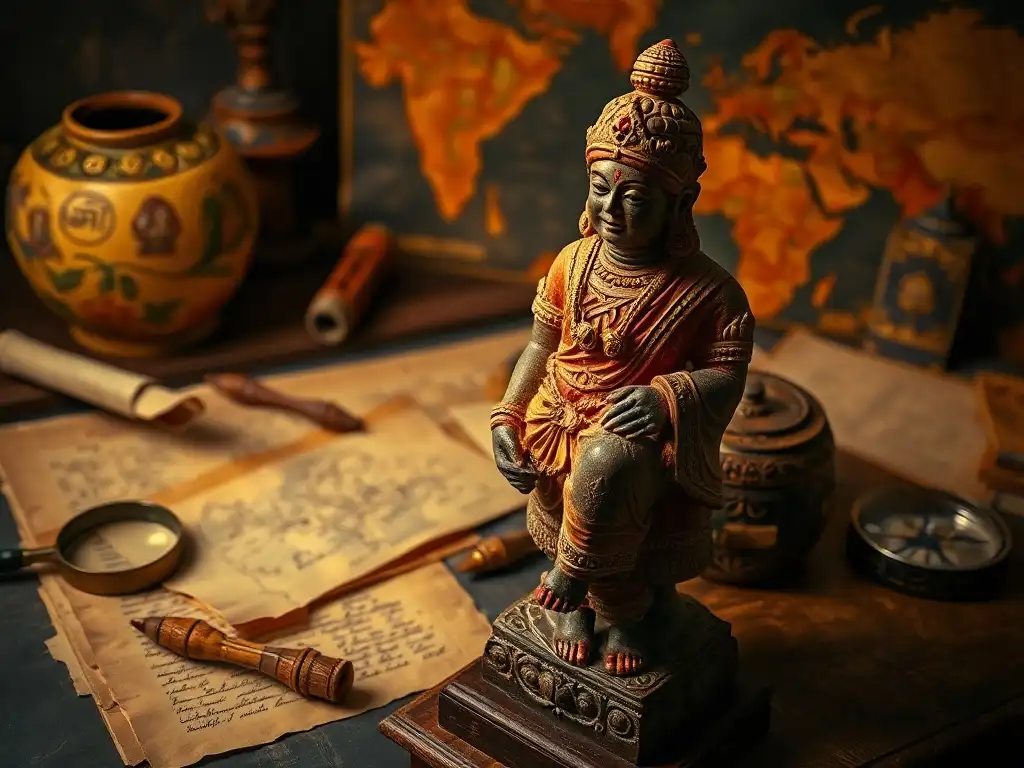
Investing in ancient Indian artifacts can be both rewarding and challenging. To navigate this niche market successfully, investors need to adopt various strategies tailored to their goals and risk tolerance. Below are some key approaches to consider when investing in these historical treasures.
Short-term vs. Long-term Investments: What Works Best?
When deciding how to invest in ancient Indian artifacts, one must consider the time horizon for their investment.
- Short-term Investments: These typically aim for quick returns and involve purchasing artifacts that are expected to appreciate rapidly due to market trends or upcoming auctions. For example, during significant cultural exhibitions or auctions, specific artifacts may see a surge in demand, allowing savvy investors to sell for a profit within a few months. However, this strategy requires keen market insight and timing.
- Long-term Investments: On the other hand, long-term investments focus on acquiring artifacts that are likely to appreciate steadily over time. This could involve pieces with historical importance or those from renowned periods, such as the Gupta Empire or the Maurya Dynasty. For instance, a well-preserved sculpture from the Gupta period may appreciate significantly over decades due to its rarity and cultural value.
Both strategies come with their pros and cons, and investors should evaluate their personal goals, market conditions, and the specific artifacts in question before making decisions.
Diversifying Your Collection: Balancing Risk and Reward
Diversification is a key principle in all investment portfolios, and it holds true for ancient Indian artifacts as well. By spreading investments across various types of artifacts, investors can mitigate risks associated with market fluctuations.
- Types of Artifacts: Consider investing in a mix of:
- Sculptures: Stone or bronze sculptures from notable periods can be high-value items.
- Paintings: Miniature paintings, particularly from the Mughal era, can appreciate due to their artistic value.
- Coins: Ancient coins can be both collectible and a good investment due to their historical significance.
- Textiles: Fabrics and tapestries with historical provenance can also be valuable.
- Market Segments: Engaging with different market segments can provide balance. For example, some investors may choose to focus on high-end auction pieces, while others may look at smaller, emerging artists who create contemporary works inspired by ancient Indian motifs.
By diversifying, investors not only protect themselves against potential losses but also increase their chances of capitalizing on various market opportunities.
The Role of Art Advisors: When to Seek Professional Help
Navigating the complex world of ancient Indian artifacts can be daunting, which is where art advisors come into play. These professionals can offer invaluable insights and guidance on the following:
- Valuation: Understanding the true value of artifacts is crucial for both buying and selling. Art advisors have access to databases and market trends that can help ensure that investors are making informed decisions.
- Authenticity Verification: Given the prevalence of forgeries in the art market, having an advisor who can authenticate pieces is essential. They can assess provenance and ensure that investments are genuine.
- Networking: Advisors often have connections in the art world that can lead to exclusive opportunities, whether it be private sales, auctions, or exhibitions.
- Strategic Planning: They can help create a structured investment plan that aligns with the investor's goals, whether it's building a collection for personal enjoyment or for profit.
Investors should carefully consider when to engage an art advisor, particularly if they are new to the market or looking to make significant investments in ancient Indian artifacts. Their expertise can save time, money, and potential pitfalls in the long run.
Case Studies: Successful Investments in Ancient Indian Artefacts
Investing in ancient Indian artifacts has proven to be a lucrative venture for many collectors and investors. The rich history and cultural significance of these artifacts not only enhance their aesthetic appeal but also contribute to their value in the global market. Below, we delve into notable case studies that exemplify successful investments in ancient Indian artifacts, showcasing high-profile sales and insights from seasoned collectors.
High-Profile Sales: Notable Auctions and Their Outcomes
The auction market for ancient Indian artifacts has seen several high-profile sales that underscore the increasing demand and value of these items. Some key examples include:
- The Nataraja Bronze Statue
- Auction House: Sotheby's
- Sale Price: $4.5 million
- Year: 2015
- Details: This exquisite bronze statue of Lord Shiva in his cosmic dance form, Nataraja, was a remarkable example of Chola art. Its exceptional craftsmanship and historical significance attracted global bidders, resulting in a record-breaking sale.
- Indus Valley Seals
- Auction House: Christie’s
- Sale Price: $1.2 million
- Year: 2018
- Details: A collection of seals from the Indus Valley Civilization, featuring intricate carvings and inscriptions, fetched impressive prices. These artifacts are highly sought after due to their age and the mysteries surrounding the Indus script.
- Mughal Miniature Paintings
- Auction House: Bonhams
- Sale Price: $800,000
- Year: 2020
- Details: A series of rare Mughal miniature paintings depicting court life and historical events drew significant interest, demonstrating the premium placed on high-quality artistic representations from this vibrant period in Indian history.
These auctions not only highlight the financial potential of investing in ancient Indian artifacts but also reflect the growing appreciation for the cultural heritage they represent.
Interviews with Collectors: Insights and Advice on Investing
To further understand the nuances of investing in ancient Indian artifacts, we spoke with several seasoned collectors who shared their insights and advice.
- Collector A: An Enthusiast's Journey
- Background: With over 20 years of experience, Collector A began investing in ancient Indian artifacts as a passion project.
- Advice: "Always do thorough research before acquiring any piece. Understanding provenance and historical context can significantly impact value. Attend auctions and exhibitions to network with experts."
- Collector B: The Strategic Investor
- Background: Collector B has a background in finance and approaches artifact investment with a strategic mindset.
- Advice: "Consider the long-term value of pieces. While trends may fluctuate, artifacts with substantial historical significance often appreciate over time. Diversification within your collection can mitigate risks."
- Collector C: The Cultural Advocate
- Background: Collector C focuses on artifacts that represent marginalized cultures within India.
- Advice: "Investing in artifacts is not just about financial return; it's about preserving history. Look for pieces that tell a story or highlight lesser-known cultures. This adds depth to your collection and contributes to cultural preservation."
These interviews reveal that successful investing in ancient Indian artifacts requires a blend of passion, research, and strategic foresight. By understanding the market and the cultural significance of the items, investors can navigate the complexities of this unique investment landscape effectively.
The growing interest in ancient Indian artifacts presents an exciting opportunity for investors willing to immerse themselves in this rich history. As the market continues to evolve, staying informed and connected is key to making wise investment choices.
Conclusion: Making Informed Decisions in the Market for Ancient Indian Artefacts
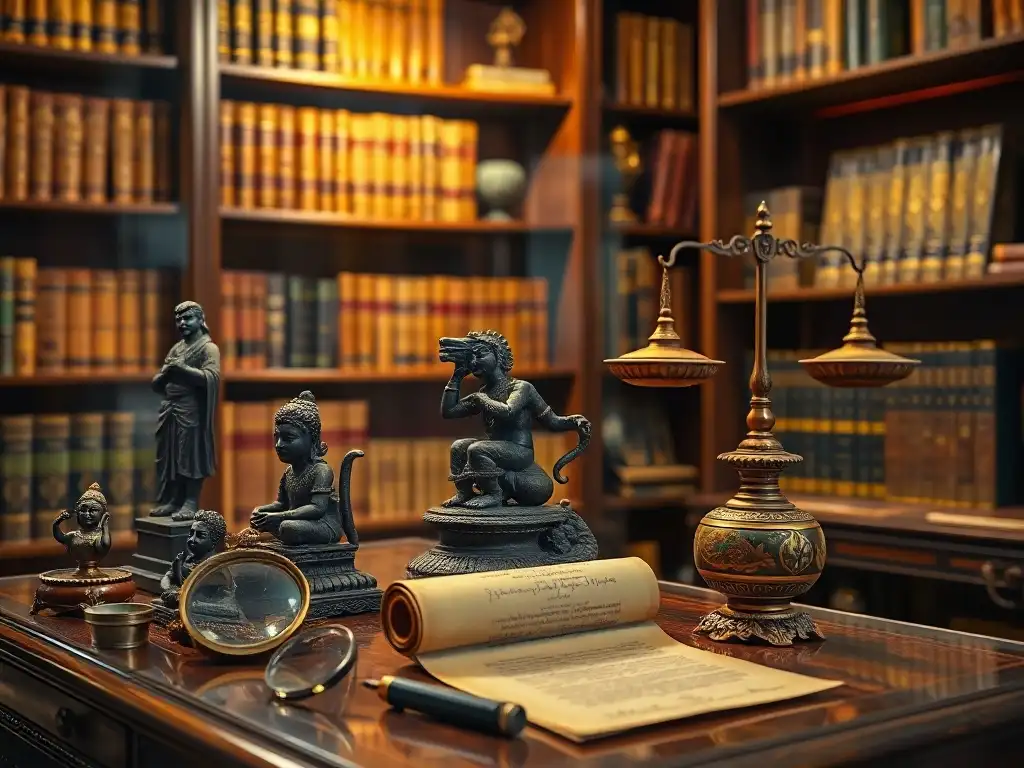
Investing in Ancient Indian artifacts requires a deep understanding of the historical context, market dynamics, and the cultural significance of the items in question. As the market for these artifacts continues to evolve, it is essential for investors to approach their investments with a clear strategy and informed perspective. The value of ancient Indian artifacts can fluctuate based on numerous factors, including rarity, provenance, and the current demand in the art market.
Recap of Key Takeaways for Investors
- Understanding Provenance:
- Provenance refers to the history of ownership of an artifact. Knowing the provenance can enhance its value significantly. Artifacts with well-documented histories are generally more sought after.
- Market Research:
- Conduct thorough research on current market trends and sales data for ancient Indian artifacts. This can help identify which types of artifacts are appreciating in value and which may be declining.
- Cultural Significance:
- Artifacts that represent significant cultural or historical moments tend to hold more value. For instance, items from the Indus Valley Civilization or the Maurya Empire might attract more attention due to their historical importance.
- Investment Diversification:
- As with any investment, diversification is crucial. Consider allocating funds across different categories of artifacts, such as sculptures, pottery, textiles, and coins, to mitigate risks.
- Legal and Ethical Considerations:
- Be aware of the legal implications of purchasing ancient artifacts. Ensure that items are acquired legally and ethically, respecting cultural heritage laws and regulations.
- Networking in the Community:
- Building connections with collectors, historians, and dealers can provide valuable insights into the market and help uncover opportunities that may not be widely publicized.
Future Trends: What to Expect in the World of Ancient Indian Artefacts
The future of investing in ancient Indian artifacts appears promising, driven by several emerging trends:
- Digital Platforms: The rise of online auctions and marketplaces has made it easier for collectors and investors to access a wider array of artifacts. This trend is expected to continue, expanding the market reach and increasing competition.
- Increased Interest in Cultural Heritage: As global awareness of cultural heritage grows, more collectors are looking to invest in artifacts that tell unique stories. This trend may lead to a rise in demand for lesser-known items that represent diverse aspects of ancient Indian culture.
- Sustainability and Ethical Sourcing: With growing concern over the impact of artifact trafficking, there is an increasing demand for transparency in the sourcing of ancient artifacts. Investors who prioritize ethical sourcing will likely find themselves at an advantage.
- Technological Advancements: The use of technology, such as blockchain for provenance tracking and augmented reality for showcasing artifacts, is likely to transform how collectors and investors interact with the market.
- Globalization of Interest: As interest in ancient Indian history expands beyond national borders, investors may find opportunities in international markets. Increased participation in global exhibitions and fairs can facilitate this trend.
In summary, investing in ancient Indian artifacts is not just about financial returns; it is about preserving and celebrating a rich cultural legacy. By making informed decisions and staying abreast of market trends, investors can navigate this fascinating domain successfully.
Additional Resources for Investors

Recommended Books and Guides on Ancient Indian Artefacts
Investing in ancient Indian artifacts requires a solid understanding of the market, the historical significance of the items, and the legalities involved. Here are some recommended books and guides that provide valuable insights:
- "The Art of Indian Trade" by Shweta Jha
- This book offers an in-depth look at the historical trade routes of ancient India and how artifacts were exchanged across cultures. It provides context for understanding the provenance of items.
- "Ancient Indian Art: A Historical Overview" by Rakesh Mehta
- A comprehensive guide that explores different periods of Indian art, focusing on the styles, materials, and techniques used throughout history. This resource is essential for investors wanting to assess value based on artistic merit.
- "Legal Aspects of Collecting Indian Artifacts" by Anjali Sharma
- This guide outlines the legal framework surrounding the collection and trade of ancient artifacts in India and internationally, helping investors navigate compliance and ethical concerns.
- "The Collector's Handbook: Investing in Indian Antiquities" by Devendra Singh
- A practical manual for collectors and investors, detailing market trends, valuation techniques, and tips for identifying genuine artifacts versus replicas.
- "The Indus Valley Civilization: An Illustrated Guide" by Priya Gupta
- This illustrated guide provides insights into one of the oldest civilizations in India, focusing on artifacts that are particularly sought after in the market today.
By utilizing these resources, investors can enhance their knowledge and make informed decisions when investing in ancient Indian artifacts.
Online Platforms and Associations for Art Investors
For those interested in investing in ancient Indian artifacts, several online platforms and associations can provide support and opportunities for networking. Here are some key resources:
-
India Art Fair
A premier platform showcasing modern and contemporary Indian art, including ancient artifacts. The fair connects collectors, galleries, and enthusiasts, providing insights into current trends.
-
Sotheby’s
An internationally recognized auction house that frequently features ancient Indian artifacts in its sales. Their website provides access to auction catalogs, expert articles, and market analysis.
-
The International Council of Museums (ICOM)
This organization promotes the responsible collection and preservation of cultural heritage. Being a member can provide educational resources and a network of professionals in the field.
-
Antiquities Dealers Association (ADA)
A platform for reputable dealers, providing guidelines for ethical practices in the trade of artifacts. Their website includes a directory of certified dealers and resources for collectors.
-
Catawiki
An online auction platform specializing in unique items, including ancient artifacts. Catawiki allows investors to browse current listings, understand pricing trends, and participate in bidding.
By engaging with these platforms and associations, investors can gain access to a wealth of information and opportunities that can enhance their investment strategies in ancient Indian artifacts.
Call to Action: Start Your Investment Journey in Ancient Indian Artefacts Today!
Investing in ancient Indian artifacts is not just about acquiring unique pieces of history; it’s a pathway to understanding the rich cultural heritage of one of the world's oldest civilizations. The market for these artifacts has grown significantly, attracting collectors, historians, and investors alike. By starting your investment journey today, you can become part of this fascinating world while potentially benefiting from the appreciation of these invaluable items.
Links to Trusted Platforms and Resources for Purchasing Artefacts
When venturing into the realm of ancient Indian artifacts, it is essential to rely on reputable platforms and resources to ensure authenticity and ethical sourcing. Here are some trusted options:
- Auction Houses
- Sotheby’s: Renowned for its high-profile auctions, Sotheby’s often features ancient Indian art and artifacts.
- Christie’s: Another leading auction house, Christie’s provides a platform for acquiring rare items, with a focus on provenance.
- Online Marketplaces
- Artnet: This online gallery allows users to buy and sell artworks, including ancient Indian artifacts, with detailed listings and auction insights.
- 1stdibs: A curated marketplace that specializes in high-end antiques, including Indian art pieces.
- Museums and Galleries
- National Museum, New Delhi: While primarily a resource for education, many museums offer exhibitions where artifacts can be acquired through special programs or events.
- The British Museum: Occasionally features sales or auctions of duplicates and reproductions, providing a legal way to own artifacts.
- Specialized Dealers
- The Antiquities Dealer Association: Members are committed to ethical practices in the sale of antiquities, ensuring buyers can trust their sources.
- Regional galleries specializing in Indian art: Many local galleries work directly with artisans and can facilitate purchases of authentic pieces.
Subscription Options for Market Updates and Insights
Staying informed about market trends is crucial for successful investment in ancient Indian artifacts. Subscribing to reliable resources can provide valuable insights. Here are some options:
- Art Market Reports
- Many art market analysts provide subscriptions to regular reports detailing trends, auction results, and forecasts specifically for ancient artifacts.
- Newsletters from Art Institutions
- Subscribe to newsletters from organizations like the Indian Art Museum or The Archaeological Survey of India, which share insights on upcoming exhibitions, sales, and market developments.
- Investment Platforms
- Platforms like Invest in Art offer subscription services that provide analytics, investment tips, and updates on the ancient artifacts market.
By leveraging these trusted resources and staying updated on market trends, you can navigate the complex landscape of investing in ancient Indian artifacts with confidence and knowledge, enhancing both your collection and investment portfolio.
Frequently Asked Questions
What are ancient Indian artifacts?
Ancient Indian artifacts refer to objects created by past civilizations in India, including tools, pottery, sculptures, and textiles, which provide insights into the culture and history of the region.
Why should one consider investing in ancient Indian artifacts?
Investing in ancient Indian artifacts can offer both cultural appreciation and potential financial returns, as these items often appreciate in value due to their scarcity and historical significance.
How do I authenticate an ancient Indian artifact?
To authenticate an ancient Indian artifact, it is crucial to consult with experts or certified appraisers who can verify the item's age, origin, and provenance through scientific methods and historical records.
What are the legal considerations when investing in ancient Indian artifacts?
Investors should be aware of legal regulations regarding the sale and ownership of ancient artifacts, as many countries have laws protecting cultural heritage and preventing illegal trade.
Where can I buy ancient Indian artifacts?
Ancient Indian artifacts can be purchased from reputable galleries, auctions, or specialized dealers who focus on historical items, ensuring that the artifacts come with proper documentation and authentication.
Final Reflection: Embracing the Legacy of Ancient Indian Artifacts
Investing in ancient Indian artifacts is not merely a financial endeavor; it is a profound engagement with history, culture, and identity. As we navigate the complexities of the global market, the significance of these artifacts transcends their monetary value, inviting us to appreciate the stories and traditions they embody. The allure of ancient Indian art lies in its ability to connect us with a rich heritage, reminding us that every piece carries a narrative that deserves recognition and preservation.
Cultural appreciation and economic investment are intertwined, shaping our understanding of heritage in contemporary society. The ongoing interest in ancient Indian artifacts highlights a growing awareness of the importance of cultural preservation and ethical investment. As collectors and investors, we hold the responsibility to honor these artifacts, ensuring they are treated with the respect they deserve. Art is the most beautiful of all lies.
– Claude Debussy. This quote resonates deeply as we consider the dual role of artifacts as both aesthetic treasures and historical documents, urging us to reflect on the narratives we choose to support through our investments.
As you contemplate your own journey in investing in ancient Indian artifacts, I invite you to consider the impact of your choices. How can you contribute to the preservation of culture while also enriching your own life through these investments? The future of ancient Indian art lies in our hands, and by approaching this endeavor with intention and respect, we can ensure that these treasures continue to inspire generations to come. Let us embrace the opportunity to be stewards of history, fostering a deeper connection with the past while paving the way for a more culturally aware future.
Embark on Your Journey to Investment Mastery!
Thank you for diving into the fascinating world of investing in ancient Indian artefacts! You have uncovered valuable insights into navigating this unique market. Now, it's time to take action and further enhance your experience.
Here are a few steps you can take right now:
- Start building your collection: Research and identify authentic artefacts that resonate with you—this is your first step on the investment journey!
- Join a community: Connect with fellow enthusiasts and experts. Share experiences, ask questions, and learn from one another in dedicated forums or social media groups focused on ancient Indian artefacts.
- Educate yourself: Read books, attend workshops, or enroll in online courses to deepen your understanding of investment strategies within this specialized market.
Which piece of ancient Indian history are you most excited to add to your collection next?