
How Ancient Indian Surgical Techniques Were Documented and Shared

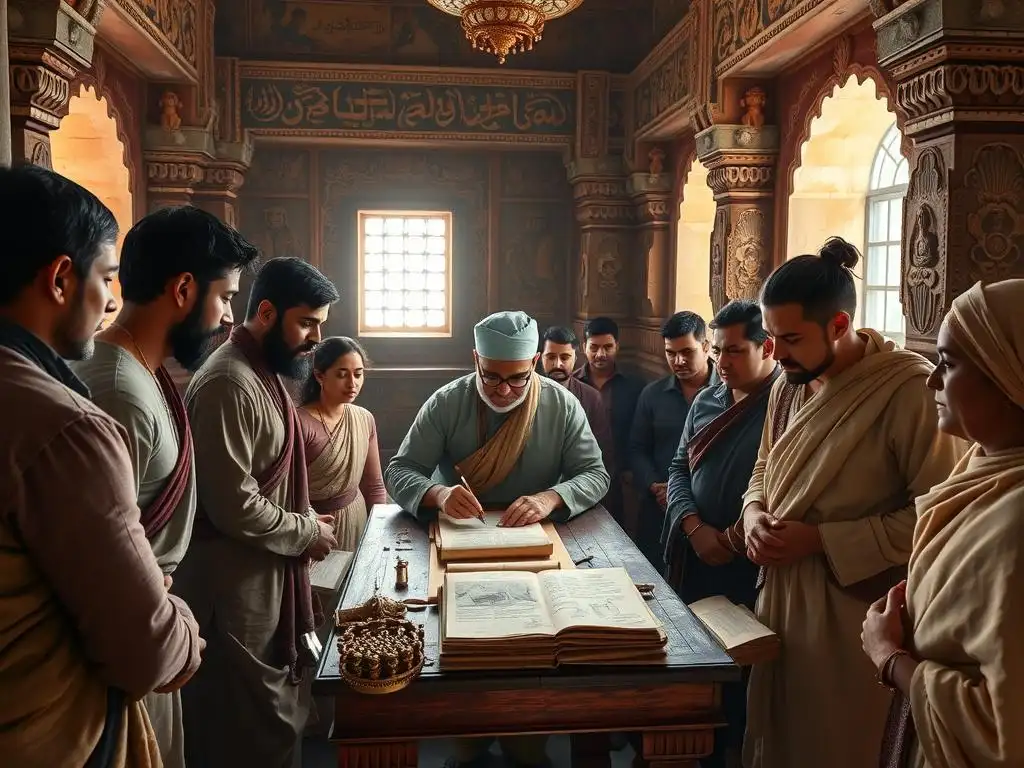
Welcome to Ancient India History, where we embark on a fascinating journey through the rich tapestry of India's past. Here, you'll uncover the remarkable innovations and contributions of ancient civilizations, from the enigmatic Indus Valley to the illustrious Gupta Empire.
In our featured article, “How Ancient Indian Surgical Techniques Were Documented and Shared,” we delve into the intriguing world of ancient Indian surgical practices—a testament to the advanced understanding of medicine in a time long gone. Prepare to be captivated as we reveal how these techniques were not only developed but also meticulously recorded and disseminated, inviting you to explore the brilliance of ancient Indian science and medicine.
- Introduction to Ancient Indian Surgical Practices
- Historical Context of Ancient Indian Surgical Techniques
- Documentation of Ancient Indian Surgical Practices
- Transmission of Surgical Knowledge in Ancient India
- Techniques and Procedures in Ancient Indian Surgery
- The Legacy of Ancient Indian Surgical Techniques
- Conclusion
- Frequently Asked Questions
- Final Reflection: The Enduring Legacy of Ancient Indian Surgical Practices
- Unveil the Wisdom of Ancient Indian Surgery!
Introduction to Ancient Indian Surgical Practices
The exploration of ancient Indian surgical practices reveals a fascinating intersection of medicine, spirituality, and cultural advancement that has significantly influenced modern healthcare. From the meticulous documentation of surgical techniques to the philosophical underpinnings of healing, ancient Indian civilizations laid the groundwork for many medical practices we recognize today. This article delves deep into how these surgical techniques were not only practiced but also meticulously recorded, ensuring their transmission across generations. Understanding the depth of these practices is essential for appreciating the sophistication of ancient Indian medicine and its impact on the global medical landscape.
Overview of Ancient Indian Medicine
Ancient Indian medicine, primarily represented through the systems of Ayurveda and Sushruta Samhita, showcases a wealth of knowledge that encompasses various aspects of health, wellness, and surgery.
- Ayurveda: Rooted in the Vedic texts, Ayurveda emphasizes a holistic approach to health, integrating physical, mental, and spiritual well-being. It advocates the use of herbal remedies, dietary practices, and lifestyle changes to maintain balance within the body.
- Sushruta Samhita: Often hailed as one of the earliest comprehensive texts on surgery, the Sushruta Samhita, attributed to the ancient physician Sushruta, outlines fundamental surgical practices and techniques. This text includes detailed descriptions of surgical instruments, methods of anesthesia, and procedures for various surgical ailments.
The documentation within these texts reflects a sophisticated understanding of human anatomy and physiology, showcasing the high level of expertise possessed by ancient Indian surgeons.
Significance of Surgical Techniques in Ancient India
The significance of surgical techniques in ancient India extends beyond mere medical practices; they signify a remarkable achievement in the history of science and medicine.
- Innovations in Surgery: Ancient Indian surgeons were pioneers in various surgical procedures, including rhinoplasty (reconstruction of the nose), cataract surgery, and the treatment of wounds. These innovations demonstrate an advanced understanding of surgical principles and human anatomy.
- Cultural Impact: Surgical practices were often intertwined with cultural and religious beliefs, reflecting the holistic approach to medicine in ancient Indian society. The integration of surgery within the broader context of health and spirituality underscores the significance of these techniques beyond the clinical setting.
The documentation and sharing of surgical techniques through texts like the Sushruta Samhita have ensured that this valuable knowledge has been preserved and adapted over centuries, influencing not only Indian medicine but also contributing to the global understanding of surgical practices.
The study of ancient Indian surgical practices opens a window into a rich history of medical science that laid the foundation for future advancements in healthcare. Understanding this legacy is crucial for appreciating the evolution of surgical techniques and their role in shaping contemporary medicine.
Historical Context of Ancient Indian Surgical Techniques
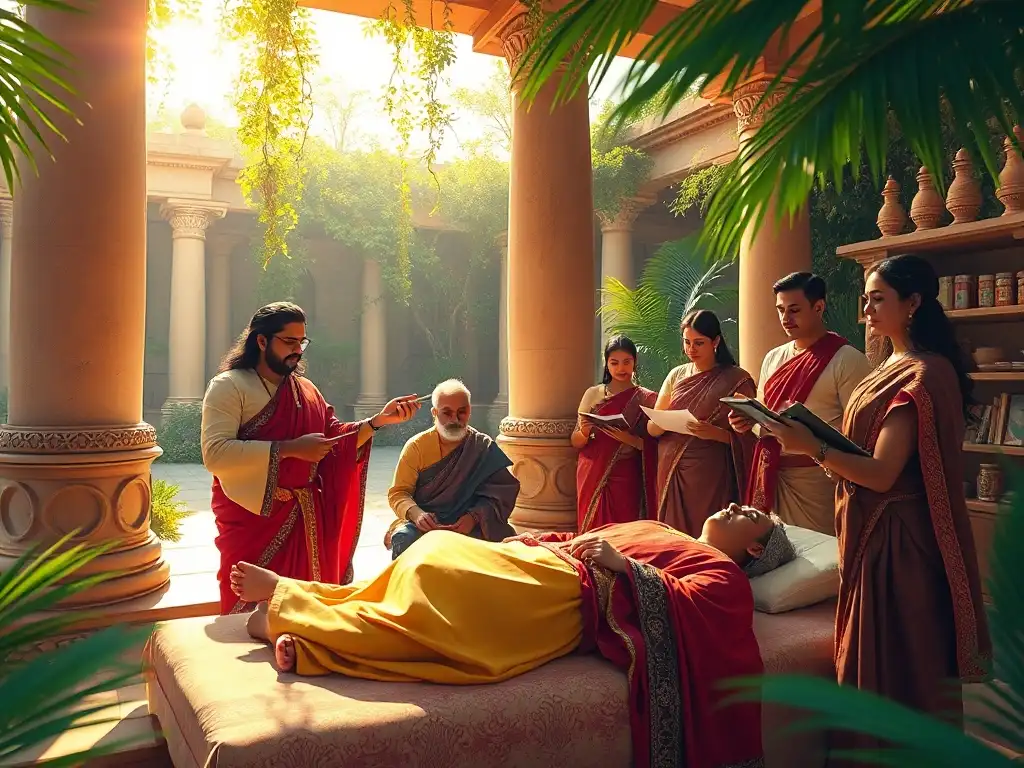
The Indus Valley Civilization and Early Medical Practices
The Indus Valley Civilization (IVC), which thrived from approximately 3300 to 1300 BCE, is one of the earliest known urban cultures in the world. Archaeological findings from sites like Harappa and Mohenjo-Daro indicate that the people of this civilization had a profound understanding of medicine and surgery. They practiced surgery as a crucial aspect of healthcare, utilizing tools made from bronze and stone.
Evidence suggests that the IVC's medical practitioners performed various surgical procedures, including trepanation, which involved drilling holes into the skull to treat head injuries or relieve pressure. The high level of urban planning and sanitation also indicates a basic understanding of hygiene, which was essential for surgical practices. The presence of advanced drainage systems may have contributed to lower infection rates during surgical procedures, showcasing an early comprehension of the need for cleanliness.
Contributions from the Vedic Period
The Vedic Period (1500-500 BCE) marked a significant advancement in ancient Indian surgical techniques, primarily documented in texts such as the Atharva Veda and Sushruta Samhita. The Sushruta Samhita, attributed to the ancient surgeon Sushruta, is often regarded as one of the foundational texts of surgery in the world. This text not only outlines a variety of surgical procedures but also emphasizes the importance of patient care and ethical considerations in medicine.
Sushruta's work categorizes surgical procedures into eight branches, including cataract surgery, plastic surgery, and orthopedic surgery. He meticulously described surgical instruments and techniques, providing detailed descriptions of over 120 surgical instruments. The emphasis on anatomy and the observation of surgical outcomes in the Sushruta Samhita reflects a systematic approach to medicine that was ahead of its time.
Influence of Ayurveda on Surgical Techniques
Ayurveda, a holistic system of medicine that developed during the later Vedic period, significantly influenced ancient Indian surgical practices. It integrates various aspects of health, including diet, lifestyle, and herbal remedies, with surgical methods. Ayurveda emphasizes the balance of the body's three doshas (Vata, Pitta, and Kapha), which is crucial for maintaining health and preventing diseases.
The Charaka Samhita, another key Ayurvedic text, discusses surgical interventions and the role of surgery in treating diseases. It highlights the importance of pre-operative and post-operative care, ensuring that patients received comprehensive treatment. The synergy between Ayurvedic principles and surgical practices not only advanced the field of surgery but also set a precedent for a more integrative approach to medicine.
Through the detailed documentation of surgical techniques and a philosophical understanding of health, ancient Indian surgical practices laid the groundwork for future medical advancements, influencing not only the Indian subcontinent but also the broader field of surgery globally.
Documentation of Ancient Indian Surgical Practices

Key Texts and Manuscripts
The documentation of ancient Indian surgical practices is primarily rooted in several key texts that served as foundational works in the field of medicine and surgery. These texts not only provided guidelines for surgical techniques but also emphasized the importance of holistic health, ethics, and patient care.
Sushruta Samhita: The Pioneering Surgical Treatise
One of the most significant contributions to ancient Indian surgical practices is the Sushruta Samhita, attributed to Sushruta, often referred to as the "father of surgery." This extensive treatise, composed around the 6th century BCE, encompasses a wide array of surgical techniques and methodologies.
- Comprehensive Surgical Procedures: The Sushruta Samhita details over 300 surgical procedures, including complex operations such as cataract surgery and plastic surgery, specifically rhinoplasty.
- Instruments and Tools: The text describes more than 120 surgical instruments, showcasing the advanced understanding of surgical tools used in ancient India.
- Anesthesia and Pain Management: Sushruta introduced the concept of using herbal anesthetics, highlighting the importance of pain management during surgery.
- Ethical Considerations: The text also delves into the ethical responsibilities of a surgeon, emphasizing the importance of compassion and competence.
The Sushruta Samhita remains a pivotal reference in the study of ancient surgical practices, influencing both contemporary surgery and the understanding of medical ethics.
Charaka Samhita: Contributions to Surgical Methods
Another essential text is the Charaka Samhita, primarily focused on internal medicine but also addressing surgical practices. Compiled around the same period as the Sushruta Samhita, this treatise complements the surgical aspects by offering insights into the overall health and wellness of patients.
- Holistic Approach: The Charaka Samhita emphasizes the interconnectedness of body systems and advocates for a holistic approach to treatment, which includes surgical intervention when necessary.
- Classification of Diseases: The text categorizes various diseases and their treatments, providing a framework that surgical practices could align with.
- Pharmacology and Surgery: It discusses the role of medicinal herbs and compounds that could be used in conjunction with surgical techniques to enhance recovery and prevent infections.
Together, the Sushruta Samhita and Charaka Samhita form a comprehensive foundation for ancient Indian surgical practices, showcasing a sophisticated understanding of both surgery and medicine.
Illustrations and Diagrams in Ancient Texts
Ancient Indian surgical practices were not only documented in text but were also vividly illustrated through diagrams and sketches. These visual representations played a crucial role in conveying complex surgical techniques that might be difficult to explain solely through words.
- Detailed Anatomic Illustrations: Many manuscripts feature detailed illustrations of human anatomy, helping surgeons understand the intricate structures they would encounter during procedures.
- Surgical Procedures Depicted: Diagrams often depicted specific surgical procedures, illustrating the steps involved in operations such as amputations, suturing, and other techniques. This visual aid was invaluable for surgical training.
- Cultural Significance: The inclusion of illustrations also reflects the cultural importance of surgery in ancient Indian society, highlighting the respect afforded to practitioners and the complexity of the procedures they performed.
These illustrations and diagrams not only enhanced the educational value of ancient texts but also served to preserve the knowledge of surgical practices for future generations, ensuring that ancient Indian surgical techniques continued to be studied and respected throughout history.
Language and Terminology of Ancient Surgery
The language and terminology used in ancient Indian surgical practices reflect the rich cultural and intellectual traditions of the time. Sanskrit, being the primary language of scholarly discourse, played a pivotal role in documenting surgical techniques. Texts such as the Sushruta Samhita, attributed to the ancient physician Sushruta, are foundational works that not only describe surgical procedures but also delve into the philosophical and ethical implications of medicine.
Sanskrit Terminology
Sanskrit provided a precise vocabulary for various surgical instruments, procedures, and anatomical terms. This precision was essential for effective communication among practitioners. For instance, the term “Shastra” refers to instruments or tools, while “Kshar” denotes the concept of surgical excision or cutting. Each surgical procedure was meticulously classified, utilizing distinct terminologies that denoted the nature of the operation, the instruments used, and the expected outcomes.
The Role of Commentaries
In addition to the original texts, numerous commentaries were written over the centuries, expanding upon the terminology and techniques outlined in earlier works. Scholars like Charaka and Vagbhatta contributed significantly to the understanding of surgery through their commentaries, which not only preserved the original texts but also introduced new terms and clarified existing ones. This evolution of language illustrates how surgical knowledge was not static but rather dynamic, adapting over time to incorporate new insights and techniques.
Influence on Other Languages
The terminology established in ancient Indian surgical texts had a lasting influence beyond the Indian subcontinent. As ancient Indian scholars interacted with other cultures, many of these terms found their way into Arabic and Persian medical literature, demonstrating the cross-cultural exchange of knowledge. This exchange is particularly evident during the medieval period when translations of Sanskrit texts into Arabic facilitated the spread of surgical knowledge across the Islamic world, ultimately impacting European medicine during the Renaissance.
Preserving Knowledge through Language
The precise language and terminology used in ancient Indian surgical practices were not merely for communication; they served as a means of preserving intricate medical knowledge. The documentation allowed for the transfer of knowledge across generations, ensuring that the wisdom of ancient practices was not lost. The structured language enabled practitioners to learn from the past, refine techniques, and innovate upon existing practices, which is essential for the advancement of any medical field.
The language and terminology of ancient Indian surgical practices played a crucial role in documenting and disseminating medical knowledge, influencing both contemporary and future medical practices across various cultures. The legacy of this precise and thoughtful approach to language in surgery continues to resonate in the field of medicine today.
Transmission of Surgical Knowledge in Ancient India
Oral Tradition vs. Written Documentation
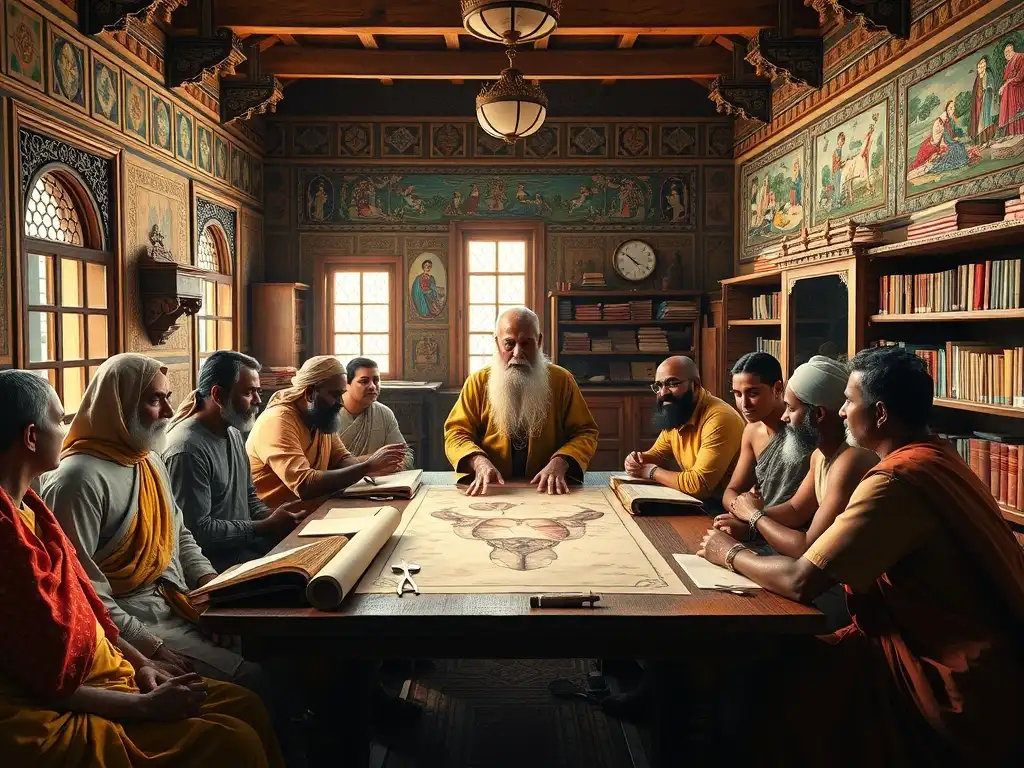
In ancient India, the transmission of surgical knowledge was a nuanced process that involved both oral traditions and written documentation. Oral tradition served as the primary method of knowledge transfer in the early stages of Indian civilization. Gurus, or teachers, would impart their wisdom to disciples through storytelling and direct demonstrations of surgical techniques. This method allowed for immediate feedback and hands-on learning, crucial in a field where precision was paramount.
However, as civilizations evolved, the need for more formal documentation became apparent. Written texts emerged, notably the Sushruta Samhita, attributed to the ancient surgeon Sushruta. This seminal work is considered one of the earliest texts on surgery and medicine, providing detailed descriptions of surgical techniques, instruments, and various medical conditions. The Sushruta Samhita illustrates a shift from oral tradition to written documentation, which served to standardize practices and ensure that knowledge could be preserved and shared across generations.
The combination of oral and written methods enriched the field of ancient Indian surgical practices, allowing for a comprehensive approach to education. While oral transmission fostered a personalized learning experience, written texts provided a lasting record that could be referenced and studied. This dual approach ensured that surgical knowledge remained dynamic and adaptable, catering to the needs of both practitioners and patients.
Role of Gurus and Disciple Systems in Knowledge Sharing
The role of gurus and the disciple system was pivotal in the dissemination of ancient Indian surgical practices. This system was built on a mentor-student relationship, where knowledge was not merely taught but deeply ingrained through rigorous training and apprenticeship. Disciples would engage in a variety of tasks, ranging from assisting in surgeries to learning the theoretical underpinnings of medical practices.
The guru-disciple dynamic ensured that surgical techniques were passed down with fidelity and care. Experienced practitioners would often conduct surgeries in front of their students, allowing for live demonstrations that were critical for skill acquisition. This hands-on approach helped disciples internalize complex procedures and understand the intricacies of human anatomy, patient care, and surgical ethics.
Moreover, the disciple system fostered a sense of community among practitioners. As students became skilled surgeons, they often took on the role of gurus themselves, perpetuating the cycle of knowledge sharing. This network not only preserved ancient Indian surgical practices but also encouraged innovation through collaboration and discourse among practitioners.
Influence of Trade and Cultural Exchange on Surgical Practices
Trade and cultural exchange played a significant role in shaping ancient Indian surgical practices. As ancient Indian civilization flourished, trade routes connected India with various regions, facilitating the exchange of ideas, techniques, and medical knowledge. The interactions with civilizations such as the Greeks, Persians, and Chinese enriched the understanding of surgery and medicine in India.
For instance, the arrival of Hippocrates' teachings and the influence of Greek medicine introduced new surgical methods and instruments that were integrated into Indian practices. This cross-cultural exchange allowed ancient Indian surgeons to refine their techniques, adopt new tools, and expand their medical repertoire.
Additionally, the establishment of trade hubs acted as melting pots of knowledge. Merchants, travelers, and scholars would gather in these centers, sharing insights about surgical practices from their respective cultures. Such exchanges fostered a spirit of inquiry and adaptation, leading to the evolution of ancient Indian surgical practices that were both innovative and inclusive.
The transmission of surgical knowledge in ancient India was a multifaceted process influenced by oral and written traditions, the guru-disciple system, and the vibrant exchange of ideas through trade. This rich tapestry of learning and sharing laid the foundation for advanced surgical techniques that continue to resonate in modern medical practices.
Techniques and Procedures in Ancient Indian Surgery
Common Surgical Procedures Documented
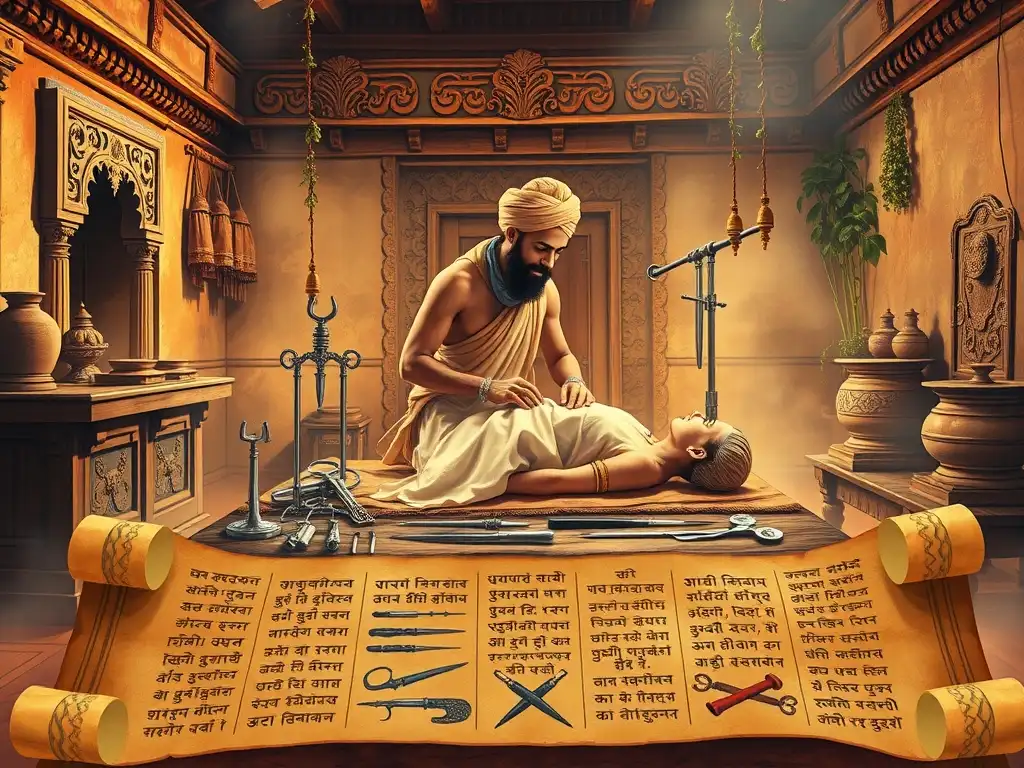
Ancient Indian surgical practices were remarkably advanced for their time, reflecting a deep understanding of human anatomy and medical procedures. Texts such as the Sushruta Samhita and Charaka Samhita provide extensive documentation of various surgical techniques that were practiced in ancient India. Here are some notable procedures that were commonly documented:
Procedures for Cataract Surgery
Cataract surgery, known as couching, was one of the most notable surgical procedures practiced in ancient India. The technique involved the following steps:
- Patient Preparation: The patient was first prepared with herbal medicines to reduce inflammation and ease the procedure.
- Anesthesia: Ancient surgeons often used a combination of wine and certain herbs to numb the area before surgery.
- Surgical Technique:
- The surgeon used a specialized instrument called a couching needle or sharp instrument to dislocate the cloudy lens of the eye.
- The dislocated lens was then allowed to fall back into the vitreous cavity of the eye, which improved vision.
- Post-Operative Care:
- Bandages were applied, and patients were advised to rest and avoid exposure to bright light.
- Follow-up treatments included the use of medicated pastes to promote healing.
This method was not only effective but also widely practiced, showcasing the skills of ancient Indian surgeons.
Surgical Treatment of Bone Fractures
The surgical treatment of bone fractures in ancient India was well-documented and involved several techniques:
- Diagnosis and Assessment: Surgeons assessed the extent and type of fracture through physical examination.
- Reduction Techniques:
- Closed Reduction: This technique involved realigning the fractured bone without making an incision.
- Open Reduction: If closed reduction was not effective, surgeons performed an open procedure to directly access and realign the fractured bones.
- Fixation Methods:
- Ancient texts describe the use of splints made from bamboo or wood to immobilize the fracture site.
- Surgeons also applied medicinal pastes to aid in healing and prevent infections.
- Rehabilitation:
- Patients were given specific exercises to regain mobility after the splints were removed.
- Herbal treatments were often prescribed to strengthen bones and improve recovery.
These procedures highlight the sophisticated understanding of orthopedic medicine in ancient Indian surgical practices.
Instruments Used in Ancient Indian Surgery
The tools and instruments employed in ancient Indian surgery were crafted with precision and designed for specific procedures. Some of the most common instruments included:
- Surgical Knives (Shalaka): Used for making incisions and performing various surgical procedures.
- Couching Needles: Specially designed for cataract surgery to displace the lens.
- Forceps (Vishala): Employed for grasping and holding tissues during surgery.
- Scalpels: Fine blades used for incision-making, often made from sharpened metals or stones.
| Instrument | Description |
|---|---|
| Surgical Knives (Shalaka) | Sharp, durable blades for incisions and dissection. |
| Couching Needles | Fine needles for cataract dislocation. |
| Forceps (Vishala) | Grasping tools for tissue manipulation. |
| Scalpels | Precision blades for careful incisions. |
These instruments were often sterilized using herbal solutions, demonstrating an early understanding of infection control. The careful design and use of these tools contributed significantly to the success of surgical interventions in ancient India.
The documentation and sharing of ancient Indian surgical practices reveal a sophisticated understanding of medicine and surgery that laid the foundation for future advancements in these fields.
Anesthesia and Pain Management Practices
In ancient India, the approach to anesthesia and pain management was both innovative and sophisticated, reflecting a deep understanding of human physiology and the psychological aspects of surgery. The ancient texts provide insights into various methods that were utilized to minimize pain during surgical procedures, ensuring that patients could endure the often-excruciating experiences of surgery.
One of the primary substances used for anesthesia was soma, a plant-based concoction that is frequently mentioned in Vedic texts. It was believed to have psychoactive properties that could induce a state of bliss and detachment from pain. Although the exact composition of soma remains a subject of scholarly debate, its significance in rituals and medicinal practices underscores its importance in ancient Indian surgery.
Additionally, alcohol was another common agent for pain relief. Surgeons often administered alcoholic beverages to patients before surgical procedures. This not only helped to dull the senses but also served to relax the patients, making them more manageable during operations. The use of alcohol as an anesthetic agent paved the way for the understanding of sedation techniques in later medical practices.
Herbal remedies also played a crucial role in pain management. Ancient Indian texts, such as the Sushruta Samhita, describe a variety of herbs and their applications. For instance, opium poppy and cannabis were known for their analgesic properties. These natural substances were used to prepare compounds that could alleviate pain and induce a sense of calm, making them valuable in surgical settings.
Moreover, the practice of hypnosis or suggestion is believed to have been utilized as a form of pain control in ancient Indian surgery. While less documented, there are references that indicate that skilled practitioners could guide patients into a trance-like state to help them cope with the pain of surgery. This method highlights the holistic approach of ancient Indian medicine, emphasizing the connection between the mind and body.
Ancient Indian surgical practices employed a variety of methods for anesthesia and pain management, ranging from psychoactive substances and herbal remedies to alcohol and possibly hypnosis. These techniques not only demonstrate the advanced understanding of pain relief in ancient times but also reflect the rich cultural and medicinal traditions that characterized ancient Indian civilization.
The Legacy of Ancient Indian Surgical Techniques
Impact on Modern Surgical Practices
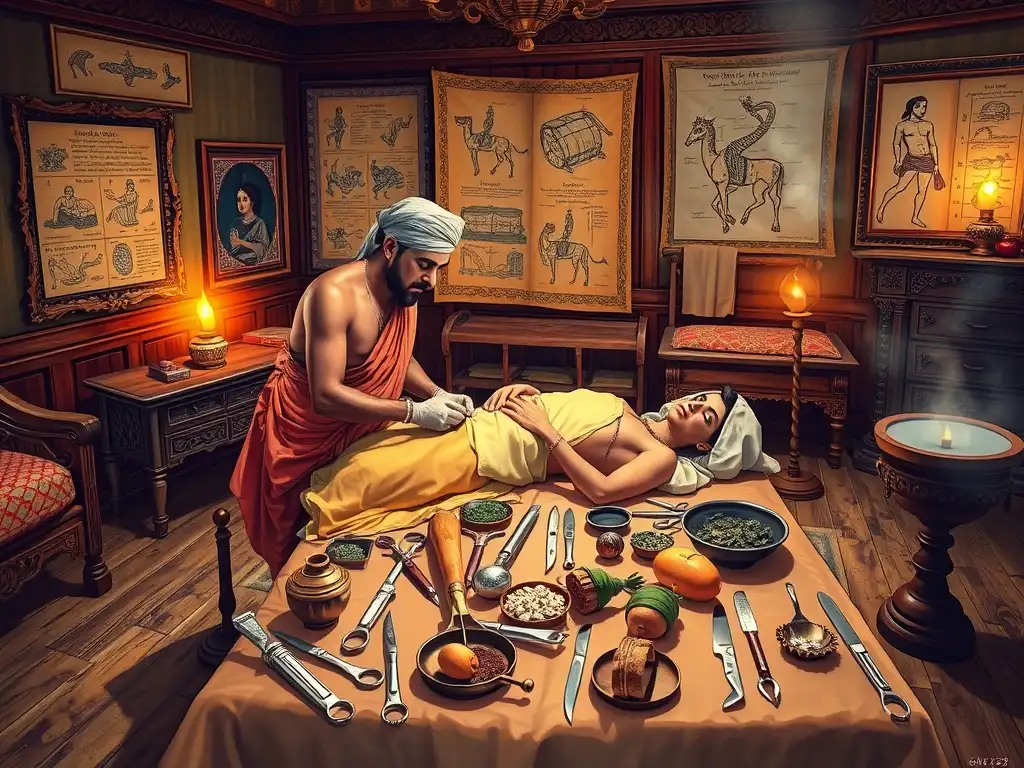
Ancient Indian surgical practices, particularly those documented in texts like the Sushruta Samhita, have had a profound impact on modern surgical techniques. These ancient texts not only outlined surgical procedures but also emphasized the importance of anatomy, patient care, and hygiene, which are foundational principles in contemporary medicine.
- Innovative Surgical Techniques:
- The methods described in the Sushruta Samhita include techniques such as rhinoplasty (reconstruction of the nose) and cataract surgery, which are still relevant today. The precision and detail with which Sushruta described these procedures have influenced modern plastic and ophthalmic surgery.
- The use of specific instruments, many of which were ingeniously crafted from materials like metal and wood, laid the groundwork for the development of modern surgical tools.
- Holistic Approach to Medicine:
- Ancient Indian surgical practices were not limited to the physical act of surgery; they also encompassed a holistic understanding of health, incorporating diet, lifestyle, and mental well-being into patient care. This integrative approach is gaining recognition in modern medical practices, particularly in fields such as integrative and holistic medicine.
- Focus on Anatomy and Physiology:
- The meticulous study of human anatomy and the documentation of surgical procedures in ancient texts provided an early framework for understanding the human body. Modern medical education still draws upon many of these anatomical insights, showcasing the lasting influence of ancient Indian knowledge.
Preservation of Knowledge in Contemporary Medicine
The preservation of ancient Indian surgical techniques can be attributed to various factors, including the remarkable documentation in ancient texts and the ongoing efforts to integrate these practices into modern medical education and training.
- Textual Heritage: The Sushruta Samhita, along with other ancient texts, has been preserved through generations, providing invaluable insights into ancient surgical practices. Scholars and practitioners continue to study these texts, ensuring that the knowledge is not lost to time.
- Educational Institutions: In India and globally, there are institutions dedicated to the study of Ayurvedic medicine and ancient surgical techniques. These institutions focus on teaching the principles of ancient practices while integrating them with modern medical science, fostering a resurgence of interest in these historical methodologies.
- Research and Development: Ongoing research in fields such as bioengineering and regenerative medicine often revisits ancient techniques to inspire innovative solutions for modern problems. The principles of surgical techniques documented in ancient texts are being studied for their potential applications in contemporary medical practices.
Recognition of Ancient Indian Contributions in Global Medicine
The contributions of ancient Indian surgical practices are increasingly being recognized on a global scale, highlighting the significance of these techniques in the broader context of medical history.
- International Conferences and Publications: Academic conferences focusing on the history of medicine often feature discussions on ancient Indian surgical techniques, showcasing their relevance and the depth of knowledge present in ancient texts. Publications in medical journals have begun to acknowledge the contributions of ancient Indian practitioners, further legitimizing their role in the evolution of surgical practices.
- Cultural Exchange in Medicine: The acknowledgment of ancient Indian surgical practices has fostered a cultural exchange in the medical field, where practitioners from different backgrounds are encouraged to explore and integrate diverse methodologies. This has led to a more holistic understanding of medicine globally.
- Influence on Global Practices: As modern medicine continues to evolve, many surgical practices and philosophies rooted in ancient Indian techniques are being revisited and adapted. The principles of careful observation, patient-centered care, and innovative surgical interventions continue to inspire surgeons around the world.
The legacy of ancient Indian surgical practices is not only preserved but actively contributes to the ongoing development of modern medicine, ensuring that the wisdom of the past continues to inform the future of surgical techniques.
Conclusion
Summary of Key Points about Ancient Indian Surgical Practices
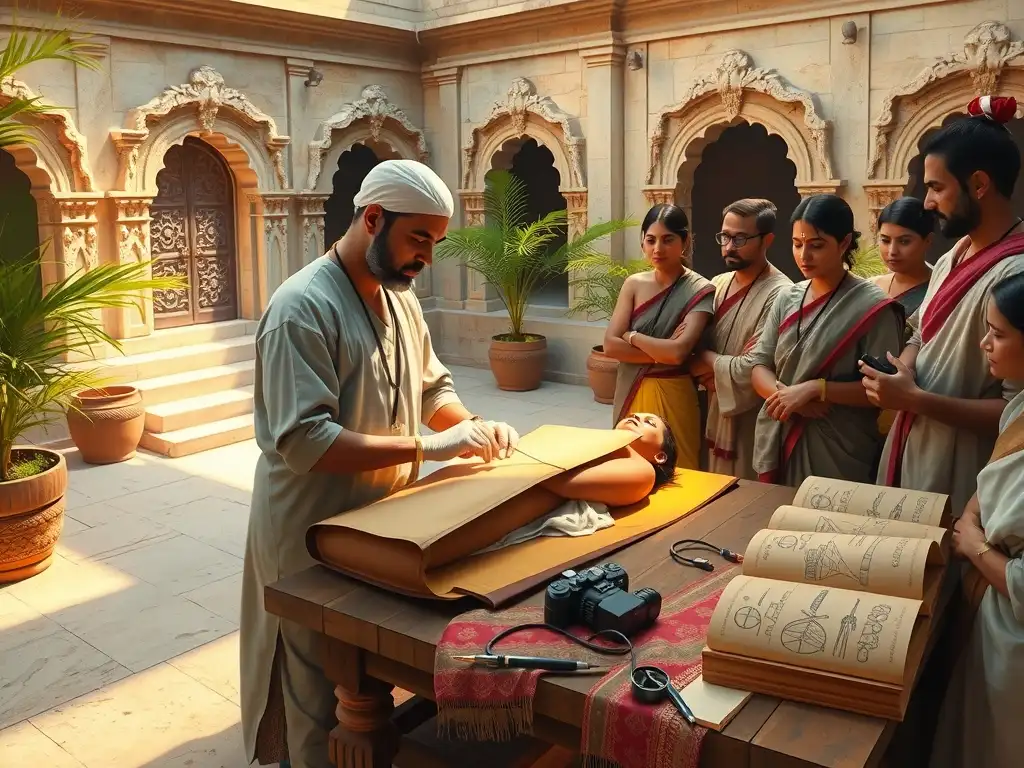
Ancient Indian surgical practices were remarkably advanced for their time, showcasing a deep understanding of human anatomy and surgical techniques. The foundational texts, such as the Sushruta Samhita, laid the groundwork for various surgical procedures, including:
- Surgical Techniques: Ancient Indian surgeons developed methods for cataract surgery, rhinoplasty, and even complex abdominal surgeries. The precision in techniques demonstrates their extensive knowledge of surgical anatomy.
- Instruments: A variety of surgical instruments were documented, such as scalpels, forceps, and probes, often crafted from materials available at the time, including metals and wood. These tools played a crucial role in the success of surgical operations.
- Anesthesia and Pain Management: Ancient texts describe the use of herbal concoctions to mitigate pain, highlighting an early understanding of anesthesia. This innovative approach allowed for more invasive procedures to be performed with reduced patient discomfort.
- Post-operative Care: The emphasis on hygiene and post-surgical care demonstrated an awareness of infection control, which was ahead of its time. Practices included the use of medicinal herbs and proper wound care to promote healing.
The documentation of these practices not only reflects the sophistication of ancient Indian medicine but also contributes significantly to the global medical knowledge base.
The Importance of Preserving Historical Medical Knowledge
Preserving historical medical knowledge, particularly regarding ancient Indian surgical practices, is vital for several reasons:
- Cultural Heritage: Understanding these practices helps preserve the rich cultural heritage of India and acknowledges the contributions of ancient civilizations to modern medicine. This knowledge forms a bridge between past and present, enriching our understanding of medical history.
- Inspiration for Modern Medicine: Many surgical techniques and principles developed in ancient India continue to influence contemporary practices. By studying these methods, modern surgeons can gain insights into alternative approaches and techniques that may improve current surgical outcomes.
- Educational Resource: Historical texts serve as educational resources for future generations of medical professionals. They highlight the evolution of surgical practices and the importance of continuous learning and adaptation in medicine.
- Research Opportunities: There is immense potential for research into ancient medical practices, which may lead to discoveries that can enhance current medical knowledge and practices. Investigating historical techniques might reveal novel interventions or treatments that have been overlooked.
The preservation and study of ancient Indian surgical practices are essential not just for historical appreciation, but also for their potential to inform and inspire future medical advancements. The insights gained from these rich traditions can contribute to a more holistic understanding of medicine, bridging ancient wisdom with contemporary science.
Frequently Asked Questions
What were some key ancient Indian surgical practices?
Ancient Indian surgical practices included procedures like cataract surgery, the removal of tumors, and the treatment of wounds, showcasing a high level of medical knowledge.
How were these surgical techniques documented?
Surgical techniques were primarily documented in texts such as the "Sushruta Samhita," which is considered one of the earliest medical treatises and emphasizes systematic methods of surgery.
Who was Sushruta and why is he significant for surgical practices?
Sushruta is known as the father of surgery in ancient India. His contributions, especially in the field of plastic surgery and surgical instruments, laid the foundation for modern surgical practices.
How did ancient Indian surgical techniques influence other cultures?
The knowledge of surgical techniques from ancient India spread to other cultures, influencing medical practices in Greece and beyond, and contributing to the global understanding of surgery.
What materials were used in ancient Indian surgery?
Ancient Indian surgeons utilized a variety of natural materials, including herbs for anesthesia, metal tools for incisions, and techniques to ensure sterility, demonstrating an understanding of infection control.
Final Reflection: The Enduring Legacy of Ancient Indian Surgical Practices
The exploration of ancient Indian surgical practices reveals not only the remarkable ingenuity of early medical practitioners but also their profound relevance in today's healthcare landscape. As we navigate the complexities of modern medicine, the wisdom embedded in these ancient techniques serves as a reminder that innovation often has deep historical roots. The meticulous documentation and sharing of these practices underscore the importance of knowledge transfer across generations, highlighting how the past continues to shape our present.
The influence of ancient Indian surgical practices extends far beyond the operating room; it resonates within the broader cultural and social fabric of medicine. These techniques, characterized by their holistic approach and emphasis on patient care, have inspired contemporary practices that prioritize not just the physical but also the emotional and spiritual well-being of patients. As the renowned surgeon Sushruta once stated, The physician should not only be skilled in the art of healing but also possess compassion and understanding.
This timeless wisdom encourages us to reflect on the human aspect of medicine, reminding us that healing is as much about the heart as it is about the hands.
As we look to the future, let us embrace the lessons learned from ancient Indian surgical practices and apply them in our own lives and professions. Consider how you can integrate compassion, knowledge, and innovation into your daily interactions, whether in healthcare or any other field. By honoring the legacy of those who came before us, we can create a more empathetic and effective world, ensuring that the art of healing remains a cherished and evolving practice for generations to come.
Unveil the Wisdom of Ancient Indian Surgery!
Thank you for diving into the remarkable world of ancient Indian surgical techniques! By exploring this rich heritage, you’ve uncovered invaluable insights into the ingenuity of our ancestors. Now, it's time to take this knowledge beyond the pages of history!
Here are a few practical steps to deepen your engagement and appreciate this fascinating subject further:
- Participate in a local workshop or online course focused on traditional healing methods to experience ancient practices in a modern context.
- Share this article with friends and curious minds to spark conversations and encourage them to discover the brilliance of ancient Indian medicine.
- Explore ancient texts or resources available in community libraries or online archives, revealing more about these timeless techniques that have shaped medical practices today.
Which ancient technique resonates with you the most, and how do you envision its application in modern healthcare? We invite you to share your thoughts below!