
Caste and Gender: Understanding Women's Roles in Ancient Indian Societies

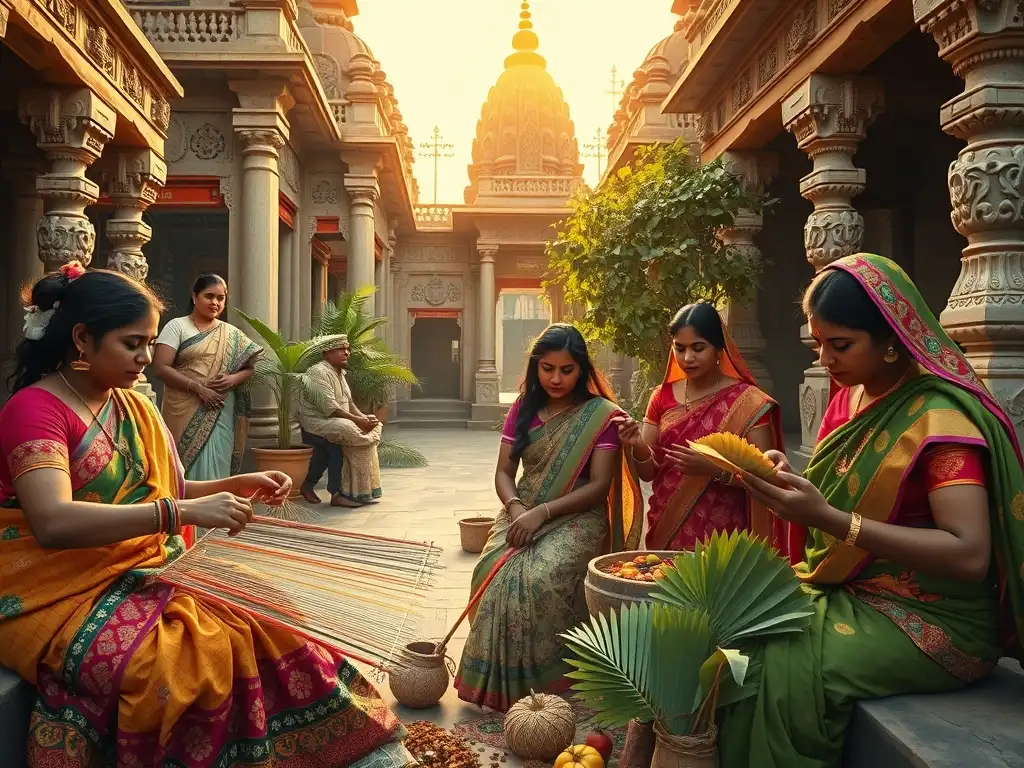
Welcome to Ancient India History, where we delve into the rich tapestry of India's past, illuminating the profound cultural and societal contributions of ancient civilizations. In this exploration, we invite you to uncover the often-overlooked narratives of women in ancient Indian societies. Our featured article, "Caste and Gender: Understanding Women's Roles in Ancient Indian Societies," promises to challenge your perceptions and ignite your curiosity about the intricate dynamics of gender and caste. As you journey through history with us, prepare to discover the vital roles women played in shaping their communities and the legacies they left behind.
Understanding the roles of women in ancient Indian societies requires a multifaceted exploration of the intricate interplay between caste, gender, and social status. Women in Ancient Indian Societies were not merely passive figures; they played vital roles that varied significantly across different periods and regions.
From the agricultural communities of the Indus Valley to the sophisticated courtly life of the Gupta Empire, women's contributions were essential in shaping the social, economic, and cultural landscapes of their time. This article delves into the complexities of these roles, examining how caste systems influenced women's lives, their rights, responsibilities, and the overall perception of gender in ancient India.
Historical Context of Women in Ancient India
The history of women in ancient India is deeply intertwined with the socio-political and cultural developments of the time. Women participated in various domains, including family, religion, and economics. Evidence from archaeological sites, texts, and inscriptions provides insight into their status and roles. Key points include:
- Indus Valley Civilization (c. 3300–1300 BCE): Evidence suggests women had significant status as artisans and traders. Artifacts indicate their involvement in economic activities.
- Vedic Period (c. 1500–500 BCE): Women were educated and participated in rituals. Texts like the Rigveda mention women as scholars and poets.
- Post-Vedic Period: The arrival of the caste system began to shape women's roles more rigidly, leading to varying degrees of freedom and restriction.
The Impact of Caste on Women's Roles
The caste system was a defining feature of ancient Indian society, influencing every aspect of life, including gender roles. The stratification of society into hierarchical groups meant that women's experiences varied significantly based on their caste. Important considerations include:
- Brahmin Women: Often had access to education and religious duties but were expected to adhere to strict codes of conduct.
- Kshatriya Women: Engaged in the defense of their families, sometimes even taking part in warfare. Their honor was closely tied to their chastity and marital alliances.
- Vaishya and Shudra Women: Typically involved in agricultural and manual labor. Their roles were often confined to domestic spheres, with less emphasis on education and independence.
In addition to the caste system, cultural and religious norms heavily influenced the perception of gender roles in ancient India. These norms dictated women’s behavior, education, and rights, leading to a complex web of expectations:
- Marriage and Family: Early marriages were common, often limiting women's opportunities for education and personal growth. The institution of marriage was central to a woman's identity and social standing.
- Religious Practices: Women were often seen as responsible for maintaining religious traditions within the household, which could empower them in specific contexts while simultaneously confining them to domestic roles.
- Literature and Art: Ancient texts and art depict women in various roles, from goddesses to poets, reflecting both reverence and restriction. This duality highlights the complex nature of women's status in society.
Conclusion
The roles of women in ancient Indian societies were diverse and multifaceted, shaped significantly by the interplay of caste and gender. While many women contributed to their communities in meaningful ways, their experiences were often influenced by the rigid structures of social hierarchy. Understanding these dynamics not only enhances our knowledge of ancient Indian civilization but also sheds light on the evolving roles of women throughout history. This exploration of women in ancient Indian societies reveals a rich tapestry of contributions, challenges, and transformations that resonate in contemporary discussions about gender and social structure.
- Historical Context of Women in Ancient India
- The Impact of Caste on Women's Roles
- Social Norms and Gender Roles
- Conclusion
- What were the primary roles of women in ancient Indian societies?
- How did the caste system impact women's lives in ancient India?
- Were women allowed to participate in religious practices in ancient India?
- Did women in ancient India have access to education?
- What contributions did women make to ancient Indian culture?
Introduction to Women in Ancient Indian Societies
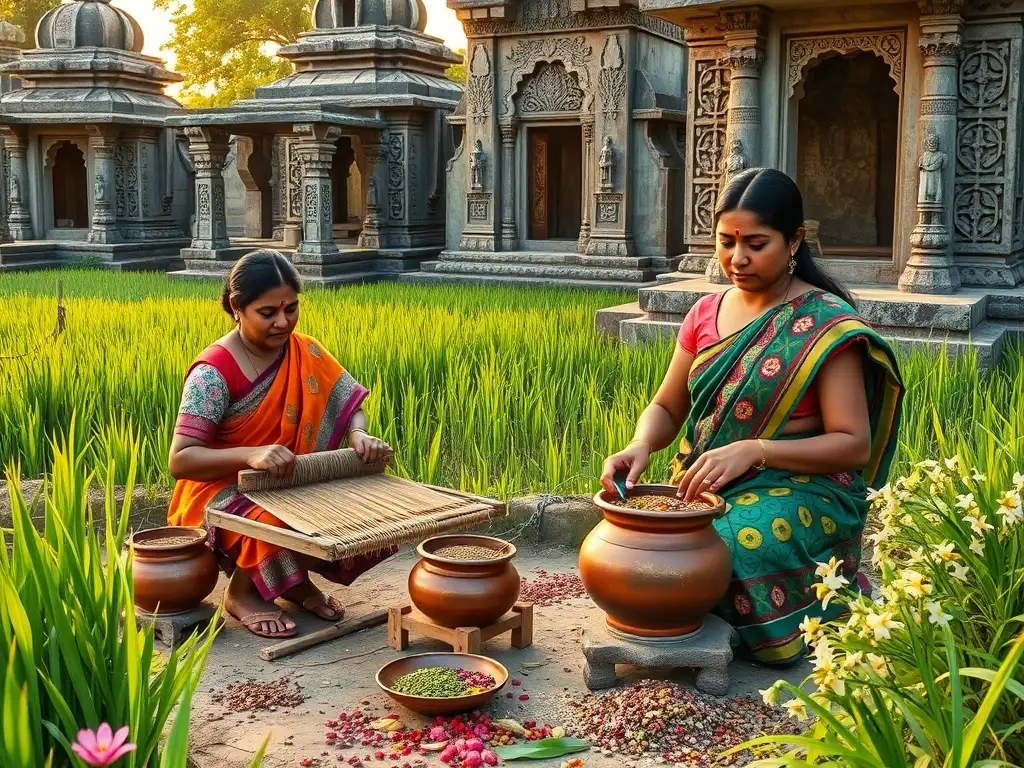
The role of women in ancient Indian societies is a complex tapestry woven into the broader social, cultural, and religious fabric of the time. From the Indus Valley Civilization (circa 2500-1900 BCE) to the later periods of the Gupta Empire (circa 320-550 CE), the status, rights, and responsibilities of women varied significantly based on regional customs, caste systems, and prevailing socio-economic conditions. Understanding these roles not only helps us gain insight into the lived experiences of women but also sheds light on the dynamics of gender relations, power structures, and societal norms in ancient India.
Overview of Gender Roles in Ancient India
The concept of gender in ancient Indian societies was intricately linked to the caste system, which stratified individuals based on their birth and occupation. Women's roles were often defined by their caste, with different expectations and duties assigned to them.
- Caste and Gender Intersection:
- In higher castes, particularly among the Brahmins and Kshatriyas, women were often expected to manage household affairs and maintain family honor. Education for women in these castes was not uncommon, with some girls learning to read and write sacred texts.
- In contrast, women from lower castes, such as the Shudras, were typically involved in labor-intensive activities. Their roles were more public and less restricted, often working alongside men in agricultural and artisanal settings.
- Religious and Cultural Influences:
- The Vedic texts, which form the foundation of Hindu philosophy, depict women in both traditional and progressive lights. While some texts emphasize their roles as dutiful wives and mothers, others acknowledge their spiritual authority and capacity for intellectual pursuits.
- Goddesses played a significant role in ancient Indian religion, representing various aspects of life and nature, which could suggest a reverence for feminine power. However, the societal implications of these deities often reinforced the patriarchal structure.
- Marriage and Family Structures:
- Marriage was a crucial institution, often arranged and aimed at strengthening familial alliances. Women were typically married at a young age and were expected to fulfill domestic roles, but this did not preclude them from having agency in personal matters in certain contexts.
Importance of Studying Women's Roles in Historical Context
Understanding the roles of women in ancient Indian societies is essential for several reasons:
- Challenging Stereotypes: Historical narratives often overlook or misrepresent women's contributions and status. By studying these aspects, we can challenge outdated stereotypes and recognize the diverse experiences of women across different periods and regions.
- Cultural Heritage: Women's roles were integral to the survival and development of cultural practices, rituals, and family traditions. Their contributions to art, literature, and spirituality are crucial for appreciating the richness of ancient Indian culture.
- Social Dynamics: Examining women's roles allows us to understand broader social dynamics, including power structures and the impact of caste on daily life. It also highlights the intersection of gender, caste, and class, fostering a more nuanced understanding of ancient Indian society.
- Modern Implications: Insights gained from the historical context of women in ancient India can inform contemporary discussions on gender equality and women's rights. By understanding the past, we can better navigate the present and advocate for a more equitable future.
The study of women in ancient Indian societies reveals a multifaceted picture of gender roles that were deeply influenced by caste, religion, and socio-economic conditions. This exploration not only enriches our understanding of history but also contributes to ongoing dialogues about gender in modern contexts.
The Caste System in Ancient India
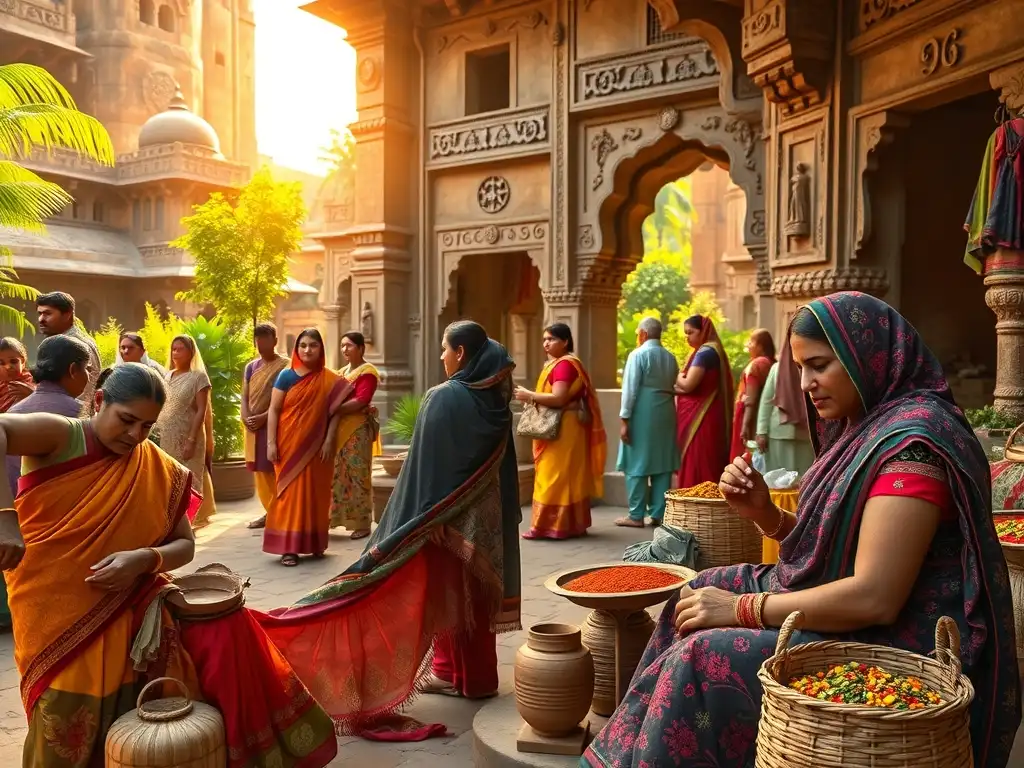
Definition and Structure of the Caste System
The caste system in ancient India is a complex social hierarchy that categorizes individuals into distinct groups based on their birth, profession, and social status. Traditionally, it is divided into four primary categories known as varnas:
- Brahmins: The priestly class responsible for religious rituals and spiritual guidance.
- Kshatriyas: The warrior and ruling class, tasked with governance and protection of the realm.
- Vaishyas: The merchant and agricultural class, involved in trade, commerce, and farming.
- Shudras: The laboring class, responsible for serving the above three varnas.
Beyond these four varnas, there exists a multitude of sub-castes, or jatis, which further stratify society. This intricate system was not merely about occupation but also dictated social interactions, marriage, and community life. The rigidity of the caste system can be seen in various ancient texts, such as the Manusmriti, which outlined the duties and responsibilities associated with each caste.
Major Castes and Their Impacts on Society
The major castes played significant roles in shaping the socio-economic landscape of ancient Indian societies.
- Brahmins: As the custodians of knowledge and religious authority, Brahmins wielded immense influence over societal norms and practices. Their role in education and philosophy fostered a culture of learning, impacting the development of arts and sciences.
- Kshatriyas: This warrior class was pivotal in establishing and maintaining kingdoms. Their martial prowess and governance skills led to the formation of powerful dynasties and the expansion of territories, which facilitated trade and cultural exchange.
- Vaishyas: As the economic backbone of society, Vaishyas contributed to trade and agriculture. Their entrepreneurial activities spurred economic growth and fostered a network of commerce, enhancing societal wealth.
- Shudras: Though often marginalized, the Shudras provided essential labor and services that supported the economy. Their contributions in agriculture, craftsmanship, and domestic work were crucial for the functioning of society.
The interactions among these castes influenced social dynamics and contributed to the development of a diverse cultural landscape. Each caste maintained specific rituals and traditions, which in turn shaped regional identities and cultural practices.
Intersection of Caste and Gender Roles
The intersection of caste and gender roles in ancient Indian societies created a unique set of challenges and opportunities for women. Women from different castes experienced varying degrees of freedom and societal expectations.
- Brahmin Women: Generally, women from the Brahmin caste were expected to adhere to strict codes of conduct, focusing on domestic responsibilities while also being educated in religious texts. Their status allowed them some influence in spiritual matters, although their public presence was limited.
- Kshatriya Women: Women of the Kshatriya caste often held more significant roles in society, particularly in matters of governance and diplomacy. They were sometimes involved in their husbands' political affairs and could exercise power through marriage alliances.
- Vaishya Women: The economic activities of Vaishyas allowed women to participate in trade and commerce, granting them a degree of financial independence. However, their roles were still largely centered around the household.
- Shudra Women: Women of the Shudra caste faced the most severe limitations. Their roles were primarily confined to domestic labor, and they had little to no access to education or public life. Their societal status often reflected the marginalized position of their caste.
The interplay of caste and gender roles in ancient India created a complex framework that influenced women's lives across different strata of society. The varying degrees of autonomy and societal expectations faced by women highlight the intricate dynamics of gender within the larger context of the caste system. Understanding these roles is essential for comprehending the broader narrative of women in ancient Indian societies.
Historical Perspectives on Women in Ancient Indian Societies
Women's Status in Vedic Society
The Vedic period, spanning approximately 1500 to 500 BCE, is critical for understanding the status of women in ancient Indian societies. During this time, texts such as the Rigveda reveal a nuanced picture of women's roles. Women were often depicted as educated, articulate, and capable of participating in religious rituals, which was a significant aspect of Vedic life.
- Education and Learning: Women had access to education, and figures like Gargi and Maitreyi are notable for their intellectual contributions. They were known to engage in philosophical debates, a privilege not commonly afforded to women in later periods.
- Marriage and Family: Marriages were typically arranged, and women were expected to be devoted to their husbands. However, the concept of swayamvara, where a woman chose her husband, suggests a degree of autonomy in marital choices.
Despite this, the transition from the Vedic to later periods saw a decline in women's status, often constraining their roles to the domestic sphere and emphasizing their duties as wives and mothers.
Roles of Women During the Maurya Empire
The Maurya Empire (c. 322–185 BCE) marked a significant period in ancient Indian history, characterized by political consolidation and socio-economic advancement. Women's roles during this time were complex and varied across different strata of society.
- Political Participation: Women of the royal family, such as Chandragupta Maurya's daughter, were sometimes involved in political affairs, illustrating that women could wield power indirectly through their familial connections.
- Economic Contributions: Women participated in various economic activities, including agriculture, craftsmanship, and trade. Historical texts suggest that women could own property and manage businesses, particularly in urban areas.
- Cultural Influence: The Maurya period also saw the rise of literature and theatre, where women’s roles in storytelling and performance became significant. The Arthashastra, written by Kautilya, discusses the importance of women in various societal roles, indicating their multifaceted contributions.
This era laid the groundwork for subsequent developments in women's roles, blending traditional responsibilities with emerging opportunities for engagement in public life.
The Influence of Buddhism and Jainism on Women's Roles
The emergence of Buddhism and Jainism around the 6th century BCE had a transformative impact on women's roles in ancient Indian societies. These religions emphasized ethical conduct and personal enlightenment, which offered women new avenues for participation in spiritual and social realms.
- Religious Institutions: Both Buddhism and Jainism established monastic communities that welcomed women. Female monks, known as bhikkhunis in Buddhism, were granted the opportunity to lead lives dedicated to spiritual pursuits and teachings.
- Social Reforms: These religions challenged existing social norms, advocating for gender equality and the idea that women could attain spiritual liberation. Texts from this period highlight the importance of women's contributions to society, both as spiritual leaders and lay practitioners.
- Cultural Narratives: The narratives surrounding female figures in Buddhist and Jain texts often portray them in a positive light, showcasing their strength, wisdom, and moral integrity. This shift in representation contributed to a broader acceptance of women's roles beyond traditional confines.
Overall, the influence of Buddhism and Jainism played a crucial role in redefining women’s status, fostering an environment where they could aspire to greater autonomy and respect within ancient Indian societies.
Daily Life of Women in Ancient Indian Societies
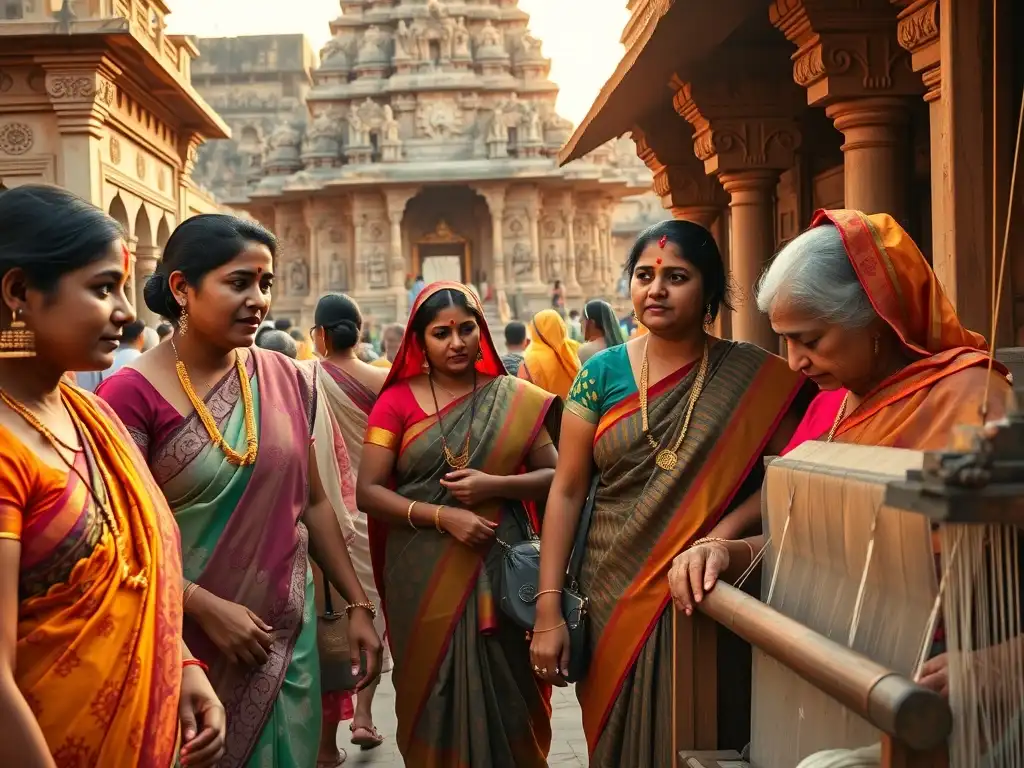
Family and Domestic Responsibilities
In ancient Indian societies, women played a pivotal role in the family structure and domestic sphere. Traditionally, they were tasked with managing household responsibilities, which included cooking, cleaning, and child-rearing. The family unit was often extended, comprising not just nuclear families but also grandparents, uncles, aunts, and cousins, which meant that women had to coordinate and oversee a larger domestic environment.
- Child-rearing: Women were primarily responsible for the upbringing of children, instilling values, and imparting education, particularly in the early formative years. This role was crucial for maintaining cultural continuity and imparting the family’s traditions and customs.
- Household Management: Women's domestic duties extended to budgeting, managing resources, and ensuring the smooth functioning of the household. This often involved overseeing servants or laborers who helped in the daily chores.
- Cultural Preservation: Through their roles, women were instrumental in preserving cultural and religious practices. They organized and participated in rituals and festivals, which were vital for maintaining societal norms and values.
The status and responsibilities of women varied across different regions and periods, influenced by the prevailing caste system and social norms. In many cases, women's roles were defined by their marital status; for instance, married women often had more significant responsibilities compared to their unmarried counterparts.
Women's Participation in Agriculture and Craftsmanship
Women in ancient India were integral to agricultural production and craftsmanship. Their contributions in these sectors significantly impacted the economy and daily life.
- Agricultural Work: Women participated actively in agricultural activities, including sowing, weeding, and harvesting. They often worked alongside men in the fields, contributing to the cultivation of crops. Some texts from ancient Indian literature mention women engaging in specific agricultural practices, highlighting their essential role in food production.
- Craftsmanship: Beyond agriculture, women were skilled artisans who contributed to various crafts. They were involved in weaving, pottery, and other traditional crafts, producing goods that were essential for both domestic use and trade. For example, the production of textiles was a crucial industry, and women played a significant role in spinning and weaving.
- Economic Contribution: The labor of women in agriculture and craftsmanship not only supported their families but also contributed to the local economy. Their work was often undervalued and unrecognized in historical accounts, yet it formed the backbone of sustenance for many households.
Women's roles in these economic sectors demonstrate their agency and significance in ancient Indian societies, challenging the perception of women solely as passive figures within the domestic sphere.
Religious Duties and Spiritual Roles of Women
Women in ancient Indian societies held various religious and spiritual roles, underscoring their importance in the cultural fabric of the time.
- Participation in Rituals: Women were often central figures in religious ceremonies and rituals. They were responsible for performing household pujas (worship) and participating in community festivals, which were essential for maintaining the spiritual health of the household and community.
- Spiritual Leaders: In certain contexts, women served as spiritual leaders or gurus. Some ancient texts refer to female sages and ascetics who contributed to spiritual discourse and practices, highlighting their authority in spiritual matters.
- Custodians of Tradition: Women acted as custodians of religious traditions, passing down rituals, stories, and hymns from generation to generation. This role was crucial for the preservation of cultural identity and religious practices.
- Influence of Texts: Ancient texts such as the Manusmriti provide insights into the expected spiritual duties of women, although interpretations of these texts vary widely. While some passages suggest limitations on women’s roles, others highlight their involvement in significant spiritual practices.
The multifaceted roles of women in religious and spiritual contexts reflect their influence and status in ancient Indian society, challenging the simplistic narratives that often overlook their contributions. Overall, women in ancient Indian societies played crucial roles across various domains, fundamentally shaping the social and cultural landscape.
Education and Knowledge of Women in Ancient India
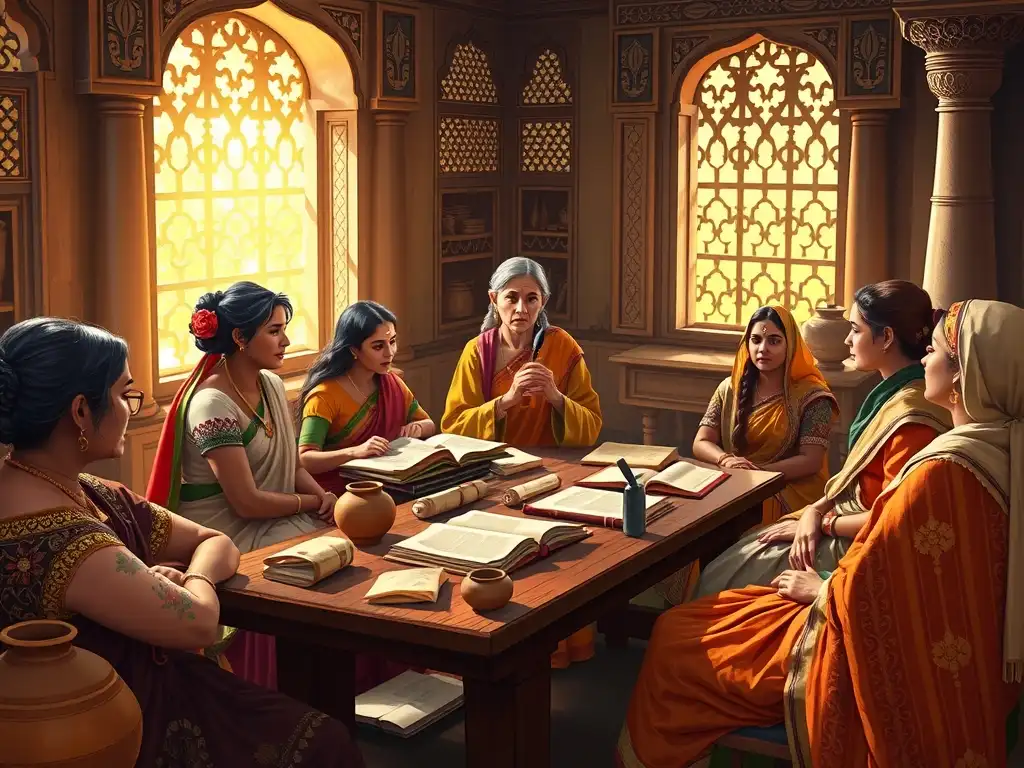
Access to Education for Women in Various Castes
In ancient Indian societies, the access to education for women varied significantly across different castes and regions. While the general perception is that education was predominantly reserved for men, women from certain higher castes, particularly the Brahmins and Kshatriyas, had opportunities for learning, albeit limited.
- Brahmin Women: Women belonging to the Brahmin caste often had access to Vedic education, which included the study of scriptures and rituals. They were sometimes taught reading and writing, and could engage in religious discourses.
- Kshatriya Women: Kshatriya women, known for their warrior lineage, were educated in skills necessary for governance and warfare. They often learned martial arts and were trained in leadership roles, preparing them for responsibilities in managing kingdoms.
- Vaishya and Shudra Women: In contrast, women of the Vaishya and Shudra castes had much less access to formal education. Their roles were primarily focused on domestic duties and agricultural tasks. However, they still possessed practical knowledge related to their trades, which was often passed down through generations.
Despite these disparities, there are instances where women from lower castes managed to acquire knowledge through informal channels, such as apprenticeships or community gatherings.
Prominent Female Figures and Scholars
Throughout ancient India, several women emerged as notable figures who contributed significantly to various fields, including literature, philosophy, and spirituality. Their achievements reflect the potential of women in ancient Indian societies, despite the constraints of the caste system.
- Gargi Vachaknavi: A prominent philosopher and scholar, Gargi is known for her participation in philosophical debates during the Vedic period. She challenged renowned sages and posed questions about the nature of the universe, showcasing her intellectual prowess.
- Maitreyi: Another significant figure, Maitreyi was a philosopher and a disciple of Yajnavalkya, a famous sage. She is known for her profound discussions on the nature of reality and self-knowledge in the Brihadaranyaka Upanishad.
- Vishnu Sharma: Although primarily known for the Panchatantra, Vishnu Sharma’s works were believed to be influenced by the teachings of women scholars. His fables often included moral lessons that reflected the wisdom of women in society.
- Vedic Poetesses: The Rig Veda contains hymns attributed to women poetesses, indicating that women were not only participants but also creators of religious literature. These verses demonstrate the capacity for women to express their thoughts and beliefs through poetry.
These figures are essential in understanding the roles women played in shaping intellectual and cultural landscapes in ancient India.
The Role of Oral Traditions in Women’s Knowledge Transmission
Oral traditions played a crucial role in the transmission of knowledge among women in ancient Indian societies. Given the limited access to formal education, many women relied on oral storytelling, folklore, and community interactions to pass down their knowledge.
- Storytelling: Women often served as storytellers within their families and communities, sharing tales that included moral lessons, cultural values, and historical narratives. This practice not only preserved knowledge but also reinforced communal bonds.
- Folklore and Myths: Many ancient Indian myths and epics celebrated female characters, providing models of virtue, strength, and resilience. These stories, transmitted orally, empowered women by illustrating their potential and roles within society.
- Rituals and Practices: Women were the primary custodians of various rituals and cultural practices, which included the passing down of medicinal knowledge, cooking techniques, and agricultural skills. This transmission of knowledge was often done through generations, reinforcing women’s roles as educators within their households.
- Community Gatherings: In many societies, women’s gatherings served as platforms for sharing knowledge. These gatherings allowed women to discuss their experiences, challenges, and wisdom, fostering a sense of solidarity and collective learning.
Through these oral traditions, women were able to maintain a rich repository of knowledge that shaped their identities and contributed to the cultural fabric of ancient Indian society.
Women’s Rights and Legal Status in Ancient Indian Societies
Marriage Practices and Women's Rights
In ancient Indian societies, marriage was not merely a romantic union; it was a pivotal institution that was intricately tied to social status, economic stability, and familial alliances. The rights of women within marriage varied significantly across different periods and regions, reflecting the complexities of the caste system and local customs.
- Types of Marriages: Women could experience various forms of marriage, including:
- Brahma Marriage: Considered the most respectable, it involved a voluntary union based on mutual consent.
- Asura Marriage: In this type, the groom would pay a bride price, which was often seen as less noble.
- Gandharva Marriage: This was a romantic union based on mutual affection, often without parental consent.
- Kshatriya and Vaishya Marriages: These were often strategic, aimed at strengthening political ties or economic interests.
- Rights within Marriage: While some texts, like the Manusmriti, prescribed roles for women primarily as homemakers and caregivers, there were also instances where women had rights:
- Consent: In the best cases, women had the right to choose their partners, especially in Gandharva marriages.
- Remarriage: Certain texts allowed widows to remarry, reflecting some level of agency.
However, the predominant view often relegated women to subordinate roles, emphasizing their duties over their rights, which continued to shape societal norms.
Inheritance Laws and Property Ownership
Inheritance laws in ancient India reveal a nuanced understanding of women's roles in economic structures. Although women were often viewed as dependents, there were specific rights concerning property ownership and inheritance that varied across different texts and regions.
- Vedic Texts: The Rigveda suggests that women could inherit property, indicating a more egalitarian approach during the Vedic period. However, this perspective shifted over time.
- Dharma Shastras: Later texts, such as the Manusmriti, introduced more restrictive inheritance laws:
- Stridhan: This was property that a woman brought into marriage or received as gifts, which she could manage independently. However, its scope and application varied widely.
- Limited Rights: Women in the Kshatriya and Vaishya castes often had more rights to property than those in the lower castes, highlighting the intersection between caste and gender.
- Regional Variations: In some regions, like South India, women had more substantial rights to property and inheritance, often managing family estates. This points to a significant diversity in women's economic rights influenced by local customs.
Legal Protections and Limitations for Women
The legal framework surrounding women's rights in ancient Indian societies was complex, often reflecting broader societal norms and values. While there were certain protections in place, many limitations persisted, influencing women's societal roles significantly.
- Legal Protections: Some ancient texts advocated for the protection of women, emphasizing their dignity and moral standing. For instance:
- Punishments for Abduction: Laws were in place that penalized the abduction or mistreatment of women, suggesting a recognition of their rights to safety and respect.
- Rights to Personal Property: Certain texts recognized women's rights to manage their personal property, particularly in cases of divorce or widowhood.
- Limitations: Despite these protections, women often faced numerous legal limitations:
- Subordination: The legal system largely reflected a patriarchal structure, where women's voices were often marginalized. Legal disputes typically favored male family members.
- Marriage and Family: A woman's legal status was largely dependent on her marital status, limiting her autonomy and rights in society.
- Cultural Influences: The impact of cultural norms on legal frameworks cannot be understated. The expectations surrounding a woman's role as a wife and mother often overshadowed her legal rights, perpetuating cycles of dependency and disenfranchisement.
Women's roles in ancient Indian societies were defined by a complex interplay of rights, legal status, and societal expectations. While there were moments of agency and rights, the overarching narrative frequently emphasized limitations, underscoring the need for a nuanced understanding of gender and social structure in ancient India.
The Impact of Caste on Women’s Empowerment
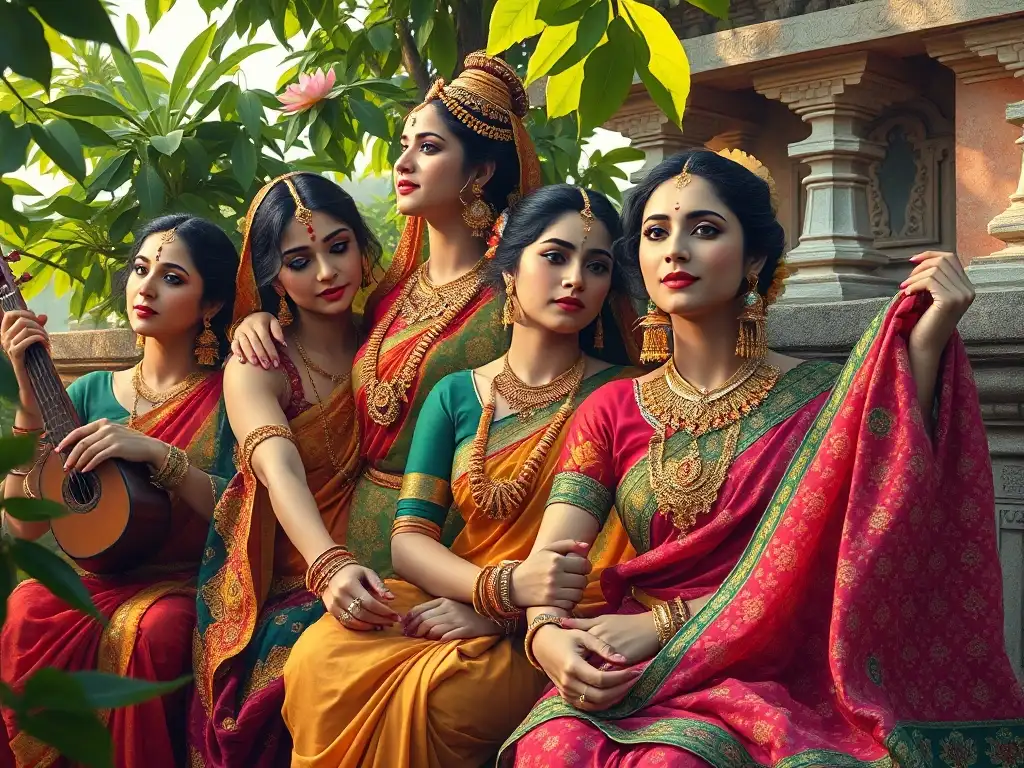
In ancient Indian societies, the caste system significantly influenced the social status and roles of women, deeply intertwining gender and caste hierarchies. The caste system, which classified individuals based on their birth and occupation, often dictated a woman's opportunities for education, employment, and autonomy. Women belonging to higher castes typically enjoyed more privileges, including access to education and participation in religious rituals, while lower-caste women faced substantial restrictions and discrimination.
Case Study: Women of Different Castes and Their Societal Roles
The experiences of women varied dramatically across different castes. For instance:
- Brahmin Women: Generally, Brahmin women were afforded a higher social status. They were often educated in the Vedas and participated in religious ceremonies. Their roles primarily revolved around maintaining household rituals and upholding family honor.
- Kshatriya Women: Women from the Kshatriya caste were known for their valor and were often involved in the political affairs of their clans. They sometimes wielded power through marriage alliances and could even rule as queens in their own right.
- Vaishya Women: Vaishya women were engaged in trade and agriculture, assisting their families in business activities. They had more economic freedom compared to many lower-caste women.
- Shudra Women: Women from the Shudra caste often worked in labor-intensive roles, with limited rights and opportunities. Their societal roles were primarily confined to domestic chores and manual labor, reflecting the overall marginalization of their caste.
The caste system not only dictated women's roles but also established the norms around marriage, inheritance, and social mobility, reinforcing patriarchal structures within each caste.
Challenges Faced by Lower-Caste Women
Lower-caste women faced unique and formidable challenges in ancient Indian society. Key issues included:
- Discrimination and Marginalization: Lower-caste women were often subjected to social stigma and discrimination, limiting their access to education and healthcare. They were frequently excluded from community events and religious practices.
- Economic Dependency: Many lower-caste women were economically disadvantaged, reliant on manual labor or domestic servitude. This economic dependency restricted their ability to assert autonomy and seek alternative opportunities.
- Violence and Exploitation: Reports of violence against lower-caste women, including sexual exploitation and human trafficking, were prevalent. The intersection of caste and gender violence created a compounded vulnerability, making it difficult for these women to seek justice.
- Cultural Practices: Practices such as child marriage and dowry systems disproportionately affected lower-caste women, further entrenching their societal disadvantages.
Despite these challenges, lower-caste women have historically shown resilience, often becoming advocates for change within their communities.
Movements for Women's Empowerment and Caste Reform
In response to the systemic oppression faced by women in ancient Indian societies, various reform movements emerged. These movements aimed to address both caste discrimination and women's rights:
- The Social Reform Movement: During the 19th century, figures like Jyotirao Phule and Dr. B.R. Ambedkar championed the rights of lower-caste women, advocating for education and social reform. They emphasized the need for caste and gender equality, influencing future generations.
- Women’s Suffrage Movement: The push for women's rights in the early 20th century included demands for voting rights and educational opportunities, focusing on the intersection of caste and gender.
- Contemporary Caste and Gender Activism: Modern movements continue to challenge the legacies of caste-based discrimination. Organizations work towards empowering women through education, skill development, and legal rights, promoting social justice for all castes.
- Cultural Revitalization: Many lower-caste women have embraced their cultural heritage, using it as a platform to assert their identities and resist oppressive structures. This revitalization fosters solidarity and empowerment within their communities.
Through these movements, women in ancient Indian societies and their descendants have strived to break free from the constraints imposed by caste, advocating for a more equitable society.
Conclusion: Legacy of Women in Ancient Indian Societies
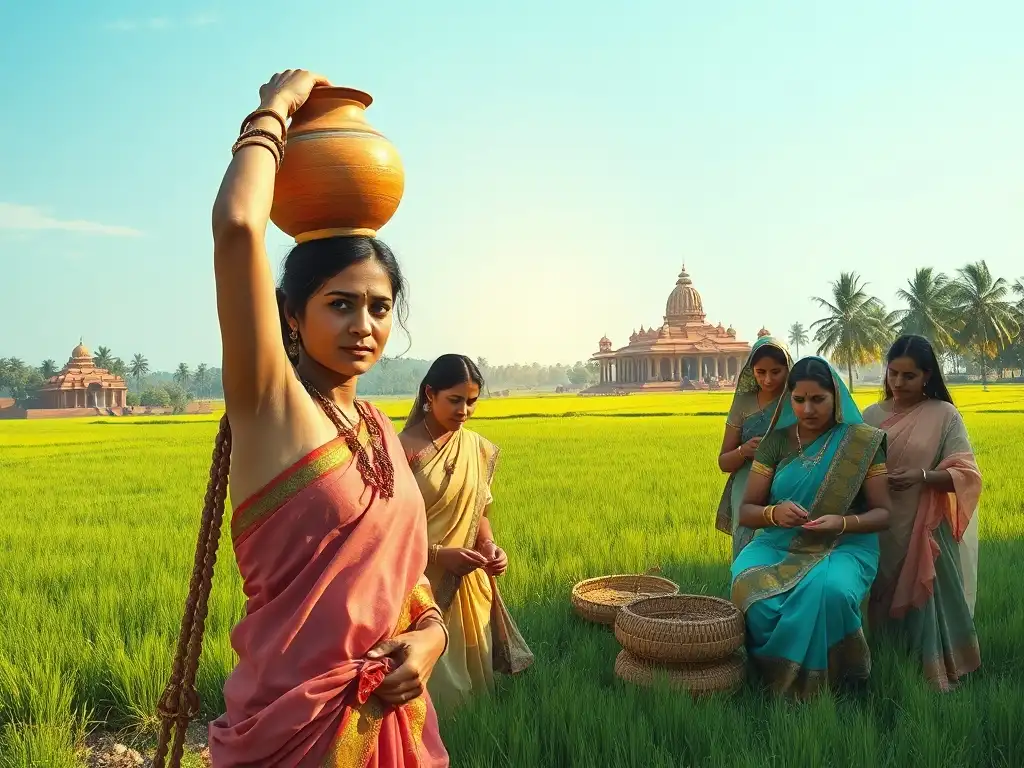
The legacy of women in ancient Indian societies is profound and multifaceted, reflecting the complexity of their roles across different epochs. Women were not merely passive figures but active contributors to the cultural, economic, and spiritual fabric of their communities. The various texts from ancient times, including Vedic literature, epics like the Mahabharata and Ramayana, and archaeological findings, reveal that women's roles evolved in response to changing societal norms, caste dynamics, and regional variations.
The portrayal of women varied significantly across different periods. For instance, while the Rigveda celebrates women as scholars and seers, later texts often depict them in more restricted roles. Despite these fluctuations, women consistently influenced important aspects such as family structure, religious practices, and even political affairs. Their involvement in rituals, as educators, and as economic agents provides a glimpse into their integral place in ancient society.
Reflection on the Historical Contributions of Women
Women's contributions in ancient India can be categorized into various domains:
- Cultural Contributions:
- Women were instrumental in artistic expressions such as poetry, music, and dance. Notable figures like Gargi and Maitreyi are remembered for their philosophical insights and contributions to Vedic dialogues.
- The presence of female characters in ancient epics showcases the complexity of women's roles, often embodying virtues such as strength, loyalty, and wisdom.
- Economic Roles:
- Women participated in agricultural activities, weaving, and other crafts, significantly contributing to the household economy and trade. They often handled the financial management within families.
- Historical records indicate that women could own property and engage in business transactions, highlighting a degree of economic autonomy in certain regions.
- Religious Significance:
- Women played key roles in religious rituals and practices. Their participation was crucial in maintaining the spiritual sanctity of households and communities.
- The worship of female deities and the veneration of the divine feminine in various local cults point to the essential role women held in the spiritual lives of their societies.
Through these contributions, women not only shaped their immediate environments but also left a lasting legacy that transcends time, influencing subsequent generations.
Modern Implications of Ancient Gender and Caste Dynamics
The examination of women's roles in ancient Indian societies provides valuable insights into contemporary gender dynamics. Understanding the historical context of women's lives can help unravel the complexities of current social structures influenced by both gender and caste.
- Gender Equality:
- The historical recognition of women as contributors to various societal facets can be leveraged to advocate for gender equality today. Learning from the past emphasizes the importance of women's involvement in all areas of life, challenging modern stereotypes and limitations.
- Caste and Social Identity:
- The interplay of caste and gender in ancient times reflects ongoing challenges related to social identity. Analyzing this relationship can aid in understanding the persistence of caste-based discrimination and gender inequality in modern India.
- Contemporary movements for social justice can draw inspiration from women's historical resilience and agency, fostering a more inclusive society.
- Education and Empowerment:
- The educational roles of women in ancient India can inspire modern initiatives aimed at empowering women through education. Promoting access to education for girls today echoes the historical significance attributed to women as bearers of knowledge and culture.
The legacy of women in ancient Indian societies is a testament to their resilience and adaptability. By studying their historical contributions and the implications of ancient gender and caste dynamics, we can better appreciate the ongoing struggles for equality and social justice in today's world.
Further Reading and Resources on Women in Ancient Indian Societies
Recommended Books and Articles
For those interested in delving deeper into the roles of women in ancient Indian societies, a variety of books and scholarly articles provide comprehensive insights. Here are some essential readings:
-
Women's Roles in Ancient India by Ramesh Chandra Dutta
This book explores the multifaceted roles women played in ancient Indian society, from domestic duties to participation in religious practices. It highlights the evolution of women's status across different periods.
-
The History of Women in India: From Ancient to Modern Times by Kumkum Sangari and Sudesh Vaid
A thorough anthology that discusses the historical context of women's experiences in India, including their contributions, struggles, and societal expectations.
-
Women in Ancient India: A Historical Perspective by Nita Kumar
This work provides an in-depth analysis of the social, economic, and political participation of women in ancient India, drawing on various historical texts and archaeological findings.
-
Gender and the Politics of History by Joan W. Scott
While not exclusively focused on India, Scott's analysis of gender in historical contexts is applicable to understanding women's roles within ancient Indian societies.
-
Scholarly Articles in Journals
- "The Status of Women in Ancient Indian Society" - Journal of Historical Studies.
- "Gender and Caste in Ancient Indian Texts" - Journal of Social History.
Online Resources for Deeper Understanding
The internet offers a wealth of resources for those eager to explore the topic of women in ancient Indian societies further. Below are some recommended online platforms:
-
Digital South Asia Library
A comprehensive resource that provides access to historical texts, images, and articles related to South Asian history, including discussions on women's roles across various eras.
-
Indian History Congress
An organization that publishes papers and proceedings which often include studies focused on gender and social structures in ancient India.
-
Project Gutenberg
A digital library offering free access to historical texts, including many that pertain to ancient Indian history and women's contributions.
-
Academia.edu
A platform where researchers share papers and articles. Searching for "Women in Ancient Indian Societies" yields numerous scholarly works that can enhance understanding.
-
YouTube Channels
Channels such as "Crash Course World History" and "The History Guy" provide engaging video content that covers various aspects of ancient Indian history, including gender roles.
These resources collectively provide a robust foundation for understanding the complexities surrounding women's roles in ancient Indian societies. Through these readings and online materials, scholars and enthusiasts alike can gain a nuanced perspective on the contributions and challenges faced by women throughout history.
Frequently Asked Questions
What were the primary roles of women in ancient Indian societies?
Women in ancient India often held important roles within the family and community, including responsibilities for child-rearing and managing household affairs. However, their social status varied significantly across different communities and eras.
How did the caste system impact women's lives in ancient India?
The caste system had a profound influence on women's social status and opportunities. Women from higher castes often experienced more restrictions compared to those from lower castes, affecting their freedom and social mobility.
Were women allowed to participate in religious practices in ancient India?
Yes, women participated in various religious practices and rituals, although their roles were often defined by caste and gender norms. Some texts suggest that women could be spiritual leaders, while others limited their involvement.
Did women in ancient India have access to education?
Educational access for women in ancient India was limited and largely dependent on their caste and social class. While some women from higher castes received education, many others were excluded from formal learning opportunities.
What contributions did women make to ancient Indian culture?
Women contributed to ancient Indian culture through arts, literature, and education. They played a crucial role in preserving and transmitting cultural values and traditions, although their contributions were often overlooked in historical records.
Final Reflection: Empowering Women Through Historical Understanding
The exploration of women's roles in ancient Indian societies reveals a complex tapestry of social structures shaped by caste and gender dynamics. Today, as we navigate a world still grappling with issues of inequality and discrimination, understanding these historical contexts becomes increasingly relevant. The past is not merely a series of events; it is a lens through which we can examine our current societal challenges and strive for a more equitable future. The lessons learned from ancient practices and beliefs can illuminate pathways toward empowerment and justice.
The influence of caste and gender on women's lives in ancient India continues to resonate in contemporary discussions about gender equality and social justice. Recognizing the historical significance of women's contributions and struggles fosters a deeper appreciation for their ongoing fight for rights and recognition. As we reflect on these narratives, we are reminded of the words of feminist scholar Kamala Bhasin: If we want to change the world, we must first change the way we think about women.
This insight underscores the importance of acknowledging the historical context of women's roles, as it shapes our understanding of their current status and the work still needed to achieve true equality.
As we conclude this exploration, I invite you to reflect on the lessons drawn from the past and consider how they can inform your actions today. What can you learn from the resilience and agency of women in ancient Indian societies? Embrace the opportunity to advocate for gender equality in your own community, drawing inspiration from the rich history of women's contributions. Let us honor their legacy by committing ourselves to create a world where every woman is empowered to thrive, just as those who came before us sought to do.
Embrace the Wisdom of the Past: Take Action Now!
Thank you for reading and exploring the vital roles women played in ancient Indian societies. Your curiosity about this topic opens doors to understanding the intricate tapestry of history and culture. Now, let's take that learning further and make these insights meaningful in your own life!
Here are some actions you can take to deepen your engagement:
- Dive deeper: Explore additional resources on women’s contributions in ancient civilizations—libraries and online courses offer excellent starting points.
- Share your insights: Discuss the roles of women in history with friends or local community groups. Your voice can inspire others to appreciate the historical influences on modern society.
- Engage with history: Visit museums or historical sites that highlight women's contributions in India. This immersive experience can truly bring the past to life!
What do you find most surprising about the roles women played in ancient societies, and how can you connect those insights to today's discussions on gender equality? Let's keep the conversation going!