
Family Structures: Patrilineal vs. Matrilineal Societies in Ancient India

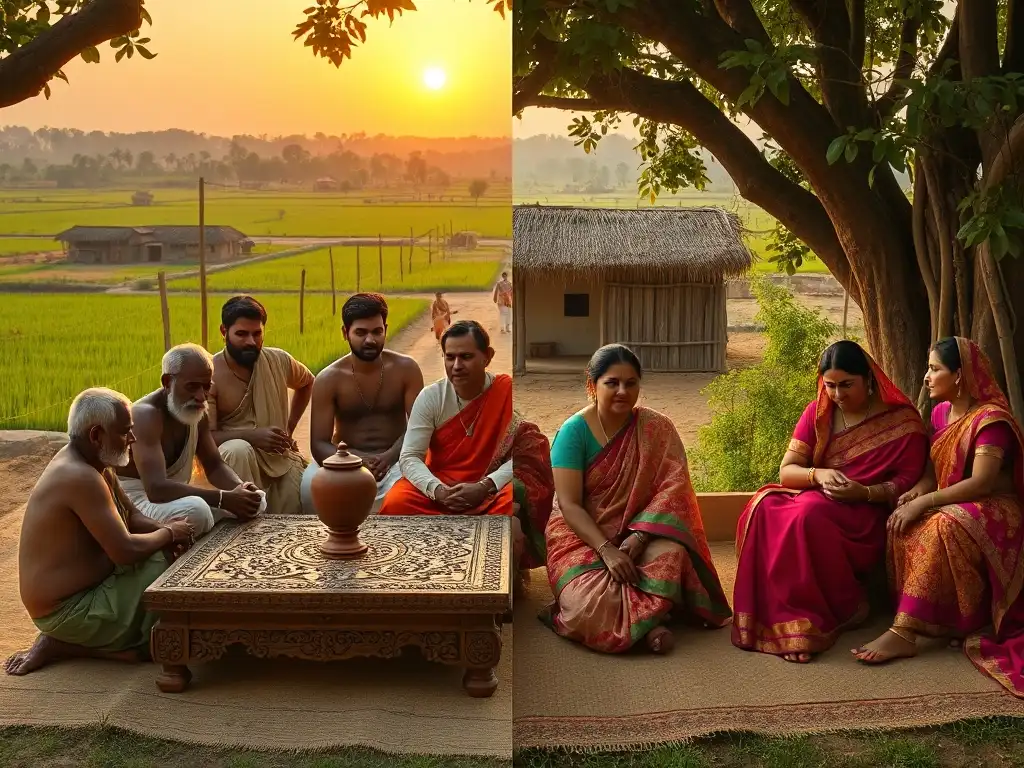
Welcome to Ancient India History, where we embark on a journey through the rich tapestry of one of the world's oldest civilizations. In today's article, we delve into the fascinating world of family structures in ancient India, exploring the intricate dynamics of patrilineal and matrilineal societies. What roles did lineage and heritage play in shaping the lives of individuals and communities?
Discover how these family structures not only influenced daily life but also left a lasting impact on the culture and values of ancient Indian civilizations. Join us as we unravel the complexities of familial ties and invite you to explore the vibrant social fabric of the past!
- Introduction to Family Structures in Ancient India
- Understanding Patrilineal Societies in Ancient India
- Exploring Matrilineal Societies in Ancient India
- Comparative Analysis of Patrilineal and Matrilineal Family Structures
- Impact of Religion and Philosophy on Family Structures
- Evolution of Family Structures in Ancient India
- Conclusion: The Legacy of Family Structures in Ancient India
-
Frequently Asked Questions
- What are the main family structures in ancient India?
- How did patrilineal societies function in ancient India?
- What is unique about matrilineal societies in ancient India?
- How did family structures influence social roles in ancient India?
- Were there any notable examples of matrilineal societies in ancient India?
- Final Reflection: Understanding Family Structures in Ancient India
- Discover Your Family Legacy Today!
Introduction to Family Structures in Ancient India
The family structure in ancient India serves as a vital lens through which we can understand the complexities of social organization, cultural practices, and the evolution of relationships in one of the world's oldest civilizations. Ancient Indian societies exhibited a rich tapestry of family configurations, primarily categorized into patrilineal and matrilineal systems.
These structures not only influenced inheritance and lineage but also shaped the roles and responsibilities of individuals within the family unit. By exploring the nuances of family structures in ancient India, we can gain insights into how these systems have impacted broader societal norms and values, reflecting the rich diversity that characterized the subcontinent’s history.
Overview of Family Structures in Ancient Indian Societies
In ancient India, family structures varied significantly across different regions and communities, with the predominant systems being patrilineal and matrilineal.
- Patrilineal Societies: In these societies, lineage and inheritance were traced through the male line. Property and family names were passed down from father to son, reinforcing male authority and the patriarchal system. The family unit typically centered around the father, with extended families living together, often in large households. This system was prevalent in many northern and western regions of India.
- Matrilineal Societies: In contrast, matrilineal societies traced lineage through the female line. Women held significant power in these structures, with inheritance and family names passed down from mother to daughter. Such societies often allowed women greater autonomy and a prominent role in decision-making processes. Examples of matrilineal communities include certain tribes in the northeastern states of India, where women were often the heads of households.
These differing family structures influenced various aspects of daily life, including marriage practices, gender roles, and social dynamics.
Importance of Family Structures in Cultural Context
The family structures in ancient India were not merely social frameworks but integral to the cultural fabric of the civilization. They played a crucial role in:
- Social Organization: Family structures determined social hierarchy and community roles. In patrilineal societies, men were typically viewed as the primary breadwinners and decision-makers, while women were often responsible for household management. Conversely, matrilineal societies empowered women, leading to different social dynamics and community organization.
- Cultural Continuity: Family structures helped preserve cultural traditions and values across generations. Practices related to marriage, rituals, and festivals were often guided by the family system in place, ensuring the transmission of cultural heritage.
- Legal and Economic Implications: The inheritance patterns dictated by these family structures impacted property rights, economic stability, and legal status within the society. Understanding these aspects provides a clearer picture of the socio-economic landscape of ancient India.
Family structures in ancient India were foundational to understanding societal norms and cultural practices. The interplay between patrilineal and matrilineal systems reveals much about the values, challenges, and dynamics of ancient Indian civilizations, underscoring the importance of family as a social institution.
Understanding Patrilineal Societies in Ancient India
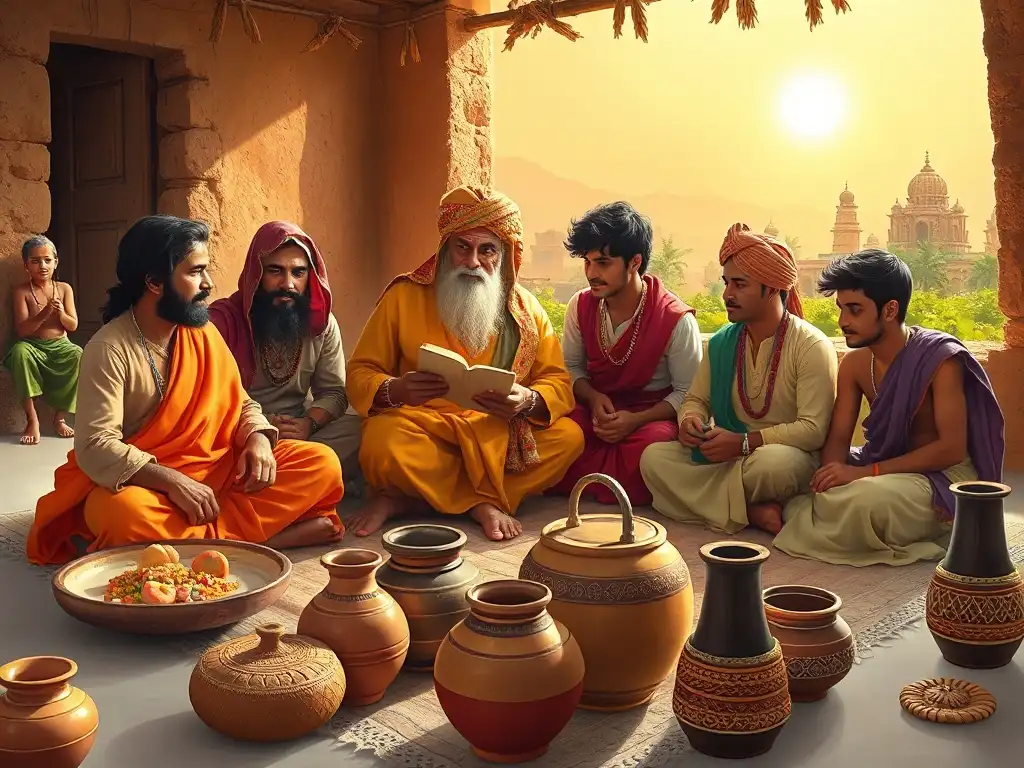
Definition and Characteristics of Patrilineal Systems
Patrilineal societies are those in which lineage and inheritance are traced through the male line. In ancient India, this system played a significant role in shaping family structures, property rights, and social status.
Key characteristics of patrilineal systems include:
- Inheritance: Property and family names are passed down from father to son. This often leads to the consolidation of wealth and power within male-led families.
- Authority: Men typically hold the primary authority within the family unit, making decisions regarding finances, marriages, and the upbringing of children.
- Patrilocality: Upon marriage, women often move into their husband's family home, reinforcing the male lineage's prominence. This practice is common in many regions of ancient India.
- Cultural Norms: Societal norms and customs often emphasize male dominance and female subservience, influencing various aspects of daily life, including marriage and social interactions.
These characteristics not only defined family structures in ancient India but also influenced broader societal dynamics, leading to distinct gender roles and expectations.
Historical Examples of Patrilineal Families in Ancient India
Several ancient Indian civilizations exemplify the patrilineal family structure, illustrating how this system was integrated into their social fabric:
- Indus Valley Civilization: Although limited data exists, archaeological evidence suggests that family structures may have followed patrilineal norms, particularly regarding property and lineage. Structures such as large homes indicate the presence of extended families led by a male head.
- Vedic Period: The Rigveda, one of the oldest texts in Indian literature, emphasizes the importance of male lineage. Kings and warriors were often celebrated for their male offspring, with the notion that sons were crucial for continuing family legacies.
- Maurya Empire: During this period, the patrilineal family structure was prominent among the ruling elite. The Mauryan dynasty, founded by Chandragupta Maurya, emphasized the importance of male heirs to maintain dynastic rule and property ownership.
- Gupta Empire: The Gupta period is renowned for its advancements in art and science, but it also reinforced patrilineal norms. The concept of "kula" (family or clan) became significant, with lineage traced through the male line, affecting marriages and social standings.
These examples illustrate how patrilineal structures were deeply embedded in the governance and everyday life of ancient Indian societies, shaping their cultural and social practices.
Cultural Practices and Traditions in Patrilineal Societies
In patrilineal societies, cultural practices and traditions often reflect and reinforce male lineage and authority. Here are some notable aspects:
- Marriage Customs: Marriages were typically arranged, and the bride was expected to leave her natal family to join her husband's household. This practice, known as "patrilocal marriage," highlights the transition of women into the male lineage.
- Rituals and Ceremonies: Religious and cultural rituals often center around male figures, such as the father or eldest son, who performs key rites during ceremonies like "shraddha" (ancestor worship). This underscores the significance of the male in maintaining family lineage and honoring ancestors.
- Social Status: In many cases, the social status of women was closely tied to their fathers or husbands. Women's identities often reflect their male relatives, and their roles were primarily focused on domestic duties and child-rearing.
- Legal Rights: While women in patrilineal societies had limited rights regarding inheritance and property ownership, certain texts, like the Manusmriti, indicate that women could inherit property under specific conditions. However, this was often contingent upon their relationship with a male relative.
These cultural practices not only defined the roles and responsibilities within families but also influenced societal perceptions of gender and authority, perpetuating the dynamics of patrilineal systems in ancient Indian civilization.
Exploring Matrilineal Societies in Ancient India

Definition and Characteristics of Matrilineal Systems
Matrilineal societies are those in which lineage and inheritance are traced through the mother rather than the father. In these systems, women typically hold significant power and status within the family structure, influencing decisions related to property, inheritance, and social standing.
Key characteristics of matrilineal systems include:
- Lineage Tracking: In matrilineal societies, individuals inherit their family name and ancestral property from their mother. This ensures that lineage is maintained through the female line.
- Women's Authority: Women often have greater authority and decision-making power, especially in matters related to family and property. They play a crucial role in maintaining family traditions and practices.
- Residence Patterns: In many matrilineal cultures, post-marital residence tends to be matrilocal, meaning that husbands move into their wives' families or households after marriage. This reinforces the mother's family unit.
Matrilineal systems stand in contrast to patrilineal societies, where lineage and inheritance are traced through the male line, resulting in different social dynamics and family structures.
Historical Examples of Matrilineal Families in Ancient India
Several ancient Indian communities exemplified matrilineal family structures, notably:
- The Nairs of Kerala: The Nair community is one of the most well-known examples of matrilineal society in ancient India. Here, women inherited property, and lineage was traced through the mother. The Nair system allowed for a unique arrangement where men could have multiple partners, while women retained significant control over their households.
- The Khasi Tribe of Meghalaya: Among the Khasis, lineage is traced through the female line, and property is passed down to daughters. The youngest daughter often takes on the responsibility of caring for her parents and inherits the family home, showcasing the pivotal role women play in their society.
- The Garo Tribe: Similar to the Khasis, the Garos follow a matrilineal system where children belong to their mother's clan. Women are the primary decision-makers in family matters, and property rights are passed down through daughters.
These examples illustrate the diversity and complexity of family structures in ancient India, highlighting the significant roles women played in shaping their communities.
Cultural Practices and Traditions in Matrilineal Societies
Matrilineal societies in ancient India were rich with unique cultural practices and traditions that reinforced women's roles and status:
- Marriage Rituals: In matrilineal communities, marriage often involves the groom moving to the bride's household, which is known as matrilocal residence. This practice not only signifies the importance of the maternal home but also allows women to maintain their familial ties and property.
- Inheritance Practices: Property inheritance customs in matrilineal societies are distinctly different from those in patrilineal systems. For instance, in the Nair community, women inherit land and property, enabling them to manage wealth and resources effectively.
- Social Status and Identity: Women in matrilineal societies often wield significant social power, which is reflected in their participation in religious and cultural ceremonies. Their roles as custodians of family traditions further establish their importance within the community.
Such cultural practices and traditions not only highlight the distinctiveness of matrilineal societies but also illustrate the ways in which family structures in ancient India were shaped by gender dynamics, ultimately influencing social organization and community life.
Comparative Analysis of Patrilineal and Matrilineal Family Structures
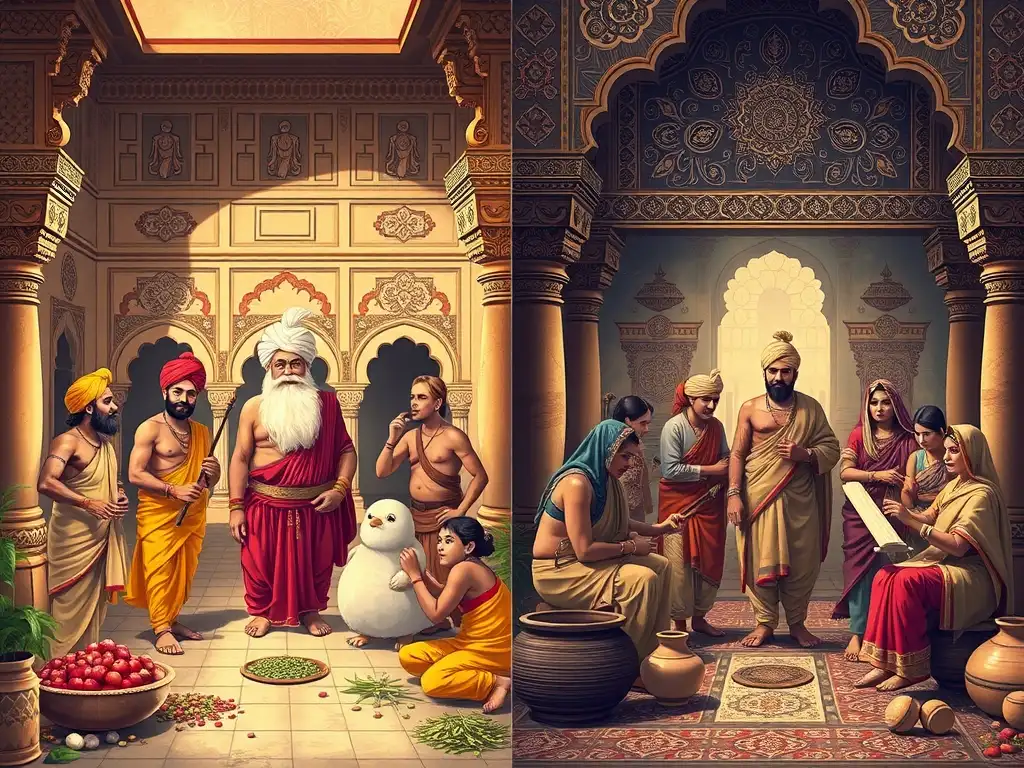
In ancient Indian societies, family structures were predominantly categorized into two main types: patrilineal and matrilineal. Understanding these structures provides insight into the social organization, inheritance, and cultural practices that defined ancient Indian civilizations.
Key Differences Between Patrilineal and Matrilineal Societies
Patrilineal and matrilineal societies differ fundamentally in their approach to lineage and inheritance.
- Patrilineal Societies: In these societies, lineage and inheritance are traced through the male line. Property, family name, and social status are passed down from father to son. This system often results in the male members holding significant power within the family and community. For instance, in the Vedic period, the importance of the male lineage was emphasized through rituals and texts, showcasing the patriarchal structure.
- Matrilineal Societies: Conversely, matrilineal societies trace lineage through the female line. In these cultures, women often have considerable authority, with property and family names passed from mother to daughter. A notable example can be found in some communities of the Northeastern region of India, where women inherit property, and the youngest daughter is typically responsible for caretaking family assets.
| Aspect | Patrilineal Society | Matrilineal Society |
|---|---|---|
| Lineage | Traced through males | Traced through females |
| Inheritance | Property inherited by sons | Property inherited by daughters |
| Social Status | Primarily held by men | Often shared or held by women |
| Family Structure | Nuclear families with male heads | Extended families with matriarchs |
The social roles within patrilineal and matrilineal families further illustrate their distinct frameworks.
- Patrilineal Families:
- Male Responsibilities: Men are typically the primary breadwinners, responsible for providing for the family. Their roles also extend into decision-making within both family and community contexts.
- Female Responsibilities: Women often manage household affairs, child-rearing, and support the family’s social standing through cultural practices and rituals.
- Matrilineal Families:
- Female Responsibilities: Women play a central role in economic activities and inheritance, often managing family resources and making significant decisions regarding property.
- Male Responsibilities: Men may still contribute economically but often do so within a framework that respects the authority of women regarding familial matters.
This division of labor highlights how societal norms and economic roles influenced the daily lives of individuals in ancient India, shaping their identities and social interactions.
Economic Implications of Family Structures in Ancient India
The economic implications of these family structures are profound, impacting land ownership, inheritance patterns, and social mobility.
- In patrilineal societies, land and wealth accumulation are concentrated among men. This concentration can lead to broader economic disparities, as women may have limited access to resources and opportunities for advancement. The significance of the male heir fosters competition among men to secure wealth and social status.
- Conversely, matrilineal societies often encourage economic independence among women. By allowing women to inherit property, these societies create a more equitable distribution of resources. This structure can lead to increased social mobility for women, enabling them to play active roles in economic decision-making and community leadership.
Overall, the economic dynamics of family structures in ancient India not only shaped individual lives but also influenced the broader societal landscape, reflecting the intricate interplay between gender, lineage, and economic power.
The comparative analysis of patrilineal and matrilineal family structures in ancient India reveals significant differences in lineage, social roles, and economic implications, enriching our understanding of family structures in ancient India.
Impact of Religion and Philosophy on Family Structures
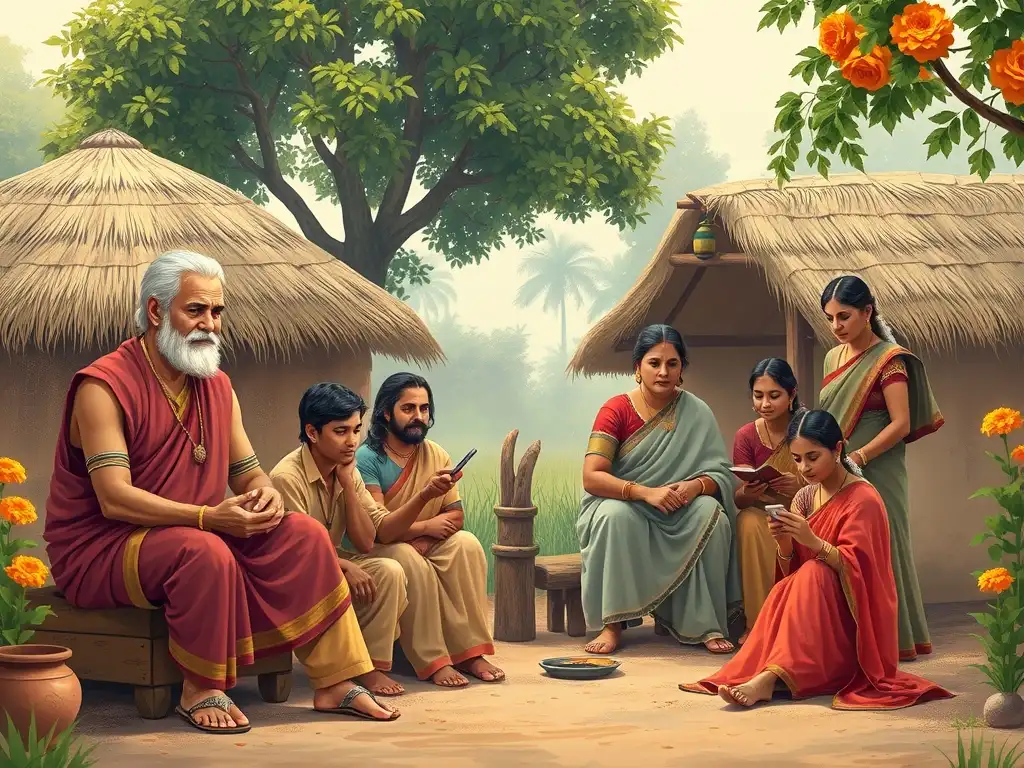
Hinduism and Its Influence on Family Systems
Hinduism has profoundly influenced the family structures in ancient India, particularly through its philosophical doctrines and cultural practices. Central to Hindu beliefs is the concept of dharma, which refers to the moral and ethical duties that one must fulfill in life, including those pertaining to family relationships. This principle has historically shaped the patrilineal nature of Hindu societies, where lineage and inheritance are traced through the male line.
In patrilineal families, the eldest son often assumes a significant role, not only in managing family affairs but also in performing ancestral rites, such as shraaddha. This responsibility underscores the importance of male descendants in preserving family honor and continuity. The gotra system, which categorizes families into clans based on the lineage of male ancestors, further illustrates the patriarchal framework within which families operated.
Moreover, the Hindu sacred texts, such as the Manusmriti, codify various familial roles, emphasizing the authority of the father as the head of the household. Women, while crucial to family life, were often relegated to domestic roles, with their primary duties centered around homemaking and child-rearing. The ideal of the devoted wife ( patni dharma) reinforced this expectation, promoting a vision of women as supportive figures within the family structure.
Despite the predominance of patrilineal customs, there were instances where matrilineal practices coexisted, particularly in certain regions like Kerala. Here, women could inherit property and maintain a level of autonomy, reflecting the complex interplay of regional customs and broader Hindu doctrines.
Buddhist Perspectives on Family Structures in Ancient India
Buddhism, emerging around the 5th century BCE, introduced alternative perspectives on family structures in ancient India. Unlike Hinduism, which largely upheld patrilineal norms, Buddhist teachings emphasized the importance of individual and communal welfare over strictly defined family roles. The Dhammapada, a key Buddhist text, advocates for compassion and mutual respect, which can extend to familial relationships.
In Buddhist societies, the family unit was often viewed as a means of fostering moral development and spiritual growth. The teachings encouraged harmonious living and the practice of metta (loving-kindness), which shaped family interactions. This emphasis on ethical conduct allowed for a more egalitarian approach to family roles, where both men and women were seen as equally responsible for upholding family values.
Moreover, the concept of renunciation in Buddhism led some individuals to prioritize spiritual pursuits over familial obligations. Monastic life offered an alternative to traditional family structures, allowing men and women to withdraw from domestic roles in favor of a communal lifestyle focused on enlightenment. This shift presented a challenge to the established patrilineal framework, as individuals could choose to forgo marriage and family ties in pursuit of spiritual goals.
In regions where Buddhism flourished, such as along the trade routes of the Mauryan Empire, the influence of these teachings contributed to a gradual evolution of family structures. Women in Buddhist communities often enjoyed greater freedoms compared to their counterparts in Hindu-dominated areas, with opportunities for education and participation in religious practices. This shift highlights the transformative power of religious philosophies in shaping the social fabric of ancient Indian families.
Evolution of Family Structures in Ancient India
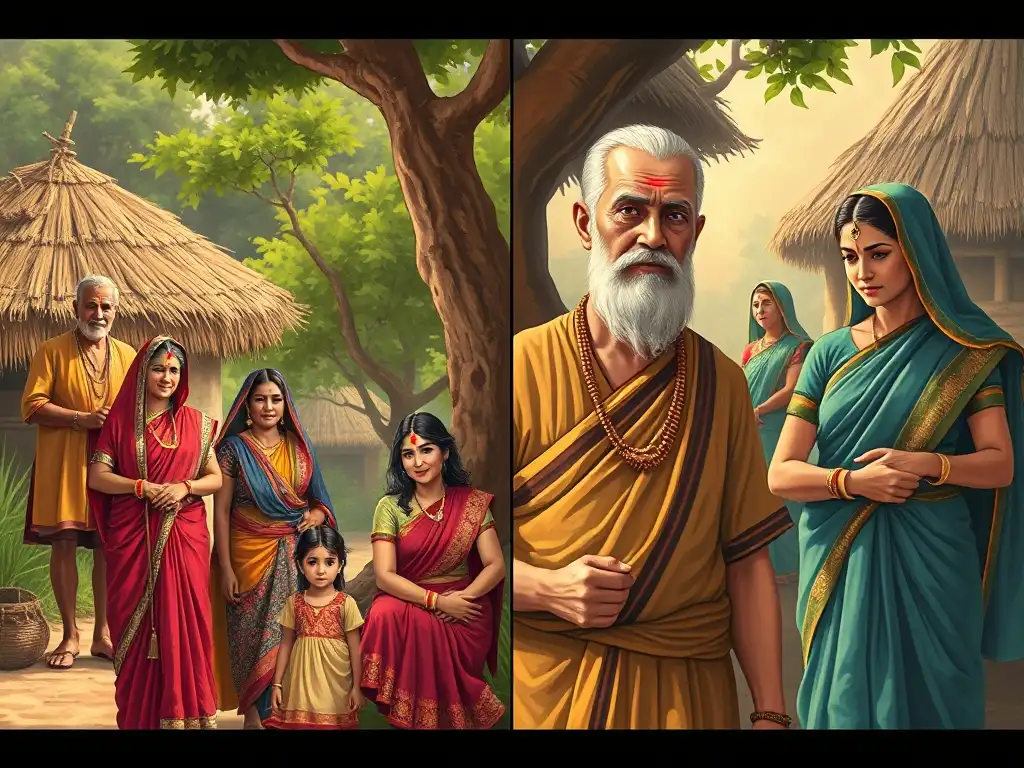
Changes Over Time: From Ancient to Classical Periods
The evolution of family structures in ancient India reflects a complex interplay of cultural, economic, and social factors. Initially, during the Indus Valley Civilization (circa 3300–1300 BCE), evidence suggests a relatively egalitarian society with indications of both patrilineal and matrilineal practices. Archaeological findings, such as household layouts and artifacts, imply that gender roles may not have been rigidly defined.
As we transition into the Vedic period (circa 1500–500 BCE), the patrilineal family structure began to emerge more prominently. The Rig Veda, one of the oldest texts, highlights the male lineage, emphasizing sons' roles in performing rituals and preserving family honor. This shift is crucial as it laid the foundation for the patriarchal society that would dominate later Indian history.
In the subsequent Mauryan and Gupta periods (circa 322 BCE–550 CE), the family structure became more formalized. The concept of 'Kula' (family) was strongly linked to social status and occupation, leading to the establishment of the caste system. This period solidified the patrilineal lineage, where inheritance, property, and familial duties were predominantly passed through the male line.
- Key Characteristics of Family Structures Over Time:
- Indus Valley Civilization: Possible mixed lineage systems.
- Vedic Period: Emergence of patrilineal structures.
- Mauryan/Gupta Periods: Formalization of family roles and the caste system.
The transition from matrilineal to patrilineal societies was not uniform across all regions. In some parts of southern India, matrilineal practices persisted longer, as seen in communities like the Nairs of Kerala, where inheritance and lineage were traced through the female line. This diversity underscores the rich tapestry of family structures in ancient India, illustrating that societal norms were often localized and influenced by various factors.
Influence of Conquests and Trade on Family Structures
The impact of external influences, such as conquests and trade, significantly shaped family structures in ancient India. The arrival of Persian and later Macedonian empires introduced new cultural dynamics that were woven into the existing social fabric. The Mauryan Empire, under Chandragupta Maurya and his grandson Ashoka, saw interactions with various cultures, which brought about changes in family and marriage practices.
Trade routes, particularly those of the Silk Road, facilitated not just economic exchange but also cultural interactions. Merchants and traders from diverse backgrounds brought their customs, leading to the assimilation of new ideas about family life. For instance, the Sanskritization process allowed lower castes to adopt the customs of higher castes, often including patrilineal family structures.
- Effects of Conquest and Trade:
- Cultural Exchange: Introduction of foreign customs and practices.
- Sanskritization: Adaptation of family structures across different castes.
- Integration of Practices: Blending of matrilineal and patrilineal traditions in certain regions.
Furthermore, the influence of Islamic conquests in the medieval period introduced new family norms, including the practice of polygamy and changes in inheritance laws. In regions where Islamic culture took root, these practices sometimes coexisted with traditional Hindu practices, creating a unique blend of family structures.
The family structures in ancient India were not static; they evolved over time, influenced by various internal and external factors. Understanding these dynamics is essential to appreciating the rich diversity of ancient Indian society.
Conclusion: The Legacy of Family Structures in Ancient India
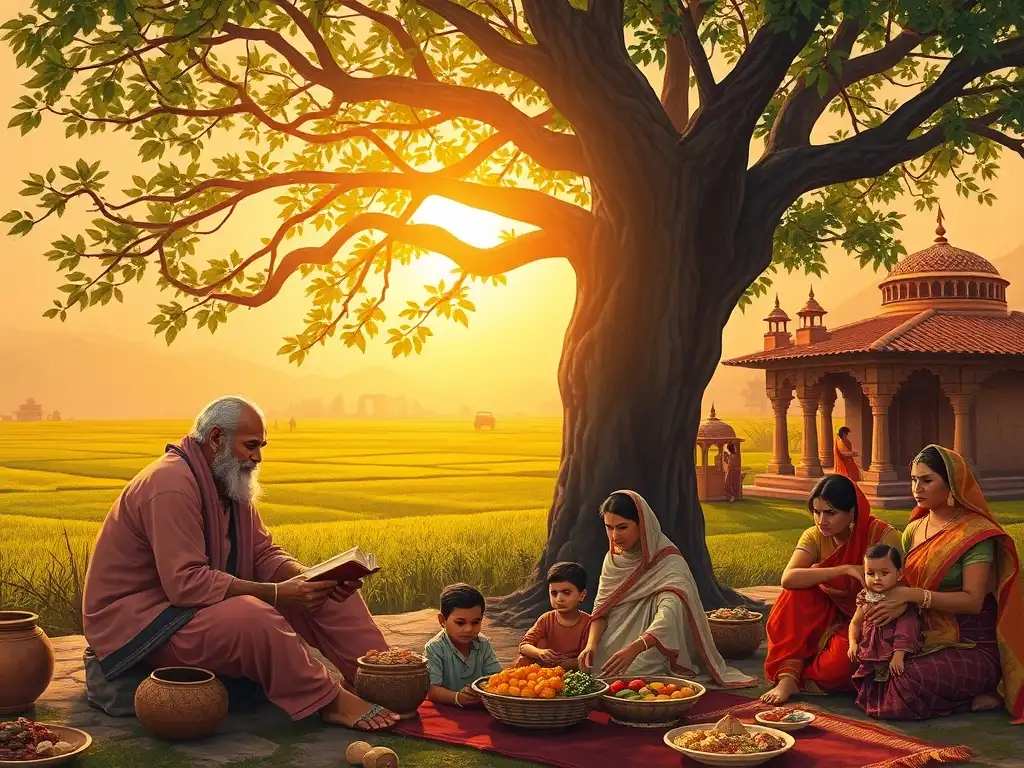
The family structures in ancient India have left an indelible mark on the social fabric of the region, influencing various aspects of life, including inheritance, marriage practices, and community organization. Understanding the distinctions between patrilineal and matrilineal societies is crucial, as these frameworks not only reflect the values and norms of their respective cultures but also shape the roles and responsibilities of individuals within families.
Reflection on the Importance of Understanding Family Dynamics
The exploration of family structures in ancient India reveals significant insights into societal organization and cultural values. Patrilineal systems, which were predominant in many regions, emphasized lineage through male descendants, often resulting in the consolidation of family wealth and power. This structure influenced the status of women, who were typically expected to marry into their husband’s family, thus altering their roles and agency within the household.
In contrast, matrilineal societies, such as those found among certain tribes in northeastern India, celebrated maternal lineage, allowing women to inherit property and maintain a central role in family decisions. This dynamic challenges the conventional narratives surrounding gender roles in ancient Indian societies and underscores the diversity of family structures.
Understanding these family dynamics is essential for several reasons:
- Cultural Heritage: It helps preserve the rich legacy of ancient Indian civilizations and their diverse practices.
- Social Structures: Insights into family structures reveal how social hierarchies and relationships were formed and maintained.
- Gender Studies: It provides a framework for analyzing the roles of men and women in historical contexts, contributing to contemporary discussions on gender equality.
Future Research Directions on Family Structures in Ancient India
As the study of family structures in ancient India continues to evolve, several key areas warrant further investigation:
- Comparative Studies: Conducting comparative studies between regions and communities can elucidate how geography and environment influenced family structures. For example, analyzing the differences between coastal and inland societies can provide insights into their social organization.
- Archaeological Evidence: Greater emphasis on archaeological findings can uncover material culture that reflects family life, such as artifacts related to domestic spaces, burial practices, and household economies. This evidence can enrich our understanding of daily life in ancient societies.
- Cross-Cultural Perspectives: Integrating perspectives from neighboring civilizations, such as those of ancient Persia, Greece, and China, can help contextualize the family structures of ancient India within a broader historical framework, revealing patterns and divergences in family dynamics.
- Impact of Religion and Philosophy: Analyzing how religious texts and philosophical schools of thought influenced familial roles and structures can provide deeper insights into the ideological frameworks that shaped family life.
- Modern Implications: Exploring the legacy of ancient family structures in contemporary Indian society can yield valuable insights into ongoing social issues related to marriage, inheritance, and gender roles.
The study of family structures in ancient India is not only a window into the past but also a lens through which we can examine ongoing social dynamics. Further research in this area has the potential to illuminate the complexities of ancient societies and their enduring influence on modern life.
Frequently Asked Questions
What are the main family structures in ancient India?
The family structures in ancient India were primarily patrilineal and matrilineal, reflecting different societal norms and inheritance practices.
How did patrilineal societies function in ancient India?
In patrilineal societies, lineage and inheritance were traced through the male line, emphasizing the role of men in maintaining family name and property.
What is unique about matrilineal societies in ancient India?
Matrilineal societies traced descent through the female line, giving women significant roles in inheritance and family decisions, which was less common in the broader context of Indian history.
The family structures significantly influenced social roles, determining responsibilities, rights, and the status of individuals, especially women, in both patrilineal and matrilineal contexts.
Were there any notable examples of matrilineal societies in ancient India?
Yes, regions like Kerala and certain tribes in the Northeast showcased matrilineal structures, where women held substantial authority and property rights, contrasting with the dominant patrilineal norms.
Final Reflection: Understanding Family Structures in Ancient India
The exploration of family structures in ancient India reveals profound insights into the cultural dynamics that shaped society. Today, as we navigate a world that is increasingly interconnected yet diverse, understanding the historical roots of family systems—whether patrilineal or matrilineal—offers us a lens through which to view contemporary social norms and values. The contrasts and complexities of these structures remind us that family is not merely a biological connection but a rich tapestry woven from cultural practices and societal expectations.
The impact of these ancient family structures continues to resonate in our modern lives, influencing everything from inheritance laws to gender roles. The legacies of patrilineal and matrilineal societies have fostered distinct identities and social frameworks that persist today. As we reflect on this historical context, we are reminded of the words of anthropologist Claude Lévi-Strauss: The study of the family is a study of the social order.
This observation underscores the significance of family structures in shaping not only individual lives but also the broader societal landscape.
As we conclude our exploration of family structures in ancient India, I invite you to reflect on your own familial connections and the values they embody. Consider how these historical perspectives can inform your understanding of family today. Whether you come from a patrilineal or matrilineal background, let this knowledge inspire you to appreciate the diversity of family dynamics and encourage you to foster connections that honor both tradition and progress. Embrace the lessons of the past as you navigate the complexities of family in the present and future.
Discover Your Family Legacy Today!
Thank you for diving into the fascinating world of ancient Indian family structures! Understanding the unique dynamics of patrilineal and matrilineal societies enriches our knowledge of cultural heritage and personal identity. Now, it’s time to take your insights a step further.
Here are some actionable steps you can take:
- Reflect on your own family history: Start a conversation with your relatives about your family tree. What traditions or values have been passed down through generations?
- Explore further: Read more about various cultures and their family structures. Consider visiting your local library or searching for documentaries that delve deeper into this topic.
- Share your learnings: Connect with friends and family by sharing this article. Discuss what surprised you most about these societal structures and how they relate to our lives today.
What new insights have you gained about your family's legacy, and in what ways do you believe these cultural narratives have shaped your identity?