
The Role of Builders in Ancient India: From Temples to Cities

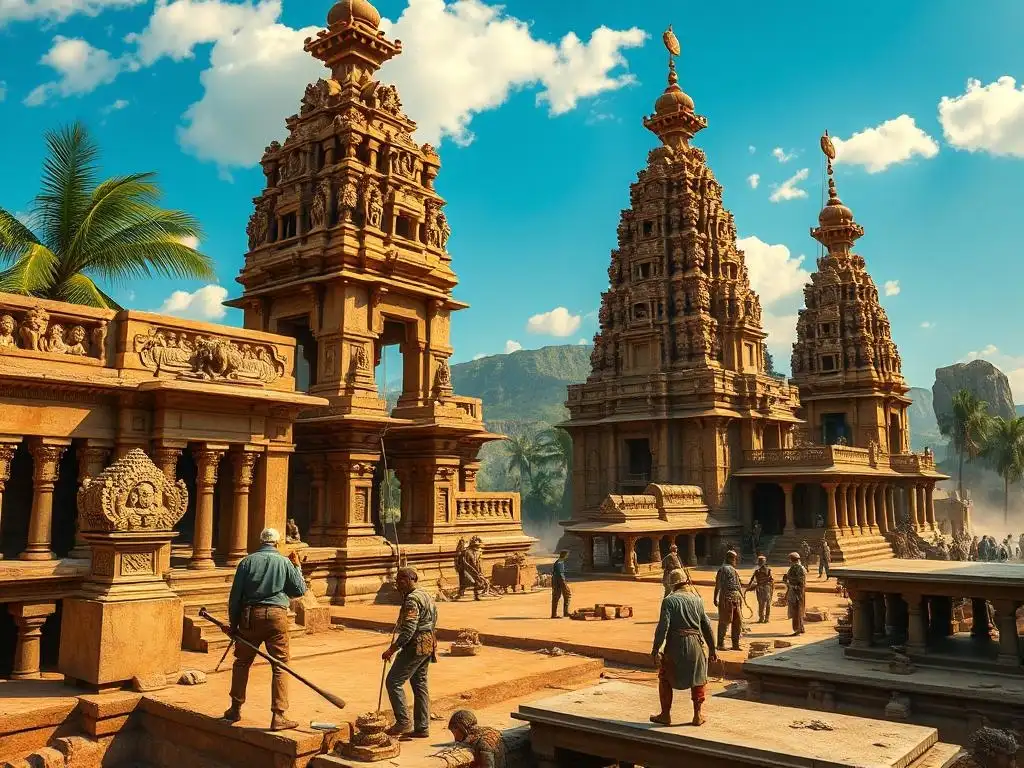
Welcome to Ancient India History, where we embark on an enthralling journey through the rich tapestry of ancient Indian civilizations. In this exploration, we delve into the remarkable contributions of ancient Indian builders, whose ingenuity and artistry shaped everything from towering temples to bustling cities. Have you ever wondered how these master craftsmen laid the foundations of a culture that continues to inspire today?
Join us as we uncover the fascinating stories and architectural marvels that define an era, inviting you to discover the profound impact these builders had on daily life and society. Your adventure into the past begins here!
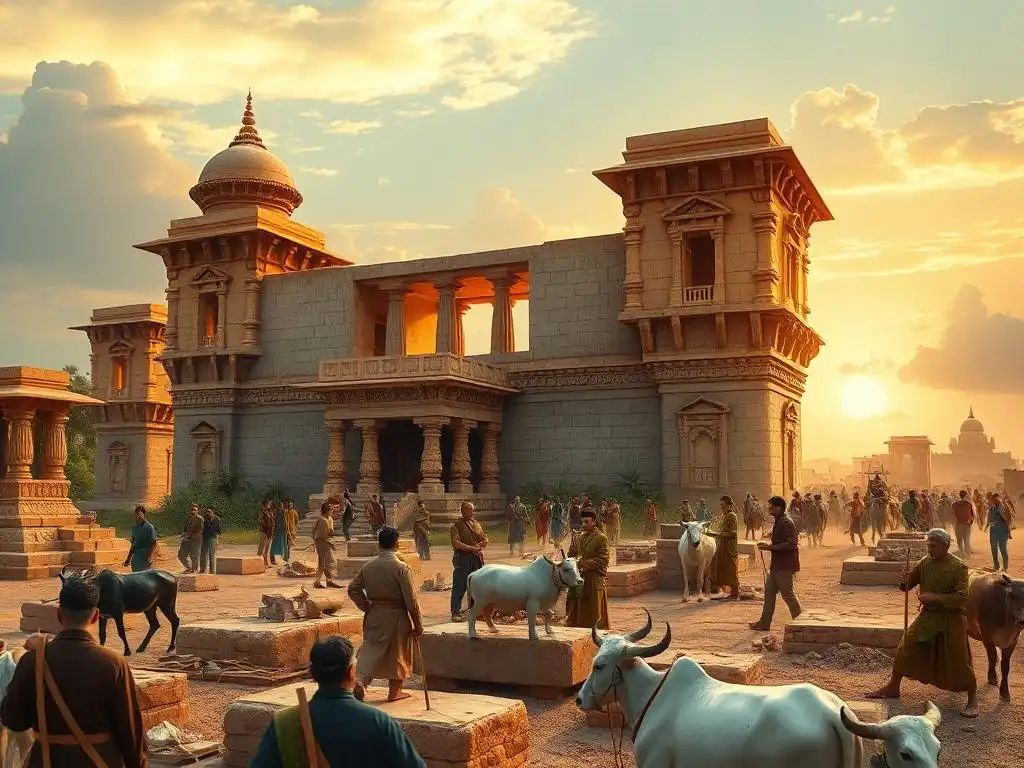
Introduction to Ancient Indian Builders Contributions
The contributions of ancient Indian builders have left an indelible mark on the landscape of not only India but also the world at large. Their incredible skills in architecture and engineering were pivotal in creating magnificent structures that embodied the spiritual, cultural, and social ethos of their time.
From the awe-inspiring temples of the Gupta Empire to the meticulously planned cities of the Indus Valley Civilization, the legacy of these builders reflects their profound understanding of materials, geometry, and aesthetics. This article delves into the multifaceted role of builders in ancient India, highlighting their achievements and the influence they wielded in shaping society and culture.
Overview of Ancient Indian Architecture
Ancient Indian architecture is a testament to the ingenuity and creativity of its builders, showcasing a range of styles that evolved over millennia. The architectural landscape includes:
- Religious Structures: Temples, stupas, and monastic complexes that served as centers of worship and pilgrimage.
- Urban Planning: Cities like Mohenjo-Daro and Harappa exemplified advanced urban planning, complete with drainage systems and grid layouts.
- Fortifications and Palaces: Defensive structures and royal residences that not only served practical purposes but also symbolized power.
The diverse architectural forms reflect the various cultural influences and regional characteristics of the time, demonstrating the adaptability and innovation of ancient Indian builders.
Importance of Builders in Ancient Indian Society
Builders were instrumental in the daily lives of ancient Indians, contributing not only to physical infrastructure but also to the social and spiritual fabric of society. Key aspects of their importance include:
- Cultural Preservation: Builders played a vital role in preserving religious and cultural practices through the construction of temples and monuments.
- Economic Growth: The construction of cities and trade routes facilitated commerce and economic prosperity, enhancing the quality of life for many.
- Community Identity: Architectural marvels often became symbols of community pride, strengthening social bonds and collective identity.
Thus, the contributions of builders transcended mere physical structures; they were integral to the evolution of ancient Indian society.
Historical Context of Builders in Ancient India
The history of builders in ancient India is deeply intertwined with the development of civilization itself. Their contributions can be traced back to the early Indus Valley Civilization, where advanced techniques laid the groundwork for future architectural achievements.
The Evolution of Building Techniques
The evolution of building techniques in ancient India reflects a journey of innovation and adaptation. Key developments include:
- Material Use: The transition from mud and brick to stone and later to more durable materials allowed for more ambitious constructions.
- Architectural Styles: The emergence of distinct styles, such as Nagara and Dravidian, showcased regional variation and cultural influences.
- Engineering Innovations: Advances in mathematics and engineering led to the creation of complex structures, including domes and arches, which were revolutionary for the time.
These advancements not only improved the durability and functionality of structures but also enriched the aesthetic appeal of architectural designs.
Major Civilizations and Their Builders
Various ancient Indian civilizations played a crucial role in shaping the architectural landscape through their builders. Notable examples include:
- Indus Valley Civilization: Known for its urban planning and drainage systems, builders here demonstrated remarkable engineering skills.
- Maurya Empire: Builders under Emperor Ashoka created stupas and pillars that are celebrated for their artistic and religious significance.
- Gupta Empire: The period marked a renaissance in temple architecture, with builders creating intricate carvings and grand structures that reflected the height of artistic achievement.
The builders of these civilizations not only contributed to the physical landscape but also helped define the cultural and spiritual narratives that continue to influence Indian society today.
Types of Structures Constructed by Ancient Indian Builders
Ancient Indian builders were renowned for their architectural prowess and diverse range of structures. Their contributions spanned various types of constructions, from sacred temples to intricate urban designs, which showcased advanced engineering and artistic skills. The structures not only served functional purposes but also reflected the cultural and religious ethos of the time.
Temples and Religious Structures
Temples in ancient India were not merely places of worship; they were monumental expressions of spiritual beliefs and artistic creativity. Constructed primarily between the 1st century BCE and the 12th century CE, these structures were often adorned with intricate carvings and sculptures depicting deities, mythological scenes, and floral motifs.
- Example of Notable Temples:
- Kandariya Mahadeva Temple (Khajuraho): A UNESCO World Heritage Site, celebrated for its intricate sculptures and impressive spires.
- Brihadeeswarar Temple (Thanjavur): An architectural marvel of the Chola dynasty, known for its massive dome and detailed stone carvings.
The design of these temples often followed specific architectural styles, such as Nagara in the north, Dravidian in the south, and Vesara in the Deccan region, each contributing to the rich tapestry of Indian architecture. Builders employed a variety of techniques, including the use of stone and brick, to create durable and aesthetically pleasing structures that have withstood the test of time.
Urban Planning and City Layouts
Ancient Indian builders were also skilled urban planners, as evidenced by the meticulously planned cities of the Indus Valley Civilization, such as Mohenjo-Daro and Harappa. These early urban centers featured:
- Grid Layouts: Streets were arranged in a grid pattern, showcasing advanced planning and organization.
- Drainage Systems: Efficient drainage systems highlighted the builders' understanding of sanitation and public health.
- Public Buildings: Structures such as granaries, baths, and assembly halls indicate a sophisticated level of social organization.
Later periods, such as the Mauryan and Gupta empires, saw the development of cities like Pataliputra, which featured large palaces, parks, and well-structured marketplaces. The urban layouts of these cities often reflected the social hierarchy, with residential areas organized according to caste and occupation.
Tools and Materials Used by Ancient Indian Builders
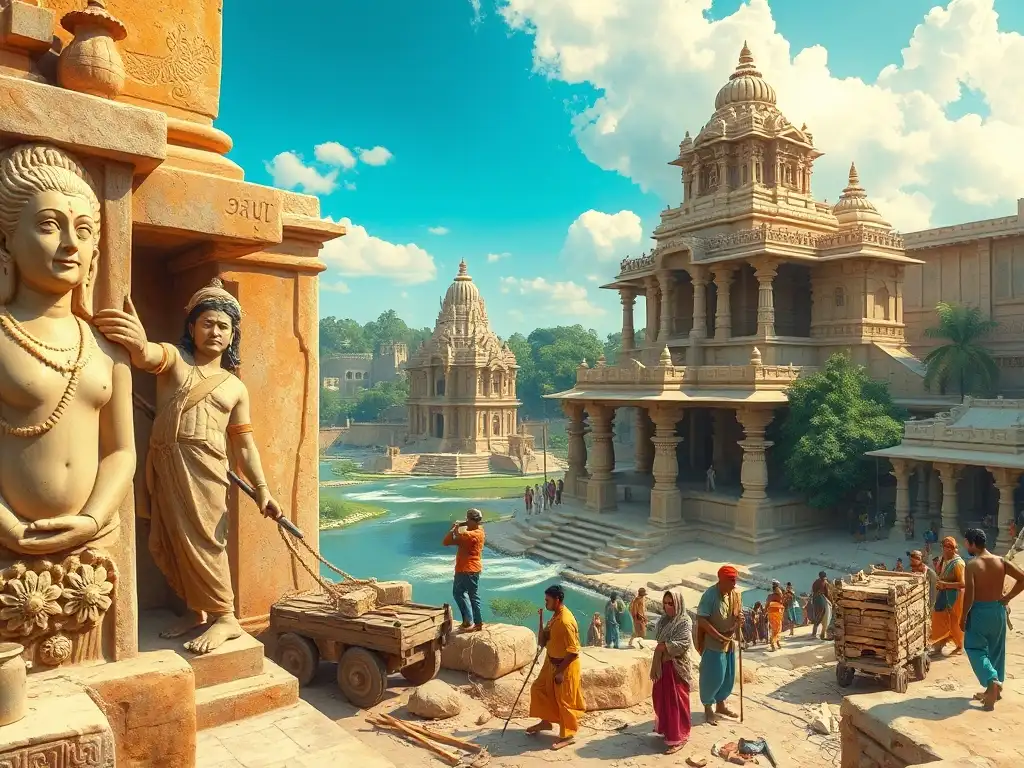
The effectiveness of ancient Indian builders can be attributed not only to their architectural designs but also to the tools and materials they utilized. These elements were crucial in the construction process and played a significant role in the longevity of their structures.
Traditional Building Materials
Ancient Indian builders primarily relied on locally available materials, which varied by region. Some of the most common building materials included:
- Stone: Used extensively in temple construction, particularly granite and sandstone, known for their durability and ease of carving.
- Brick: Fired and unfired bricks were common in urban construction, especially in the Indus Valley Civilization, where standardized brick sizes facilitated uniformity in building.
- Wood: Used for structural support and decorative elements, especially in southern India where timber was abundant.
The combination of these materials allowed builders to create structures that were not only functional but also aesthetically appealing, often integrating natural elements into their designs.
Tools and Techniques of Ancient Builders
The tools used by ancient Indian builders reflect their ingenuity and understanding of engineering principles. Some of the notable tools and techniques included:
- Chisels and Hammers: Essential for stone carving, enabling builders to create intricate designs and precise cuts.
- Plumb Bobs and Leveling Instruments: Used to ensure the accuracy of vertical and horizontal alignments in construction, essential for stability.
- Scaffolding: Employed to support workers and materials during the construction of large structures, allowing builders to reach great heights safely.
Techniques such as the interlocking of stones without mortar and the use of precise measurements contributed to the remarkable durability of ancient structures. These methods not only showcase the builders' skills but also their profound understanding of architectural principles, which have influenced generations of builders in India and beyond.
The Socio-Economic Impact of Builders in Ancient India
The builders of ancient India played a crucial role in shaping the socio-economic landscape of their time. Their contributions extended beyond mere construction; they were instrumental in fostering community identity and cultural heritage. The construction of temples, palaces, and cities not only provided physical structures but also facilitated social interactions and religious practices, which were central to ancient Indian society.
In urban areas, builders were vital in the development of infrastructure that supported trade and commerce. The cities they constructed often featured advanced drainage systems, roads, and marketplaces, which promoted economic activities and attracted merchants from far and wide. The presence of such infrastructure enabled the growth of local economies, leading to increased wealth and prosperity for many communities. Furthermore, the skills and craftsmanship of builders contributed to the rise of specialized labor, creating jobs and enhancing the overall quality of life.
Builders and Labor Systems in Ancient India
The labor systems in ancient India were diverse, reflecting the complexity of its socio-economic structures. Builders operated within a framework of organized labor that included skilled artisans, laborers, and various support personnel. This system often involved guilds, which were associations of craftsmen and workers that regulated trade practices, ensured quality, and provided training for apprentices.
The collaborative nature of these labor systems facilitated the efficient completion of large-scale projects, such as the construction of monumental temples and city walls. Builders and their teams worked under the guidance of master craftsmen, who passed down their knowledge and skills through generations. This not only preserved architectural techniques but also contributed to the cultural continuity of ancient Indian civilization.
Various sources indicate that labor was often employed through a system of patronage, where wealthy patrons funded projects in exchange for social prestige and religious merit. This relationship between builders and patrons underscores the significant role that economic and social dynamics played in the construction processes of ancient India.
Contribution to Local Economies and Trade
Builders had a profound impact on local economies in ancient India, primarily through the creation of infrastructure that facilitated trade and commerce. The construction of roads, ports, and marketplaces opened up new avenues for economic exchange, allowing for the movement of goods and services across regions. Cities like Harappa and Mohenjo-Daro, part of the Indus Valley Civilization, exemplified this phenomenon with their well-planned layouts that included commercial centers.
Moreover, the demand for materials such as stone, timber, and clay for construction led to the establishment of trades and industries that specialized in resource extraction and processing. This interdependence between builders and local economies fostered a sense of community and supported a diverse range of occupations, from quarry workers to artisans crafting decorative elements for buildings.
The economic activities spurred by the works of builders also contributed to the rise of markets and trade routes, making ancient India a significant hub of commerce in the region. The trade networks established during this period laid the groundwork for future economic interactions and cultural exchanges across the subcontinent and beyond.
Legacy of Ancient Indian Builders
The legacy of ancient Indian builders is evident in the monumental structures that continue to inspire awe and admiration today. Their architectural techniques and design principles have left an indelible mark on the cultural landscape of India. The intricate carvings, sculptures, and spatial planning found in temples and cities from this era reflect a deep understanding of aesthetics and engineering.
These builders not only created physical structures but also contributed to the spiritual and cultural identity of communities. Temples served as centers for worship and social gatherings, reinforcing religious practices and community bonds. The enduring presence of these structures highlights the builders' role in shaping the cultural heritage of India.
Influence on Modern Indian Architecture
The architectural styles and techniques developed by ancient Indian builders have significantly influenced modern Indian architecture. Elements such as intricate stone carvings, vaulted ceilings, and the use of local materials can be seen in contemporary structures. The revival of interest in traditional building methods has led to a resurgence of ancient styles in modern designs.
Moreover, the principles of sustainability and harmony with nature, prevalent in ancient architecture, are increasingly being integrated into modern practices. Architects and builders today draw inspiration from ancient texts and structures, seeking to create spaces that resonate with cultural significance while meeting contemporary needs.
Recognition of Builders in Historical Narratives
Despite their crucial contributions, the builders of ancient India have often been overlooked in historical narratives. While the achievements of kings and emperors are well-documented, the stories of the skilled artisans and laborers who brought these achievements to life are less frequently celebrated. This oversight highlights the need for a more inclusive understanding of history that acknowledges the roles played by diverse groups in shaping civilizations.
Recent scholarship has begun to shed light on the lives and contributions of ancient builders, recognizing their importance in the broader context of societal development. By honoring the legacy of these craftsmen and laborers, we gain a more comprehensive view of ancient Indian history and its complexities. Celebrating their contributions not only enriches our understanding of the past but also inspires future generations to appreciate the value of skilled labor and craftsmanship in society.
Conclusion: The Lasting Impact of Ancient Indian Builders Contributions
The contributions of ancient Indian builders have left an indelible mark on the cultural and architectural landscape of India. Their innovative techniques and artistic sensibilities shaped not only the physical structures but also the societal frameworks within which these edifices were constructed.
From the intricate carvings of temples that narrate mythological tales to the sophisticated urban planning of cities like Mohenjo-Daro and Harappa, these builders were instrumental in advancing both aesthetic appeal and functional design. Their legacy continues to inspire modern architects and archaeologists, who study these ancient structures to glean insights into the technology, culture, and values of ancient Indian civilizations.
The temples, forts, and cities built by these craftsmen were not merely structures; they were reflections of the spiritual, social, and political dimensions of their time. The enduring nature of these constructions underscores their significance in understanding the evolution of Indian society. As monuments of faith, centers of administration, and hubs of commerce, these buildings encapsulated the essence of ancient Indian life, serving as a testament to the builders' skills and foresight.
Summary of Key Contributions and Their Importance
The ancient Indian builders made several key contributions that are critical to understanding their impact on civilization:
- Architectural Innovation: Builders in ancient India developed advanced techniques in stone masonry, brickwork, and temple construction, exemplified by the intricate rock-cut caves at Ellora and Ajanta. These innovations allowed for durable and aesthetically pleasing structures that have withstood the test of time.
- Urban Planning: The urban planning of cities like Harappa and Mohenjo-Daro showcased a sophisticated understanding of drainage systems, grid layouts, and public spaces. This planning not only facilitated efficient living conditions but also reflected a highly organized society.
- Cultural Synthesis: Builders often integrated various cultural influences into their designs, creating a unique architectural style that blended local traditions with broader Indian and international elements. This cultural synthesis enriched the architectural heritage of India.
- Religious Significance: Temples constructed during ancient times were not just places of worship but served as community centers that promoted social cohesion. The elaborate carvings and sculptures often depicted religious narratives, thus playing a crucial role in preserving and propagating cultural beliefs.
These contributions have not only shaped the physical landscape of India but have also played a vital role in the cultural and spiritual identity of its people.
Future Research Directions on Builders in Ancient India
Future research on ancient Indian builders can explore several promising areas that may yield new insights into their contributions and significance:
- Technological Advances: Further studies could focus on the specific building materials and techniques used by ancient builders, particularly how they sourced materials and adapted their methods to local conditions. Understanding the technology behind construction can reveal much about the builders' knowledge and skills.
- Regional Variations: Comparative studies of architectural styles across different regions of ancient India can illuminate how geography, resources, and cultural exchanges influenced building practices. This research could highlight the diversity in ancient Indian architecture and the builders' adaptability.
- Socioeconomic Context: Investigating the socioeconomic backgrounds of builders, including their training, labor organization, and patronage systems, may provide a deeper understanding of the labor dynamics and societal structures of ancient India.
- Preservation Efforts: As many ancient structures face threats from environmental factors and urban development, research focused on preservation techniques and conservation strategies for ancient buildings could help in safeguarding this invaluable heritage for future generations.
By exploring these directions, scholars can further enrich the understanding of the pivotal role that builders played in shaping ancient Indian civilization and its enduring legacy.
- Introduction to Ancient Indian Builders Contributions
- Overview of Ancient Indian Architecture
- Historical Context of Builders in Ancient India
- Types of Structures Constructed by Ancient Indian Builders
- Tools and Materials Used by Ancient Indian Builders
- The Socio-Economic Impact of Builders in Ancient India
- Legacy of Ancient Indian Builders
- Conclusion: The Lasting Impact of Ancient Indian Builders Contributions
Frequently Asked Questions
What were the key contributions of ancient Indian builders?
Ancient Indian builders made significant contributions in creating magnificent temples, cities, and infrastructures that showcased advanced engineering and architectural techniques.
How did ancient Indian builders influence architecture?
Ancient Indian builders developed unique styles such as Vastu Shastra, which emphasized harmony with nature, leading to the construction of iconic structures like the Brahmanical temples and Buddhist stupas.
What materials did ancient Indian builders commonly use?
Builders in ancient India primarily utilized local materials like stone, brick, and wood, which were readily available and suited for creating durable and aesthetically pleasing structures.
In what ways did ancient Indian builders contribute to urban planning?
Ancient Indian builders contributed to urban planning by designing cities with sophisticated layouts, including drainage systems, public spaces, and water management techniques, enhancing the quality of life for their inhabitants.
How did the Gupta Empire influence building practices?
During the Gupta Empire, builders advanced architectural techniques and focused on creating grand temples and monuments, which reflected the cultural prosperity and artistic expression of the period.
Final Reflection: The Enduring Legacy of Ancient Indian Builders
The contributions of ancient Indian builders are not merely relics of the past; they are the very foundation upon which modern society stands. As we explore the intricate temples and bustling cities they crafted, we uncover a narrative that transcends time, revealing the ingenuity and artistry that shaped not only their era but also our contemporary world. The architectural marvels they left behind continue to inspire awe and admiration, reminding us of the profound impact that skilled hands and visionary minds can have on civilization.
The influence of these builders extends far beyond their physical creations; it resonates within the cultural and spiritual fabric of India today. Their work reflects a deep understanding of harmony, sustainability, and community, principles that remain relevant in our modern discourse on urban planning and cultural heritage. As we reflect on their achievements, we are reminded of the words of the renowned architect Louis Kahn: A great building must begin with the unmeasurable, must go through measurable means when it is being designed and in the end must be unmeasurable.
This sentiment captures the essence of ancient Indian builders, whose contributions were both tangible and ethereal, shaping not just structures but also the very essence of society.
As we contemplate the lessons from the builders of ancient India, let us embrace the spirit of creativity and collaboration that defined their work. I invite you to reflect on how you can contribute to your community, whether through art, architecture, or any form of expression.
Consider how the legacies of the past can inform our actions today, inspiring us to build not just with materials, but with purpose and vision. Together, we can honor the remarkable contributions of ancient Indian builders by fostering a culture of innovation and respect for our shared heritage, ensuring that their legacy continues to thrive in the future.
Unveil the Legacy of Ancient Indian Builders!
Thank you for diving into the fascinating world of builders in Ancient India with us! You've uncovered the incredible impact these visionaries had on temples, cities, and the very fabric of society. Now, it’s time to take this knowledge further and engage with this inspiring heritage.
Here are a few actions you can take to connect more deeply and explore this topic:
- Visit a local museum or historical site that showcases architecture inspired by Ancient Indian builders.
- Share your favorite insight from this article on social media and encourage others to discover the brilliance of Ancient Indian architecture.
- Join a community group or forum focused on Ancient Indian history to discuss and learn more about builders and their innovations with fellow enthusiasts.
What aspect of Ancient Indian architecture inspires you the most, and how do you plan to explore it further? Let's spark a conversation!