
How Vedic Texts Address Social and Ethical Issues in Ancient India

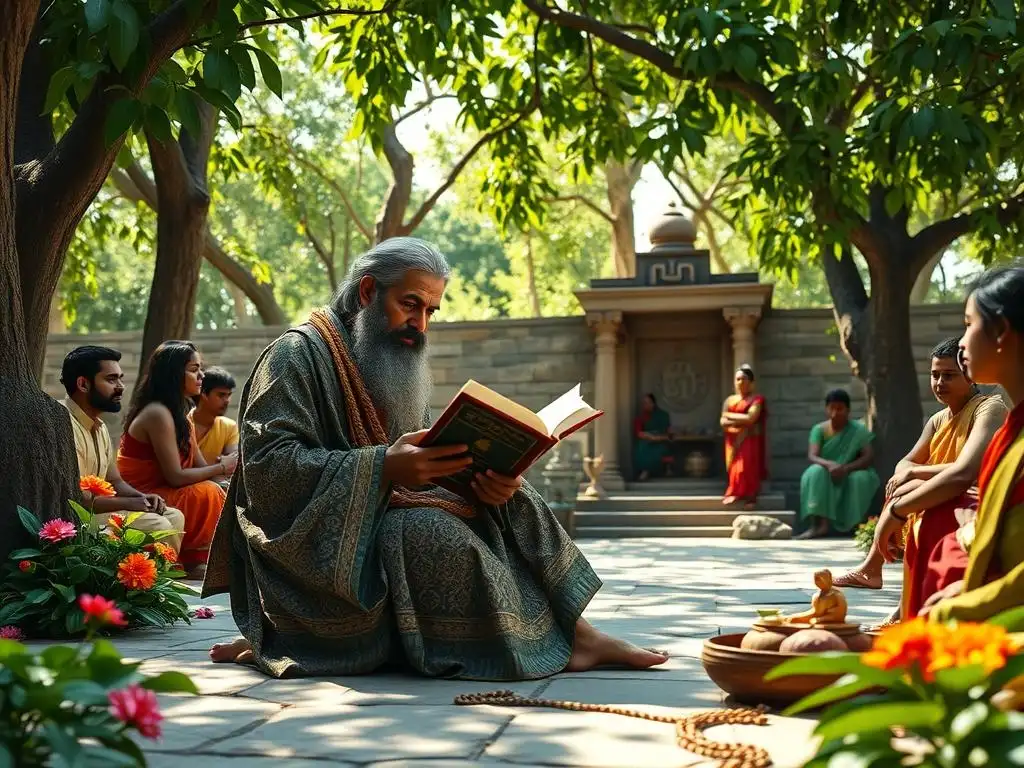
Welcome to Ancient India History, where we invite you to embark on a fascinating journey through the rich tapestry of ancient Indian civilizations. From the majestic Indus Valley to the illustrious Gupta Empire, our exploration reveals the profound contributions and cultural nuances that shaped a remarkable era. In this article, we delve into the Vedic texts and their unique perspectives on social and ethical issues, shedding light on the moral frameworks that guided ancient society.
Prepare to uncover insights that not only highlight the wisdom of the past but also resonate with contemporary discussions. Join us as we unravel the layers of history and culture that continue to influence our world today!
- Introduction to Vedic Texts and Their Significance
- Understanding Social Issues Addressed in Vedic Texts
- Ethical Issues Explored in Vedic Texts
- Case Studies of Social and Ethical Issues in Vedic Texts
- Comparative Insights: Vedic Texts and Other Ancient Texts
- Conclusion: The Legacy of Vedic Texts on Modern Ethical Thought
- Frequently Asked Questions
- Final Reflection: The Enduring Wisdom of Vedic Texts on Social and Ethical Issues
- Unveil the Wisdom of Ancient Ethical Teachings!
Introduction to Vedic Texts and Their Significance

The Vedic texts hold a foundational place in the history of ancient Indian civilization, serving as crucial documents that offer insight into the social, ethical, and spiritual dimensions of life during that era. Composed between 1500 and 500 BCE, these texts, which include the Rigveda, Samaveda, Yajurveda, and Atharvaveda, not only represent the religious and philosophical beliefs of the time but also address significant social and ethical issues that resonate even today.
As we delve into the complexities of Vedic literature, it becomes clear that these ancient writings are not merely historical artifacts; they are living documents that reflect the values, challenges, and aspirations of the society from which they emerged. This article aims to explore how Vedic texts articulate social and ethical issues, shedding light on their enduring relevance in contemporary discussions about morality and social justice.
Overview of Vedic Texts in Ancient India
The Vedic texts are among the oldest sacred scriptures in the world, originating from the Indo-Aryan culture that flourished in ancient India. Composed in an archaic form of Sanskrit, these texts encompass a wide array of genres, including hymns, prayers, rituals, and philosophical discourses.
- Key Characteristics of Vedic Texts:
- Divine Revelation: The Vedas are considered to be śruti, or "that which is heard," believed to be divinely revealed to ancient sages.
- Cultural Richness: They encompass a rich tapestry of rituals, cosmology, and philosophy that laid the groundwork for various Indian religious traditions.
- Social Structure: The texts reflect the early societal structure, including the varna (class) system, which has played a pivotal role in shaping Indian social dynamics.
The Vedic literature provides a window into the worldview of ancient Indians, illustrating their understanding of the cosmos, human existence, and the moral frameworks that guided their lives.
The exploration of social and ethical issues in Vedic texts is essential for understanding the moral fabric of ancient Indian society. These texts delve into various themes that address the complexities of human relationships and societal norms.
- Core Social and Ethical Themes:
- Dharma (Righteousness): Central to Vedic thought, dharma encompasses moral duties and ethical conduct, shaping individual behavior and societal responsibilities.
- Rituals and Morality: The Vedic rituals are not merely ceremonial; they are imbued with ethical significance, promoting values like truthfulness, non-violence, and respect for nature.
- Gender Roles: The texts reflect the roles of women in society, offering insights into their rights and responsibilities, and the evolving discourse around gender equality.
By addressing these social and ethical issues, the Vedic texts serve as a guide for moral conduct, illuminating the path towards a just and harmonious society. Their teachings continue to inspire discussions on ethics, social justice, and the pursuit of righteousness in today's world.

Class Structure and Caste System in Vedic Society
The Vedic texts provide a foundational understanding of the social stratification that existed in ancient India, notably through the outline of the caste system. This system, known as Varna, categorized society into four primary classes: Brahmins (priests and scholars), Kshatriyas (warriors and rulers), Vaishyas (traders and agriculturists), and Shudras (laborers and service providers). The origins of this structure can be traced back to the Rigveda, where it is mentioned in the Purusha Sukta, a hymn explaining the cosmic sacrifice of the primordial being, Purusha.
- Brahmins: Tasked with performing rituals, preserving sacred knowledge, and teaching the Vedas.
- Kshatriyas: Responsible for protection and governance, they were seen as the upholders of justice.
- Vaishyas: Engaged in trade, agriculture, and economic activities, contributing to the society's prosperity.
- Shudras: Served the above classes, with limited rights and responsibilities, primarily focusing on providing services.
The caste system, although originally intended to create functional divisions, became rigid over time, leading to social inequality and discrimination. The Vedic texts also hint at the fluidity of these roles during the early Vedic period, suggesting that individuals could change their social status based on merit and contributions rather than birth alone.
Gender Roles and Women’s Status in Vedic Society
The Vedic texts reflect a complex view of gender roles within society. Women, during the early Vedic period, enjoyed a relatively high status compared to later periods. They could participate in religious rituals, own property, and engage in scholarly pursuits. Notably, figures such as Gargi and Maitreyi are celebrated for their intellectual contributions and philosophical inquiries, as depicted in the Brahmanas and Upanishads.
However, as time progressed, the texts began to delineate more restrictive roles for women. The Manusmriti, a later text that codified laws and social conduct, imposed limitations on women's rights and freedoms, emphasizing their roles primarily as wives and mothers.
Key points regarding women's status in Vedic society include:
- Education: Although some women received education, it was primarily reserved for those in the upper classes.
- Marriage: The practice of swayamvara allowed women to choose their husbands, indicating a certain level of autonomy.
- Religious Participation: Women participated in sacrificial rituals, although their roles were gradually diminished in later texts.
The evolution of women's status in Vedic texts highlights the shifting societal norms and the impact of religious interpretations on gender roles.
The concept of Dharma, often translated as duty, righteousness, or moral law, plays a pivotal role in the Vedic texts. It encompasses not only individual responsibilities but also the collective ethical framework within which Vedic society operated. Each class and individual had specific duties associated with their social status, reinforcing the interconnectedness of societal roles.
- Individual Dharma: The notion of personal duty varies according to one's caste and stage of life (as outlined in the Ashramas). For example, a Brahmin's duty would focus on spiritual knowledge and teaching, while a Kshatriya's would emphasize protection and governance.
- Social Order: The adherence to Dharma was seen as essential to maintaining Rta, the cosmic order. Disruptions in Dharma could lead to chaos and disorder in society.
- Moral Conduct: The Vedic texts outline ethical guidelines that govern behavior, including honesty, non-violence, and respect for elders. These moral imperatives shaped social interactions and community cohesion.
The teachings around Dharma not only provided a framework for personal conduct but also served as a foundation for governance and social justice, influencing the ethical landscape of ancient India.
Ethical Issues Explored in Vedic Texts

Moral Values and Ethical Conduct in Vedic Literature
The Vedic texts, which form the foundation of ancient Indian philosophy and spirituality, encapsulate a range of moral values and ethical conduct that were essential to the societal framework of the time. The Rigveda, Samaveda, Yajurveda, and Atharvaveda not only serve as religious scriptures but also provide guidance on how individuals should conduct themselves in various aspects of life.
The concept of Dharma, or duty, is central to Vedic literature. It encompasses moral responsibilities towards family, society, and the cosmos. The Vedas prescribe various duties based on one’s social position (varna) and life stage (ashrama), emphasizing that ethical conduct is context-dependent. For instance:
- Brahmins are urged to pursue knowledge and teach others.
- Kshatriyas are called to protect and govern justly.
- Vaishyas are encouraged to engage in commerce ethically.
- Shudras are to serve the other three varnas with respect and loyalty.
Moreover, the Vedic texts advocate for virtues such as ahimsa (non-violence), satya (truthfulness), and daya (compassion), which serve as moral compasses guiding individuals' actions. These values not only foster personal integrity but also ensure social harmony, illustrating how the Vedic texts address social and ethical issues within ancient Indian civilization.
The Role of Truth (Satya) in Vedic Ethical Framework
In Vedic philosophy, Satya (truth) holds a preeminent position within the ethical framework. It is regarded as an absolute virtue, fundamental to the moral fabric of society. The Vedas assert that truth is synonymous with the divine and serves as a pathway to spiritual liberation. The importance of truth can be seen in various contexts:
- Daily Life: Individuals are encouraged to speak the truth and act sincerely. This is reflected in mantras and hymns that highlight the idea that truth leads to prosperity and peace.
- Rituals and Offerings: Truthfulness is integral to Vedic rituals, where the intention behind offerings is as important as the offerings themselves. Deceit can nullify the spiritual efficacy of these rituals.
The text Taittiriya Upanishad emphasizes that “Satyam vada” (speak the truth) is one of the fundamental principles for a harmonious life. The adherence to Satya is believed to promote a just society, where trust and integrity prevail, addressing significant ethical issues of deception and dishonesty.
Justice and Fairness as Portrayed in Vedic Texts
Justice and fairness are central themes in the Vedic texts, which advocate for equitable treatment and the protection of the weak. The idea of Rta (cosmic order) in the Vedas conveys the principle that the universe operates on a just framework, and humans are expected to reflect this order in their social interactions.
- Social Justice: The Vedic texts emphasize the importance of fairness in social dealings. For example, the Atharvaveda includes hymns that call for the protection of the disadvantaged and the promotion of equitable treatment for all individuals, regardless of their social status.
- Judicial Principles: The Vedic society recognized the need for a system of justice. The concept of Dharma is closely linked to the idea of fairness, where the actions of individuals must align with universal ethical standards.
- Consequences of Unjust Actions: The texts also warn against the repercussions of injustice. Those who act unfairly or harm others are believed to invite negative karma, affecting not only their own lives but also the societal harmony.
The portrayal of justice and fairness in Vedic literature reflects a profound understanding of the ethical complexities of society, addressing social and ethical issues that continue to resonate in contemporary discussions of morality and justice.

The Vedic texts, revered as some of the oldest scriptures in the world, provide a profound insight into the social and ethical landscape of ancient India. Through hymns, rituals, and narratives, these texts illuminate the values, norms, and dilemmas faced by early Indian society. This section examines specific cases within the Vedic corpus that address pressing social and ethical issues, illustrating how these ancient writings remain relevant in discussions of morality and societal conduct today.
Several hymns in the Rigveda and other Vedic texts explicitly address social structures and norms. Notably, the Rigveda presents a range of perspectives on caste, gender roles, and community responsibilities.
- Caste and Social Hierarchies:
-
Hymn 10.90 (Purusha Sukta) describes the cosmic being (Purusha) from whom the four varnas (castes) emerge. This hymn not only delves into the origins of social hierarchy but also emphasizes the interdependence of different social groups. The lines:
His mouth was the Brahman; of his arms were the Kshatriya made. His thighs were the Vaishya; from his feet the Shudra was born.
-
This verse has been interpreted to justify the division of labor and social roles in ancient India, raising questions about the ethical implications of caste systems that persist to this day.
-
- Gender Roles:
-
The Vedic texts also reflect on the status of women in society. While some hymns exalt women as strong figures, others reinforce traditional roles. For instance, Rigveda 1.164.20 celebrates the woman as a divine source of inspiration:
Where the woman is honored, there the gods are pleased.
-
This duality presents an ethical dilemma regarding gender equality and the role of women in both the domestic and public spheres.
-
- Community and Social Welfare:
-
The concept of Dharma, or duty, is a recurrent theme in Vedic literature. Hymns often stress the importance of community well-being. A prominent example is in the Atharvaveda, which discusses the significance of collective rituals aimed at fostering harmony and prosperity within communities:
May our prayers be united; may our minds be one; may our intentions be one.
-
This highlights a communal approach to ethical living, suggesting that individual actions must align with the greater good of society.
-
Ethical Dilemmas Illustrated in Vedic Narratives
The ethical narratives found in Vedic literature often depict complex dilemmas faced by individuals and society. These stories serve as moral lessons, reflecting the challenges of adhering to ethical standards in a nuanced social context.
- The Dilemma of Sacrifice:
- One prominent ethical issue is the conflict between personal desires and communal obligations, particularly in the context of sacrifices (Yajnas). The Taittiriya Samhita illustrates the tension between personal and societal needs during sacrificial rituals, where individuals must often sacrifice personal gain for the welfare of the community.
- This raises the question:To what extent should personal desires be sacrificed for communal harmony?
- The Conflict of Loyalty:
- The narrative of King Harishchandra, as recounted in various texts, exemplifies the struggle between truth and duty. Harishchandra's unwavering commitment to truth leads him through immense suffering, illustrating the ethical dilemma of adhering to one’s principles against overwhelming odds.
- This narrative encourages readers to reflect on the nature of integrity and the sacrifices required to uphold it.
- Moral Ambiguities:
- The Mahabharata, though primarily an epic, contains Vedic elements and addresses ethical ambiguities through its characters, such as Yudhishthira. His adherence to truth during the game of dice, which ultimately leads to the downfall of his family, prompts deep ethical inquiries about the nature of truth and the consequences of rigid ethical adherence.
- This narrative invites contemplation on the balance between moral absolutes and pragmatic realities.
The Vedic texts serve as a rich source for exploring social and ethical issues that resonate through time. The case studies presented reveal the complexities of ancient Indian society and the ethical frameworks that guided its members, offering valuable lessons that continue to provoke thought and discussion in contemporary contexts.
Comparative Insights: Vedic Texts and Other Ancient Texts
Similarities Between Vedic Texts and Other Ancient Philosophies
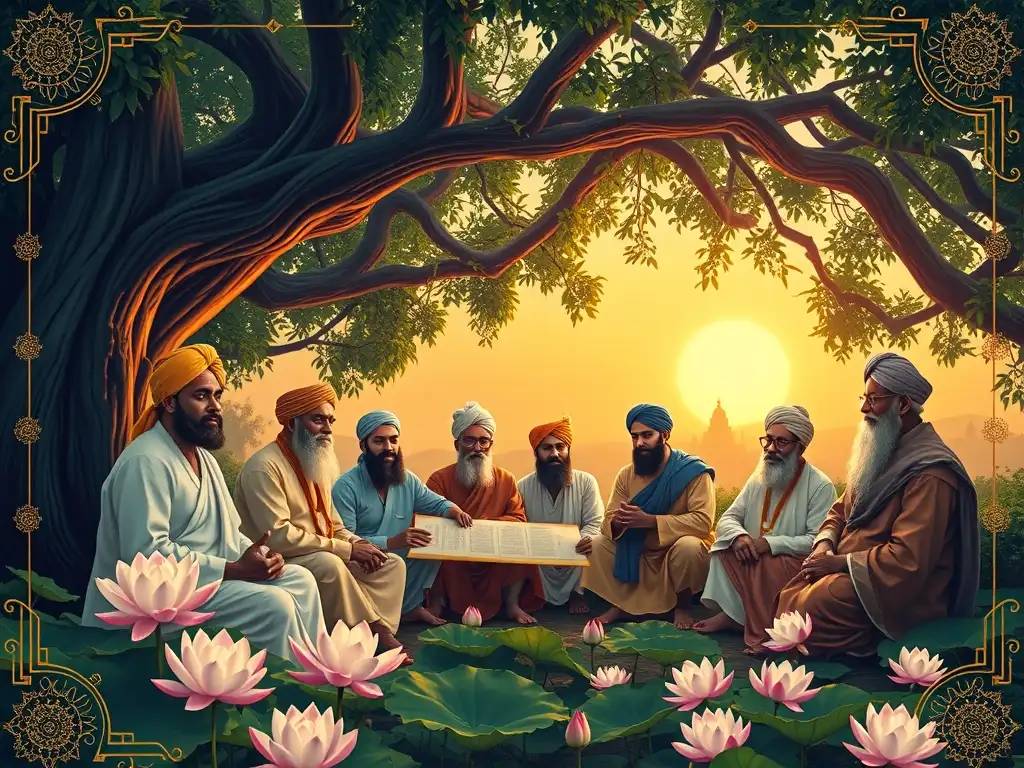
The Vedic texts, fundamental to ancient Indian philosophy, share several similarities with other ancient philosophical traditions, particularly in their approaches to social and ethical issues.
- Moral Frameworks: Similar to the ethical teachings found in the Tao Te Ching of Daoism or the Analects of Confucianism, Vedic texts emphasize the importance of dharma, or duty. Both traditions advocate for a moral framework that guides personal conduct and social responsibility. For instance, the concept of ahimsa (non-violence), prevalent in the Vedas, resonates with the ethical precepts found in Buddhism and Jainism.
- Ritual and Society: Like the Egyptian Book of the Dead and Mesopotamian texts that outline rituals for societal harmony, the Vedic texts provide detailed descriptions of rituals (yajnas) that are believed to uphold cosmic order (rita). These rituals serve not only a spiritual purpose but also reinforce social cohesion and collective ethics.
- Philosophical Inquiry: The Vedic texts engage in philosophical discourse similar to Greek philosophical traditions, such as those seen in the works of Plato and Aristotle. Both the Vedic texts and Greek philosophy explore fundamental questions regarding the nature of reality, ethics, and the ideal society, reflecting a shared human curiosity about existence and morality.
While there are notable similarities in addressing social and ethical issues, the Vedic texts also exhibit distinct contrasts when compared to other ancient philosophies.
- Hierarchical Structure: One of the most significant differences lies in the inherent caste system articulated in the Vedic texts. Unlike many Western philosophical traditions that promote egalitarian ideals, the Vedic texts delineate a social hierarchy based on varna (class), which is less emphasized in other ancient texts like those from Mesopotamia, where social mobility was comparatively more fluid.
- Focus on Ritualism: Vedic texts place a strong emphasis on ritual and sacrifice as a means to achieve social order and cosmic balance. In contrast, other ancient texts, such as the Zhuangzi of Daoism, prioritize personal intuition and spontaneity over formal rituals. This divergence highlights differing perspectives on how to achieve ethical living and social harmony.
- Transcendental Ethics: The Vedic tradition often emphasizes transcendent principles that govern ethics, such as the pursuit of moksha (liberation) beyond material existence. This contrasts with more practical approaches found in, for example, the Roman Stoics, who focused on virtue ethics grounded in everyday life and moral fortitude.
While Vedic texts share common ground with other ancient philosophies regarding social and ethical issues, they also present unique frameworks and contrasting views that reflect the cultural and spiritual milieu of ancient India. Understanding these similarities and differences enriches the study of Vedic texts and their role in shaping ethical discourse in the ancient world.
Conclusion: The Legacy of Vedic Texts on Modern Ethical Thought

The Vedic texts, composed over thousands of years ago, remain a cornerstone of ethical thought and social organization in contemporary society. Their teachings have transcended time, influencing not only ancient Indian civilization but also providing a framework for moral reasoning that persists in various forms today. As we examine the legacy of these texts, it becomes evident that their insights into social and ethical issues continue to resonate, shaping modern perspectives on justice, duty, and community.
The ethical principles articulated in the Vedic texts have significantly influenced cultural norms and practices in modern India and beyond. Key concepts such as Dharma (righteousness/duty), Karma (action and its consequences), and Ahimsa (non-violence) can be seen woven into the fabric of contemporary ethical discourse.
- Dharma and its Social Implications
- The notion of Dharma emphasizes the importance of fulfilling one's duties in accordance with societal roles. This has implications in various fields such as:
- Politics: Leaders are often expected to embody the principles of Dharma, promoting justice and integrity.
- Education: The Vedic emphasis on knowledge and learning continues to inspire educational philosophies that prioritize moral development alongside academic achievement.
- The notion of Dharma emphasizes the importance of fulfilling one's duties in accordance with societal roles. This has implications in various fields such as:
- Karma in Modern Ethical Paradigms
- The idea of Karma, which highlights the relationship between actions and their outcomes, fosters a sense of personal responsibility. In contemporary contexts:
- Corporate Ethics: Businesses increasingly integrate ethical practices, recognizing that their actions impact stakeholders and the environment.
- Social Justice Movements: The concept of Karma motivates individuals and groups to advocate for social change, emphasizing accountability and the long-term effects of societal actions.
- The idea of Karma, which highlights the relationship between actions and their outcomes, fosters a sense of personal responsibility. In contemporary contexts:
- Ahimsa as a Guiding Principle
- Ahimsa, or non-violence, remains a powerful ethical framework in various movements, including:
- Civil Rights: Leaders like Mahatma Gandhi drew from Vedic principles to promote non-violent resistance, leaving a lasting impact on global civil rights movements.
- Environmentalism: The principle of non-violence extends to the treatment of the environment, fostering a growing awareness of ecological ethics rooted in Vedic teachings.
- Ahimsa, or non-violence, remains a powerful ethical framework in various movements, including:
The Relevance of Vedic Texts in Current Ethical Discussions
In today's global landscape, the Vedic texts offer valuable insights into ethical dilemmas that arise in diverse contexts. Their relevance can be observed in several areas:
- Interfaith Dialogue: The principles found in Vedic texts promote respect for different cultures and beliefs, facilitating discussions on coexistence and mutual understanding.
- Bioethics: Vedic teachings provide a foundation for discussions surrounding life, health, and the moral implications of medical advancements. Concepts such as the sanctity of life are deeply rooted in Vedic thought, influencing modern bioethical standards.
- Corporate Governance: As organizations seek to navigate complex ethical landscapes, the Vedic emphasis on integrity and truthfulness offers a framework for ethical decision-making in business practices.
The Vedic texts not only address social and ethical issues pertinent to their time but also provide a timeless foundation that continues to influence contemporary ethical thought. As society grapples with moral questions, the teachings of the Vedas serve as a guiding light, reminding us of the enduring relevance of ancient wisdom in shaping a just and ethical world.
Frequently Asked Questions
What are Vedic texts?
Vedic texts are ancient sacred scriptures of India, composed in Sanskrit. They form the foundation of Hindu philosophy, rituals, and social structures.
Vedic texts tackle social issues by outlining various social classes and duties (dharma), which guide individuals in their roles within society and promote social harmony.
What ethical principles are found in Vedic texts?
The Vedic texts emphasize ethical principles such as truth (satya), non-violence (ahimsa), and compassion. These principles serve as a moral framework for individuals and society.
How did Vedic texts influence ancient Indian society?
Vedic texts significantly shaped social norms, ritual practices, and governance in ancient India, establishing a framework for personal conduct and community life.
Are Vedic texts still relevant today?
Yes, Vedic texts continue to hold relevance today by influencing modern ethical discussions and providing insights into social structures and cultural practices in contemporary India.
The exploration of how Vedic texts address social and ethical issues in ancient India reveals a profound relevance that resonates even today. As we navigate a world rife with moral dilemmas and societal challenges, the insights gleaned from these ancient scriptures offer timeless guidance. The teachings encapsulated in the Vedic texts serve as a reminder that ethical considerations are not merely historical artifacts but are crucial in shaping our contemporary discourse on justice, equity, and human dignity.
The influence of Vedic texts extends far beyond their historical context, continuing to shape the cultural and social landscape of modern India and beyond. These texts invite us to reflect on our values and responsibilities within society. The principles of dharma, karma, and the interconnectedness of all beings challenge us to consider the implications of our actions and the ethical frameworks we adopt. As Mahatma Gandhi once said, The greatness of a nation and its moral progress can be judged by the way its animals are treated.
This quote underscores the enduring legacy of Vedic thought, reminding us that ethical considerations must encompass all aspects of life, including our treatment of the environment and fellow beings.
As we close this exploration, I invite you to reflect on the teachings of the Vedic texts and consider how they can inform your own ethical compass. How can the principles of social justice and moral responsibility outlined in these ancient scriptures guide your actions in today's world?
Embrace the wisdom of the past as a source of inspiration for your journey, and let it empower you to contribute positively to the social fabric of your community. The lessons of the Vedic texts are not just historical; they are a call to action for each of us to engage thoughtfully with the ethical challenges we face today.
Unveil the Wisdom of Ancient Ethical Teachings!
Thank you for exploring the profound insights of Vedic texts with us! You've just uncovered how these ancient scriptures provided guidance on social and ethical dilemmas in their time. Now, let’s take these lessons and apply them in our lives today.
Here are some actionable steps you can take:
- Dive deeper: Choose a specific Vedic text to read thoroughly. Reflect on its teachings and consider how they relate to contemporary social issues.
- Start a discussion: Engage with friends or a community group to share your insights and foster meaningful dialogue about ethics in the present day.
- Practice ethical living: Identify an ethical principle from the Vedic texts and incorporate it into your daily routines. Pay attention to how this principle influences your interactions and decisions.
How can the teachings of Vedic philosophy shape your everyday choices and social interactions today? We would love to hear your thoughts!