
The Role of Fishermen in Coastal Communities of Ancient India

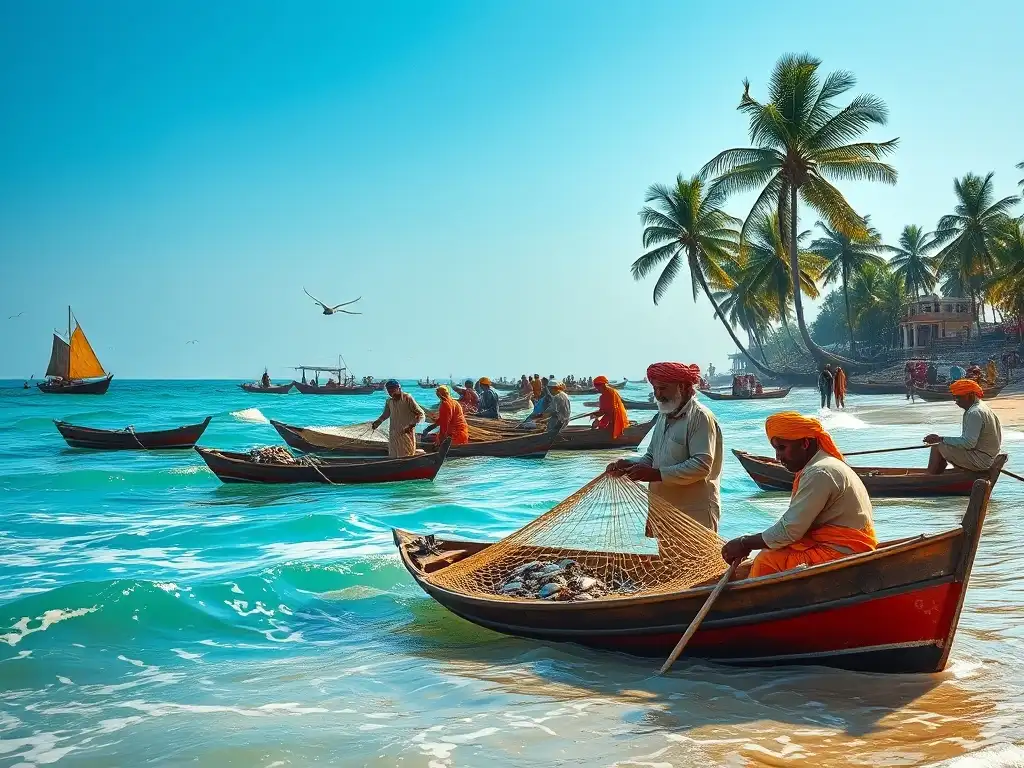
Welcome to Ancient India History, where we embark on an exciting journey through time to uncover the fascinating tapestry of ancient Indian civilizations. Today, we delve into the intriguing world of Ancient Indian coastal fishermen—a vital yet often overlooked segment of society. Discover how these skilled artisans shaped their communities and contributed to the thriving coastal cultures that flourished along the shores. What secrets lie beneath the waves, and how did these fishermen influence the social fabric of their time? Dive deeper with us as we unravel the rich narratives of daily life and society in ancient India!

Introduction to Ancient Indian Coastal Fishermen
The coastal communities of ancient India played a vital role in shaping the cultural and economic landscape of the region. One of the most significant yet often overlooked groups within these societies were the fishermen. Their contributions were not only essential for sustenance but also pivotal in the development of trade, cultural exchanges, and maritime activities. By exploring the lives and practices of ancient Indian coastal fishermen, we can gain insights into their importance in society, the fishing techniques they employed, and the broader context of their existence within ancient Indian civilization.
Overview of Coastal Communities in Ancient India
Coastal communities in ancient India were characterized by their unique geographical settings and the abundant resources provided by the sea. These communities were primarily located along the western and eastern coasts, including regions like Gujarat, Tamil Nadu, and Odisha. The fishermen in these areas developed specialized knowledge and skills that allowed them to thrive in their environments. Key features of these coastal communities included:
- Diverse Ecosystems: The coastal zones supported a wide variety of marine life, enabling fishermen to harvest different species.
- Trade Networks: Fishermen often engaged in trade, exchanging fish and seafood with inland communities for grains and other goods.
- Cultural Significance: Fishing practices were enriched with traditions, rituals, and folklore that reflected the spiritual connection between the fishermen and the sea.
Importance of Fishing in Daily Life
Fishing was not merely an occupation for coastal communities; it was a crucial element of their daily lives and cultural practices. The significance of fishing can be categorized into several aspects:
- Economic Stability: Fishing provided a steady source of income and nutrition for families, contributing to the overall economy of coastal settlements.
- Social Structure: Fishermen formed distinct social groups within their communities, often governed by their own customs, practices, and hierarchical systems.
- Culinary Traditions: Fish and seafood became integral to the diet of coastal populations, leading to the development of unique culinary traditions that are still celebrated today.
Historical Context of Fishing in Ancient India
The practice of fishing in ancient India can be traced back to some of the earliest civilizations, with evidence indicating a rich history of fishing activities that evolved over the centuries.
Early Fishing Practices in the Indus Valley Civilization
The Indus Valley Civilization, which flourished around 2500 BCE, showcases some of the earliest evidence of fishing practices in India. Archaeological discoveries reveal that inhabitants of this civilization utilized various tools and techniques for fishing, including:
- Fishing Gear: The use of hooks, nets, and traps made from local materials, reflecting a sophisticated understanding of fishing methods.
- Dietary Evidence: Remains of fish bones found at excavation sites indicate that fish was a common dietary staple, suggestive of the importance of fishing in their daily sustenance.
Fishing Techniques Used by Ancient Indian Fishermen
Ancient Indian fishermen employed a variety of techniques that were adapted to the local marine environment. These techniques included:
- Net Fishing: The use of woven nets for catching larger quantities of fish, often assisted by community members working together.
- Spearfishing: Fishermen used sharpened sticks or harpoons to catch fish in shallow waters, demonstrating skill and precision.
- Traps and Weirs: Ingenious designs for traps and weirs allowed fishermen to capture fish during their migrations, showcasing the deep understanding of marine behavior.
The historical context of fishing in ancient India not only highlights the ingenuity of fishermen but also underscores their vital role in the economy and culture of coastal communities. Through their practices, they contributed significantly to the richness of ancient Indian society, laying the groundwork for future generations.
The Socioeconomic Impact of Ancient Indian Coastal Fishermen
The ancient Indian coastal fishermen played a crucial role in shaping the socioeconomic landscape of their communities. Their activities not only provided sustenance for local populations but also contributed to broader economic systems through trade and cultural exchanges. The intricate relationship between fishing, community welfare, and economic stability formed a foundation upon which many coastal societies thrived.
Role of Fishermen in Local Economies
Fishermen were essential to local economies, serving as the backbone of food supply in coastal villages. They provided a steady source of protein through their catches, which were crucial for the diet of nearby populations. In addition to direct consumption, fishermen also participated in local markets, selling their fresh catches to traders and householders alike. This trade not only supported their families but also encouraged the development of market systems.
Moreover, the fishing industry stimulated ancillary occupations, such as boat building, net making, and salt production, creating a ripple effect of economic activity. These interconnected roles fostered a sense of community, as families relied on one another for various services related to fishing. The economic stability derived from fishing allowed these communities to invest in education and infrastructure, enhancing their overall quality of life.
Trade and Commerce: Fishermen as Economic Contributors
The role of fishermen extended beyond local economies; they were significant players in regional trade networks. Ancient Indian coastal fishermen often engaged in barter and trade with neighboring regions, exchanging fish for grains, textiles, and other goods. This not only diversified their sources of income but also facilitated cultural exchanges that enriched local traditions and practices.
Fishing communities frequently participated in larger maritime trade routes, contributing to the exchange of goods between India and other regions, such as Southeast Asia and the Arabian Peninsula. The fish they caught were not only consumed locally but also preserved and transported to distant markets, highlighting their importance in sustaining trade relations. This trade enhanced the socioeconomic fabric of coastal regions, allowing for the flow of wealth and resources that benefited various sectors of society.
Cultural Significance of Fishing in Ancient Indian Society
Fishing held profound cultural significance in ancient Indian society, intertwining with religious beliefs, folklore, and social practices. It was not merely an economic activity but a way of life that influenced the identity of coastal communities. The connection to the sea and the bounty it provided shaped local customs, rituals, and social structures.
Fishing Myths and Folklore in Coastal Communities
Myths and folklore surrounding fishing were prevalent in ancient coastal communities, often reflecting the reverence these societies held for the sea and its creatures. Fishermen and their families shared stories that celebrated the spiritual significance of fishing, often attributing success or failure in their endeavors to divine forces. Deities associated with water and storms were central figures in these narratives, and rituals were performed to appease them.
These stories served not only as entertainment but also as moral and educational tools, teaching younger generations about the values of respect, sustainability, and community cooperation. The rich tapestry of fishing folklore often included tales of mythical fish or sea creatures that symbolized prosperity and protection, reinforcing the cultural identity of coastal societies.
Festivals Celebrating the Bounty of the Sea
Festivals celebrating fishing and the sea were integral to ancient coastal communities, marking significant events in the agricultural and fishing calendars. These festivities often coincided with seasonal changes, such as the onset of monsoons or harvest times, and included rituals to honor the sea's bounty.
During these festivals, communities came together to engage in traditional dances, music, and feasting, showcasing the importance of fishing in their daily lives. Special offerings were made to deities to express gratitude for a fruitful catch, reinforcing the spiritual connection between the fishermen and their environment. Such celebrations not only strengthened community bonds but also fostered cultural continuity, allowing traditions to be passed down through generations.
The role of ancient Indian coastal fishermen extended far beyond mere economic activity; it was deeply woven into the social and cultural fabric of coastal communities. Their contributions to local economies, trade systems, and cultural practices highlight the multifaceted impact of fishing on ancient Indian society.
Tools and Techniques of Ancient Indian Coastal Fishermen
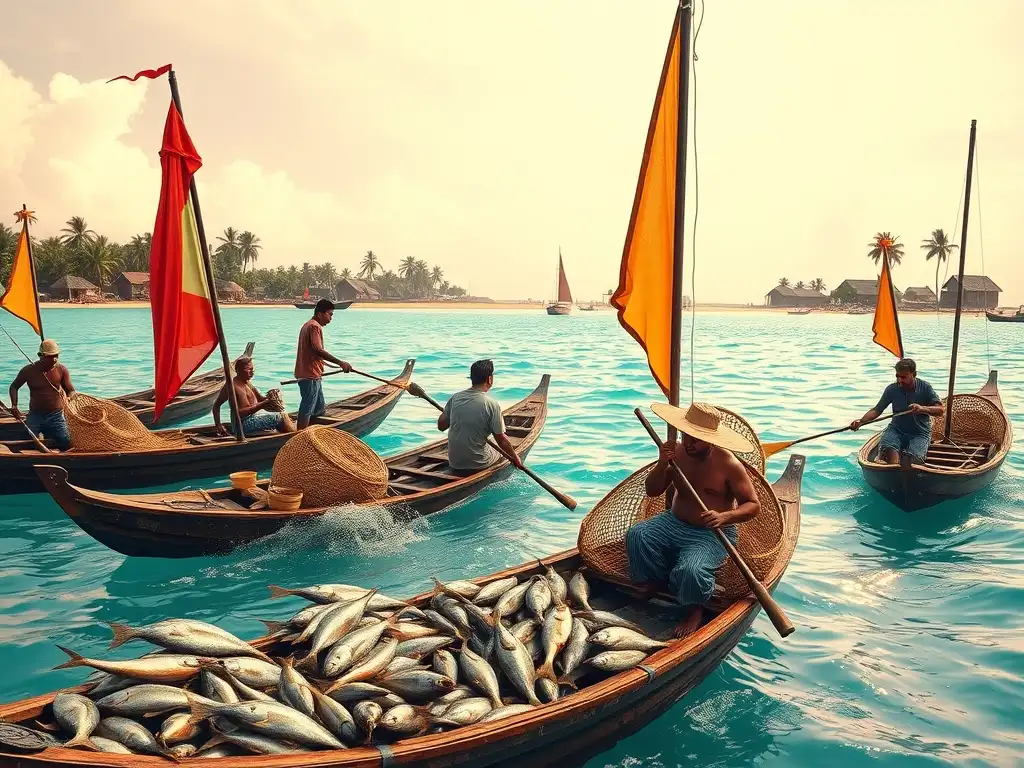
The coastal communities of ancient India relied heavily on their fishing practices, which were integral to their sustenance and economy. Fishermen developed a variety of tools and techniques tailored to the diverse marine environments along the Indian coastline. These tools not only facilitated efficient fishing but also showcased the ingenuity of ancient civilizations in adapting to their natural surroundings.
Traditional Fishing Gear and Equipment
Ancient Indian coastal fishermen used an array of traditional gear that varied by region and available resources. Some of the most common items included:
- Nets: Crafted from natural fibers such as cotton, jute, or plant fibers, nets were essential for catching fish. Different mesh sizes allowed fishermen to target various species, from small baitfish to larger catches.
- Fish Traps: Structures made from bamboo or woven reeds were utilized to ensnare fish in shallow waters or river estuaries. These traps could be stationary or movable, depending on the fishing strategy employed.
- Hooks and Lines: Fishermen fashioned hooks from materials like bone, metal, or shells, using them with lines made from strong plant fibers. This method was particularly effective for catching larger fish.
- Boats: Lightweight canoes or larger fishing vessels were crafted from wood, often designed for specific fishing activities such as deep-sea fishing or riverine fishing. These boats enabled fishermen to access richer fishing grounds.
The diversity of fishing gear reflects not only the ingenuity of these communities but also their deep understanding of local marine life and environmental conditions.
Sustainable Fishing Practices in Ancient Times
Sustainability was inherently woven into the fishing practices of ancient Indian coastal communities. Fishermen employed methods that ensured the longevity of fish populations and the health of marine ecosystems. Some notable practices included:
- Seasonal Fishing: Many communities adhered to seasonal fishing patterns, allowing fish populations to replenish during breeding seasons. By avoiding overfishing during critical times, they promoted ecological balance.
- Selective Fishing: Fishermen often targeted specific species based on abundance and size, which helped prevent the depletion of vulnerable fish stocks. This practice also included the use of size limits on the catch to ensure juvenile fish were allowed to mature.
- Community Regulations: Fishing rights and regulations were often established within communities, promoting cooperative practices that reflected a shared responsibility for marine resources. This collective approach reduced the risk of individual overfishing.
These sustainable practices highlight the ecological wisdom of ancient Indian fishermen, who understood the importance of maintaining healthy marine environments for future generations.
The Relationship Between Fishermen and the Environment
The relationship between ancient Indian coastal fishermen and their environment was symbiotic, characterized by mutual dependence and respect. Fishermen not only relied on the resources provided by coastal ecosystems but also played a role in their stewardship.
Coastal Ecosystems and Their Importance to Fishermen
Coastal ecosystems, including mangroves, coral reefs, and estuaries, were vital to the livelihoods of ancient fishermen. These environments offered rich biodiversity and served as breeding and feeding grounds for various fish species. The importance of these ecosystems can be summarized as follows:
- Biodiversity: Coastal waters were teeming with diverse marine life, essential for the dietary and economic needs of fishermen. The presence of different species allowed for varied fishing practices and reduced reliance on a single catch.
- Shelter and Breeding Grounds: Mangroves and estuaries provided critical habitats for juvenile fish, ensuring the sustainability of fish populations. Fishermen understood that protecting these areas was essential for their long-term survival.
- Natural Resources: Beyond fish, coastal ecosystems offered other resources such as shellfish, seaweed, and salt, further enhancing the economic viability of fishing communities.
This deep connection to coastal ecosystems underscores the critical role of environmental health in the livelihoods of ancient Indian coastal fishermen.
Conservation Practices Among Ancient Indian Coastal Communities
Ancient Indian coastal communities exhibited an understanding of conservation long before formal practices were established. Their approaches to maintaining environmental health included:
- Sacred Groves: Many communities revered certain coastal areas as sacred, prohibiting fishing or harvesting in these zones. This cultural practice often led to the preservation of critical habitats.
- Rotation of Fishing Grounds: To prevent overexploitation, fishermen would rotate their fishing grounds, allowing previously fished areas to recover and rejuvenate. This practice demonstrated an awareness of resource management.
- Knowledge Sharing: Elders within fishing communities often shared knowledge about sustainable practices, fostering a culture of respect for the environment among younger generations. This oral tradition ensured the continuity of conservation principles.
These conservation practices reflect the proactive role that ancient Indian coastal fishermen played in safeguarding their environment, highlighting a legacy of environmental stewardship that resonates today.
Challenges Faced by Ancient Indian Coastal Fishermen
The ancient Indian coastal fishermen, while integral to their communities and economies, faced numerous challenges that impacted their livelihoods and social standing. These challenges can be broadly categorized into environmental issues and societal concerns, both of which played a significant role in shaping their experiences.
Environmental Challenges and Natural Disasters
Coastal fishermen in ancient India were heavily dependent on the marine environment for their sustenance and economic activities. However, they faced several environmental challenges:
- Seasonal Variability: The monsoon seasons brought heavy rains and rough seas, making fishing perilous. Fishermen had to navigate these unpredictable waters, often leading to loss of life and equipment.
- Natural Disasters: Cyclones and tsunamis were significant threats to coastal communities. Historical records indicate that devastating storms could wipe out entire villages, destroying homes and fishing boats, and causing long-term economic setbacks.
- Ecological Changes: Overfishing and environmental degradation could lead to diminished fish populations. As ancient societies expanded, increased agricultural runoff and deforestation often resulted in habitat destruction, further complicating the fishing environment.
These environmental challenges not only threatened the physical safety of fishermen but also their economic viability and food security.
Societal Issues: Status and Rights of Fishermen in Ancient Society
In addition to environmental factors, societal issues significantly impacted the lives of ancient Indian coastal fishermen:
- Social Status: Fishermen often occupied a marginalized position within the social hierarchy. They were typically viewed as belonging to lower castes, which affected their rights and access to resources. This social stigma limited their opportunities for upward mobility and often relegated them to a life of poverty.
- Land Rights: Access to coastal land was often contested. Fishermen had to navigate complex local power dynamics and land ownership disputes, which could impede their ability to establish stable livelihoods.
- Political Marginalization: Coastal communities often lacked representation in local governance, leading to inadequate support during crises. The absence of political advocacy further entrenched their vulnerable status within society.
These societal issues compounded the struggles faced by fishermen, making their daily lives even more challenging.
Conclusion: Legacy of Ancient Indian Coastal Fishermen
The legacy of ancient Indian coastal fishermen is profound, influencing both the development of coastal communities and the broader cultural landscape of India.
Lasting Influence on Modern Fishing Communities
The practices and traditions established by ancient coastal fishermen laid the groundwork for modern fishing communities along the Indian coastline. Techniques such as net-making, boat construction, and sustainable fishing practices have been passed down through generations.
- Cultural Techniques: Modern fishermen still employ methods that reflect ancient traditions, such as using specific types of nets and traps that have been optimized over centuries.
- Community Structures: The cooperative nature of ancient fishing communities has persisted, with modern fishermen often working in groups or cooperatives to enhance their fishing yields and share resources effectively.
This continuity highlights how ancient practices have shaped contemporary fishing industries in India, emphasizing the importance of preserving these traditions.
The Enduring Cultural Heritage of Coastal Fishermen in India
The cultural heritage of ancient Indian coastal fishermen remains vibrant today, influencing various aspects of Indian culture:
- Folklore and Traditions: Stories, songs, and rituals associated with fishing have been woven into the cultural fabric of coastal regions. These narratives often reflect the struggles and triumphs of fishermen, celebrating their connection to the sea.
- Art and Craftsmanship: The craftsmanship of traditional fishing gear and boats has evolved into a recognized art form, showcasing the ingenuity and creativity of these communities. Festivals celebrating fishing culture continue to draw attention to their heritage.
The contributions and challenges faced by ancient Indian coastal fishermen have left a lasting imprint on both the socio-economic landscape and the cultural identity of coastal communities in India. Their legacy is not only a testament to their resilience but also serves as a reminder of the importance of preserving the rich traditions associated with fishing along India's coasts.
- Introduction to Ancient Indian Coastal Fishermen
- Historical Context of Fishing in Ancient India
- The Socioeconomic Impact of Ancient Indian Coastal Fishermen
- Cultural Significance of Fishing in Ancient Indian Society
- Tools and Techniques of Ancient Indian Coastal Fishermen
- The Relationship Between Fishermen and the Environment
- Challenges Faced by Ancient Indian Coastal Fishermen
- Conclusion: Legacy of Ancient Indian Coastal Fishermen
- What was the importance of fishermen in ancient Indian coastal communities?
- How did coastal fishing impact ancient Indian trade?
- What techniques did ancient Indian fishermen use?
- Were there any cultural aspects associated with fishing in ancient India?
- How did the Gupta Empire influence coastal fishing practices?
Frequently Asked Questions
What was the importance of fishermen in ancient Indian coastal communities?
Fishermen played a crucial role in ancient Indian coastal communities, providing sustenance through their catch and contributing to the local economy by facilitating trade.
How did coastal fishing impact ancient Indian trade?
Coastal fishing activities fostered trade networks, allowing for the exchange of goods like fish, salt, and other maritime resources, which enhanced commercial relationships with neighboring regions.
What techniques did ancient Indian fishermen use?
Ancient Indian fishermen employed various methods, including net fishing, traps, and the use of boats, which were essential for their survival and economic activities along the coast.
Were there any cultural aspects associated with fishing in ancient India?
Yes, fishing held significant cultural value in ancient India, often depicted in myths and art, symbolizing the relationship between communities and the sea.
How did the Gupta Empire influence coastal fishing practices?
During the Gupta Empire, advancements in technology and trade regulations improved fishing practices, leading to increased productivity and expansion of coastal fishing communities.
Final Reflection: The Enduring Legacy of Ancient Indian Coastal Fishermen
The role of ancient Indian coastal fishermen is not merely a historical account; it is a testament to the resilience and adaptability of communities that thrived along the shores. Today, as we face challenges such as climate change and overfishing, the lessons learned from these fishermen become increasingly relevant. Their sustainable practices and deep connection to the sea remind us of the importance of preserving our maritime heritage and the ecosystems that support it.
The influence of ancient Indian coastal fishermen extends far beyond their immediate communities; it resonates through cultural narratives, culinary traditions, and ecological stewardship. Their practices have shaped not only the livelihoods of generations but also the cultural identity of coastal regions. As we reflect on their contributions, we are reminded of the words of Mahatma Gandhi: The earth provides enough to satisfy every man's needs, but not every man's greed.
This quote encapsulates the balance that ancient fishermen maintained with nature, a balance that is crucial for our survival today.
As we look to the future, let us take a moment to reflect on the lessons of the past and consider how we can apply them in our lives. Embrace the spirit of sustainability and community that ancient Indian coastal fishermen exemplified. Whether through supporting local fisheries, advocating for sustainable practices, or simply appreciating the bounty of the sea, each of us can play a part in honoring this legacy. Together, we can ensure that the wisdom of our ancestors continues to guide us toward a more harmonious relationship with our environment.
Dive Deeper into the Legacy of Ancient Fishermen!
Thank you for exploring the fascinating role of fishermen in the coastal communities of Ancient India! Your interest not only enriches your knowledge but also celebrates an essential part of our cultural heritage. Now, let’s take the next step to honor this legacy.
Here are a few actions you can take:
- Join a local marine conservation group to support modern fishing communities and their sustainable practices.
- Share this article with friends and family to raise awareness about the historical importance of fishermen in our coastal ecosystems.
- Explore related resources on Ancient Indian maritime practices—consider visiting local museums or reputable websites dedicated to maritime history.
How do you perceive the impact of ancient fishing practices on today’s coastal communities? We invite you to share your thoughts below!