
Ancient India and China: A Tale of Trade and Cultural Fusion

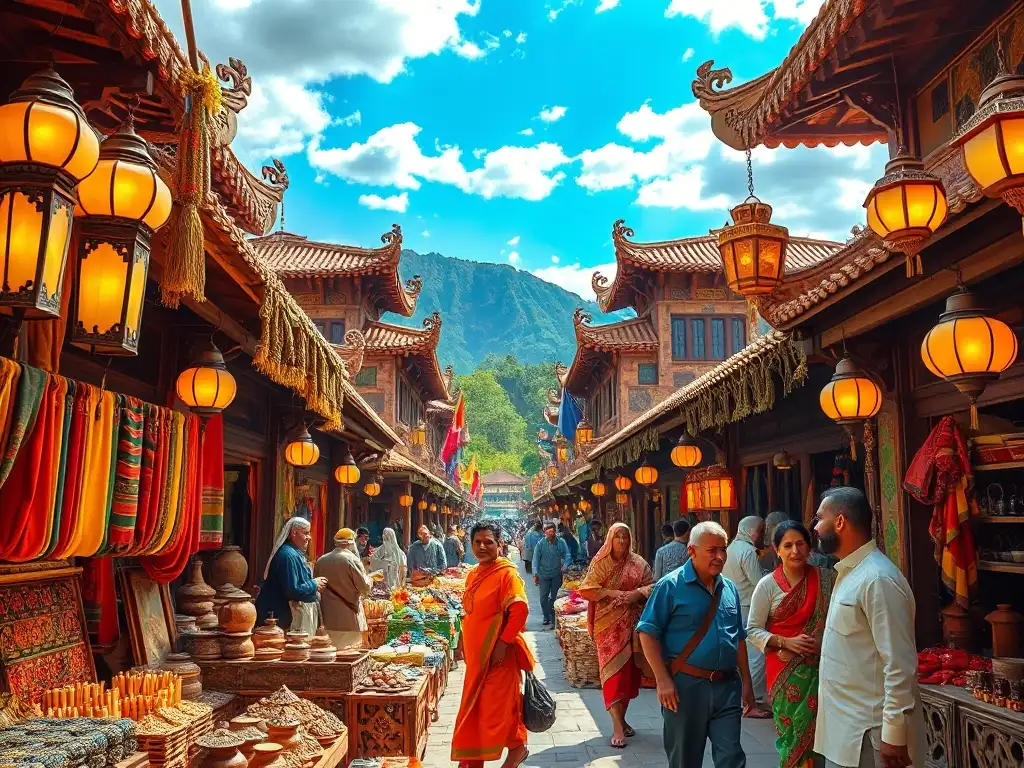
Welcome to Ancient India History, where we embark on a captivating journey through the rich tapestry of ancient civilizations. Dive into the fascinating world of Ancient India and China: A Tale of Trade and Cultural Fusion, as we uncover the intricate web of interactions that shaped not only these two great nations but also the course of history itself. Discover how trade routes facilitated not just the exchange of goods, but also ideas, art, and culture, creating a lasting legacy that continues to influence us today.
Are you ready to explore the intriguing dynamics of Ancient India China trade history? Let's delve deeper into this remarkable era!
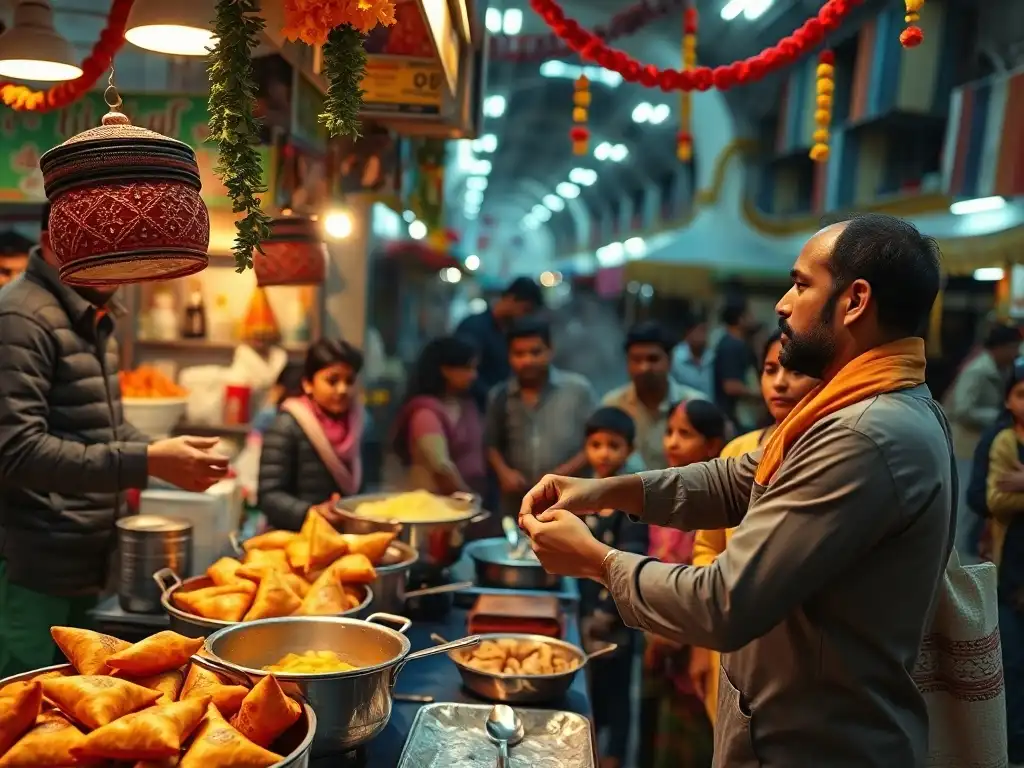
Introduction to Ancient India and China Trade History
The trade relations between Ancient India and China represent a significant chapter in the broader narrative of cultural exchanges that shaped these two great civilizations. Spanning thousands of years, the interactions between India and China were not limited to mere commerce; they fostered a rich tapestry of cultural, religious, and technological influences.
The ancient trade routes, particularly the famed Silk Road, served as conduits for not only goods but also ideas, philosophies, and innovations. This article delves into the multifaceted dimensions of the Ancient India China trade history, exploring how trade acted as a catalyst for cultural fusion and mutual influence.
Overview of Ancient India and China
Both ancient India and China were home to some of the world's earliest and most advanced civilizations.
- Ancient India was marked by the flourishing of urban centers like the Indus Valley cities, followed by the Vedic period that laid the foundation for Hindu culture and philosophy.
- Ancient China, on the other hand, saw the rise of dynasties such as the Shang and Zhou, which contributed to the development of Chinese philosophy, governance, and art.
The geographical expanse of these civilizations, alongside their rich cultural heritages, provided a vibrant backdrop for trade interactions.
Trade was not just about the exchange of goods; it was about the exchange of ideas and cultures that shaped societies.
Importance of Trade in Ancient Civilizations
Trade played a pivotal role in the development and sustenance of ancient civilizations.
- Economic Growth: Trade routes facilitated the movement of goods such as silk, spices, textiles, and precious metals, driving economic prosperity and innovation.
- Cultural Exchange: The movement of merchants and traders across borders led to the exchange of religious beliefs, languages, and artistic expressions.
- Technological Advances: The flow of ideas and knowledge between civilizations resulted in significant technological advancements, including agricultural practices and metallurgical techniques.
In ancient times, the significance of trade went far beyond the economy; it was integral to the very fabric of societal development.
Historical Context of Ancient India and China
The Rise of Ancient Indian Civilizations
The evolution of ancient Indian civilizations can be traced back to the Indus Valley Civilization, which flourished around 2500 BCE. Known for its advanced urban planning, script, and trade networks, the Indus Valley set the stage for subsequent cultural developments, including:
- The emergence of the Vedic period (c. 1500-500 BCE), which introduced Hinduism and a vast body of religious texts.
- The rise of powerful kingdoms, such as the Maurya and Gupta Empires, which fostered art, science, and philosophy.
These developments not only enriched Indian culture but also enhanced its capacity for trade and interaction with neighboring cultures, including China.
The Development of Ancient Chinese Dynasties
Ancient China's history is characterized by the rise and fall of various dynasties, each contributing to the rich tapestry of Chinese civilization. Key periods include:
- The Shang Dynasty (c. 1600-1046 BCE), known for its advancements in bronze metallurgy and writing.
- The Zhou Dynasty (c. 1046-256 BCE), during which the concept of the Mandate of Heaven emerged, influencing governance and philosophy.
- The Qin Dynasty (221-206 BCE) and the Han Dynasty (206 BCE-220 CE), which solidified trade routes that connected China to India and beyond.
The development of these dynasties facilitated not only domestic growth but also established China as a key player in international trade, paving the way for interactions with ancient India.
Trade Routes Between Ancient India and China
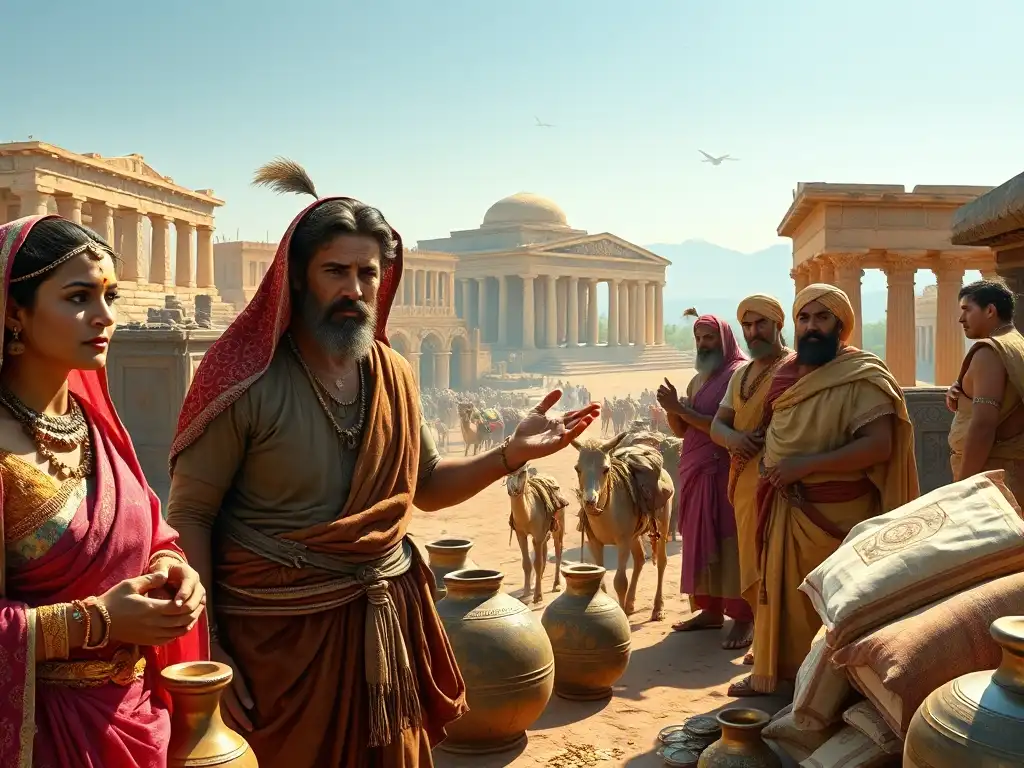
The trade routes between Ancient India and China were vital conduits for the exchange of goods, culture, and ideas. These routes facilitated not only the flow of precious commodities but also fostered deep cultural and philosophical exchanges between the two civilizations. The interactions along these routes contributed significantly to the economic and cultural landscapes of both regions, laying the foundation for centuries of trade interactions that would shape their histories.
The Silk Road: A Key Trade Path
The Silk Road was perhaps the most renowned trade route connecting Ancient India and China. This extensive network of trade routes emerged around the 2nd century BCE and played a crucial role in the exchange of silk, spices, and other goods. Spanning thousands of miles, the Silk Road linked cities such as Chang'an (modern-day Xi'an) in China to the bustling trade centers of India, including Taxila and Pataliputra.
Merchants traveled along the Silk Road, navigating diverse terrains, including deserts, mountains, and vast plains. They exchanged not just goods but also cultural and religious beliefs. For example, Buddhism made its way from India to China along these routes, profoundly influencing Chinese culture and philosophy. The Silk Road was a dynamic and evolving pathway that showcased the interconnectedness of ancient civilizations and their shared history.
Maritime Trade Routes: Connecting Cultures Across Oceans
In addition to overland trade, maritime routes played a pivotal role in facilitating trade between Ancient India and China. The Indian Ocean trade routes, which peaked between the 1st century BCE and the 15th century CE, connected Indian ports like Calicut and Cochin with Chinese ports such as Guangzhou and Quanzhou.
These sea routes enabled the exchange of goods such as spices, textiles, and ceramics and facilitated the movement of people, ideas, and cultures. Mariners navigated the monsoon winds, which allowed for predictable sailing schedules and boosted trade efficiency. The maritime trade not only enriched the economies of both regions but also led to cultural exchanges that shaped the societies of coastal towns along the trade routes.
Goods Traded Between Ancient India and China
The exchange of goods was a fundamental aspect of the trade interactions between Ancient India and China. Both regions had unique commodities that were highly sought after, creating a vibrant trade environment that thrived for centuries.
Key Commodities of Ancient India
Ancient India was known for its rich agricultural produce and artisanal crafts, which were highly valued in international trade. Key commodities included:
- Spices: Indian spices such as black pepper, cardamom, and cinnamon were in high demand across Asia and Europe for their flavor and preservative properties.
- Textiles: The fine cotton and silk textiles produced in India were prized for their quality. Indian weavers created intricate designs that captivated markets in China and beyond.
- Precious Stones and Metals: India was a source of gemstones, including diamonds, rubies, and emeralds, and had a thriving metalwork industry producing gold and silver jewelry.
Key Commodities of Ancient China
Ancient China, with its advanced agricultural practices and skilled craftsmanship, also had several key commodities that were traded extensively:
- Silk: The most famous of Chinese exports, silk was a luxurious fabric that became a symbol of wealth and status across Asia and Europe.
- Porcelain: Renowned for its beauty and craftsmanship, Chinese porcelain was highly sought after and became a staple in trade with India.
- Tea: By the later centuries of antiquity, tea emerged as a popular commodity, eventually becoming a significant part of trade.
The Exchange of Spices, Textiles, and Precious Goods
The exchange of spices, textiles, and precious goods between Ancient India and China exemplifies the rich tapestry of cultural and economic interactions. Spices from India found their way into Chinese kitchens, enriching culinary practices and contributing to the development of traditional Chinese medicine.
Conversely, Chinese silk and porcelain influenced Indian art and craftsmanship, leading to unique fusion styles in textiles and pottery. This reciprocal relationship fostered a sense of interconnectedness, encouraging further cultural exchanges and establishing a legacy that would resonate throughout history. The trade between these two great civilizations not only shaped their economies but also created a lasting impact on their cultural identities, illustrating the profound effects of ancient trade networks.
Cultural Fusion Through Trade
The trade between ancient India and China was not merely an exchange of goods; it was a profound interaction that facilitated cultural fusion. As traders navigated the routes connecting these two civilizations, they carried not just commodities but also ideas, beliefs, and practices that reshaped the cultural landscapes of both regions. The Silk Road, which linked China to the West through India, served as a vital artery for this exchange, allowing for the movement of silk, spices, precious stones, and textiles, as well as philosophical and religious ideas.
The interactions between Indian and Chinese merchants fostered an environment where cultural elements could intermingle. This resulted in the adoption of various art forms, architectural styles, and even culinary practices that reflected the influences of both civilizations. As a result, cities along trade routes became melting pots of diverse cultures, creating a rich tapestry of shared heritage.
Influence of Indian Culture on China
Indian culture had a significant impact on China, particularly through the introduction of Buddhism. During the early centuries CE, Indian missionaries and traders traveled to China, spreading Buddhist teachings and texts. The translation of these texts into Chinese facilitated the growth of Buddhism as a major religious force in China, leading to the establishment of Buddhist monasteries and schools.
Moreover, Indian art and architecture influenced Chinese styles, particularly in the depiction of Buddhist iconography. The Gandhara school of art, which blended Indian and Hellenistic influences, became an important source of inspiration for Chinese artists. This cultural exchange enriched Chinese aesthetics and led to the creation of unique artistic expressions that blended elements from both traditions.
Influence of Chinese Culture on India
Conversely, Chinese culture also made its mark on ancient India. One of the most notable influences was the introduction of technologies such as papermaking and the production of silk. Indian artisans began to adopt Chinese techniques, enhancing local craftsmanship and industry. The demand for silk in India led to the establishment of trade routes that favored the exchange of not just goods but also technological innovations.
Additionally, Chinese philosophical ideas, particularly Confucianism and Daoism, found resonance among Indian scholars and thinkers. This exchange of philosophical concepts contributed to the development of a more nuanced understanding of governance, ethics, and personal conduct in Indian society.
Shared Religious and Philosophical Ideas
The interaction between India and China also facilitated the sharing of religious and philosophical ideas. The transmission of Buddhism is perhaps the most significant example, but other philosophical exchanges occurred as well. Both cultures grappled with questions of morality, the nature of existence, and the pursuit of enlightenment.
In India, the concepts of karma and dharma found parallels in Chinese thought, particularly in Confucian and Daoist teachings. This synthesis of ideas led to a richer philosophical discourse that influenced both societies. The mutual interest in spirituality and ethics fostered a deeper understanding of human existence across cultural boundaries.
The Role of Merchants and Traders
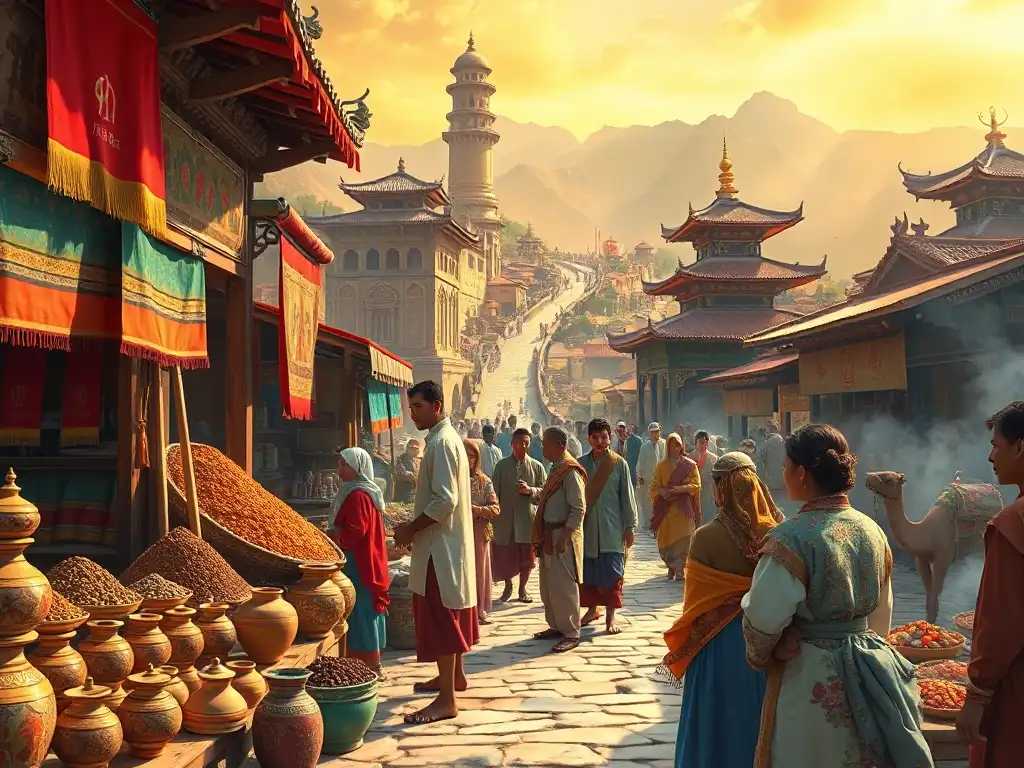
Merchants and traders played a crucial role in the ancient India-China trade network, acting as facilitators of cultural exchange and economic prosperity. These individuals were not merely traders but also cultural ambassadors, bridging the gap between two great civilizations. Their journeys along the Silk Road and maritime routes were essential for the flow of goods and ideas.
The wealth generated from trade allowed merchants to establish communities and influence local politics. They often served as intermediaries, negotiating not only trade agreements but also cultural exchanges that would shape the societies around them.
Prominent Traders in Ancient India and China
Several prominent traders emerged during the ancient trade between India and China. Notable figures such as Xuanzang, the Chinese monk who traveled to India in the 7th century, played a pivotal role in the exchange of knowledge. His journey brought back Buddhist texts and teachings that enriched Chinese culture.
In India, traders like the Tamils were renowned for their maritime trade, linking the Indian subcontinent with Southeast Asia and beyond. The Tamil traders were instrumental in spreading Indian culture and goods across the region, highlighting the interconnectedness of ancient trade networks.
The Impact of Trade on Social Structures
The trade between ancient India and China significantly impacted social structures in both civilizations. The rise of merchant classes led to the emergence of new social dynamics, where wealth and influence shifted away from traditional aristocracies towards those engaged in trade. This created a more fluid social structure where merchants gained prominence, leading to increased opportunities for mobility and the mixing of cultures.
Additionally, the wealth generated from trade contributed to the patronage of arts and education, fostering a thriving cultural environment. The establishment of trade routes not only facilitated economic growth but also encouraged cultural exchanges that enriched the social fabric of both societies. As a result, the legacies of these interactions can still be seen in the rich cultural heritage of India and China today.
Challenges Faced in Ancient Trade
Trade between ancient India and China was not without its hurdles. Several significant challenges impacted the flow of goods, ideas, and cultural exchanges between these two great civilizations. Understanding these challenges provides insight into how trade evolved and adapted over centuries, ultimately leading to a rich tapestry of interactions.
Geographic Barriers and Their Solutions
The vast and diverse geography between India and China posed considerable obstacles to trade. The formidable Himalayan mountain range served as a natural barrier, making overland trade routes difficult to traverse. Additionally, dense forests, arid deserts, and varying climates further complicated travel and transport.
To overcome these geographic challenges, ancient traders employed several strategies:
- Establishment of Trade Routes: The Silk Road emerged as a pivotal trade route, connecting various regions and facilitating the exchange of goods. This network included both overland routes through Central Asia and maritime routes across the Indian Ocean.
- Use of Pack Animals and Caravans: Traders often utilized camels, horses, and mules to transport goods across difficult terrains. Caravans, which comprised groups of traders and their animals, provided safety in numbers and enhanced the capacity for transporting larger quantities of goods.
- Navigation Skills: Skilled navigators played a crucial role in maritime trade, utilizing monsoon winds to sail between the coasts of India and China. Their knowledge of sea routes allowed for more efficient transportation of goods, making maritime trade a vital component of India-China exchanges.
Political Instability and Its Effects on Trade
Political instability in both India and China frequently disrupted trade. Changes in leadership, wars, and territorial disputes could lead to the closure of trade routes or the imposition of taxes and tariffs that made trade less viable.
- Dynastic Changes: The rise and fall of various dynasties, such as the Maurya and Gupta empires in India and the Han and Tang dynasties in China, affected the coherence and stability of trade. During periods of consolidation and peace, trade flourished, while during conflicts, trade often dwindled.
- Regulatory Challenges: Different states or kingdoms within India and China had varying trade regulations, tariffs, and practices. This fragmentation made it difficult for traders to navigate the political landscape. A trader may have faced multiple legal systems in a single journey, complicating their trade operations.
- Security Concerns: Banditry and piracy posed significant threats to traders. The vast expanses of land and sea were often unsafe, necessitating the establishment of safe passage agreements or military escorts to protect valuable goods being transported.
Legacy of Ancient Trade Relations
The trade interactions between ancient India and China left an enduring legacy that shaped their cultural, economic, and political landscapes. The effects of these ancient exchanges can still be felt in modern times.
Lasting Impact on Modern India-China Relations
The historical ties established through trade laid the groundwork for contemporary relations between India and China. These connections fostered a mutual appreciation for each other's cultures, leading to:
- Economic Cooperation: Understanding the historical trade routes has encouraged modern economic partnerships, with both nations engaging in extensive trade agreements and collaborations.
- Cultural Exchange: The shared history of trade has led to a continued exchange of ideas, philosophies, and practices, reflected in various aspects of society, from cuisine to art.
- Diplomatic Relations: The historical context of trade has influenced diplomatic dialogues, where both countries recognize the importance of fostering good relations based on mutual respect and cooperation.
Cultural Heritage Derived from Trade Interactions
The cultural interactions arising from ancient trade are a testament to the rich heritage shared by India and China. These exchanges contributed to the development of:
- Religious and Philosophical Ideas: The spread of Buddhism from India to China is one of the most significant cultural legacies. This spiritual exchange transformed religious practices and philosophical thought in both civilizations.
- Art and Literature: Trade facilitated the exchange of artistic styles and literature, leading to the enrichment of both cultures. Indian motifs influenced Chinese art, while Chinese inventions like paper had a lasting impact on Indian literature and documentation.
- Technological Transfers: The movement of goods included the transfer of technologies, such as metallurgy and agricultural practices, enhancing the productivity and capabilities of both societies.
The ancient trade relations between India and China were characterized by both challenges and legacies that shaped their historical trajectories. The enduring impact of these interactions continues to influence modern relations between the two nations, highlighting the importance of understanding their shared past.
Conclusion: The Significance of Ancient India China Trade History
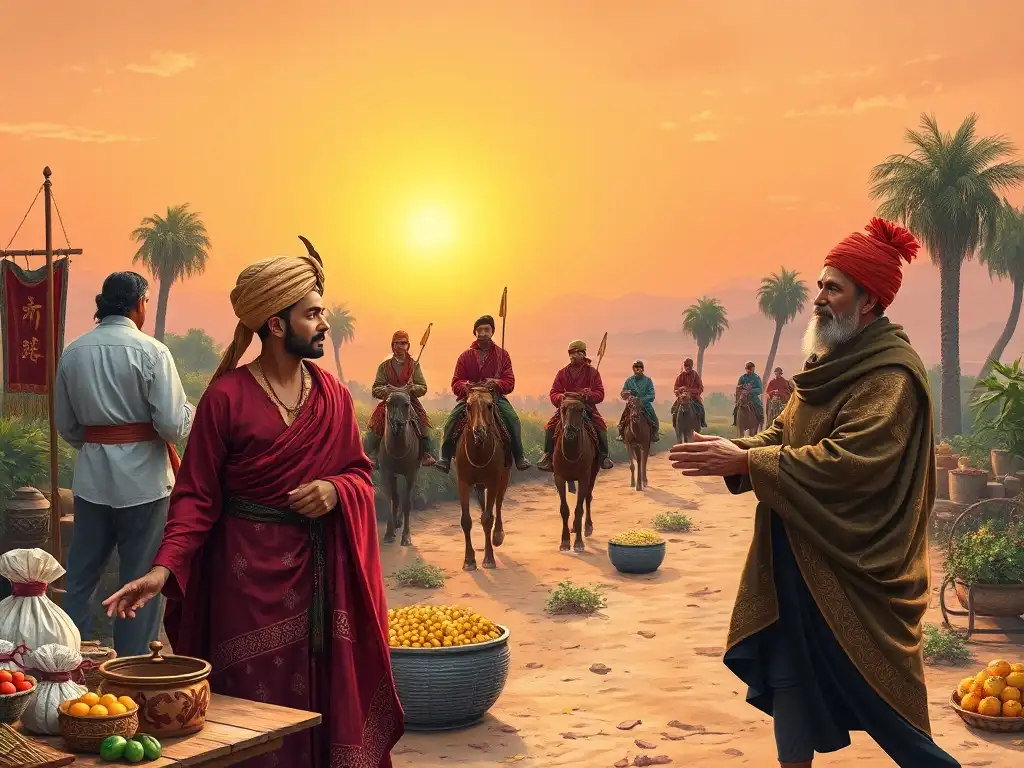
The trade history between Ancient India and China is not merely a tale of commerce; it is a profound narrative of cultural exchange, mutual influence, and the sharing of knowledge that shaped the civilizations of both regions. The Silk Road, which acted as the primary artery for trade, facilitated not only the exchange of goods but also ideas, philosophies, and technologies. This dynamic interaction contributed significantly to the development of both cultures, influencing art, religion, and societal structures.
The significance of this ancient trade can be observed in various aspects, including the introduction of Buddhism from India to China, which transformed Chinese spiritual life. Likewise, Chinese inventions and philosophies, such as papermaking and Confucianism, found their way into Indian society, enriching its cultural fabric. This reciprocal influence underscores the importance of trade routes as channels for cultural transmission, highlighting how economic interactions can lead to deeper societal changes.
Reflection on Cultural Exchanges
Reflecting on the cultural exchanges between Ancient India and China reveals a complex tapestry woven through centuries of interaction. The exchanges were characterized by a blend of trade, diplomacy, and shared knowledge. Merchants and travelers, such as the famed Buddhist monk Xuanzang, traversed these routes, not only trading goods but also sharing stories, religious texts, and artistic styles.
The adoption of Indian numerals by Chinese scholars is a particularly striking example of such exchanges. This mathematical influence enhanced Chinese calculations and contributed to advancements in science and technology. Furthermore, the incorporation of Indian art forms, such as sculpture and frescoes, into Chinese culture illustrates how trade facilitated the blending of artistic expressions, creating unique styles that resonated across both civilizations.
These interactions fostered a spirit of curiosity and learning, promoting a sense of interconnectedness that transcended geographical boundaries. The legacies of these exchanges continue to resonate today, reminding us of the rich historical ties that bind nations together.
The Enduring Influence on Future Generations
The enduring influence of the ancient trade history between India and China extends far beyond the ancient period; it shapes modern cultural and economic relations. The foundations laid by early interactions have paved the way for contemporary trade partnerships and cultural collaborations between the two nations.
In the realm of education and philosophy, the exchange of ideas continues to inspire scholars and thinkers. The teachings of Buddhism, which spread from India to China, have left a lasting impact on Chinese thought and practice, influencing spiritual traditions around the world. Similarly, the principles of Confucianism and Daoism have found resonance within Indian philosophy, enriching the intellectual landscape of both societies.
Moreover, the modern Silk Road initiatives, such as China's Belt and Road Initiative, echo the ancient pathways of trade and interaction, serving as a reminder of the historical significance of these connections. By revisiting and understanding their shared past, both nations can foster a spirit of cooperation and cultural appreciation that benefits future generations.
The ancient India-China trade history serves as a testament to the power of cultural exchanges and the lasting legacies they create. It is an essential chapter in the narrative of human civilization, reflecting the richness of interactions that have shaped and continue to influence our collective heritage.
- Introduction to Ancient India and China Trade History
- Overview of Ancient India and China
- Importance of Trade in Ancient Civilizations
- Historical Context of Ancient India and China
- Trade Routes Between Ancient India and China
- Goods Traded Between Ancient India and China
- Cultural Fusion Through Trade
- The Role of Merchants and Traders
- Challenges Faced in Ancient Trade
- Legacy of Ancient Trade Relations
- Conclusion: The Significance of Ancient India China Trade History
- Reflection on Cultural Exchanges
- The Enduring Influence on Future Generations
- What were the main trade routes between Ancient India and China?
- How did trade influence cultural exchange between India and China?
- What goods were commonly traded between Ancient India and China?
- How did the trade impact the economies of Ancient India and China?
- What role did the Gupta Empire play in the trade with China?
Frequently Asked Questions
What were the main trade routes between Ancient India and China?
The main trade routes included the Silk Road and maritime paths that facilitated the exchange of goods such as silk, spices, and precious stones between the two civilizations.
How did trade influence cultural exchange between India and China?
Trade significantly enhanced cultural exchange, allowing for the spread of ideas, religions like Buddhism, and artistic influences, which shaped the cultural landscapes of both regions.
What goods were commonly traded between Ancient India and China?
Commonly traded goods included silk, spices, tea, and ceramics, with India exporting spices and textiles, while China exported silk and porcelain.
How did the trade impact the economies of Ancient India and China?
The trade fostered economic prosperity in both civilizations, leading to increased wealth and the development of urban centers that thrived on commerce.
What role did the Gupta Empire play in the trade with China?
The Gupta Empire was pivotal in enhancing trade relations, as it established stable governance and infrastructure, promoting cultural ties and commercial exchanges with China during its reign.
Final Reflection: The Enduring Legacy of Ancient India-China Trade
The intricate tapestry of trade between Ancient India and China serves as a powerful reminder of how interconnected our world has always been. In an era where globalization often feels like a modern phenomenon, the historical exchanges of goods, ideas, and cultures between these two ancient civilizations reveal a profound truth: trade is not merely an economic activity; it is a catalyst for cultural evolution and mutual understanding. The lessons learned from this rich history resonate today, as we navigate a world that continues to grapple with the complexities of cross-cultural interactions.
The influence of Ancient India-China trade extends far beyond the exchange of silk and spices; it has shaped the very foundations of cultural and social landscapes in both regions. The blending of philosophies, art, and technology during this period laid the groundwork for future generations to build upon. As we reflect on this legacy, we recognize that the spirit of collaboration and exchange remains vital in our contemporary society. Trade is the bridge that connects different cultures, fostering understanding and unity.
This sentiment encapsulates the ongoing relevance of the historical ties forged through trade, reminding us that our differences can be a source of strength rather than division.
As we move forward, let us take a moment to reflect on our own roles in fostering connections across cultures. Consider how you can contribute to a world that values dialogue and exchange, inspired by the ancient pathways of trade that shaped civilizations.
Whether through learning about different cultures, engaging in meaningful conversations, or supporting local artisans, each action can help weave a new narrative of unity and understanding. Embrace the lessons of the past and let them guide you in building bridges in your own life, ensuring that the legacy of Ancient India and China continues to inspire future generations.
Unveil the Rich Heritage of Trade and Culture!
Thank you for diving into the fascinating world of Ancient India and China! You've uncovered the remarkable intertwining of trade and cultural fusion that shaped civilizations. Now, it's time to take that inspiration further and explore ways to immerse yourself even deeper in this captivating theme.
Here’s how you can engage with this vibrant history:
- Start your journey by reading more! Explore books and documentaries specifically about ancient trade routes and cultural exchanges to enrich your understanding.
- Connect with fellow history enthusiasts! Join forums or local groups where you can discuss and share insights about the cultural exchanges between India and China.
- Share your findings! Post about your favorite aspects of this topic on social media or write your own reflections in a blog.
What aspect of trade and cultural fusion between Ancient India and China fascinates you the most, and how do you see its influence in today’s world?