
The Development of Gunpowder and Firearms in Later Indian Warfare

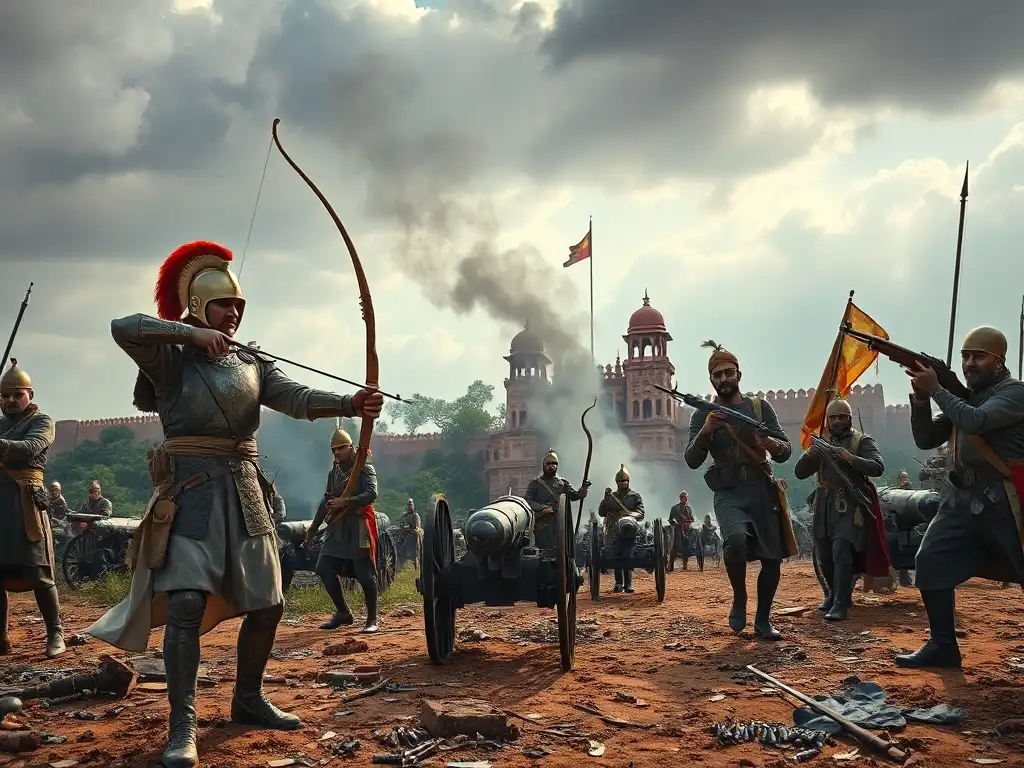
Welcome to Ancient India History, where we embark on a fascinating journey through the rich tapestry of India's past. Our exploration begins with a deep dive into a pivotal yet often overlooked aspect of military innovation: Gunpowder in Indian Warfare History. Discover how this revolutionary invention shaped the strategies and outcomes of battles from the Indus Valley to the powerful Gupta Empire. Join us as we unravel the intricate connections between technology and triumph, and ignite your curiosity to learn more about the evolution of warfare in ancient India. Your adventure into the heart of history starts here!
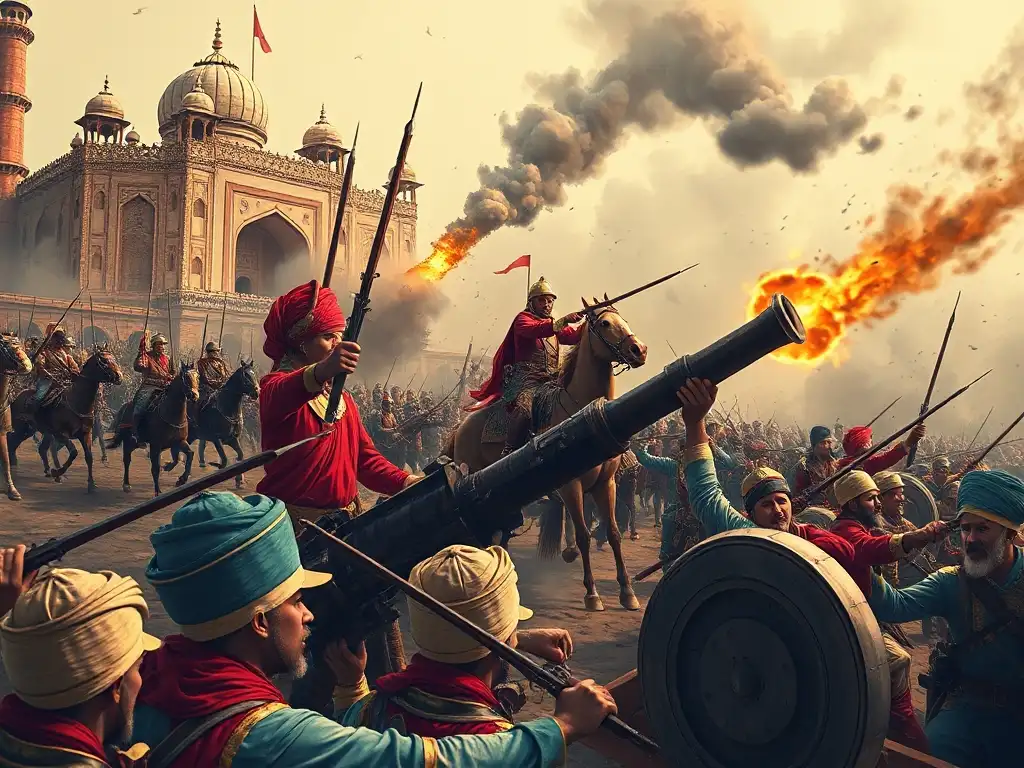
Introduction to Gunpowder in Indian Warfare History
The history of warfare in India is marked by a series of profound transformations, not only in tactics and strategies but also in the technology that fueled these changes. One of the most significant advancements was the introduction of gunpowder, which fundamentally altered the landscape of military engagements.
Gunpowder in Indian warfare history is a fascinating subject that encapsulates the transition from traditional weapons to more advanced firearms, impacting both the nature of combat and the political dynamics of the region. This article aims to explore the development of gunpowder and firearms in later Indian warfare, examining how these innovations shaped military strategies and contributed to the outcomes of key conflicts.
Overview of Gunpowder's Introduction to India
Gunpowder was introduced to India in the late medieval period, likely through trade routes and cultural exchanges with the Middle East and China. By the 13th century, evidence suggests that Indian kingdoms began to experiment with this explosive substance. Initially, gunpowder was utilized in the form of simple artillery pieces and rockets. Its introduction signified a pivotal change; traditional bows, swords, and spears were increasingly complemented—or even replaced—by gunpowder-based technologies.
- Early Usage: The first recorded use of gunpowder in India dates back to the 14th century, during the reign of the Mughal Empire.
- Types of Weapons: Early Indian artillery included:
- Bombards: Large cannons that could launch heavy projectiles.
- Rockets: Smaller, portable weapons that utilized gunpowder for propulsion.
The gradual adoption of these technologies led to a more organized and efficient military structure, allowing rulers to expand their territories and consolidate power.
Importance of Gunpowder in Military Tactics
The introduction of gunpowder reshaped military tactics in several crucial ways.
- Siege Warfare: Fortifications that had once been deemed impregnable were now vulnerable to cannon fire. This shift forced military leaders to rethink their strategies for both offense and defense.
- Mobility and Range: Gunpowder weapons allowed for greater range and mobility on the battlefield, which enabled armies to engage enemies from a distance, changing the dynamics of troop formations and engagements.
- Psychological Impact: The noise and devastation caused by firearms had a significant psychological effect on enemy troops, often leading to demoralization and a quicker path to surrender.
Historical Context of Warfare in India
Understanding the role of gunpowder in Indian warfare necessitates a look at the broader historical context of military practices in ancient India.
Evolution of Warfare Techniques in Ancient India
Warfare in ancient India evolved through various phases, from the early use of melee weapons in tribal conflicts to the establishment of large-scale armies under empires like the Mauryas and Guptas. As trade routes expanded and kingdoms interacted, military techniques became increasingly sophisticated.
- Early Techniques: Initially, Indian warfare relied heavily on:
- Chariots
- Cavalry
- Infantry formations
- Adoption of New Technologies: With the arrival of various invaders, such as the Mughals and Afghans, military technology incorporated elements from these cultures, leading to the adoption of more complex battle strategies and formations.
Key Battles and Conflicts Utilizing Early Gunpowder
Several battles in Indian history marked the effective use of gunpowder, showcasing its impact on warfare.
- Battle of Panipat (1526): The Mughal victory over Ibrahim Lodi was partly attributed to the effective use of artillery.
- Siege of Chittorgarh (1568): Mughal forces utilized cannons to breach the fortifications, demonstrating the devastating effectiveness of gunpowder in siege warfare.
These conflicts not only highlight the tactical advantages provided by gunpowder but also set the stage for future developments in warfare throughout India.
In the following sections, we will delve deeper into the specific technologies developed, their implications for Indian warfare, and the lasting legacy they left on military strategies in the region.
The Science of Gunpowder
Gunpowder, often referred to as black powder, is a chemical mixture that fundamentally changed warfare across the globe, including in India. Its invention is attributed to Chinese alchemists during the 9th century, but it soon found its way to India, where it was integrated into military practices. The development of gunpowder in Indian warfare history is marked by both its sophisticated chemical composition and its transformative impact on battle tactics and strategies.
The fundamental components of gunpowder are potassium nitrate (saltpeter), charcoal, and sulfur. The proportions of these ingredients are critical; typically, a classic composition includes about 75% potassium nitrate, 15% charcoal, and 10% sulfur. This combination not only allows for a rapid combustion reaction but also produces a significant volume of gas, which is essential for propelling projectiles in firearms and cannons.
Composition and Production of Gunpowder
The production of gunpowder in ancient India involved several steps, beginning with the sourcing and processing of its raw materials. Potassium nitrate was often derived from the earth and was a critical ingredient. Charcoal was created by heating wood in the absence of air, a process known as pyrolysis, to ensure that it was pure and free of moisture. Sulfur, which was sometimes sourced from volcanic regions or through trade, was also purified before being mixed.
The mixing of these components was a meticulous process, requiring precise measurements to ensure the effectiveness of the gunpowder. Artisans and alchemists would grind these ingredients separately and then combine them, often using a mortar and pestle, to create a homogenous powder. The mixture was then dampened slightly and pressed into cakes to improve its stability and storage.
Innovations in Gunpowder Technology
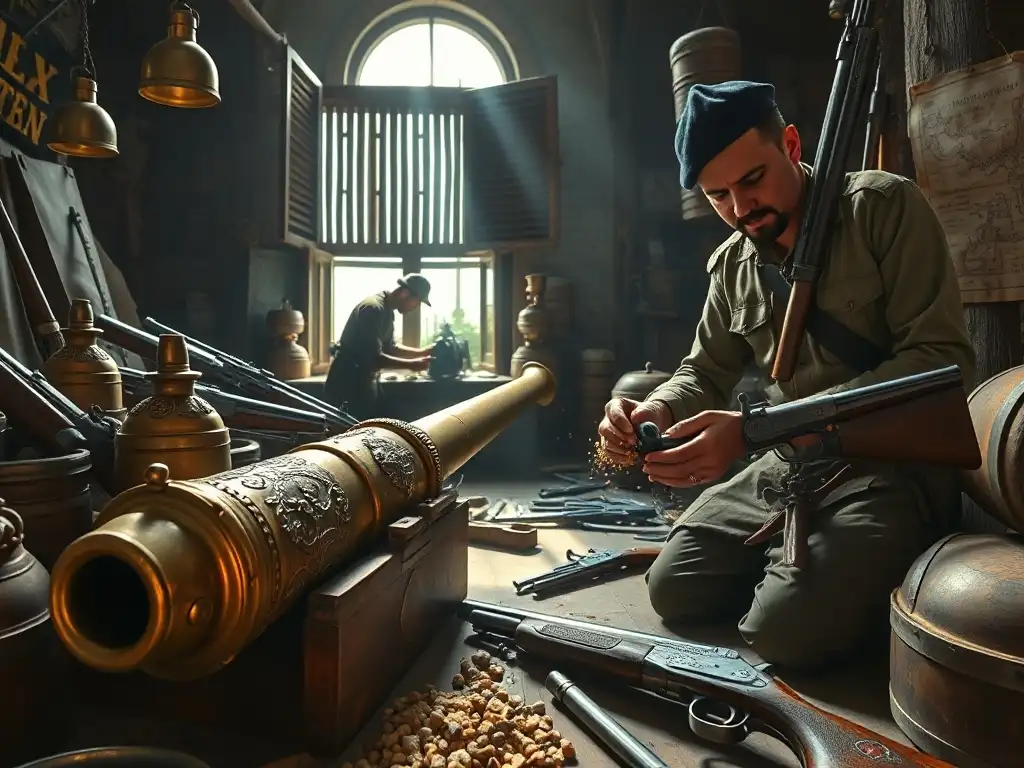
As gunpowder technology evolved, so did its applications in Indian warfare. Innovations included the development of more refined methods for producing higher-quality gunpowder, which was crucial for enhancing the performance of firearms and artillery. Advances in the understanding of chemistry led to improved stability, reduced moisture absorption, and increased potency of the gunpowder.
Additionally, the introduction of new manufacturing techniques enabled the production of larger quantities, which was vital for sustaining prolonged military campaigns. The establishment of specialized workshops and factories for gunpowder production marked a significant shift in Indian military logistics, allowing armies to be better prepared for conflicts.
The Emergence of Firearms in Indian Warfare
The introduction of firearms to Indian warfare can be traced back to the 15th century, with the arrival of hand cannons and arquebuses. These early firearms represented a radical departure from traditional melee weapons and archery, signifying a shift in military technology. As gunpowder became more widely available, Indian rulers and military leaders began to incorporate firearms into their armies, ultimately transforming the landscape of warfare.
The advent of firearms was not just a technological advancement; it also had profound implications for military organization and strategy. The ability to engage enemies from a distance altered battlefield dynamics and necessitated new tactics, including the development of formations that could effectively utilize the advantages of firearms.
Early Firearms: Types and Uses
Early firearms in India included hand cannons, matchlocks, and later, flintlocks. The hand cannon, known as the "zulfiqar," was one of the earliest forms and was often mounted on a wooden stock. It was primarily used by infantry and allowed soldiers to fire projectiles at enemies from a distance, marking a significant evolution in personal weaponry.
Matchlock weapons appeared next, which used a burning wick to ignite the gunpowder. This design improved accuracy and reliability, though it was still vulnerable to the elements. These weapons were often employed in siege warfare, where the ability to breach fortifications became crucial. The use of firearms in skirmishes and battles allowed armies to inflict substantial damage on their foes, changing the course of many conflicts.
The Role of Firearms in Shaping Indian Military Strategies
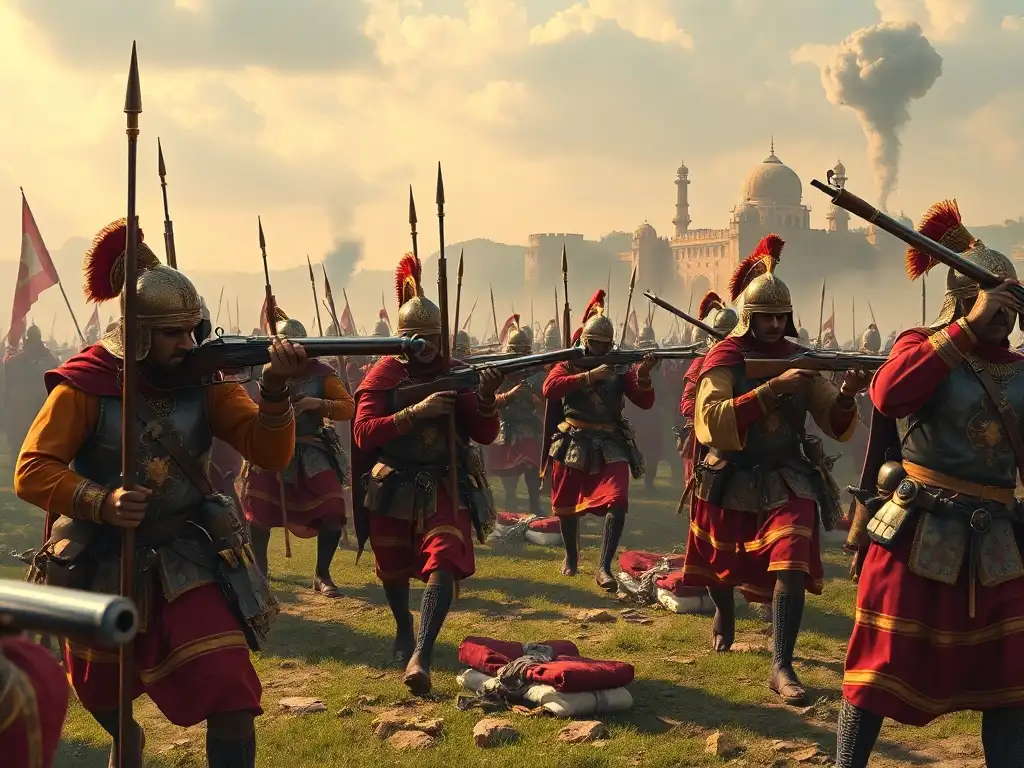
The integration of firearms into Indian military strategies fundamentally altered the approach to warfare. Commanders began to recognize the importance of firepower in gaining a tactical advantage, leading to the establishment of specialized units trained in the use of firearms. This shift necessitated changes in battlefield formations, as armies had to protect their firearm units while maximizing their effectiveness.
Firearms also played a key role in psychological warfare. The sound and fury of gunfire could demoralize enemy troops, causing panic and disorder. Furthermore, the ability to inflict casualties from a distance made traditional cavalry charges and infantry assaults riskier, forcing military leaders to rethink their strategies.
The development of gunpowder and firearms in later Indian warfare was a pivotal moment in military history. It not only revolutionized the methods of combat but also reshaped the strategies and structures of armies across the Indian subcontinent.
Influences on Indian Firearms Development
The development of firearms in India was significantly shaped by various influences that spanned cultural exchanges, technological advancements, and foreign interventions. As gunpowder technology emerged, it became intertwined with the existing warfare practices in India, leading to a unique evolution of military tactics and armaments. This transformation was not only a result of indigenous innovation but also of external contributions and interactions that facilitated the adoption and adaptation of gunpowder weapons.
Cultural Exchanges and Their Impact on Weaponry
Cultural exchanges played a pivotal role in the evolution of firearms in India. The Silk Road and maritime trade routes allowed for the flow of ideas, technologies, and materials between various civilizations. This interaction led to the introduction of gunpowder, which originated in China, to the Indian subcontinent.
As traders and travelers moved across regions, they brought with them not just goods but also knowledge about military technologies. Indian artisans and blacksmiths began to experiment with gunpowder, integrating it into traditional weaponry like bows and arrows, resulting in a hybridization of combat techniques.
Moreover, the fusion of different cultures contributed to the aesthetic and functional design of firearms. Indian craftsmen, influenced by Persian and Mughal artistry, created ornate firearms that were both effective and visually appealing. The cross-cultural dialogue thus enriched the Indian military landscape, allowing for diverse applications of gunpowder in warfare.
Influence of Foreign Powers on Indian Gunpowder Technology
Foreign powers significantly impacted the development of gunpowder technology in India, particularly during the medieval period. The arrival of the Portuguese and later the British introduced advanced military techniques and firearms manufacturing methods.
The Portuguese were among the first Europeans to establish a presence in India, and their knowledge of gunpowder weaponry led to the establishment of firearms in coastal regions. They introduced new calibers and types of guns, which Indian rulers quickly adopted to enhance their military capabilities.
Later, the British colonial presence in India further transformed gunpowder technology. The British not only refined the production of gunpowder but also established factories and training programs that educated Indian soldiers in modern military tactics. This led to a significant evolution in the use of firearms, as local forces began to incorporate British tactics alongside traditional Indian warfare methods.
Case Studies of Gunpowder Usage in Major Conflicts
The practical application of gunpowder and firearms in major conflicts during India's historical periods illustrates their impact on warfare and military strategy. From the grandeur of the Mughal Empire to the guerilla tactics employed by the Maratha Confederacy, gunpowder played a decisive role in shaping the outcomes of various battles.
The Use of Gunpowder in the Mughal Empire
The Mughal Empire, renowned for its military prowess, was instrumental in advancing the use of gunpowder in Indian warfare. Under emperors like Akbar, the Mughal military strategy saw a marked shift towards the incorporation of artillery and firearms.
Mughal armies utilized a combination of heavy artillery, such as cannons, and lighter firearms, like matchlocks, to dominate their adversaries. The famous Battle of Panipat in 1526 is a prime example, where Babur's use of artillery effectively decimated the larger forces of Ibrahim Lodi. The Mughals' innovative deployment of gunpowder not only enhanced their strategic capabilities but also set a precedent for future military engagements in the subcontinent.
Firearms in the Battles of the Maratha Confederacy
The Maratha Confederacy, known for its guerrilla warfare tactics, also adeptly utilized gunpowder and firearms to assert its dominance against larger Mughal forces. In battles such as those fought at Sinhagad and the campaign against Aurangzeb, the Marathas showcased their strategic ingenuity by integrating firearms with traditional raiding techniques.
The Marathas employed a mix of artillery and infantry armed with matchlocks, making use of both hit-and-run tactics and entrenched positions to counter the superior numbers of their opponents. This effective combination of mobility and firepower revolutionized warfare in the region and underscored the importance of gunpowder in the Maratha military strategy. The success of the Marathas in utilizing firearms not only contributed to their rise but also influenced subsequent military practices in India.
The Decline of Traditional Weapons Due to Gunpowder
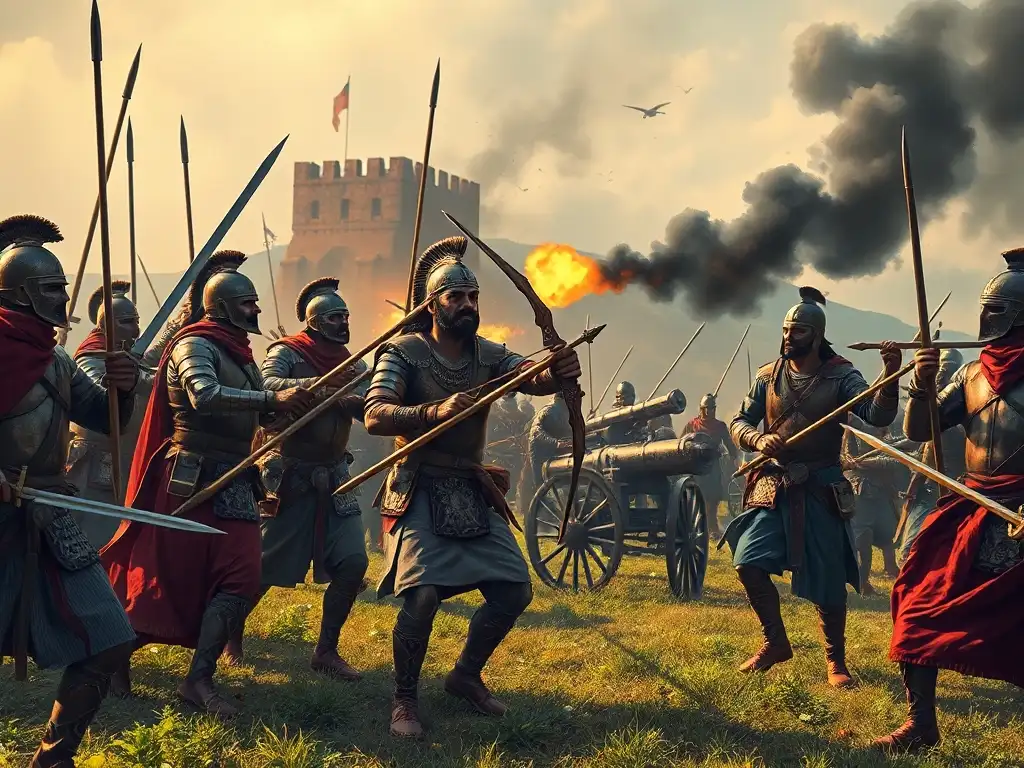
The introduction of gunpowder in Indian warfare marked a significant turning point, leading to the gradual decline of traditional weapons such as swords, bows, and spears. As early as the 13th century, gunpowder technology began to infiltrate Indian military practices, largely influenced by interactions with various cultures through trade and conquests. The effectiveness of gunpowder weapons, such as cannons and matchlocks, quickly overshadowed traditional arms.
The reliance on gunpowder changed the dynamics of warfare, as it allowed for greater range and destructive power. Traditional armaments, which relied heavily on close combat and individual skill, became less effective against the artillery and firearms that could inflict damage from a distance. This shift was particularly notable during the Mughal Empire, where the integration of gunpowder artillery into military strategies proved decisive in many battles, leading to the obsolescence of older combat techniques.
Transition from Traditional Warfare to Gunpowder-Based Tactics
The transition from traditional warfare to gunpowder-based tactics was not instantaneous but rather a gradual evolution influenced by several factors. Initially, Indian armies began incorporating gunpowder weapons into their arsenals alongside traditional weapons. This hybrid approach allowed for a smoother adaptation as military leaders experimented with new strategies and formations.
By the late medieval period, armies had developed specialized units trained in the use of gunpowder weapons, such as artillery crews and musketeers. The effectiveness of these units in battle encouraged further investment in gunpowder technology and training, resulting in the establishment of new tactical doctrines. The use of fortified positions, siege warfare, and mobile artillery became common, fundamentally altering battlefield dynamics.
Notable figures, such as the Mughal Emperor Akbar, recognized the importance of gunpowder and established military reforms that emphasized the training of soldiers in the use of firearms. This transition not only affected the nature of combat but also influenced the organization of armies, leading to more centralized command structures that could effectively coordinate the new tactics.
Impact on Historical Military Hierarchies
The integration of gunpowder technology had profound implications for historical military hierarchies in India. Traditional warrior classes, often composed of cavalry and infantry skilled in close combat, faced challenges as gunpowder weapons became the norm. The rise of artillery units led to a shift in the balance of power within military ranks, as those who could operate and maintain gunpowder weapons gained prominence.
Military leaders who embraced gunpowder technology often found themselves at an advantage, leading to the emergence of new elites within the military structure. This change also impacted recruitment and training, as armies began to prioritize technical expertise in gunnery over traditional martial skills. Consequently, the socio-political landscape was also affected, with new alliances and rivalries forming based on access to gunpowder resources and knowledge.
Conclusion: The Legacy of Gunpowder in Indian Warfare History
The legacy of gunpowder in Indian warfare history is multifaceted, as it not only transformed military tactics but also influenced cultural perceptions of warfare. The shift from traditional weapons to gunpowder technologies can be seen as a significant milestone, marking the onset of modern warfare in the Indian subcontinent. This transition facilitated the rise of powerful empires, notably the Mughals, who effectively utilized gunpowder weaponry to expand their territories and consolidate power.
Lasting Effects on Modern Warfare in India
The effects of gunpowder on warfare in India can still be felt today. The principles of artillery and firearms that emerged during this period laid the groundwork for contemporary military strategies. Modern Indian armed forces continue to rely heavily on gunpowder-based weaponry, which has evolved into advanced firearms and missile technologies. The historical significance of gunpowder has also contributed to India's military identity, shaping the country's approach to both defense and international relations.
Reflection on Gunpowder's Role in Shaping Military History
Reflecting on gunpowder's role in shaping military history, it becomes evident that its introduction marked a turning point not just for India, but for global warfare. The technological advancements brought about by gunpowder facilitated wider changes in military organization, tactics, and political power structures. As we study the evolution of warfare, it is crucial to acknowledge how gunpowder fundamentally altered the course of military history, creating legacies that continue to influence modern tactics and strategies around the world.
Further Reading and Resources
The topic of gunpowder and its impact on Indian warfare is rich and multifaceted, offering numerous avenues for further exploration. Below are curated lists of recommended books and online resources that provide deeper insights into the historical development of gunpowder and firearms in India, as well as the broader context of military technology.
Recommended Books on Gunpowder and Indian Military History
- "The Gunpowder Age: China, Military Innovation, and the Rise of the West in World History" by Tonio Andrade
- This book offers a comprehensive examination of how gunpowder technology evolved in China and its subsequent influence on military practices in other parts of the world, including India.
- "Firearms and Fortifications: Military Architecture and Siege Warfare in Sixteenth-Century India" by Aditi Dandekar
- Dandekar's work focuses specifically on the introduction and adaptation of firearms in Indian military architecture during the 16th century, highlighting the strategic shifts that occurred as a result.
- "War in Early Modern India" by Kaushik Roy
- This book provides a broader perspective on military strategies and technologies in early modern India, including the role of gunpowder in shaping warfare practices.
- "The Mughal Empire" by John F. Richards
- Richards discusses the Mughal Empire's military innovations, including the use of gunpowder, and how they transformed Indian warfare and contributed to the empire's expansion.
- "Gunpowder: The History of the Explosive that Changed the World" by Jack Kelly
- While not exclusively focused on India, this book explores the global history of gunpowder, including its introduction and effects in various cultures, including Indian battles.
Online Resources for Exploring Indian Warfare Technology
- The British Library - India Office Records
- A treasure trove of documents and images related to Indian military history, including records of the use of gunpowder and firearms during the colonial period.
- Digital South Asia Library
- This resource provides access to historical texts, maps, and images that can deepen understanding of Indian military technology and warfare, including the evolution of gunpowder weapons.
- The National Archives of India
- The archives contain a wealth of resources on the military history of India, including documents related to the introduction and usage of gunpowder and firearms.
- South Asian Studies at the University of Chicago
- This academic resource offers various publications and articles discussing the military history of South Asia, with specific attention to technological advancements such as gunpowder.
- Online Courses on Ancient Indian History
- Platforms like Coursera and edX offer courses that delve into ancient Indian history and military technology, helping learners understand the significance of innovations like gunpowder in warfare.
These resources will provide valuable insights into the development and implications of gunpowder in Indian warfare history, enriching your understanding of this pivotal aspect of military evolution in the region.
- Introduction to Gunpowder in Indian Warfare History
- Historical Context of Warfare in India
- The Science of Gunpowder
- Composition and Production of Gunpowder
- Innovations in Gunpowder Technology
- The Emergence of Firearms in Indian Warfare
- Early Firearms: Types and Uses
- The Role of Firearms in Shaping Indian Military Strategies
- Influences on Indian Firearms Development
- Case Studies of Gunpowder Usage in Major Conflicts
- The Decline of Traditional Weapons Due to Gunpowder
- Conclusion: The Legacy of Gunpowder in Indian Warfare History
- Further Reading and Resources
Frequently Asked Questions
What role did gunpowder play in Indian warfare history?
Gunpowder significantly transformed military tactics in India, enhancing the effectiveness of artillery and firearms during battles, particularly from the 16th century onward.
When was gunpowder first introduced to India?
Gunpowder was introduced to India during the 13th century, primarily through Mongol invasions, which influenced Indian warfare techniques and strategies.
How did the Gupta Empire utilize gunpowder?
The Gupta Empire did not utilize gunpowder extensively, as it emerged later; however, their innovations in metalworking laid the groundwork for future advancements in weaponry.
Which Indian empires were known for their use of firearms?
The Mughal Empire was particularly renowned for its use of firearms, integrating them into their military strategies to establish dominance over rival kingdoms.
What were the cultural impacts of gunpowder on Indian society?
The introduction of gunpowder led to changes in social dynamics, trade, and military organization, shaping India's socio-political landscape for centuries to come.
Final Reflection: The Transformative Power of Gunpowder in Indian Warfare History
The evolution of gunpowder and firearms in Indian warfare is not just a historical narrative; it is a testament to how technological advancements can reshape the very fabric of society. Today, as we navigate a world still influenced by the legacies of past conflicts, understanding the role of gunpowder in Indian warfare history becomes crucial. The innovations that emerged during this period not only altered military strategies but also had profound implications on political power dynamics and cultural exchanges across the subcontinent.
The impact of gunpowder on the cultural and social landscape of India is profound and enduring. From the rise of powerful empires to the intricate dance of diplomacy and warfare, the introduction of firearms redefined relationships and hierarchies. As we reflect on this transformative era, we can recall the words of historian K.K. Aziz: The introduction of gunpowder was not merely a change in weaponry; it was a catalyst for new forms of governance and societal structures.
This observation underscores the importance of recognizing how technological advancements can influence not only military outcomes but also the broader societal context in which they occur.
As we look to the future, let us take a moment to reflect on the lessons from the past. The story of gunpowder in Indian warfare history invites us to consider how innovation can drive change in our own lives. Whether in our personal endeavors or collective societal challenges, we are reminded that embracing new ideas and technologies can lead to significant transformations. So, I invite you to reflect on your own journey: how can you harness the spirit of innovation to create positive change in your world?
Embrace the Evolution of Warfare: Take Action Now!
Thank you for exploring the fascinating journey of gunpowder and firearms in later Indian warfare! Your curiosity enriches your understanding and connects you to a pivotal aspect of history that shaped battles and strategies. Now, let’s transform that interest into action!
- Explore deeper: Discover more about the impact of technology on warfare strategies in Ancient India—begin with our curated articles on the subject.
- Share your insights: Engage in discussions about this captivating topic with friends or on social media. Share what has surprised you the most about the evolution of weaponry.
- Join the conversation: Connect with fellow history enthusiasts in our online forum. Discuss how these advancements altered the course of history.
What aspect of gunpowder's influence on warfare do you find most compelling, and why?