
The Revival of Ancient Indian Agriculture: Techniques for Sustainable Farming


Welcome to Ancient India History, where we embark on a fascinating journey through time to uncover the rich tapestry of civilizations that shaped one of the world's oldest cultures. In our featured article, "The Revival of Ancient Indian Agriculture: Techniques for Sustainable Farming," we delve into the innovative and sustainable farming practices that emerged from ancient Indian wisdom. How did these techniques not only sustain communities but also contribute to ecological balance?
Join us as we explore these remarkable insights that are more relevant today than ever, and discover how the past continues to inspire modern solutions. Dive in and let your curiosity lead the way!
- Introduction to Ancient Indian Sustainable Farming Techniques
- Key Ancient Indian Sustainable Farming Techniques
- The Role of Traditional Knowledge in Sustainable Farming
- Modern Applications of Ancient Indian Farming Techniques
- Benefits of Ancient Indian Sustainable Farming Techniques
- Challenges in Reviving Ancient Indian Agricultural Practices
- Conclusion: The Future of Ancient Indian Sustainable Farming Techniques
- References
-
Frequently Asked Questions
- What are ancient Indian sustainable farming techniques?
- How did ancient Indian civilizations contribute to agriculture?
- Why is the revival of ancient Indian agriculture important today?
- What role did the Gupta Empire play in agricultural advancements?
- How can modern farmers implement these ancient techniques?
- Final Reflection: Embracing Ancient Wisdom for a Sustainable Future
- Unleash the Secrets of Sustainable Farming!
Introduction to Ancient Indian Sustainable Farming Techniques
Ancient Indian civilizations are renowned for their remarkable contributions to various fields, including agriculture. The techniques developed over millennia not only sustained large populations but also fostered a deep connection between the people and their environment. As modern society grapples with the challenges of sustainable farming amidst climate change and resource depletion, revisiting ancient Indian sustainable farming techniques can provide valuable insights and practical solutions.
This article delves into the agricultural practices of ancient India, examining their historical context and the significance of sustainable practices that can inform contemporary farming methods. By exploring these time-tested techniques, we can uncover a wealth of knowledge that aligns with today's goals of environmental stewardship and sustainable food production.
Understanding the Historical Context of Agriculture in Ancient India
Agriculture in ancient India dates back to the Indus Valley Civilization, one of the world's earliest urban cultures, which flourished around 2500 BCE. Evidence suggests that the inhabitants practiced sophisticated farming techniques that included:
- Crop Rotation: Ancient farmers rotated crops to maintain soil fertility and reduce pest infestations.
- Irrigation Systems: They constructed intricate irrigation systems using canals and wells, allowing for efficient water management in arid regions.
- Terracing: Steep hillsides were terraced to prevent soil erosion and maximize arable land.
These practices were not only innovative but also reflected a profound understanding of local ecosystems. The use of organic fertilizers, such as compost and green manure, was common, promoting soil health and biodiversity.
Importance of Sustainable Practices in Ancient Civilizations
The sustainable farming techniques employed by ancient Indian civilizations hold significant relevance in today’s context. Here are some key reasons why these practices are essential:
- Biodiversity Preservation: Ancient methods often relied on diverse crop varieties, which enhanced resilience against pests and diseases. This biodiversity is crucial for sustainable agriculture today.
- Soil Health Management: Techniques like organic composting and natural pest control contributed to robust soil health, reducing the dependency on chemical fertilizers and pesticides.
- Water Conservation: The efficient irrigation practices developed in ancient India showcase how water conservation can be integrated into farming, a pressing issue in modern agriculture.
- Cultural Heritage: Understanding and implementing these ancient practices helps preserve the cultural heritage of India, fostering a sense of identity and continuity.
By looking back at ancient Indian sustainable farming techniques, we can glean wisdom that resonates with contemporary challenges, guiding us towards a more sustainable agricultural future.
Key Ancient Indian Sustainable Farming Techniques

Ancient Indian civilizations developed various sustainable farming techniques that not only improved crop yields but also ensured ecological balance. These methods emphasized harmony with nature, showcasing a profound understanding of the environment. Here, we explore three key techniques: crop rotation, intercropping, and the use of organic fertilizers.
Crop Rotation: Enhancing Soil Fertility
Crop rotation is a time-tested agricultural practice that involves alternating the types of crops grown on a particular piece of land over seasons. This technique was widely used in ancient India and is essential for maintaining soil health and fertility.
- Nutrient Management: Different crops require varying nutrients. By rotating crops, farmers can prevent nutrient depletion. For example, legumes, like lentils and chickpeas, can fix nitrogen in the soil, benefiting subsequent cereal crops.
- Pest and Disease Control: Rotating crops helps disrupt the life cycles of pests and pathogens that thrive on specific plants. This natural method reduces the need for chemical pesticides, promoting healthier ecosystems.
- Soil Conservation: Regularly changing the crops encourages diverse root systems, which enhances soil structure and reduces erosion. This practice is critical for preserving topsoil and maintaining productivity over the long term.
Intercropping: Maximizing Land Use Efficiency
Intercropping, or the cultivation of two or more crops in proximity, is another ancient technique that optimizes land use and boosts agricultural diversity.
- Diversity of Crops: By planting complementary crops, such as rice and beans, farmers can utilize the available nutrients more efficiently. For instance, beans can climb up corn stalks, maximizing vertical space.
- Pest Management: A diverse planting strategy can confuse pests and reduce infestations. Certain plants can repel pests that might otherwise harm neighboring crops.
- Enhanced Yields: Studies indicate that intercropped fields can produce higher overall yields compared to monoculture systems. This is particularly beneficial in resource-constrained settings where maximizing output is crucial.
Organic Fertilizers: Traditional Methods and Materials
The use of organic fertilizers has its roots in ancient Indian agricultural practices, emphasizing sustainability and soil health.
- Natural Composting: Ancient farmers utilized kitchen waste, livestock manure, and crop residues to create compost. This organic matter enriches the soil, promoting microbial activity and nutrient availability.
- Green Manuring: The practice of growing specific cover crops, such as mustard or clover, and then plowing them back into the soil adds organic matter and enhances soil structure. These crops can also fix nitrogen, further enriching the soil.
- Use of Ash and Biochar: Farmers in ancient India often incorporated ash from burnt plant material, which is rich in potassium, and biochar, a form of charcoal that improves soil fertility and carbon sequestration.
By revisiting these ancient Indian sustainable farming techniques, modern agriculture can adopt practices that respect ecological balance and promote long-term agricultural sustainability. Integrating these methods with contemporary insights can lead to a more resilient food system.
Water Management: Ancient Irrigation Techniques
Water management was a crucial aspect of agriculture in ancient India, reflecting the sophisticated understanding of hydraulics and environmental sustainability that these civilizations possessed. Ancient Indian farmers implemented various irrigation techniques to optimize water usage, ensuring that their crops received sufficient moisture even in arid conditions.
One of the most notable techniques was the stepwell system. These structures were designed to collect and store rainwater, allowing communities to access water throughout the year. Stepwells feature a series of steps leading down to the water level, making it easier to retrieve water for irrigation and domestic use. This method not only conserved water but also supported local ecosystems by maintaining groundwater levels.
Another significant irrigation technique was the use of canal systems. Ancient civilizations like the Indus Valley Civilization developed extensive networks of canals that diverted river water to fields. This system allowed for controlled water distribution and improved crop yields. Archaeological evidence suggests that these canals were meticulously planned, demonstrating a deep understanding of landscape management and hydrology.
Rainwater harvesting was also employed extensively. Farmers built small ponds and reservoirs to collect and store rainwater during monsoon seasons. This practice ensured that water was available during dry periods, thus enhancing agricultural resilience. The stored water could be used for irrigation, drinking, and even livestock, supporting entire communities.
Additionally, ancient texts such as the Arthashastra mention the importance of water management and provide guidelines on constructing irrigation systems. This text emphasizes the role of the state in maintaining waterways, which reflects the collective responsibility for water management in agrarian societies.
Overall, ancient Indian sustainable farming techniques in water management illustrate a blend of innovation and ecological awareness. The practices not only catered to agricultural needs but also fostered a sustainable relationship with the environment, laying the groundwork for modern sustainable farming practices.
The Role of Traditional Knowledge in Sustainable Farming
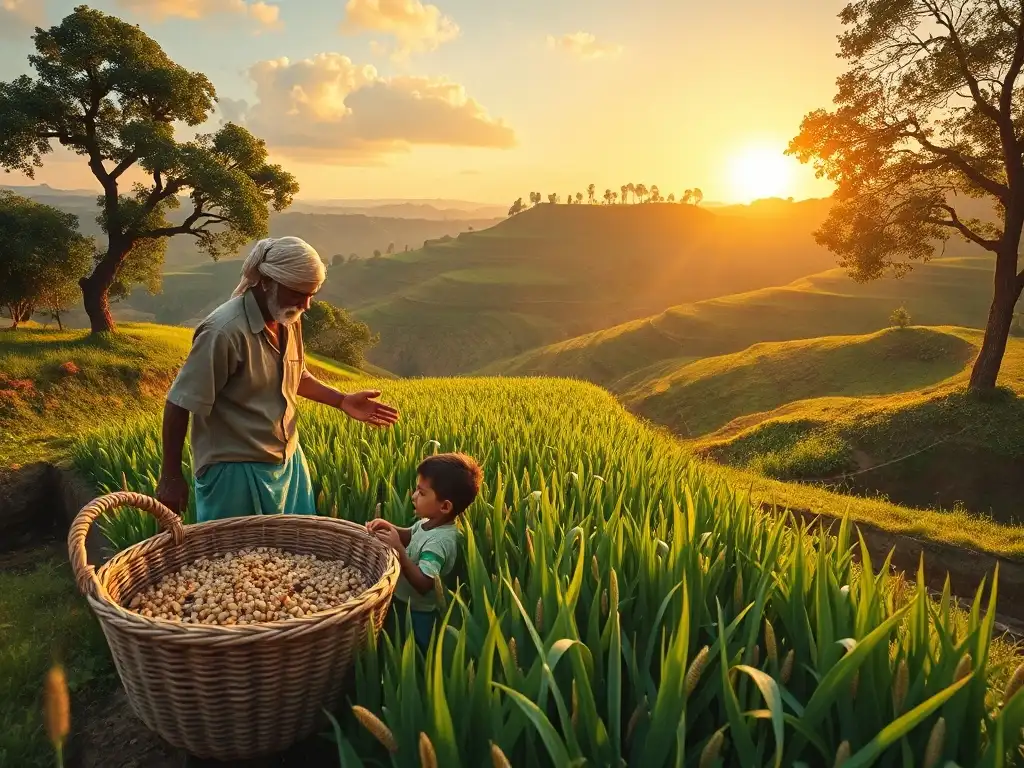
Ancient Indian sustainable farming techniques are deeply rooted in traditional knowledge that has been passed down through generations. This knowledge encompasses a wide array of practices that not only focus on maximizing agricultural yield but also on maintaining ecological balance. Traditional farming methods emphasize the conservation of resources, biodiversity, and soil health, which are essential for sustainable agriculture. By integrating these time-tested practices into modern farming, we can address contemporary challenges such as climate change, soil degradation, and food security.
Indigenous Practices and Their Environmental Impact
Indigenous farming practices in ancient India showcase a profound understanding of local ecosystems. Farmers utilized techniques that aligned with the natural environment, leading to minimal disruption of ecological systems. Some notable practices include:
- Crop Rotation: Farmers rotated different crops in the same field across seasons, which helped in maintaining soil fertility and reducing pest infestations. This practice ensured that soil nutrients were replenished naturally.
- Intercropping: Growing multiple crops in proximity not only maximized land use but also enhanced biodiversity. For instance, cultivating legumes alongside cereals improved nitrogen levels in the soil, benefiting subsequent crops.
- Natural Pest Control: Instead of relying on chemical pesticides, ancient Indian farmers employed natural predators and organic repellents, which helped in maintaining a balanced ecosystem while reducing harm to beneficial insects.
- Water Conservation Techniques: The use of traditional irrigation systems, such as step wells and check dams, allowed for efficient water management. These systems captured and stored rainwater effectively, promoting sustainable usage during dry periods.
The environmental impact of these indigenous practices is significant. They have been shown to reduce soil erosion, enhance soil fertility, and maintain biodiversity, contributing to healthier ecosystems and more resilient agricultural systems.
Case Study: The Use of Cow Dung as Fertilizer in Ancient India
One of the most prominent examples of ancient Indian sustainable farming techniques is the use of cow dung as fertilizer. This practice dates back thousands of years and showcases the integration of livestock and farming in a sustainable manner.
- Nutrient-Rich Compost: Cow dung is rich in essential nutrients such as nitrogen, phosphorus, and potassium. Its application not only enhances soil fertility but also promotes the growth of beneficial microorganisms that improve soil structure.
- Soil Moisture Retention: The organic matter in cow dung aids in retaining moisture in the soil, which is crucial for crop growth, especially in arid regions. This property helps reduce the need for frequent irrigation, conserving water resources.
- Biodegradable and Eco-Friendly: Unlike chemical fertilizers, cow dung is biodegradable and does not lead to soil and water pollution. Its use reflects ancient Indian agricultural practices that prioritized environmental harmony.
- Cultural Significance: Beyond its agricultural benefits, cow dung holds cultural significance in Hindu traditions, symbolizing purity and sustainability. Its use in farming practices illustrates the holistic approach ancient Indians had towards agriculture, where spirituality and ecology coexisted.
The revival of ancient Indian sustainable farming techniques, such as the application of cow dung as fertilizer, exemplifies how traditional knowledge can inform modern agricultural practices. Embracing these methods not only supports sustainable agriculture but also preserves the rich heritage of ancient Indian civilization.
Modern Applications of Ancient Indian Farming Techniques
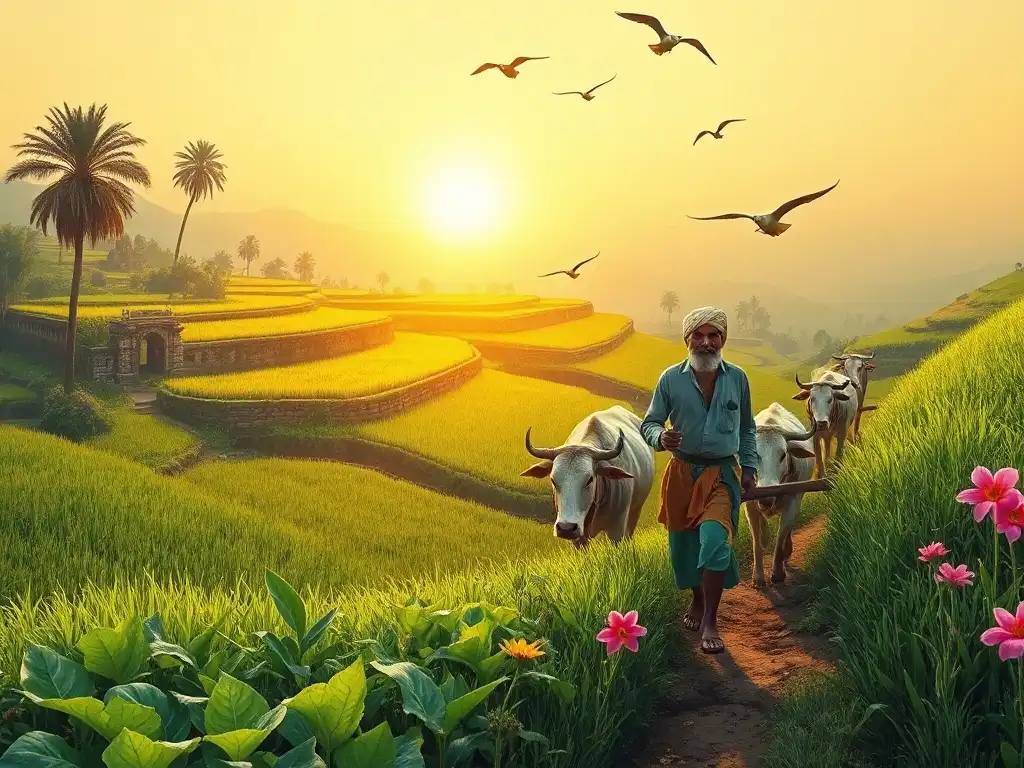
Reviving Ancient Techniques in Contemporary Agriculture
The revival of ancient Indian sustainable farming techniques is gaining significant traction in contemporary agriculture. These methods, rooted in centuries of indigenous knowledge, emphasize harmony with nature, ecological balance, and community involvement. By focusing on traditional practices, modern farmers are discovering ways to enhance productivity while safeguarding the environment.
One key aspect of these ancient techniques is the use of organic fertilizers and natural pest control methods. For instance, cow dung, a mainstay in ancient Indian agriculture, is not only an excellent fertilizer but also helps in retaining soil moisture and improving soil structure. Moreover, the practice of crop rotation, which has been used for millennia, prevents soil depletion and reduces the likelihood of pest infestations.
Additionally, ancient Indian agriculture often incorporated intercropping—the cultivation of multiple crops in proximity. This technique helps in maximizing land use and can increase biodiversity, which is crucial for pest control and soil health. By embracing these methods, modern farmers are not only boosting yields but also enhancing the resilience of their crops against climate change.
Example of Successful Implementation: The Zero Budget Natural Farming Initiative
A prime example of the successful application of ancient Indian sustainable farming techniques is the Zero Budget Natural Farming (ZBNF) initiative, pioneered by Subhash Palekar. This method blends traditional agricultural practices with modern scientific insights, aiming to reduce the cost of farming to zero.
Key Principles of ZBNF:
- Natural Inputs: Farmers use locally sourced materials such as cow dung, urine, and jaggery to create natural fertilizers and pest repellents.
- Soil Health: ZBNF emphasizes maintaining soil health through organic matter and microbial activity, fostering a sustainable ecosystem.
- Minimal External Inputs: The approach significantly reduces dependency on chemical fertilizers and pesticides, leading to lower costs and healthier crops.
The ZBNF initiative has seen remarkable success across various states in India, empowering smallholder farmers to improve their livelihoods while promoting environmental sustainability. Farmers who adopted this method reported increased crop yields and reduced input costs, illustrating the effectiveness of ancient sustainable farming techniques in a modern context.
Technological Integration: How Ancient Methods Inspire Modern Innovations
The integration of ancient Indian sustainable farming techniques with modern technology is paving the way for innovative agricultural practices. By leveraging advancements in technology, farmers can enhance the efficacy of traditional methods, leading to more sustainable outcomes.
Notable Innovations:
- Precision Agriculture: By using drones and satellite imagery, farmers can monitor crop health and soil conditions with high precision. This data can guide them in applying traditional techniques more effectively, such as when to apply organic fertilizers or water crops.
- Mobile Applications: Several apps are emerging that provide information on ancient techniques, weather forecasts, and best practices for organic farming. These apps help farmers make informed decisions, blending ancient wisdom with modern tools.
- Biotechnology: Researchers are exploring the genetic traits of ancient crops to develop new varieties that are more resilient to pests and climate change. This approach respects traditional agricultural knowledge while utilizing modern scientific advances.
Through the marriage of ancient methods and contemporary technologies, the future of agriculture can become more sustainable, efficient, and ecologically friendly, ensuring that the rich heritage of ancient Indian sustainable farming techniques continues to thrive in the modern world.
Benefits of Ancient Indian Sustainable Farming Techniques
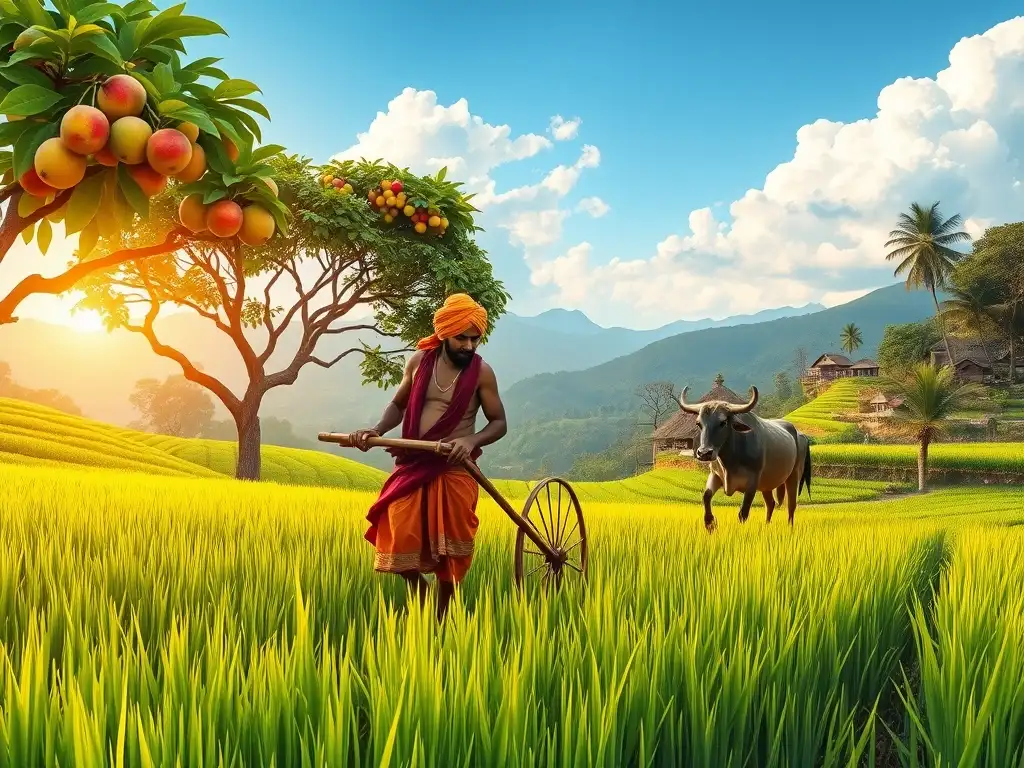
The revival of ancient Indian sustainable farming techniques presents numerous benefits that impact various facets of agriculture, the environment, and community structures. These techniques not only enhance productivity but also contribute to ecological balance and social cohesion. Below, we explore the multifaceted advantages of these practices.
Economic Advantages: Reducing Costs and Increasing Yields
Ancient Indian sustainable farming techniques emphasize the use of locally available resources, minimizing dependence on expensive chemical fertilizers and pesticides. This approach leads to significant cost savings for farmers. For instance, the practice of crop rotation—where different crops are planted sequentially on the same land—helps in maintaining soil fertility and reducing pest infestations, resulting in lower expenditure on chemical inputs.
Moreover, the use of organic compost made from natural materials decreases the need for chemical fertilizers. Farmers adopting these methods often report increased yields due to improved soil health and nutrient availability. A study conducted in Tamil Nadu indicated that farmers using ancient methods saw a 30% increase in crop yield compared to those relying on conventional practices.
Environmental Sustainability: Preserving Biodiversity and Soil Health
One of the most profound benefits of ancient Indian sustainable farming techniques is their contribution to environmental sustainability. These practices prioritize the preservation of biodiversity, which is crucial for resilient ecosystems. Techniques like agroforestry, which integrates trees and shrubs into agricultural landscapes, enhance habitat diversity, supporting a wide range of species.
In addition, ancient practices such as water conservation techniques—including the construction of check dams and percolation tanks—have been instrumental in managing water resources effectively. These systems not only reduce soil erosion but also enhance groundwater recharge, ensuring the availability of water for agricultural purposes during dry spells.
Furthermore, the traditional practice of natural pest management reduces the reliance on synthetic pesticides, thus lowering the chemical load in the environment. This results in healthier ecosystems and contributes to soil health, as healthy soil is fundamental to sustainable agriculture.
Community Engagement: The Role of Farmers in Reviving Traditions
The revival of ancient Indian sustainable farming techniques fosters community engagement and strengthens the bonds within farming communities. Farmers play a pivotal role in this revival by sharing knowledge and practices that have been passed down through generations. This collective effort not only enhances their understanding of sustainable practices but also reinforces cultural heritage.
Community-led initiatives, such as seed banks where farmers conserve and share indigenous seeds, are essential for promoting diversity and resilience in agriculture. Such practices encourage collaboration and solidarity among farmers, leading to a more robust agricultural community.
Additionally, educational workshops and training sessions focused on ancient techniques create awareness about their benefits and applications. This grassroots movement empowers farmers, allowing them to reclaim traditional knowledge and adapt it to modern challenges.
The benefits of ancient Indian sustainable farming techniques are extensive, encompassing economic, environmental, and social dimensions. By integrating these practices, we can pave the way for a more sustainable and resilient agricultural future, rooted in the wisdom of our ancestors.
Challenges in Reviving Ancient Indian Agricultural Practices
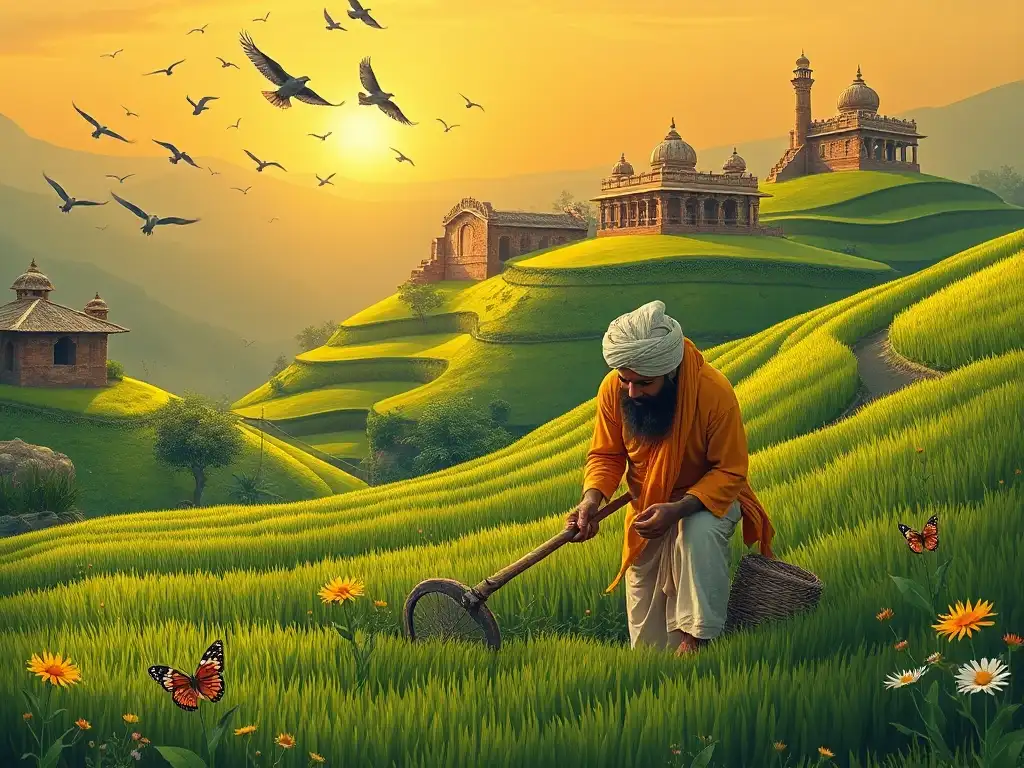
Reviving ancient Indian agricultural practices involves navigating a landscape of challenges that stem from modern agricultural systems, socio-economic factors, and the need for education. These challenges must be addressed to effectively implement ancient Indian sustainable farming techniques in today's context.
Overcoming Modern Agricultural Practices
Modern agricultural practices often prioritize high-yield crops and chemical inputs, which can overshadow traditional methods. Some specific challenges include:
- Chemical Dependency:
- The reliance on fertilizers and pesticides has become ingrained in contemporary farming, often resulting in soil degradation and reduced biodiversity. Ancient techniques, which focused on natural inputs and crop rotation, could mitigate these issues.
- Market Pressures:
- Farmers are frequently incentivized to adopt practices that yield immediate financial returns, such as monoculture, rather than sustainable methods that may require more time and labor initially.
- Infrastructure and Technology:
- Modern farming equipment and technology can be costly and complex, making it difficult to integrate ancient practices that may rely on simpler, more labor-intensive techniques.
- Climate Change:
- The effects of climate change pose additional risks to agricultural stability. Ancient practices that were more adaptable to local conditions may be undervalued in the face of modern, uniform practices.
The Need for Education and Awareness Among Farmers
Education plays a crucial role in the revival of ancient Indian agricultural practices. Key areas of focus include:
- Training Programs:
- Workshops and training sessions can introduce farmers to ancient techniques such as bio-pesticides, composting, and crop diversity. This hands-on education can help overcome skepticism toward traditional methods.
- Demonstration Projects:
- Establishing pilot projects where ancient sustainable practices are successfully implemented can serve as powerful examples for neighboring farmers to emulate.
- Access to Resources:
- Providing farmers with access to literature and resources about ancient practices can empower them to make informed decisions about integrating these techniques into their farming systems.
- Community Engagement:
- Encouraging local communities to participate in discussions about the benefits of sustainable farming can foster a collective movement toward embracing ancient practices. This can include organizing community fairs that showcase traditional farming methods and their ecological benefits.
By addressing the challenges posed by modern agricultural practices and prioritizing education and awareness, the revival of ancient Indian sustainable farming techniques can become a feasible and impactful reality. Implementing these techniques not only preserves cultural heritage but also promotes a more sustainable and environmentally friendly approach to agriculture.
Conclusion: The Future of Ancient Indian Sustainable Farming Techniques
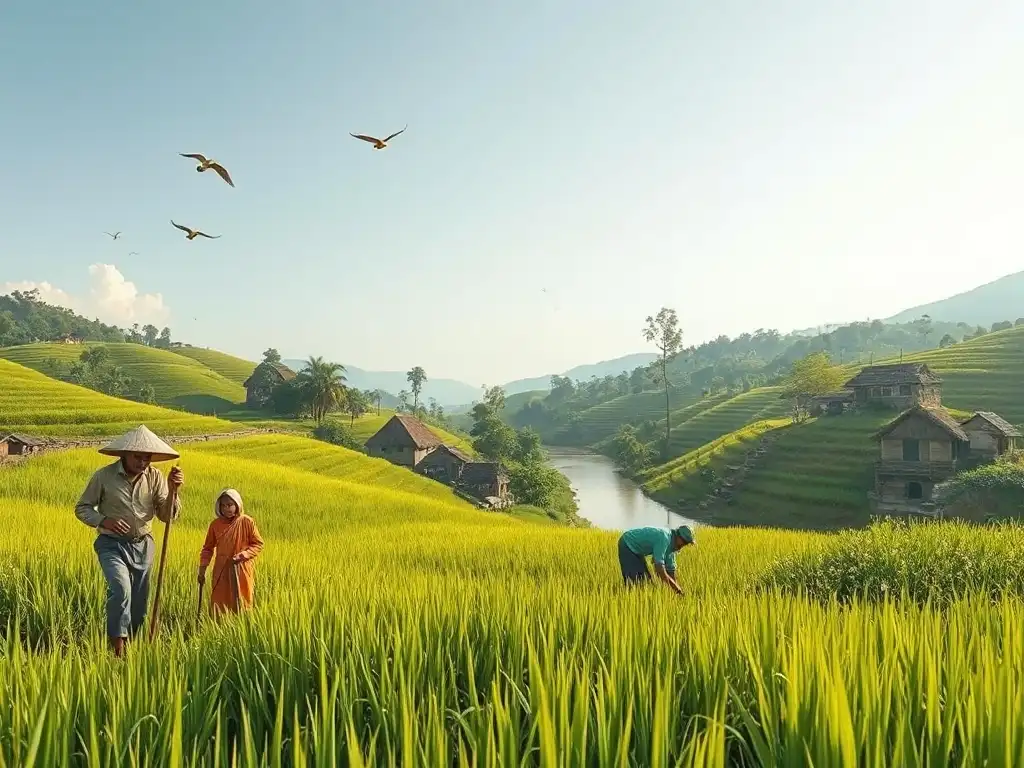
The revival of ancient Indian sustainable farming techniques presents a promising avenue for addressing contemporary agricultural challenges. As the world grapples with issues such as climate change, soil degradation, and food security, the wisdom embedded in ancient agricultural practices offers innovative solutions that can be adapted for modern use.
The methodologies developed by ancient Indian civilizations emphasize harmony with nature, crop diversity, and resource conservation. Techniques such as crop rotation, mixed cropping, and the use of organic fertilizers not only enhance soil health but also increase resilience against pests and diseases. These practices underscore the importance of biodiversity, which is crucial for sustainable farming and ecological balance.
Integrating Ancient Wisdom with Modern Agriculture
To truly harness the potential of ancient Indian sustainable farming techniques, a synergistic approach that marries these time-tested methods with modern agricultural science is essential. This integration can take various forms:
- Research and Development:
- Collaborating with agricultural scientists to study ancient texts and practices can lead to innovative farming methods.
- Field trials that incorporate ancient techniques can provide empirical data on their effectiveness in modern contexts.
- Education and Training:
- Workshops and training sessions that focus on ancient agricultural practices can empower farmers with knowledge and skills.
- Developing educational materials that highlight the benefits of sustainable practices can promote wider adoption.
- Technology Integration:
- Utilizing modern technologies such as GIS and remote sensing can help in the effective implementation of ancient techniques.
- Mobile applications can provide farmers with real-time data on weather patterns, soil health, and crop management based on ancient methods.
- Community Engagement:
- Encouraging local communities to share their traditional knowledge can foster a sense of ownership and pride in sustainable practices.
- Forming cooperatives that focus on organic and sustainable farming can enhance collaboration and resource sharing.
Call to Action: Supporting Sustainable Farming Initiatives
The future of agriculture depends on our ability to embrace sustainable practices that honor the wisdom of our ancestors. Here are actionable steps individuals and organizations can take to support the revival of ancient Indian sustainable farming techniques:
- Advocate for Policy Changes: Support policies that promote sustainable agriculture and provide incentives for farmers who adopt ancient practices.
- Invest in Local Farming: Purchase organic produce from local farmers who implement sustainable methods, thereby encouraging the continuation of these practices.
- Participate in Sustainability Projects: Get involved in community initiatives aimed at promoting sustainable farming, whether through volunteering, donations, or spreading awareness.
- Educate Others: Share knowledge about the benefits of ancient Indian sustainable farming techniques through social media, community workshops, or local events.
By taking these steps, we can contribute to a sustainable agricultural future that not only preserves our heritage but also ensures food security and environmental health for generations to come.
References
The revival of ancient Indian agriculture is steeped in a rich tapestry of historical practices that have proven their efficacy over centuries. To fully appreciate the nuances of ancient Indian sustainable farming techniques, it is essential to delve into a variety of scholarly resources, historical texts, and modern interpretations that illuminate this intricate subject. Below is a compilation of foundational texts and research studies that provide significant insights into the agricultural practices of ancient Indian civilizations.
Recommended Reading on Ancient Indian Agriculture
- "The Agrarian History of India: From the Earliest Times to the Present" by B.R. Ambedkar
- This comprehensive work traces the evolution of agriculture in India, detailing the techniques and tools that have shaped farming practices through the ages.
- "The Indus Civilization: A Contemporary Perspective" by Gregory L. Possehl
- Possehl's analysis offers a profound understanding of the agricultural systems employed by the Indus Valley Civilization, highlighting their innovative irrigation methods.
- "Ancient Indian Agriculture" by R. S. Sharma
- A focused study on the agricultural techniques of ancient India, this book discusses the significance of crop rotation, soil management, and the use of organic fertilizers.
- "Sustainable Agriculture: A Global Perspective" edited by A. M. Albrecht
- This compilation includes contributions that compare ancient practices with modern sustainable techniques, giving readers a broader context for ancient Indian methodologies.
- "Indian Agriculture: A Historical Overview" by R. K. Sharma
- This work provides a detailed history of agricultural practices in India, emphasizing the adaptability and sustainability of ancient farming techniques.
Resources for Learning About Sustainable Farming Techniques
- Online Courses:
- Coursera and edX offer courses on sustainable agriculture that often reference ancient techniques. Look for courses that focus on traditional farming practices or agroecology.
- Websites:
- Food and Agriculture Organization (FAO): Provides extensive resources on sustainable farming practices globally, including references to ancient methodologies.
- ResearchGate: A platform where you can find research papers discussing ancient Indian agriculture and its applications in modern sustainable practices.
- Documentaries:
- "The Green Revolution: A New Dawn in Indian Agriculture": A documentary that explores both ancient techniques and modern innovations in farming.
- Non-governmental Organizations (NGOs):
- The Natural Farming Network: Engages in promoting traditional farming practices, including those derived from ancient Indian techniques, and offers workshops and resources.
- Local Workshops and Community Programs:
- Many agricultural universities in India conduct workshops on sustainable farming techniques, incorporating ancient practices into their curriculum.
By exploring these references and resources, individuals can gain a deeper understanding of ancient Indian sustainable farming techniques and their relevance in today’s quest for sustainable agricultural solutions.
Frequently Asked Questions
What are ancient Indian sustainable farming techniques?
Ancient Indian sustainable farming techniques refer to traditional methods used by farmers in India that promote soil health, conserve water, and maintain biodiversity. These methods include crop rotation, intercropping, and the use of organic fertilizers.
How did ancient Indian civilizations contribute to agriculture?
Ancient Indian civilizations, particularly during the Indus Valley period, developed advanced agricultural practices, including irrigation systems and crop management techniques that enhanced agricultural productivity. These innovations laid the groundwork for modern sustainable farming.
Why is the revival of ancient Indian agriculture important today?
Reviving ancient Indian agriculture is crucial for addressing contemporary issues such as food security, climate change, and environmental degradation. These sustainable practices can help create a more resilient agricultural system that supports both farmers and ecosystems.
What role did the Gupta Empire play in agricultural advancements?
The Gupta Empire is known for its promotion of agricultural innovations, including the development of new crop varieties and the establishment of trade networks that facilitated the exchange of farming knowledge and techniques across regions.
How can modern farmers implement these ancient techniques?
Modern farmers can implement ancient techniques by adopting crop rotation, using organic inputs, and integrating traditional water conservation methods such as rainwater harvesting. These practices can enhance sustainability and improve overall farm productivity.
Final Reflection: Embracing Ancient Wisdom for a Sustainable Future
The revival of ancient Indian sustainable farming techniques is not just a nod to history; it is a crucial response to the pressing challenges of modern agriculture. As we face climate change, soil degradation, and the loss of biodiversity, the wisdom embedded in these time-tested practices offers a beacon of hope. The integration of ancient methods into contemporary farming can lead us toward a more sustainable and resilient agricultural future.
The influence of these techniques extends beyond the fields; it resonates deeply within our cultural and social fabric. By reconnecting with our agricultural roots, we foster a sense of community and stewardship towards the land. As Mahatma Gandhi once said, "> The earth provides enough to satisfy every man's needs, but not every man's greed." This quote encapsulates the essence of sustainable farming, reminding us that our relationship with the earth must be one of respect and balance.
As you reflect on the lessons drawn from ancient Indian agriculture, consider how you can incorporate these principles into your own life. Whether you are a farmer, a consumer, or simply someone who cares about the environment, your choices matter. Embrace the wisdom of the past to inspire sustainable practices in the present. Together, we can cultivate a future that honors our heritage while nurturing the planet for generations to come.
Unleash the Secrets of Sustainable Farming!
Thank you for exploring the rich heritage of ancient Indian agriculture with us! You've gained valuable insights into techniques that not only honor the wisdom of the past but also pave the way for a sustainable future. Now it’s time to put this knowledge into action!
Here’s how you can get involved:
- Start practicing one ancient technique in your garden or community, such as companion planting or natural pest control.
- Join a local sustainability group to share your experiences and learn from others who are passionate about eco-friendly farming.
- Educate your friends and family about these ancient practices by hosting a small workshop or casual discussion.
Which ancient farming technique are you most excited to incorporate into your gardening practices?