
The Role of Inscriptions in the Development of Ancient Indian Literature

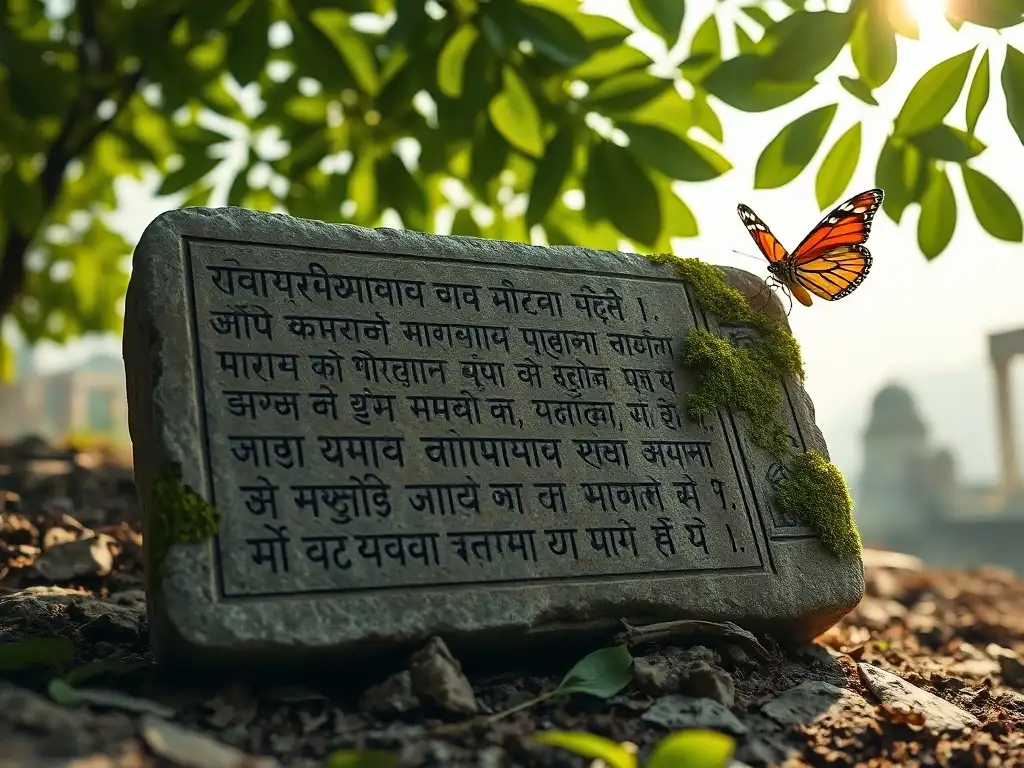
Welcome to Ancient India History, where we delve into the rich tapestry of India's past and uncover the profound cultural contributions that have shaped civilizations. In our featured article, "The Role of Inscriptions in the Development of Ancient Indian Literature," we invite you to explore the fascinating world of ancient Indian literature inscriptions.
Discover how these remarkable artifacts not only illuminate the literary landscape of ancient India but also serve as a bridge connecting us to the thoughts, beliefs, and creativity of a bygone era. Join us on this enlightening journey, and unlock the secrets that lie within the inscriptions of our ancient heritage!
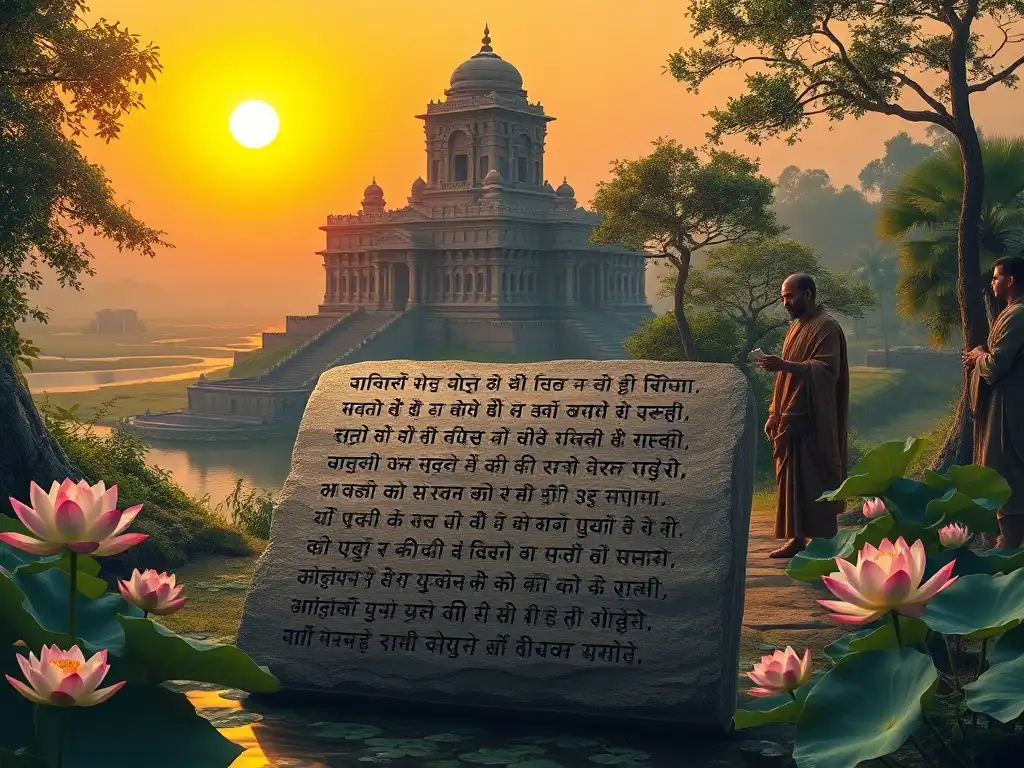
Introduction to Ancient Indian Literature Inscriptions
The study of ancient Indian literature reveals a rich tapestry of narratives, poetry, and philosophical texts that have shaped the cultural and intellectual landscape of the subcontinent. Among the myriad sources that contribute to our understanding of this literary heritage, inscriptions hold a pivotal role.
These engravings, often found on stone, metal, and various other materials, serve not only as historical artifacts but also as valuable texts that illuminate the linguistic, cultural, and societal norms of their times. By examining the ancient Indian literature inscriptions, scholars can uncover the nuances of literary evolution and the interplay between written and oral traditions that characterized early Indian civilization.
Definition of Inscriptions in Ancient India
Inscriptions in ancient India refer to texts that were carved or engraved onto durable materials, typically intended for public display or commemoration. These inscriptions can vary widely in content, ranging from royal edicts and religious proclamations to literary works and personal dedications. They were often created in various languages and scripts, reflecting the linguistic diversity of the region. Common materials used for inscriptions included:
- Stone: Often used for significant monuments and temples.
- Metal: Copper plates were frequently used for land grants and royal orders.
- Clay: While less common for formal inscriptions, clay tablets were used in early writing systems.
Importance of Inscriptions in Historical Context
The significance of inscriptions extends beyond their immediate literary value; they serve as crucial historical documents that provide insight into the socio-political and cultural contexts of ancient India. Inscriptions can reveal:
- Political Structures: Details about rulers, dynasties, and governance.
- Cultural Practices: Insights into religious beliefs, rituals, and social customs.
- Linguistic Evolution: Evidence of language changes and script developments over time.
By analyzing these inscriptions, historians can piece together a more comprehensive narrative of ancient Indian societies, their values, and their literary achievements.
Historical Significance of Inscriptions in Indian Literature
Overview of Ancient Indian Literary Traditions
Ancient Indian literature encompasses a vast range of genres, including epic poetry, drama, philosophy, and religious texts. Prominent works such as the Mahabharata, Ramayana, and various Sanskrit plays reflect the rich literary heritage. These texts were often transmitted orally before being written down, indicating a strong connection between spoken and written forms of literature. The role of inscriptions in this literary landscape is critical, as they often mark the transition from oral traditions to written records.
Inscriptions as Primary Sources for Literary Development
Inscriptions provide scholars with primary sources that can enhance our understanding of ancient Indian literature. By studying inscriptions, researchers can uncover lost texts, understand the context of existing works, and analyze the evolution of literary styles. For example, inscriptions may reference literary figures, quote poetry, or even serve as dedications to authors, offering a glimpse into the patronage systems that supported literary creation. This interplay between inscriptions and literature deepens our appreciation for the complexities of ancient Indian literary traditions.
Connection Between Inscriptions and Oral Traditions
The relationship between inscriptions and oral traditions is a fascinating aspect of ancient Indian literature. While inscriptions represent a shift towards permanence and documentation, they often echo the rhythms and themes of oral storytelling. Many inscriptions feature poetic forms or allusions to oral epics, suggesting that they were part of a broader literary culture where oral and written expressions coexisted. This connection emphasizes the importance of both forms in the preservation and transmission of ancient Indian literature, revealing how they influenced each other throughout history.
Thus, the exploration of ancient Indian literature inscriptions not only illuminates the literary achievements of past civilizations but also enriches our understanding of their cultural and historical contexts.
Types of Inscriptions Contributing to Literature
Ancient Indian literature is profoundly enriched by various forms of inscriptions that provide insights into the culture, religion, governance, and literary practices of the time. These inscriptions serve as primary sources that reflect the historical context and the evolution of literary expression in ancient India. The main types of inscriptions that contributed to the development of literature include stone inscriptions, copper plate inscriptions, and inscriptions found on temples. Each of these categories has unique characteristics and impacts on the literary landscape.
Stone Inscriptions and Their Impact on Literature
Stone inscriptions are among the oldest forms of written records in ancient India, dating back to the Mauryan period. These inscriptions, often engraved on rocks, pillars, and other stone surfaces, served not only as declarations of royal authority but also as vehicles for literary expression. The Edicts of Ashoka, for example, are monumental in their clarity and moral teachings, reflecting the ethical dimensions of governance and societal norms.
The impact of stone inscriptions on literature is multifaceted:
- Preservation of Language: These inscriptions helped in standardizing and preserving languages, such as Sanskrit and Prakrit, which were pivotal in the development of classical literature.
- Cultural Narratives: They often contained narratives that conveyed cultural values, myths, and historical events, influencing poets and playwrights in their works.
- Philosophical and Ethical Texts: Many stone inscriptions include philosophical discourses that would later inspire literary works, particularly in the realms of ethics and morality.
Copper Plate Inscriptions and Literary Contributions
Copper plate inscriptions emerged as a significant form of documentation during the Gupta period and beyond. These inscriptions were often commissioned by kings or wealthy patrons and were used to grant land or commemorate important events. Their literary contributions are notable for several reasons:
- Detailed Historical Accounts: Copper plates frequently contained detailed accounts of royal genealogies, administrative practices, and cultural patronage, which provided a wealth of material for historians and poets alike.
- Literary Form: Many copper plate inscriptions were crafted with a poetic flair, showcasing the artistic capabilities of the scribes and serving as a bridge between administrative records and literary expression.
- Promotion of Literature: These inscriptions often included references to literary patrons and the encouragement of scholarly activities, thus directly contributing to the flourishing of literature during their time.
Inscriptions on Temples and Their Literary Significance
Inscriptions found on temples hold immense significance in the study of ancient Indian literature. These inscriptions, often dedicated to deities or commemorating donations, serve as rich sources of literary and cultural information. Their significance can be outlined as follows:
- Religious Texts: Many temple inscriptions include hymns, prayers, and religious texts, which not only reflect the devotional literature of the time but also influenced subsequent literary creations.
- Cultural Practices: They document rituals, festivals, and practices, offering insights into the societal values and beliefs that underpin literary themes in ancient texts.
- Artistic Expression: The language used in temple inscriptions is often highly stylized, providing a glimpse into the poetic forms and literary devices that were prevalent in ancient Indian literature.
Key Examples of Inscriptions Influencing Ancient Indian Literature
The influence of inscriptions on the development of ancient Indian literature can be exemplified through significant historical inscriptions that have left a lasting impact on literary traditions.
The Edicts of Ashoka: A Literary Perspective
The Edicts of Ashoka, inscribed during the reign of Emperor Ashoka in the 3rd century BCE, are pivotal for understanding the intersection of governance and literature. These edicts are written in several languages, including Prakrit, and emphasize moral conduct, compassion, and the welfare of subjects. From a literary perspective, the edicts:
- Set a Standard for Ethical Literature: They laid the groundwork for ethical storytelling and narratives that would resonate throughout Indian literature.
- Influenced Subsequent Writers: The themes of non-violence and moral duty found in the edicts echo in later literature, shaping the narratives of poets and playwrights.
- Document Societal Values: They provide a window into the societal values of the time, which informs the contextual understanding of various literary works.
The Inscriptions of Samudragupta and Their Literary Value
Emperor Samudragupta's inscriptions, particularly those on the Allahabad Pillar, are noteworthy for their literary value. Celebrated for his military prowess and patronage of the arts, Samudragupta's inscriptions:
- Highlight Poetic Excellence: The inscriptions themselves are crafted with poetic finesse, showcasing the literary style of the period.
- Document Cultural Achievements: They record the cultural achievements of his reign, serving as a source for historians and literary scholars to explore the flourishing of arts and literature during the Gupta era.
- Inspire Future Generations: The valorization of cultural and literary pursuits in his inscriptions would inspire future rulers and patrons, contributing to the ongoing development of literature.
Literary Content in South Indian Inscriptions
The inscriptions found in South India, particularly those from the Chola and Pandya dynasties, are rich in literary content. These inscriptions often include:
- Poetic Compositions: Many inscriptions feature verses celebrating deities, rulers, and local heroes, illustrating the poetic traditions that permeated South Indian literature.
- Cultural Narratives: They provide narratives that reflect the regional folklore and cultural practices, serving as a source for poets and storytellers.
- Religious and Philosophical Texts: The inscriptions often include religious texts and philosophical ideas that influenced the literary movements in South India, particularly the Bhakti movement.
The diverse types of inscriptions, from stone and copper plates to temple engravings, have significantly shaped the landscape of ancient Indian literature. Through their preservation of language, cultural narratives, and ethical teachings, they continue to be invaluable resources for understanding the literary heritage of ancient India.
The Language of Inscriptions and Its Role in Literary Development

The language used in ancient Indian inscriptions serves as a crucial link between the spoken vernaculars and the sophisticated literary forms that emerged in ancient India. These inscriptions, mainly carved on stone and metal, often utilized a variety of languages, reflecting the rich linguistic diversity of the subcontinent.
The evolution of these languages can be traced through the inscriptions, which not only document historical events but also reveal the complexities of literary development in ancient Indian society. The inscriptions acted as a medium of communication that transcended time, influencing the literary landscape and providing insights into the cultural and intellectual currents of the period.
Sanskrit and Prakrit in Ancient Inscriptions
Sanskrit and Prakrit were the dominant languages found in ancient Indian inscriptions. Sanskrit, often regarded as the language of the elite and religious texts, appears frequently in inscriptions associated with royal patronage and significant religious establishments. Its use in inscriptions such as the Edicts of Ashoka and the inscriptions of the Gupta period highlights its importance in disseminating philosophical and religious ideas.
Conversely, Prakrit, which was closer to the spoken language of the common people, also features prominently in inscriptions, especially in regions where vernacular literature began to flourish. The use of Prakrit in inscriptions from the Mauryan and post-Mauryan eras signifies a shift towards accessibility and inclusion of broader audiences in the literary discourse. This duality of language reflects the dynamics of social stratification and cultural exchange during ancient times, laying the foundation for the later literary traditions that emerged in various regional languages.
Evolution of Language Through Inscriptions
The study of inscriptions reveals the evolution of language in ancient India, showcasing how linguistic forms transformed over time. Early inscriptions, such as those from the Indus Valley Civilization, demonstrate a pictographic script that gradually evolved into more complex forms like Brahmi and Kharosthi. These scripts were instrumental in the development of regional writing systems, which further diversified the linguistic landscape.
As inscriptions became more widespread, they adopted a range of styles and dialects, reflecting local culture and identity. This evolution is significant as it marks the transition from oral traditions to written literature, allowing for the preservation and transmission of cultural narratives. The linguistic shifts documented in inscriptions not only inform us about the changing nature of language but also highlight the intermingling of different cultural influences, contributing to the rich tapestry of ancient Indian literature.
Influence of Inscriptions on Regional Dialects and Literature
Inscriptions played a pivotal role in shaping regional dialects and literature across ancient India. As various dynasties and empires expanded their territories, they brought with them their languages and literary traditions. This interaction fostered the emergence of regional dialects that were influenced by the dominant languages of the ruling powers. For example, the inscriptions from the Chola dynasty reflect the incorporation of Tamil elements alongside Sanskrit, leading to a unique literary tradition that flourished in southern India.
Moreover, the content of inscriptions often inspired local poets and writers, providing themes and narratives that resonated with the cultural ethos of the region. The use of local dialects in inscriptions not only legitimized the vernacular but also encouraged the production of literature in those languages. This relationship between inscriptions and regional literature is evident in the rich literary output of languages like Kannada, Telugu, and Bengali, which drew upon the historical contexts and themes presented in the inscriptions.
Thematic Analysis of Inscriptions in Literature
Thematic exploration of inscriptions reveals a wealth of information that extends beyond mere record-keeping. They encapsulate various themes that reflect the socio-political, religious, and cultural dimensions of ancient Indian life. Analyzing these themes allows scholars to understand the literary context in which they were produced and the impact they had on subsequent literary works.
Religious Themes in Ancient Indian Inscriptions
Religious themes dominate many ancient Indian inscriptions, often commemorating significant events, deities, or religious practices. Inscriptions dedicated to Hindu gods, Buddhist teachings, and Jain philosophies illustrate the spiritual landscape of the time. For instance, the Edicts of Ashoka emphasize the principles of Dharma and moral governance, while inscriptions from the Gupta period highlight the patronage of various deities, reflecting the intertwining of religion and state.
These religious inscriptions served not only as devotional texts but also as literary sources that inspired poets and writers to explore theological concepts and narratives in their works. The interplay between inscriptions and religious literature contributed to the evolution of spiritual texts in Sanskrit and regional languages, shaping the literary heritage of ancient India.
Historical Narratives and Their Literary Reflections
Ancient inscriptions often provide historical narratives that chronicle the achievements, conquests, and legacies of rulers. These narratives serve as vital historical sources that inform contemporary understanding of political developments and societal changes. The inscriptions of the Mauryan and Gupta periods, for instance, detail the administrative prowess and military campaigns of their respective rulers, while also reflecting the socio-economic conditions of the time.
The literary reflections of these historical narratives can be seen in various ancient texts, including epics and historical chronicles. Writers drew upon the accounts found in inscriptions to craft their narratives, infusing them with literary embellishments that enriched the cultural narrative of the period. This reciprocal relationship between historical inscriptions and literary production underscores the importance of inscriptions in shaping the historical consciousness of ancient India.
Social and Cultural Themes in Inscriptions
Inscriptions also capture the social and cultural themes prevalent in ancient Indian society. They often document the roles and statuses of different social groups, such as artisans, merchants, and women, providing insights into the socio-economic fabric of the time. Additionally, inscriptions reflecting cultural practices, festivals, and daily life contribute to understanding the lived experiences of people in ancient India.
These social and cultural themes have significant literary implications, as they influenced the topics and characters explored in subsequent literary works. Authors and poets often drew inspiration from the societal norms and cultural practices depicted in inscriptions, weaving them into their narratives. This thematic continuity highlights the role of inscriptions as both historical records and sources of literary inspiration, bridging the gap between history and literature in ancient India.
Conclusion: The Lasting Impact of Inscriptions on Ancient Indian Literature
Inscriptions have played a pivotal role in shaping the landscape of ancient Indian literature. They serve not only as historical documents but also as a medium through which the socio-political, religious, and cultural ethos of ancient Indian societies are articulated. The inscriptions reflect the linguistic evolution and literary practices of their time, contributing significantly to our understanding of ancient Indian thought and expression. By providing direct insight into the lives of individuals and communities, these inscriptions have enriched the corpus of ancient Indian literature, bridging the gap between oral traditions and written records.
The impact of inscriptions extends beyond mere documentation; they acted as catalysts for the development of literary forms and styles. For instance, the use of Sanskrit in inscriptions laid a foundation for the literary canon that emerged during the classical period. Moreover, inscriptions often preserved works of poetry, prose, and philosophy, ensuring their transmission across generations. Thus, the legacy of inscriptions is largely intertwined with the evolution of literary practices in ancient India, making them essential to the study of ancient Indian literature.
Summary of Key Contributions
The contributions of inscriptions to ancient Indian literature can be summarized as follows:
- Preservation of Historical Context: Inscriptions provide crucial historical context, allowing scholars to place literary works within the broader framework of their time. They often reference contemporary events, rulers, and cultural practices, contributing to a richer understanding of the narratives found in literature.
- Linguistic Development: They showcase the evolution of language over centuries, marking transitions in script and vocabulary. Inscriptions in various languages, including Sanskrit, Prakrit, and regional dialects, reveal the linguistic diversity that influenced literary expression.
- Cultural Reflection: Many inscriptions contain verses and stories that reflect the beliefs, values, and social norms of ancient societies. This cultural documentation is invaluable for understanding the themes prevalent in ancient literature.
- Influence on Literary Tradition: Inscriptions often inspired literary works, as poets and writers drew from the themes and narratives encapsulated within these texts. The relationship between oral and written traditions is particularly evident in this context.
- Religious and Philosophical Insights: Many inscriptions are religious in nature, containing hymns, prayers, and philosophical discourses that have become integral parts of ancient Indian literary heritage.
Future Research Directions in Ancient Indian Literature Inscriptions
As scholars continue to explore the intricate relationship between inscriptions and ancient Indian literature, several promising research directions emerge:
- Interdisciplinary Approaches: Future studies could benefit from integrating epigraphy with fields such as archaeology, anthropology, and linguistics to provide a more comprehensive understanding of the cultural contexts of inscriptions.
- Digital Humanities: The application of digital tools for the analysis and cataloging of inscriptions can facilitate greater accessibility to these texts. Projects that digitize inscriptions and utilize data analytics could reveal patterns and connections previously overlooked.
- Regional Studies: Focusing on regional variations in inscriptions can yield insights into localized literary practices and cultural expressions. Examining how different regions adapted literary forms based on their unique contexts will enrich the overall narrative of ancient Indian literature.
- Comparative Analysis: Comparative studies between ancient Indian inscriptions and those from other cultures can illuminate the universal themes and unique characteristics of ancient Indian literature, fostering a global understanding of literary development.
- Engagement with Oral Traditions: Investigating the links between inscriptions and oral literature will help in understanding how stories, myths, and ideologies were transmitted and adapted across generations, emphasizing the dynamic nature of literary traditions.
The exploration of ancient Indian literature inscriptions is a fertile area for future inquiry, promising to uncover new dimensions of understanding in the rich tapestry of ancient Indian history and culture.
- Introduction to Ancient Indian Literature Inscriptions
- Historical Significance of Inscriptions in Indian Literature
- Types of Inscriptions Contributing to Literature
- Key Examples of Inscriptions Influencing Ancient Indian Literature
- The Language of Inscriptions and Its Role in Literary Development
- Thematic Analysis of Inscriptions in Literature
- Conclusion: The Lasting Impact of Inscriptions on Ancient Indian Literature
- What are inscriptions in the context of ancient Indian literature?
- How did inscriptions contribute to the development of ancient Indian literature?
- What are some notable ancient Indian inscriptions?
- How did the Gupta Empire influence inscriptions and literature?
- Why are ancient Indian inscriptions important for historians today?
Frequently Asked Questions
What are inscriptions in the context of ancient Indian literature?
Inscriptions are written records carved on various materials, like stone or metal, that often convey historical, religious, or literary information from ancient Indian civilizations.
How did inscriptions contribute to the development of ancient Indian literature?
Inscriptions served as a primary source for understanding ancient texts, helping scholars to study the evolution of languages and literary forms throughout Indian history.
What are some notable ancient Indian inscriptions?
Some significant inscriptions include the Ashoka Edicts, which reflect Buddhist teachings and governance, and the Prakrit inscriptions that showcase early literature and local dialects.
How did the Gupta Empire influence inscriptions and literature?
The Gupta Empire is known as a golden age for literature, where inscriptions became more artistic and sophisticated, reflecting the rich culture and advancements in poetry and drama.
Why are ancient Indian inscriptions important for historians today?
These inscriptions provide valuable insights into the socio-political, cultural, and religious contexts of ancient Indian societies, allowing historians to piece together a more complete picture of the past.
Final Reflection: The Enduring Legacy of Ancient Indian Literature Inscriptions
The exploration of ancient Indian literature inscriptions reveals their profound significance in shaping cultural identity and historical narrative. Today, as we navigate a world increasingly driven by digital communication, the tangible connection to our past through these inscriptions serves as a powerful reminder of the enduring nature of storytelling and the written word. The inscriptions not only document historical events but also encapsulate the philosophical and spiritual essence of a civilization, making them invaluable to our understanding of human development.
The impact of these inscriptions extends far beyond their physical presence; they continue to influence contemporary literature and cultural expressions. The stories etched in stone and metal resonate with modern audiences, inviting us to reflect on our own narratives and the legacies we wish to leave behind. As noted by historian Romila Thapar, The past is not just a record of what has been; it is a living part of our identity.
This observation underscores the importance of engaging with our historical texts, as they provide context and depth to our current societal values and beliefs.
As we conclude our exploration of ancient Indian literature inscriptions, I invite you to reflect on the stories that shape your own life and culture. Consider how the lessons from the past can inspire your present actions and future aspirations. Whether through writing, art, or personal storytelling, each of us has the power to contribute to the ongoing narrative of humanity. Embrace the wisdom of the ancients and let it guide you in crafting your own inscription in the tapestry of time.
Unveil the Rich Tapestry of Ancient Indian Literature!
Thank you for exploring the remarkable role inscriptions played in shaping ancient Indian literature. You've discovered how these historical texts not only preserve our past but also enrich our understanding of culture and language. Now, let's take this journey further together!
Here are a few actionable steps you can take right now:
- Dive deeper into inscriptions: Visit a local library or museum to find resources or exhibits on ancient Indian inscriptions. Learning more about these artifacts will enhance your appreciation of their significance.
- Join the conversation: Share your insights on social media or with friends who are passionate about history. Start a discussion about how inscriptions influence literature today!
- Explore ancient texts: Look up accessible translations of classic Indian literary works that were influenced by inscriptions. Consider forming a reading group to engage with these texts together.
What insights about ancient Indian literature have you uncovered from your own explorations? Share your thoughts below — your experiences might inspire others to delve deeper!