
Jainism and Its Relationship with Modern Spiritual Movements

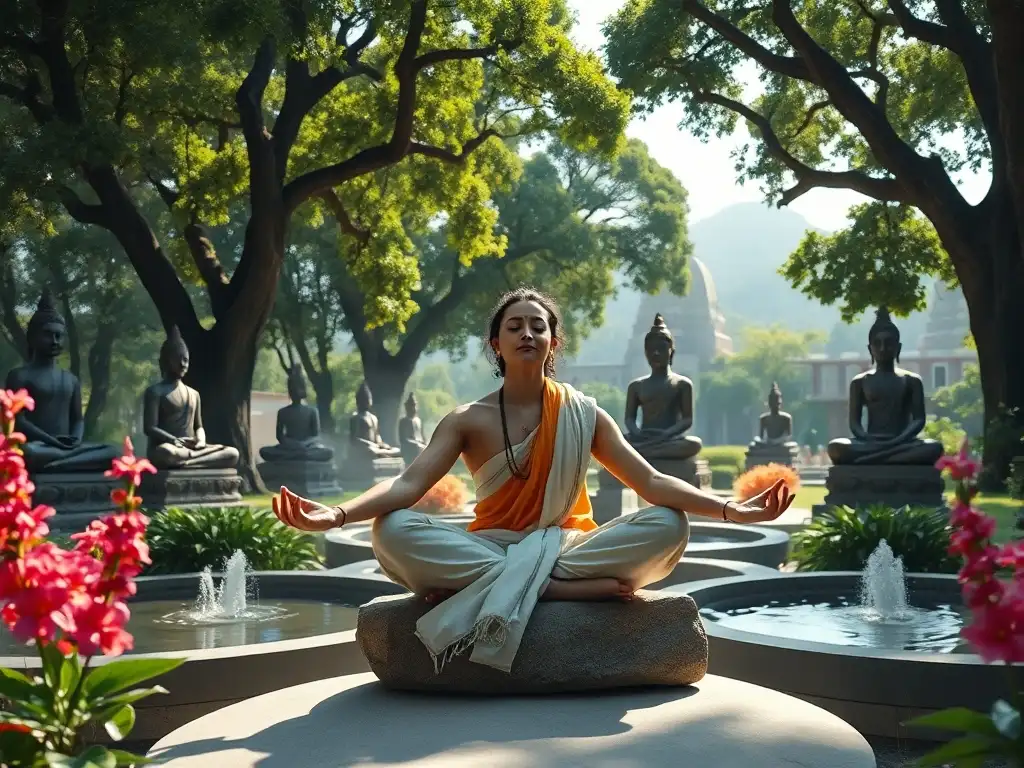
Welcome to Ancient India History, where we embark on a fascinating journey through the rich tapestry of ancient Indian civilizations. In this exploration, we delve deep into the profound influence of Jainism on modern spirituality, uncovering how this ancient faith continues to resonate in contemporary spiritual movements. Prepare to be captivated by the intricate connections between past and present, as we reveal the enduring legacy of Jain principles and their transformative power in today’s world. Join us as we unravel the mysteries of ancient religions and discover their relevance in our lives today!
- Introduction to Jainism and Its Influence on Modern Spirituality
- Historical Context of Jainism
- Core Principles of Jainism
- Jainism's Influence on Modern Spirituality
- Comparative Analysis: Jainism and Other Modern Spiritual Movements
- Case Studies: Notable Modern Spiritual Leaders Inspired by Jainism
- Challenges and Misconceptions About Jainism in Modern Times
- Conclusion: The Lasting Legacy of Jainism on Modern Spirituality
- Frequently Asked Questions
- Final Reflection: The Enduring Influence of Jainism on Modern Spirituality
- Embrace the Wisdom of Jainism Today!
Introduction to Jainism and Its Influence on Modern Spirituality
Jainism, one of the oldest religions in the world, offers a profound philosophical and ethical framework that has captivated scholars, spiritual seekers, and practitioners alike. Emerging from ancient India, this rich tradition emphasizes non-violence, truth, and asceticism, forming the bedrock of its teachings. As we delve into the intricate relationship between Jainism and modern spiritual movements, we uncover how its core principles resonate with contemporary practices and beliefs.
The influence of Jainism on modern spirituality is not merely a historical curiosity; it has a significant impact on various facets of spiritual exploration today. This article will explore the foundational aspects of Jainism and its relevance in shaping the spiritual landscape of the modern world.
Overview of Jainism: Principles and Beliefs
Jainism is characterized by its unique doctrines and principles that promote a lifestyle of peace, compassion, and self-discipline. At its core are several fundamental beliefs:
- Ahimsa (Non-violence): The principle of non-violence is paramount in Jainism. Jains believe in causing no harm to any living being, which extends to thoughts, words, and actions. This commitment to non-violence informs their dietary choices, promoting vegetarianism and respect for all life forms.
- Anekantavada (Multiplicity of Viewpoints): This doctrine teaches that truth is complex and multifaceted. Jains advocate for an open-minded approach to understanding different perspectives, fostering tolerance and harmony among diverse beliefs.
- Syadvada (Conditional Predication): Complementing Anekantavada, Syadvada emphasizes that statements about reality are conditional and can be understood from various angles. This principle encourages dialogue and reduces dogmatism.
- Asceticism and Spiritual Purity: Jains practice rigorous asceticism, which involves self-discipline and renunciation of material possessions to achieve spiritual purity. This pursuit of liberation (moksha) is a central goal in Jain philosophy.
These principles not only guide the daily lives of Jains but also serve as a bridge to various modern spiritual practices that emphasize mindfulness, ethical living, and interconnectedness.
Importance of Understanding Jainism in the Context of Modern Spiritual Movements
Understanding Jainism is crucial to appreciating its influence on modern spiritual movements. As contemporary society grapples with ecological crises and social injustices, the Jain emphasis on non-violence and respect for all life offers meaningful guidance. Moreover, the principles of Anekantavada and Syadvada resonate with the pluralistic nature of modern spirituality, where diverse beliefs coexist and thrive.
- Environmental Consciousness: With growing awareness of environmental issues, Jainism's reverence for nature and all living beings inspires many modern movements advocating for sustainability and ecological responsibility.
- Ethical Living: The Jain commitment to ethical living and non-attachment aligns with many modern spiritual practices that emphasize mindfulness and conscious consumption, appealing to those seeking a more meaningful existence.
- Interfaith Dialogue: Jainism's principles encourage understanding and dialogue among various spiritual traditions, fostering a climate of respect and cooperation in an increasingly diverse world.
By exploring the enduring legacy of Jainism, we can better understand its contributions to the tapestry of modern spirituality, revealing pathways for personal growth and collective healing.
Historical Context of Jainism

Origins of Jainism in Ancient India
Jainism traces its roots back to the ancient civilizations of India, with its origins believed to date back to the 6th century BCE, around the same time as Buddhism. The religion is characterized by its emphasis on non-violence (ahimsa), truth (satya), and asceticism. Jain tradition asserts that Jainism has always existed, but historical evidence suggests that it began to gain prominence during the lifetime of its 24th Tirthankara, Mahavira.
Key Characteristics of Jainism's Origins:
- Tirthankaras: Jainism identifies 24 Tirthankaras, spiritual teachers who have attained liberation (moksha). Mahavira is the most notable among them, having lived from 599 to 527 BCE.
- Non-violence: The principle of ahimsa is central to Jain belief, influencing their dietary practices and lifestyle. Jains are strict vegetarians, and many avoid root vegetables to prevent harm to living organisms in the soil.
- Ascetic Practices: Early Jains practiced rigorous asceticism, which included fasting, meditation, and renunciation of worldly possessions. This laid the groundwork for the spiritual discipline valued in Jainism today.
The Indus Valley Civilization (c. 3300–1300 BCE) provides some archaeological evidence that hints at early forms of Jain-like beliefs, particularly in the emphasis on non-violence and reverence for life. However, the formal establishment of Jainism as a distinct religion is attributed to Mahavira and his teachings.
Key Figures in Jain History and Their Contributions
Throughout its long history, Jainism has been shaped by several influential figures who have contributed to its philosophy, teachings, and practices. Among them are:
- Mahavira (599–527 BCE):
- Role: The 24th Tirthankara and the most significant figure in Jainism.
- Contributions:
- Established the core principles of Jain philosophy, emphasizing non-violence, truth, and asceticism.
- Organized the community and laid down the framework for Jain monastic orders.
- Gautama (Ganadhara):
- Role: Mahavira's chief disciple and one of the first followers of Jainism.
- Contributions:
- Played a crucial role in compiling the teachings of Mahavira.
- His discourses contributed to the establishment of Jain scriptures.
- Aadishankaracharya (8th Century CE):
- Role: While primarily known for Advaita Vedanta, his interactions with Jainism influenced philosophical discourse.
- Contributions:
- Engaged in dialogues with Jain philosophers, which enriched the understanding and mutual respect between different Indian religious traditions.
- Rishabhadeva (1st Tirthankara):
- Role: Considered the first Tirthankara and an important figure in Jain cosmology.
- Contributions:
- Associated with the establishment of the Jain community and the propagation of its ethical values.
These figures not only solidified Jain theological concepts but also ensured the transmission of Jain teachings through generations, impacting both religious and cultural landscapes in India.
Evolution of Jainism Through the Ages
The evolution of Jainism has been marked by various phases, adapting to changing social, cultural, and political landscapes while maintaining its core principles.
Key Phases in the Evolution of Jainism:
- Early Development (6th Century BCE – 1st Century CE):
- Jainism gained traction alongside Buddhism, with both religions promoting non-violence and asceticism.
- The establishment of monastic orders and the compilation of Jain scriptures (Agamas) marked this era.
- Medieval Period (1st Century CE – 16th Century CE):
- Jainism flourished under various dynasties such as the Mauryas and the Guptas, leading to increased patronage and the construction of temples.
- Notable texts and commentaries were produced, which further elucidated Jain philosophy.
- Modern Era (16th Century CE – Present):
- The colonial period posed challenges, leading to a revival and reformation of Jain practices.
- A focus on social reform and adaptation to modernity has characterized contemporary Jain communities, with an emphasis on education, environment, and social justice.
Jainism's adaptability has allowed it to maintain relevance in modern spiritual movements. Its influence is seen in various contemporary practices emphasizing non-violence and ethical living, resonating with the global shift towards sustainable and compassionate lifestyles.
Jainism's historical context, key figures, and evolution illustrate its profound influence on modern spirituality, particularly in promoting values that align with contemporary ethical concerns. Understanding Jainism's rich history provides valuable insights into its ongoing relevance in today's spiritual landscape.
Core Principles of Jainism
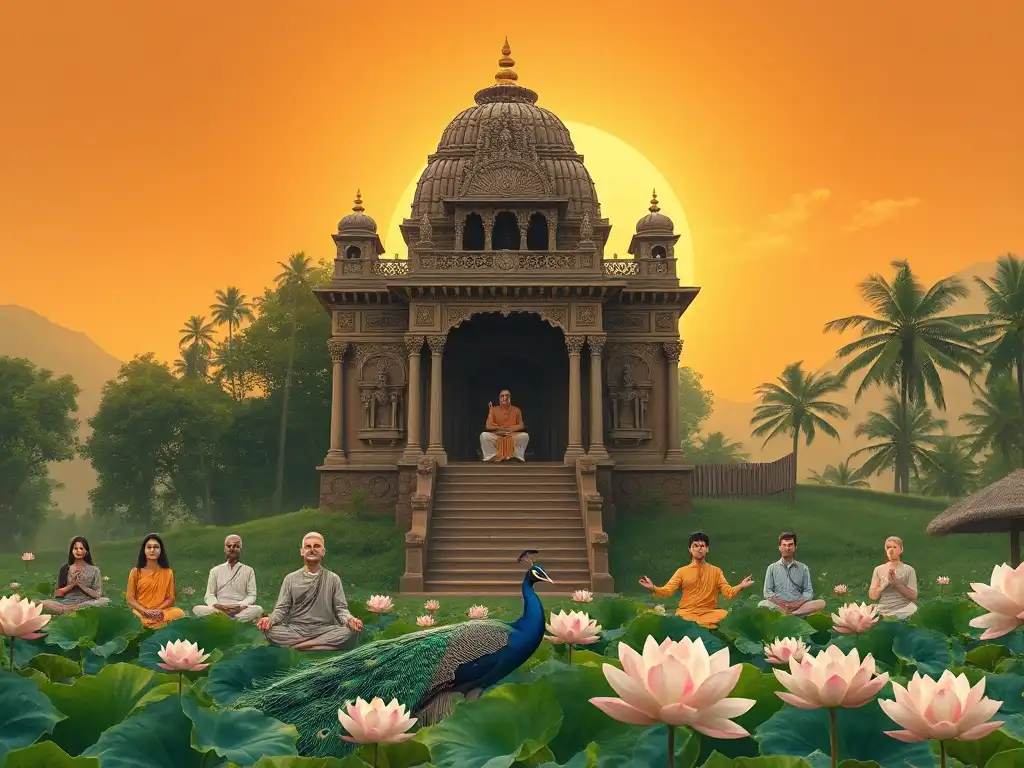
Jainism, one of the oldest religions in the world, is characterized by its profound ethical and philosophical principles that have significantly influenced modern spirituality. Understanding these core principles is crucial to appreciating Jainism's impact on contemporary spiritual movements. The three primary tenets of Jain philosophy—Ahimsa, Anekantavada, and Aparigraha—serve as foundational concepts that guide the practice and beliefs of Jains, as well as inspire many modern spiritual seekers.
The Concept of Ahimsa: Non-violence in Jain Philosophy
Ahimsa, or non-violence, is the cornerstone of Jain philosophy and is considered the highest ethical virtue. This principle extends beyond mere physical non-violence; it encompasses thoughts, words, and actions. Jains believe that every living being possesses a soul, and harming any form of life—be it a human, animal, or plant—results in negative karmic consequences.
- Historical Context: The emphasis on Ahimsa can be traced back to the teachings of Mahavira, the 24th Tirthankara, who advocated for compassion and respect for all forms of life. His life exemplified strict adherence to this principle, including vegetarianism and non-harmful practices.
- Modern Influence: The influence of Ahimsa is evident in modern spiritual movements, such as those led by Mahatma Gandhi. His philosophy of non-violent resistance drew heavily from Jain teachings, demonstrating how ancient principles can inspire contemporary social and political movements.
- Practical Application: Practicing Ahimsa involves mindfulness in daily activities. Jains often adopt a lifestyle that minimizes harm, which includes:
- Diet: Following a strict vegetarian or vegan diet.
- Environmental Awareness: Engaging in sustainable practices to protect all forms of life.
The Role of Anekantavada: Non-absolutism in Jain Thought
Anekantavada, or the doctrine of non-absolutism, posits that truth is multifaceted and can be understood from various perspectives. This principle encourages tolerance and open-mindedness, recognizing that no single viewpoint can claim absolute truth.
- Philosophical Significance: Anekantavada teaches that understanding arises from the acknowledgment of different viewpoints. This approach fosters dialogue and reduces conflicts, as it invites individuals to appreciate the complexity of truth.
- Influence on Modern Spirituality: The acceptance of diverse perspectives is increasingly relevant in today’s pluralistic society. Many modern spiritual movements incorporate principles of inclusivity and respect for different beliefs, reflecting the Jain philosophy of Anekantavada.
- Practical Implementation: Adopting Anekantavada in daily life encourages:
- Empathy: Understanding others’ viewpoints and experiences.
- Conflict Resolution: Approaching disagreements with an open mind and a willingness to listen.
The Significance of Aparigraha: Non-possessiveness in Spiritual Practice
Aparigraha, or non-possessiveness, emphasizes detachment from material possessions and desires. This principle encourages individuals to cultivate a mindset of minimalism and contentment, focusing on spiritual growth rather than material accumulation.
- Historical Roots: Aparigraha is rooted in the Jain understanding of karma and the belief that attachment to possessions can lead to suffering and bondage. By practicing non-possessiveness, Jains aim to achieve liberation (moksha).
- Modern Relevance: In contemporary spirituality, Aparigraha resonates with movements advocating for minimalism, sustainability, and mindfulness. By reducing attachment to material goods, individuals can foster a deeper connection to their inner selves and the world around them.
- Practical Strategies: Implementing Aparigraha involves:
- Decluttering: Simplifying one’s living space to focus on essential items.
- Mindful Consumption: Being conscious of purchasing habits and prioritizing experiences over possessions.
The core principles of Jainism—Ahimsa, Anekantavada, and Aparigraha—offer profound insights that continue to shape modern spiritual movements. By embracing these teachings, individuals can cultivate a more compassionate, inclusive, and meaningful approach to spirituality in their lives.
Jainism's Influence on Modern Spirituality
How Jain Principles Resonate with Contemporary Spiritual Movements
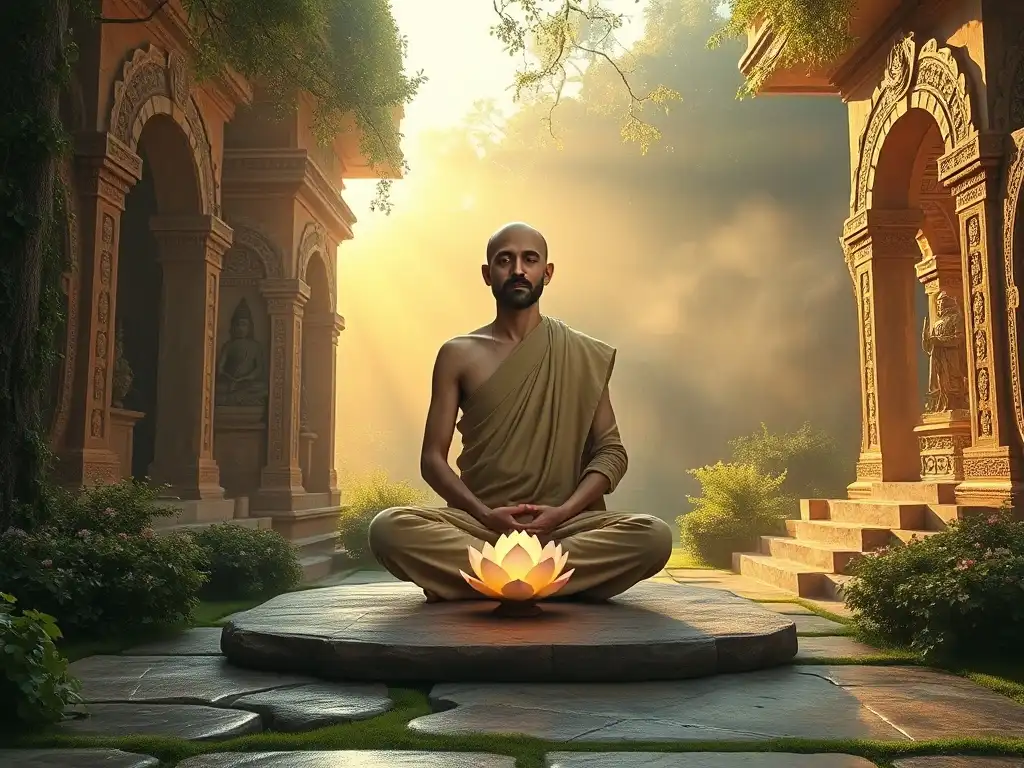
Jainism, one of the oldest religions originating in India, places a unique emphasis on non-violence ( ahimsa), truthfulness ( satya), and self-discipline ( tapas). These principles have found resonance within various contemporary spiritual movements, particularly those that advocate for peace, environmentalism, and ethical living.
- Non-Violence and Compassion: The foundational principle of ahimsa has been adopted by many modern spiritual movements that prioritize compassion for all living beings. This principle encourages followers not only to refrain from causing harm but also to actively promote the welfare of others. For instance, the vegan and animal rights movements echo Jain teachings, advocating for a lifestyle that minimizes harm to animals.
- Spiritual Pluralism: Jainism's acceptance of multiple viewpoints and beliefs aligns with the growing trend of spiritual pluralism in modern society. Many contemporary spiritual movements encourage individuals to draw from various traditions, promoting an inclusive approach to spirituality that is reminiscent of Jain teachings on the interconnectedness of all life.
- Inner Transformation: Jains emphasize self-reflection and inner transformation as a means to achieve spiritual enlightenment. This focus is mirrored in modern spiritual practices that advocate for personal growth through introspection and meditation, allowing individuals to cultivate a deeper understanding of themselves and their place within the universe.
The Impact of Jainism on Mindfulness and Meditation Practices
Jainism has significantly influenced modern mindfulness and meditation practices, particularly through its rich traditions of meditation and self-discipline.
- Meditation Techniques: Jain meditation practices, such as dhyana, emphasize concentration and the stillness of the mind. These techniques have been integrated into contemporary mindfulness practices, which focus on being present in the moment and cultivating awareness without judgment.
- Mindfulness in Daily Life: The Jains’ commitment to mindful living—in terms of consumption, speech, and actions—can be seen in the growing emphasis on mindfulness in various spiritual and wellness movements today. This includes practices that encourage individuals to be aware of their thoughts, feelings, and actions, fostering a deeper connection to themselves and the world around them.
- Spiritual Discipline: The Jain practice of tapas or austerity has also influenced modern spiritual disciplines. Many modern spiritual movements promote the idea of self-discipline as a path to spiritual growth, advocating for practices that encourage simplicity, restraint, and a deeper connection to one’s spiritual essence.
Jain Ethics and Their Relevance in Today's Spiritual Landscape
Jainism's rigorous ethical framework remains highly relevant in today’s spiritual landscape, providing a model for ethical living that resonates with various modern movements.
- Environmental Ethics: The Jain principle of non-violence extends to ecological concerns, promoting sustainability and respect for the environment. This ethical stance is increasingly echoed in contemporary spiritual movements that advocate for ecological awareness and planetary stewardship.
- Interpersonal Relationships: Jain ethics emphasize honesty, integrity, and respect in interpersonal relationships. These values are being integrated into modern spiritual teachings that focus on community, social justice, and harmonious living.
- Personal Responsibility: Jains believe in the concept of karma, emphasizing personal responsibility for one’s actions and their consequences. This principle has found a place in modern spirituality, where individuals are encouraged to take accountability for their lives and to engage in practices that promote personal and communal well-being.
Jainism's influence on modern spirituality is profound, with its principles and ethics permeating various contemporary movements. The teachings of Jainism encourage a compassionate, mindful, and ethical approach to life that resonates with the aspirations of many individuals seeking spiritual fulfillment in today's world.
Comparative Analysis: Jainism and Other Modern Spiritual Movements
Similarities Between Jainism and Buddhism in Spiritual Practices
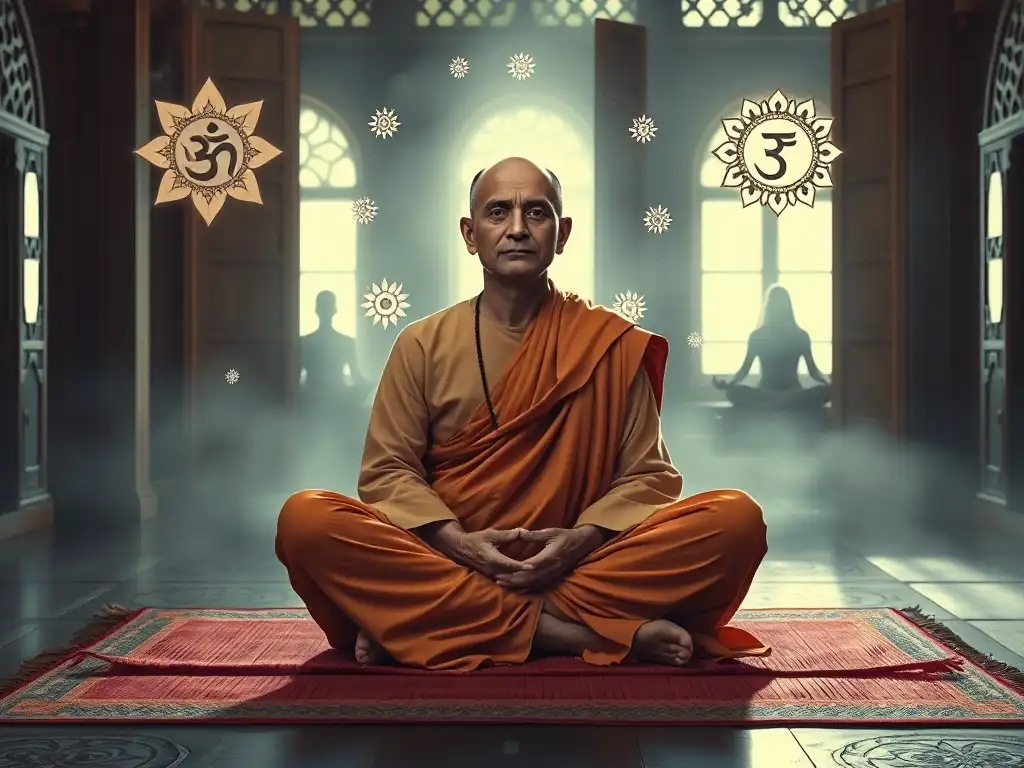
Jainism and Buddhism share a common cultural and philosophical heritage, emerging from the rich spiritual landscape of ancient India. Both religions emphasize the importance of non-violence (ahimsa), meditation, and the pursuit of liberation (moksha) from the cycle of birth and rebirth (samsara). Here are some notable similarities in their spiritual practices:
- Ahimsa (Non-Violence): Both Jainism and Buddhism advocate for non-violence in thought, word, and deed. This principle is foundational to their ethical teachings, influencing followers to adopt vegetarianism and mindfulness in their interactions with all living beings.
- Meditation and Mindfulness: Meditation is a crucial aspect of both traditions. Jains practice various forms of meditation, such as dhyana, to achieve a state of inner peace and clarity. Similarly, Buddhism emphasizes mindfulness and concentration practices to cultivate awareness and insight.
- Detachment from Materialism: Both religions encourage renunciation of worldly attachments to achieve spiritual enlightenment. Jains often practice asceticism, while Buddhists may follow the Middle Path, balancing renunciation with engagement in the world.
- Karma and Rebirth: Jainism and Buddhism both teach the doctrine of karma, where actions in this life determine the nature of future existences. They emphasize ethical living as a means to purify the soul and attain liberation.
Despite these similarities, the two traditions also possess unique doctrines and practices that reflect their distinct identities.
Jainism’s Influence on New Age Spirituality
The principles of Jainism have significantly influenced New Age spiritual movements, particularly in their approach to ethics, environmentalism, and holistic living. Here are some key aspects of this influence:
- Emphasis on Non-Violence: The Jain practice of ahimsa resonates with the New Age ethos of promoting peace and compassion. Many New Age practitioners adopt vegetarianism and advocate for animal rights, mirroring Jain principles.
- Holistic Health and Wellness: Jainism’s focus on purity and self-discipline has contributed to the New Age movement's interest in holistic health practices. This includes dietary restrictions, meditation, and yoga, which are seen as pathways to spiritual and physical well-being.
- Environmental Awareness: The Jain belief in the interconnectedness of all life forms has inspired many within the New Age movement to adopt environmentally-conscious practices. This includes sustainable living, conservation efforts, and respect for nature.
- Spiritual Pluralism: Jainism’s acceptance of multiple paths to truth resonates with the New Age belief in spiritual pluralism, where diverse spiritual practices and beliefs are valued. This encourages a synthesis of various traditions, fostering a more inclusive spiritual community.
Contrasts Between Jainism and Western Spiritual Traditions
While Jainism shares common ground with several spiritual movements, it also stands in contrast to many Western spiritual traditions. Here are some notable differences:
- Concept of God: Jainism is a non-theistic religion that does not center around a creator deity. In contrast, many Western religions, such as Christianity and Islam, emphasize the existence of a singular, omnipotent God who is actively involved in the world.
- Salvation and Liberation: In Jainism, liberation is achieved through personal effort and ethical living, focusing on self-purification. In contrast, many Western traditions view salvation as a gift from God, often reliant on faith and divine grace.
- Material World: Jainism regards the material world as an illusion that binds the soul in suffering, leading practitioners to renounce worldly possessions. Western spiritual traditions, such as those found in certain strands of Christianity, may embrace the material world as a creation of God, encouraging engagement rather than renunciation.
- Ritual Practices: Jain rituals are deeply rooted in the pursuit of spiritual purity and ethical living, often involving complex rituals and ascetic practices. Many Western spiritual traditions may emphasize communal worship and the importance of sacraments, which differ significantly from Jain practices.
Jainism presents a unique spiritual framework that, while sharing similarities with various modern spiritual movements, also maintains distinct contrasts, enriching the dialogue around spirituality in contemporary society.
Case Studies: Notable Modern Spiritual Leaders Inspired by Jainism
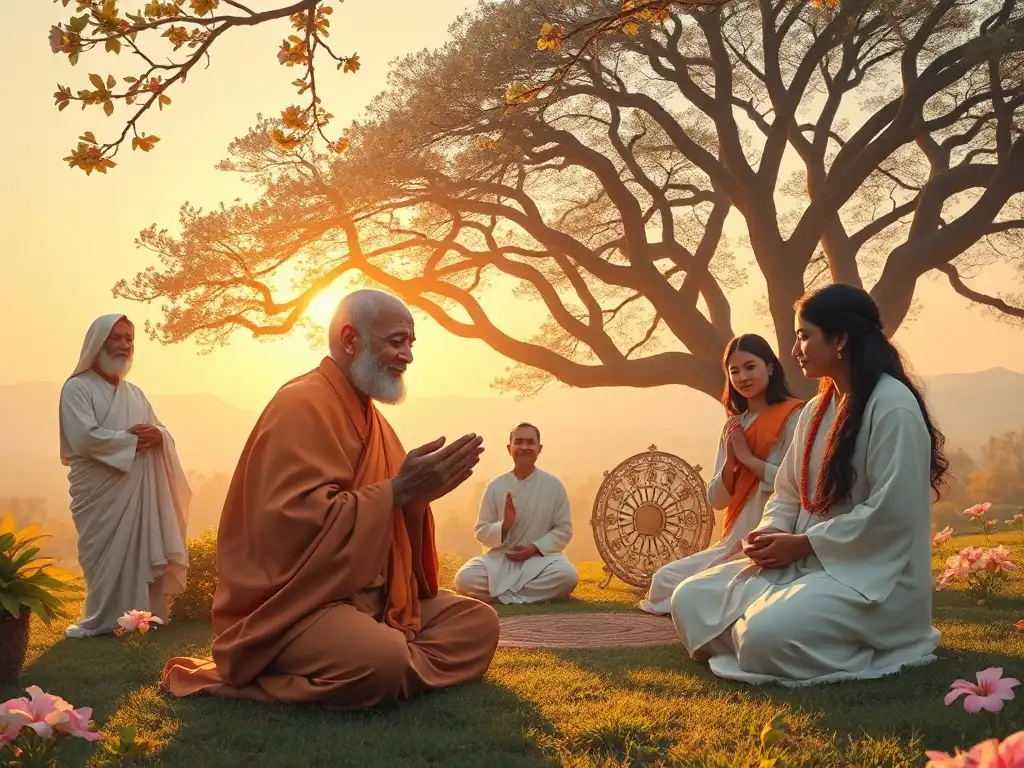
Influential Figures and Their Adoption of Jain Principles
Jainism, with its profound emphasis on non-violence (ahimsa), truth (satya), and asceticism, has significantly influenced various modern spiritual leaders and movements. One of the prominent figures inspired by Jain philosophy is Mahatma Gandhi, who integrated the principle of ahimsa into his activism for India's independence. Gandhi’s commitment to non-violence and passive resistance was heavily influenced by Jain teachings, reflecting a deep respect for all living beings and the interconnectedness of life.
Another notable figure is A. C. Bhaktivedanta Swami Prabhupada, the founder of the International Society for Krishna Consciousness (ISKCON). While rooted in Vaishnavism, Prabhupada acknowledged the contributions of Jainism towards spiritual consciousness, particularly the importance of vegetarianism and non-violence, which are integral to both Jain and modern spiritual practices.
In contemporary spirituality, Deepak Chopra has also drawn from Jain concepts, emphasizing mindfulness and the interconnectedness of existence. His holistic approach to health and wellness resonates with Jain philosophies that advocate for a balanced lifestyle, promoting mental, physical, and spiritual well-being. Chopra's teachings often reflect the essence of Jainism’s reverence for life, promoting compassion and ethical living.
Modern Spiritual Communities Integrating Jain Practices
Several modern spiritual communities have begun to integrate Jain principles into their practices, reflecting a growing appreciation for its teachings. These communities often emphasize ethical vegetarianism, mindfulness, and meditative practices, recognizing their roots in Jainism.
- Mindfulness Organizations: Many mindfulness groups have adopted Jain meditative techniques, focusing on self-awareness and the practice of non-attachment. This aligns with the Jain belief in renouncing material desires to attain spiritual liberation.
- Sustainable Living Communities: Inspired by Jainism's respect for all forms of life, numerous sustainable living collectives promote eco-friendly practices and vegetarian diets. These communities advocate for a lifestyle that minimizes harm to the environment, mirroring Jain values that prioritize harmony with nature.
- Yoga and Wellness Retreats: Yoga communities often incorporate Jain principles into their teachings, particularly the aspects of non-violence and self-discipline. Retreats focusing on spiritual growth frequently include practices that echo Jain rituals, such as fasting and community service, reinforcing the importance of compassion and self-improvement.
The influence of Jainism on modern spirituality is observable through a variety of leaders and communities that adopt its core principles, fostering a global movement towards a more compassionate and ethical way of living. This integration of Jain teachings into contemporary practices not only highlights their relevance but also enriches the spiritual landscape of today.
Challenges and Misconceptions About Jainism in Modern Times
Jainism, one of the oldest religions originating in India, has a profound influence on modern spirituality, yet it faces numerous challenges and misconceptions in contemporary discourse. Understanding these challenges is crucial to appreciating Jainism's contributions to spiritual movements today.
Common Misunderstandings of Jain Philosophy
Despite its rich philosophical foundation, Jainism is often misunderstood. Here are some of the most prevalent misconceptions:
- Asceticism as the Only Path: Many perceive Jainism solely as a religion of extreme asceticism. While ascetic practices are significant, they represent only one aspect of Jain philosophy, which emphasizes the pursuit of knowledge, compassion, and non-violence ( ahimsa).
- Detachment from Life: Another common misunderstanding is that Jains advocate complete detachment from the world. In reality, Jain teachings encourage engagement with the world through ethical conduct and responsibility while cultivating a sense of detachment from material possessions and desires.
- Jainism as a Sect of Hinduism: Some mistakenly categorize Jainism as a sect of Hinduism. While both religions share cultural and historical roots, Jainism is an independent tradition with its own scriptures, beliefs, and practices, such as the concept of soul ( jiva) and the importance of karma.
- Misconceptions about Non-Violence: Jainism's emphasis on non-violence is often oversimplified. The principle of ahimsa extends beyond physical harm to include thoughts, words, and actions, promoting a comprehensive approach to compassion that is often overlooked.
- Limited Global Influence: Contrary to the belief that Jainism is a localized religion, its principles have significantly influenced various global spiritual movements, especially those advocating for environmental sustainability and animal rights.
The Need for Accurate Representation of Jainism in Spiritual Discourse
Accurate representation of Jainism is vital for fostering a deeper understanding of its principles and their relevance in contemporary spiritual contexts. Here are a few reasons why this is important:
- Interfaith Dialogue: As modern spirituality increasingly embraces interfaith dialogue, a nuanced understanding of Jainism can promote respect and collaboration among diverse spiritual traditions. This understanding can lead to richer discussions on ethics, sustainability, and social responsibility.
- Influence on Modern Spiritual Movements: Jainism's focus on non-violence and ecological awareness resonates strongly with modern spiritual movements addressing climate change and animal rights. Highlighting these connections can enhance the visibility of Jain contributions in wider spiritual conversations.
- Educational Initiatives: There is a pressing need for educational initiatives that accurately represent Jain philosophy and practices in academic and spiritual curricula. This can help dispel myths and promote a more comprehensive understanding of Jainism among students and practitioners of other faiths.
- Cultural Sensitivity: As global interest in spirituality grows, it is essential to approach Jainism with cultural sensitivity. Misrepresentation can lead to appropriation or misunderstanding of its teachings, undermining its significance and integrity.
Addressing the challenges and misconceptions surrounding Jainism is crucial for appreciating its profound influence on modern spirituality. By fostering accurate representation and understanding, we can celebrate Jainism’s contributions to ethical living, compassion, and holistic spirituality in today's world.
Conclusion: The Lasting Legacy of Jainism on Modern Spirituality
Jainism, with its profound philosophical underpinnings and ethical teachings, continues to exert a significant influence on modern spirituality. Its emphasis on non-violence (Ahimsa), truth (Satya), and asceticism has permeated various contemporary spiritual movements, inviting individuals to reconsider their relationship with themselves, others, and the environment.
The principles of Jainism advocate for a way of life that promotes harmony and respect for all living beings. This holistic approach resonates deeply with the core values of many modern spiritual paths, fostering an inclusive atmosphere where diverse traditions can thrive. The teachings of Jainism encourage individuals to cultivate mindfulness, compassion, and ethical living, which are vital components of contemporary spiritual practice.
Future Directions for Jainism and Its Role in Global Spirituality
As globalization continues to shape spiritual landscapes, Jainism stands to play a crucial role in enriching the dialogue among various religious and philosophical traditions. The rise of eco-spirituality, characterized by a focus on environmental stewardship and sustainable living, aligns harmoniously with Jain principles that emphasize reverence for life and the interconnectedness of all beings.
In the future, Jainism's teachings could serve as a guiding framework for addressing pressing global issues such as climate change, social justice, and ethical consumption. By integrating Jain values into broader spiritual movements, practitioners can find inspiration in the tradition's commitment to preserving life and promoting harmony.
Moreover, the digital age offers new platforms for the dissemination of Jain teachings, allowing for greater accessibility and engagement. Online communities and social media can facilitate discussions that highlight Jainism's relevance in contemporary society, fostering a renewed interest in its practices and philosophies among a global audience.
Final Thoughts on Embracing Jainism's Principles Today
In a world increasingly marked by conflict and disconnection, the principles of Jainism offer a path towards inner peace and communal harmony. By embracing values such as non-violence, compassion, and self-discipline, individuals can cultivate a deeper sense of purpose and responsibility.
Jainism's influence on modern spirituality is not merely a historical curiosity; it represents a living tradition that continues to inspire and guide practitioners today. As individuals seek meaning in their lives, the ethical framework provided by Jainism can serve as a beacon of light, illuminating the path toward spiritual fulfillment and ethical living.
The enduring legacy of Jainism is a testament to its relevance in the modern spiritual landscape. By integrating Jain principles into contemporary practices, individuals can contribute to a more compassionate and interconnected world, ultimately enhancing the rich tapestry of global spirituality.
Frequently Asked Questions
What is Jainism and its core beliefs?
Jainism is an ancient Indian religion emphasizing non-violence (ahimsa), truth, and asceticism. It teaches that every living being has a soul and that spiritual liberation can be achieved through ethical living and self-discipline.
How has Jainism influenced modern spirituality?
Jainism has profoundly impacted modern spiritual movements by promoting values of peace, compassion, and tolerance. Its teachings encourage adherents to explore their own spirituality and develop a connection with the universe.
What are some similarities between Jainism and other spiritual movements?
Many modern spiritual movements share core principles with Jainism, such as non-violence, mindfulness, and personal growth. These shared values foster an environment for dialogue and understanding among diverse spiritual paths.
How does Jainism view the concept of karma?
In Jainism, karma is seen as a fundamental principle influencing the cycle of birth and rebirth (samsara). The pursuit of spiritual enlightenment involves understanding and transcending karma through righteous actions and intentions.
Why is Jainism considered significant in the study of ancient Indian civilizations?
Jainism is crucial for understanding ancient Indian civilizations due to its rich philosophical frameworks and ethical teachings. Its influence on art, culture, and social practices continues to resonate in modern spiritual and ethical discussions today.
Final Reflection: The Enduring Influence of Jainism on Modern Spirituality
Jainism's principles of non-violence, truth, and asceticism resonate profoundly in today's world, where spiritual seekers are increasingly drawn to practices that promote inner peace and ethical living. As modern spirituality evolves, the teachings of Jainism provide a timeless framework that encourages individuals to cultivate compassion and mindfulness in their daily lives. The relevance of these ancient teachings in contemporary spiritual movements underscores the importance of understanding and embracing diverse philosophical traditions.
The impact of Jainism on modern spirituality is not merely historical; it continues to shape cultural dialogues and personal practices across the globe. The emphasis on non-violence (ahimsa) and respect for all living beings has inspired countless individuals to adopt more sustainable and ethical lifestyles.
As the renowned spiritual leader Mahatma Gandhi once said, "> The greatness of a nation and its moral progress can be judged by the way its animals are treated." This quote encapsulates the essence of Jainism's influence, reminding us that our spiritual journeys are deeply intertwined with our ethical responsibilities toward all forms of life.
As you reflect on the teachings of Jainism and their relevance to modern spirituality, consider how these principles can enrich your own life. Embrace the call to practice compassion, mindfulness, and ethical living in your daily interactions. By integrating these values into your personal journey, you not only honor the wisdom of Jainism but also contribute to a more harmonious and spiritually aware world. Let this be an invitation to explore the profound connections between ancient wisdom and contemporary spiritual practices, and to become a beacon of peace and understanding in your community.
Embrace the Wisdom of Jainism Today!
Thank you for diving into the enriching world of Jainism and its influence on modern spiritual movements! You’ve uncovered the timeless principles that encourage **mindfulness**, **non-violence**, and **inner peace**. Now, it’s time to take this valuable knowledge and put it into action.
Here are a few ways you can deepen your connection to Jain teachings and share this wisdom with others:
- Practice mindfulness: Dedicate just 10 minutes a day to meditation or reflection — let the principles of Jainism guide your thoughts.
- Engage with a community: Join local or online groups focused on Jain teachings to explore discussions and ideas that resonate with contemporary spirituality.
- Share your insights: Spark conversations with friends or on social media about what you’ve learned — you never know who it might inspire!
What aspect of Jainism resonates with you the most, and how can you incorporate it into your daily life? Let's discuss in the comments!