
Dance of the Gods: Mythology and Movement in Ancient Indian Dance Forms

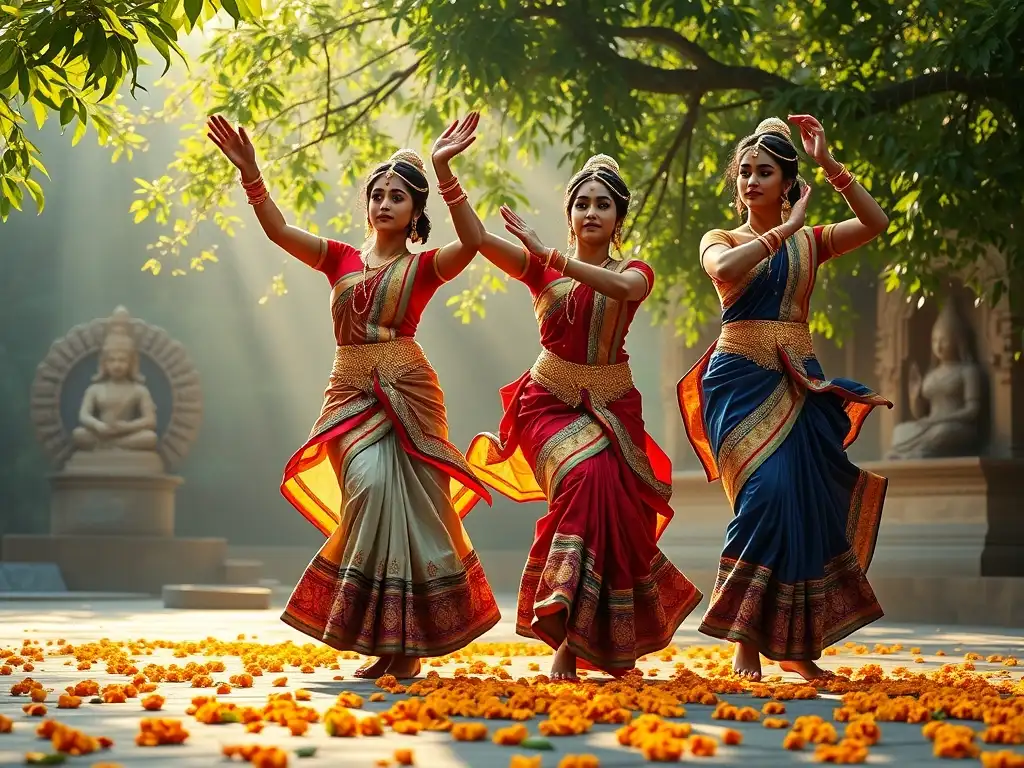
Welcome to Ancient India History! Here, you will embark on an enthralling journey through the rich tapestry of ancient Indian civilizations, uncovering their profound impact on culture and art. Dive into our main article, "Dance of the Gods: Mythology and Movement in Ancient Indian Dance Forms," where we explore the captivating world of ancient Indian dance mythology.
Discover how each graceful movement tells a story steeped in tradition and spirituality, inviting you to understand the divine connection between art and mythology. Prepare to be inspired and intrigued as you delve deeper into the vibrant history that shaped these mesmerizing art forms!
Introduction to Ancient Indian Dance Mythology
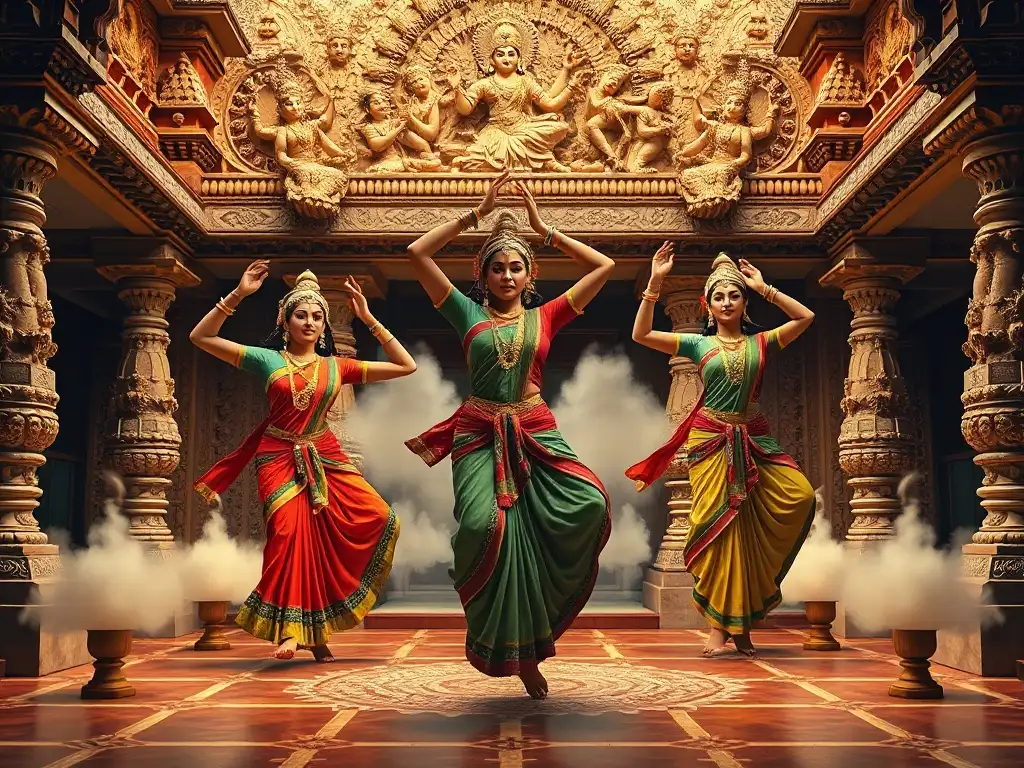
The captivating world of Ancient Indian dance mythology serves as a profound reflection of the rich cultural tapestry woven throughout India's history. Dance in ancient India was not merely a form of entertainment; it was an intricate language of expression, deeply embedded in the spiritual and mythological narratives of the time.
From the rhythmic footfalls of temple dancers to the graceful movements that depicted epic tales, ancient Indian dance forms are an essential aspect of the civilization's artistic heritage. This article delves into the mythology that underpins these dance forms, exploring how they not only entertain but also convey deep philosophical and spiritual meanings.
Overview of Ancient Indian Dance
Ancient Indian dance encompasses a variety of styles, each with its own unique characteristics and historical significance. Major classical dance forms such as Bharatanatyam, Kathak, Odissi, and Kuchipudi have evolved over centuries, drawing inspiration from sacred texts, mythology, and the socio-political landscape of their times. Here are some key points regarding the overview of these dance forms:
- Bharatanatyam: Originating from Tamil Nadu, this dance form is characterized by intricate footwork and expressive hand gestures, often narrating stories from Hindu mythology.
- Kathak: Known for its narrative style, Kathak incorporates elements of storytelling through dance, with influences from both Hindu and Mughal traditions.
- Odissi: This dance from Odisha is distinguished by its graceful movements and sculpturesque poses, often depicting devotional themes.
- Kuchipudi: Hailing from Andhra Pradesh, Kuchipudi features dynamic expressions and combines drama with dance.
These styles not only represent the artistic skills of the dancers but also serve as a medium to transmit cultural narratives across generations.
Significance of Mythology in Dance Forms
Mythology plays a pivotal role in shaping the narrative and thematic content of ancient Indian dance forms. Each performance is often a retelling of mythological stories, serving to educate and inspire audiences. The significance can be summarized as follows:
- Cultural Preservation: Dance acts as a vessel for preserving ancient stories, traditions, and values, ensuring they are passed down through generations.
- Spiritual Connection: Many dance forms are performed in temples or during religious festivals, reinforcing the spiritual connection between the divine and human experience.
- Emotional Expression: Through various mudras (hand gestures) and abhinaya (expression), dancers convey a range of emotions, embodying the characters they portray and bringing stories to life.
Historical Context of Ancient Indian Dance
Understanding the historical context of ancient Indian dance is crucial to appreciate its evolution and significance. The roots of these dance forms can be traced back to the Vedic period, where dance was an integral part of rituals and ceremonies.
Evolution of Dance in Ancient India
The evolution of dance in ancient India is marked by significant phases, influenced by various dynasties and cultural exchanges. Key points in this evolution include:
- Vedic Period: Dance was primarily religious, linked to rituals and sacrifices, as seen in the Vedas.
- Gupta Period: Often referred to as the Golden Age of India, this era saw the flourishing of the arts, including dance, with the establishment of numerous texts on dance and performance.
- Influence of Regional Styles: As various regions developed their distinct dance styles, they incorporated local myths and legends, enriching the overall tapestry of Indian dance.
Influence of Religion and Spirituality on Dance
The connection between dance and spirituality in ancient India is profound. Dance was often seen as a means to connect with the divine, and its movements were believed to embody the essence of sacred texts. The influences can be highlighted as follows:
- Religious Rituals: Many dances were performed as offerings to gods and goddesses, with specific movements and sequences dedicated to deities.
- Philosophical Themes: Dance often portrayed philosophical concepts, such as the cycle of life and the interplay between the mortal and the divine.
- Cultural Festivals: Festivals and religious gatherings provided platforms for dance performances, reinforcing community bonds and cultural identity.
The study of ancient Indian dance mythology reveals a complex interplay of art, spirituality, and cultural heritage that continues to inspire and resonate with audiences today. As we journey deeper into this topic, we will uncover more about the myriad dance forms and the mythological stories they tell.
Major Ancient Indian Dance Forms
Ancient Indian dance forms are deeply intertwined with the cultural and spiritual fabric of the civilization. Each dance form is a unique expression that tells stories, conveys emotions, and honors the divine. These dances often originate from religious rituals and celebrations, serving as a bridge between the earthly and the divine. The major ancient Indian dance forms include:
- Bharatanatyam: Rooted in Tamil Nadu, Bharatanatyam is one of the oldest classical dance forms, characterized by intricate footwork, expressive hand gestures (mudras), and facial expressions (abhinaya). This dance form traditionally depicted mythological narratives and spiritual themes, often performed in temples as a means of worship.
- Kathak: Originating from the northern regions of India, Kathak is known for its storytelling prowess. With its rapid footwork, spins, and expressive hand movements, Kathak dancers narrate tales from Hindu epics such as the Ramayana and Mahabharata. The dance form’s fluidity and grace reflect themes of love, devotion, and the divine play (lila) of gods.
- Odissi: Hailing from Odisha, Odissi is distinguished by its graceful movements and lyrical expressions. This dance form is often performed in temples and is dedicated to Lord Jagannath and other deities. The unique posing (tribhangi) and intricate footwork symbolize devotion and beauty, embodying the essence of divine love.
Bharatanatyam: The Dance of the Temple
Bharatanatyam is often referred to as the dance of the temple, with its origins tracing back over 2,000 years to the temples of Tamil Nadu. This classical dance form is steeped in tradition, combining expressive storytelling with intricate movements.
At the heart of Bharatanatyam is its emphasis on natyashastra, the ancient treatise on performing arts. The dance form includes three main components: Nritta (pure dance), Nritya (expressive dance), and Natya (dramatic storytelling). Each performance tells a story, often revolving around the lives of deities, showcasing their virtues and divine exploits.
The attire of Bharatanatyam is as striking as the dance itself, with dancers adorned in vibrant silk sarees, intricate jewelry, and elaborate makeup, all contributing to the spiritual ambiance of the performance. The use of nritta provides a visual representation of rhythmic patterns, while nritya employs facial expressions to convey emotions, making it a holistic art form that communicates both physically and spiritually.
Kathak: The Storytelling Dance
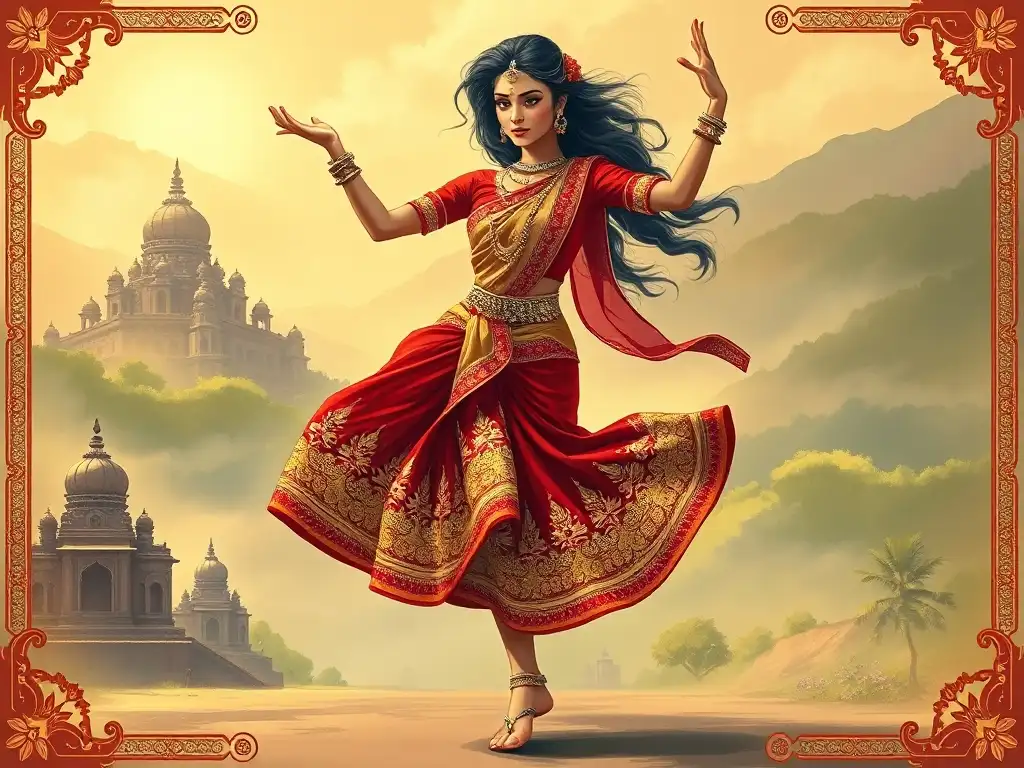
Kathak, one of the most popular classical dance forms of India, is characterized by its narrative style. Its roots can be traced back to the temples of North India, where it was initially performed as a means of storytelling.
The term "Kathak" itself is derived from the Sanskrit word katha, meaning story. Dancers, known as Kathakars, would narrate tales from Hindu mythology, focusing on the exploits of gods and goddesses, particularly Lord Krishna. The dance form employs swift footwork, intricate spins, and expressive gestures, allowing the dancer to embody various characters and emotions.
Kathak performances often include both nritta and nritya, with the former showcasing rhythmic footwork and the latter emphasizing facial expressions and storytelling. The influence of Persian and Mughal cultures can also be seen in Kathak, particularly in its costumes and music, which adds to the rich tapestry of this dance form.
Odissi: The Sacred Dance of Odisha
Odissi, one of the oldest classical dance forms of India, is primarily associated with the temples of Odisha. This dance form is notable for its spiritual themes and the representation of various deities through intricate movements and poses.
Odissi performances often depict the love stories of Lord Krishna and Radha, showcasing the divine union of the human soul with the divine. The dance is characterized by its graceful movements, elaborate footwork, and the use of tribhangi posture, which symbolizes the three bends of the body and represents beauty and devotion.
The lyrical quality of Odissi is enhanced by the accompanying music, which typically features traditional instruments and melodic patterns. The attire, often adorned with intricate jewelry and vibrant fabrics, adds to the visual splendor of the performance, celebrating the sacred connection between the dancer and the divine.
The Role of Deities in Ancient Indian Dance
In ancient Indian dance forms, deities play a pivotal role, serving as both inspiration and central figures in the narratives conveyed through movement. The intertwining of dance and spirituality is a hallmark of these art forms, creating a profound connection between the performer and the divine.
Representation of Gods and Goddesses
Each ancient Indian dance form often features representations of various gods and goddesses, serving to honor and invoke their presence. Dancers embody these deities through specific postures, gestures, and facial expressions, allowing the audience to witness divine stories brought to life.
For instance, in Bharatanatyam, a dancer might depict the grace of Goddess Durga or the playful antics of Lord Krishna, utilizing mudras and expressions to convey their divine qualities. Similarly, Kathak often tells tales of Radha and Krishna’s love, using dynamic movements to illustrate their relationship.
Dance as a Form of Worship
Dance in ancient India was not merely an art form but a powerful means of worship. Performances were often conducted in temples, transforming the stage into a sacred space where the divine could be honored through movement.
These dances were considered an offering to the deities, with the performers seeking to please them and attain spiritual fulfillment. Each gesture, rhythm, and expression was imbued with devotion, making dance a vital component of religious ceremonies and festivals. This sacred aspect of dance continues to resonate in contemporary performances, highlighting the enduring legacy of ancient Indian dance forms as expressions of spirituality and reverence.
Symbolism and Gestures in Ancient Indian Dance
Ancient Indian dance is characterized by its intricate movements and rich symbolism, which serve as a visual narrative of mythology and spiritual beliefs. The gestures, known as mudras, and the overall choreography are not merely for aesthetic pleasure; they embody profound meanings that connect performers with the divine. Each movement conveys specific emotions and stories, transforming the dancer into a storyteller who brings ancient myths to life.
The use of symbolism extends beyond mere gestures; it encompasses costumes, facial expressions, and rhythmic patterns that together create a holistic representation of divine themes. For instance, the depiction of gods and goddesses through dance often involves specific postures and movements that correspond to their attributes and narratives. By embodying these figures, dancers aspire to channel the essence of the divine, making the performance a spiritual experience for both the performer and the audience.
Mudras: The Language of Movement
Mudras play a pivotal role in ancient Indian dance, serving as the essential vocabulary of movement. These hand gestures are not just ornamental; each mudra carries a distinct meaning and is used to convey emotions, actions, or concepts. There are hundreds of mudras recognized in classical dance forms, each meticulously cataloged in texts such as the Natya Shastra.
The significance of mudras can be illustrated through a few key examples:
- Anjali Mudra: Often used to represent greetings or offerings, this gesture involves bringing the palms together in front of the heart.
- Abhaya Mudra: Symbolizing protection and fearlessness, this gesture is performed by raising a hand with the palm facing outward.
- Hasta Mudras: These are specific hand positions that convey various themes and narratives, often directly connected to the stories being told through the dance.
The combination of mudras with facial expressions (known as abhinaya) creates a rich tapestry of communication, allowing dancers to express complex narratives and emotions effectively.
Symbolic Representation of Myths and Legends
Ancient Indian dance forms are deeply intertwined with mythology, often representing gods, goddesses, and legendary tales through their movements. Each dance performance is a ritualistic portrayal of significant events from epics such as the Mahabharata and Ramayana, as well as local folklore.
For example, in the dance drama Kathakali, performers enact stories from Hindu mythology, using elaborate costumes and makeup to embody characters like Lord Krishna and Ravana. The movements reflect the emotional landscape of the narrative, with each step symbolizing a part of the story. Similarly, Bharatanatyam, one of the oldest classical dance forms, incorporates themes from ancient texts and religious narratives, utilizing expressive movements to convey the essence of the divine.
The symbolic representation of these myths not only preserves the cultural heritage but also serves as a means of spiritual connection, inviting the audience to delve into the divine stories that have shaped Indian civilization.
Ancient Texts and Treatises on Dance
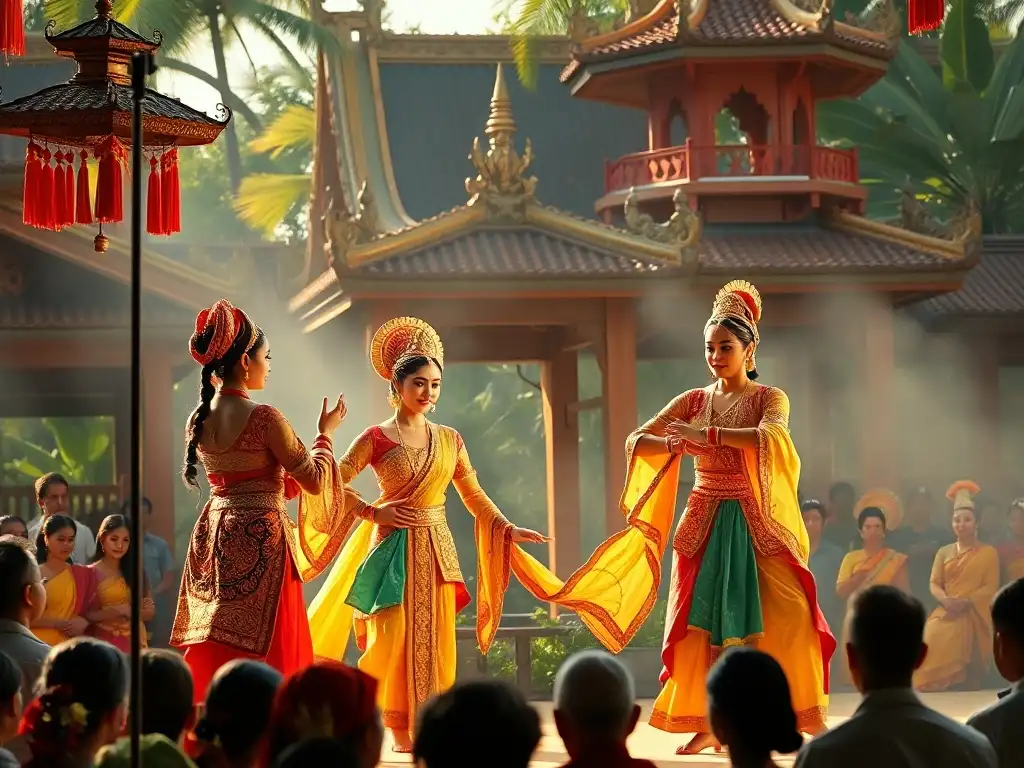
The foundation of ancient Indian dance is supported by a rich tradition of texts and treatises that articulate the principles, techniques, and philosophies underlying these art forms. These texts have been instrumental in codifying the various dance styles and ensuring their transmission through generations.
Natya Shastra: The Foundation of Indian Dance
The Natya Shastra, attributed to the sage Bharata Muni, is the most authoritative ancient text on performing arts, including dance and drama. Composed between 200 BCE and 200 CE, it provides a comprehensive framework for understanding the theory and practice of dance.
The Natya Shastra discusses various aspects of dance, including:
- Classification of Dance: It categorizes dance into different styles based on their themes and presentations.
- Mudras: The text meticulously outlines numerous mudras, their meanings, and their applications in storytelling.
- Rasa Theory: Bharata Muni introduces the concept of rasa, or emotional flavors, which are essential in conveying the emotional and spiritual experiences of the audience.
This treatise remains a crucial resource for dancers and scholars alike, preserving the rich heritage of Indian dance.
Other Historical Texts Influencing Dance Forms
In addition to the Natya Shastra, several other historical texts have played a significant role in shaping ancient Indian dance. These texts often explore the philosophical and aesthetic dimensions of dance, providing insights into its spiritual significance.
- Abhinaya Darpana: Written by Natyacharya Nandikeshvara, this text expands on the elements of abhinaya (expression) and mudras, offering detailed guidance for performers.
- Sangeet Ratnakara: Authored by Sharangadeva, this comprehensive work addresses music and dance, highlighting their interrelationship and the importance of rhythm (tala) in performance.
- Vrittiviveka: An analysis of dance styles and their respective techniques, this text contributes to the understanding of regional variations in dance forms.
Together, these texts provide a rich tapestry of knowledge that continues to influence modern interpretations and performances of ancient Indian dance, ensuring that this vibrant art form remains alive and relevant in contemporary culture.
The Cultural Impact of Ancient Indian Dance
Ancient Indian dance forms have profoundly influenced the cultural landscape of the subcontinent, serving as a medium for expression, storytelling, and spiritual connection. Rooted in the rich tapestry of mythology, these dances encapsulate narratives that resonate with the values and beliefs of society. The integration of dance and mythology is not merely artistic; it is a reflection of the socio-religious fabric of ancient India, showcasing how movement can embody divine stories and cultural heritage.
The evolution of these dance forms is closely tied to the patronage of royal courts, temples, and communities, which played a crucial role in their preservation and dissemination. Through various dynasties, dance became a vital component of public celebrations, courtly entertainment, and sacred rituals, allowing it to flourish as a respected art form. This interdependence of dance with societal structures demonstrates its significance as both a cultural artifact and a living tradition.
Dance in Festivals and Rituals
Festivals in ancient India were vibrant displays of culture where dance played a central role, often serving as a means to convey divine narratives and connect communities. Major festivals such as Navratri, Diwali, and Makar Sankranti featured specific dance forms that embodied the themes of celebration, devotion, and victory of good over evil. For instance, the Garba dance performed during Navratri honors the goddess Durga, symbolizing the triumph of light over darkness.
Ritualistic dances, such as Bharatanatyam and Odissi, were conducted in temples as offerings to deities, transforming the performers into vessels of divine expression. These performances were meticulously choreographed to align with the rhythmic beats of traditional instruments, weaving together music, movement, and spirituality. The performances not only served religious purposes but also fostered community bonding, as audiences participated in the celebrations, thus reinforcing social cohesion.
Preserving Mythology Through Dance
The preservation of ancient Indian mythology through dance is a testament to the art form's role as a narrative vehicle. Each movement and gesture in classical dance is imbued with symbolic meaning, often derived from epic tales such as the Ramayana and Mahabharata. Through intricate storytelling, dancers portray gods, heroes, and mythical creatures, ensuring that these stories continue to resonate with contemporary audiences.
Moreover, the use of mudras (hand gestures) and facial expressions in dance forms like Kathak and Kuchipudi serves to communicate complex emotions and narratives effectively. This linguistic aspect of dance allows for a deeper engagement with mythology, transforming abstract concepts into relatable experiences. As a result, dance becomes an educational tool that transmits cultural values and moral lessons, keeping the mythology alive in the hearts and minds of future generations.
Conclusion
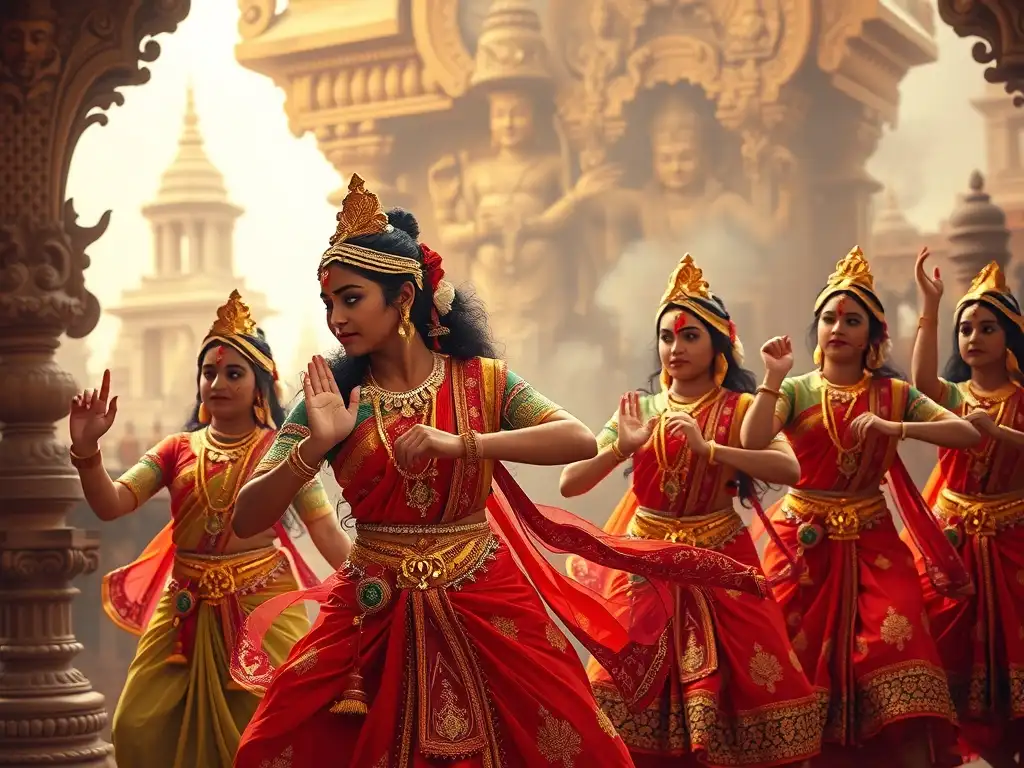
The cultural impact of ancient Indian dance is profound and multifaceted, encompassing artistic expression, religious devotion, and community involvement. As a form that intricately weaves mythology and movement, ancient Indian dance continues to thrive, reflecting the evolving dynamics of society while preserving its rich heritage.
The Continuing Legacy of Ancient Indian Dance Mythology
The legacy of ancient Indian dance mythology endures in modern times, inspiring countless artists, choreographers, and performers. Dance schools and cultural institutions actively promote traditional forms, ensuring that the teachings of ancient masters are passed down through generations. Festivals and cultural events serve as platforms for showcasing these rich traditions, keeping the stories and movements relevant in today's world.
Moreover, the fusion of traditional dance with contemporary styles has led to innovative forms that appeal to a broader audience. This blending of old and new not only honors the past but also encourages dialogue about identity, culture, and artistic expression, further cementing the role of dance as a vital aspect of Indian heritage.
Future of Ancient Indian Dance Forms in Modern Times
The future of ancient Indian dance forms appears promising, with a growing interest in preserving these traditions while adapting them to modern contexts. The rise of digital platforms has allowed for wider dissemination and accessibility of dance performances, reaching audiences beyond geographical boundaries. This digital engagement fosters a global appreciation of ancient Indian dance, encouraging cultural exchange and collaboration.
As society continues to evolve, there is also an increasing emphasis on inclusivity and diversity within dance forms. Emerging artists are exploring themes that resonate with contemporary issues, thereby revitalizing ancient narratives and making them relevant to current audiences. This evolution ensures that ancient Indian dance mythology remains a dynamic and living tradition, capable of adapting while retaining its core essence.
- Introduction to Ancient Indian Dance Mythology
- Historical Context of Ancient Indian Dance
- Major Ancient Indian Dance Forms
- Bharatanatyam: The Dance of the Temple
- Kathak: The Storytelling Dance
- Odissi: The Sacred Dance of Odisha
- The Role of Deities in Ancient Indian Dance
- Symbolism and Gestures in Ancient Indian Dance
- Ancient Texts and Treatises on Dance
- The Cultural Impact of Ancient Indian Dance
- Dance in Festivals and Rituals
- Preserving Mythology Through Dance
- Conclusion
- The Continuing Legacy of Ancient Indian Dance Mythology
- Future of Ancient Indian Dance Forms in Modern Times
Frequently Asked Questions
What is the significance of ancient Indian dance mythology?
Ancient Indian dance mythology reflects the cultural heritage and spiritual beliefs of ancient Indian civilizations, illustrating how dance was used to express devotion and storytelling.
How have ancient Indian dance forms evolved over time?
Over the centuries, ancient Indian dance forms have evolved by integrating regional influences, adapting to social changes, and incorporating new mythological themes, while still retaining their spiritual essence.
What are some key characteristics of ancient Indian dance?
Key characteristics of ancient Indian dance include intricate footwork, expressive hand gestures (mudras), and facial expressions (abhinaya) that convey divine narratives and cultural stories.
Which ancient texts discuss the mythology of dance?
The Natya Shastra, an ancient treatise on performing arts, is one of the primary texts that discusses the mythology of dance, outlining its theoretical foundations and spiritual significance.
How did the Gupta Empire influence dance?
The Gupta Empire is known for its patronage of arts, leading to the flourishing of various dance forms and the fusion of mythology with performance, which shaped future traditions in Indian dance.
Final Reflection: The Timeless Dance of Mythology
The intricate relationship between ancient Indian dance and mythology is not just a relic of the past; it is a vibrant tapestry that continues to resonate in today's cultural landscape. As we explore the depths of these dance forms, we uncover the stories, beliefs, and values that have shaped the identity of a civilization. The rhythms and movements of ancient Indian dance are not merely artistic expressions; they are living narratives that connect us to our ancestors and their divine tales.
The influence of ancient Indian dance mythology extends far beyond the stage, permeating our social and cultural fabric. These dance forms serve as a reminder of our shared heritage and the universal themes of love, conflict, and devotion that transcend time and geography. As noted by the renowned dance scholar, “Dance is the hidden language of the soul,” highlighting how these movements articulate the unspoken emotions and stories that bind us all. Dance is the hidden language of the soul.
As you reflect on the themes presented in this article, consider how the lessons of ancient Indian dance mythology can inspire your own journey. Embrace the stories that shape your identity and let them guide your movements through life. Whether you are an artist, a student, or simply a lover of culture, take a moment to explore the rhythms of your own existence and recognize the divine dance that unfolds within you. Let the legacy of these ancient forms inspire you to create, connect, and celebrate the beauty of life through movement.
Unleash Your Inner Dancer – Dive into Ancient Indian Movements!
Thank you for exploring the enchanting world of ancient Indian dance forms with us! You've uncovered the beauty of mythology and movement, and now it’s time to put that inspiration into action. Embrace the rhythm and tradition that have shaped these timeless art forms.
Here’s how you can engage further:
- Join a local dance class to experience the grace and storytelling unique to ancient Indian dance. Choose a class that aligns with your interests and allow your body to express the rich narratives of these cultural traditions!
- Share your newfound knowledge with friends and family. Host a small gathering where you discuss the significance of this art or even demonstrate a few movements!
- Explore further by reading about the history of various styles such as Bharatanatyam and Kathak. Look for documentaries or literature that provide deeper insights into their cultural significance.
As you take these steps, consider this: Which ancient story or lesson in dance resonates most with you, and how will you incorporate it into your life today?