
Exploring the Diverse Regional Styles of Ancient Indian Performance Arts

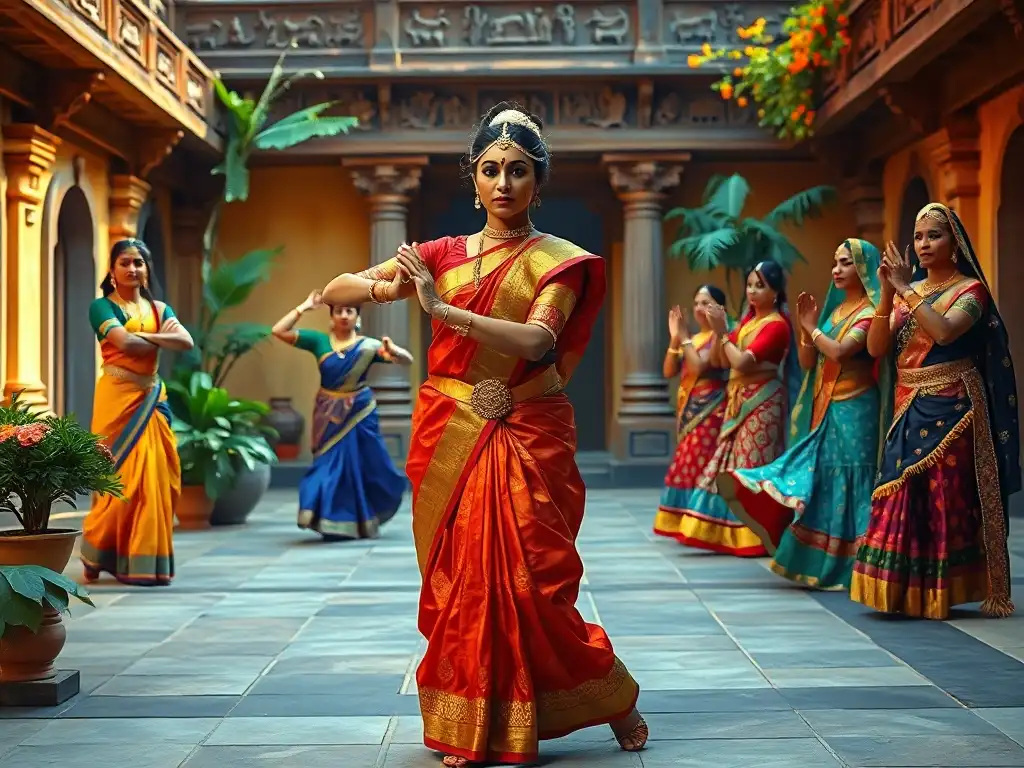
Welcome to Ancient India History, where we embark on a captivating journey through time to uncover the rich tapestry of ancient Indian civilizations. Our exploration today delves into the intriguing world of Ancient Indian performance art styles, revealing how these art forms not only entertained but also mirrored the profound cultural narratives of their time. From the rhythmic beats of classical dance to the evocative storytelling of theater, each regional style offers a unique glimpse into the creativity and spirit of ancient India.
Are you ready to discover the vibrant legacies that continue to inspire artists today? Join us as we dive deeper into this mesmerizing aspect of our heritage!
Introduction to Ancient Indian Performance Art Styles
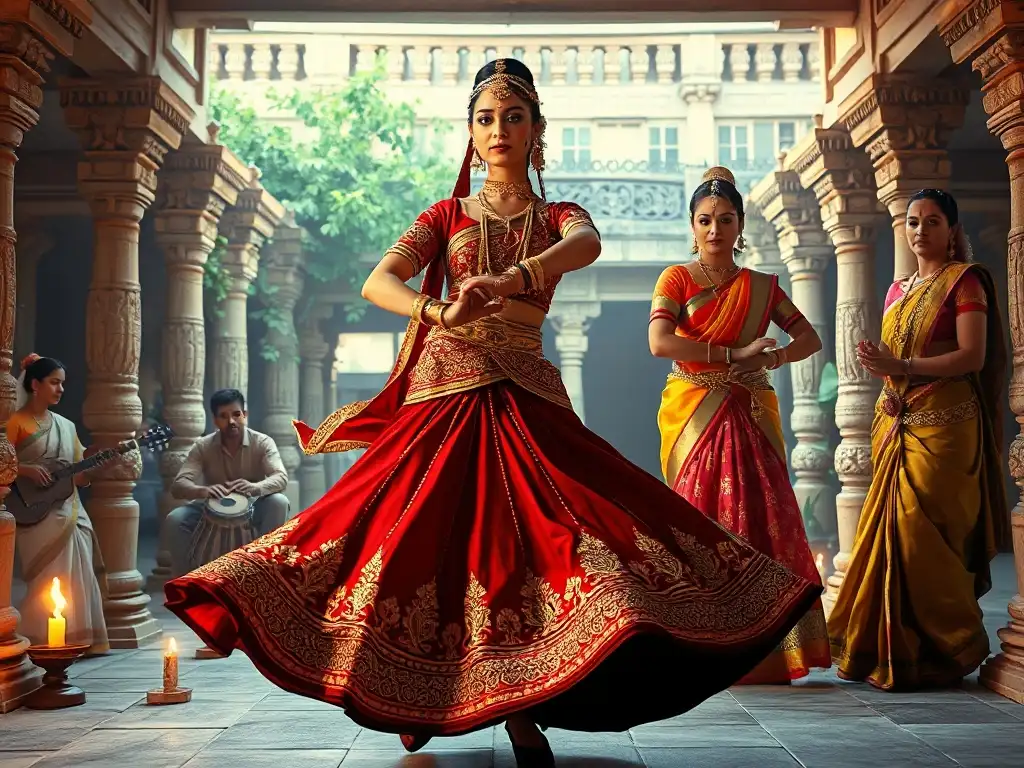
Ancient Indian performance art styles encapsulate a rich tapestry of cultural expression that has evolved over millennia. From the intricate dance forms of Bharatanatyam and Odissi to the dramatic storytelling of Kathakali and the theatrical grandeur of Natyashastra, these art forms reflect the diverse cultural landscapes of India. Each regional style, with its unique techniques and narratives, showcases the profound connection between art and the social, spiritual, and historical contexts of its time. This article delves into the various ancient Indian performance art styles, exploring their origins, significance, and the vibrant cultural heritage they represent.
Overview of Performance Arts in Ancient India
Performance arts in ancient India encompassed a wide range of artistic expressions, including dance, drama, music, and puppetry. Historically, these art forms were not solely for entertainment; they served as vital means of communication and storytelling, preserving myths, legends, and the philosophies of the time.
- Dance: Integral to religious rituals and ceremonies, dance forms such as Bharatanatyam, Kathak, and Manipuri were deeply intertwined with spirituality.
- Drama: The theatrical works, influenced by texts like the Natyashastra, depicted moral stories and historical events, engaging audiences in both entertainment and education.
- Music: Traditional music played a crucial role in performance arts, with instruments like the veena, tabla, and flute accompanying various forms.
The Importance of Performance Arts in Cultural Expression
The significance of performance arts in ancient Indian society cannot be overstated. These art forms provided a platform for social commentary, cultural storytelling, and communal bonding. Performance arts were:
- A Reflection of Society: They mirrored the socio-political environment, highlighting themes of love, valor, and morality.
- A Means of Preservation: Through performances, stories were passed down generations, preserving the rich history and traditions of various regions.
- A Spiritual Practice: Many performance arts were linked to religious worship, offering a spiritual experience for both performers and audiences.
Historical Context of Ancient Indian Performance Arts
Understanding the historical context of ancient Indian performance arts allows us to appreciate their evolution and the influences that shaped them. The roots of these art forms can be traced back to the earliest civilizations in India.
Evolution of Performance Arts from the Indus Valley Civilization
The Indus Valley Civilization (circa 3300–1300 BCE) laid the groundwork for the development of performance arts in India. Archaeological discoveries, such as terracotta figurines depicting dancers and musicians, suggest that performance arts were a part of social life during this period.
- Ritualistic Roots: Early performances likely had ritualistic significance, aiming to invoke deities or celebrate agricultural cycles.
- Symbolism in Art: The intricate motifs found on seals and pottery indicate a connection between visual arts and performance, suggesting that storytelling through dance and drama was already emerging.
Key Influences on Ancient Indian Performance Arts
Several key influences played a role in shaping the diverse styles of ancient Indian performance arts:
- Religious Texts: Sacred texts like the Vedas and Puranas provided narratives that were brought to life through performance, influencing themes and styles.
- Cultural Exchange: Interaction with neighboring cultures, including Persian and Hellenistic influences, enriched the performance arts, introducing new elements and techniques.
- Royal Patronage: Kings and emperors often supported performance arts, leading to the flourishing of various styles in their courts, thereby promoting regional traditions.
The exploration of ancient Indian performance art styles reveals a vibrant historical narrative that is both complex and captivating. Each art form serves as a testament to the rich cultural heritage of India, offering insights into the society, spirituality, and artistic expression of its time.
Major Regional Styles of Ancient Indian Performance Arts
Ancient Indian performance arts are characterized by a rich tapestry of regional styles, each reflecting the unique cultural, social, and historical contexts of their origins. The diversity of these styles can be attributed to the geographical expanse of India, where various languages, traditions, and artistic expressions have flourished. From the spiritual narratives of the north to the rhythmic tales of the south, ancient Indian performance arts encompass a broad spectrum of forms, each contributing to the collective heritage of the nation.
In this section, we will explore the four major regional styles of ancient Indian performance arts: North Indian, South Indian, East Indian, and West Indian. Each region showcases distinct aesthetics, themes, and techniques that have evolved over centuries, offering a glimpse into the artistic soul of ancient India.
North Indian Performance Arts
North India is renowned for its classical dance forms and theatrical traditions that often blend music, dance, and drama. One of the most prominent styles is Kathak, characterized by intricate footwork, expressive gestures, and storytelling through dance. Kathak has its roots in the temples and later evolved in the courts of the Mughal emperors, incorporating elements from Persian culture.
Another significant form is Nautanki, a folk theater that combines music, dance, and dialogue to convey stories, often with social and romantic themes. This vibrant performance art is known for its colorful costumes and engaging narratives that resonate with the local populace.
The region also boasts Raslila, a traditional dance-drama that narrates the tales of Lord Krishna, particularly his playful interactions with the gopis (milkmaids). Raslila serves both as entertainment and as a means of spiritual education, emphasizing the divine love of Krishna.
South Indian Performance Arts
South India is home to several classical dance forms, each with its own unique style and technique. Bharatanatyam, one of the oldest classical dances, originated in Tamil Nadu. It combines intricate footwork, expressive facial expressions, and storytelling, often depicting religious themes and mythological characters.
Another prominent form is Kathakali, a highly stylized dance-drama from Kerala that incorporates elaborate costumes and makeup. This art form is known for its dramatic narratives based on ancient epics like the Mahabharata and Ramayana, where performers express complex emotions through exaggerated gestures and facial expressions.
Koodiyattam, also from Kerala, is recognized as the oldest living theater tradition in India. It is characterized by its slow-paced presentation, intricate gestures, and use of Sanskrit, allowing for a deep exploration of the human condition through mythological stories.
East Indian Performance Arts
In East India, particularly in Odisha and West Bengal, performance arts are deeply intertwined with religious and cultural festivals. Odissi, one of the classical dance forms, is known for its graceful movements and sculpturesque poses, often depicting themes from Hindu mythology. The dance is typically performed in temples and during religious ceremonies.
The region is also famous for Jatra, a folk theater form that combines drama, music, and dance. Jatra performances are often held in rural areas, addressing social issues and local folklore, and are known for their vibrant energy and community involvement.
Chhau dance, originating from the eastern states of India, is another significant performance art that blends martial arts, acrobatics, and dance. It often portrays narratives from epics and is performed during various festivals, showcasing the cultural richness of the region.
West Indian Performance Arts
West India showcases a variety of performance arts that reflect its diverse cultural heritage. Garba and Dandiya Raas are traditional folk dance forms from Gujarat, celebrated during the Navratri festival. These dances are characterized by their vibrant music, colorful attire, and energetic movements, symbolizing the triumph of good over evil.
In Maharashtra, Tamasha is a popular folk theater form that combines music, dance, and drama. It often revolves around themes of love, betrayal, and social issues, performed in a lively manner that engages audiences from all walks of life.
The region also has Bharud, a traditional performance art that involves singing and dancing, conveying social messages and spiritual teachings. This form, often performed by wandering minstrel communities, reflects the folk traditions and values of the local populace.
Thematic Elements in Ancient Indian Performance Arts
The thematic elements of ancient Indian performance arts are profoundly influenced by the cultural, religious, and social contexts of their time. These themes often reflect the complexities of human emotions, spiritual beliefs, and societal norms, making performance arts a mirror of ancient Indian society.
Mythological Narratives in Ancient Indian Theater
Mythological narratives form the backbone of many ancient Indian performance arts. The epics like the Mahabharata and Ramayana serve as foundational texts, providing rich stories that explore themes of duty, righteousness, and the eternal struggle between good and evil.
Performers often embody divine characters such as Rama, Sita, Krishna, and various deities, bringing these tales to life through dramatic expressions and choreographed movements. This not only serves as a means of entertainment but also as a medium for spiritual instruction, allowing audiences to engage with moral dilemmas and philosophical questions inherent in these myths.
The use of symbolism is prominent, with gestures and movements representing deeper meanings, allowing the audience to connect with the universal themes presented in each story. This interplay between mythology and performance creates a dynamic platform for exploring the human experience within a sacred framework.
Social Commentary Reflected in Performance Arts
Ancient Indian performance arts also served as a powerful tool for social commentary. Through folk theater forms such as Nautanki and Tamasha, performers addressed pressing social issues, including caste dynamics, gender roles, and political injustices. These performances often provided a voice to the marginalized, reflecting the realities of everyday life while also challenging societal norms.
The integration of humor and satire in performances allowed artists to critique social structures and behaviors subtly. By engaging audiences with relatable narratives, these performance arts fostered a sense of community awareness and encouraged reflection on social issues.
Moreover, the tradition of storytelling in performance arts enabled artists to preserve historical events, cultural identities, and societal values, ensuring that the lessons learned from the past continued to resonate within the community. This blend of art and activism underscores the vital role of ancient Indian performance arts in shaping and reflecting the cultural landscape of the time.
Instruments and Music in Ancient Indian Performance Arts
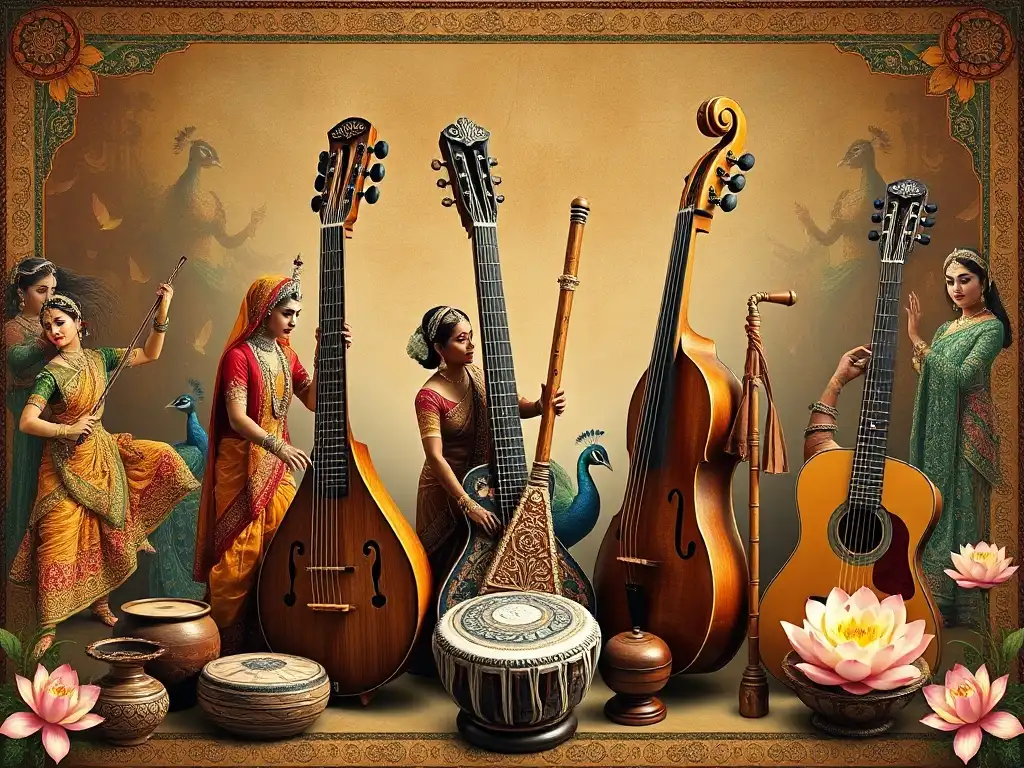
In ancient India, performance arts were intricately intertwined with music and instruments, creating a rich tapestry of sound that enhanced the overall experience of theatrical presentations. Each region developed its unique musical styles and instruments, contributing to the diverse spectrum of ancient Indian performance art styles. Music served not only as a backdrop but also as a vital element that conveyed emotions, set the mood, and engaged the audience.
Traditional Instruments Used in Various Art Forms
Ancient Indian performance arts utilized a wide array of traditional instruments that were often specific to certain art forms. Some of the notable instruments include:
- Veena: A plucked string instrument, the Veena is often associated with classical music and is used in performances of Bharatanatyam and other dance forms.
- Mridangam: A percussion instrument that provides rhythm, the Mridangam is essential in Carnatic music and accompanies various dance performances.
- Sitar: Known for its unique sound, the Sitar is frequently used in both vocal and instrumental music, complementing performances like Kathak.
- Dholak: A double-headed drum that plays a crucial role in folk performances, particularly in North Indian regional dances.
- Flute: The flute, especially the bansuri, is utilized in various forms of performance arts, adding melodious tunes that enhance storytelling.
These instruments not only supported the musical landscape of performances but also embodied the artistry and craftsmanship of ancient Indian artisans.
The Role of Music in Enhancing Performance
Music in ancient Indian performance arts transcended mere accompaniment; it was a fundamental storytelling device. The strategic use of ragas (melodic frameworks) and talas (rhythmic cycles) helped evoke specific emotions and moods, guiding the audience's response to the unfolding narrative.
- Emotional Connection: Different ragas are believed to resonate with various emotions, allowing performers to connect deeply with the audience. For example, Raga Yaman is often associated with nighttime and romance, while Raga Bhimpalasi evokes longing and devotion.
- Cultural Significance: Music also reflected the cultural nuances of different regions, incorporating local folklore and traditions into performances, which helped preserve and transmit cultural heritage.
- Integration with Dance: In many performance arts, music and dance are inseparable. The choreography is often intricately linked to the rhythm of the music, creating a harmonious blend that captivates the audience.
Overall, music's integral role in ancient Indian performance arts enriched the experience, making it a multi-sensory journey through emotion and storytelling.
Preservation and Revival of Ancient Indian Performance Arts
The preservation and revival of ancient Indian performance arts are essential for maintaining cultural identity and heritage. As modernization progresses, these art forms face numerous challenges, yet there are significant efforts being made to ensure their continuity.
Challenges Faced in Preserving Ancient Art Forms
Despite their rich history, ancient Indian performance arts encounter various challenges:
- Declining Patronage: Traditional patronage systems that once supported artists have diminished, leading to financial instability for performers and a lack of resources for art education.
- Cultural Homogenization: Globalization and the dominance of contemporary entertainment forms can overshadow traditional arts, leading to a decline in interest among younger generations.
- Loss of Knowledge: Many ancient techniques, styles, and narratives are at risk of being forgotten as fewer practitioners are available to pass on their knowledge.
These challenges threaten the very fabric of ancient Indian performance arts, necessitating concerted efforts for preservation.
Modern Efforts to Revive Traditional Performance Arts
In response to these challenges, various initiatives have emerged to revive and promote ancient Indian performance arts:
- Workshops and Training Programs: Institutions and cultural organizations are conducting workshops and training programs to educate new generations of artists in traditional techniques and styles.
- Festivals and Competitions: Performance arts festivals showcase traditional art forms, attracting audiences and providing a platform for artists to perform and gain recognition.
- Documentation and Research: Scholars and enthusiasts are actively documenting ancient performance arts through research, recordings, and publications, ensuring that knowledge is preserved for future generations.
These efforts not only aim to revive traditional practices but also foster a renewed appreciation and understanding of ancient Indian performance art styles among contemporary audiences.
Conclusion
The rich tapestry of ancient Indian performance arts showcases the diverse cultural heritage and artistic expressions from various regions of India. From the elegant dance forms of Bharatanatyam in the south to the vibrant folk performances of Punjab, each style reflects the unique history, beliefs, and traditions of its people.
Understanding these ancient Indian performance art styles not only fosters appreciation for their beauty and complexity but also highlights the interconnectedness of culture, spirituality, and society throughout India's history. As we delve into these art forms, we recognize their role in preserving the stories, values, and emotions that have shaped the Indian identity over millennia.
The Significance of Understanding Ancient Indian Performance Art Styles
Understanding ancient Indian performance art styles is essential for a multitude of reasons. Firstly, these art forms serve as a historical record, capturing the socio-political and cultural contexts of their time. Through performance, we can gain insights into the lives, beliefs, and values of ancient Indian civilizations.
Secondly, these art styles are vital in preserving traditional knowledge and practices that have been passed down through generations. This preservation not only enriches our understanding of India's cultural heritage but also fosters a sense of pride and identity among communities.
Furthermore, exploring these performance arts encourages interdisciplinary studies, bridging gaps between history, anthropology, and the performing arts. This holistic approach enables us to appreciate the multifaceted nature of these art forms and their impact on contemporary culture.
Future of Ancient Indian Performance Arts in Contemporary Culture
The future of ancient Indian performance arts looks promising as they continue to evolve and adapt to the contemporary cultural landscape. With globalization and the rise of digital media, these art forms are reaching wider audiences, transcending geographical boundaries. Modern interpretations and fusions are emerging, allowing traditional performance arts to resonate with younger generations while preserving their core elements.
Educational institutions are increasingly incorporating ancient Indian performance arts into their curricula, ensuring that these rich traditions are taught and appreciated. Additionally, festivals and cultural events dedicated to these art forms are gaining popularity, providing platforms for artists to showcase their talents and for audiences to engage with these performances.
However, challenges remain, such as the risk of commercialization and dilution of authenticity. It is essential for practitioners and enthusiasts to strike a balance between innovation and tradition, ensuring that the essence of ancient Indian performance arts is maintained while adapting to contemporary sensibilities.
References
Key Texts and Resources on Ancient Indian Performance Arts
- "The Dance of India" by Kapila Vatsyayan - A comprehensive exploration of the various dance forms in India, their history, and cultural significance.
- "Indian Theatre: Traditions of Performance" by S. Kalidas: - This text delves into the historical evolution of Indian theatre and its diverse styles.
- "The Hindu Theatre" by K. S. Shankaranarayan - A study of the role of religion and mythology in shaping traditional Indian performance arts.
Recommended Reading for Further Exploration
- "Bharatanatyam: A Reader" by M. L. Varadaranjan: - An insightful collection of essays and articles on the classical dance form of Bharatanatyam.
- "The Performance of the Gods: An Analysis of Ancient Indian Performance Arts" by R. Dhiman: - This book provides an in-depth analysis of how performance arts were intertwined with religious practices in ancient India.
- "Folk Theatre and Performance in India" by R. N. Chakraborty - A look at the diverse folk traditions and their role in the cultural fabric of Indian society.
By engaging with these texts and resources, readers can deepen their understanding and appreciation of the ancient Indian performance art styles, ensuring their legacy continues to thrive in the modern world.
- Introduction to Ancient Indian Performance Art Styles
- Historical Context of Ancient Indian Performance Arts
- Major Regional Styles of Ancient Indian Performance Arts
- Thematic Elements in Ancient Indian Performance Arts
- Instruments and Music in Ancient Indian Performance Arts
- Preservation and Revival of Ancient Indian Performance Arts
- Conclusion
- References
- What are the main forms of ancient Indian performance art styles?
- How did the Indus Valley Civilization influence performance arts?
- What role did the Gupta Empire play in the development of performance arts?
- Are there regional variations in ancient Indian performance arts?
- How are ancient Indian performance arts relevant today?
Frequently Asked Questions
What are the main forms of ancient Indian performance art styles?
Ancient Indian performance art styles include classical dance, theater, and music, each showcasing unique cultural elements and traditions from various regions.
How did the Indus Valley Civilization influence performance arts?
The Indus Valley Civilization laid the groundwork for artistic expression, with archaeological findings suggesting early forms of dance and music that later evolved into more complex performance arts.
What role did the Gupta Empire play in the development of performance arts?
The Gupta Empire is often referred to as a golden age for arts, where theater and dance flourished, and significant texts like the Natya Shastra were written, codifying performance art.
Are there regional variations in ancient Indian performance arts?
Yes, there are numerous regional styles across India, such as Kathak from North India, Bharatanatyam from South India, and Odissi from East India, each with distinct characteristics and traditions.
How are ancient Indian performance arts relevant today?
Ancient Indian performance arts continue to influence modern art forms, preserving cultural heritage and promoting a deeper understanding of India's historical and cultural diversity.
Final Reflection: Embracing the Rich Tapestry of Ancient Indian Performance Arts
The exploration of ancient Indian performance art styles reveals a profound connection between culture and expression that resonates powerfully in today's world. As we navigate an era marked by rapid globalization and cultural exchange, the significance of these diverse regional styles becomes increasingly relevant.
They not only reflect the historical richness of India but also serve as a reminder of the importance of preserving our artistic heritage in the face of modernity. The vibrant narratives, intricate movements, and emotive expressions found in these art forms are not merely relics of the past; they are living traditions that continue to inspire and engage audiences around the globe.
The influence of ancient Indian performance arts extends far beyond the stage, shaping the cultural landscape and fostering a sense of identity and community. These art forms have the power to transcend boundaries, bridging gaps between generations and cultures. As we witness a resurgence of interest in traditional practices, it is essential to recognize the wisdom embedded within them. Art is the most beautiful of all lies.
This quote encapsulates the essence of performance arts, where every dance, every song, and every story is a reflection of the human experience, inviting us to connect with our shared humanity.
As you reflect on the diverse regional styles of ancient Indian performance arts, consider how these lessons can be woven into your own life. Embrace the richness of cultural diversity and seek to understand the stories that shape our world. Whether through participating in local art forms, supporting artists, or simply engaging with the narratives that resonate with you, let the spirit of these ancient traditions inspire your journey. Together, we can honor the past while nurturing a future that celebrates the beauty of artistic expression in all its forms.
Uncover the Magic of Ancient Indian Performance Arts!
Thank you for diving into the captivating world of Ancient Indian performance arts! You’ve discovered the richness and diversity that these art forms bring to our cultural heritage. Now, it's time to take the next step to deepen your understanding and appreciation of these timeless traditions.
Here’s how you can further explore and engage with this beautiful aspect of history:
- Dive deeper into a specific regional style by attending a local workshop or class in your community.
- Share your knowledge! Start a conversation with friends or family about what intrigued you most from this exploration and encourage them to learn as well.
- Join online forums or social media groups focused on classical arts, where you can connect with other enthusiasts and exchange insights.
What fascinates you most about the various regional styles of Ancient Indian performance arts, and how do you plan to incorporate this newfound knowledge into your life?