
How Ancient Indian Warfare Techniques Were Ahead of Their Time

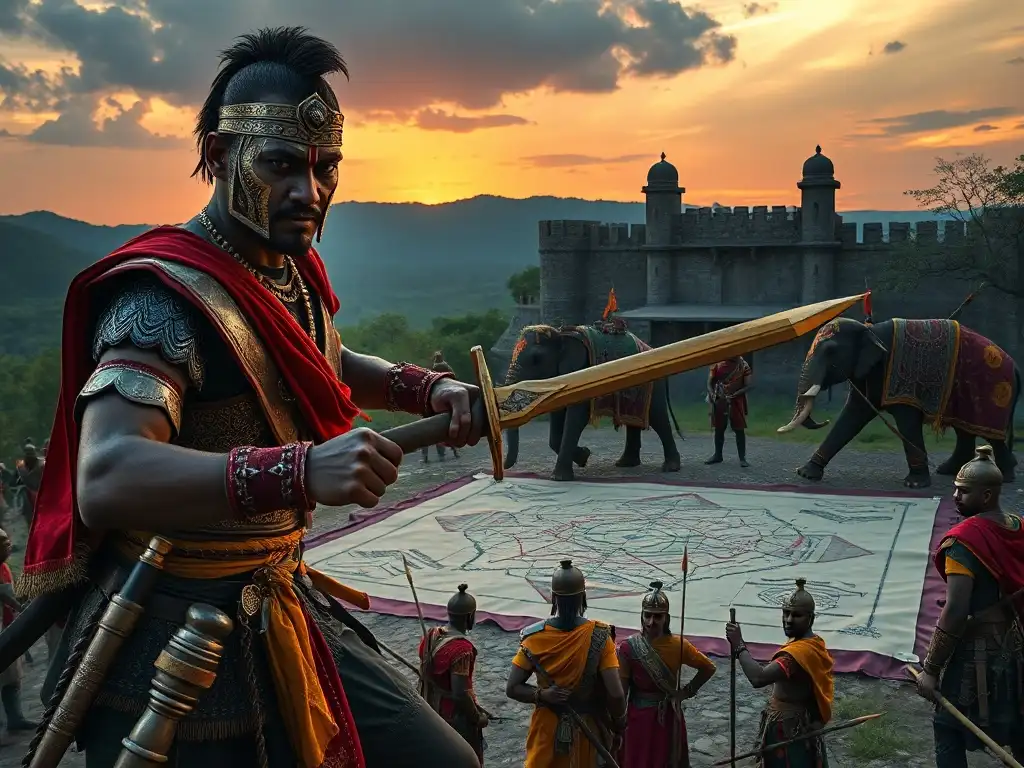
Welcome to Ancient India History, where we delve into the rich tapestry of India's past, unearthing the extraordinary achievements and cultural legacies that have shaped our world. In this exploration, we invite you to discover the fascinating realm of ancient Indian warfare techniques—an area where innovation and strategy flourished long before modern military practices took root.
Are you curious about how these techniques not only influenced battles but also reflected the profound understanding of tactics and technology in ancient civilizations? Join us as we uncover the secrets of this remarkable era and reveal why these methods were truly ahead of their time.
- Introduction to Ancient Indian Warfare Techniques
- Historical Context of Ancient Indian Warfare
- Key Ancient Indian Warfare Techniques
- Innovative Weapons and Technologies
- Strategic Warfare Principles in Ancient India
- Comparative Analysis of Ancient Indian Warfare Techniques
- Influences on Modern Warfare
- Conclusion: The Timeless Nature of Ancient Indian Warfare Techniques
-
Frequently Asked Questions
- What were the primary ancient Indian warfare techniques?
- How did ancient Indian warfare techniques influence other civilizations?
- What role did religion play in ancient Indian warfare?
- How did the Gupta Empire contribute to advancements in warfare?
- Were there any notable military texts from ancient India?
- Final Reflection: The Timeless Wisdom of Ancient Indian Warfare Techniques
- Unveil the Secrets of Ancient Warfare Today!
Introduction to Ancient Indian Warfare Techniques
The exploration of ancient Indian warfare techniques reveals a fascinating tapestry of strategies, tactics, and innovations that were remarkably advanced for their time. From the meticulously planned campaigns of the Maurya Empire to the sophisticated use of war elephants in battle, ancient Indian civilizations developed military practices that not only shaped their own societies but also influenced neighboring regions.
As we delve into the intricate world of ancient Indian warfare, we uncover the profound significance of these techniques, which were often characterized by a blend of strategic ingenuity and cultural values. Understanding these methods provides valuable insights into the military prowess of ancient India and its legacy on modern warfare.
Overview of Warfare in Ancient India
Warfare in ancient India was not merely a function of armed conflict; it was an intricate system influenced by geography, politics, and social structures. The subcontinent's varied terrain, including mountains, deserts, and rivers, played a critical role in shaping military strategies. Key aspects of ancient Indian warfare included:
- Military Organization: Ancient Indian armies were systematically organized into units based on size and type, such as infantry, cavalry, and chariots. This hierarchical structure allowed for efficient command and control during battles.
- Innovative Weapons and Tactics: The use of weapons like the bow and arrow, swords, and later, gunpowder-based artillery, showcased the technological advancements of the time. Tactical formations such as the "Chakra" (circle) formation demonstrated strategic depth in battle scenarios.
- Diplomacy and Alliances: Warfare was often complemented by political maneuvering. Alliances and treaties played crucial roles in securing victories or preventing conflicts. Historical texts, like the Arthashastra by Kautilya, highlight the importance of diplomacy alongside military action.
- Cultural Influences: Warfare in ancient India was deeply intertwined with religious and cultural beliefs. Many battles were fought to protect dharma (righteousness), and warriors were often celebrated as heroes in literature and folklore.
Importance of Studying Historical Military Strategies
Studying ancient Indian warfare techniques offers numerous benefits, not only for historians but also for military strategists and scholars of cultural studies. Understanding these strategies enhances our comprehension of:
- Cultural Heritage: Ancient warfare techniques are a reflection of the values and beliefs of their time. They provide insight into the social structures and cultural priorities of ancient Indian civilizations.
- Military Evolution: Analyzing the innovations in warfare can shed light on the evolution of military tactics over centuries. Many principles developed during this period remain relevant in modern military strategy.
- Lessons in Leadership and Strategy: The lessons learned from ancient battles, such as the importance of logistics, morale, and adaptability, are timeless and applicable to contemporary military and organizational settings.
By delving into the rich history of ancient Indian warfare techniques, we not only honor the legacy of these formidable civilizations but also glean valuable insights that resonate through time.
Historical Context of Ancient Indian Warfare
Evolution of Warfare in Ancient Indian Civilizations
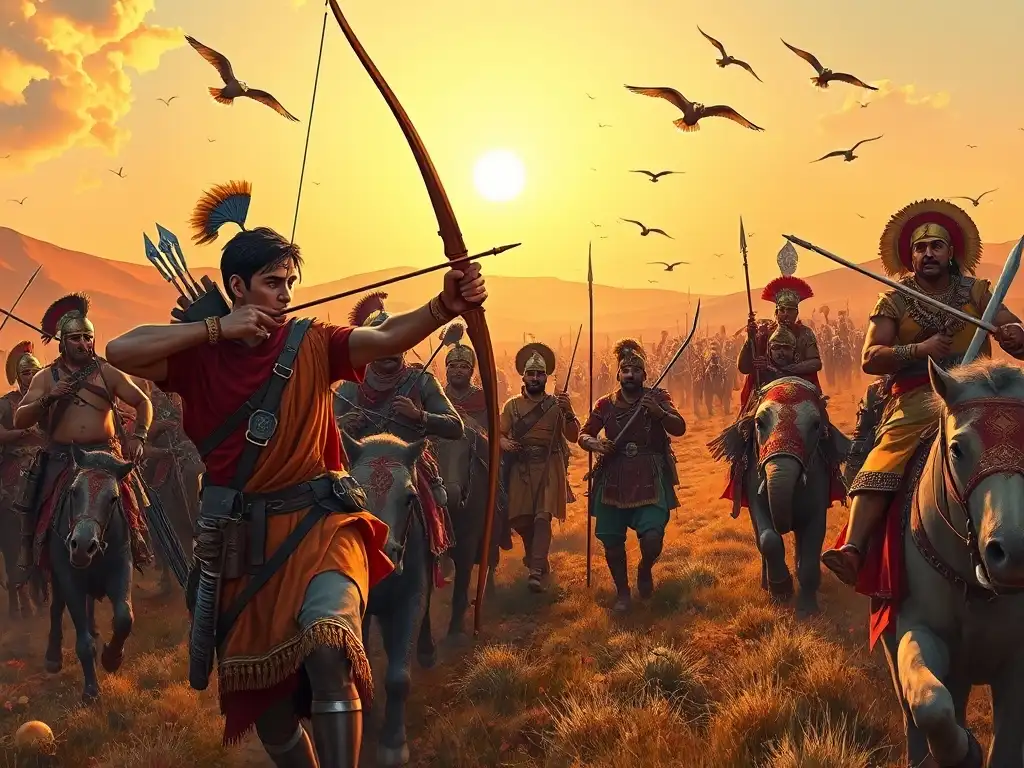
The evolution of ancient Indian warfare techniques can be traced back to the early civilizations of the Indus Valley, where archaeological evidence indicates the use of fortified cities and organized defense systems. As societies progressed, warfare became more sophisticated, driven by factors such as political expansion, resource acquisition, and technological advancements in weaponry and tactics.
- Indus Valley Civilization (c. 3300–1300 BCE):
- The Indus Valley cities, such as Harappa and Mohenjo-Daro, displayed urban planning and defensive structures, suggesting a strategic approach to warfare.
- Evidence of seals depicting armed figures indicates the presence of military organization, although specific combat techniques remain largely speculative due to the limited textual records.
- Vedic Period (c. 1500–500 BCE):
- The Vedic texts, particularly the Rigveda, provide insight into the martial culture of this era. Battles were often fought for cattle, territory, or honor, with chariots becoming a significant aspect of warfare.
- The emergence of the Kshatriya class as warriors marked a social stratification that influenced military organization.
- Mahajanapadas (c. 600–300 BCE):
- The rise of the Mahajanapadas saw the consolidation of kingdoms and increased militarization. Infantry, cavalry, and war elephants became central to military strategies.
- Texts like the Arthashastra by Kautilya elaborated on statecraft, military strategy, and the importance of espionage, showcasing a deeper understanding of warfare.
- Maurya Empire (c. 322–185 BCE):
- Under Chandragupta Maurya and Ashoka, the Maurya Empire exemplified advanced military organization and strategy. The use of large armies, including infantry, cavalry, and war elephants, showcased the era's military might.
- Ashoka's conversion to Buddhism led to a shift in military focus from expansion to governance, influencing subsequent warfare practices.
- Gupta Empire (c. 240–550 CE):
- The Gupta period is often considered a golden age of Indian civilization, marked by military innovation. The Guptas used advanced tactics, including the coordination of multi-faceted armies that combined cavalry, infantry, and elephants.
- The introduction of the stirrup and more effective bows and arrows significantly enhanced battlefield tactics.
Major Ancient Indian Kingdoms and Their Military Strategies
Ancient India was characterized by a multitude of kingdoms, each with unique military strategies that reflected their geographical, cultural, and political contexts. Below are some notable kingdoms and their contributions to ancient Indian warfare techniques:
- Maurya Empire:
- Strategy: Centralized command with a focus on large, disciplined armies.
- Tactics: Effective use of war elephants, which were pivotal in breaking enemy lines. The Mauryan army also employed psychological warfare, using propaganda to intimidate foes.
- Notable Battles: The Battle of Kalinga (261 BCE) showcased the Mauryan approach to warfare, emphasizing both military might and the ethical dilemma of war.
- Gupta Empire:
- Strategy: Decentralized military command with a strong emphasis on local chieftains’ loyalty.
- Tactics: Integrated use of cavalry and archers, along with the innovative use of fortifications and guerilla warfare tactics against larger armies.
- Notable Battles: The campaigns against the Huns demonstrated the Gupta military's adaptability and strategic prowess.
- Chola Dynasty:
- Strategy: Naval dominance complemented by swift cavalry attacks.
- Tactics: Emphasis on rapid, surprise attacks, often using the element of surprise in warfare. Their naval capabilities allowed them to project power beyond the subcontinent.
- Notable Battles: The Chola conquests in Southeast Asia illustrated their naval strategy and ability to conduct overseas campaigns.
- Mughal Empire:
- Strategy: Utilization of advanced artillery and a highly organized military structure.
- Tactics: Combined arms tactics that integrated infantry, cavalry, and artillery, leading to decisive victories in battles.
- Notable Battles: The Battle of Panipat (1526) marked the beginning of Mughal dominance in India, showcasing the effective use of gunpowder technology.
The military strategies of these kingdoms highlight how ancient Indian warfare techniques were not only advanced for their time but also laid the groundwork for future military innovations. By studying these strategies, one can appreciate the complexity and sophistication of ancient Indian military history.
Key Ancient Indian Warfare Techniques
Use of Elephants in Warfare
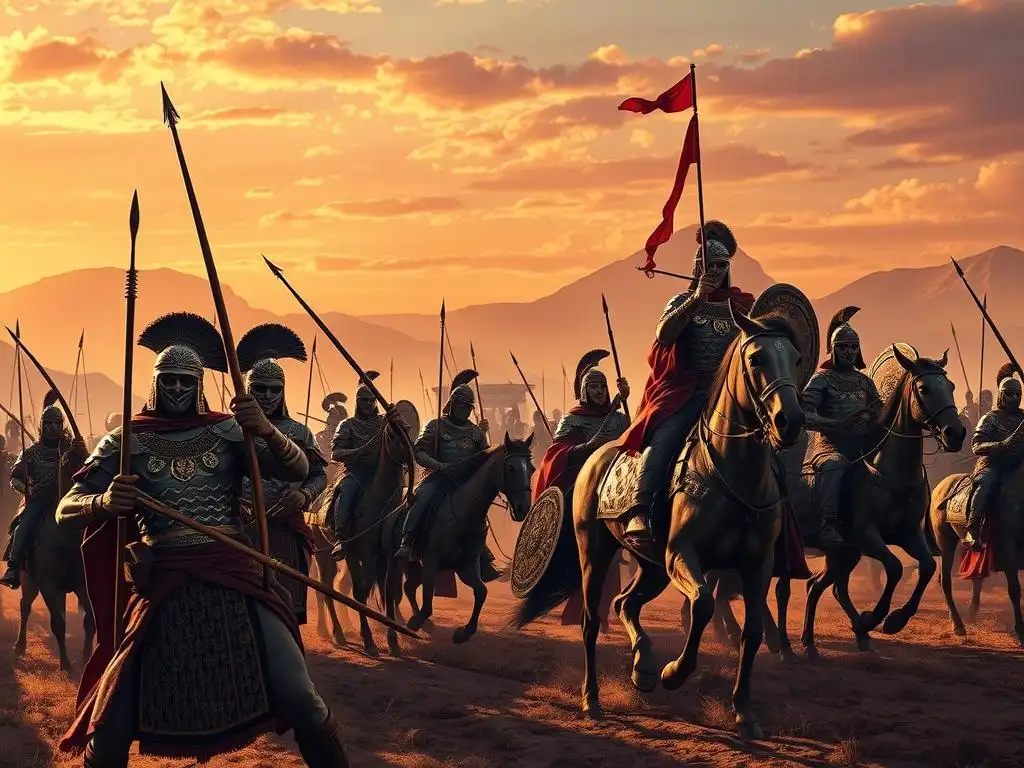
Elephants played a pivotal role in ancient Indian warfare, serving not only as a means of transport but also as powerful instruments of battle. The use of war elephants can be traced back to the Indus Valley Civilization, where evidence suggests their domestication for various purposes. However, it was in subsequent periods, particularly during the Maurya and Gupta Empires, that their military significance became pronounced.
- Psychological Impact: The sheer size and strength of elephants created a formidable presence on the battlefield. Their ability to charge into enemy lines often caused panic and disarray among opposing troops. The psychological warfare associated with elephants was as crucial as their physical prowess.
- Tactical Advantages:
- Platform for Archers: Elephants were often equipped with howdahs, which were platforms atop their backs. This allowed archers to shoot from a height, providing a tactical advantage over ground troops.
- Mobility and Versatility: Elephants could traverse various terrains, including forests and mountainous regions, making them versatile in different battle scenarios.
- Notable Battles: The use of elephants was particularly prominent in key battles such as the Battle of Kalinga (261 BCE) and the campaigns of Alexander the Great against Indian rulers, where elephants were employed to counter cavalry and infantry formations.
Chariotry and Cavalry in Ancient Indian Battles
Chariots and cavalry formed the backbone of ancient Indian military formations, with their development reflecting both technological advancements and strategic innovations. The presence of chariots in ancient texts, such as the Mahabharata, highlights their importance in warfare.
- Chariot Warfare:
- Speed and Mobility: Chariots allowed for swift movement across the battlefield, enabling commanders to reposition units rapidly. This speed was crucial in gaining the upper hand during engagements.
- Tactical Formations: Chariots were often deployed in a wedge formation to break enemy lines, creating vulnerabilities that could be exploited by infantry and cavalry.
- Cavalry Evolution:
- Horse Breeding: The improvement of horse-breeding techniques led to the development of faster and more agile cavalry units. This evolution allowed for greater flexibility in battle tactics.
- Combined Arms Tactics: Cavalry units worked in conjunction with infantry and chariots, allowing for coordinated attacks. The combination of different forces maximized the effectiveness of military strategies.
- Significant Campaigns: Historical accounts from the epic Mahabharata and records of the Mauryan Empire illustrate the sophisticated use of chariots and cavalry, emphasizing their role in major confrontations and territorial expansions.
Infantry Tactics and Formation Strategies
The infantry was a crucial component of ancient Indian military forces, with various tactics and formations employed to enhance effectiveness in battle. The organization of infantry units varied over time, adapting to the changing nature of warfare.
- Phalanx Formation: Ancient Indian armies often utilized a phalanx-like formation, where soldiers stood shoulder to shoulder, creating a wall of shields and weapons. This formation provided defense against frontal attacks and was particularly effective against cavalry charges.
- Guerrilla Tactics: In addition to traditional formations, ancient Indian warfare included guerrilla tactics, especially in hilly terrains. Smaller units conducted ambushes and surprise attacks, capitalizing on the element of surprise to offset larger enemy forces.
- Integration of Weaponry:
- Diverse Armaments: Infantry units were equipped with a variety of weapons, including swords, spears, and bows. This diversity allowed for flexibility in combat scenarios.
- Specialized Units: Different infantry units were trained for specific roles, such as archers for ranged attacks and infantrymen for close combat. This specialization enhanced overall battlefield effectiveness.
- Historical Examples: The successful campaigns of rulers such as Chandragupta Maurya and Ashoka the Great illustrate how infantry tactics evolved and adapted, making significant contributions to their military successes.
By analyzing these key ancient Indian warfare techniques, it becomes evident that the sophistication of military strategies in ancient India was ahead of its time, laying the groundwork for future military practices.
Innovative Weapons and Technologies
Development of Advanced Weaponry
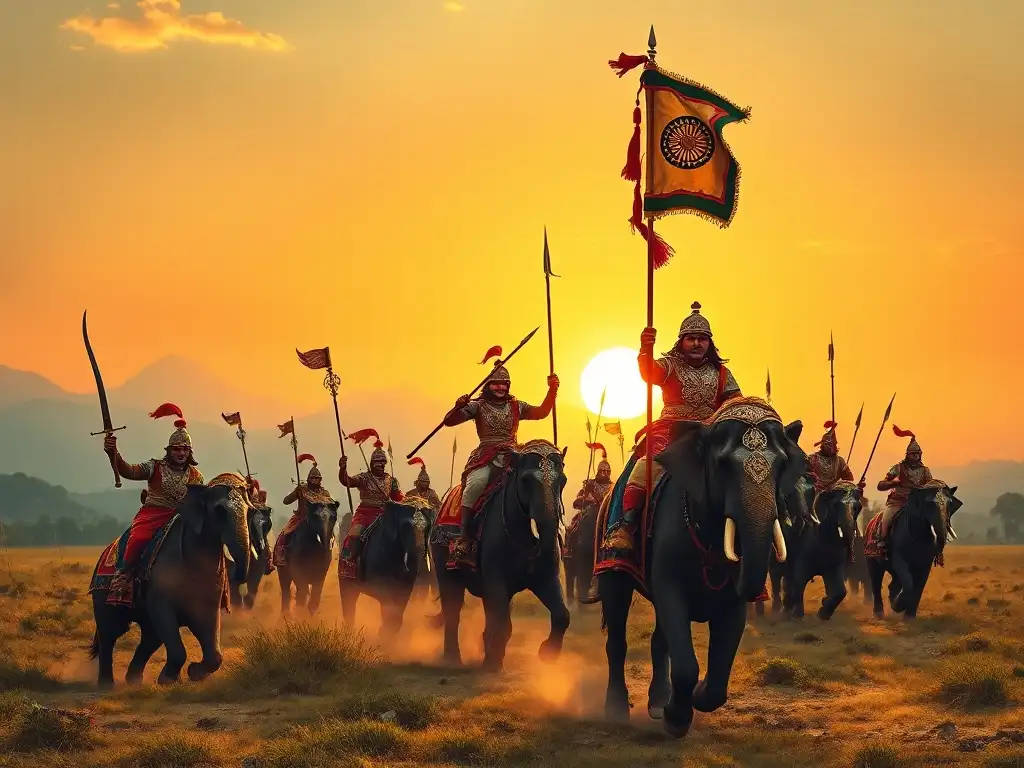
Ancient Indian warfare techniques were characterized by a remarkable array of innovative weapons and technologies that not only reflected the ingenuity of their creators but also significantly influenced military strategies of the time. The development of weaponry in ancient India can be traced back to the Indus Valley Civilization, where archaeological findings indicate the use of weapons such as daggers, spears, and bow and arrows made from materials like bronze and iron.
One of the most notable advances was the introduction of the crossbow. The ancient Indian crossbow featured a horizontal bow mounted on a stock, allowing for greater accuracy and force. Historical texts, such as the Mahabharata, mention the use of crossbows in battles, showcasing their effectiveness in warfare. Additionally, the chariot, equipped with archers and infantry, transformed the battlefield by providing mobility and a strategic advantage during conflicts.
Moreover, the art of metallurgy played a pivotal role in enhancing weaponry. The mastery of iron smelting led to the production of stronger and more durable weapons. The legendary Ashoka Pillars, constructed during the Mauryan Empire, exemplify the advanced metallurgy skills of the time, producing weapons that were both effective and ornate.
- Key developments in ancient Indian weaponry included:
- Bows and arrows: Used for long-range attacks.
- Spears and swords: Essential for close combat.
- War elephants: Employed as living tanks on the battlefield.
- Siege weapons: Mechanisms designed for attacking fortified positions.
The integration of these advanced weaponry systems not only enhanced combat effectiveness but also highlighted the strategic methodologies that ancient Indian rulers employed to dominate their adversaries.
The Role of Fortifications in Ancient Indian Warfare
Fortifications played a crucial role in ancient Indian warfare, serving as both defensive structures and strategic assets during conflicts. The architectural sophistication of these fortifications is evident in various historical sites, such as the formidable Rajput forts and the Indus Valley cities, which were designed to withstand sieges and repel attackers.
Types of Fortifications
- Walls and Gates: Many cities were encircled by massive walls made from stone or mud-brick, often featuring reinforced gates to control access. For instance, the walls of Dholavira (part of the Indus Valley Civilization) were well-planned and strategically positioned to thwart invasions.
- Watchtowers: Elevated structures provided crucial vantage points for spotting approaching enemies, allowing defenders to prepare for battle effectively.
- Moats and Ditches: Surrounding fortifications with deep moats or ditches served as an additional barrier against enemy forces, complicating siege efforts.
- Citadels: Central strongholds often contained royal palaces and administrative buildings, acting as the last line of defense during an attack.
The significance of these fortifications cannot be overstated; they not only protected cities from invasions but also served as symbols of power and control. The strategic placement of forts along trade routes further underscored their importance in maintaining economic stability and military readiness.
Ancient Indian warfare techniques were not merely about the weapons used; they encompassed a comprehensive approach that integrated advanced weaponry, sophisticated fortifications, and strategic planning. This holistic view contributed to the effectiveness of ancient Indian military endeavors and set the stage for future developments in military history.
Strategic Warfare Principles in Ancient India
Importance of Intelligence and Espionage
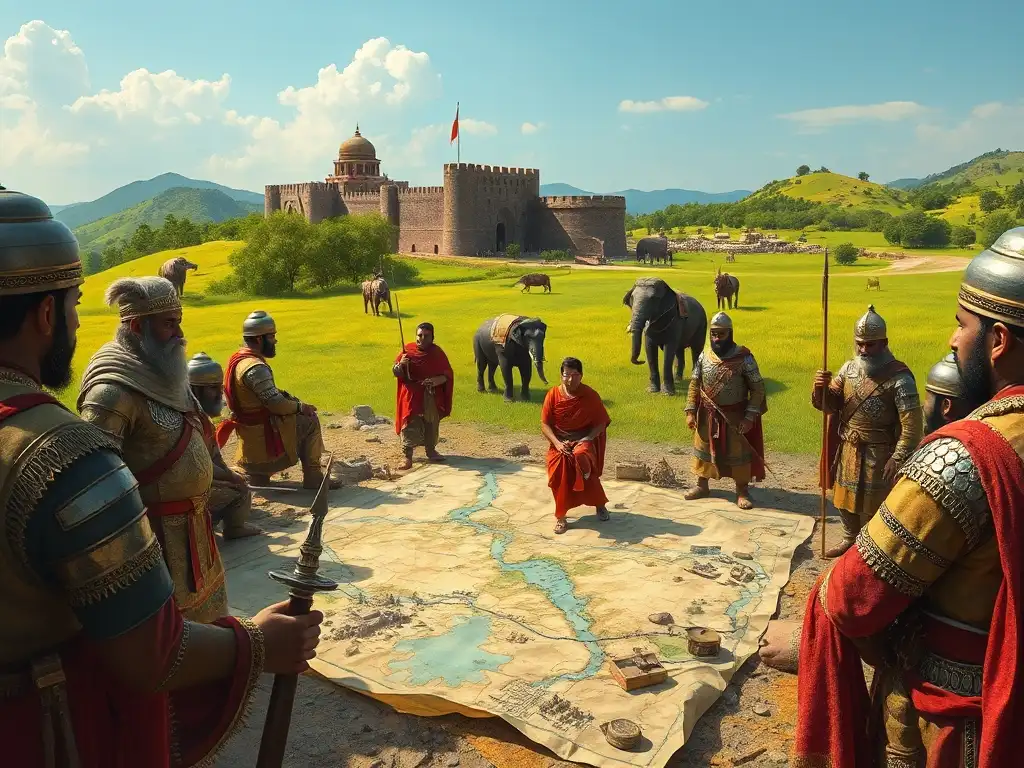
In ancient Indian warfare, the importance of intelligence and espionage cannot be overstated. The sages, strategists, and commanders understood that knowledge about the enemy's movements, strengths, and weaknesses was paramount to securing victory in battle. As outlined in ancient texts such as the Arthashastra by Kautilya (Chanakya), gathering intelligence was considered a strategic necessity.
- Spying Techniques: Ancient Indian military leaders employed a range of espionage techniques. Spies were often placed within enemy ranks, disguised as merchants or commoners, to gather critical information. This covert approach allowed for real-time updates on enemy formations and plans, which could be leveraged to gain a tactical advantage.
- Use of Scouts: Scouts played a vital role in ancient Indian armies. They were responsible for reconnaissance missions, surveying enemy camps, and assessing the terrain. Their reports provided commanders with insights that shaped battle strategies, ensuring that armies could maneuver effectively in accordance with the battlefield landscape.
- Psychological Warfare: Espionage also included methods of psychological manipulation, such as spreading disinformation to confuse the enemy. This tactic often involved planting false narratives or rumors to create paranoia within the opposing forces, thereby weakening their morale before a conflict even began.
The emphasis on intelligence in ancient Indian warfare techniques showcased a sophisticated understanding of the psychological and information aspects of combat, setting the stage for more modern military strategies.
Adaptation and Flexibility in Military Tactics
Another hallmark of ancient Indian warfare techniques was the remarkable adaptability and flexibility of military tactics. Unlike rigid strategies that relied solely on brute force, ancient Indian commanders demonstrated an ability to alter their approaches in response to various battlefield conditions and adversaries.
- Terrain Utilization: Ancient Indian armies were adept at using the natural landscape to their advantage. Whether fighting in the dense forests of the Deccan Plateau or the arid deserts of Rajasthan, commanders would tailor their strategies to exploit geographical features. For instance, they might choose ambush tactics in forested areas to surprise larger enemy forces.
- Combined Arms Approach: The integration of various military units, such as infantry, cavalry, and war elephants, exemplified the adaptability of ancient Indian warfare. Each unit had distinct advantages, and commanders effectively combined these units to create a versatile fighting force. Elephants, for example, were used not only as combatants but also as psychological tools to instill fear in enemy ranks.
- Learning from Adversaries: Ancient Indian military leaders were not averse to adopting successful tactics used by their enemies. They closely observed and learned from the strategies of rival kingdoms, such as the Maurya and Gupta empires, who often faced diverse adversaries. This willingness to adapt and innovate played a crucial role in the evolution of military tactics over time.
The capacity for adaptation in ancient Indian warfare techniques demonstrates a sophisticated understanding of combat dynamics, allowing armies to remain effective even in the face of changing circumstances. This strategic mindset laid the groundwork for future military developments in the region.
Comparative Analysis of Ancient Indian Warfare Techniques
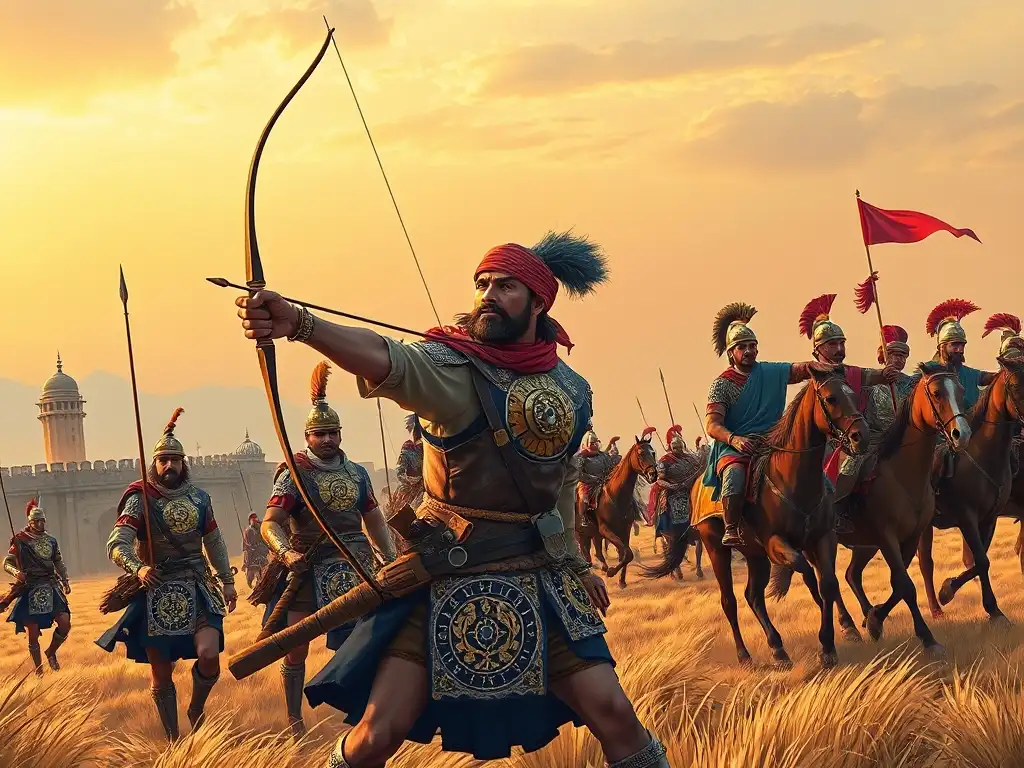
Ancient Indian warfare techniques were marked by innovation, strategy, and cultural significance. A comparative analysis with contemporary civilizations reveals how these techniques were not only effective but also ahead of their time. The methodologies employed in battle, the weaponry used, and the strategic planning showcase the sophistication of military practices in ancient India.
Comparison with Contemporary Civilizations’ Military Strategies
When examining ancient Indian warfare techniques, it is crucial to compare them with those of other civilizations such as the Greeks, Romans, and Persians. Each civilization had its distinct approach to warfare, yet ancient India displayed several unique strategies and technologies that set it apart.
- Tactical Innovations:
- Guerrilla Warfare: Ancient Indian armies, particularly during the time of the Maurya and Gupta empires, effectively employed guerrilla tactics. These strategies involved ambushes, surprise attacks, and mobility, allowing smaller forces to defeat larger armies. This approach was notably similar to tactics used by contemporary civilizations like the Scythians and later the Mongols.
- Use of Elephants: The inclusion of war elephants was a remarkable aspect of ancient Indian warfare. Elephants served as both mounts for warriors and as psychological tools to intimidate enemies. While other civilizations used cavalry, the scale and training of elephants in India were unparalleled.
- Strategic Planning and Philosophy:
- Kautilya’s Arthashastra: The ancient treatise on statecraft and military strategy authored by Kautilya (Chanakya) emphasizes the importance of espionage, intelligence, and the strategic use of deception. This holistic approach to warfare was advanced compared to the more straightforward military doctrines of contemporaries such as the Romans, who often relied on brute strength and discipline.
- Moral and Ethical Considerations: Ancient Indian warfare often involved philosophical underpinnings, as seen in texts like the Mahabharata. The concepts of dharma (duty/righteousness) influenced the conduct of warfare, emphasizing that battles should be fought with honor and justice, a perspective less emphasized in many other ancient military cultures.
- Technological Advancements:
- Weaponry: Ancient Indian metallurgy was advanced, producing high-quality weaponry, including swords and arrows made from superior steel. The use of composite bows provided a range advantage, while the development of crossbows and other projectile weapons illustrated a technological edge.
- Fortifications and Siege Warfare: The design of forts and siege techniques demonstrated a sophisticated understanding of defensive and offensive warfare. Structures like the forts of the Rajputs and the elaborate designs of ancient Indian cities showcased strategic military thinking that was often lacking in the more rudimentary fortifications of other civilizations.
Unique Aspects of Ancient Indian Warfare Techniques
Ancient Indian warfare techniques incorporated unique elements that reflect the cultural and social fabric of the time. Several aspects distinguish these techniques from those of other ancient civilizations:
- Integration of Religion and Warfare: The belief systems in ancient India often intertwined with military practices. Rituals and prayers were commonly conducted before battles, and the participation of warriors in religious ceremonies highlighted the sanctity of warfare. This spiritual dimension was less pronounced in other cultures, where warfare was often viewed solely as a means to an end.
- Role of Women: While many ancient societies restricted women’s participation in warfare, ancient India saw notable examples of female warriors, such as Rani Durgavati and the legendary figures in the Mahabharata. Their involvement in combat and leadership roles showcased a more progressive approach to gender in military contexts compared to many contemporary civilizations.
- Caste System and Military Organization: The Varna system influenced the organization of armies, with certain castes traditionally serving as warriors (Kshatriyas). This unique social structure provided a distinct framework for military service and loyalty, as opposed to the mercenary systems utilized by other cultures.
- Diplomacy and Alliances: Ancient Indian states often engaged in intricate diplomacy, forming alliances through marriage, treaties, and strategic partnerships. This diplomatic acumen allowed them to navigate complex relations with neighboring states, contrasting with the often more confrontational approaches seen in other ancient civilizations.
Ancient Indian warfare techniques exhibited a blend of tactical innovation, ethical considerations, and cultural integration that positioned them ahead of their time. The comparative analysis with contemporary civilizations underscores the sophistication and uniqueness of India's military history, highlighting its contributions to the broader narrative of ancient warfare.
Influences on Modern Warfare
Legacy of Ancient Indian Military Strategies
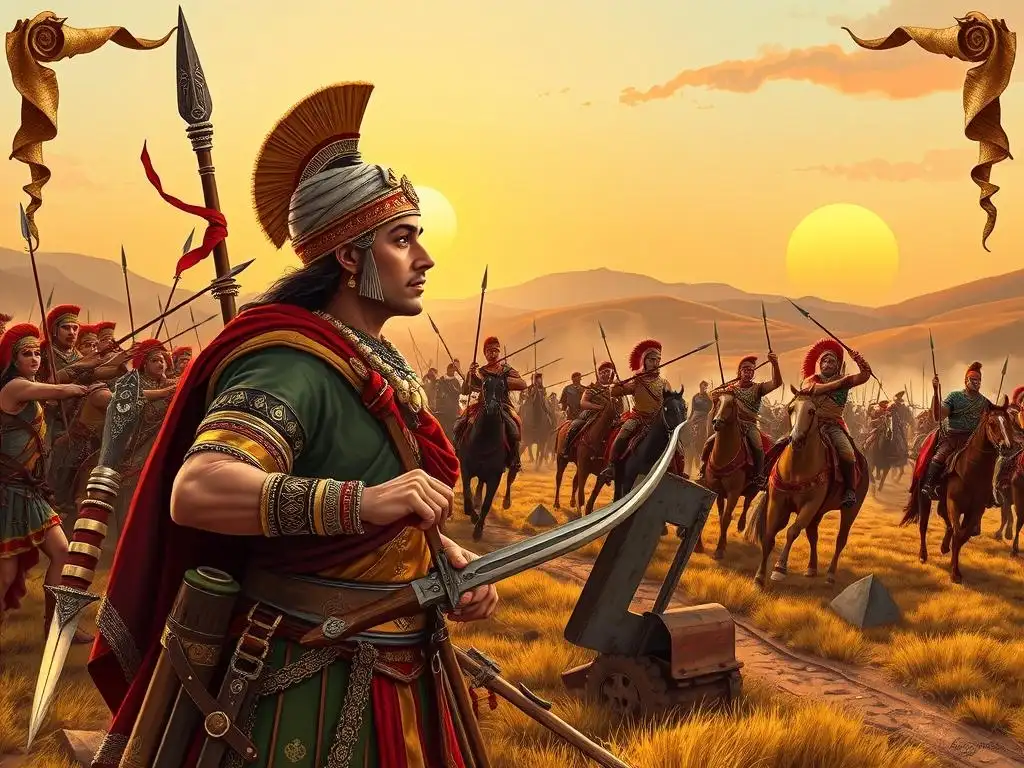
Ancient Indian warfare techniques have left an indelible mark on contemporary military strategies, influencing both tactics and philosophies in various ways. The principles derived from ancient Indian texts such as the Arthashastra by Kautilya (Chanakya) emphasize not only the art of war but also the importance of statecraft and diplomacy. This comprehensive approach laid the groundwork for a holistic understanding of military engagements.
- Strategic Planning:
- The ancient Indian military leaders were adept at strategic planning. They employed meticulous preparations before engaging in warfare, which included understanding terrain, gathering intelligence, and analyzing the strengths and weaknesses of both their own and enemy forces.
- For instance, the famous battle of the Mahabharata, exemplifies the importance of strategic maneuvers and formations. The use of formations such as the Chakra Vyuha (circular formation) highlights advanced tactical thinking that resonates in modern military formations.
- Psychological Warfare:
- Ancient Indian texts also discuss the importance of psychological tactics. The use of misinformation, feigned retreats, and propaganda were common practices aimed at demoralizing the enemy.
- This can be seen in the historical accounts of Chhatrapati Shivaji Maharaj, who utilized guerrilla tactics and surprise attacks to outmaneuver larger armies, effectively disrupting enemy morale.
- Technological Innovations:
- The development of advanced weaponry and warfare technologies in ancient India, such as the use of elephants in battle and the creation of sophisticated siege equipment, showcases a significant understanding of engineering and logistics.
- Modern military forces can draw parallels to the use of armored vehicles and aerial support, reflecting the innovative spirit of ancient Indian warfare.
How Ancient Indian Warfare Techniques Inspire Modern Military Thought
The resonance of ancient Indian warfare techniques in modern military thought is evident in various aspects of military training and operations. The adaptability and ingenuity displayed by ancient Indian warriors provide crucial lessons for contemporary forces.
- Asymmetric Warfare:
- The tactics employed by figures like Maharana Pratap during the battles against the Mughal Empire illustrate principles of asymmetric warfare, where smaller, agile forces leverage their knowledge of the terrain against larger, conventional armies.
- Today, military strategists study these tactics to inform counterinsurgency operations and unconventional warfare strategies.
- Emphasis on Intelligence and Espionage:
- The significance of intelligence, as highlighted in the Arthashastra, emphasizes that knowledge of the enemy is as crucial as military might. This understanding has been integrated into modern doctrines, with a strong focus on reconnaissance and intelligence-gathering operations.
- The ancient Indian practice of employing spies is mirrored in contemporary military operations where intelligence units play a vital role in strategic planning.
- Holistic Warfare Philosophy:
- The ancient Indian approach to warfare, which integrates ethical considerations, diplomacy, and psychological tactics, is increasingly relevant today. Modern military theorists advocate for a comprehensive approach that includes civilian considerations and the socio-political landscape of conflict zones.
- This holistic view aligns with contemporary efforts to conduct operations in a manner that minimizes civilian harm while achieving military objectives.
The legacy of ancient Indian warfare techniques continues to shape and inspire military thought across the globe. By studying these historical strategies, modern military leaders can gain valuable insights that enhance their operational effectiveness and strategic planning.
Conclusion: The Timeless Nature of Ancient Indian Warfare Techniques
The study of ancient Indian warfare techniques reveals a sophisticated understanding of combat that remains relevant even today. From the strategic innovations of the Indus Valley civilization to the tactical brilliance exhibited during the Gupta Empire, ancient Indian armies were not only adept at employing various weaponry but also excelled in psychological warfare, logistics, and battlefield tactics.
Reflections on the Advancements in Combat Strategy
Ancient Indian warfare techniques were characterized by a multi-faceted approach to combat. Key advancements included:
- Use of Elephants: Elephants were not merely beasts of burden but were integral to warfare. Their sheer size and strength made them formidable in battle, serving both as platforms for archers and as psychological tools to intimidate enemies.
- Chariots in Battle: The use of chariots allowed for rapid mobility and facilitated strategic maneuvers. Chariots were equipped with archers, enabling them to strike from a distance while remaining agile on the battlefield.
- Guerrilla Tactics: Ancient Indian warriors often employed guerrilla warfare techniques, utilizing the terrain to their advantage. This included ambushes and hit-and-run tactics, which proved effective against larger, more organized forces.
- Philosophical Underpinnings: Texts like the Arthashastra by Kautilya emphasized the importance of strategy, espionage, and diplomacy, showcasing a deep understanding of not only military tactics but also the psychological aspects of warfare.
These advancements highlight a holistic approach to warfare that integrated technology, strategy, and psychological elements, setting a standard that many civilizations would later follow.
The Lasting Impact on Military History and Modern Warfare
The legacy of ancient Indian warfare techniques is evident in contemporary military practices. Many principles established by ancient Indian strategists resonate in modern military doctrines, including:
- Strategic Planning: The emphasis on detailed planning and intelligence gathering from texts like Arthashastra continues to influence military strategy today. The idea of knowing one's enemy and the terrain remains critical in modern warfare.
- Combined Arms Strategy: The integration of various military units (infantry, cavalry, and chariots) is a precursor to today's combined arms tactics, where different forces work in unison to achieve objectives.
- Psychological Warfare: The psychological tactics used to demoralize opponents can be seen in contemporary operations, where information warfare plays a pivotal role.
- Logistics and Supply Chains: Ancient Indian armies recognized the importance of logistics, ensuring that their forces were well-supplied and able to sustain long campaigns. This principle is fundamental in modern military operations.
In summation, the timeless nature of ancient Indian warfare techniques not only reflects the ingenuity of those civilizations but also provides a framework that continues to shape military thought and practice in the present day. Understanding these techniques enriches our appreciation of ancient Indian history and its enduring influence on military strategy worldwide.
Frequently Asked Questions
What were the primary ancient Indian warfare techniques?
Ancient Indian warfare techniques included chariot warfare, cavalry tactics, and the use of war elephants, showcasing a sophisticated understanding of various battle strategies.
How did ancient Indian warfare techniques influence other civilizations?
The innovative strategies and technologies developed in ancient India, such as the use of fortifications and siege tactics, were later adopted by various other civilizations, enhancing their military practices.
What role did religion play in ancient Indian warfare?
Religion significantly influenced ancient Indian warfare, as rituals and spiritual beliefs were integral to preparing for battle, often seen as a means to gain favor from the gods.
How did the Gupta Empire contribute to advancements in warfare?
The Gupta Empire saw advancements in military organization and tactics, including the standardization of military units and improved weaponry, which made their forces formidable in battle.
Were there any notable military texts from ancient India?
Yes, texts like the Arthashastra by Kautilya provided comprehensive insights into military strategy, including the importance of espionage and psychological warfare in ancient Indian military practice.
Final Reflection: The Timeless Wisdom of Ancient Indian Warfare Techniques
The exploration of ancient Indian warfare techniques reveals not only their strategic brilliance but also their profound relevance in today's world. As we navigate complex global challenges, the principles of adaptability, innovation, and strategic foresight exemplified by these ancient practices resonate deeply with contemporary military and leadership strategies. The ingenuity of these techniques serves as a reminder that wisdom from the past can illuminate our path forward.
Cultural narratives around warfare often overlook the depth of knowledge embedded in ancient practices. The techniques developed in ancient India were not merely about combat; they encompassed a holistic understanding of strategy, ethics, and the human condition. This rich tapestry of thought continues to influence modern military doctrines and strategic studies. In war, the moral is to the physical as three is to one.
This quote encapsulates the enduring significance of the mental and ethical dimensions of warfare, which were masterfully integrated into ancient Indian strategies.
As you reflect on the lessons learned from ancient Indian warfare techniques, consider how these insights can be applied in your own life. Embrace the spirit of innovation, adaptability, and ethical leadership in your endeavors. Whether in personal challenges or professional pursuits, let the wisdom of the past inspire you to think critically and act decisively. The legacy of these ancient techniques is not just a historical curiosity; it is a call to cultivate resilience and strategic thinking in our ever-evolving world.
Unveil the Secrets of Ancient Warfare Today!
Thank you for delving into the fascinating world of ancient Indian warfare techniques with us! We hope you gained valuable insights into how these innovative strategies shaped the course of history. Now, it's time to take action and explore further!
- Dive Deeper: Research a specific warfare technique mentioned in this article and see how it compares to modern strategies.
- Join the Conversation: Share your thoughts on how ancient tactics can inspire today's military approaches in our community forums.
- Discover More: Explore additional resources on our website for even more intriguing aspects of ancient military history.
Which ancient technique do you believe could transform modern conflict resolution strategies today?