
Festivals of the Ancients: Timeless Rituals that Continue to Inspire

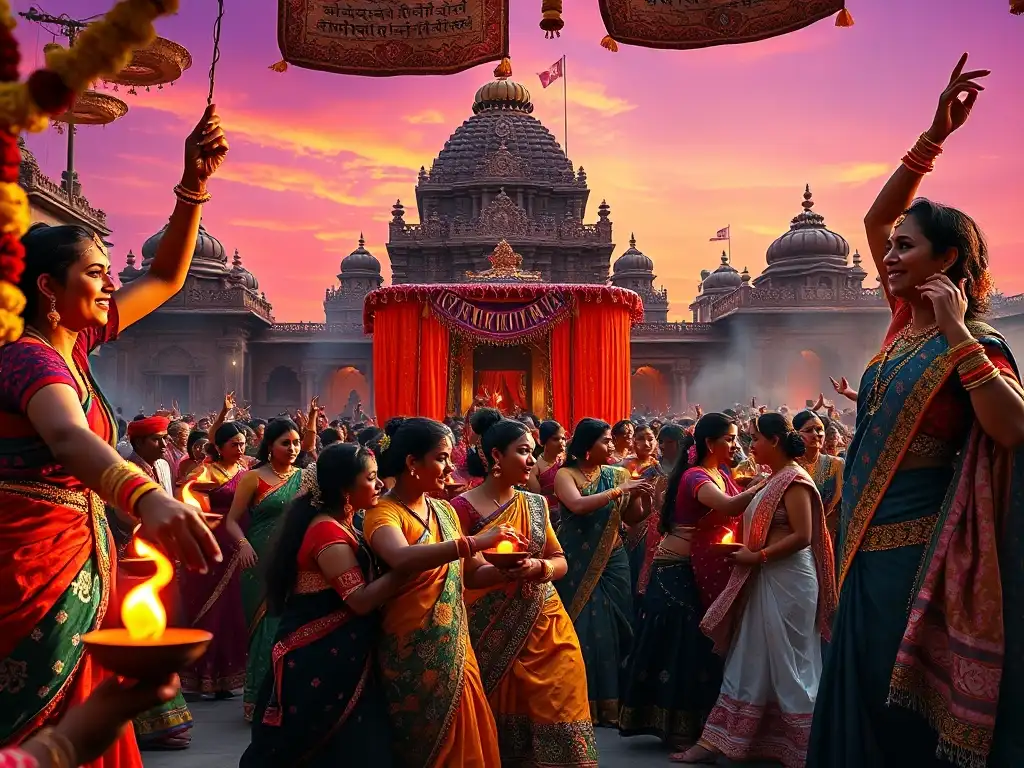
Welcome to Ancient India History, where we embark on a fascinating journey through the rich tapestry of ancient Indian civilizations. From the mystique of the Indus Valley to the grandeur of the Gupta Empire, our exploration uncovers the significance of ancient Indian festivals that have shaped cultural practices for centuries.
Join us as we delve into "Festivals of the Ancients: Timeless Rituals that Continue to Inspire," and discover how these vibrant celebrations not only reflect the values and beliefs of their time but also continue to resonate in our lives today. Prepare to be inspired and intrigued by the stories behind these enduring traditions!
Festivals have always served as a vibrant expression of culture, spirituality, and community in ancient Indian civilizations. From the serene banks of the Indus Valley to the intellectual heights of the Gupta Empire, these celebrations were not merely events marked on a calendar; they were profound rituals that resonated with the socio-religious fabric of their time. The significance of ancient Indian festivals extends beyond mere festivities; they embody the values, beliefs, and artistic expressions of various communities, reflecting a rich tapestry of traditions that continue to inspire contemporary society.
In this article, we will delve into the significance of ancient Indian festivals, exploring their historical roots, cultural implications, and the ways in which they have shaped and defined the identities of countless generations. Through an examination of these timeless rituals, we aim to uncover the enduring legacy of ancient Indian celebrations and their relevance in today's world.
The Historical Roots of Ancient Indian Festivals
Ancient Indian festivals have deep historical roots, often intertwined with mythology, agricultural cycles, and seasonal changes. These celebrations can be traced back to various texts, including the Vedas and Puranas, which outline the rituals associated with different deities and natural phenomena.
- Mythological Significance: Many festivals are tied to legendary tales of gods and goddesses, such as the vibrant festival of Holi, which celebrates the victory of good over evil through the story of Prahlada and Holika.
- Agricultural Connections: The agrarian nature of ancient Indian society meant that many festivals coincided with harvest times, such as Makar Sankranti, marking the end of winter and the beginning of a new agricultural cycle.
Cultural Implications of Festivals
The significance of festivals in ancient India transcended mere celebration; they were crucial in fostering community bonds and reinforcing social structures.
- Community Engagement: Festivals brought people together, promoting unity among diverse groups and enhancing social cohesion.
- Artistic Expressions: Ancient festivals were also platforms for artistic expressions, including dance, music, and crafts, which contributed to the cultural heritage of the region.
Enduring Legacy in Modern Times
Despite the passage of centuries, the essence of ancient Indian festivals remains alive today, continuing to inspire both spiritual and cultural practices.
- Revival of Traditions: Many modern festivals draw directly from ancient practices, adapting rituals to contemporary contexts while preserving their core significance.
- Cultural Tourism: Festivals have become focal points for cultural tourism, attracting visitors from around the world who seek to experience the richness of ancient traditions.
The festivals of ancient India offer a remarkable glimpse into the values and beliefs that shaped one of the world's oldest civilizations. Understanding their significance not only enriches our appreciation of history but also highlights the timeless nature of rituals that continue to inspire and connect us across generations.
- The Historical Roots of Ancient Indian Festivals
- Cultural Implications of Festivals
- Enduring Legacy in Modern Times
- What are some key ancient Indian festivals mentioned in history?
- How did ancient Indian festivals influence modern celebrations?
- What role did religion play in ancient Indian festivals?
- Can you explain the significance of rituals performed during ancient festivals?
- Why is it important to study the significance of ancient Indian festivals today?
Introduction to Ancient Indian Festivals
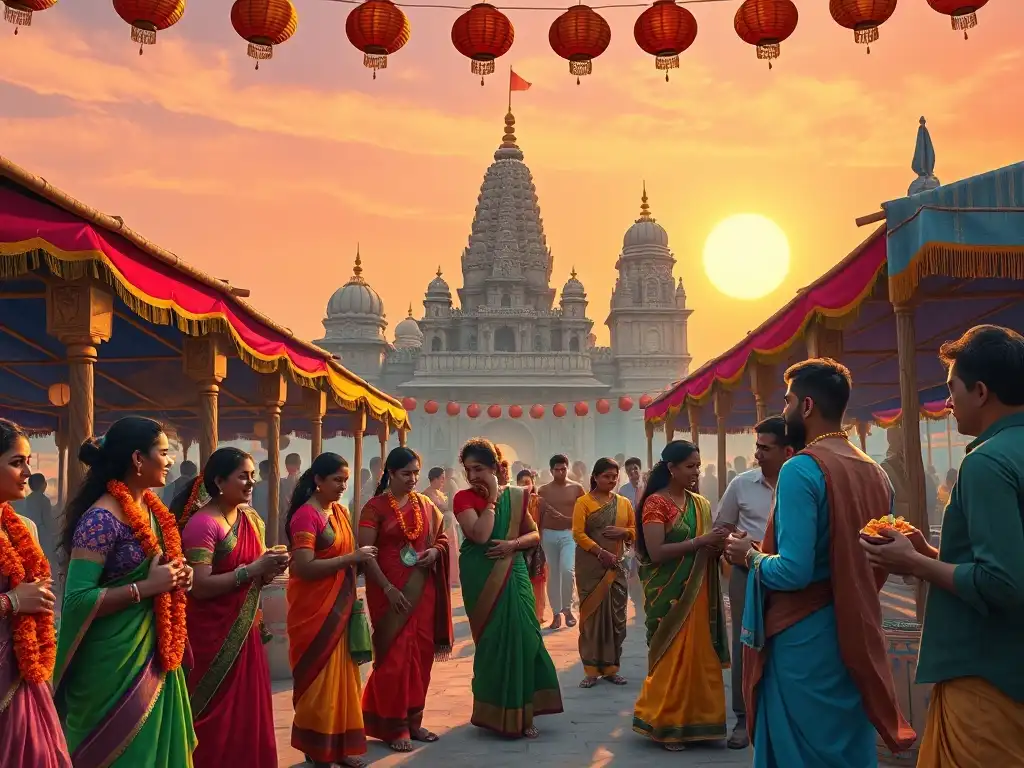
Festivals have always played a pivotal role in shaping the cultural landscape of ancient India. They are not merely occasions for celebration but are woven into the very fabric of society, reflecting the values, beliefs, and customs of various ancient Indian civilizations. From the early days of the Indus Valley civilization to the flourishing realms of the Gupta Empire, festivals served as a means to connect individuals with the divine, commemorate significant events, and foster a sense of community.
The significance of ancient Indian festivals extends beyond mere festivities; they encapsulate the historical, spiritual, and social dimensions of Indian life. Each festival is steeped in rich narratives and traditions, often intertwined with seasonal cycles, agricultural practices, and celestial phenomena. Understanding these festivals provides insights into the complexities of ancient Indian society and its enduring legacy.
Understanding the Significance of Ancient Indian Festivals
The significance of ancient Indian festivals can be categorized into several dimensions:
- Spiritual Connection
- Festivals often mark important religious observances, symbolizing the relationship between humanity and the divine. For instance, Diwali, known as the Festival of Lights, represents the triumph of light over darkness and good over evil, reflecting deep spiritual beliefs.
- Cultural Identity
- Festivals serve as a medium for the expression of cultural identity. They allow communities to showcase their unique traditions, art forms, and culinary practices. Holi, the Festival of Colors, exemplifies this as it promotes unity and diversity through joyous celebrations.
- Agricultural Significance
- Many ancient Indian festivals are linked to agricultural cycles, celebrating harvests and seasonal changes. Makar Sankranti, for example, is celebrated to mark the end of winter and the onset of the harvest season, emphasizing the agrarian roots of Indian civilization.
- Social Cohesion
- Festivals foster communal bonds, bringing people together irrespective of social status and background. Rituals performed during festivals encourage collaboration, sharing, and a sense of belonging within the community.
- Transmission of Knowledge
- Festivals often incorporate storytelling, music, dance, and other art forms, serving as a means of passing down history and traditions from one generation to another. For example, Navaratri includes dance forms like Garba and Dandiya, which narrate stories of victory and devotion.
Overview of Rituals and Ceremonies in Ancient India
Rituals and ceremonies in ancient India were integral to the celebration of festivals, deeply rooted in religious and cultural practices. They varied widely across regions and communities but often shared common themes:
-
Sacred Offerings
Rituals typically involved offerings to deities, including flowers, fruits, and incense. These offerings were a means to express gratitude and seek blessings.
-
Purification Practices
Many festivals began with purification rituals, such as bathing in sacred rivers or cleansing the home, symbolizing the removal of negativity and the welcoming of positivity.
-
Processions and Performances
Grand processions featuring traditional music, dance, and elaborate decorations were commonplace. These performances often depicted mythological stories, reinforcing cultural narratives.
-
Community Gatherings
Gatherings for feasting and socializing were essential components, emphasizing the importance of community and shared experiences during festivals.
-
Ritualistic Recitations
Chanting of mantras and recitation of sacred texts played a vital role in many ceremonies, believed to invoke divine presence and blessings.
The rituals and ceremonies associated with ancient Indian festivals encapsulate a rich tapestry of beliefs and practices that continue to inspire and resonate in contemporary society. They offer a window into the profound significance of these celebrations, highlighting their role in shaping cultural and spiritual identities throughout history.
Historical Context of Ancient Indian Festivals
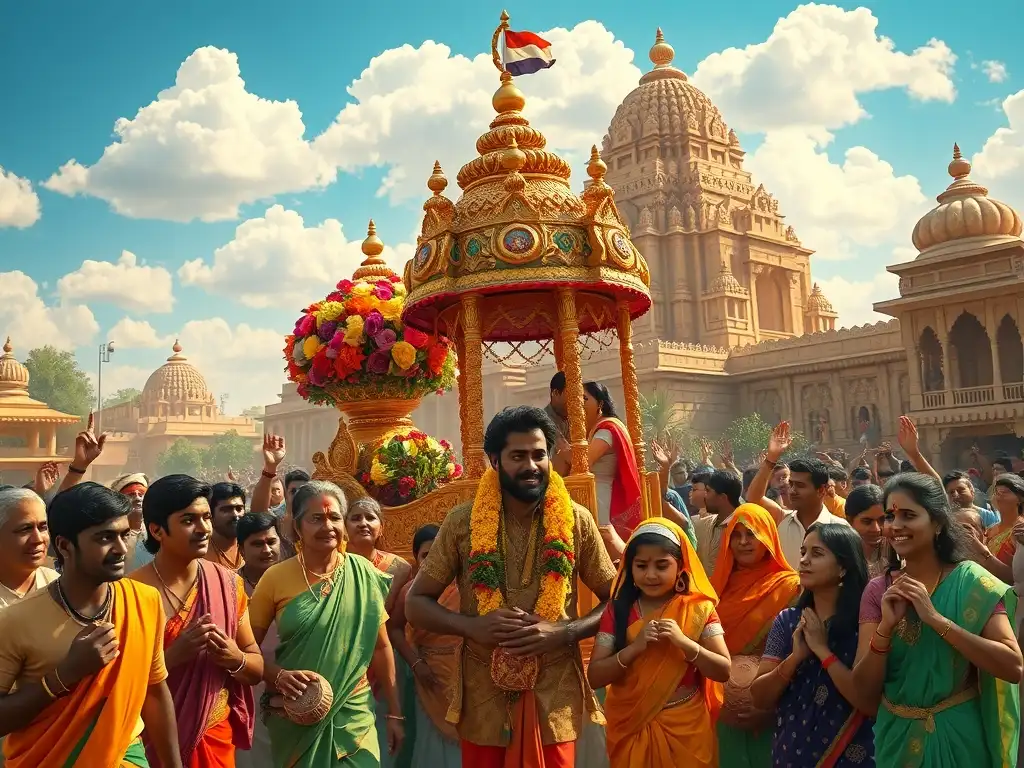
The Role of Festivals in Ancient Indian Society
Festivals in ancient India served as essential components of social and cultural life, deeply intertwined with the religious, agricultural, and seasonal cycles. They were not merely occasions for celebration but also significant rituals that reinforced community bonds and cultural identity. Festivals provided a structured time for communities to come together, celebrate, and engage in various spiritual and social activities.
- Religious Significance:
- Many ancient Indian festivals were rooted in religious beliefs and practices, often dedicated to deities. For example, festivals like Makar Sankranti and Navratri honored specific gods and goddesses, reflecting the deep veneration of the divine in daily life.
- Rituals performed during these festivals aimed to appease deities, seek blessings, and ensure prosperity and fertility of the land.
- Agricultural Markers:
- Festivals often coincided with agricultural cycles, marking crucial points in the farming calendar. For instance, the harvest festival Pongal celebrated the successful gathering of crops, ensuring that communities recognized and appreciated the fruits of their labor.
- Seasonal changes were also celebrated, highlighting the importance of nature in ancient Indian life.
- Cultural Identity and Unity:
- Festivals acted as a unifying force within communities. They provided a platform for showcasing traditions, art, and music, fostering a sense of belonging among participants.
- They were also times for story-telling and passing down oral histories, thus preserving cultural heritage across generations.
Ancient Indian festivals were multifaceted events that played a crucial role in maintaining the social fabric, religious adherence, and cultural continuity of society.
Festivals Across Different Ancient Indian Civilizations
Ancient Indian civilizations each had their unique festivals that reflected their cultural and religious practices. Understanding these festivals provides insight into the diverse tapestry of ancient Indian life.
Indus Valley Civilization Festivals
The Indus Valley Civilization, one of the earliest urban cultures in India, had a rich cultural life, though much about their specific festivals remains speculative due to limited written records. However, archaeological findings suggest several key aspects:
- Agricultural Celebrations: Given the reliance on agriculture, it is likely that seasonal festivals were prominent, celebrating sowing and harvesting times.
- Ceremonial Practices: Artifacts like pottery and figurines indicate rituals possibly linked to fertility and nature, hinting at festivals that honored agricultural deities.
- Communal Gatherings: The layout of Indus Valley cities, with large public baths and granaries, suggests that festivals may have involved communal activities centered around these spaces, fostering social cohesion.
Vedic Period Festivals
The Vedic Period (circa 1500 - 500 BCE) marked a significant evolution in religious practices, with festivals becoming more structured and integrated into the fabric of society.
- Yajnas and Homas: Central to Vedic festivals were fire rituals known as yajnas, where offerings were made to the gods. These ceremonies were pivotal in Vedic culture, believed to sustain cosmic order and bring blessings.
- Seasonal Festivals: Festivals such as Purnima (full moon) and Amavasya (new moon) were significant, marking time for rituals and communal prayers.
- Cultural Expressions: The chanting of hymns and verses during these festivals became a means of cultural expression, preserving the Vedic texts through oral tradition.
Festivals During the Gupta Empire
The Gupta Empire (circa 320 - 550 CE) is often referred to as the Golden Age of India, marked by remarkable progress in arts, science, and culture. Festivals during this period reflected these advancements:
- Religious Diversity: Hinduism, Buddhism, and Jainism flourished, leading to a variety of festivals. Celebrations like Maha Shivaratri and Buddha Jayanti showcased the rich spiritual life of the time.
- Artistic Flourishing: Festivals became platforms for artistic expression, with music, dance, and drama playing vital roles. The Gupta period saw the emergence of classical dance forms, which were often performed during religious festivals.
- Civic Participation: The state played an active role in festivals, with rulers sponsoring grand celebrations that promoted cultural unity and showcased their patronage of the arts.
The festivals of ancient Indian civilizations illustrate the significance of these rituals in fostering community, preserving cultural heritage, and expressing religious devotion. Each festival, with its unique characteristics, contributed to the diverse and vibrant tapestry of ancient Indian history.
Key Ancient Indian Festivals and Their Significance
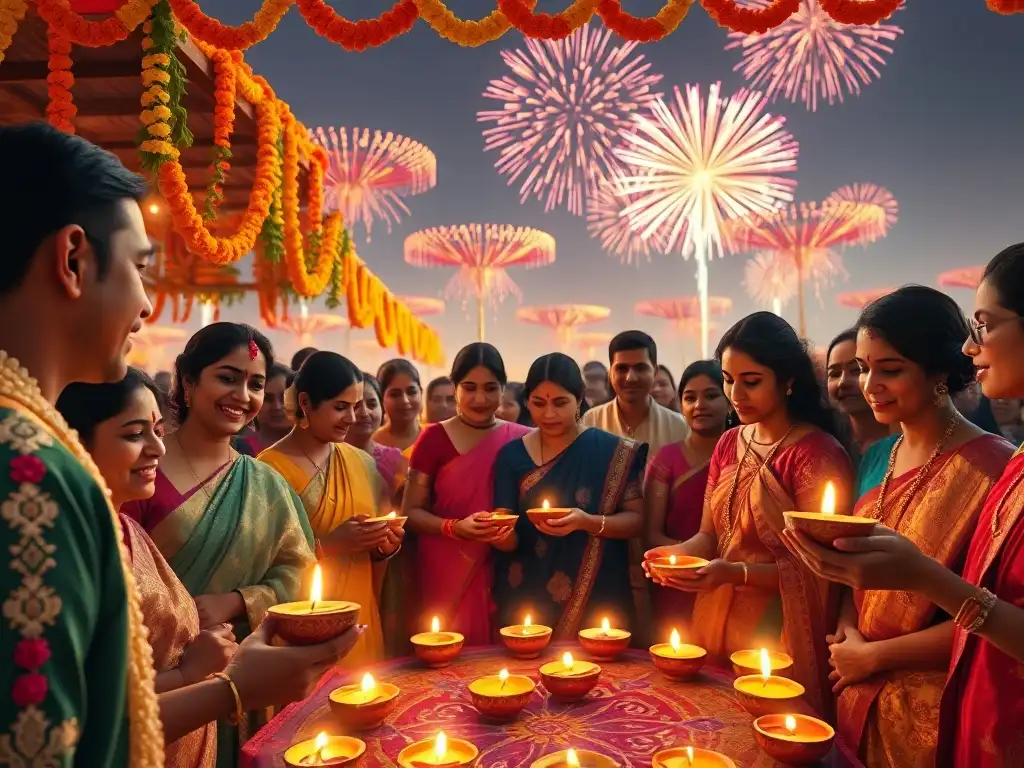
The festivals of ancient India are not merely celebrations but are deeply intertwined with the cultural, spiritual, and social fabric of the civilization. They reflect the values, beliefs, and practices that have been passed down through generations, each with its own unique significance. This section explores two of the most prominent ancient Indian festivals: Diwali and Holi, shedding light on their rich histories and cultural implications.
Diwali: The Festival of Lights
Historical Roots and Rituals of Diwali
Diwali, also known as Deepavali, is one of the most significant festivals in ancient Indian history. Its origins can be traced back to several ancient texts, including the Ramayana, where it celebrates the return of Lord Rama to Ayodhya after his victory over the demon king Ravana. The festival is marked by various rituals, which include:
- Cleaning and Decorating Homes: Families clean their homes and decorate them with rangoli (colorful designs made of powders or flowers) and oil lamps (diyas).
- Puja (Worship): The ritualistic worship of Goddess Lakshmi, the deity of wealth and prosperity, is central to Diwali. Offerings of sweets and flowers are made.
- Fireworks and Feasting: The night sky is illuminated with fireworks, symbolizing the victory of light over darkness, while families gather to share festive meals.
The festival typically spans five days, each with its own significance, including Dhanteras, Naraka Chaturdashi, Lakshmi Puja, Govardhan Puja, and Bhai Dooj.
Cultural Significance of Diwali in Ancient India
Diwali transcends its religious roots, embodying themes of renewal, hope, and unity. Historically, it served as a time for communities to come together, reinforcing social bonds and shared values. The festival also emphasizes the importance of forgiveness and the triumph of good over evil, echoing the moral lessons found in ancient texts.
In ancient India, Diwali was a time for merchants to close their accounts and start anew, symbolizing economic renewal. This practice has evolved, yet it still resonates today as a period of reflection and new beginnings. The festival's emphasis on light serves as a powerful metaphor for knowledge and enlightenment, encouraging individuals to seek wisdom in their lives.
Holi: The Festival of Colors
Origins and Ancient Celebrations of Holi
Holi, known as the Festival of Colors, has roots that go back to various ancient legends and texts. One prominent tale involves the demon king Hiranyakashipu and his son Prahlad, who was a devotee of Lord Vishnu. The festival celebrates the triumph of good over evil, with rituals that include:
- Bonfires: The day before Holi, people light bonfires (Holika Dahan) to symbolize the burning of evil and the victory of devotion.
- Throwing Colors: On the day of Holi, participants engage in throwing colored powders (gulal) and water at each other, signifying the arrival of spring and the joy of life.
- Sweets and Festivities: Special sweets like gujiya are prepared, and communities come together to celebrate, dance, and sing.
Holi's exuberance is reflected in its playful nature, where social norms are often relaxed, allowing for the breaking of barriers and the celebration of unity.
Symbolic Meaning of Holi in Ancient Traditions
The significance of Holi extends beyond mere celebration; it encapsulates themes of love, forgiveness, and renewal. In ancient traditions, the festival served as a reminder of the importance of community and harmony. The act of throwing colors represents the sharing of joy and the breaking down of social barriers, as people of all backgrounds come together in celebration.
Moreover, Holi marks the end of winter and the arrival of spring, symbolizing rebirth and rejuvenation. It encourages individuals to let go of past grievances and embrace new beginnings, aligning with ancient Indian philosophies that prioritize harmony and balance in life.
Holi's vibrant expressions and deep-rooted meanings ensure its place as a timeless festival, resonating with the essence of ancient Indian values and traditions.
These festivals, with their rich histories and profound significances, continue to inspire generations, reminding us of the cultural heritage that shapes our identities today.
Makar Sankranti: The Harvest Festival
Makar Sankranti is one of the most significant harvest festivals celebrated in various parts of India, marking the transition of the sun into the zodiac sign of Capricorn (Makar). Traditionally observed in mid-January, this festival signifies the end of the winter solstice and the beginning of the sun's northward journey, known as the Uttarayana. It is a time of thanksgiving to the sun god for a bountiful harvest and is often associated with various regional practices and celebrations.
Evolution of Makar Sankranti Celebrations
Over the centuries, Makar Sankranti has evolved from being a primarily agricultural observance into a vibrant festival that showcases a rich tapestry of regional cultures and traditions. Initially celebrated by farmers to mark the end of the harvest season, the festival has now incorporated various customs like kite flying, music, and dance. Each region has its unique way of celebrating, such as the colorful fairs in Gujarat, the traditional Pongal in Tamil Nadu, and the Lohri in Punjab.
The festival's significance has expanded as it has become a time for families to come together, share meals, and partake in communal activities. Rituals have also shifted, with new elements introduced to honor the agricultural roots while embracing modern celebrations, ensuring that Makar Sankranti remains relevant across generations.
Agricultural Significance in Ancient Context
In ancient times, Makar Sankranti was deeply rooted in the agricultural calendar. It heralded the end of the harvesting season, when farmers would give thanks for the grains collected and pray for future prosperity. The festival provided a much-needed respite for agricultural communities, allowing them to celebrate their hard work and the fruits of their labor.
The significance of this festival can also be traced back to ancient texts, where it is mentioned in various scriptures, including the Puranas. Rituals performed during Makar Sankranti, such as taking holy dips in rivers and making offerings, were believed to purify and ensure a fruitful year ahead. The festival also encouraged community bonding, reinforcing social ties and collective identity among farming communities.
Navaratri, translating to "Nine Nights," is a major Hindu festival dedicated to the worship of the goddess Durga. This vibrant celebration spans nine nights and ten days, typically occurring in the lunar month of Ashvin (September-October). Navaratri is a period of spiritual reflection, fasting, and elaborate rituals that honor the divine feminine energy, symbolizing the victory of good over evil.
Historical Importance of Navaratri
The origins of Navaratri can be traced back to ancient texts and myths, particularly the Devi Mahatmya, which narrates the battle between the goddess Durga and the buffalo demon Mahishasura. This festival not only celebrates the goddess's victory but also reflects the socio-religious dynamics of ancient India, where devotion to the feminine principle was emphasized.
Historically, Navaratri served as a time for communities to come together in worship, reinforcing social structures and hierarchies while promoting communal identity. Over the years, the festival has been embraced across various regions, each incorporating their unique customs and practices, thus enriching the cultural diversity of the celebration.
Rituals and Ceremonies Associated with Navaratri
Navaratri is characterized by a plethora of rituals and ceremonies that vary by region but generally include fasting, prayer, dance, and music. Among the most popular practices are:
- Fasting: Many devotees observe strict fasting during these nine days, abstaining from certain foods to purify the body and mind.
- Garba and Dandiya Raas: In Gujarat, traditional dance forms like Garba and Dandiya Raas become central to the celebrations, inviting energetic participation from all age groups.
- Durga Puja: In some parts of India, particularly Bengal, elaborate Durga Puja celebrations take place, where intricately crafted idols of the goddess are worshipped, culminating in a grand immersion ritual.
- Navadurga Worship: Each day is dedicated to a different form of the goddess, known as the Navadurga, with specific rituals and offerings.
These rituals not only serve as a means of devotion but also reinforce community bonds, making Navaratri a festival that is as much about spirituality as it is about social cohesion. The enduring significance of Navaratri lies in its ability to inspire reverence and unity, echoing the values of ancient Indian society.
Timeless Rituals That Continue to Inspire
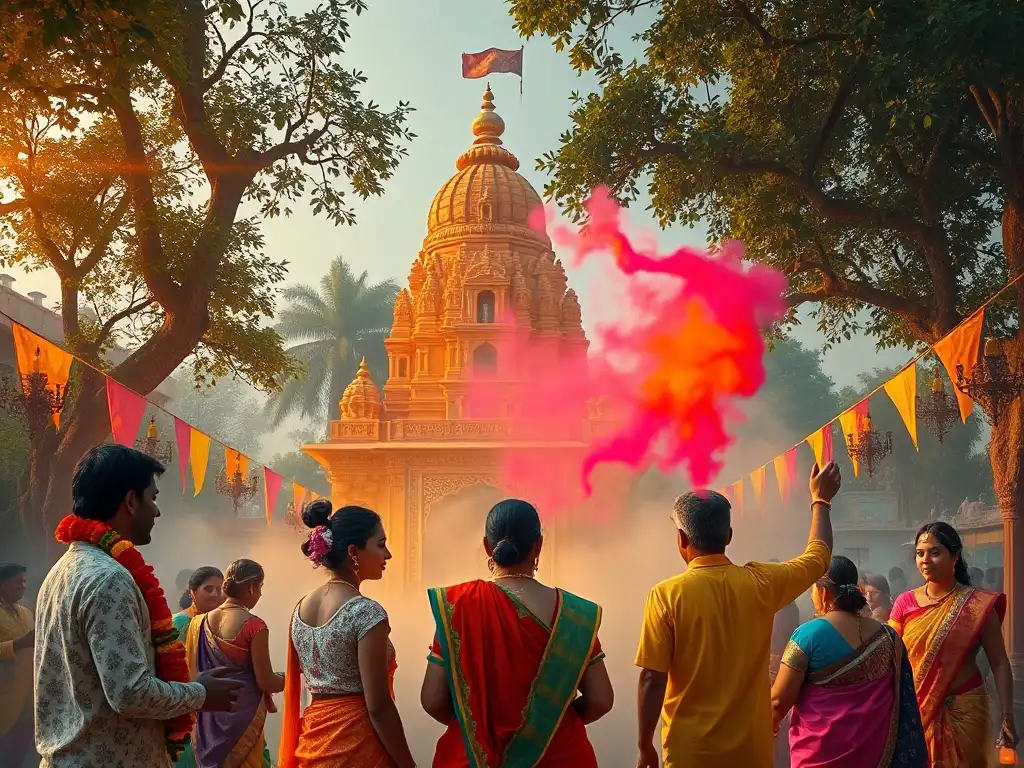
Influence of Ancient Festivals on Modern Celebrations
The significance of ancient Indian festivals is evident in their enduring influence on contemporary celebrations. Many modern festivals, such as Diwali, Holi, and Makar Sankranti, have roots that trace back to ancient traditions, reflecting the values, beliefs, and cultural practices of earlier civilizations.
- Diwali, for instance, originally celebrated the harvest season, symbolizing the victory of light over darkness. This festival has evolved to include various mythological narratives, such as the return of Lord Rama to Ayodhya, yet its essence remains anchored in the themes of prosperity and new beginnings.
- Holi, known as the festival of colors, can be traced to Vedic times, where it marked the arrival of spring and the end of winter. The playful throwing of colored powders is not just a celebration of love and joy but also symbolizes the triumph of good over evil, as depicted in the legend of Prahlada and Holika.
- Makar Sankranti, which heralds the transition of the sun into the zodiac sign of Capricorn, is another festival deeply rooted in ancient agrarian practices. This celebration, marked by kite flying and feasting, emphasizes gratitude to the sun god and the importance of the harvest.
These examples illustrate how ancient festivals have been adapted and transformed over time while maintaining their core significance. Modern celebrations often incorporate ancient rituals, creating a rich tapestry of cultural expressions that resonate with contemporary values and lifestyles.
Preservation of Ancient Rituals in Contemporary India
In contemporary India, the preservation of ancient rituals is not merely a matter of nostalgia; it is a vital aspect of cultural identity. Many communities actively engage in the revival and continuation of traditional practices that have been handed down through generations.
- Community Involvement: Festivals such as Navratri and Pongal see widespread participation across communities, where rituals are performed collectively. This communal aspect fosters a sense of belonging and continuity, reinforcing social bonds.
- Ritual Practices: The performance of traditional rituals, such as the puja (worship) of deities, is a significant aspect of these festivals. The use of specific offerings, chants, and ceremonial items reflects ancient practices that have been preserved with minimal alteration.
- Cultural Education: Many schools and cultural organizations in India incorporate lessons about ancient festivals into their curricula, ensuring that younger generations understand their significance. Workshops, storytelling sessions, and performances of traditional music and dance help keep these practices alive.
- Adaptation and Innovation: While preserving traditions, there is also space for innovation. For example, the celebration of festivals in urban areas often incorporates modern elements like technology and social media, which can enhance participation and reach a broader audience.
The blend of ancient rituals with contemporary practices ensures that the significance of these festivals continues to resonate. The preservation of these rich traditions not only honors the past but also inspires future generations to embrace their cultural heritage.
The significance of ancient Indian festivals is deeply woven into the fabric of modern celebrations, illustrating a dynamic interplay between tradition and contemporary life. This ongoing relationship ensures that the timeless rituals of ancient India continue to inspire and enrich the cultural landscape today.
Cultural Significance of Ancient Indian Festivals in Today’s Context
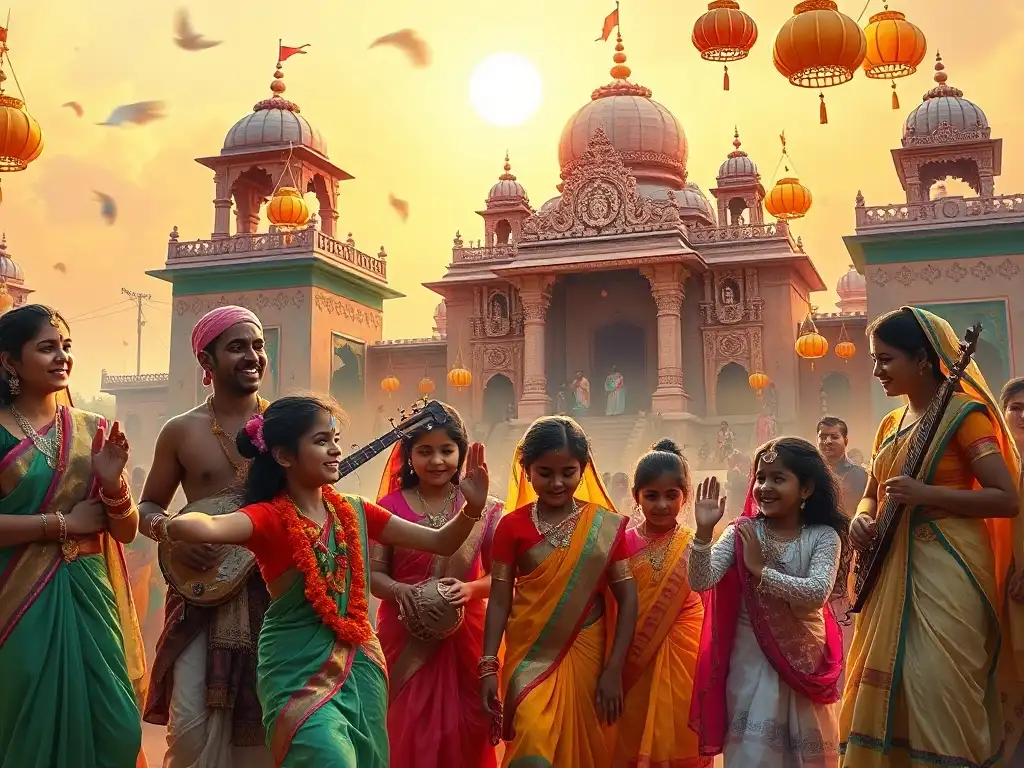
The cultural significance of ancient Indian festivals extends far beyond mere celebrations; they embody the essence of Indian identity and spirituality. Rooted in rich traditions, these festivals reflect the values, beliefs, and social fabrics of ancient Indian civilizations. They serve as a vibrant tapestry of history, mythology, and cultural practices that continue to resonate with people today.
The festivals of ancient India were often linked to agricultural cycles, seasonal changes, and religious observances. For instance, Makar Sankranti marks the transition of the sun into the zodiac sign of Capricorn and is celebrated with harvest festivities across the country. This connection to agriculture emphasizes the importance of nature in sustaining life and livelihoods, illustrating how ancient practices evolve to align with contemporary ecological awareness.
Moreover, the significance of ancient Indian festivals is evident in their role as a means of preserving cultural heritage. Celebrations like Diwali, with its origins in ancient texts like the Ramayana, highlight the themes of light conquering darkness and the victory of good over evil. These festivals are not just commemorative; they are educational, passing down moral lessons and cultural narratives through generations.
Festivals also serve as a platform for artistic expression. Traditional music, dance, and art forms flourish during these occasions, showcasing the creativity and diversity of Indian culture. The intricate decorations, vibrant attire, and elaborate rituals provide a sensory experience that reinforces communal ties and personal identity.
In essence, ancient Indian festivals continue to inspire modern society by reminding individuals of their roots, reinforcing cultural values, and promoting a sense of belonging. They are not relics of the past but living traditions that adapt and thrive, imbued with the same significance that inspired our ancestors.
How Ancient Festivals Shape Indian Identity
Ancient festivals play a crucial role in shaping Indian identity by reinforcing a sense of belonging and continuity across generations. The diverse array of celebrations across the subcontinent reflects the pluralistic nature of Indian society, encompassing various religions, languages, and regional traditions.
- Cultural Diversity: Festivals such as Holi, Eid, and Pongal highlight the multicultural fabric of India. Each festival brings together different communities, fostering an understanding and appreciation of one another's traditions. This diversity is a cornerstone of Indian identity, illustrating how ancient practices have the power to unite people despite their differences.
- Religious Significance: Many ancient festivals are deeply intertwined with religious beliefs. For instance, Navaratri celebrates the divine feminine and the triumph of good over evil, serving as a reminder of the spiritual heritage that continues to influence modern spiritual practices. This connection to spirituality not only shapes individual beliefs but also fosters a collective identity rooted in shared values.
- Rituals and Practices: The rituals associated with ancient festivals, such as fasting, prayers, and communal feasts, reinforce a sense of community and shared experience. These practices create an environment where individuals can connect with their heritage and each other, thereby strengthening their sense of identity.
- Historical Narratives: Festivals often commemorate historical events or mythological tales, serving as a living history lesson. For example, Dussehra celebrates the victory of Lord Rama over Ravana, instilling values of righteousness and justice. Such narratives contribute to a collective memory that shapes how communities view their past and their place in society today.
Ancient festivals are not merely celebrations; they are vital in shaping and expressing Indian identity. By emphasizing diversity, spirituality, communal practices, and historical narratives, these festivals create a rich tapestry of cultural significance that continues to inspire and unite people across generations.
The Role of Festivals in Fostering Community Bonds
Ancient Indian festivals play a pivotal role in fostering community bonds, acting as a catalyst for social cohesion and collective celebration. These events not only mark significant cultural and religious observances but also provide opportunities for individuals to come together, reinforcing relationships and creating a sense of belonging.
- Social Interactions: Festivals are occasions for families, friends, and neighbors to gather and engage in various activities. Events like Raksha Bandhan, which celebrates the bond between brothers and sisters, encourage familial ties and create a platform for social interaction. These gatherings can strengthen relationships and enhance community networks.
- Collective Participation: The very essence of festivals lies in collective participation, where everyone from children to elders contributes to the celebrations. Activities such as Durga Puja involve elaborate preparations, including crafting idols and organizing community prayers. This shared labor fosters a spirit of teamwork and collaboration, reinforcing community identity and pride.
- Cultural Exchange: Festivals often serve as a melting pot for cultural exchange. For example, during Baisakhi, people from different backgrounds come together to celebrate the harvest, sharing food, music, and customs. This exchange enriches the community's cultural landscape, promoting understanding and tolerance among diverse groups.
- Support Systems: Festivals can also serve as a mechanism for support within communities. During times of hardship, such as natural disasters, festivals can be a source of emotional and financial support. Community members often come together to help those in need, exemplifying the values of compassion and solidarity that are central to many ancient Indian traditions.
- Rituals of Togetherness: The rituals associated with festivals, such as lighting lamps during Diwali or communal prayers during Eid, create shared spiritual experiences. These moments of togetherness not only enhance individual connections with the divine but also strengthen the communal fabric, fostering a sense of unity and shared purpose.
Ancient Indian festivals are instrumental in fostering community bonds. Through social interactions, collective participation, cultural exchange, support systems, and shared rituals, these celebrations cultivate an environment of connection, understanding, and mutual respect among individuals, ensuring that the spirit of community remains vibrant and enduring.
Conclusion: The Enduring Legacy of Ancient Indian Festivals
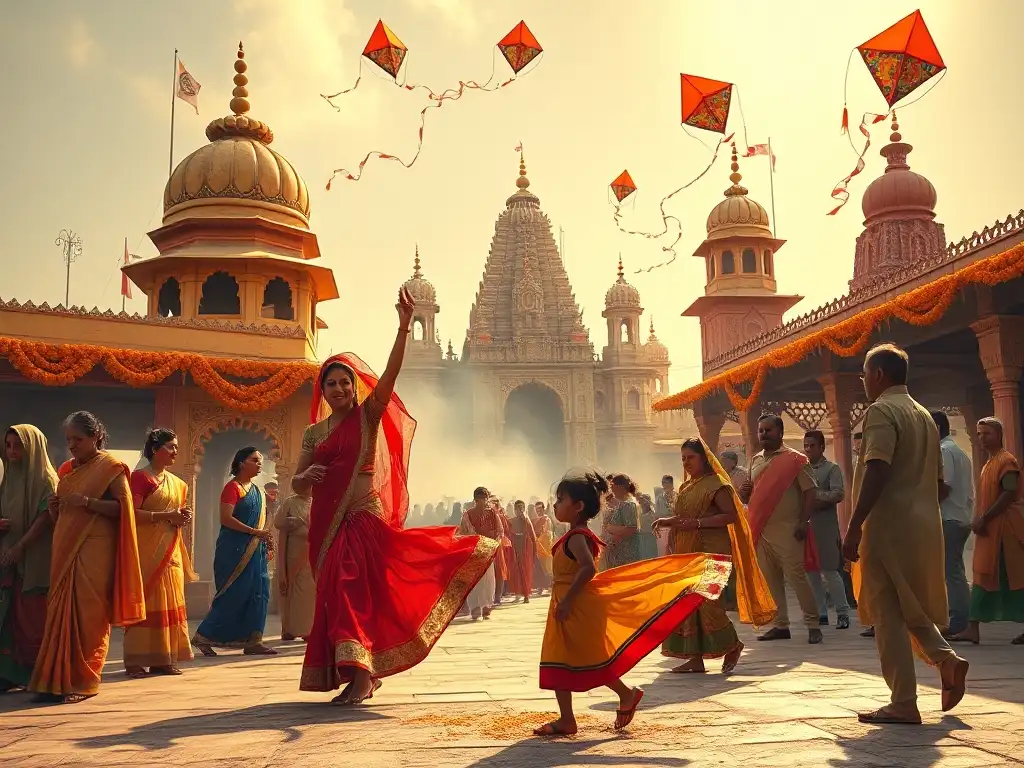
The festivals of ancient India serve as a testament to the vibrant tapestry of its civilization, weaving together threads of spirituality, culture, and community. These festivals were not merely celebratory events; they encapsulated deep meanings, symbolizing various aspects of life, nature, and the cosmos. From the grand celebrations of Diwali to the profound rituals of Makar Sankranti, each festival carried its own unique narrative that resonated with the people of that time.
Reflections on the Significance of Ancient Indian Festivals
Ancient Indian festivals were significant in multiple dimensions:
- Spirituality: Many festivals were rooted in religious beliefs, honoring deities and celebrating mythological events. For instance, Navaratri is dedicated to the worship of the goddess Durga, symbolizing the victory of good over evil. The rituals performed during this time foster a sense of devotion and community among participants.
- Agricultural Cycle: Festivals such as Pongal celebrated the harvest, highlighting the agrarian lifestyle of ancient societies. These events not only marked the changing seasons but also reinforced the connection between the land and its people, ensuring gratitude for the earth's bounty.
- Social Cohesion: Festivals functioned as vital community gatherings, reinforcing social ties and collective identity. Events like Holi brought together individuals from different backgrounds, promoting harmony and inclusiveness. In this way, ancient festivals played a crucial role in maintaining social fabric.
- Cultural Transmission: Through rituals, songs, and dances associated with festivals, ancient traditions were passed down through generations. Festivals served as platforms for storytelling, allowing the rich heritage of ancient Indian civilizations to be preserved and celebrated.
In essence, the significance of ancient Indian festivals lies in their multifaceted roles, which continue to inspire contemporary practices and beliefs.
The Future of Festivals and Rituals in Indian Culture
As we look towards the future, the essence of ancient Indian festivals remains vital in shaping modern Indian culture. Here are some key considerations:
- Preservation of Traditions: Efforts to preserve ancient rituals and festivals are crucial in combating cultural homogenization. Communities are increasingly recognizing the importance of maintaining these traditions, ensuring they are passed on to future generations.
- Adaptation and Evolution: While the core of these festivals remains intact, they are adapting to contemporary values. For instance, the focus on environmental sustainability is influencing how festivals like Diwali are celebrated, promoting eco-friendly practices.
- Globalization and Cultural Exchange: The globalization of Indian culture has led to a broader appreciation of its festivals. As people from different backgrounds participate in these celebrations, they foster cross-cultural exchanges that enrich the global tapestry of traditions.
- Digital Influence: The rise of digital platforms has transformed how festivals are celebrated and shared. Virtual celebrations and social media campaigns allow for a wider reach, enabling individuals around the world to partake in the vibrancy of ancient Indian festivals.
The enduring legacy of ancient Indian festivals continues to inspire and shape the cultural landscape of India and beyond. By understanding their significance and embracing their evolution, we can ensure that these timeless rituals thrive for generations to come.
Frequently Asked Questions
What are some key ancient Indian festivals mentioned in history?
Ancient Indian festivals such as Diwali, Holi, and Makar Sankranti are celebrated for their cultural significance, representing themes of harvest, light, and victory over darkness.
How did ancient Indian festivals influence modern celebrations?
Many ancient Indian festivals have evolved but maintain their core significance, adapting to contemporary practices while preserving cultural traditions and values.
What role did religion play in ancient Indian festivals?
Religion was central to ancient Indian festivals, often linked to mythological events and rituals that aimed to honor deities, ensure prosperity, and foster community bonding.
Can you explain the significance of rituals performed during ancient festivals?
Rituals performed during festivals served to connect communities, mark seasonal changes, and reinforce social structures, helping people to express their cultural identity.
Why is it important to study the significance of ancient Indian festivals today?
Studying the significance of ancient Indian festivals allows us to appreciate our heritage, understand the roots of contemporary culture, and recognize the values that have shaped society over time.
Final Reflection: Celebrating the Timeless Significance of Ancient Indian Festivals
In a world that often feels fast-paced and disconnected, the significance of ancient Indian festivals serves as a powerful reminder of our shared cultural heritage and the values that bind us together. These festivals are not merely events marked on a calendar; they are vibrant expressions of community, spirituality, and tradition that resonate deeply in today's society. As we navigate modern challenges, the wisdom embedded in these rituals offers us a pathway to reconnect with our roots and find meaning in our lives.
The influence of ancient Indian festivals extends far beyond their historical context; they continue to shape our cultural and social landscapes in profound ways. These celebrations foster a sense of belonging and continuity, bridging generations and inviting us to reflect on our identities. As the renowned poet Rabindranath Tagore once said, The highest education is that which does not merely give us information but makes our life in harmony with all existence.
This harmony is beautifully encapsulated in the rituals and practices of our festivals, which encourage us to honor not only our past but also the interconnectedness of all life.
As we conclude our exploration of these timeless rituals, I invite you to reflect on the significance of these festivals in your own life. Consider how you can incorporate the values they represent—community, gratitude, and reverence for nature—into your daily practices. Let the spirit of these ancient celebrations inspire you to create moments of joy and connection, not just during the festivals, but throughout the year. Embrace the lessons of the ancients and carry their legacy forward, enriching your life and the lives of those around you.
Ignite Your Passion for Ancient Festivals!
Thank you for delving into the rich tapestry of timeless rituals that define our ancient festivals! Your interest in these traditions not only deepens your understanding of cultural heritage but also connects you with the vibrant pulse of history. Now it’s time to take action and immerse yourself further into this captivating world.
- Dive deeper: Join a local festival or cultural event that celebrates ancient traditions—experience the sights, sounds, and flavors firsthand!
- Share the knowledge: Discuss these inspiring rituals with friends or family—the stories of our ancestors deserve to be told and celebrated!
- Explore online resources: Visit reputable websites for articles, videos, and insights about festivals and rituals that have shaped our world.
Which ancient festival resonates most with you, and how do you think it can inspire modern celebrations? Let's spark a conversation!