
The Role of Women in Ancient Indian Rituals and Ceremonies

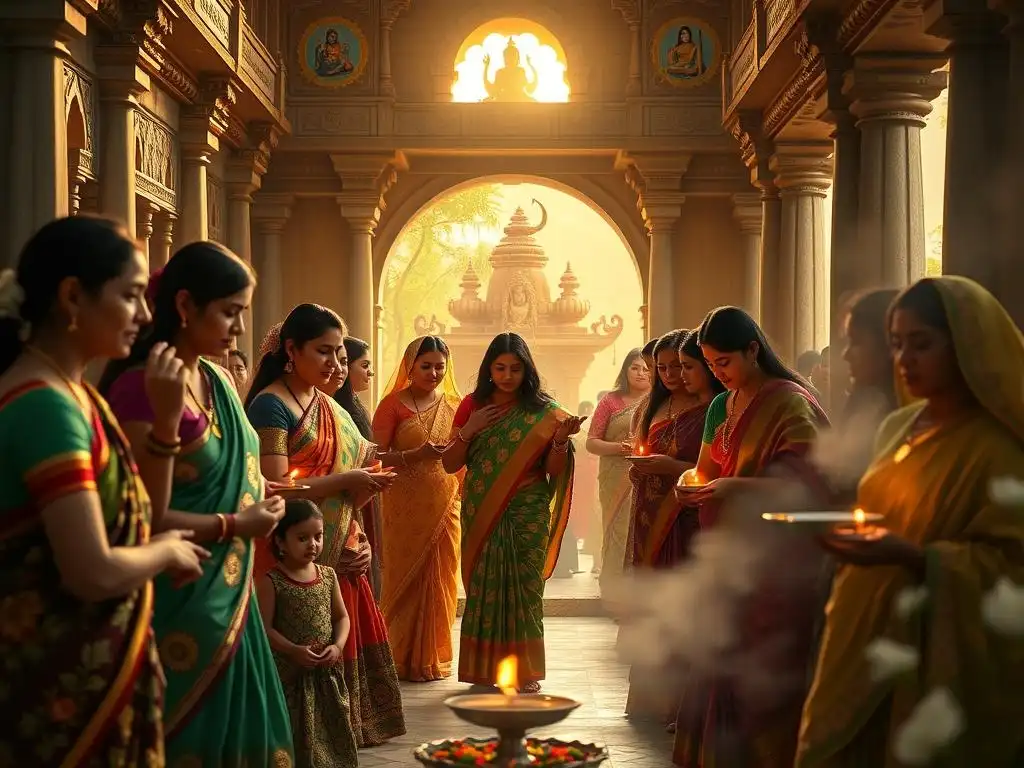
Welcome to Ancient India History, where we delve into the rich tapestry of ancient Indian civilizations! Today, we invite you to explore the captivating role of women in ancient Indian rituals and ceremonies. These remarkable women not only participated in sacred traditions but also shaped the very essence of cultural practices that have endured through centuries.
What significance did these rituals hold for women, and how did their contributions influence society? Unravel the mysteries behind their vital roles as we journey through festivals and traditions that highlight their strength and influence. Join us as we uncover the intricate layers of history and celebrate the legacy of women in ancient India!
Introduction to Women in Ancient Indian Rituals
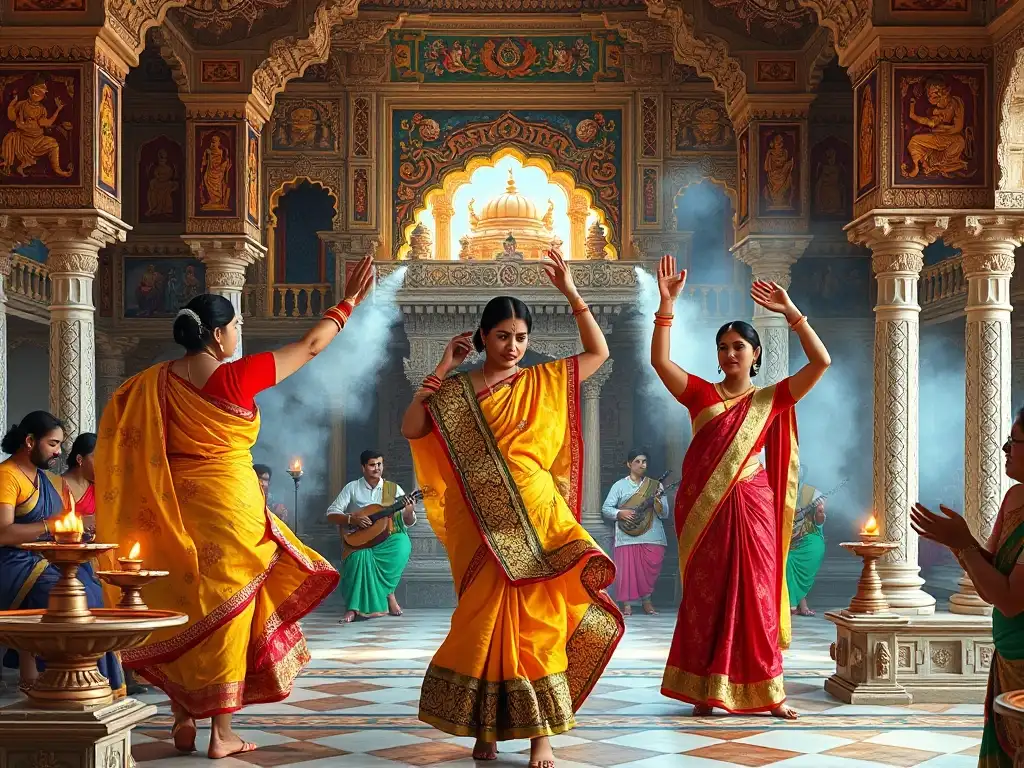
The exploration of women's roles in ancient Indian rituals and ceremonies provides a fascinating lens through which to understand the complexities of gender, spirituality, and cultural practice in ancient Indian societies. Women were not just participants but often held pivotal positions as custodians of traditions, symbolic figures of fertility and prosperity, and vital contributors to the spiritual fabric of their communities.
From the early Harappan civilization to the sophisticated rituals of the Gupta Empire, the involvement of women in various ceremonies reveals a rich tapestry of cultural significance, transforming them into key figures in the religious and social narratives of their time. This article delves into the multifaceted roles that women played in ancient Indian rituals, highlighting their importance and the shifts in their participation across different epochs.
Overview of Women's Importance in Ancient Indian Society
In ancient India, women were often revered as the embodiment of Shakti, or divine feminine power, which underscores their essential role in both domestic and spiritual realms. Their presence in rituals was not merely decorative; it held profound significance that extended into the realms of family lineage, agricultural cycles, and community welfare.
- Cultural Icons: Women represented various deities and were central to numerous folk traditions, which celebrated fertility, harvest, and prosperity.
- Ritual Facilitators: As ritual practitioners, they performed essential rites of passage, such as marriages and childbirth ceremonies, which were crucial for the continuation of societal norms and values.
- Educators of Tradition: Women passed down oral histories and rituals to the next generation, ensuring the survival of cultural practices over centuries.
This multifaceted role not only highlights women's importance in ancient society but also illustrates the respect afforded to them within their community structures.
Significance of Rituals and Ceremonies in Ancient India
Rituals and ceremonies in ancient India were deeply embedded in the cultural fabric, serving as a means of connecting with the divine and reinforcing social cohesion. These practices were characterized by:
- Religious Observance: Rituals were conducted to appease deities, seek blessings, and express gratitude, making them central to spiritual life.
- Social Functions: They played a crucial role in marking significant life events, thereby reinforcing social ties and community identity.
- Cultural Preservation: Through rituals, traditions were preserved and transmitted across generations, ensuring the continuity of cultural heritage.
The role of women in these rituals was vital, as their participation often influenced the success and sanctity of the ceremonies.
Historical Context of Women in Rituals
Understanding the historical context of women's roles in rituals necessitates an examination of various ancient Indian civilizations and the evolving nature of these roles over time.
Women’s Roles in Various Ancient Indian Civilizations
Women in ancient Indian civilizations, such as the Indus Valley, Vedic society, and the Maurya and Gupta empires, exhibited varied yet significant roles in rituals and ceremonies:
- Indus Valley Civilization: Archaeological evidence suggests that women may have participated in ritualistic practices centered around fertility and agriculture, as indicated by figurines and seals depicting goddesses.
- Vedic Period: Texts from this era highlight women's roles in yajnas (sacrificial rituals) as participants and sometimes as priestesses, showcasing their importance in religious observances.
- Maurya and Gupta Empires: During these periods, women continued to play key roles in domestic rituals, while also participating in public ceremonies that emphasized their status in society.
These roles were often intertwined with the socio-political dynamics of the time, reflecting both the reverence and restrictions placed upon women.
The Evolution of Women's Participation in Rituals Over Time
The participation of women in rituals evolved significantly from the early Vedic period through the Gupta Empire, reflecting broader societal changes:
- Early Vedic Era: Women enjoyed relatively higher status and autonomy, actively participating in religious rites and ceremonies.
- Later Vedic and Post-Vedic Periods: Social norms began to shift, and women's roles became more restricted, with a focus on domesticity, yet they remained integral to household rituals.
- Gupta Period: The resurgence of Hindu practices saw women again taking on important ceremonial roles, albeit often within defined social boundaries.
This evolution illustrates the dynamic nature of women's participation in rituals, shaped by cultural, religious, and political forces throughout ancient Indian history.
Types of Rituals Involving Women
In ancient India, women played an integral role in a variety of rituals that spanned both domestic and public spheres. These rituals often reflected the cultural values and societal norms of the time, showcasing the significance of women in sustaining traditions and practices. The involvement of women in rituals can be categorized into domestic rituals, public ceremonies, and festivals, each contributing to the rich tapestry of ancient Indian culture.
Domestic Rituals and Their Cultural Significance
Domestic rituals were primarily conducted within the household and were deeply rooted in the daily lives of women. These rituals included rites of passage, such as marriage ceremonies (swayamvara) and childbirth practices (pumsavana), which emphasized the essential role of women in family and community life.
The rituals often involved:
- Puja (worship): Women would lead or participate in pujas, invoking blessings for the family’s prosperity and well-being. The rituals often included offerings of food, flowers, and incense, highlighting the nurturing aspect of women.
- Samskaras (sacraments): Women were central to various samskaras that marked significant life events, such as naming ceremonies (namakarana) and coming-of-age rituals (upanayana). These practices underscored the importance of women as the custodians of cultural heritage and values.
- Seasonal Rites: Seasonal rituals, such as those celebrating harvests, were frequently organized by women, showcasing their connection to agriculture and fertility.
The cultural significance of these domestic rituals lies in their function as a means of preserving traditions and reinforcing social structures within the family and community.
Public Ceremonies and Women’s Contributions
While domestic rituals were private, public ceremonies often showcased women’s participation on a larger scale. These ceremonies were significant communal events, bringing together various segments of society.
Women contributed to public ceremonies in several key ways:
- Leadership Roles: In many instances, women held leadership roles during public ceremonies, leading chants, and overseeing ritualistic activities. Their presence was essential for the acceptance and success of these events.
- Cultural Transmission: Women acted as cultural transmitters, teaching younger generations the significance of rituals and ceremonies. Their storytelling and participation ensured the continuity of customs and traditions.
- Community Gatherings: Women organized and participated in communal gatherings like festivals and fairs, where rituals were performed to invoke divine blessings. Their involvement fostered social cohesion and strengthened community bonds.
Through these public ceremonies, women not only showcased their spiritual significance but also their ability to mobilize and unite communities around shared values and beliefs.
Festivals Celebrated by Women in Ancient India
Festivals in ancient India were vibrant celebrations that often highlighted the contributions of women. Various festivals were specifically dedicated to female deities or emphasized women's roles in rituals.
Some notable festivals included:
- Navratri: Celebrated in honor of the goddess Durga, women actively participated in fasting, prayers, and dance. The festival underscored women's strength and devotion.
- Karva Chauth: A festival where married women fast for the well-being and longevity of their husbands, symbolizing their dedication and nurturing role within the family.
- Teej: Celebrated in various regions, this festival saw women engaging in songs, dances, and rituals that honored marital bliss and the monsoon season.
These festivals not only provided women with a platform to express their cultural identity but also reinforced their roles as key players in the spiritual and social fabric of ancient Indian society.
Symbolism of Women in Ancient Indian Rituals
Women in ancient Indian rituals were not only participants but also powerful symbols representing various aspects of life, spirituality, and societal values. Their roles and representations in these rituals conveyed deeper meanings and reflections of the cultural psyche.
The Role of Women as Nurturers and Guardians of Tradition
Women were often viewed as the nurturers and guardians of tradition, embodying values such as compassion, loyalty, and sacrifice. This nurturing role was evident in various rituals:
- Motherhood: The symbolism of women as mothers was central to many rituals, highlighting their role in sustaining life and nurturing future generations. The reverence for motherhood was evident in rituals honoring female deities who represented fertility and abundance.
- Cultural Preservation: Women were responsible for passing down customs, stories, and practices through generations. Their active participation in rituals ensured that familial and cultural legacies were preserved.
- Moral Authority: In many cases, women held moral authority within the household, guiding family members in ethical and spiritual matters through their involvement in rituals.
This nurturing aspect emphasized the significance of women as fundamental pillars within their families and society.
Women’s Symbolism in Religious Texts and Practices
In religious texts and practices, women often symbolize various divine and earthly principles. Their portrayal in scriptures and rituals reveals much about the cultural attitudes toward femininity and spirituality.
- Divine Feminine: Women were often associated with divine qualities, as seen in goddesses like Saraswati (knowledge) and Lakshmi (wealth). These representations highlighted the reverence for feminine power and wisdom in rituals.
- Allegorical Figures: Many ancient texts depicted women as allegorical figures representing virtues such as patience, devotion, and resilience. Their stories and attributes were integral to understanding the moral and ethical teachings of the time.
- Sacred Participation: Women’s participation in rituals was seen as a means of invoking divine blessings. Their roles as priestesses or devotees in various ceremonies emphasized the belief that women could bridge the earthly and divine realms.
Through their symbolic roles in religious texts and practices, women were recognized not only as essential participants in rituals but also as embodiments of spiritual ideals and values that shaped ancient Indian civilization.
Key Figures and Deities Representing Women in Rituals
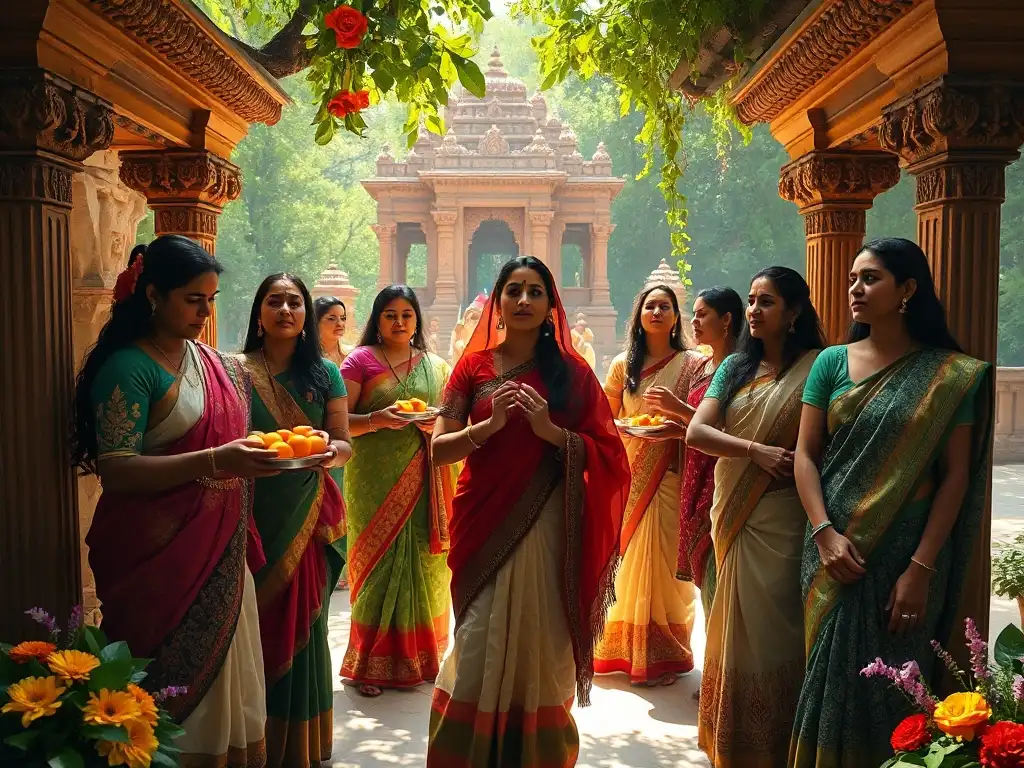
In ancient Indian rituals, women were often represented through various deities and figures that embodied feminine qualities and virtues. Key among these was Saraswati, the goddess of knowledge, music, and arts, who played a pivotal role in ceremonies associated with learning and education. Her reverence established women as central figures in the pursuit of knowledge and wisdom.
Another significant deity is Lakshmi, the goddess of wealth and prosperity. She was frequently invoked during rituals intended to ensure abundance and success in agricultural and economic activities. Lakshmi's association with wealth positioned women not only as caretakers of the household but also as integral contributors to the family's economic well-being through rituals that honored her.
Additionally, Durga represents the divine feminine power capable of overcoming evil and adversity. Her worship during festivals and rituals reinforced women's strength and resilience within the societal framework, influencing their roles in both domestic and public spheres. This reverence for female deities highlights the multifaceted roles women played in ancient rituals, serving both spiritual and practical functions.
Goddess Worship and Its Impact on Women's Roles
The worship of goddesses in ancient Indian society profoundly impacted women's roles within rituals and ceremonies. Goddess worship fostered an environment where women were seen as embodiments of divine qualities, enabling them to participate actively in various religious practices. Rituals dedicated to goddesses like Durga and Kali often involved women as primary participants, allowing them to assume roles as priestesses, singers, and performers.
In many communities, the rituals associated with goddess worship served as a platform for women to express their spirituality and assert their identities. These practices not only sanctified women’s contributions but also provided them with a sense of agency in the religious domain. The rituals often included communal gatherings where women played crucial roles, thereby reinforcing their significance in maintaining cultural traditions.
Moreover, the emphasis on fertility and motherhood in goddess worship created a societal narrative that valued women's roles as nurturers. This reverence for female deities linked women’s identities to their familial and societal responsibilities, which, while restrictive in some cases, also empowered women by recognizing their contributions to the continuity of traditions and rituals.
Historical Figures Influencing Women’s Participation
Throughout ancient Indian history, several notable figures influenced women's participation in rituals and ceremonies. One prominent example is Gargi Vachaknavi, a sage renowned for her wisdom and intellect. Her participation in philosophical debates and discussions illustrated that women could occupy spaces traditionally reserved for men, thereby encouraging broader participation in intellectual and spiritual gatherings.
Another influential figure is Vasanti, a symbol of seasonal change and fertility. Festivals associated with her, such as Vasant Panchami, often involved women in key roles, celebrating their connection to nature and agriculture. Such festivals provided women with opportunities to engage in rituals that highlighted their importance in sustaining the community.
Additionally, historical texts often mention Maitreyi, a philosopher who engaged in profound discussions about life and spirituality. Her presence in ancient texts underscores the potential for women to contribute significantly to religious and philosophical discourse, setting a precedent that encouraged subsequent generations of women to participate in rituals and ceremonies.
Challenges Faced by Women in Rituals and Ceremonies
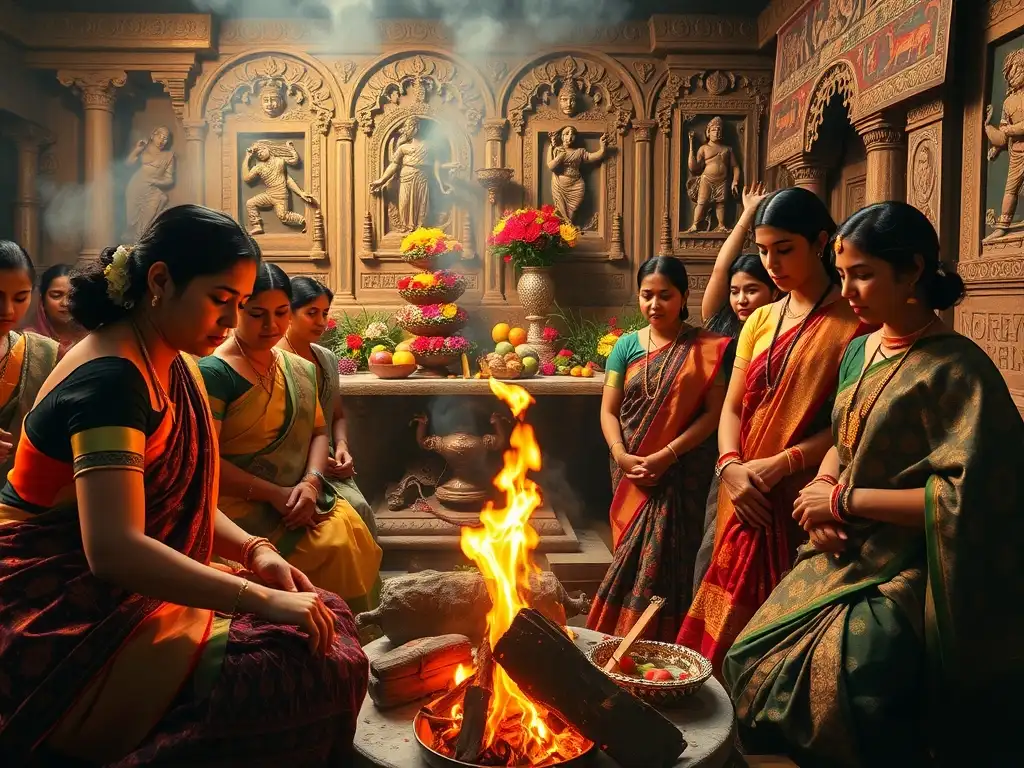
Despite their significant roles, women in ancient India faced numerous challenges in participating in rituals and ceremonies. These challenges stemmed from societal norms and restrictions that limited their freedom to engage fully in religious practices.
Societal Norms and Restrictions on Women’s Participation
Societal norms often dictated strict roles for women, confining them primarily to domestic duties. The patriarchal structure prevalent in many ancient Indian communities meant that women were frequently excluded from participating in key rituals, especially those deemed significant or sacred. For instance, women faced restrictions during rituals involving sacred texts or complex ceremonies, which were traditionally dominated by male priests.
Additionally, cultural beliefs surrounding purity and menstruation further complicated women's participation. Many rituals considered women impure during menstruation, prohibiting them from attending or performing specific ceremonies. This exclusion not only marginalized women in spiritual practices but also reinforced the notion that their participation was secondary to that of men.
Changes in Women's Roles Due to Historical Events
Historical events significantly influenced the roles of women in rituals and ceremonies. The rise of various dynasties and empires often brought changes in religious practices, which sometimes included more inclusive approaches to women's participation. For example, during the Mauryan and Gupta eras, there was a noticeable increase in the documentation of women's roles in rituals, partly due to the patronage of queens and noblewomen who actively engaged in religious activities.
Moreover, the Bhakti movement, which emphasized personal devotion and direct connection to the divine, encouraged women's participation in rituals by celebrating their spiritual experiences. This shift allowed women to assume more prominent roles within religious practices, challenging existing norms and paving the way for greater inclusivity.
While challenges persisted, the evolving landscape of ancient Indian rituals reflected a complex interplay of societal norms, historical events, and the enduring significance of women in spiritual practices.
Modern Perspectives on Women in Ancient Indian Rituals
The examination of women's roles in ancient Indian rituals offers a fascinating glimpse into the cultural and spiritual fabric of past societies. In contemporary discourse, there is a growing recognition of these roles, which were often overshadowed by patriarchal narratives. Modern scholars and practitioners are increasingly highlighting how women were not mere participants but were central to the performance and preservation of rituals. This shift in perspective encourages a re-evaluation of historical texts and artifacts, revealing the complexities of women's contributions.
In many communities, women not only engaged in rituals but also acted as custodians of tradition, passing down knowledge and practices through generations. This historical significance is now being acknowledged, leading to a more nuanced understanding of gender dynamics in ancient rituals. Furthermore, contemporary feminist interpretations are reshaping how these roles are perceived, emphasizing empowerment and agency in the context of cultural practices.
How Ancient Practices Influence Contemporary Rituals
Ancient Indian rituals have a lasting impact on modern practices, with many ceremonies retaining elements that reflect the historical roles of women. For instance, rituals such as the Griha Pravesh (housewarming) often involve women performing specific rites that were traditionally thought to ensure prosperity and harmony in the household. The significance of these rituals underscores women's enduring influence in domestic and communal settings.
Moreover, many modern festivals, like Karva Chauth and Teej, draw directly from ancient practices where women's roles are highlighted. These celebrations not only honor marital fidelity and well-being but also provide a platform for women to assert their cultural identity. The continuity of these rituals illustrates how ancient practices have adapted over time while still showcasing women's critical roles within them.
The Revival of Women's Roles in Modern Indian Ceremonies
In recent years, there has been a notable revival of interest in the roles that women played in ancient rituals, leading to their re-emergence in modern ceremonies. This revival is often driven by grassroots movements aiming to reclaim and celebrate women's contributions to cultural heritage. Events celebrating women's roles in rituals are becoming more common, fostering a sense of pride and community among women.
Additionally, contemporary interpretations of ancient texts and practices encourage inclusivity, allowing women to take on leadership roles in rituals that were traditionally gendered. This shift not only honors historical practices but also empowers women, allowing them to redefine their identities within the context of their cultural heritage.
Conclusion on the Role of Women in Ancient Indian Rituals
The exploration of women's roles in ancient Indian rituals underscores their pivotal contributions to cultural and spiritual life. By recognizing the historical significance of these roles, we gain insight into the complexities of gender dynamics in ancient societies and the enduring legacy of women's influence in rituals and ceremonies.
Summary of Women’s Contributions and Significance
Women in ancient India were not just participants; they were essential to the performance and transmission of rituals. Through various ceremonies, they fostered community ties, upheld traditions, and contributed to spiritual practices. Their roles often extended beyond the domestic sphere, making them key figures in the social and cultural narratives of their times. The acknowledgment of their contributions highlights the importance of women's perspectives in understanding ancient Indian history.
Final Thoughts on the Legacy of Women in Ancient Indian Culture
The legacy of women in ancient Indian culture is rich and multifaceted, reflecting their indispensable roles in rituals and ceremonies. As modern society continues to rediscover and celebrate these contributions, it is crucial to foster an appreciation for the historical significance of women’s roles. This understanding not only enriches our knowledge of ancient Indian history but also reinforces the importance of gender equality and women's empowerment in contemporary cultural practices. By honoring the past, we can inspire future generations to continue the tradition of inclusivity and respect within their cultural heritage.
- Introduction to Women in Ancient Indian Rituals
- Historical Context of Women in Rituals
- Types of Rituals Involving Women
- Symbolism of Women in Ancient Indian Rituals
- Key Figures and Deities Representing Women in Rituals
- Goddess Worship and Its Impact on Women's Roles
- Historical Figures Influencing Women’s Participation
- Challenges Faced by Women in Rituals and Ceremonies
- Modern Perspectives on Women in Ancient Indian Rituals
- Conclusion on the Role of Women in Ancient Indian Rituals
- What was the role of women in ancient Indian rituals?
- How were women viewed in religious texts regarding rituals?
- Did women have specific rituals dedicated to them?
- How did societal norms influence women's participation in rituals?
- What was the impact of women's roles in ancient Indian rituals on later traditions?
Frequently Asked Questions
What was the role of women in ancient Indian rituals?
Women played a crucial role in ancient Indian rituals and ceremonies, often acting as mediators between the divine and their families. Their participation was essential for ensuring spiritual well-being and social harmony.
How were women viewed in religious texts regarding rituals?
Ancient texts often portrayed women as important figures in rituals, emphasizing their purity and devotion. They were frequently depicted as caretakers of ritual practices, thus highlighting their significance in maintaining traditional customs.
Did women have specific rituals dedicated to them?
Yes, women had specific rituals, such as pujas and samskaras, designed to honor their roles in family and society. These rituals aimed to empower women and recognize their contributions to both the domestic and spiritual spheres.
How did societal norms influence women's participation in rituals?
Societal norms dictated that women often participated in rituals under the guidance of male relatives, reflecting the patriarchal structure of ancient Indian society. However, many women still found ways to assert their agency and involvement in spiritual practices.
What was the impact of women's roles in ancient Indian rituals on later traditions?
The active involvement of women in ancient rituals laid the groundwork for their continued significance in later cultural practices. Their roles have evolved but remain vital in modern Hindu ceremonies, showcasing the enduring legacy of women's spiritual contributions.
Final Reflection: The Enduring Legacy of Women in Ancient Indian Rituals
The exploration of women's roles in ancient Indian rituals and ceremonies reveals a profound connection to our contemporary understanding of gender and spirituality. As we navigate a world still grappling with gender equality, the historical significance of women in these sacred practices serves as a powerful reminder of their integral contributions to cultural heritage and spiritual life. The recognition of women's roles in ancient rituals not only enriches our understanding of history but also challenges us to reconsider the narratives that have shaped our present.
The influence of women in ancient Indian rituals continues to resonate in today’s cultural and social landscape. Their participation in ceremonies, often as custodians of tradition and spirituality, underscores the vital role women have played in shaping community values and practices. As we reflect on this legacy, we are reminded of the words of the renowned scholar R. S. Sharma: The history of women in India is not merely a tale of oppression; it is also a story of resilience and empowerment.
This perspective invites us to appreciate the multifaceted roles women have occupied throughout history, encouraging a deeper understanding of their impact on societal norms and spiritual practices.
As we move forward, let us take a moment to reflect on the lessons learned from the past and consider how we can honor and elevate the voices of women in our own lives. Embrace the spirit of inclusivity and recognition that these ancient rituals embody, and strive to create spaces where every voice is valued and celebrated. In doing so, we not only pay homage to the women who came before us but also pave the way for a more equitable future, where the contributions of all individuals are acknowledged and cherished.
Unveil the Powerful Legacy of Women in Ancient Indian Rituals!
Thank you for taking the time to explore the fascinating role of women in ancient Indian rituals and ceremonies. Your interest not only enriches your understanding of cultural history but also honors the influential figures who shaped these traditions. Now, it’s time to take action and dive deeper into this captivating topic!
- Discover and read more about the remarkable contributions of women in ancient Indian society through specialized literature or reputable online resources.
- Share your thoughts with friends and family by discussing your newfound knowledge; ignite conversations about women’s empowerment throughout history!
- Consider attending an exhibition or cultural event that celebrates ancient traditions, allowing you to connect with this rich heritage firsthand.
What aspect of women's roles in ancient Indian rituals resonates with you the most, and why do you think it’s important to keep these stories alive today?