
The Spiritual Journey of Pilgrimage Festivals in Ancient India

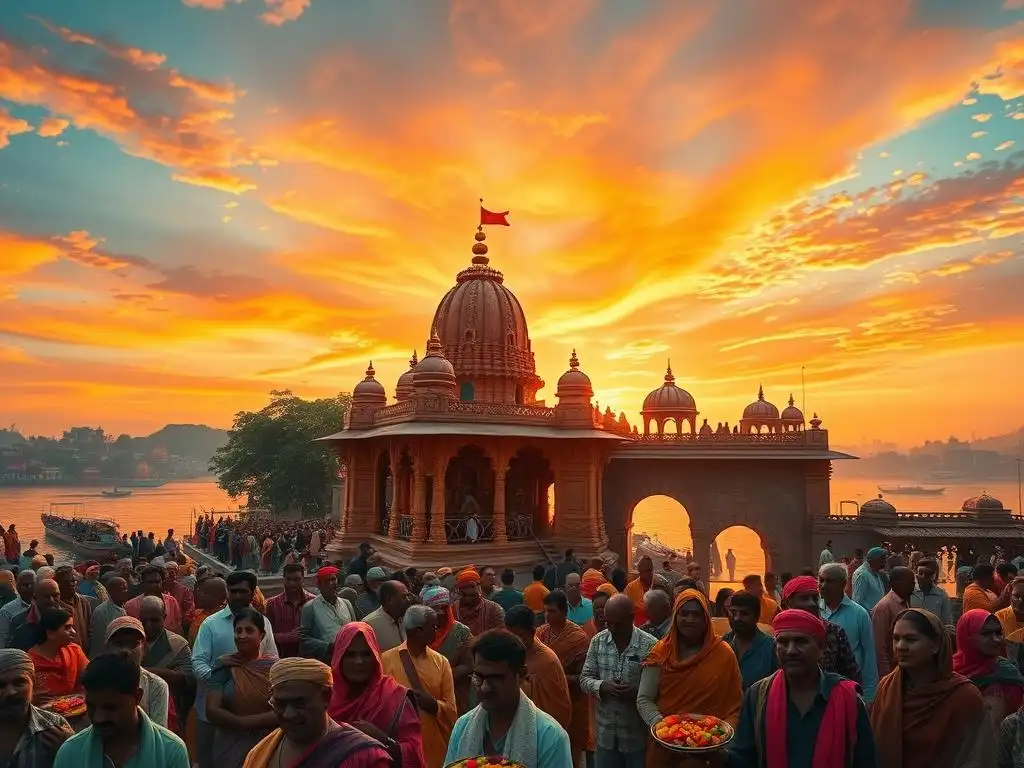
Welcome to Ancient India History, where we embark on an illuminating journey through the mesmerizing tapestry of India's ancient civilizations. Here, we delve deep into the ancient Indian pilgrimage festivals, exploring their profound significance and the spiritual legacies they left behind. From the sacred rivers to the majestic temples, these festivals not only reflect the vibrant culture of ancient India but also invite you to discover the spiritual practices that shaped millions of lives. Prepare to be captivated as we unravel the stories that lie at the heart of these timeless traditions. Your adventure into the past begins now!
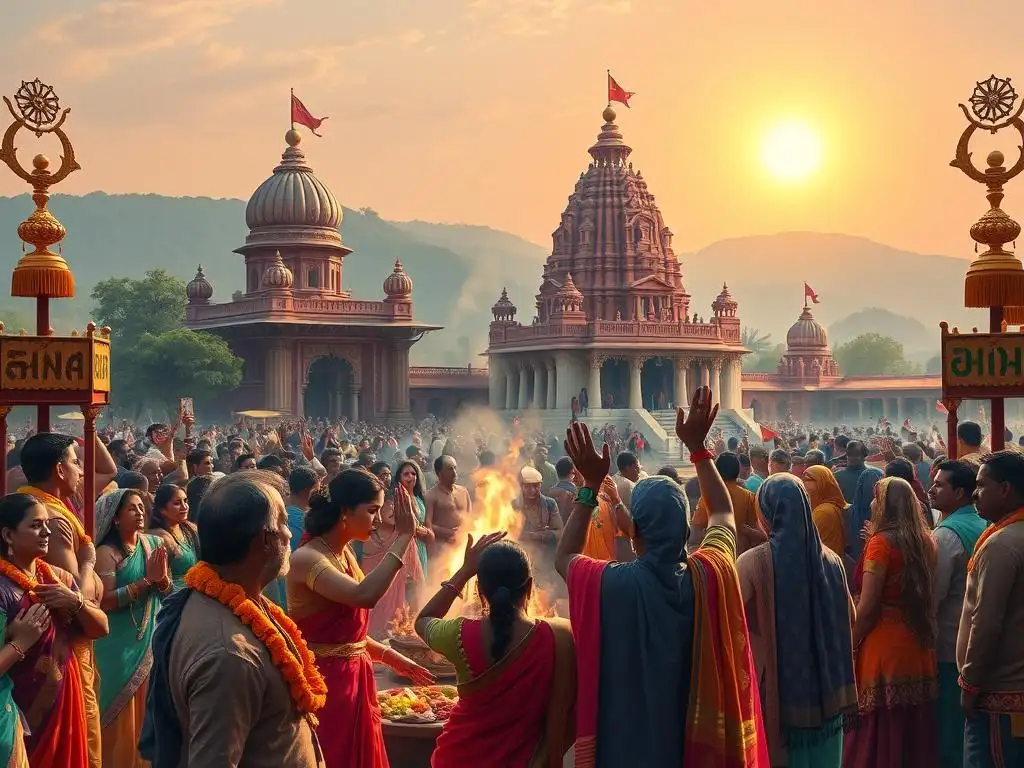
In the tapestry of ancient Indian history, pilgrimage festivals stand out as vibrant threads woven with spiritual significance, cultural richness, and communal harmony. These festivals not only facilitated a deep connection between devotees and their deities but also served as pivotal sites for social interaction and cultural exchange.
From the sacred banks of the Ganges to the revered temples scattered across the vast Indian subcontinent, the act of pilgrimage became a spiritual journey that symbolized the quest for enlightenment, redemption, and a deeper understanding of the cosmos. This exploration delves into the multifaceted dimensions of ancient Indian pilgrimage festivals, tracing their historical roots, cultural implications, and the enduring legacy they have left on the spiritual landscape of India.
Understanding Ancient Indian Pilgrimage Festivals
Definition and Significance of Pilgrimage in Ancient India
Pilgrimage in ancient India, known as "Tirtha Yatra," represents a journey to holy places that are believed to be imbued with spiritual energy. These journeys were often undertaken with the intention of seeking blessings, performing rituals, and purifying the soul. The significance of pilgrimage can be encapsulated in several key aspects:
- Spiritual Cleansing: Pilgrimages were viewed as a means of cleansing oneself of sins and achieving spiritual merit (punya).
- Cultural Unity: These festivals fostered a sense of community among diverse groups, promoting cultural exchange and unity among pilgrims from various regions.
- Ritual Practices: Pilgrimage festivals often included rituals such as bathing in sacred waters, offering prayers, and participating in communal feasts, which enhanced their spiritual significance.
Overview of Major Ancient Indian Pilgrimage Festivals
Ancient India was home to numerous pilgrimage festivals, each with its distinct customs and rituals. Some of the most notable include:
- Kumbh Mela: The largest gathering of pilgrims in the world, occurring every three years at four rotating locations, believed to be sites where drops of Amrita (nectar) fell during the churning of the ocean.
- Pushkar Camel Fair: A unique festival that combines religious observance with a vibrant fair, drawing thousands of pilgrims and tourists alike to the serene Pushkar Lake.
- Mahakumbh: A grander version of Kumbh Mela occurring every 12 years at specific locations, attracting millions of devotees.
Historical Context of Pilgrimage Festivals
Origins of Pilgrimage Traditions in Ancient Indian Civilizations
The roots of pilgrimage traditions in ancient India can be traced back to the Vedic period, where certain locations were recognized as sacred due to their association with deities and significant events. Over time, these traditions evolved, influenced by historical texts and the rise of various religious philosophies. Key points include:
- Vedic Influences: The Rigveda mentions sacred rivers and mountains, setting a precedent for the later establishment of pilgrimage sites.
- Buddhism and Jainism: These religions contributed to the proliferation of pilgrimage practices, with sites like Bodh Gaya and Shravanabelagola becoming prominent destinations for followers.
- Hindu Mythology: Legends surrounding deities and their earthly manifestations often inspired the establishment of pilgrimage sites, making them integral to Hindu spirituality.
Influence of Religion and Philosophy on Pilgrimage Practices
The intertwining of religion and philosophy significantly shaped the pilgrimage landscape in ancient India. Various beliefs and practices influenced how pilgrims approached their journeys:
- Hinduism: The diverse pantheon of gods and goddesses created numerous pilgrimage destinations, with rituals tailored to specific deities.
- Buddhism: Pilgrimage served as a means of following the Buddha's footsteps, fostering a sense of connection with his teachings.
- Philosophical Underpinnings: Concepts such as Dharma (duty) and Karma (action) guided pilgrims in their intentions, underscoring the moral and ethical dimensions of their journeys.
The exploration of ancient Indian pilgrimage festivals reveals a rich tapestry of spiritual significance, cultural interactions, and historical evolution that continues to resonate in contemporary India. These festivals not only reflect the religious fervor of ancient civilizations but also highlight the enduring legacy of pilgrimage as a spiritual journey that transcends time and continues to inspire millions today.
Major Ancient Indian Pilgrimage Festivals
Ancient India is renowned for its rich tapestry of pilgrimage festivals that not only served as spiritual journeys but also fostered community bonds and cultural exchanges. These festivals attracted devotees from far and wide, each participating in rituals that were steeped in tradition and spirituality. Among the most prominent pilgrimage festivals are the Kumbh Mela, Pushkar Camel Fair, and Jagannath Rath Yatra, each reflecting the diverse spiritual practices and cultural significance of ancient Indian civilizations.
Kumbh Mela: The Grandeur of the Sacred Confluence
The Kumbh Mela is arguably the most significant pilgrimage festival in Hinduism, celebrated at four sacred river confluences: Haridwar, Allahabad (Prayagraj), Nashik, and Ujjain. This grand event, which occurs every 12 years at each location, attracts millions of pilgrims who gather to bathe in the holy waters, believing it purifies the soul and washes away sins.
The origins of the Kumbh Mela can be traced back to the mythological tale of the Samudra Manthan, where the nectar of immortality (amrit) was churned from the ocean. The festival is not just a spiritual event but also a socio-cultural gathering, showcasing various traditional practices, art forms, and local cuisines. The sheer scale of the Kumbh Mela, with its vast camps, rituals, and diverse participants, epitomizes the spirit of unity and devotion in ancient Indian society.
Pushkar Camel Fair: A Unique Blend of Culture and Spirituality
The Pushkar Camel Fair, held annually in the town of Pushkar, Rajasthan, is a vibrant celebration that combines commerce, culture, and spirituality. While it is primarily known as a livestock fair, where traders buy and sell camels, it also coincides with the auspicious Kartik Purnima festival, attracting thousands of pilgrims to the sacred Pushkar Lake.
Devotees flock to Pushkar to participate in religious rituals, including taking holy dips in the lake, which is believed to cleanse the soul. The fair features a myriad of cultural activities, including traditional music, dance, and competitions. The interaction between traders, pilgrims, and visitors transforms the fair into a lively hub of cultural exchange, embodying the spirit of ancient Indian festivals that harmoniously blend spirituality with daily life.
Jagannath Rath Yatra: The Chariot Festival of Puri
The Jagannath Rath Yatra, celebrated in Puri, Odisha, is a grand festival dedicated to Lord Jagannath, an incarnation of Lord Vishnu. This vibrant event occurs annually and involves the ceremonial procession of the deities Jagannath, Balabhadra, and Subhadra on massive chariots, drawing millions of devotees and tourists alike.
The roots of this festival can be traced back to ancient scriptures, emphasizing the importance of community and devotion. The pulling of the chariots by thousands of devotees symbolizes the collective faith and commitment of the participants. This festival not only encapsulates the spiritual essence of ancient India but also serves as a significant cultural event, highlighting the region's rich traditions, art, and communal harmony.
Other Notable Pilgrimage Festivals in Ancient India
In addition to the Kumbh Mela, Pushkar Camel Fair, and Jagannath Rath Yatra, several other pilgrimage festivals have left a lasting impact on ancient Indian culture. Festivals such as the Maha Shivaratri, which celebrates Lord Shiva, and the Navaratri, dedicated to the worship of Goddess Durga, showcase the diverse spiritual practices across various regions.
Other notable events include the Ganga Dussehra, which signifies the descent of the Ganges River, and the Chhath Puja, primarily celebrated in Bihar, honoring the Sun God. Each of these festivals not only highlights the spiritual significance but also reflects the local customs and traditions, thus enriching the cultural landscape of ancient India.
The Spiritual Significance of Pilgrimage Festivals
Pilgrimage festivals in ancient India held profound spiritual significance, acting as catalysts for religious devotion and personal transformation. They provided individuals with opportunities to seek divine blessings, engage in communal worship, and reaffirm their faith within a shared cultural context.
The Role of Pilgrimage in Spiritual Awakening
The journey undertaken during these pilgrimage festivals is often seen as a path to spiritual awakening. Pilgrims believe that the act of traveling to sacred sites, performing rituals, and participating in communal activities brings them closer to the divine. This quest for spiritual fulfillment is deeply ingrained in ancient texts, which emphasize the importance of pilgrimage as a means of purifying the soul and achieving moksha (liberation).
Moreover, the transformative experience of these festivals fosters a sense of belonging among participants, helping them connect with their spiritual heritage and communal identity. The collective atmosphere during these events often leads to profound moments of introspection and enlightenment, marking a significant aspect of the spiritual journey in ancient India.
Connection between Pilgrimage and Cultural Identity
Pilgrimage festivals in ancient India played a crucial role in shaping cultural identity. They served as platforms for the transmission of traditions, rituals, and values across generations. The shared experiences of pilgrims, rooted in their cultural backgrounds, helped reinforce a collective identity that transcended regional and linguistic boundaries.
By participating in these festivals, individuals not only engaged with their spirituality but also connected with their cultural roots, reinforcing their sense of belonging to a larger community. This intertwining of spirituality and culture is a hallmark of ancient Indian festivals, making them essential in understanding the rich historical tapestry of the region.
Rituals and Practices Associated with Pilgrimage Festivals
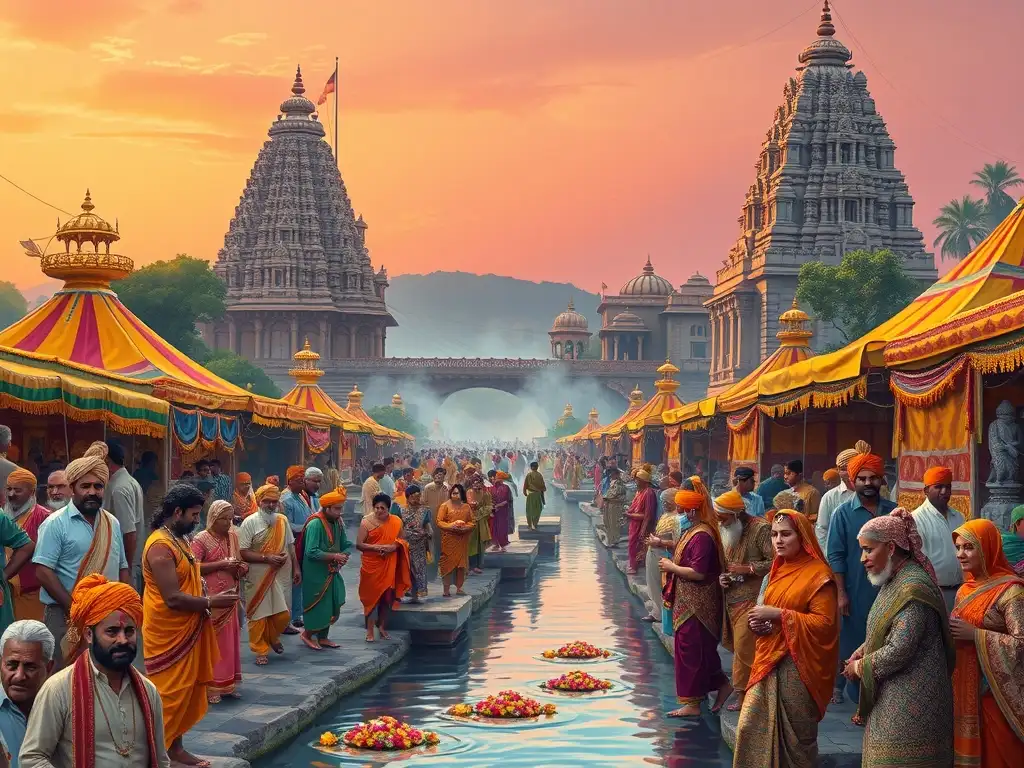
Pilgrimage festivals in ancient India were deeply intertwined with religious beliefs and practices. The rituals associated with these festivals varied widely, reflecting the diversity of the numerous deities worshiped and the unique cultural contexts of different regions. Central to these practices was the act of journeying to sacred sites, which was believed to purify the soul and confer spiritual merit. Pilgrims often engaged in rituals such as bathing in holy rivers, performing sacrifices, and offering prayers at temples. The specific rites could include:
- Purification Rituals: Many pilgrims would first engage in cleansing practices, such as bathing in sacred waters, to symbolize the washing away of sins.
- Prayer and Offerings: Devotees would present offerings like flowers, fruits, and incense to the deities, often accompanied by chanting of mantras or reciting sacred texts.
- Processions and Parades: During major festivals, processions featuring decorated chariots, musicians, and dancers would take place, enhancing the communal aspect of the pilgrimage.
These rituals not only served as expressions of devotion but also reinforced the cultural identity of the participants, connecting them to their heritage and community.
Traditional Rituals Observed during Pilgrimage Festivals
Traditional rituals observed during pilgrimage festivals were steeped in symbolism and significance. Each festival typically had its own set of practices, dictated by religious texts and local customs. For example:
- Kumbh Mela: This grand festival involves the ritual of 'snan' or sacred bathing in the confluence of holy rivers, believed to grant liberation from the cycle of birth and rebirth. Pilgrims often chant hymns and engage in meditation.
- Navaratri: Celebrated in honor of the goddess Durga, this festival includes fasting, dance (Garba), and nightly prayers, culminating in a communal celebration that fosters unity and devotion.
- Maha Shivaratri: Devotees observe night-long vigils, offer water and milk to Shiva lingams, and engage in chanting 'Om Namah Shivaya' as an act of devotion and penance.
These rituals are not merely religious activities; they are vibrant cultural expressions that strengthen community ties and instill a sense of belonging among participants.
The Role of Pilgrimage in Community Bonding and Social Cohesion
Pilgrimage festivals in ancient India played a crucial role in fostering community bonding and social cohesion. The shared experience of embarking on a pilgrimage created strong social ties among participants, irrespective of their caste or socio-economic status. Key aspects of this social bonding included:
- Collective Participation: Pilgrimages were often undertaken in groups, promoting camaraderie among participants. This collective journey fostered relationships and mutual support.
- Cultural Exchange: Pilgrimage sites attracted individuals from diverse backgrounds, facilitating cultural exchange and dialogue. This interaction enriched the local culture and created a sense of unity amidst diversity.
- Celebration of Shared Beliefs: Festivals served as platforms for reinforcing shared beliefs and values, enhancing the community's identity. The rituals were communal events that encouraged participation and inclusivity.
Overall, pilgrimage festivals not only fulfilled spiritual needs but also served as vital social catalysts that strengthened community bonds and cultivated a sense of belonging.
Impact of Pilgrimage Festivals on Ancient Indian Society
The impact of pilgrimage festivals on ancient Indian society was profound, influencing various societal dimensions including economic, educational, and cultural aspects. These festivals were not merely religious observances but also pivotal events that shaped the very fabric of society.
Economic Implications of Pilgrimage Festivals
Pilgrimage festivals had significant economic implications for ancient Indian society. The influx of pilgrims to sacred sites stimulated local economies in various ways:
- Trade and Commerce: Pilgrimage sites often became bustling centers of commerce where vendors sold religious artifacts, food, and souvenirs, leading to increased economic activity.
- Employment Opportunities: The demand for services such as lodging, transportation, and food led to the creation of jobs for locals, supporting the livelihoods of many families.
- Investment in Infrastructure: The need to accommodate large numbers of pilgrims prompted investments in infrastructure, such as roads, inns, and sanitation facilities, which benefited the wider community.
The economic boom generated by pilgrimage festivals helped sustain local economies and provided resources for further community development.
Pilgrimage Festivals as Centers of Learning and Cultural Exchange
Beyond their religious significance, pilgrimage festivals served as important centers of learning and cultural exchange in ancient India. These gatherings attracted scholars, poets, and thinkers who shared knowledge and ideas:
- Intellectual Discourse: Festivals provided a platform for discussions on philosophy, religion, and arts, fostering a spirit of inquiry and learning among participants.
- Cultural Performances: Various forms of art—including music, dance, and drama—were showcased during festivals, allowing for the preservation and evolution of cultural traditions.
- Exchange of Ideas: Pilgrimage sites often drew people from different regions, facilitating the exchange of diverse cultural practices, enhancing social cohesion, and contributing to the rich tapestry of Indian civilization.
In essence, pilgrimage festivals were not only spiritual journeys but also vibrant cultural hubs that enriched ancient Indian society through economic activity, social cohesion, and intellectual exchange.
Evolution of Pilgrimage Festivals Over Time
The evolution of pilgrimage festivals in ancient India reflects the dynamic interplay between spirituality, culture, and geography. Originating in the prehistoric period, these festivals were deeply rooted in the early agrarian societies that revered natural elements and deities associated with fertility and harvest. As civilizations advanced, particularly during the Vedic period, the concept of pilgrimage became more formalized, with specific sites designated for worship and communal gatherings.
During the Maurya and Gupta empires, pilgrimage festivals gained prominence as centers for cultural exchange, bringing together diverse communities. This era saw the establishment of significant pilgrimage sites such as Kashi (Varanasi), Haridwar, and Gaya, which not only served religious purposes but also became hubs of learning and philosophical discourse. The festivals were marked by rituals, fairs, and communal activities that enhanced social cohesion.
The arrival of Buddhism and Jainism further enriched the landscape of pilgrimage festivals. Sites like Bodh Gaya and Sarnath emerged as important pilgrimage destinations, attracting followers from various backgrounds. This period witnessed a diversification of practices, with each religious tradition incorporating its unique elements into the pilgrimage experience.
Changes in Pilgrimage Practices through Different Eras
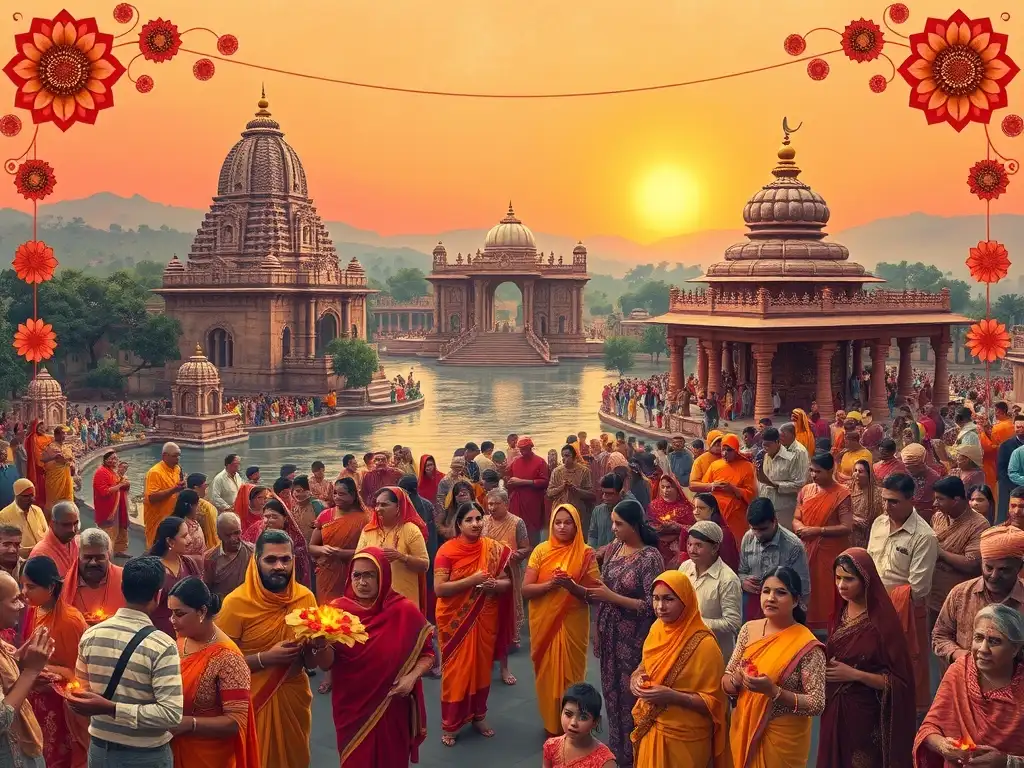
Pilgrimage practices underwent significant transformations through various historical epochs. In the early stages, pilgrimages were often spontaneous, driven by personal devotion and local customs. However, as organized religious structures developed, particularly during the Gupta period, the nature of pilgrimages shifted toward more structured and communal experiences.
With the advent of the medieval period, the influence of Bhakti and Sufi movements introduced a more inclusive approach to pilgrimage, emphasizing devotion over ritualistic practices. This led to the establishment of new pilgrimage routes and festivals that celebrated the teachings of saints and mystics, promoting a sense of unity among diverse religious communities.
The colonial era witnessed further changes, as pilgrimages became a means of asserting cultural identity amidst foreign rule. Major festivals like Kumbh Mela evolved into massive gatherings, symbolizing resistance and resilience. The modern era has seen the commercialization of many pilgrimage festivals, with increased infrastructure, tourism, and global participation, transforming the spiritual journey into a multifaceted experience.
Modern-Day Relevance of Ancient Indian Pilgrimage Festivals
In contemporary society, ancient Indian pilgrimage festivals continue to hold immense relevance, serving as vital links to cultural heritage and spiritual practice. Events such as the Kumbh Mela attract millions, reflecting the enduring significance of these festivals in the collective consciousness of the Indian populace. They offer a space for individuals to reconnect with their roots, fostering a sense of belonging and community.
Moreover, these festivals have evolved to incorporate modern elements, blending traditional rituals with contemporary practices. For instance, technology plays a role in enhancing the pilgrimage experience, with online registrations, live streaming of rituals, and mobile applications providing information and support to pilgrims. This fusion of ancient traditions with modern conveniences ensures that the essence of the pilgrimage remains intact while adapting to the needs of a changing society.
The spiritual and psychological benefits of participating in these festivals are also noteworthy. Many pilgrims report feelings of rejuvenation, peace, and a profound sense of connection to something greater than themselves. This underscores the timeless nature of pilgrimage as a transformative journey.
Conclusion: The Lasting Legacy of Ancient Indian Pilgrimage Festivals
The lasting legacy of ancient Indian pilgrimage festivals lies in their ability to transcend time and cultural shifts, maintaining their relevance in a rapidly changing world. These festivals embody the spiritual essence of ancient Indian civilization, weaving together threads of devotion, community, and cultural identity.
Reflections on the Spiritual Journey of Pilgrimage Festivals
The spiritual journey of pilgrimage festivals invites introspection and growth. Each pilgrimage is not merely a journey to a physical destination but a profound exploration of one’s faith and purpose. As pilgrims traverse sacred landscapes, they engage in rituals that foster personal transformation and communal bonding. This journey often serves as a catalyst for reflection, encouraging individuals to contemplate their beliefs, values, and the interconnectedness of all life.
The Future of Ancient Indian Pilgrimage Traditions in Contemporary Society
Looking ahead, the future of ancient Indian pilgrimage traditions appears promising yet challenging. While modernization and globalization pose risks to the authenticity of these festivals, they also offer opportunities for revitalization and innovation. As younger generations seek to reclaim their cultural heritage, there is potential for a renaissance of traditional practices that honor the past while embracing the future.
Efforts to promote sustainable tourism and preserve the sanctity of pilgrimage sites will be crucial in ensuring that these festivals continue to thrive. By fostering a deeper understanding of their historical and spiritual significance, society can cultivate a renewed appreciation for the ancient Indian pilgrimage traditions that have shaped the spiritual landscape of the subcontinent for centuries.
- Understanding Ancient Indian Pilgrimage Festivals
- Historical Context of Pilgrimage Festivals
- Major Ancient Indian Pilgrimage Festivals
- The Spiritual Significance of Pilgrimage Festivals
- Rituals and Practices Associated with Pilgrimage Festivals
- Impact of Pilgrimage Festivals on Ancient Indian Society
- Evolution of Pilgrimage Festivals Over Time
- Changes in Pilgrimage Practices through Different Eras
- Modern-Day Relevance of Ancient Indian Pilgrimage Festivals
- Conclusion: The Lasting Legacy of Ancient Indian Pilgrimage Festivals
Frequently Asked Questions
What are ancient Indian pilgrimage festivals?
Ancient Indian pilgrimage festivals were significant religious events that attracted devotees to sacred sites, playing a crucial role in spiritual practices and community bonding.
How did pilgrimage festivals influence ancient Indian society?
These festivals fostered a sense of unity among diverse communities, promoting cultural exchange and enhancing the economic vitality of the regions where they were held.
What role did geography play in these festivals?
The geographical location of sacred sites influenced pilgrimage routes and the accessibility of festivals, often leading to the establishment of trade and cultural links between regions.
Are there notable pilgrimage sites from ancient India?
Yes, sites such as Varanasi, Haridwar, and Kashi were renowned for their spiritual significance and attracted thousands during major festivals, emphasizing their historical importance.
How did ancient texts describe pilgrimage festivals?
Ancient texts, including the Vedas and Puranas, detail the rituals, significance, and mythological narratives surrounding these festivals, reflecting their deep cultural roots in Indian history.
Final Reflection: Embracing the Essence of Ancient Indian Pilgrimage Festivals
The exploration of ancient Indian pilgrimage festivals reveals a profound connection between spirituality, community, and cultural identity that resonates powerfully in today's world. As we navigate an era marked by rapid change and disconnection, the timeless practices and beliefs surrounding these festivals remind us of the importance of spiritual journeys in fostering a sense of belonging and purpose. The essence of pilgrimage transcends time, urging us to reflect on our own paths and the significance of communal experiences in our lives.
The influence of these festivals extends beyond their historical roots, shaping the cultural and social landscape of modern India and beyond. These ancient traditions continue to inspire millions, serving as a bridge between the past and the present. The vibrant celebrations, rituals, and shared experiences foster a sense of unity and reverence that is essential in our increasingly fragmented society.
As Mahatma Gandhi once said, "> The best way to find yourself is to lose yourself in the service of others." This sentiment encapsulates the spirit of pilgrimage, reminding us that our journeys are not just personal but are enriched by the connections we forge with others along the way.
As you reflect on the themes presented in this article, I invite you to consider your own spiritual journey. What are the festivals, rituals, or practices that resonate with you? How can you incorporate the lessons of ancient Indian pilgrimage festivals into your life, fostering a deeper connection with yourself and your community? Embrace the opportunity to embark on your own pilgrimage, whether literal or metaphorical, and allow it to guide you toward greater understanding and fulfillment. The path is yours to explore, and the journey awaits.
Embark on Your Own Spiritual Journey Today!
Thank you for taking the time to explore the profound legacy of pilgrimage festivals in ancient India. You've uncovered the rich tapestry of spirituality and tradition that continues to inspire countless souls. Now, it's your turn to delve deeper and experience this vibrant heritage.
Here are a few simple yet impactful steps you can take:
- Join a local pilgrimage or spiritual retreat to connect with these traditions firsthand and honor their ancient practices.
- Share your insights by engaging in conversations about this topic with friends or family; inspire them with the transformative power of these festivals.
- Explore further by reading books or visiting historical sites that reflect the spirit of pilgrimage.
What aspect of the pilgrimage festivals fascinates you the most, and how do you plan to incorporate that knowledge into your own spiritual journey?