
The Mystique of Northern India's Ancient Festivals: Celebrating Cultural Heritage

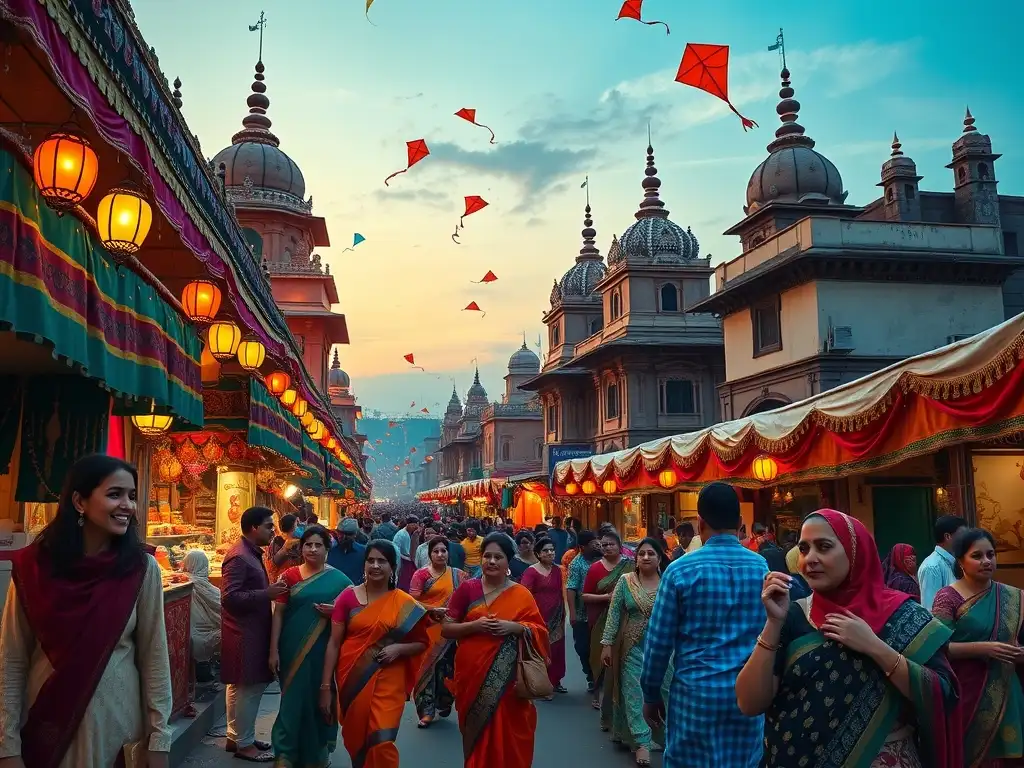
Welcome to Ancient India History, where we embark on a captivating journey through the rich tapestry of India's past. Dive deep with us into the fascinating history of ancient Indian festivals, where each celebration unveils the vibrant culture and traditions that have shaped this incredible civilization. In our featured article, "The Mystique of Northern India's Ancient Festivals: Celebrating Cultural Heritage," we explore the significance, rituals, and stories behind these time-honored events.
Prepare to uncover the layers of history that make these festivals not just celebrations, but a reflection of a diverse and enduring legacy. Join us as we illuminate the past and inspire your curiosity to discover more!
Introduction to Ancient Indian Festivals History
The history of ancient Indian festivals is a vibrant tapestry woven from the threads of various cultures, traditions, and religious practices that flourished across the subcontinent. Northern India, in particular, stands out as a hub of diverse celebrations, each reflecting the rich heritage and collective identity of its people. From the grandeur of Diwali, the festival of lights, to the communal joy of Holi, the festival of colors, these festivals not only mark significant seasonal changes but also encapsulate the philosophical and spiritual essence of ancient Indian civilization.
The origins of many of these ancient festivals can be traced back thousands of years, intertwining with historical events, mythological tales, and agricultural cycles. Each festival serves as a reminder of the deep-rooted traditions that have been passed down through generations, showcasing the resilience and continuity of cultural practices. As we explore the intricate layers of ancient Indian festivals history, we uncover the values, beliefs, and social structures that shaped the lives of people in Northern India, making these celebrations an integral part of the region's historical narrative.
Importance of Festivals in Ancient Indian Culture
Festivals in ancient India were not merely occasions for celebration; they were profound expressions of cultural identity and communal harmony. Here are some key aspects that highlight their importance:
- Cultural Continuity: Festivals have played a crucial role in preserving ancient traditions and customs, ensuring that knowledge and practices are transmitted through generations. They serve as a bridge connecting the past with the present.
- Social Cohesion: These celebrations fostered community bonding, bringing together individuals from diverse backgrounds. Festivals often included communal feasts, music, dance, and rituals that reinforced social ties and collective identity.
- Spiritual Significance: Many festivals were deeply rooted in spiritual beliefs, often linked to deities, natural phenomena, or historical events. They provided an opportunity for devotees to express gratitude, seek blessings, and participate in rituals that enhanced their spiritual lives.
- Agricultural Cycles: Many ancient Indian festivals were aligned with agricultural seasons, celebrating harvests and seasonal changes. This connection to nature underscored the significance of agriculture in sustaining communities and highlighted the interdependence between humans and the environment.
- Art and Expression: Festivals were a canvas for artistic expression, showcasing traditional art forms such as dance, music, and crafts. They allowed artisans and performers to display their skills, contributing to the cultural richness of the region.
The festivals of ancient Northern India are a testament to the region's rich cultural heritage. By understanding their historical significance, we gain insights into the values and traditions that have shaped the identity of its people over millennia.
- What are some major ancient Indian festivals celebrated in Northern India?
- How did ancient festivals contribute to the cultural identity of Northern India?
- What are the historical roots of Diwali in ancient Indian culture?
- How do ancient Indian festivals reflect the contributions of different civilizations?
- Are there any modern practices that can be traced back to ancient Indian festivals?
Overview of Northern India’s Cultural Heritage
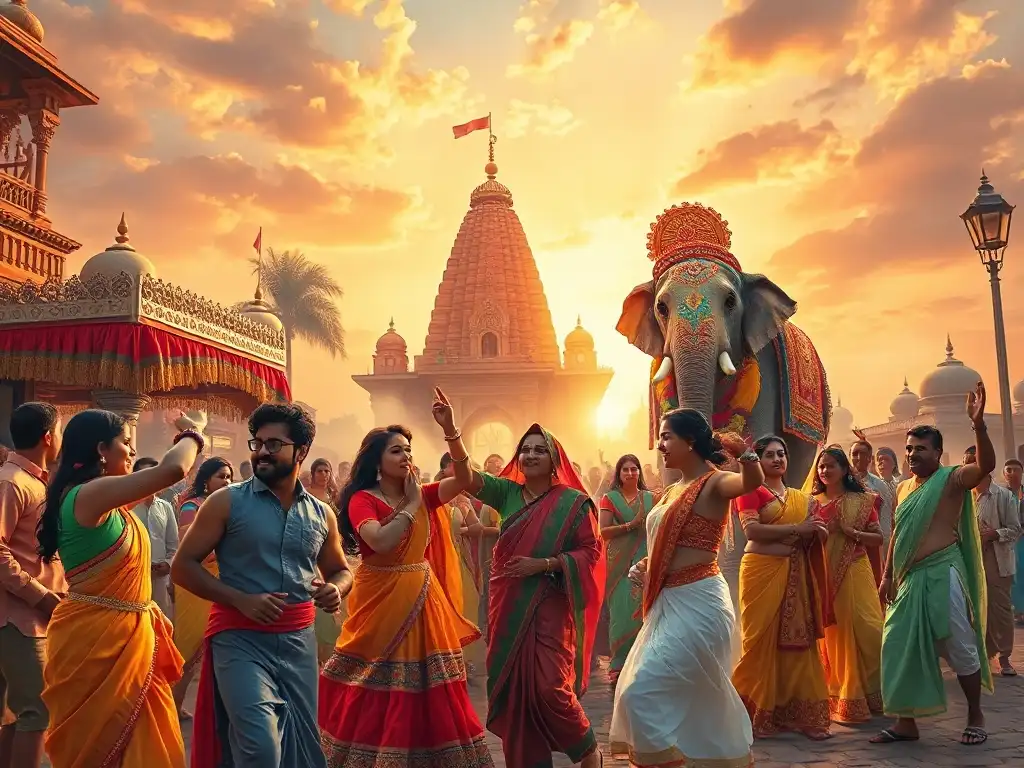
Northern India boasts a rich tapestry of cultural heritage that is deeply intertwined with its history, traditions, and festivals. This region, known for its diverse ethnicities, languages, and religions, has been a melting pot of ideas and practices that have evolved over millennia. The festivals celebrated here are not merely occasions for joy and revelry; they are profound expressions of the region's ancient beliefs, social structures, and agricultural practices.
The ancient Indian festivals history reveals the significance of these celebrations as a way to preserve and transmit cultural values. Each festival serves as a reminder of the historical events that shaped society, whether they are linked to agricultural cycles, religious beliefs, or historical figures. Festivals such as Diwali, Holi, and Makar Sankranti are not just celebrated; they encapsulate the essence of Northern India's cultural identity, reflecting its communal harmony and artistic expressions through music, dance, and cuisine.
Historical Significance of Northern India
The historical significance of Northern India lies in its status as a cradle of civilization, where many ancient cultures flourished. The region was home to several prominent empires and kingdoms, each contributing to a rich festival heritage that continues to thrive today.
- Indus Valley Civilization: One of the earliest urban cultures, the Indus Valley Civilization (c. 3300–1300 BCE) laid the groundwork for trade and agricultural festivals. The agrarian lifestyle fostered seasonal celebrations that honored harvests and fertility.
- Maurya and Gupta Empires: The Maurya Empire (c. 322–185 BCE) and the Gupta Empire (c. 240–550 CE) are noteworthy for their advancements in arts, science, and culture. Under their rule, festivals became more organized and were often linked to royal patronage, which helped in the dissemination of cultural practices throughout the region.
- Medieval Period: The medieval era witnessed the rise of regional kingdoms and the influence of various religions, including Hinduism, Buddhism, and Islam. Festivals during this period began to reflect a blend of traditions, with events like Eid and Guru Nanak Jayanti becoming integral parts of the cultural landscape.
- Colonial Era: The British colonial period introduced new dynamics to festival celebrations, as they often served as a means of resistance and unity among diverse communities. The freedom struggle saw festivals like Independence Day being celebrated with fervor, emphasizing national pride.
Key Civilizations Influencing Festivals in Northern India
The festivals of Northern India draw heavily from the region's historical civilizations, each leaving an indelible mark on the cultural practices observed today.
- Indus Valley Civilization: The emphasis on agricultural festivals during this period laid the foundation for later celebrations that honor the harvest cycle. Today, festivals like Baisakhi celebrate the harvest of Rabi crops, reflecting this ancient agrarian tradition.
- Hindu Kingdoms: The influence of Hindu kingdoms is evident in numerous festivals tied to mythology and religious practices. For example, Diwali, the festival of lights, celebrates the return of Lord Rama to Ayodhya and symbolizes the victory of light over darkness.
- Buddhism and Jainism: The teachings of Buddha and Mahavira have also shaped festival practices. Buddha Purnima, which celebrates the birth of Buddha, is observed with great reverence in Northern India, showcasing the region's historical ties to these religions.
- Islamic Influence: The Mughal Empire brought a rich cultural heritage that influenced many festivals celebrated today, particularly Eid. The communal aspect of these celebrations highlights the interwoven fabric of Northern India's diverse religious traditions.
- Sikhism: The establishment of Sikhism brought forth festivals such as Gurpurab, which celebrates the birth of Sikh Gurus. These events highlight the region's commitment to spirituality and community service.
The ancient Indian festivals history is a testament to the vibrant and multifaceted cultural heritage of Northern India. The region's festivals not only honor its past but also continue to evolve, reflecting the dynamic interplay of history, religion, and culture that characterizes this remarkable area.
Major Ancient Festivals of Northern India
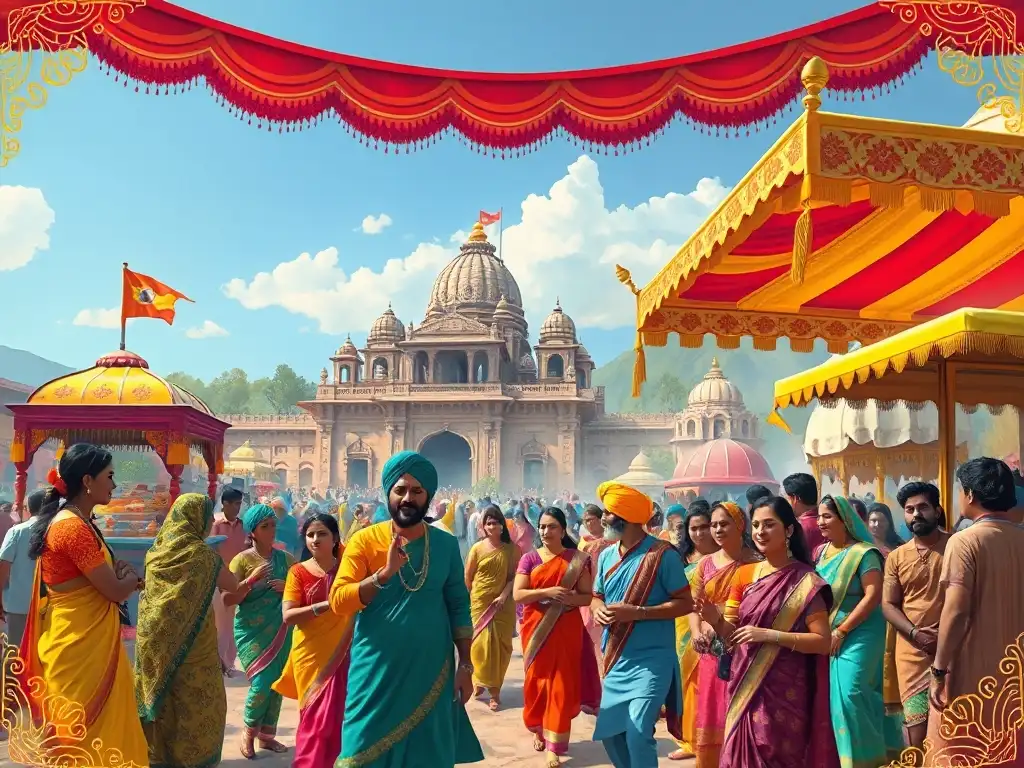
1. Diwali: The Festival of Lights
Origins and Historical Context
Diwali, often referred to as the Festival of Lights, has its roots deeply embedded in ancient Indian traditions. The festival is celebrated to mark the victory of light over darkness and good over evil. Its origins can be traced to various ancient texts and mythologies. One of the most notable references is found in the epic Ramayana, where it is said that Lord Rama returned to Ayodhya after defeating the demon king Ravana. The joyous citizens of Ayodhya celebrated his return by illuminating the city with oil lamps (diyas), which symbolizes the triumph of righteousness.
The festival's significance has evolved over time, encompassing various deities and regional variations. The worship of Goddess Lakshmi, the deity of wealth and prosperity, is central to Diwali celebrations, especially in Northern India. Historical records from texts like the Padma Purana highlight the festival as a time for renewal, reflection, and honoring the divine.
Traditional Celebrations and Rituals
Diwali is characterized by a multitude of rituals and customs that vary across regions but maintain a core essence. Key components of the celebrations include:
- Cleaning and Decorating Homes: Prior to Diwali, families engage in thorough cleaning of their homes, symbolizing the removal of negative energies. Homes are adorned with colorful rangoli patterns and illuminated with diyas and electric lights.
- Puja (Worship): On the night of Diwali, families gather for a puja to worship Goddess Lakshmi and Lord Ganesha, seeking blessings for prosperity and wisdom. Offerings of sweets, fruits, and flowers are made, accompanied by chanting of mantras.
- Festive Feasts: Traditional sweets like ladoos and barfis are prepared and shared among family and friends. The act of giving sweets reflects the spirit of community and joy.
- Fireworks and Sparklers: The night sky is lit up with fireworks, symbolizing the victory of light. This tradition, although modern, has become synonymous with Diwali celebrations.
The festival not only fosters family bonds but also encourages community gatherings, making it a vibrant cultural event in Northern India.
2. Holi: The Festival of Colors
Historical Background and Mythology
Holi, known as the Festival of Colors, is one of the most exuberant festivals celebrated in Northern India, with origins that date back to ancient Hindu texts. The festival signifies the arrival of spring and the end of winter, symbolizing renewal and the victory of love and unity.
The mythological backdrop of Holi includes the tale of Prahlada and Holika from the Bhagavata Purana. Prahlada's unwavering devotion to Lord Vishnu incited the wrath of his father, King Hiranyakashipu. To eliminate Prahlada, Holika, his aunt, attempted to burn him in a fire, but through divine intervention, Prahlada emerged unscathed while Holika perished. This narrative embodies the themes of faith and the triumph of good over evil.
Modern-Day Observances and Cultural Impact
In contemporary times, Holi is celebrated with immense enthusiasm, bringing people together regardless of social and economic barriers. Key aspects of modern-day observance include:
- Color Play: Participants throw colored powders (gulal) and water at each other, fostering an atmosphere of joy and camaraderie. This practice symbolizes the breaking down of barriers and the celebration of diversity.
- Cultural Performances: Folk songs and dances are integral to Holi celebrations, with various regions showcasing their unique cultural expressions. Events often feature traditional music, dance, and local cuisine.
- Community Gatherings: Holi serves as a unifying force, encouraging communal harmony. People often visit neighbors and friends, sharing sweets and drinks, reinforcing social bonds.
- Environmental Considerations: In recent years, there has been a growing emphasis on eco-friendly celebrations, with people opting for natural colors and sustainable practices to minimize environmental impact.
The cultural significance of Holi extends beyond mere celebration; it acts as a reminder of the importance of community, love, and the joyous spirit inherent in ancient Indian festivals.
Navratri, meaning "Nine Nights," is one of the most significant festivals in Northern India, devoted to the worship of Goddess Durga. This vibrant celebration is marked by fervent devotion, cultural performances, and community gatherings, reflecting the rich tapestry of ancient Indian traditions.
Historical Roots of Navratri
The origins of Navratri can be traced back to ancient texts and scriptures, with its roots embedded in Hindu mythology. The festival commemorates the victory of Goddess Durga over the buffalo demon Mahishasura, symbolizing the triumph of good over evil. This narrative is primarily derived from the Devi Mahatmya, a text that outlines the exploits of Goddess Durga. Over centuries, Navratri has evolved, incorporating various regional customs and practices, yet the central theme of invoking divine feminine energy remains constant.
Historically, Navratri was also a time for agricultural communities to celebrate the harvest season, marking a transition from the monsoon to winter in Northern India. The festival aligns with the lunar calendar, usually occurring in September or October, tying its significance to the agricultural cycle. With each passing year, the festival has retained its essence while adapting to the socio-cultural dynamics of the time.
Regional Variations in Celebrations
Navratri is celebrated with diverse fervor across different regions of Northern India, each infusing unique customs and traditions into the festivities.
- Gujarat: Known for its energetic Garba and Dandiya Raas dances, the nights are filled with vibrant music, colorful attire, and community bonding.
- Uttar Pradesh: Devotees often engage in elaborate pujas (worship rituals), and the celebrations may include the enactment of the Ramayana, emphasizing the connection between Durga and the epic's events.
- Himachal Pradesh: Here, Navratri is celebrated with local deities and rituals, where devotees perform traditional dances, showcasing the region's rich folk culture.
No matter the regional variation, the essence of devotion and celebration remains, creating a unified yet diverse experience across Northern India during Navratri.
4. Lohri: Harvest Festival of Punjab
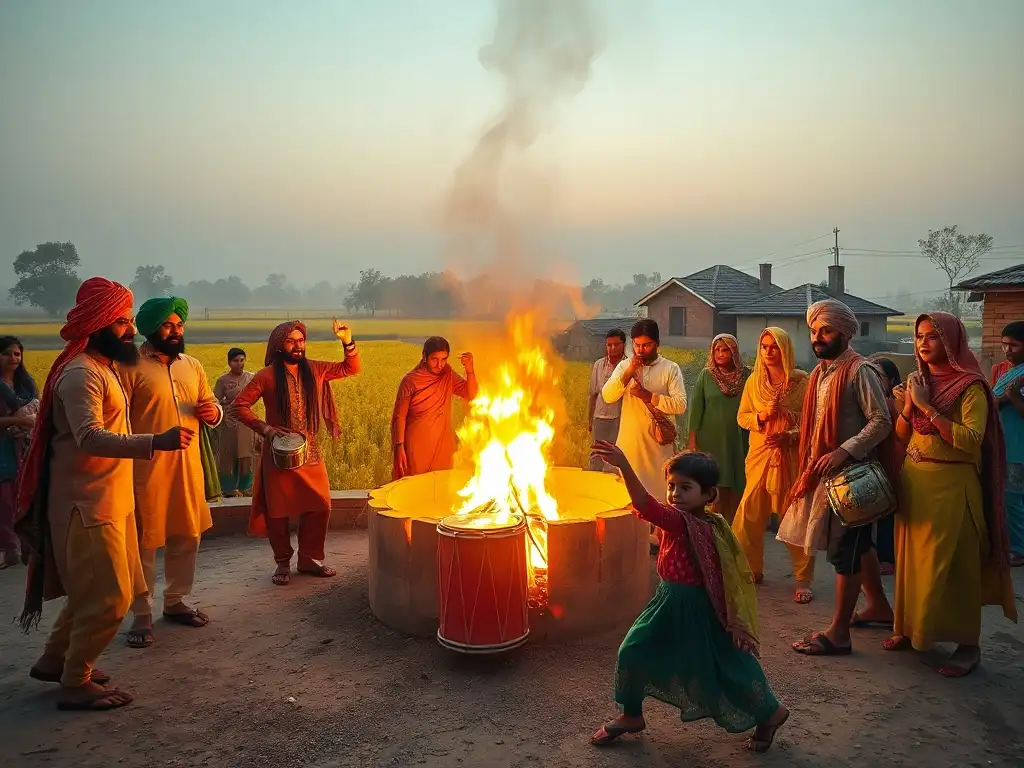
Lohri is a vibrant and joyous festival celebrated predominantly in Punjab, marking the end of winter and the arrival of longer days. Primarily associated with the harvest of sugarcane, this festival encapsulates the agricultural heritage of the region and is a time for communities to come together in celebration.
Historical Significance of Lohri
The historical roots of Lohri are deeply entwined with the agrarian lifestyle of Punjab. Traditionally, it is celebrated on the 13th of January, coinciding with the Makar Sankranti, when the sun begins its northward journey. Lohri is believed to have originated from the ancient Punjabi festival dedicated to the Pongal harvest and is thought to symbolize the end of winter's harshness and the start of a new harvest season.
Legend has it that Lohri was named after a folk hero, Dulla Bhatti, who is remembered for his bravery and kindness. The tales of his heroics have become an integral part of Lohri celebrations, where folk songs recount his stories, emphasizing themes of community and valor.
Traditions and Customs Associated with Lohri
The celebrations of Lohri are marked by a plethora of customs and traditions that bring communities together:
- Bonfires: The centerpiece of Lohri festivities is the bonfire, symbolizing warmth and the sun's return. Families and friends gather around the fire, singing folk songs and dancing to the beat of traditional drums.
- Sweets and Treats: People offer til (sesame seeds), jaggery, and popcorn to the fire, which are then shared among attendees as symbols of prosperity and good fortune.
- Dancing and Singing: Bhangra and Gidda, traditional dance forms, are performed exuberantly, enhancing the festive spirit and showcasing the rich cultural heritage of Punjab.
Through these vibrant traditions, Lohri not only celebrates the harvest but also reinforces community bonds, making it a cherished festival in Northern India.
5. Makar Sankranti: The Kite Festival
Makar Sankranti, celebrated in mid-January, is one of the most significant festivals in Northern India, marking the transition of the sun into the zodiac sign of Capricorn (Makara). This festival is particularly famous for its vibrant kite-flying activities, which symbolize the spirit of joy and community. Makar Sankranti is not only a festival but also a celebration of the harvest season, reflecting the agrarian roots of Indian culture.
Ancient Origins and Cultural Relevance
The origins of Makar Sankranti can be traced back to ancient texts and scriptures, including the Puranas, where it is associated with the sun god, Surya. The festival signifies the end of winter solstice, heralding longer days and the onset of warmer weather. Ancient Indian astrologers recognized this celestial event as a time of renewal and regeneration, which is evident in various Hindu rituals performed during this period.
The significance of Makar Sankranti extends beyond mere agricultural celebration. It is believed to bring prosperity and good fortune, promoting communal harmony. The festival emphasizes the importance of gratitude towards nature for its bounty. The act of flying kites is often seen as a way to express joy and celebrate the divine, as people engage in friendly competitions to see whose kite can soar the highest.
Regional Celebrations and Practices
Makar Sankranti is celebrated with distinct regional variations across Northern India, each adding its own unique flavor to the festivities.
- Punjab: Known as Lohri, the festival is celebrated with bonfires, singing, and dancing. People gather around the fire to toss sesame seeds and sugarcane into the flames as an offering, symbolizing the end of winter and the arrival of warmer days.
- Haryana: In this state, Makar Sankranti is marked by traditional fairs, where locals participate in various games and competitions, including kite flying. The day also includes feasting on special sweets made from sesame seeds and jaggery, known as til ke laddoo.
- Uttar Pradesh: Here, the festival is celebrated as Khichdi Mela, where people prepare and share a special dish called khichdi made of rice and lentils. The day also involves taking holy dips in rivers, believed to purify the soul and wash away sins.
- Bihar: In Bihar, Makar Sankranti is celebrated with the Ganga Snan, where devotees take a dip in the sacred Ganges River. Special rituals are performed, and traditional sweets are prepared to honor the occasion.
- Rajasthan: Known for its vibrant kite-flying competitions, the skies of Rajasthan are filled with colorful kites during Makar Sankranti. The festival is celebrated with much enthusiasm, drawing crowds from across the region.
These regional practices not only highlight the diversity of celebrations but also reflect the underlying unity of purpose: to celebrate the harvest, express gratitude, and strengthen community bonds. Makar Sankranti, with its rich cultural heritage, continues to fascinate and connect generations, making it a significant part of ancient Indian festivals history.
Influence of Ancient Festivals on Contemporary Culture
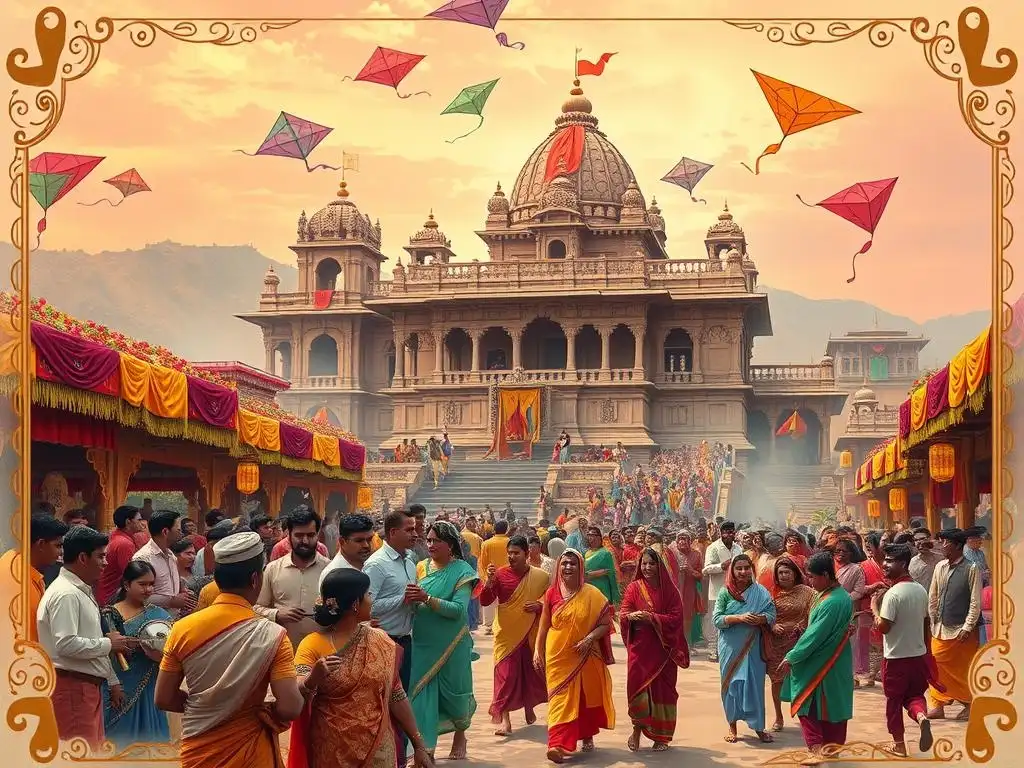
The festivals of ancient India have left an indelible mark on the cultural landscape of modern society. These festivals, rooted in historical traditions, religious practices, and agrarian cycles, continue to shape contemporary celebrations, rituals, and community gatherings. By examining the influence of these ancient festivals, we can better understand their role in preserving cultural heritage and fostering social cohesion among diverse populations.
Continuity of Traditions: Linking Past and Present
Ancient Indian festivals, such as Diwali, Holi, and Makar Sankranti, have maintained continuity through centuries, adapting to changing social contexts while retaining their core significance. This continuity can be observed in several key aspects:
- Rituals and Ceremonies: Many contemporary festivals incorporate the same rituals that were practiced centuries ago. For instance, the lighting of diyas during Diwali symbolizes the victory of light over darkness, a concept that remains central to modern celebrations.
- Agricultural Cycles: Several festivals have agricultural origins, celebrating harvests and seasonal changes. The festival of Makar Sankranti, which marks the transition of the sun into Capricorn, continues to be celebrated with kite flying and feasting, reflecting its agrarian roots.
- Community Involvement: Ancient festivals were communal events that fostered social bonds, a tradition that persists today. Festivals like Holi and Eid encourage community participation, bringing together people of various backgrounds to celebrate unity and diversity.
- Cultural Performances: Traditional dance forms, music, and art have been integral to ancient festivals and are still showcased in modern celebrations. The folk dances performed during Baisakhi or the music accompanying Diwali festivities highlight the rich cultural heritage that defines these events.
Impact of Ancient Festivals on Modern Indian Society
The impact of ancient Indian festivals on modern society is profound, influencing not only cultural practices but also the economy and social structures. Some notable aspects include:
- Economic Boost: Festivals often lead to economic activities, from increased sales in local markets to the booming tourism industry. Cities like Varanasi and Jaipur see a surge in visitors during festivals, benefiting local artisans, businesses, and hospitality sectors.
- Social Harmony: Festivals promote social harmony by bringing together people from various cultural and religious backgrounds. For instance, the celebration of Eid during the same period as Hindu festivals fosters interfaith dialogue and understanding.
- Revival of Art Forms: Many ancient festivals have spurred a revival of traditional art forms, crafts, and practices. Craftspeople and artists often find inspiration in ancient themes and motifs, leading to a renaissance of cultural expressions.
- Environmental Awareness: Modern celebrations are increasingly incorporating themes of sustainability, reflecting ancient practices that emphasized harmony with nature. For example, the traditional use of natural colors in Holi has gained popularity as awareness of environmental issues grows.
The ancient Indian festivals history is not just a relic of the past; it is a living tapestry that continues to influence contemporary culture, fostering unity, economic growth, and a deep appreciation for heritage. As we celebrate these festivals today, we engage in a dialogue with our past, ensuring that the values and traditions of ancient civilizations endure in the fabric of modern society.
Conclusion: Preserving the Legacy of Ancient Indian Festivals
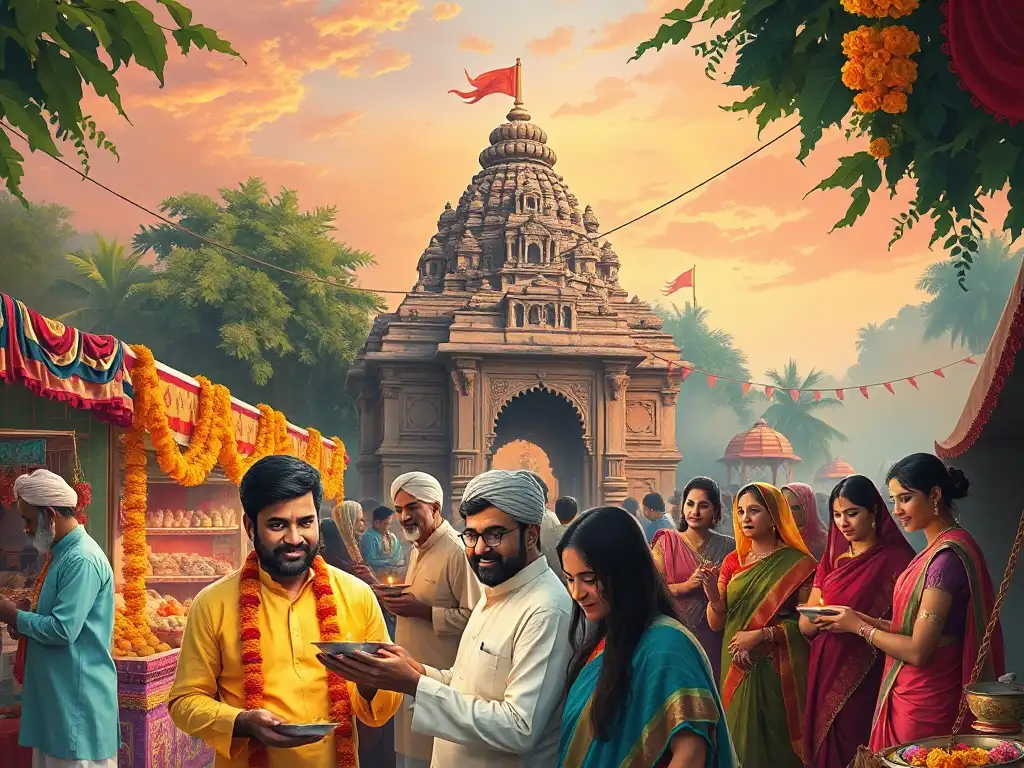
As we delve into the mystique of Northern India's ancient festivals, it becomes evident that these celebrations are not merely events on a calendar but vital expressions of cultural identity and heritage. The legacy of ancient Indian festivals is intertwined with the historical narratives, religious practices, and social customs of civilizations that have flourished in this region for millennia. Preserving this legacy is essential for sustaining the rich tapestry of Indian culture while also fostering a sense of belonging and continuity among communities.
The Role of Festivals in Cultural Identity
Festivals in ancient India serve as vital markers of cultural identity, acting as a bridge between past traditions and contemporary practices. They encompass various elements that reflect the diverse beliefs and values of the people. For example, Diwali, with its origins rooted in Hindu mythology, symbolizes the victory of light over darkness. It not only commemorates significant historical events, such as Lord Rama's return to Ayodhya but also promotes unity among families and communities.
- Community Solidarity: Festivals are a time when people come together, transcending individual differences. This communal aspect reinforces social bonds and fosters a sense of belonging.
- Cultural Continuity: Through rituals, music, dance, and art forms associated with festivals, ancient traditions are passed down from generation to generation.
- Economic Impact: Many festivals stimulate local economies through tourism and trade, thus preserving artisanal crafts that are integral to cultural identity.
Moreover, festivals like Holi and Navratri reflect the agricultural cycles and seasonal changes, showcasing the harmonious relationship between people and nature that has been a hallmark of Indian civilization.
Encouraging Future Generations to Celebrate Heritage
To ensure that the vibrant heritage of ancient Indian festivals continues to thrive, it is crucial to engage younger generations in these traditions. Here are some strategies and initiatives that can be adopted:
- Education and Awareness: Schools and educational institutions can introduce programs that teach students about the history and significance of various festivals. This could include workshops, storytelling sessions, and cultural performances.
- Community Involvement: Local organizations can host events that encourage participation from families, such as traditional cooking classes, folk dance workshops, and craft fairs that celebrate festival-related artisanship.
- Digital Platforms: Utilizing social media and digital storytelling can help reach a broader audience, especially the youth. Creating content that resonates with their interests while highlighting the importance of festivals can foster appreciation and participation.
By actively promoting these initiatives, we can cultivate an environment where ancient Indian festivals are not only remembered but also celebrated with renewed vigor, ensuring their relevance in the modern world. The rich history of ancient Indian festivals is a treasure trove of cultural wisdom that deserves to be cherished and upheld by future generations.
Call to Action: Experience Northern India's Festivals
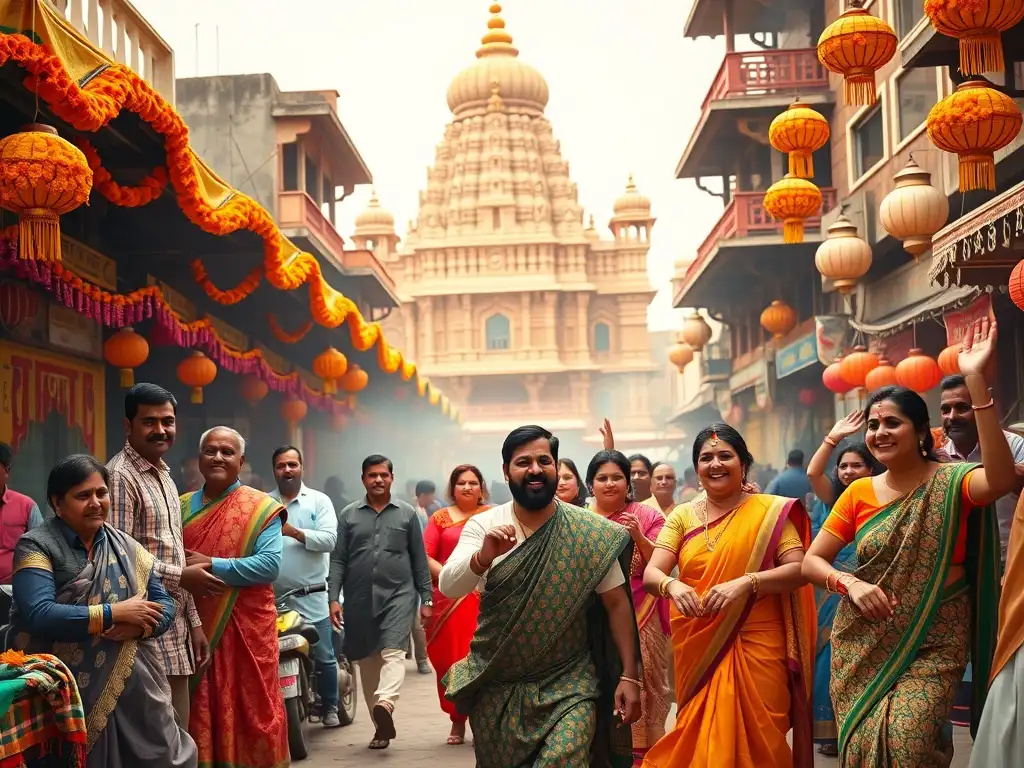
Experience the vibrant tapestry of Northern India's ancient festivals by immersing yourself in their rich cultural heritage. These festivals are not merely celebrations; they are living histories that connect us with the traditions and values of ancient Indian civilizations. By participating in these events, you can gain insights into the spiritual, artistic, and communal aspects that have shaped the region over millennia.
Exploring Ancient Indian Festivals History through Travel and Participation
Traveling through Northern India offers a unique opportunity to engage with the ancient festivals that have been celebrated for centuries. Here are some key festivals to consider:
- Diwali: Known as the Festival of Lights, Diwali symbolizes the victory of light over darkness. The origins can be traced back to ancient texts where it marked significant events in Hindu mythology, such as the return of Lord Rama to Ayodhya.
- Holi: Celebrated as the Festival of Colors, Holi has roots in ancient agricultural practices and the arrival of spring. The festival is steeped in stories from Hindu mythology, notably the legend of Prahlada and Holika, which symbolizes the triumph of good over evil.
- Navaratri: This nine-night festival honors the goddess Durga and celebrates her victory over the buffalo demon Mahishasura. The ancient rituals and dances associated with Navaratri showcase the rich cultural heritage of Northern India.
- Baisakhi: A harvest festival that marks the beginning of the new year in Punjab, Baisakhi has historical significance dating back to the founding of the Khalsa by Guru Gobind Singh in 1699. It represents the cultural and agricultural practices of the region.
- Makar Sankranti: This festival celebrates the transition of the Sun into the zodiac sign of Capricorn. It has ancient roots as a harvest festival and is associated with various traditions, including kite flying and the preparation of special foods.
These festivals are not only occasions for joy and celebration but also serve as a testament to the enduring cultural legacy of ancient Indian civilizations. By engaging in the festivities, participants can witness traditional performances, savor regional delicacies, and understand the historical significance behind each celebration.
How to Experience These Festivals
- Plan Your Visit: Research the dates and locations of these festivals to ensure you can participate. Many cities in Northern India, such as Varanasi, Amritsar, and Jaipur, host grand celebrations.
- Engage with Locals: Connect with local communities to understand the customs and rituals associated with each festival. This engagement can provide a deeper appreciation of the cultural significance.
- Participate in Traditional Activities: Join in on traditional activities, such as dance, music, and feasting, which are integral to the festival celebrations. Participating in rituals will enhance your understanding of their historical context.
- Document Your Experience: Capture your experiences through photography or journaling. Reflecting on your participation can enrich your understanding of ancient Indian festivals history.
- Share Your Journey: After your experience, consider sharing your journey through blogs or social media to inspire others to explore the rich cultural heritage of Northern India.
By engaging with these ancient festivals, not only do you celebrate the present, but you also honor the historical narratives that have shaped the identity of Northern India. Embrace the mystique of these celebrations and connect with the enduring spirit of ancient Indian festivals.
Frequently Asked Questions
What are some major ancient Indian festivals celebrated in Northern India?
Many ancient Indian festivals include Diwali, Holi, and Makar Sankranti, each reflecting unique cultural and historical significance tied to the region's heritage.
How did ancient festivals contribute to the cultural identity of Northern India?
Ancient festivals served as a means to preserve traditions, promote community bonding, and celebrate the seasonal cycles, thus playing a crucial role in shaping the region's cultural identity.
What are the historical roots of Diwali in ancient Indian culture?
Diwali, known as the Festival of Lights, has its roots in various mythological tales, including the return of Lord Rama to Ayodhya, symbolizing the victory of light over darkness.
How do ancient Indian festivals reflect the contributions of different civilizations?
These festivals often showcase the art, music, and dance of various civilizations, such as the Indus Valley and the Gupta Empire, highlighting their artistic achievements and spiritual beliefs.
Are there any modern practices that can be traced back to ancient Indian festivals?
Yes, many modern practices such as rituals, offerings, and celebratory gatherings during festivals have deep roots in ancient traditions, illustrating the continuity of cultural practices over centuries.
Final Reflection: Embracing the Legacy of Ancient Indian Festivals
The vibrant tapestry of Northern India's ancient festivals serves as a powerful reminder of our shared cultural heritage and the importance of preserving these traditions in today's fast-paced world. As we navigate the complexities of modern life, the essence of these festivals—rooted in history, spirituality, and community—continues to resonate, urging us to reconnect with our past and celebrate the values that have shaped our identities.
The influence of these ancient festivals extends far beyond mere celebration; they are a living testament to the resilience and creativity of our cultural landscape. Each festival encapsulates stories, rituals, and practices that have been passed down through generations, fostering a sense of belonging and continuity. As noted by cultural historian Dr. Anjali Sharma, Festivals are not just events; they are the heartbeat of our culture, reminding us of who we are and where we come from.
This ongoing legacy invites us to reflect on our role in preserving these traditions and the stories they tell.
As you contemplate the significance of these ancient Indian festivals, I encourage you to embrace their lessons in your own life. Take a moment to reflect on your cultural roots and consider how you can contribute to the preservation of your heritage.
Whether through participation in local celebrations, sharing stories with future generations, or simply taking the time to learn about the history behind these festivals, every action counts. Let us honor the mystique of Northern India's ancient festivals by keeping their spirit alive and ensuring that their rich history continues to inspire and unite us for years to come.
Unveil the Rich Tapestry of Northern India's Festivals!
Thank you for taking the time to explore the captivating world of Northern India's ancient festivals! By diving into these cultural celebrations, you’ve uncovered a treasure trove of heritage that enriches us all. Now, let’s keep that inspiring spirit alive with some exciting next steps!
- Join a local festival or cultural event in your area to experience the vibrant traditions firsthand.
- Share this article with friends and family to spark conversations about the magic of Northern India’s heritage.
- Consider volunteering or learning a traditional craft connected to a festival; you might discover a hidden passion!
Which ancient festival resonates with you the most, and how will you celebrate its spirit in your own life?